

C0750 on 2010-2017 GMC Terrain: Left Front TPMS Fault Causes and Fixes
On a 2010-2017 GMC Terrain, code C0750 almost always means the battery in the left front tire pressure (TPMS) sensor has died. The fix is to replace the 315MHz sensor for about $25-$70. If you also experience key fob issues or a 'No Remote Detected' message, the problem is very likely a faulty Remote Control Door Lock Receiver (RCDLR), a known issue documented in TSB 16-NA-396.
- C0750 on a GMC Terrain means the left front tire pressure sensor has failed, usually due to a dead battery.
- The repair requires replacing the sensor inside the tire and performing a TPMS relearn procedure, which requires a special tool.
- While DIY-possible, replacing the sensor requires breaking the tire bead, so most people will have a tire shop do it.
- If you also have key fob or starting problems, the issue is almost certainly the Remote Control Door Lock Receiver (RCDLR), a known GM issue covered by TSB 16-NA-396.
What's Unique About the 2010-2017 Gmc TERRAIN
On the GMC Terrain and its platform-mate, the Chevrolet Equinox, the Tire Pressure Monitoring System (TPMS) and the keyless entry system share a crucial component: the Remote Control Door Lock Receiver (RCDLR). This module, typically located in the rear of the vehicle, receives radio signals from both the tire sensors and your key fob. This shared architecture explains a confusing issue documented in multiple GM Technical Service Bulletins (TSBs): a TPMS code like C0750 can appear alongside key fob problems, a 'No Remote Detected' message, and even no-start conditions. While a simple dead sensor battery is the most common cause, a fault in the RCDLR can create this mix of seemingly unrelated symptoms.
Diagnostic Flowchart
Tap your situation to follow the diagnostic path that matches what you're seeing on this vehicle.
Symptoms You May Notice
- "Service Tire Monitor System" message on the Driver Information Center (DIC).
- TPMS warning light is illuminated or flashing.
- The tire pressure display shows a blank or '--' for the left front tire.
- In cases of RCDLR failure, may be accompanied by "No Remote Detected" message.
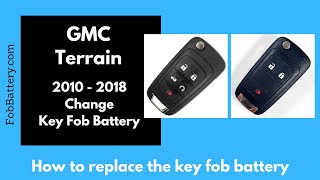
- In cases of RCDLR failure, key fob functions (lock/unlock, remote start) are inoperative 🎬 See how to easily replace your key fob battery or have very short range.
- In rare cases, may be accompanied by intermittent no-start/crank issues with the security light on.
- Replacing the Body Control Module (BCM). While the BCM receives data from the RCDLR, the fault almost always lies with the sensor sending the signal or the RCDLR module that listens for it.
- Replacing only the TPMS sensor when key fob issues are also present. If the key fobs are also malfunctioning, the root cause is almost certainly the RCDLR, not the tire sensor.
Most Likely Causes
- Dead Battery in Left Front TPMS Sensor 🔴 High Probability → Shop Tire Pressure Monitoring System (TPMS) Sensor TPMS sensor batteries are non-rechargeable and have a finite lifespan, typically lasting 5-10 years. Vehicles in this year range are at or beyond the end of their original sensors' life expectancy.
How to confirm: Use a TPMS diagnostic tool to attempt to read the sensor. If the tool cannot get a reading or shows a low battery status, the sensor has failed. Most tire shops can perform this check. If all other sensors read fine and the key fobs work perfectly, the single sensor is the most likely culprit.
Typical fix: Replace the left front TPMS sensor and perform the TPMS relearn procedure. The sensor operates at a frequency of 315MHz.
Est. part cost: $25-$70 - Faulty Remote Control Door Lock Receiver (RCDLR) ⚪ Low Probability → Shop Keyless Entry Receiver As documented in GM TSB 16-NA-396, the RCDLR module can fail internally, causing a loss of communication with both TPMS sensors and key fobs. This is a well-known issue across many GM platforms from this era.
How to confirm: This is the likely cause if you experience C0750 along with other TPMS codes (C0755, C0760, C0765) AND issues with keyless entry, remote start, or a "No Remote Detected" message on the dash. If a second key fob also fails to work, the RCDLR is strongly indicated.
Typical fix: Replace the Remote Control Door Lock Receiver module and program the new unit to the vehicle. This typically requires a dealer or well-equipped independent shop.
Est. part cost: $50-$150
Rare But Worth Checking
- Damaged Sensor: The sensor can be physically damaged during tire mounting/dismounting or by a significant pothole impact. If the light appeared immediately after a tire service, this is a strong possibility.
- RCDLR Antenna Connection: TSB 16-NA-061 describes how a poor or disconnected coaxial antenna cable leading to the RCDLR can cause intermittent or complete loss of signal from the TPMS sensors and key fobs. The symptoms vary depending on where the disconnect occurs; a disconnect far from the module might only affect the furthest sensors (like the left front), while a disconnect at the module itself would cause all sensors and fobs to fail.
Diagnosis Steps
- Check Symptoms: Is the only symptom the 'Service Tire Monitor' message? If so, the cause is likely the sensor itself. If you also have key fob or starting issues, suspect the RCDLR.
- Scan the Sensor: Take the vehicle to a tire shop or use a TPMS diagnostic tool (like an ATEQ VT-series or similar) to read the left front sensor. If the tool gets no response, the sensor is bad.
- Check Other Sensors: Use the tool to verify that the other three sensors are responding. If all four sensors are unresponsive, the RCDLR is the primary suspect.
- Check RCDLR Antenna: If multiple sensors are out, especially those furthest from the rear of the vehicle, inspect the RCDLR antenna connection in the right rear quarter panel area per TSB 16-NA-061 before replacing the module itself.
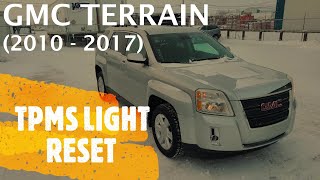
- Perform Relearn Procedure: If a new sensor is installed, a TPMS relearn procedure must be performed. This is initiated via the Driver Information Center (DIC) menu. 🎬 Watch: How to reset the TPMS light on your Terrain Once in learn mode (indicated by a double horn chirp), an activation tool is required to trigger each sensor in sequence (LF, RF, RR, LR). An alternative method of deflating/inflating each tire may work on some models but is not consistently effective.
- Diagnose RCDLR: If the RCDLR is suspected, a professional scan tool is needed to check for communication codes and test the module's function. Replacement requires programming the new module to the vehicle.
Parts You'll Likely Need
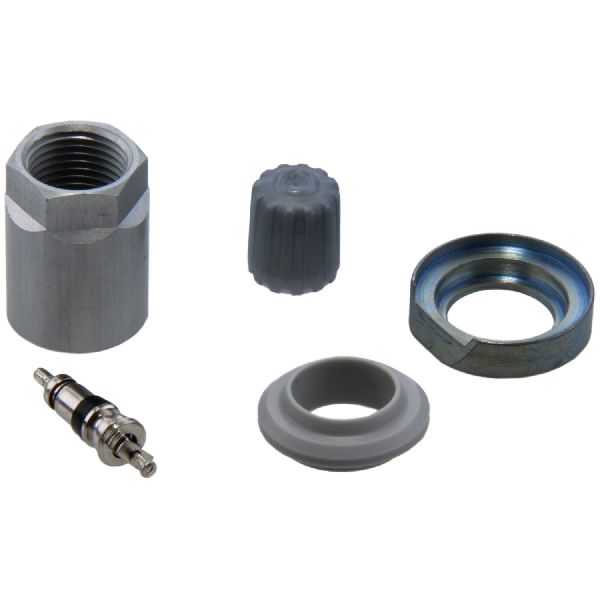
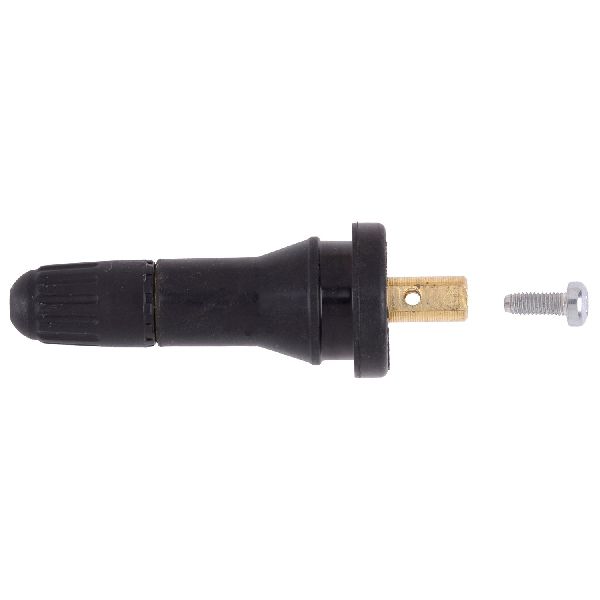
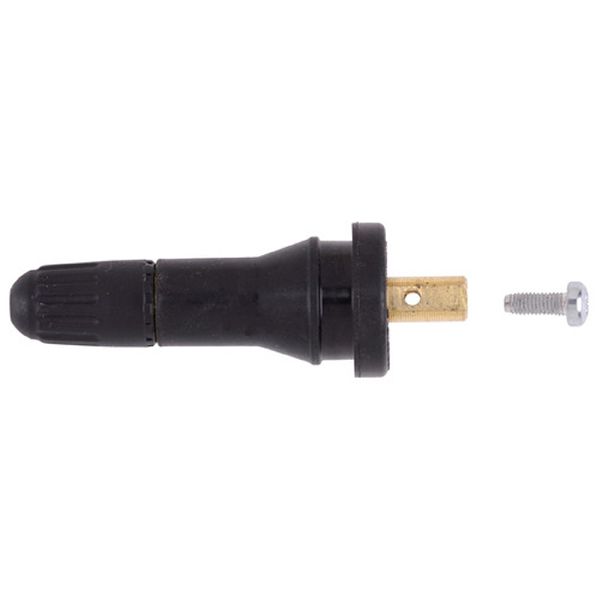
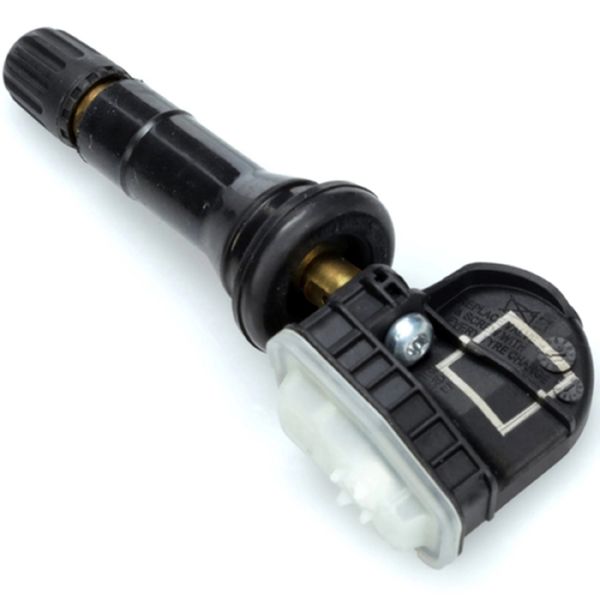
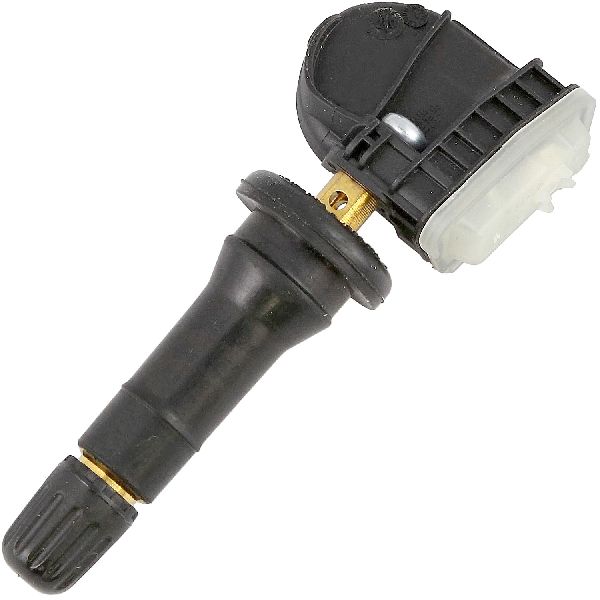
- Tire Pressure Monitoring System (TPMS) Sensor
(OEM #13598771)— This is the most common failure point. The internal battery dies, causing the sensor to stop transmitting. This part number has been superseded by 13540600.
Trusted brands: ACDelco, Schrader, Standard Motor Products, Huf
OEM price range: $40-$70
Aftermarket price range: $25-$50 - Remote Control Door Lock Receiver (RCDLR)
(OEM #13509518)— This is the fix for the less common but more complex scenario where TPMS codes are present with keyless entry and starting problems. TSB 16-NA-396 notes that this part is superseded by part number 13595511.
Trusted brands: ACDelco
OEM price range: $50-$150
Aftermarket price range: $40-$100
Related Codes That Often Appear With This One
- C0755, C0760, C0765 — These are the codes for the other three tire pressure sensors (Right Front, Left Rear, Right Rear). If all appear at once, it strongly points to a failure of the shared RCDLR module rather than all four sensors failing simultaneously.
- B3055, B3060 — These are codes related to the key and immobilizer system. As noted in TSB PIC5650M, their presence with C0750 points to a complex electrical or module-level problem, likely the RCDLR, which handles both TPMS and key fob signals.
Technical Service Bulletins (TSBs) & Recalls
- PIC5650M: Documents the occurrence of C0750 with security/immobilizer codes (B-codes) and no-start conditions, pointing to a complex module issue.
- 16-NA-396: The key document for this issue. It explicitly states that an internal failure of the RCDLR can cause multiple TPMS DTCs (C0750, C0755, C0760, C0765) along with a host of key fob and passive entry/start failures. It recommends replacing the RCDLR module.
- 16-NA-061: Provides a diagnostic path for RCDLR-related symptoms, suggesting technicians check the coaxial antenna connections between the rear glass antenna, an amplifier, and the RCDLR module before replacing the module itself. A loose connection can mimic a failed module.
- PIC6227A: Mentions a known software abnormality in some models that could cause the RCDLR to lock up, leading to TPMS and key fob issues. The interim fix was to perform a battery disconnect to reset the module.
Platform-Specific Known Issues
- A recall (#11261) was issued for some 2012 models for a BCM software issue where the TPMS light would not illuminate at the correct pressure threshold. This was fixed with a software update and is separate from a sensor failure code like C0750.
- The RCDLR module is located behind the trim panel in the right rear of the cargo area. Accessing it requires removing several interior trim pieces.
Mechanic-Grade Diagnostic Values
- TPMS Sensor Transmission Signal Strength — expected: A TPMS tool should show a signal strength graph with more than 1/4 of the bar filled.. Failure: A graph showing 1/4 or less signal strength indicates a weak or failing sensor, even if it transmits data.
- Condition for setting DTC — expected: The RCDLR receives a valid transmission from the sensor at least once every 18 minutes while driving over 25 mph.. Failure: If the RCDLR does not receive a transmission from a specific sensor for 18 minutes, it will set a fault code for that sensor.
Hidden / Shadow Codes Worth Checking
- C0750 03: Left Front Tire Pressure Sensor Low Voltage. This indicates the sensor's internal battery is failing. (see via A professional scan tool like GM GDS2/Tech2 or high-end aftermarket scanners.)
- C0750 29: Left Front Tire Pressure Sensor Too Few Pulses. This means the RCDLR is not receiving the expected number of data packets from the sensor, indicating a communication breakdown. This is specifically mentioned in TSB 16-NA-396 as a symptom of RCDLR failure. (see via A professional scan tool like GM GDS2/Tech2 or high-end aftermarket scanners.)
- C0750 39: Left Front Tire Pressure Sensor Internal Malfunction. This points to a failure of the sensor's internal electronics, not just the battery. (see via A professional scan tool like GM GDS2/Tech2 or high-end aftermarket scanners.)
Scan Tool Commands That Help
- GM GDS2/SPS (Service Programming System): RCDLR - Replace and Program — This function is required when replacing the RCDLR module. It flashes the new module with the correct firmware for the vehicle's VIN and options, then marries it to the BCM and immobilizer system.
- GM GDS2/SPS (Service Programming System): IMMO Immobilizer Learn - Program Transponder or Remote Key — After a new RCDLR is installed and programmed, this function is used to learn the existing (or new) key fobs to the new module.
- High-end TPMS Tool (e.g., ATEQ, Autel): OBDII Relearn / Upload IDs — After replacing a TPMS sensor, this function can write the new sensor's ID directly to the RCDLR/BCM via the OBD-II port, bypassing the manual relearn procedure.
Wiring & Ground Locations
- RCDLR Module — Located behind the interior trim panel in the right rear of the cargo area.. This is the central receiver for all TPMS and key fob signals. Its location is critical for inspection of its connector and antenna.
- RCDLR Antenna — The antenna is integrated into the right rear quarter glass, connected to an amplifier, which then runs via a coax cable to the RCDLR module.. A disconnected coax cable at the RCDLR, amplifier, or glass can cause loss of signal from one or more TPMS sensors, mimicking a failed sensor or RCDLR module. TSB 16-NA-061 advises checking these connections before replacing parts.
- G401 — Ground point located in the left side of the luggage compartment/cargo area.. A poor ground in the rear of the vehicle could potentially affect the RCDLR module's operation, causing intermittent communication issues.
- G403 — Ground point located in the right side of the luggage compartment/cargo area, near the RCDLR.. This is a likely primary ground point for the RCDLR. Corrosion or a loose connection here can directly cause RCDLR malfunctions, leading to C0750 and other related codes.
Real Owner Repair Stories
- equinoxforum.net user (2011 Chevrolet Equinox) — All four TPMS sensors were not reading (showing dashes on DIC), and both key fobs stopped working (no lock/unlock, no remote start).
❌ Tried (didn't work) Replacing the batteries in the key fobs., Attempting the TPMS relearn procedure, which failed to initiate.
✅ What actually fixed it The user replaced the Remote Control Door Lock Receiver (RCDLR) module located in the right rear quarter panel. After replacement, a shop programmed the new module, which restored function to all TPMS sensors and both key fobs.
OEM Part Supersession History
13509518→13595511— Internal revision to address the failure patterns described in TSB 16-NA-396.
Heads up: The new part number is a direct replacement for the old one and should be used for all repairs.13598771→13540600— Standard part number consolidation and revision by the manufacturer (ACDelco/GM).
Helpful Videos
We Have This Part in Stock


The information in this article is provided for general reference and educational purposes only. Vehicle specifications, procedures, and part compatibility can vary by production date, trim level, and region. Always consult your vehicle's factory service manual and verify part numbers before purchasing or performing repairs. Safety-critical components such as airbags, seat belts, and braking systems should be installed by a qualified professional.
- Gmc TERRAIN:
- 🧭 Diagnostic Flowchart
- 🎬 Helpful Videos
- 🛍️ Shop This Part
- What's Unique About the 2010-2017 Gmc TERRAIN
- Symptoms You May Notice
- Most Likely Causes
- Rare But Worth Checking
- Diagnosis Steps
- Parts You'll Likely Need
- Related Codes That Often Appear With This One
- Technical Service Bulletins (TSBs) & Recalls
- Platform-Specific Known Issues
- Mechanic-Grade Diagnostic Values
- Hidden / Shadow Codes Worth Checking
- Scan Tool Commands That Help
- Wiring & Ground Locations
- Real Owner Repair Stories
- OEM Part Supersession History
- 🎟️ Get 5% Off