

C0750 on 2018-2025 GMC Terrain: TPMS Fault, No-Start Causes, and Fixes
On a 2018-2025 GMC Terrain, code C0750 indicates a fault with the Left Front Tire Pressure Sensor. While this often just requires a new sensor (~$30-$70), it can also be linked to a faulty Remote Control Door Lock Receiver (RCDLR) that prevents the car from starting. If you have a no-start and security light, suspect the RCDLR.
- C0750 on your GMC Terrain points to the left front tire pressure sensor.
- If your only symptom is a TPMS light, you likely just need a new sensor.
- CRITICAL: If the car won't start and the security light is on, the problem is likely the Remote Control Door Lock Receiver (RCDLR), not your starter or battery.
- If multiple TPMS codes (C0755, C0760, etc.) appear at once, suspect a central module like the RCDLR, not multiple bad sensors.
- Module replacement will likely require programming by a professional.
What's Unique About the 2018-2025 Gmc TERRAIN
On this generation of GMC Terrain and its platform mates like the Chevrolet Equinox, the Tire Pressure (TPMS) and Remote Keyless Entry systems are integrated. Both the tire sensors and your key fob send signals to the same module: the Remote Control Door Lock Receiver (RCDLR). Because the RCDLR is also a critical part of the vehicle's anti-theft and immobilizer system, an internal fault within this module can cause a cascading failure. The system may not only set TPMS codes like C0750 but also fail to recognize the key fob, triggering the security light and preventing the engine from starting. This turns a simple tire pressure code into a potential no-start situation, a widely documented issue in GM bulletins.
Diagnostic Flowchart
Tap your situation to follow the diagnostic path that matches what you're seeing on this vehicle.
Symptoms You May Notice
- Tire Pressure Monitoring System (TPMS) light is on (may flash for one minute then stay solid)
- "Service Tire Monitor System" message on the Driver Information Center (DIC)
- Inability to read the left front tire pressure on the DIC (displays as dashes)
- Intermittent no-crank, no-start, or start-and-stall condition
- Security indicator light illuminated on the dashboard
- "No Remote Detected" message on the DIC
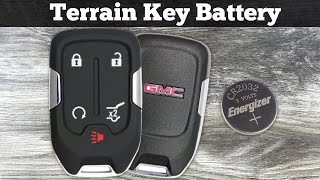
- Key fob functions (lock, unlock, remote start) not working or have very poor range 🎬 Watch: How to replace your key fob battery.
- Vehicle may start only when the key fob is placed in the transmitter pocket/cupholder 🎬 See what to do if your anti-theft system prevents starting.
- Replacing the vehicle's main 12V battery or starter when a no-start is present. If the security light is on and C0750 is stored, the problem is almost certainly related to the RCDLR/immobilizer system, not the starting system itself.
- Replacing all four TPMS sensors when all four codes (C0750, C0755, C0760, C0765) are present. The simultaneous failure of all four sensors is highly unlikely and strongly points to a central receiver (RCDLR) problem.
Most Likely Causes
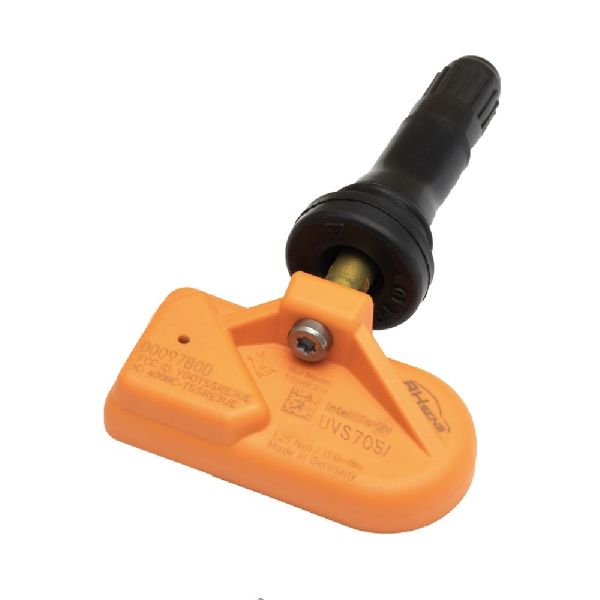
- Dead or Failing Left Front TPMS Sensor 🔴 High Probability → Shop Tire Pressure Monitoring System (TPMS) Sensor TPMS sensor batteries have a finite lifespan, typically 5-10 years. Vehicles in the 2018-2020 range are now reaching this age. A low battery condition is a common reason for this code to set.
How to confirm: Use a TPMS diagnostic tool (like an Autel TS508 or similar) to attempt to read the sensor. If the tool cannot get a reading, or shows a dead or low battery status, the sensor is bad. This is the most likely cause if C0750 appears alone with only a TPMS light and key fobs work normally.
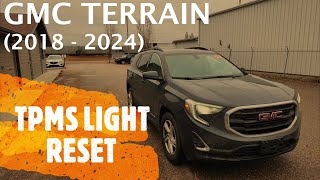
Typical fix: Replace the left front TPMS sensor and perform the TPMS relearn procedure using a TPMS tool. 🎬 Watch: How to reset your TPMS light after the repair.
Est. part cost: $30-$70 - Faulty Remote Control Door Lock Receiver (RCDLR) 🟡 Medium Probability → Shop Keyless Entry Receiver As identified in GM Technical Service Bulletin 16-NA-396, an internal fault in this module is a known failure point that causes a cluster of TPMS and keyless entry/starting issues on the Terrain, Equinox, and other models.
How to confirm: This is the most likely cause if you have C0750 along with other TPMS codes (C0755, C0760, C0765) AND symptoms like a no-start, security light, or "No Remote Detected" message. Diagnosis requires a professional scan tool to check for communication with the RCDLR. A real-world example from an Equinox owner confirmed a new RCDLR solved their TPMS relearn and key fob issues.
Typical fix: Replace the Remote Control Door Lock Receiver. This part MUST be programmed by a dealer or a properly equipped independent shop using GM's Service Programming System (SPS). The original part number 13595511 has been superseded by 13540045.
Est. part cost: $50-$150
Rare But Worth Checking
- Body Control Module (BCM) Fault: The BCM is the central computer that processes signals from the RCDLR. While rare, a BCM failure can mimic sensor or RCDLR issues. This should only be considered after ruling out the sensor and RCDLR. A soft reset by disconnecting the battery may resolve temporary glitches.
- Wiring Harness Damage or Disconnection: Damage or disconnection of the wiring or coaxial antenna cable for the RCDLR can cause these symptoms. GM TSB 16-NA-061 details how a disconnected RCDLR antenna can cause TPMS codes and poor key fob range. TSB 19-NA-243 points to water leaks in the 'A' pillar causing corrosion in body connectors, which could also be a factor.
- Radio Frequency Interference (RFI): As detailed in TSB PIC5650M, aftermarket electronic devices like phone chargers, LED lights, or even toll passes can emit radio frequencies that interfere with the signals from the TPMS sensors and key fobs, causing intermittent issues and setting codes like C0750. Before replacing parts, remove all non-factory electronic devices from the vehicle to see if the problem disappears.
Diagnosis Steps
- Scan for all DTCs in all modules. Note any codes that accompany C0750, especially other TPMS codes (C0755, etc.) or B-codes related to security (B3055). Note any symptom bytes, such as ':29' (Too Few Pulses) or ':03' (Low Voltage), which require a GM-specific scan tool.
- Analyze symptoms. Is it just a TPMS light, or are there no-start, security, or key fob issues? If key fob and starting issues are present, the RCDLR is the primary suspect.
- Remove potential RFI sources. Unplug all aftermarket chargers, dash cams, and LED lights. Remove toll passes from the windshield. See if the issue resolves.
- If ONLY the TPMS light is on with code C0750, use a TPMS tool to check the left front sensor's battery and signal. If it's bad, replace the sensor.
- If no-start and security symptoms are present, suspect the RCDLR. This is especially true if multiple TPMS codes are stored. A professional scan tool is needed to confirm by checking communication with the module.
- As per TSB 16-NA-061, inspect the RCDLR antenna and coaxial cable connections. The RCDLR is located behind the driver's side rear quarter trim panel. Ensure the connections are secure at the module and at the antenna amplifier, which is typically near the rear glass.
- If a new sensor doesn't fix an isolated C0750, or if symptoms point to the RCDLR, professional diagnosis with a GM-compatible scan tool is required to test module communication and command functions.
- After any repair (sensor or module replacement), perform the TPMS relearn procedure as specified for the vehicle. If the RCDLR was replaced, it must be programmed first using GM's SPS software, followed by learning the keys/fobs.
Parts You'll Likely Need
- Tire Pressure Monitoring System (TPMS) Sensor
(OEM #13598771)— This is the most common failure point for an isolated C0750 code. The internal battery dies, causing the sensor to stop transmitting.
Trusted brands: ACDelco, Schrader, Huf, Continental
OEM price range: $40-$70
Aftermarket price range: $25-$50 - Remote Control Door Lock Receiver (RCDLR)
(OEM #13595511 (Superseded by 13540045))— This module is a known weak point that causes TPMS codes in conjunction with no-start and key fob issues, as documented in GM TSB 16-NA-396.
Trusted brands: ACDelco (GM Genuine)
OEM price range: $50-$150
Aftermarket price range: N/A
Related Codes That Often Appear With This One
- C0755, C0760, C0765 — These are the codes for the Right Front, Right Rear, and Left Rear TPMS sensors, respectively. When they appear together with C0750, it strongly suggests a central system failure (like the RCDLR) rather than four individual sensors failing simultaneously, as noted in TSB 16-NA-396.
- B3055, B3060 — These codes relate to the key transponder and immobilizer system. Their presence alongside C0750 is a strong indicator that the RCDLR is malfunctioning and causing a security-related no-start condition, as noted in TSB PIC5650M.
Technical Service Bulletins (TSBs) & Recalls
- PIC5650M / F / K: A series of bulletins that describe an intermittent no crank/no start or start/stall condition with the security light on. It lists C0750 among the potential codes and strongly suggests investigating Radio Frequency Interference (RFI) from aftermarket devices before replacing parts.
- 16-NA-396: The primary TSB for this issue. It explicitly states that an internal fault in the RCDLR can cause intermittent key fob operation, "No Remote Detected" messages, and TPMS codes C0750, C0755, C0760, and C0765.
- 16-NA-061: Details how a disconnected RCDLR antenna or its coaxial cable can cause TPMS codes and poor key fob range, mimicking a failed RCDLR module.
Platform-Specific Known Issues
- RCDLR Failure Causing No-Start: A widely known issue, documented in TSB 16-NA-396, links TPMS codes C0750, C0755, C0760, and C0765 to no-start conditions due to an internal fault in the Remote Control Door Lock Receiver (RCDLR). Symptoms include the security light, "No Remote Detected" messages, and inoperative key fobs. The official fix is to replace and program the RCDLR module.
- Radio Frequency Interference (RFI): GM has issued multiple bulletins (PIC5650 series) warning that aftermarket electronics can interfere with the RCDLR, causing identical symptoms to a failed module. Before replacing expensive parts, it is critical to remove all aftermarket phone chargers, LED lights, and other devices to rule out RFI as the cause.
Hidden / Shadow Codes Worth Checking
- C0750 :03: Low Voltage. This symptom code (or failure byte) specifically indicates the RCDLR has detected that the TPMS sensor's internal battery is weak or failing. (see via GM GDS2 or other professional scan tool capable of reading manufacturer-specific symptom codes.)
- C0750 :29: Too Few Pulses. This symptom code indicates the RCDLR is not receiving the expected number of data transmissions from the TPMS sensor. This is explicitly mentioned in TSB 16-NA-396 as being associated with an internal RCDLR fault. (see via GM GDS2 or other professional scan tool capable of reading manufacturer-specific symptom codes.)
- C0750 :39: Internal Malfunction. This symptom code points to an internal failure within the TPMS sensor itself, rather than a battery or transmission issue. (see via GM GDS2 or other professional scan tool capable of reading manufacturer-specific symptom codes.)
Scan Tool Commands That Help
- GDS2 (GM Global Diagnostic System 2): Module Diagnostics > Remote Control Door Lock Receiver > Configuration/Reset Functions > Add/Replace Key Fobs — This function is required after replacing the RCDLR to program the existing (or new) key fobs to the new module. The vehicle will not start until this is completed.
- GDS2 (GM Global Diagnostic System 2): Service Programming System (SPS) — This web-based application, launched from the main GM service portal, is required to program a new RCDLR. It downloads the correct software and calibration files for the specific vehicle's VIN into the new module before key learning can be performed.
- TPMS Relearn Tool (e.g., Autel, VXDIAG, EL-50448): TPMS Relearn Procedure — After replacing a TPMS sensor or rotating tires, the vehicle must be put into 'Tire Learning Active' mode via the DIC. The tool is then used to trigger each sensor in sequence (LF, RF, RR, LR) to register their new positions with the BCM.
Wiring & Ground Locations
- RCDLR (Remote Control Door Lock Receiver) — Located behind the driver's side rear quarter trim panel in the cargo area. You must remove the trim to access it.. This is the central module that receives signals from both the TPMS sensors and key fobs. A failure or poor connection here is a primary cause of C0750, especially when accompanied by key fob issues.
- RCDLR Antenna — The main antenna is integrated into the right rear quarter glass, with an amplifier module and coaxial cable connecting it to the RCDLR.. A disconnected coaxial cable at the RCDLR, the amplifier, or the glass antenna itself can cause poor signal reception, leading to TPMS codes and key fob range issues, as detailed in TSB 16-NA-061.
- G3xx Grounds — According to GM's naming convention, grounds starting with 'G3' are located in the rear passenger or cargo area of the vehicle, often behind the B-pillar or C-pillar trim panels.. The RCDLR is located in the rear of the vehicle and relies on a solid chassis ground. A loose or corroded ground point in this area (e.g., G303, G304) could cause intermittent operation of the module, leading to TPMS and immobilizer faults.
Real Owner Repair Stories
- Reddit user in r/AskAMechanic (2019 Chevrolet Equinox (platform mate)) — TPMS light on, "Service Tire Monitor System" message, and key fob not working at all.
❌ Tried (didn't work) Replacing the key fob battery.
✅ What actually fixed it The user reported that replacing the Remote Control Door Lock Receiver (RCDLR) and having it programmed resolved all symptoms. The TPMS system began working correctly and the key fob functionality was restored.
OEM Part Supersession History
13595511→13540045— Standard part revision and consolidation by the manufacturer.
Heads up: The new part number 13540045 also supersedes 13509518 and 13523281. It is the correct service replacement for the entire generation but always requires programming via GM's Service Programming System (SPS) to function.
Helpful Videos

We Have This Part in Stock

The information in this article is provided for general reference and educational purposes only. Vehicle specifications, procedures, and part compatibility can vary by production date, trim level, and region. Always consult your vehicle's factory service manual and verify part numbers before purchasing or performing repairs. Safety-critical components such as airbags, seat belts, and braking systems should be installed by a qualified professional.
- Gmc TERRAIN:
- 🧭 Diagnostic Flowchart
- 🎬 Helpful Videos
- 🛍️ Shop This Part
- What's Unique About the 2018-2025 Gmc TERRAIN
- Symptoms You May Notice
- Most Likely Causes
- Rare But Worth Checking
- Diagnosis Steps
- Parts You'll Likely Need
- Related Codes That Often Appear With This One
- Technical Service Bulletins (TSBs) & Recalls
- Platform-Specific Known Issues
- Hidden / Shadow Codes Worth Checking
- Scan Tool Commands That Help
- Wiring & Ground Locations
- Real Owner Repair Stories
- OEM Part Supersession History
- 🎟️ Get 5% Off