

C0755 on 2017-2024 Cadillac XT5: Right Front TPMS and Key Fob Faults Explained
Code C0755 indicates a fault with the right front tire pressure sensor. The most common cause is a dead sensor battery, requiring sensor replacement. However, if your key fob is also malfunctioning ('No Fob Detected' message), the problem is likely a faulty Remote Control Door Lock Receiver (RCDLR) or its antenna connection, a known issue on this platform covered by multiple GM service bulletins.
- C0755 points to a problem with the right front tire pressure sensor.
- If your key fob is also not working, the problem is very likely the Remote Control Door Lock Receiver (RCDLR), not the sensor itself. Mention TSB #16-NA-396 to your mechanic.
- The most common fix is replacing the TPMS sensor in the right front tire, which has a battery that lasts about 5-10 years.
- Sensor replacement requires tire removal and a special tool to complete the 'relearn' procedure so the car recognizes the new sensor.
- Always check your tire pressure with a manual gauge, as the warning light means the automated system is not working.
What's Unique About the 2017-2024 Cadillac XT5
On the Cadillac XT5 and related GM platforms (GMC Acadia, Chevy Traverse), the Tire Pressure Monitoring System (TPMS) and the keyless entry system are integrated. Both the tire sensors and the key fobs send signals to the same module: the Remote Control Door Lock Receiver (RCDLR). A documented issue, highlighted in TSB #16-NA-396, shows that an internal failure of the RCDLR can cause TPMS codes like C0755 while also making the key fob inoperative. Furthermore, TSB #16-NA-061 points out that these same symptoms can be caused by a simple disconnected coax cable for the RCDLR's antenna, which is often located in the rear of the vehicle near the D-pillar.
Diagnostic Flowchart
Tap your situation to follow the diagnostic path that matches what you're seeing on this vehicle.
Symptoms You May Notice
- TPMS warning light is flashing for ~60 seconds on startup, then stays on solid.
- "Service Tire Monitor System" message on the Driver Information Center (DIC).
- The pressure reading for the right front tire shows as dashes "--" on the DIC.
- Key fob functions (lock, unlock, remote start) are inoperative or have very poor range.
- "No Fob Detected" message on the DIC, even with the key inside the car.
- In rare cases, a no-crank or no-start condition with the security light on (as noted in TSB #PIC5650M).
- Replacing the TPMS sensor when the RCDLR or its antenna connection is the actual cause, especially if key fob issues are also present.
- Replacing the key fob battery when the RCDLR is not receiving its signal.
- Assuming the TPMS sensor is bad when the relearn procedure was simply not performed or done incorrectly after a tire rotation or replacement. 🎬 Watch this guide on diagnosing faults and the relearn procedure.
Most Likely Causes
- Dead TPMS Sensor Battery 🔴 High Probability → Shop Tire Pressure Monitoring System (TPMS) Sensor TPMS sensor batteries are not rechargeable and have a finite lifespan, typically 5-10 years. Vehicles in the 2017-2024 range are now reaching the age where battery failure is common. A real-world owner of a 2017 model confirmed their sensor died in late 2025.
How to confirm: Use a TPMS diagnostic tool to attempt to 'wake up' or read the sensor. If the tool cannot get a response from the right front sensor, the battery is almost certainly dead.
Typical fix: Replace the right front TPMS sensor. The battery is integrated into the sensor and cannot be replaced separately. It is often recommended to replace all four sensors if they are original, as the others likely have a similar remaining lifespan.
Est. part cost: $35-$75 - Faulty Remote Control Door Lock Receiver (RCDLR) 🟡 Medium Probability → Shop Keyless Entry Receiver As cited in TSB #16-NA-396, this specific module is a known failure point that can cause TPMS codes and key fob issues simultaneously. Forum discussions with owners of similar GM vehicles confirm dealers replacing the RCDLR to fix this issue, with repair quotes around $500.
How to confirm: If TPMS code C0755 is present along with other TPMS codes (C0750, C0760, C0765) AND the key fobs do not work, the RCDLR is the primary suspect. A scan tool may also show communication loss with the RCDLR or a specific symptom code like ':29'.
Typical fix: Replace the RCDLR module. This part requires programming by a dealer or a qualified shop with the correct GM software (SPS/GDS2).
Est. part cost: $45-$85 - Disconnected RCDLR Antenna Coax Cable ⚪ Low Probability TSB #16-NA-061 was issued by GM specifically to address this. The antenna system for the RCDLR can become disconnected at the module, at the antenna amplifier, or at the antenna itself (often in the rear glass), causing loss of signal from TPMS sensors and key fobs.
How to confirm: If you have simultaneous TPMS and key fob issues, inspect the RCDLR antenna connections in the rear of the vehicle before replacing parts. A disconnected coax cable at the RCDLR will cause all TPMS sensors to show dashes and severely limit key fob range.
Typical fix: Locate and reconnect the loose coaxial cable at the RCDLR module, antenna amplifier, or rear window antenna.
Est. part cost: $0 - Damaged TPMS Sensor ⚪ Low Probability → Shop Tire Pressure Monitoring System (TPMS) Sensor Sensors can be damaged during tire service (mounting/dismounting) or from impacts like hitting a large pothole.
How to confirm: A visual inspection during tire dismounting may reveal physical damage. Like a dead battery, it will not respond to a TPMS diagnostic tool.
Typical fix: Replace the damaged TPMS sensor. 🎬 See how to install a new sensor on this platform.
Est. part cost: $35-$75
Rare But Worth Checking
- Radio Frequency (RF) Interference: Aftermarket electronic devices like dash cams, phone chargers, or metallic window tint can sometimes interfere with the low-power signals from the TPMS sensors to the RCDLR.
Diagnosis Steps
- Verify tire pressures manually with a quality gauge to rule out an actual low tire.
- Check for symptoms beyond the TPMS light. Does the key fob work? Is there a 'No Fob Detected' message? If yes, the problem is likely central (RCDLR/antenna).
- Per TSB #16-NA-061, inspect the RCDLR antenna connections before replacing parts. The coax cable can become disconnected from the module, the amplifier, or the rear glass antenna.
- Use a TPMS activation tool to test the right front sensor. If it does not respond (and the other sensors do), the sensor itself is the most likely problem.
- If the sensor was just replaced, ensure the correct relearn procedure was performed. The vehicle must be in 'learn mode', and sensors are activated in a specific sequence (LF, RF, RR, LR).
- If the key fob is inoperative and the car won't start, place the fob in the transmitter pocket in the center console to bypass the remote function and test the immobilizer chip.
- If multiple TPMS codes are present and the antenna connections are secure, diagnose the RCDLR module. This typically requires a dealer-level scan tool to check for communication and internal faults.
- If all else fails, check for wiring issues between the RCDLR and the Body Control Module (BCM).
Parts You'll Likely Need
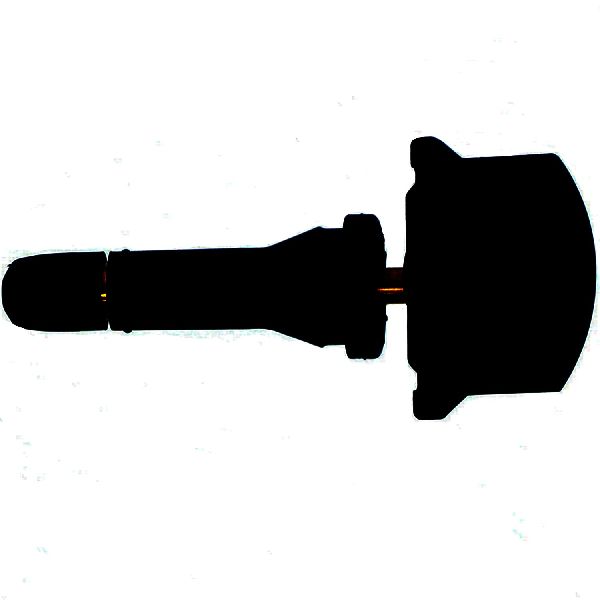
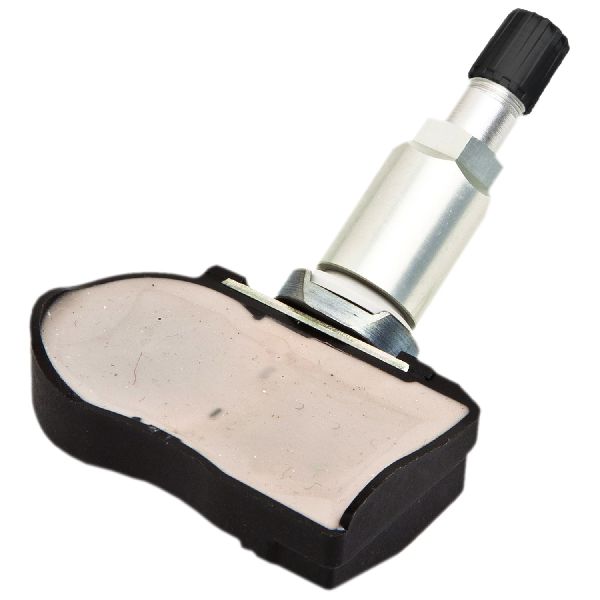
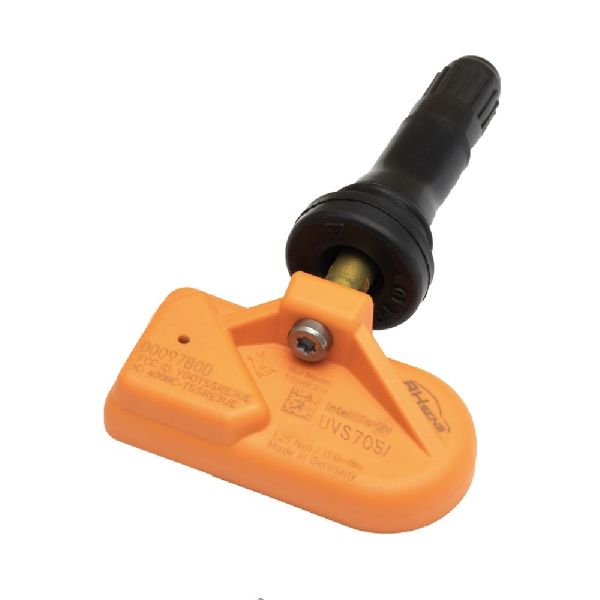
- Tire Pressure Monitoring System (TPMS) Sensor
(OEM #13598773, 13540602)— This is the most common failure point, usually due to an expired internal battery.
Trusted brands: ACDelco, Schrader, Continental, Denso
OEM price range: $50-$90
Aftermarket price range: $35-$60 - Remote Control Door Lock Receiver (RCDLR)
(OEM #13509518 or 13595511)— A known failure point on this platform that causes both TPMS and key fob issues, as documented in TSB #16-NA-396. Note that different part numbers may exist.
Trusted brands: ACDelco, General Motors
OEM price range: $45-$85
Aftermarket price range: $30-$60
Related Codes That Often Appear With This One
- C0750, C0760, C0765 — These are the codes for the other three tire pressure sensors (LF, LR, RR). If they appear together, it strongly points to a central issue like a faulty RCDLR or its antenna connection, rather than all four sensors failing at once.
- B3055, B3060, B3935 — As noted in TSB #PIC5650M, these codes relate to the vehicle's security and key systems. Their presence with C0755 suggests a broader electrical or module issue, possibly related to the RCDLR or BCM.
Technical Service Bulletins (TSBs) & Recalls
- PIC5650M: Addresses no crank/no start conditions where C0755 may be present with other security-related codes.
- 16-NA-396: Identifies a faulty Remote Control Door Lock Receiver as the cause for simultaneous key fob and TPMS failures, including code C0755.
- 16-NA-061: Details how a disconnected RCDLR antenna system can cause TPMS and key fob issues, urging a connection check before component replacement.
Platform-Specific Known Issues
- TSB #16-NA-396: Specifically calls out that inoperative key fobs combined with TPMS codes C0750, C0755, C0760, and C0765 can be caused by an internal fault in the Remote Control Door Lock Receiver, requiring module replacement.
- TSB #16-NA-061: Provides a critical diagnostic step, advising technicians to check for a disconnected RCDLR antenna coax cable before replacing the module, as this can cause identical symptoms.
- TSB #PIC5650M: Notes that C0755 can be one of several codes present in a no-crank or start-and-stall condition related to the vehicle's security system.
Hidden / Shadow Codes Worth Checking
- C0755 :29: Right Front Tire Pressure Sensor Too Few Pulses. This is the most specific symptom byte related to TSB #16-NA-396 and points directly to a faulty RCDLR or antenna issue. (see via GM GDS2 or equivalent professional-grade scan tool that can read manufacturer-specific symptom codes.)
- C0755 :03: Right Front Tire Pressure Sensor Low Voltage. This typically indicates a failing or dead battery within the TPMS sensor itself. (see via GM GDS2 or equivalent professional-grade scan tool.)
- C0755 :39: Right Front Tire Pressure Sensor Internal Malfunction. This points to a failure of the sensor's internal electronics, separate from its battery. (see via GM GDS2 or equivalent professional-grade scan tool.)
Scan Tool Commands That Help
- GDS2 / Tech2Win: RCDLR Module Setup / Programming — This is required after replacing the Remote Control Door Lock Receiver (RCDLR). The new module must be programmed to the vehicle's VIN and configured for its specific options using the Service Programming System (SPS).
- GDS2 / Tech2Win: Theft Deterrent System Learn — After programming a new RCDLR, the vehicle's existing keys/fobs must be relearned to the new module to allow the engine to start.
- DIC or TPMS Tool: Tire Pressure Sensor Learn — Required after replacing a TPMS sensor, rotating tires, or replacing the RCDLR. This procedure matches each sensor's unique ID to its position on the vehicle. It can be initiated via the Driver Information Center (DIC) and completed by letting air out of tires in sequence, or more quickly with a dedicated TPMS activation tool.
Wiring & Ground Locations
- Remote Control Door Lock Receiver (RCDLR) — In the rear of the vehicle, typically in the D-pillar area or near the rear glass.. This module is the central receiver for all TPMS sensor and key fob signals. Its failure or a loose connection is a primary cause of code C0755, especially when key fob issues are also present.
- RCDLR Antenna System — Consists of four parts: the RCDLR module, a coax cable running from it, an antenna amplifier module, and the antenna itself which is often integrated into the right rear quarter glass.. A disconnection at any of the three connection points (RCDLR to coax, coax to amplifier, amplifier to glass antenna) will cause a loss of signal and trigger TPMS codes. The closer the disconnect is to the RCDLR, the more severe the symptoms.
Real Owner Repair Stories
- Reddit user /u/Lower_Salt_8001 (Cadillac XT5 (year not specified, but within range)) — After replacing two TPMS sensors, the warning light went away, but the DIC still showed dashes (--) for the new sensors and would not display a pressure reading.
❌ Tried (didn't work) Driving the car for an hour, assuming it would auto-relearn., The mechanic's initial programming attempt.
✅ What actually fixed it The mechanic had to re-do the sensor pairing/programming procedure. The first attempt was not done correctly, and once properly paired, the sensors began reading correctly.
OEM Part Supersession History
13598773→13540602— Standard part evolution and consolidation by GM.
Heads up: Part number 13540602 is the current service replacement for a wide range of GM vehicles and supersedes multiple older numbers including 13581561, 13589256, and 22853740.13509518→13540045— Part update or revision by GM.
Heads up: When replacing the RCDLR, always verify the correct, most current part number with a dealer based on the vehicle's VIN, as multiple revisions exist.
Model Year Variations Within This Range
- 2017: TSB #16-NA-396, which addresses a faulty RCDLR causing this code, specifically applies to 2017 Cadillac XT5 models built between July 11, 2016, and December 14, 2016, suggesting the issue may have been corrected in later production.
- 2020-2024: The Cadillac XT5 received a refresh for the 2020 model year which included changes to some electronic modules. For example, the Body Control Module (BCM) has different part numbers for 2020+ models versus 2017-2019 models, which could affect diagnostics.
Helpful Videos
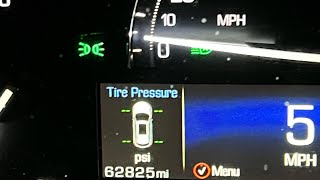
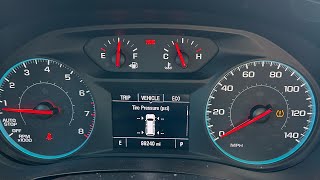
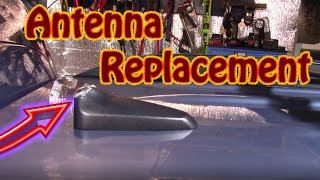
We Have This Part in Stock

The information in this article is provided for general reference and educational purposes only. Vehicle specifications, procedures, and part compatibility can vary by production date, trim level, and region. Always consult your vehicle's factory service manual and verify part numbers before purchasing or performing repairs. Safety-critical components such as airbags, seat belts, and braking systems should be installed by a qualified professional.
- Cadillac XT5:
- 🧭 Diagnostic Flowchart
- 🎬 Helpful Videos
- 🛍️ Shop This Part
- What's Unique About the 2017-2024 Cadillac XT5
- Symptoms You May Notice
- Most Likely Causes
- Rare But Worth Checking
- Diagnosis Steps
- Parts You'll Likely Need
- Related Codes That Often Appear With This One
- Technical Service Bulletins (TSBs) & Recalls
- Platform-Specific Known Issues
- Hidden / Shadow Codes Worth Checking
- Scan Tool Commands That Help
- Wiring & Ground Locations
- Real Owner Repair Stories
- OEM Part Supersession History
- Model Year Variations Within This Range
- 🎟️ Get 5% Off