

C0755 on 2017-2021 Chevrolet Bolt EV: Right Front TPMS Fault Causes and Fixes
Code C0755 on a 2017-2021 Bolt EV means there's a problem with the right front tire pressure sensor. This is usually a dead sensor battery, costing about $40-$60 for the part. However, if your key fob is also acting up, a faulty Remote Control Door Lock Receiver (RCDLR) is a known issue, which is a more expensive repair.
- C0755 points to a fault with the right front TPMS sensor.
- If C0755 appears alone, the sensor itself has likely failed due to a dead battery. Ensure the replacement is a 315 MHz sensor.
- If you also have other TPMS codes (C0750, C0760, C0765) AND your key fob is not working, the problem is almost certainly the Remote Control Door Lock Receiver (RCDLR), per TSB #16-NA-396.
- Replacing a sensor is a simple part swap but requires dismounting the tire. Replacing the RCDLR requires professional programming.
- Always check your tire pressures manually with a gauge until the TPMS warning light is resolved.
What's Unique About the 2017-2021 Chevrolet BOLT EV
While a single dead TPMS sensor is a common issue on any modern vehicle, the Chevrolet Bolt EV and other GM platforms of this era have a specific documented failure point. A technical service bulletin (TSB #16-NA-396) highlights that the Remote Control Door Lock Receiver (RCDLR) can fail internally. Because this single module processes RF signals from both the TPMS sensors and the key fobs, its failure can cause all TPMS sensors to report errors simultaneously (C0750, C0755, C0760, C0765) and also disable remote locking, unlocking, and starting functions. This turns a simple tire sensor issue into a more complex central module problem.
Diagnostic Flowchart
Tap your situation to follow the diagnostic path that matches what you're seeing on this vehicle.
Symptoms You May Notice
- Tire pressure monitor indicator light is flashing for about 60 seconds on startup, then stays on solid.
- Driver Information Center (DIC) may show dashes (--) for the right front tire pressure reading.
- DIC may display a "Service Tire Monitor System" message.
- If the RCDLR is the cause, key fob functions (lock, unlock, remote start, panic) may be inoperative or have severely reduced range.
- If the RCDLR is the cause, a "No Remote Detected" message may appear on the DIC when trying to start the vehicle.
- Replacing a single TPMS sensor when the RCDLR is actually at fault. If all four tire pressure readings are lost and the key fob isn't working, the problem is central, not at one wheel.
- Replacing the 12V battery. While a failing 12V battery can cause numerous random electrical faults on a Bolt EV, it is not the direct cause for a specific C0755 code unless it is accompanied by a host of other voltage-related DTCs.
Most Likely Causes
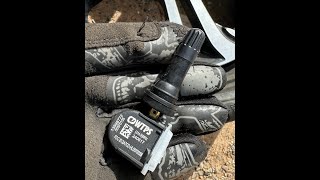
- Dead or Faulty Right Front TPMS Sensor 🔴 High Probability → Shop Tire Pressure Monitoring System (TPMS) Sensor The internal, non-rechargeable battery in a TPMS sensor has a finite lifespan, typically 7-10 years. Vehicles in this year range are reaching the age where battery failure is common. A user on YouTube documented replacing their 2017 Bolt's sensors after 8.5 years.
How to confirm: Use a TPMS diagnostic tool (like an Autel or Bartec) to attempt to read the sensor's signal directly at the wheel. If the tool cannot get a reading (or shows a low battery status), the sensor has failed. Alternatively, if the TPMS relearn procedure fails specifically at the right front wheel, the sensor is the likely culprit.
Typical fix: Replace the TPMS sensor in the right front wheel. The tire must be dismounted to access the sensor. The new sensor must be the correct frequency (315 MHz for this model) and a relearn procedure must be performed. A full set of four aftermarket sensors can be purchased for as little as $26.
Est. part cost: $25-$70 - Faulty Remote Control Door Lock Receiver (RCDLR) 🟡 Medium Probability → Shop Keyless Entry Receiver A known issue documented in GM Technical Service Bulletin #16-NA-396 describes an internal fault within the RCDLR that affects 2017 Bolt EVs and other contemporary GM models like the Chevy Cruze. The bulletin states the cause is "issues internal to the Remote Control Door Lock Receiver."
How to confirm: This is the most likely cause if you have multiple TPMS codes (C0750, C0755, C0760, C0765) and/or your key fob functions are intermittent or completely dead. A professional scan tool can check for communication with the RCDLR itself. If the module is unresponsive, it has failed.
Typical fix: Replace the Remote Control Door Lock Receiver module. This part requires programming by a GM dealer or a qualified independent shop with access to GM's Service Programming System (SPS2). The module is typically located behind the interior trim in the rear of the vehicle.
Est. part cost: $150-$250
Rare But Worth Checking
- Radio Frequency Interference (RFI): Although more commonly associated with key fob detection issues (like code B3055), strong RFI from aftermarket devices like dash cams or phone chargers plugged into the 12V outlet can sometimes interfere with the RCDLR's ability to receive TPMS signals. TSB PIC5650M specifically warns against replacing modules before unplugging all aftermarket accessories to rule out RFI.
- Faulty Body Control Module (BCM): → Shop Body Control Module In very rare cases, the BCM itself can be the source of the problem, failing to correctly interpret signals from a working RCDLR. This would typically be accompanied by other, more widespread electrical issues throughout the vehicle. This is a last resort diagnosis after the sensor and RCDLR have been ruled out.
- Disconnected RCDLR Antenna Coaxial Cable: → Shop Antenna As per GM TSB 16-NA-061, the antenna system for the RCDLR can become disconnected at the module, at the antenna amplifier, or at the antenna itself (in the rear glass). A loose connection can cause intermittent loss of signal from one or more TPMS sensors and poor key fob range, perfectly mimicking a failed RCDLR module. This should be checked before replacing the module.
Diagnosis Steps
- Check for other DTCs. If C0750, C0760, and C0765 are also present, immediately suspect the RCDLR.
- Test all key fob functions (lock, unlock, remote start). If they are inoperative or have very poor range (less than 30 ft / 9m), the RCDLR or its antenna connection is the primary suspect.
- Unplug all aftermarket 12V and USB accessories (phone chargers, dash cams) to eliminate Radio Frequency Interference (RFI) as a possible cause.
- If only C0755 is present and the key fob works, the issue is likely isolated to the right front wheel.
- Use a TPMS diagnostic tool to read the signal, battery status, and frequency from the right front sensor. Confirm it is a 315 MHz sensor.
- If the sensor does not respond to the tool, its battery is dead or it has failed. It needs replacement.
- If the sensor responds, attempt a vehicle TPMS relearn procedure. This can be initiated through the vehicle's DIC. The car will honk twice to enter learn mode, then you must activate each sensor in sequence (starting with Left Front) using a TPMS activation tool (like an EL-50448) or by letting air out of the tire 🎬 Watch: Using a TPMS relearn tool on a Chevy Bolt. until the horn honks.
- If the relearn procedure fails only at the right front wheel, this confirms a faulty sensor.
- If multiple TPMS codes are present with key fob issues, inspect the RCDLR module and its coaxial antenna connection for looseness or damage before replacing the module. The RCDLR is located in the rear cargo area.
- If the antenna connection is secure and symptoms persist, replace the RCDLR as per TSB #16-NA-396. This requires programming with dealer-level software (SPS2).
Parts You'll Likely Need
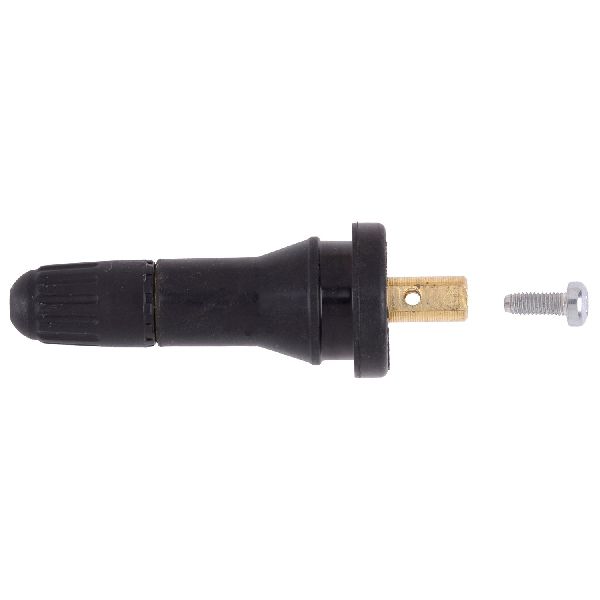
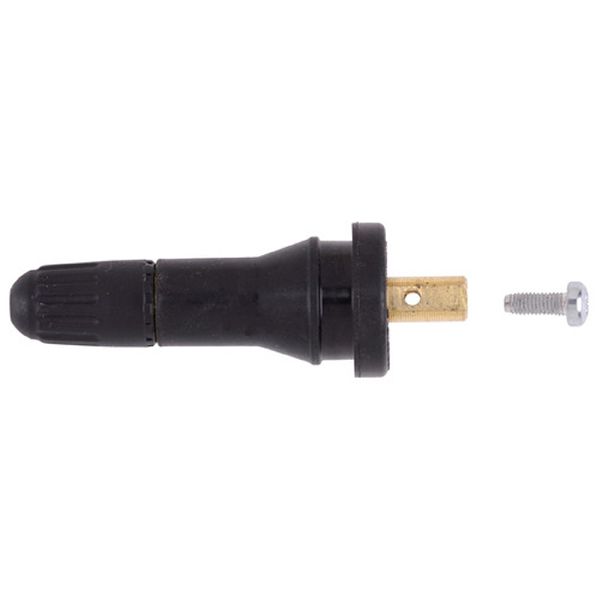
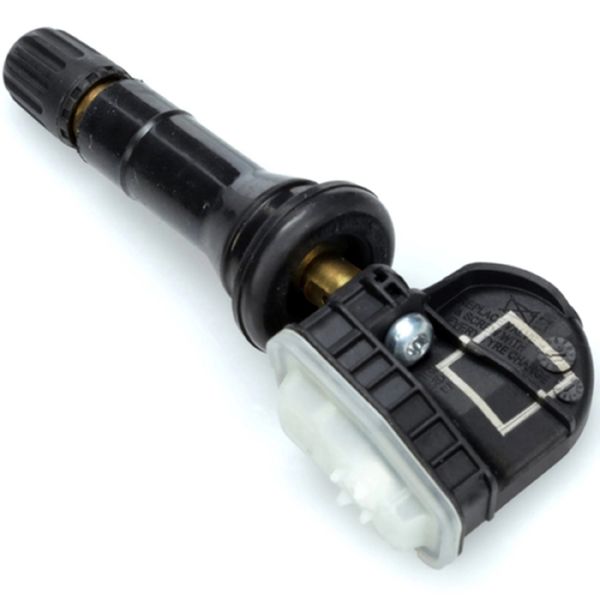
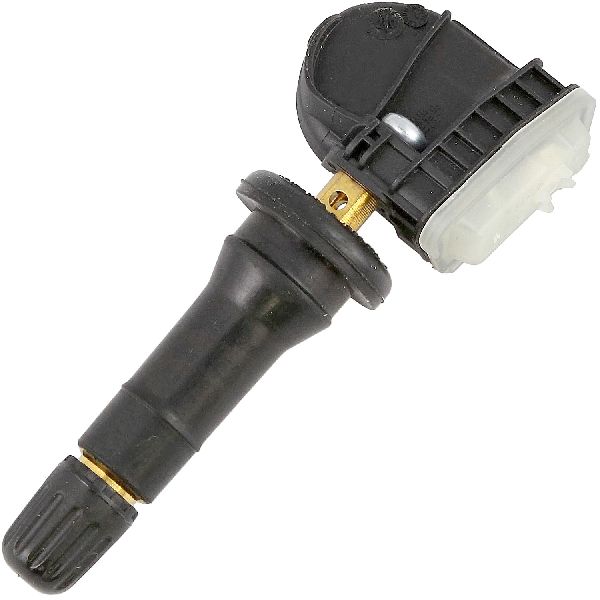
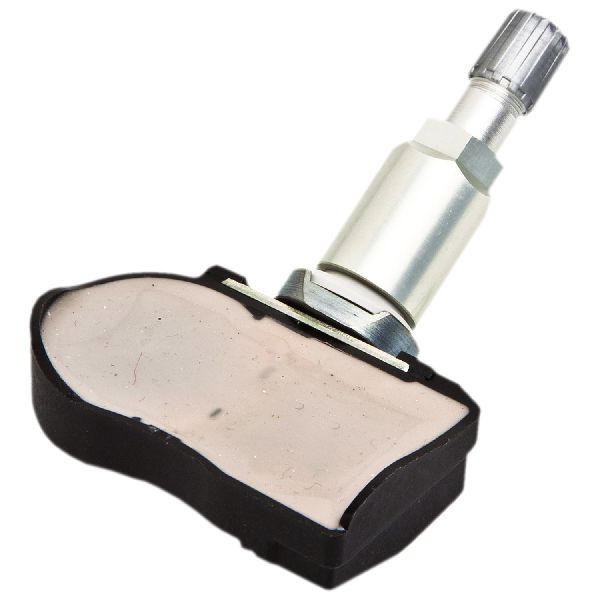
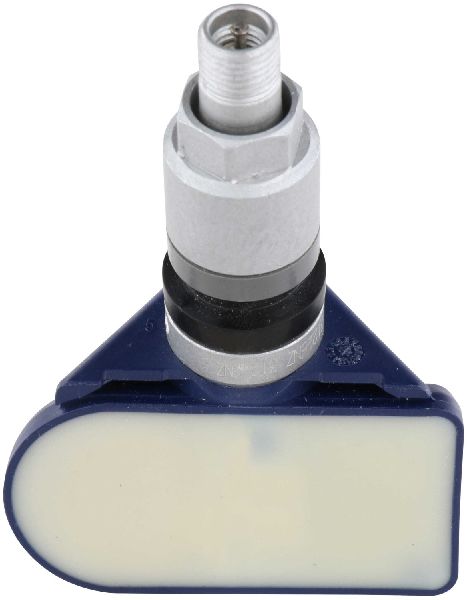
- Tire Pressure Monitoring System (TPMS) Sensor
(OEM #13598773 (supersedes 13581561, 13589256))— This is the most common cause of a single TPMS code. The internal battery dies after several years. Ensure the replacement is 315 MHz frequency.
Trusted brands: ACDelco (GM Genuine), Schrader, HUF, VDO
OEM price range: $36-$65
Aftermarket price range: $25-$50 - Remote Control Door Lock Receiver (RCDLR)
(OEM #13595511)— A known failure point on this platform that causes multiple TPMS codes and key fob issues, as documented in TSB #16-NA-396. Requires programming after installation. This part is superseded by 13540045.
Trusted brands: ACDelco (GM Genuine)
OEM price range: $180-$250
Related Codes That Often Appear With This One
- C0750 — Fault with the Left Front TPMS sensor. Often appears with other TPMS codes when the RCDLR is failing.
- C0760 — Fault with the Left Rear TPMS sensor. Often appears with other TPMS codes when the RCDLR is failing.
- C0765 — Fault with the Right Rear TPMS sensor. Often appears with other TPMS codes when the RCDLR is failing.
- B3055 — This code means the key fob transponder is not detected. It can be caused by a faulty RCDLR, creating an overlap in symptoms with C0755, as both systems are managed by the same receiver module.
Technical Service Bulletins (TSBs) & Recalls
- 16-NA-396: Intermittent Operation of Key Fobs, Door Unlock Inoperative “No Remote Detected” Message with Possible TPM MIL.
- PIC5650M: Mentions C0755 in a list of codes related to no crank/no start/start stall conditions with the security light on, often caused by Radio Frequency Interference.
- 16-NA-061: Details how a disconnected RCDLR antenna or coax cable can cause TPMS codes and poor key fob range, mimicking a failed RCDLR module.
Platform-Specific Known Issues
- TSB #16-NA-396: Documents an issue on 2017 Bolt EVs (and other GM models like the Cruze) where an internal fault in the Remote Control Door Lock Receiver causes intermittent loss of key fob functions and sets multiple TPMS codes (C0750, C0755, C0760, C0765). The prescribed fix is to replace the RCDLR module (Part No. 13595511).
Mechanic-Grade Diagnostic Values
- Remote Keyless Entry (RKE) transmitter range — expected: Functional at approximately 9 m (30 ft) from all four corners of the vehicle.. Failure: A range significantly less than 30 ft, or requiring the user to be very close to the vehicle, points to a fault in the RCDLR system.
- CAN Bus Resistance at DLC (Key Off) — expected: Approximately 60 Ω between Pin 6 (CAN High) and Pin 14 (CAN Low).. Failure: A reading of 120 Ω indicates an open circuit or a missing terminating resistor on the bus. Unstable or high resistance can indicate a faulty module.
- CAN Bus Voltage at DLC (Key On) — expected: Approximately 2.5V on both Pin 6 (CAN High) and Pin 14 (CAN Low) relative to ground.. Failure: A voltage significantly pulled down (e.g., to 1V or less) on either line can indicate a short or a faulty module dragging the bus down.
Hidden / Shadow Codes Worth Checking
- Symptom Byte :29: Too Few Pulses. This sub-code is attached to the primary TPMS DTCs (C0750, C0755, etc.) and gives the specific reason for the fault. It indicates the RCDLR is not receiving the expected number of signal transmissions from the sensor. (see via This is visible on dealer-level scan tools like the GM GDS2 (Global Diagnostic System 2).)
Scan Tool Commands That Help
- GM SPS2 (Techline Connect): Replace and Reprogram Module (for K77 Remote Control Door Lock Receiver) — This function is mandatory after installing a new RCDLR. It programs the new module to the vehicle's BCM and learns the existing key fobs. Failure to perform this step will result in the new module not functioning.
- GM GDS2 or Aftermarket equivalent: TPMS Relearn Procedure — After replacing a TPMS sensor or rotating tires, this function commands the vehicle to learn the new sensor positions. While it can be initiated from the DIC, a scan tool can also trigger it and provide more diagnostic feedback.
Wiring & Ground Locations
- K77 (RCDLR Module) — Located in the rear of the vehicle, behind the upper interior trim panel in the cargo area. It is accessible by partially removing the top trim piece.. This is the central receiving module for all TPMS and key fob signals. Physical access is required to inspect its coaxial antenna connection, which can come loose and cause C0755, or to replace the module itself.
- RCDLR Coaxial Antenna Cable — Runs from the RCDLR module (K77) to an antenna amplifier, and then to the antenna embedded in the right rear quarter glass.. A disconnected or damaged coax cable at the RCDLR module is a known cause for multiple TPMS codes and poor key fob range. Inspecting this connection is a critical step before condemning the RCDLR module.
Real Owner Repair Stories
- YouTube video on a 2017 Chevrolet Volt (2017 Chevrolet Volt) — Random "fob not detected" messages, which is a symptom listed in TSB 16-NA-396 along with TPMS codes.
❌ Tried (didn't work) Replacing the key fob battery.
✅ What actually fixed it The owner replaced the Remote Control Door Lock Receiver (RCDLR) module located in the rear cargo area, as suggested by TSB 16-NA-396. The video shows the physical location and replacement process. - Tahoe Yukon Forum (2015+ GM SUV (similar RCDLR architecture)) — "Service Tire Monitor System" message, dashes for multiple tire pressures on the DIC, and poor key fob range.
❌ Tried (didn't work) Initial diagnosis suggested replacing TPMS sensors or the RCDLR module.
✅ What actually fixed it The root cause was a disconnected coaxial antenna cable at the RCDLR module. Reconnecting the cable and performing a TPMS relearn resolved all symptoms without replacing any parts.
"I Checked Everything" — The Actual Cause
- A common scenario for this code set is replacing the TPMS sensor and even the RCDLR module, only to find the problem persists. The actual cause, as documented in TSB 16-NA-061, can be a simple disconnected coaxial antenna cable at the RCDLR. Standard diagnostic procedures may not check this physical connection, leading to unnecessary parts replacement. The symptoms (multiple TPMS codes, poor fob range) perfectly mimic a failed module, but the fix is just reconnecting the cable.
OEM Part Supersession History
13595511→13540045— Standard part revision by the manufacturer.
Heads up: The new part number 13540045 is the correct service replacement for the original 13595511.13509517→13595510— Standard part revision by the manufacturer.
Heads up: Part number 13595510 is also listed for the Bolt EV for the RCDLR. While TSB 16-NA-396 specifically calls out 13595511, it's critical to verify the correct part number by VIN before ordering.
Helpful Videos
We Have This Part in Stock

The information in this article is provided for general reference and educational purposes only. Vehicle specifications, procedures, and part compatibility can vary by production date, trim level, and region. Always consult your vehicle's factory service manual and verify part numbers before purchasing or performing repairs. Safety-critical components such as airbags, seat belts, and braking systems should be installed by a qualified professional.
- Chevrolet BOLT EV:
- 🧭 Diagnostic Flowchart
- 🎬 Helpful Videos
- 🛍️ Shop This Part
- What's Unique About the 2017-2021 Chevrolet BOLT EV
- Symptoms You May Notice
- Most Likely Causes
- Rare But Worth Checking
- Diagnosis Steps
- Parts You'll Likely Need
- Related Codes That Often Appear With This One
- Technical Service Bulletins (TSBs) & Recalls
- Platform-Specific Known Issues
- Mechanic-Grade Diagnostic Values
- Hidden / Shadow Codes Worth Checking
- Scan Tool Commands That Help
- Wiring & Ground Locations
- Real Owner Repair Stories
- "I Checked Everything" — The Actual Cause
- OEM Part Supersession History
- 🎟️ Get 5% Off