

C0755 on 2011-2018 Chevrolet Camaro: Causes for TPMS Light and Key Fob Issues
Code C0755 on a 2011-2018 Camaro indicates a problem with the right front tire pressure sensor. However, if your key fob is also malfunctioning, the true cause is likely a faulty Remote Control Door Lock Receiver (RCDLR). This module processes signals for both the TPMS and keyless entry systems. A single TPMS sensor costs around $40-$80, while a dealer-installed RCDLR can range from $300 to over $500 due to programming requirements. This issue is well-documented in GM Technical Service Bulletin
- Code C0755 points to the right front tire pressure sensor, but on a Camaro, you must check your key fob's operation before buying parts.
- If your key fob is also acting up, the problem is almost certainly the Remote Control Door Lock Receiver (RCDLR), not the TPMS sensor itself.
- Replacing a single TPMS sensor is a straightforward job for a tire shop, but replacing the RCDLR requires expensive programming by a dealer or specialist.
- Ignoring this code can leave you without a functioning TPMS, and in a worst-case scenario, could lead to a no-start condition if the RCDLR fails completely.
What's Unique About the 2011-2018 Chevrolet CAMARO
On the fifth (Zeta platform) and sixth-generation (Alpha platform) Camaro, the Tire Pressure Monitoring System (TPMS) is not a standalone unit. It is integrated with the Remote Control Door Lock Receiver (RCDLR), the same module that receives signals from your key fob. A GM Technical Service Bulletin (TSB #16-NA-396) highlights that an internal failure in the RCDLR is a common issue, which can cause all TPMS sensors to report errors (C0750, C0755, C0760, C0765) and also lead to key fob malfunctions like 'No Remote Detected' messages. This means a single TPMS code on a Camaro might actually be a central keyless entry system problem.
Diagnostic Flowchart
Tap your situation to follow the diagnostic path that matches what you're seeing on this vehicle.
Generation note: This range covers the end of the 5th generation (2011-2015) and the start of the 6th generation (2016-2018). The underlying issue with the Remote Control Door Lock Receiver (RCDLR) affecting the TPMS is common to both generations. However, part numbers for the RCDLR and its location differ. For 5th gen models, the RCDLR is often located under the dash or near the rear-view mirror. For 6th gen models, it is typically in the trunk/LH quarter panel area. RCDLR part numbers also vary by generation and specific options.
Symptoms You May Notice
- "Service Tire Monitor System" message on the dashboard.
- TPMS warning light is illuminated or flashing. A flashing light for one minute upon startup indicates a system malfunction.
- Key fob functions (lock, unlock, remote start) are inoperative or work intermittently.
- "No Remote Detected" message on the Driver Information Center (DIC), especially on 6th gen models.
- Possible no-start or start-and-stall condition with the security light on.
- Tire pressure reading for the right front tire shows dashes (---) on the DIC.
- Inability to enter TPMS relearn mode or failure of the relearn procedure.
- Replacing only the right front TPMS sensor when the RCDLR is the actual fault. If key fob issues are also present, the problem is almost certainly the central receiver module, not the individual sensor.
Most Likely Causes
- Faulty Remote Control Door Lock Receiver (RCDLR) 🔴 High Probability → Shop Keyless Entry Receiver As documented in GM Technical Service Bulletin #16-NA-396, this module is a known failure point that causes simultaneous TPMS and key fob issues. The bulletin specifically lists DTC C0755 along with the other three tire sensor codes (C0750, C0760, C0765) as a primary symptom of a bad RCDLR.
How to confirm: Check if other TPMS codes (C0750, C0760, C0765) are present and if key fob functions are failing. If both systems are acting up, the RCDLR is the most likely cause. A user on Camaro6.com confirmed this exact scenario led to a dealer replacing the RCDLR under TSB #16-NA-396.
Typical fix: Replace the RCDLR module and have it programmed by a GM dealer or a shop with the appropriate software (SPS). A user on the Camaro5 forums reported a dealer quote of around $500 for this repair.
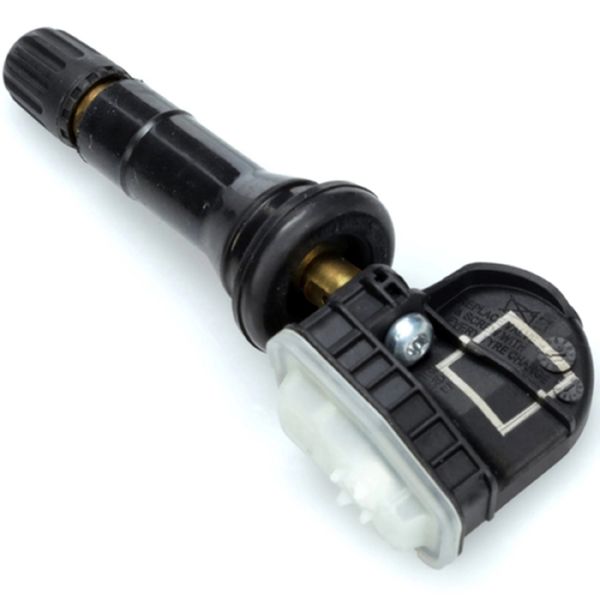
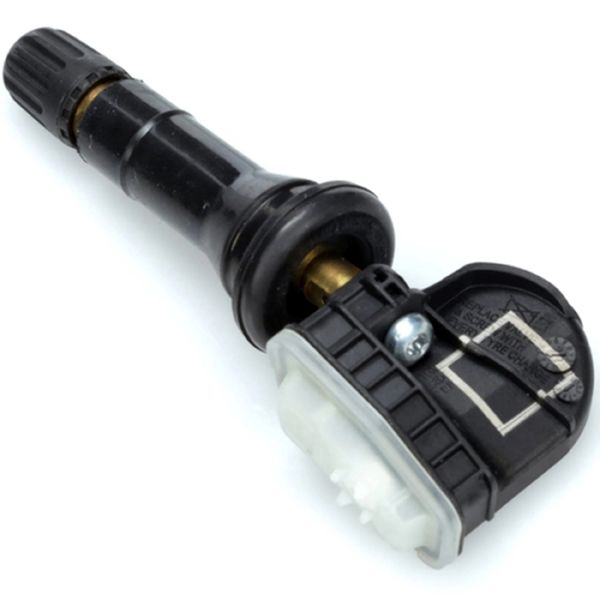
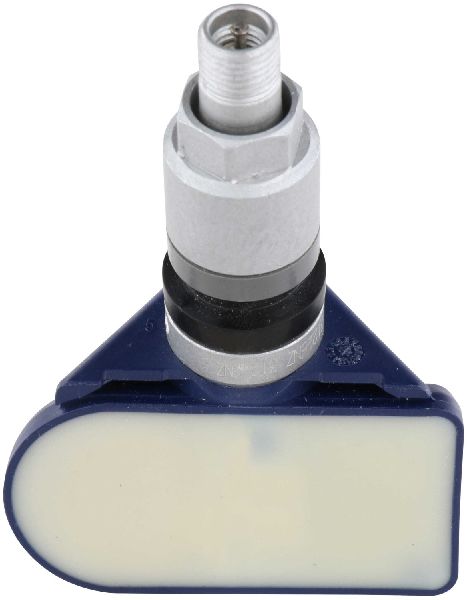
Est. part cost: $100-$200 - Dead or Faulty Right Front TPMS Sensor 🟡 Medium Probability → Shop Tire Pressure Monitoring System (TPMS) Sensor TPMS sensor batteries have a finite lifespan, typically 5-10 years. Vehicles in the 2011-2018 model years are now at an age where original sensor batteries are commonly failing. A Reddit user with a 2018 Camaro was quoted $1,010 by a dealer to replace all four sensors due to dead batteries.
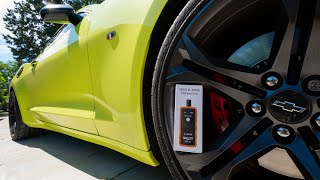
How to confirm: Use a TPMS activation tool (like the VXDAS EL-50448 mentioned on Reddit for a similar GM platform) 🎬 See how to reset GM sensors using a TPMS tool to attempt to read the sensor. If the tool cannot get a response from the sensor, its battery is likely dead or the sensor has failed internally.
Typical fix: Replace the TPMS sensor located inside the right front tire. This requires dismounting the tire from the wheel. Afterward, a TPMS relearn procedure must be performed.
Est. part cost: $40-$80
Rare But Worth Checking
- Wiring Harness Damage or Disconnection: Damage or corrosion in the wiring leading to the RCDLR module can mimic a module failure. TSB #16-NA-061 notes that the coax cable for the RCDLR antenna can become disconnected at the module, at the antenna amplifier, or at the antenna in the rear glass, causing TPMS and key fob issues.
- Body Control Module (BCM) Fault: → Shop Body Control Module In rare cases, a failing BCM can cause a wide range of electrical issues, including communication problems with the RCDLR and TPMS. This usually presents with many other seemingly unrelated electrical symptoms. A Camaro5 user had their BCM replaced multiple times before the RCDLR was identified as the true culprit.
- Radio Frequency (RF) Interference: External RF interference from devices like Wi-Fi cameras or other electronics can sometimes block the signals from the key fob and TPMS sensors, causing intermittent failures. A forum user noted their fobs would not work in their driveway until they identified and disconnected an interfering Wi-Fi device in their house.
Diagnosis Steps
- Scan for all stored trouble codes. Note if C0755 is alone or present with C0750, C0760, and C0765.
- Test all functions of the key fob (lock, unlock, trunk, remote start) at various distances. Note any intermittent or complete failures.
- If multiple TPMS codes are present AND the key fob is malfunctioning, the RCDLR is the primary suspect per TSB #16-NA-396. Proceed with RCDLR replacement and programming.
- If only C0755 is present and the key fob works perfectly, the issue is likely isolated to the right front wheel.
- Use a TPMS activation tool to try and read the right front sensor. If it fails to respond, the sensor needs to be replaced.
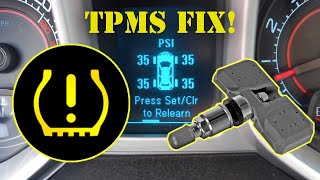
- If the sensor responds to the tool but the code persists, perform a TPMS relearn procedure. This can sometimes be done without a tool by letting air out of the tires in sequence after initiating learn mode via the DIC or key fob button press. 🎬 Watch: How to fix and reprogram your Camaro TPMS light
- If the relearn procedure fails, inspect the RCDLR and its antenna wiring for loose connections as described in TSB #16-NA-061 before condemning the module. The RCDLR is located behind the rear seat/in the LH quarter panel on 6th gen models.
Parts You'll Likely Need
- Remote Control Door Lock Receiver (RCDLR)
(OEM #13503205 (Common for 5th Gen), 13510106 / 13595511 (Common for 6th Gen))— This is the most common cause when C0755 is accompanied by other TPMS codes and key fob issues, as documented in GM service bulletins.
Trusted brands: ACDelco, GM Genuine Parts
OEM price range: $100-$200
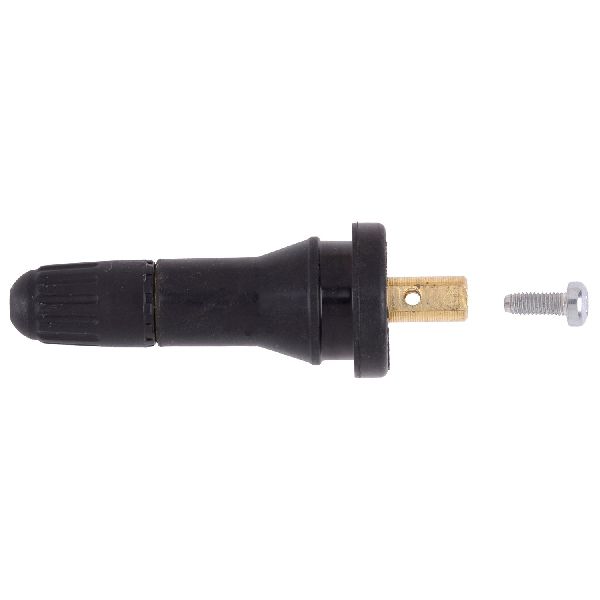
Aftermarket price range: $70-$150 - Tire Pressure Monitoring System (TPMS) Sensor
(OEM #13598787 (Supersedes 13581558))— This is the likely fix if only code C0755 is present. The sensor's internal battery has a limited life.
Trusted brands: ACDelco, Schrader, Huf
OEM price range: $60-$90
Aftermarket price range: $35-$60
Related Codes That Often Appear With This One
- C0750 — This code is for the Left Front TPMS sensor. When seen with C0755 and others, it strongly points to a central system failure, like the RCDLR.
- C0760 — This code is for the Left Rear TPMS sensor. Its presence alongside C0755 suggests a fault in the shared receiver module (RCDLR).
- C0765 — This code is for the Right Rear TPMS sensor. Having all four TPMS codes set at once is a classic symptom of RCDLR failure as described in TSB #16-NA-396.
- B3055 / B3060 — These codes relate to the vehicle's security and key systems. TSB #PIC5650M links them with TPMS codes like C0755 in no-start or security light situations, pointing to a fault in a shared module like the RCDLR.
Technical Service Bulletins (TSBs) & Recalls
- 16-NA-396: Addresses intermittent key fob operation, 'No Remote Detected' messages, and TPMS lights caused by an internal fault in the Remote Control Door Lock Receiver.
- PIC5650M: Lists C0755 among a group of codes that can be present during a no-crank, n
Platform-Specific Known Issues
- TSB #16-NA-396 explicitly details a condition on 2016-2017 Camaros (and other GM models) where an internal fault in the RCDLR causes intermittent key fob operation and sets TPMS codes C0750, C0755, C0760, and C0765. The prescribed fix is to replace the RCDLR module.
- TSB #16-NA-061 covers 2014-2018 models and points to a poor or disconnected RCDLR antenna connection as a potential cause for these same symptoms, advising to check connections before replacing parts.
- For 5th Gen Camaros, a forum user on Camaro5.com detailed a multi-visit dealer saga that started with TPMS issues, involved a BCM replacement, and was finally solved by replacing the RCDLR (which they called the RKE module).
Hidden / Shadow Codes Worth Checking
- C0755 :29: Right Front Tire Pressure Sensor: Too Few Pulses. This specific symptom code, visible on a GDS2 or equivalent scan tool, is called out in TSB #16-NA-396 and strongly indicates a reception issue at the RCDLR rather than a faulty sensor transmitter. (see via GM GDS2 (Global Diagnostic System 2) or equivalent professional-grade scan tool.)
- C0755 :39: Right Front Tire Pressure Sensor: Internal Malfunction. This symptom code points more directly to a failure within the TPMS sensor itself, such as a dead battery or internal fault. (see via GM GDS2 (Global Diagnostic System 2) or equivalent professional-grade scan tool.)
- C0755 :03: Right Front Tire Pressure Sensor: Low Voltage. This indicates a potential low battery issue within the TPMS sensor. (see via GM GDS2 (Global Diagnostic System 2) or equivalent professional-grade scan tool.)
Scan Tool Commands That Help
- GDS2 / Techline Connect: SPS (Service Programming System) - Replace and Program ECU — This function is mandatory after installing a new RCDLR. It downloads the correct software and vehicle-specific configuration from GM's servers and programs it to the new module, syncing it with the BCM and key fobs.
- GDS2: Module Diagnostics > RCDLR > Data Display — To view live data from the RCDLR, including the status and battery level of each TPMS sensor. A sensor showing 'low battery' or not reporting at all can be identified here before physical inspection.
- GDS2: Tire Pressure Monitor Learn — This function is used after replacing a TPMS sensor or rotating tires to make the vehicle learn the new sensor IDs and their positions. It is also a necessary final step after RCDLR replacement.
Wiring & Ground Locations
- RCDLR (5th Gen) — Varies, but commonly found near the center of the dash, often accessible by removing the radio or glove box. Some forum users report it being near the rearview mirror assembly.. This is the physical location of the module that needs to be replaced. Knowing its location is critical for estimating labor and accessing it to check connections per TSB #16-NA-061 before replacement.
- RCDLR (6th Gen) — Located in the trunk, on the left-hand (driver's side) rear wheel well, typically behind the trunk liner. It is often stacked with other modules like the fuel pump controller.. This is the physical location of the module that needs replacement. Access requires removing the trunk trim panels. Its location in the rear makes the coaxial antenna connection check (per TSB #16-NA-061) crucial.
- G203 (5th Gen) — Located under the center console.. A poor ground connection at this point could cause intermittent power issues for various interior modules, potentially including the RCDLR, leading to erratic behavior.
- RCDLR Antenna (6th Gen) — The antenna is integrated into the right rear glass, with a coax cable running from the RCDLR module to an antenna amplifier, and then to the glass.. TSB #16-NA-061 specifically calls out checking for disconnected coax cables at the RCDLR, the amplifier, or the glass as a cause for TPMS and key fob issues before replacing the module itself.
Real Owner Repair Stories
- Camaro6.com forum user (2016+ Camaro) — Occasional inability to start the car, with a 'No Remote Detected' message.
❌ Tried (didn't work) Replacing key fob battery., Placing the key fob in the emergency cupholder slot.
✅ What actually fixed it The user identified that TSB #16-NA-396 addressed their exact symptoms. The dealer replaced the Remote Control Door Lock Receiver (RCDLR) located in the left rear wheel well area, which resolved the problem. - CorvetteForum user (similar GM platform) (C7 Corvette) — After driving in heavy rain, the TPMS light came on and the key fob stopped working. OnStar reported codes C0750, C0755, C0760, and C0765.
❌ Tried (didn't work) Multiple dealer visits where no codes could be found after the fact, suggesting the BCM was resetting.
✅ What actually fixed it Another user diagnosed the issue as a faulty RCDLR, not the BCM. They suggested the RCDLR module or its harness connections may have gotten wet, causing the simultaneous failure of the TPMS and key fob systems. This points to the RCDLR as the central failure point for these combined symptoms.
OEM Part Supersession History
13582364→13503205— Standard part revision and consolidation by manufacturer.
Heads up: 13503205 is the correct service replacement for most 5th Gen Camaros and requires programming.13595511→13540045— Standard part revision.
Heads up: 13595511 was a common RCDLR for 2016-2018 Camaros. The superseding part 13540045 should be backward compatible, but always confirm with VIN. Programming is required.13509517→13595510— Part revision. Note this is a different part number but serves the same function and is listed for Camaro.
Heads up: Part numbers for the RCDLR can vary based on vehicle options (e.g., with/without keyless start). Always verify the correct part number for your specific VIN before ordering.
Model Year Variations Within This Range
- 2011-2015 (5th Gen): The RCDLR is typically located in the dash area, often behind the radio or near the rearview mirror. The common replacement part number is 13503205.
- 2016-2018 (6th Gen): The RCDLR is located in the trunk, on the driver's side wheel well. Common part numbers include 13595511. This generation also has a specific procedure for starting the car with a dead fob battery by placing it in the rear cupholder.
Helpful Videos
We Have This Part in Stock


The information in this article is provided for general reference and educational purposes only. Vehicle specifications, procedures, and part compatibility can vary by production date, trim level, and region. Always consult your vehicle's factory service manual and verify part numbers before purchasing or performing repairs. Safety-critical components such as airbags, seat belts, and braking systems should be installed by a qualified professional.
- Chevrolet CAMARO:
- 🧭 Diagnostic Flowchart
- 🎬 Helpful Videos
- 🛍️ Shop This Part
- What's Unique About the 2011-2018 Chevrolet CAMARO
- Symptoms You May Notice
- Most Likely Causes
- Rare But Worth Checking
- Diagnosis Steps
- Parts You'll Likely Need
- Related Codes That Often Appear With This One
- Technical Service Bulletins (TSBs) & Recalls
- Platform-Specific Known Issues
- Hidden / Shadow Codes Worth Checking
- Scan Tool Commands That Help
- Wiring & Ground Locations
- Real Owner Repair Stories
- OEM Part Supersession History
- Model Year Variations Within This Range
- 🎟️ Get 5% Off