

C0755 on 2019-2024 Chevrolet Camaro: TPMS Fault, No-Start Causes, and Fixes
Code C0755 on a 2019-2024 Camaro indicates a fault with the right front tire pressure sensor. However, if your car won't start, this code is a critical symptom of a larger issue, likely a failing Body Control Module (BCM) or related wiring. Do not simply replace the TPMS sensor; the BCM system requires professional diagnosis.
- C0755 refers to the right front TPMS sensor, but on a 2019-2024 Camaro, it is often a misleading clue.
- If your Camaro won't start and you have this code, the problem is almost certainly NOT the TPMS sensor itself.
- The most likely cause of a no-start with code C0755 is a faulty Body Control Module (BCM) or Radio Frequency Interference (RFI) from an aftermarket device.
- This repair requires professional diagnosis with a full-system scan tool and likely requires module programming, making it unsuitable for most DIY mechanics.
- Before any expensive repairs, remove all non-factory chargers, lights, and accessories from your car to rule out RFI.
What's Unique About the 2019-2024 Chevrolet CAMARO
On the sixth-generation Camaro, which is built on the GM Alpha platform, a cluster of seemingly unrelated codes, including C0755 and other TPMS faults, can be the first sign of a Body Control Module (BCM) or Keyless Vehicle Module (KVM) failure. This can lead to a frustrating no-start or start-and-stall condition with the security light on, as documented in GM Technical Service Bulletin PIC5650M and its multiple revisions (PIC5650C, G, J). Owners must understand that this TPMS code is often a red herring for a more complex and expensive module-related problem, and simply replacing the tire sensor will not fix the no-start issue.
Diagnostic Flowchart
Tap your situation to follow the diagnostic path that matches what you're seeing on this vehicle.
Symptoms You May Notice
- Vehicle will not crank or start
- Engine starts and immediately stalls
- Security or anti-theft light is illuminated on the dashboard
- "Service Tire Monitor System" message on the Driver Information Center (DIC)
- TPMS warning light is on (may flash then stay solid)
- Incorrect or missing tire pressure reading for the right front tire
- "No Fob Detected" message on the DIC
- Keyless entry (RKE) functions are intermittent or inoperative
- Multiple, seemingly unrelated warning lights on the instrument cluster
- Replacing the right front TPMS sensor when the primary symptom is a no-start condition. The C0755 code is almost always a symptom, not the cause, of the no-start.
- Replacing the key fob battery without considering RFI or a module failure as the root cause of a 'No Fob Detected' message.
- Replacing the vehicle's main battery without properly testing it and the charging system first, 🎬 Watch: Troubleshooting a slow start or slow crank condition. and without checking for loose ground connections.
- Replacing the BCM without first ruling out RFI from aftermarket accessories, which is a much cheaper fix.
Most Likely Causes
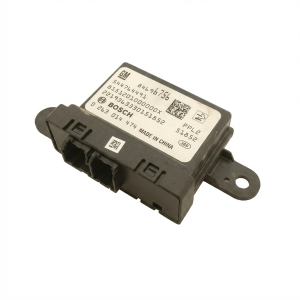
- Faulty Body Control Module (BCM) 🔴 High Probability → Shop Body Control Module The BCM on this platform integrates the anti-theft, keyless entry, and TPMS functions. An internal failure can disrupt all these systems simultaneously, generating a mix of security (B-codes) and chassis (C-codes) faults. This is a well-documented failure pattern on the GM Alpha platform.
How to confirm: Use a professional scan tool to check for communication with the BCM and look for internal fault codes or a lack of response. The presence of codes like B3055, B3935, and multiple TPMS codes (C0750, C0760, etc.) alongside C0755 strongly suggests a BCM issue. A tell-tale sign is that the vehicle may start when the key fob is placed in the designated pocket/transmitter slot, as noted in TSB PIC5650.
Typical fix: Replacement of the BCM, which must be followed by programming performed by a dealer or qualified repair shop with GM-specific software (SPS/TIS2Web).
Est. part cost: $300-$600 - Radio Frequency Interference (RFI) 🟡 Medium Probability As detailed in TSB PIC5650, aftermarket electronic devices like phone chargers, dash cams, LED lights, or even toll passes can emit RFI that jams the 315MHz or 433MHz signals from the key fob and TPMS sensors, causing intermittent no-start and communication codes. The Camaro's interior design offers limited space, leading owners to use aftermarket chargers that may not be properly shielded.
How to confirm: Remove ALL aftermarket electronic devices, chargers, extra fobs, and access cards from the vehicle. If the symptoms disappear, one of the removed items was the source of interference. A technician may use a radio frequency meter like the J-43241 to scan for stray signals.
Typical fix: Identify and remove the offending aftermarket device from the vehicle.
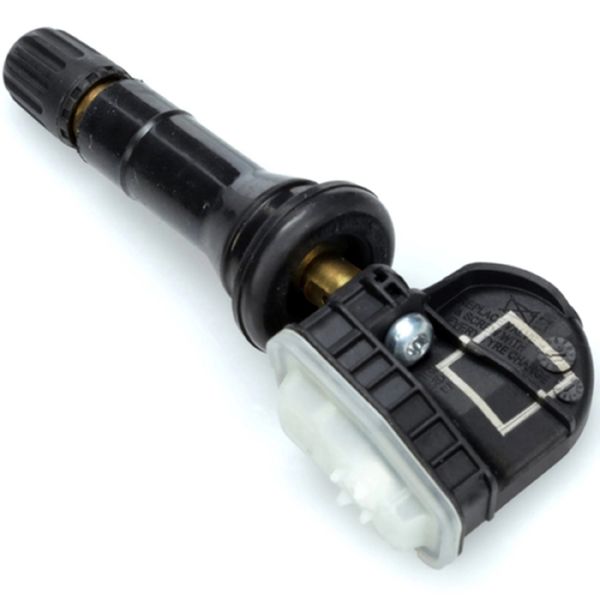
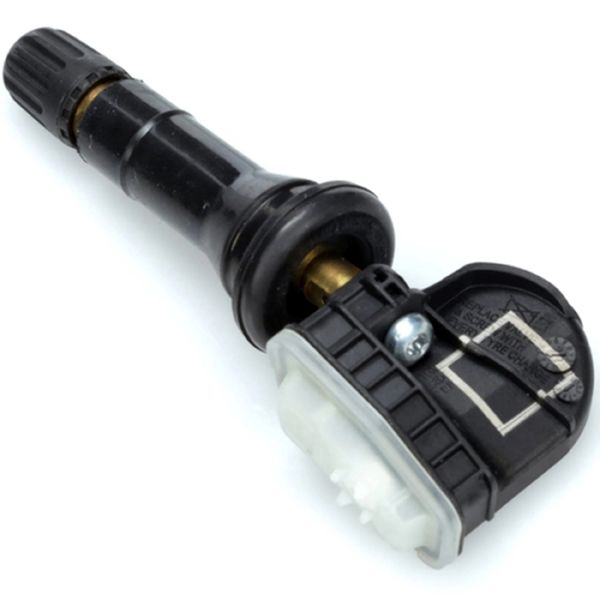
Est. part cost: $0 - Faulty Right Front TPMS Sensor ⚪ Low Probability → Shop Tire Pressure Monitoring System (TPMS) Sensor This is only the likely cause if the *only* symptom is the TPMS light and a missing pressure reading for the right front tire. Sensor batteries have a finite life of 5-10 years.
How to confirm: Use a TPMS activation tool to attempt to read the sensor. If the tool cannot get a response from the sensor and there are no other symptoms or codes, the sensor itself has failed.
Typical fix: Replace the right front TPMS sensor and perform the TPMS relearn procedure.
Est. part cost: $25-$75
Rare But Worth Checking
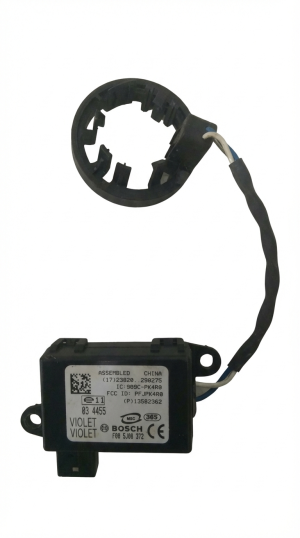
- Faulty Remote Control Door Lock Receiver (RCDLR): → Shop Keyless Entry Receiver Another GM TSB (#16-NA-396) notes that a faulty RCDLR can cause a loss of key fob functions and set multiple TPMS codes with symptom code 29 (Too Few Pulses). This can mimic a BCM failure.
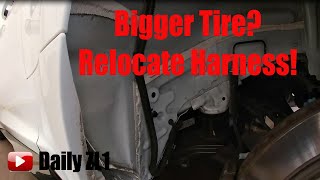
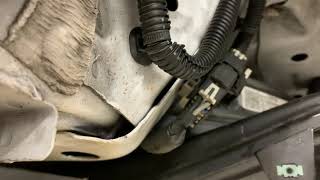
- Damaged Wiring Harness in Rear Fender Well: On 6th-gen Camaros, especially those with wider aftermarket wheels/tires, the main body wiring harness in the driver's side rear fender well can be rubbed through by the tire. This can cause a multitude of bizarre electrical issues, including communication codes and lighting problems, by shorting critical CAN bus wires.
- Low Vehicle Battery Voltage or Poor Ground Connection: A weak or failing 12V battery, or a loose/corroded main ground cable, can cause widespread electronic issues and random trouble codes in modern, computer-heavy vehicles. A loose ground connection was found to be the cause of a no-crank issue on a platform-mate Cadillac ATS. 🎬 Watch: This simple ground wire fix solved a no-start issue.
Diagnosis Steps
- Scan for ALL codes in ALL modules using a professional-grade scan tool. Do not use a basic engine-only code reader.
- Analyze the combination of codes. If C0755 is present with B-codes (like B3055, B3935) and a no-start symptom, immediately suspect a systemic issue like BCM failure or RFI.
- Crucial Step for RFI: Unplug and remove all aftermarket devices (phone chargers, dash cams, LED bulbs, USB power banks, toll passes, etc.) from the vehicle and re-test. If the issue is resolved, reintroduce items one by one to find the culprit.
- For a no-start condition, try placing the key fob in the designated transmitter pocket (often in the center console) and attempt to start the vehicle. If it starts, this strongly points to an RF signal reception issue (either RFI or a module fault) as per TSB PIC5650.
- Inspect the main battery terminals and primary ground connections for tightness and corrosion. A loose ground can cause a no-crank and numerous electrical faults.
- Inspect the driver's side rear fender liner for signs of tire rubbing. If present, remove the liner and inspect the large wiring harness and its main connector for damage. 🎬 See how to relocate the harness to prevent tire rub damage.
- If the only symptom is a TPMS light, use a TPMS tool to test the right front sensor. If it fails to respond, replace the sensor and perform a relearn.
- If wiring is intact and RFI has been ruled out, the BCM is the most likely cause. This requires professional replacement and programming.
Parts You'll Likely Need
- Body Control Module (BCM)
(OEM #13535990)— This module is the central hub for the security, keyless entry, and TPMS systems. When it fails, it can trigger C0755 along with a no-start condition. This is the most common fix for the combined symptoms. Part number may vary by specific year and options.
Trusted brands: ACDelco (GM Genuine)
OEM price range: $300-$600
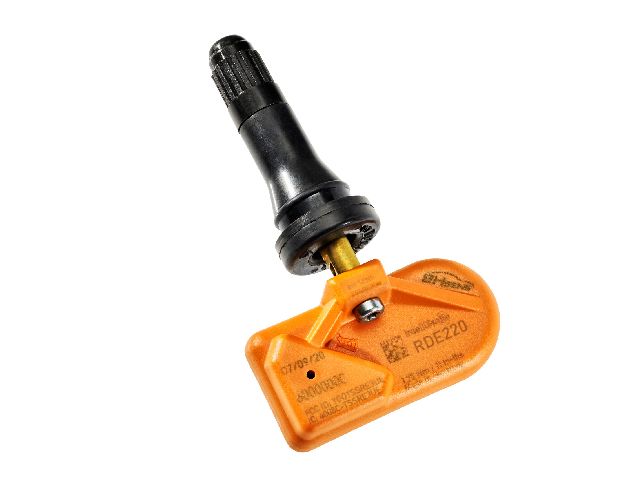
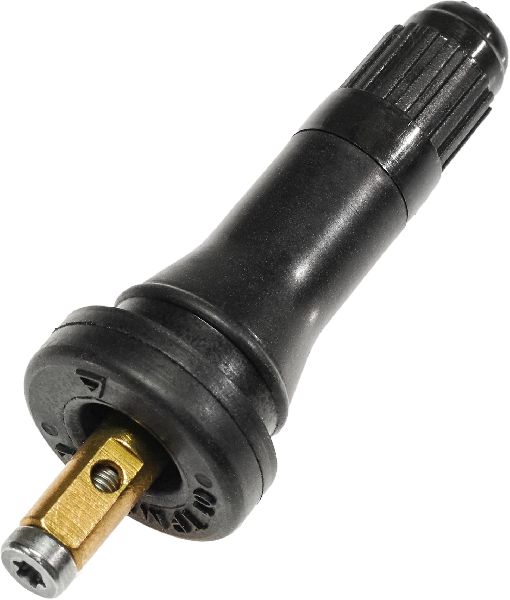
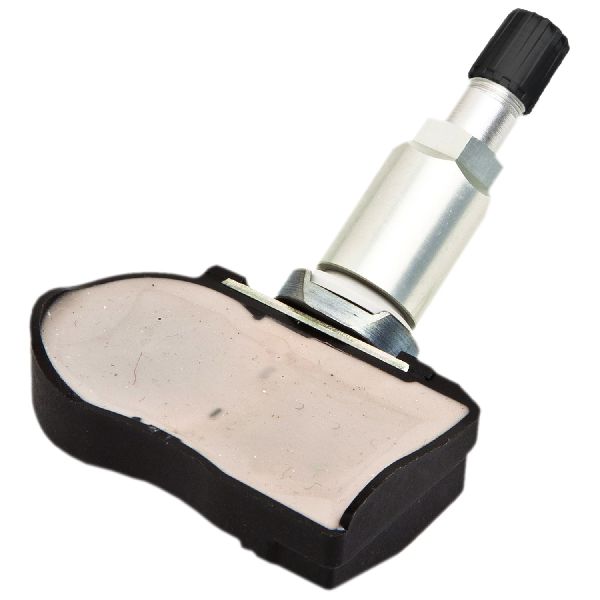
Aftermarket price range: $200-$400 (Often requires programming) - Tire Pressure Monitoring System (TPMS) Sensor — Only needed if C0755 appears in isolation with no other symptoms. The sensor's internal battery dies over time. The 2019-2024 Camaro typically uses a 433MHz sensor.
Trusted brands: ACDelco, Schrader, VDO
OEM price range: $40-$80
Aftermarket price range: $25-$50
Related Codes That Often Appear With This One
- B3055 — Indicates a problem with the key transponder system; commonly set with BCM failure during a no-start event. It is explicitly mentioned alongside C0755 in TSB PIC5650.
- B3935 — Transponder Authentication Error, directly related to the vehicle's anti-theft system and a common partner code in a BCM failure scenario. Also listed in TSB PIC5650.
- C0750, C0760, C0765 — These are codes for the other three TPMS sensors. When multiple or all TPMS codes are set at once, it points to a central system failure (like the BCM or RCDLR) rather than individual sensor failures.
- U0140 — This code means 'Lost Communication With Body Control Module,' directly indicating a communication problem with the BCM and strongly suggesting it as the point of failure.
- U0073 — Control Module Communication Bus A Off. This can be set if a major module like the BCM goes offline or if a wiring harness issue (like the rear fender harness) disrupts the CAN bus network.
Technical Service Bulletins (TSBs) & Recalls
- PIC5650M: Addresses a no-crank, no-start, or start-stall concern with the security light on, where TPMS codes like C0755 may be found alongside security codes like B3055 and B3935. It strongly suggests diagnosing for Radio Frequency Interference (RFI) before replacing any modules.
- PIC5650J: A later revision of the same TSB, updated for newer models, reinforcing the RFI diagnosis procedure and listing common offending devices like phone chargers and LED lights.
- 18-NA-375: Notes that water intrusion into the rear compartment on 2016-2024 Camaros can damage the rear fuse block or related wiring, causing various electrical issues including a no-start.
Platform-Specific Known Issues
- GM Technical Service Bulletin #PIC5650M (and its subsequent revisions like G, J) directly addresses an intermittent no-crank, no-start, or start-and-stall condition accompanied by various security and TPMS codes, including C0755. It points to RFI or a faulty BCM as the primary causes.
Mechanic-Grade Diagnostic Values
- Voltage Drop Test on BCM/RCDLR Power Feed — expected: Less than 0.1V drop between the battery positive terminal and the power input pin at the module connector with the ignition on.. Failure: A voltage drop greater than 0.2-0.3V indicates high resistance in the power supply circuit or wiring, which can cause intermittent module operation.
- Voltage Drop Test on BCM/RCDLR Ground Circuit — expected: Less than 0.1V drop between the module's ground pin and the battery negative terminal.. Failure: A reading higher than 0.1V indicates a poor ground connection, a common source of electronic gremlins.
Hidden / Shadow Codes Worth Checking
- C0755 with Symptom Byte :03: Indicates 'Voltage Below Threshold'. This points to a low battery inside the TPMS sensor itself, or a wiring issue causing low voltage at the RCDLR. (see via GM GDS2 or equivalent professional-grade scan tool that can read manufacturer-specific symptom bytes.)
- C0755 with Symptom Byte :29: Indicates 'Too Few Pulses'. When this appears with multiple TPMS codes (C0750, C0760, C0765), it strongly suggests an internal failure of the Remote Control Door Lock Receiver (RCDLR) rather than individual sensor faults. (see via GM GDS2 or equivalent professional-grade scan tool.)
- C0755 with Symptom Byte :39: Indicates 'Sensor Internal Malfunction'. This means the TPMS sensor has self-diagnosed an internal hardware failure. (see via GM GDS2 or equivalent professional-grade scan tool.)
Scan Tool Commands That Help
- GM GDS2: Module Diagnostics > BCM > Control Functions — To test individual outputs controlled by the BCM, such as exterior lights or window motors. This helps verify if the BCM itself is capable of commanding functions, separating a bad module from a wiring or component issue downstream.
- GM GDS2: Module Diagnostics > RCDLR > Data Display — To view live data from the RCDLR, including the last received signal strength from each TPMS sensor and key fob. This can help identify if RFI is jamming the signals or if the receiver is deaf.
- GM GDS2: BCM Programming/Setup — This is a required procedure after installing a new BCM. The tool downloads the vehicle-specific software and VIN from GM's servers (via SPS subscription) and flashes it to the new module, marrying it to the car's other security components.
Wiring & Ground Locations
- Rear Fender Harness Connector — In the driver's side rear wheel well, behind the fender liner.. This large harness and its connector are prone to being rubbed through by the tire on lowered vehicles or those with wide wheels. Damage here can short CAN bus wires, causing a loss of communication with the BCM (U0140) and a host of other bizarre electrical faults, including the no-start condition associated with C0755.
- G304 — A primary body ground point located inside the car, under the driver's seat area, bolted to a floor pan bar.. This serves as a ground point for several interior modules. While not directly for the BCM, a poor connection here can introduce electrical noise and voltage issues that affect overall system stability.
- BCM Ground — A key ground point is located on the engine block underneath the passenger exhaust manifold, near the starter. This bolt is known to be loose from the factory.. A loose BCM ground is a well-known cause of erratic electrical behavior, including flickering dashboards, bouncing tachometers, and no-start conditions that can trigger related codes.
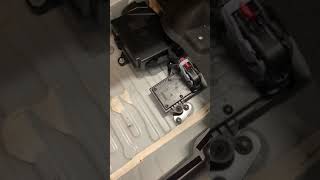
- BCM Location — On the 6th Generation Camaro, the primary BCM is located in the trunk, in the spare tire well area.. Technicians need to access the BCM to perform voltage/ground tests at its connectors or to replace the unit.
Real Owner Repair Stories
- Camaro6 Forum User (Camaro ZL1 (6th Gen)) — Car sputtered and died as if out of gas, then would not restart. No power being supplied to the fuel pump.
❌ Tried (didn't work) Checked all related fuses., Bypassed the JMS fuel pump booster.
✅ What actually fixed it The user had incorrectly relocated the driver's side rear wiring harness, causing it to rub against the inner shoulder of a new, wider tire. This frayed two wires (black with green stripe), causing a short that disabled the fuel pump circuit. The fix was to properly repair the damaged wires with connectors and heat shrink, then securely relocate the harness away from the tire.
Helpful Videos

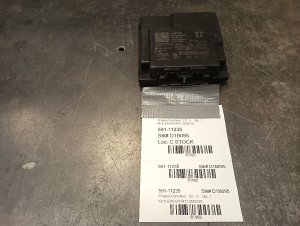
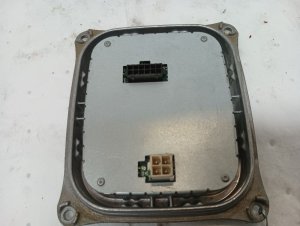
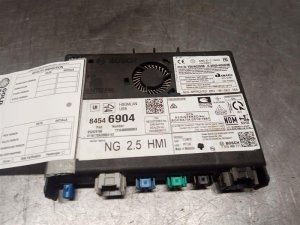
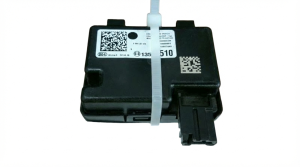
Used OEM Parts in Stock
New Aftermarket Parts Available

The information in this article is provided for general reference and educational purposes only. Vehicle specifications, procedures, and part compatibility can vary by production date, trim level, and region. Always consult your vehicle's factory service manual and verify part numbers before purchasing or performing repairs. Safety-critical components such as airbags, seat belts, and braking systems should be installed by a qualified professional.
- Chevrolet CAMARO:
- 🧭 Diagnostic Flowchart
- 🎬 Helpful Videos
- 🛍️ Shop This Part
- What's Unique About the 2019-2024 Chevrolet CAMARO
- Symptoms You May Notice
- Most Likely Causes
- Rare But Worth Checking
- Diagnosis Steps
- Parts You'll Likely Need
- Related Codes That Often Appear With This One
- Technical Service Bulletins (TSBs) & Recalls
- Platform-Specific Known Issues
- Mechanic-Grade Diagnostic Values
- Hidden / Shadow Codes Worth Checking
- Scan Tool Commands That Help
- Wiring & Ground Locations
- Real Owner Repair Stories
- 🎟️ Get 5% Off