

C0755 on 2007-2014 Chevrolet Corvette: Causes for Left Rear TPMS Fault and Fixes
Code C0755 on a 2007-2014 Corvette indicates a fault with the Left Rear Tire Pressure Monitoring System (TPMS) sensor. The most common cause is a dead battery inside the sensor, which is non-replaceable and has a typical lifespan of 7-12 years. The fix involves replacing the sensor, mounting and balancing the tire, and performing a TPMS relearn procedure. In some cases, especially if key fob issues are also present, the fault may lie with the Remote Control Door Lock Receiver (RCDLR) module.
- C0755 means the left rear TPMS sensor has failed, most often due to an expired internal battery.
- The fix requires a new sensor, tire service (dismount/mount/balance), and a specific relearn procedure for your model year.
- If you also experience key fob issues ('No Fob Detected'), the problem may be the RCDLR module, not just the sensor.
- Due to the age of these vehicles, if one original sensor fails, it's wise to consider replacing all four to avoid future repairs.
- A TPMS diagnostic tool is the fastest way to confirm a bad sensor before paying for tire service.
What's Unique About the 2007-2014 Chevrolet CORVETTE
On the C6 and C7 Corvette, the TPMS is integrated with the Remote Control Door Lock Receiver (RCDLR), the same module that handles the key fobs. A failing RCDLR is a known issue and can cause a cascade of seemingly unrelated problems, including single or multiple TPMS codes (like C0755) and key fob detection issues ("No Fob Detected"), sometimes leading to a no-start condition as noted in TSB PIC5650M. 🎬 Watch: Understanding the RCDLR and no-start issues. The RCDLR is located above the radio in the dash, and its failure can be due to internal component failure like bad solder joints or transistors. This integration means that while the code points to a tire sensor, a wider electrical issue involving the RCDLR is a distinct possibility, especially if key fob problems are also present.
Diagnostic Flowchart
Tap your situation to follow the diagnostic path that matches what you're seeing on this vehicle.
Generation note: This range covers the C6 (2007-2013) and the first year of the C7 (2014). The code's meaning is the same, but the TPMS sensors and relearn procedures differ. C6 models from 2005-2009 require a TPMS tool (or magnet for very early years) for the relearn procedure. C6 models from 2010-2013 can use a simpler relearn method by increasing/decreasing tire pressure, though a tool is still effective. The 2014 C7 model features an auto-relearn system that activates by driving, but may also require a tool if that fails.
Symptoms You May Notice
- "Service Tire Monitor System" message on the Driver Information Center (DIC)
- TPMS warning light is illuminated or flashing on the instrument cluster. A flashing light for 60-90 seconds upon startup before staying solid specifically indicates a system malfunction, not low pressure.
- The DIC displays "--", "XX", or "0" for the left rear tire pressure.
- Inability to complete the TPMS relearn procedure; the process will stall when it reaches the left rear wheel.
- Simultaneous "No Fob Detected" messages if the RCDLR is the root cause.
- Replacing the Body Control Module (BCM) when the fault lies with the RCDLR. The RCDLR handles TPMS and key fob signals and communicates with the BCM, making it the more likely culprit when both systems have issues.
- Assuming a new sensor is bad after replacement, when the actual issue is an incorrect relearn procedure for the specific model year or a fault with the RCDLR.
Most Likely Causes
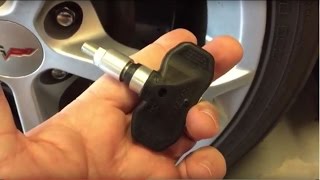
- Dead TPMS Sensor Battery 🔴 High Probability → Shop Tire Pressure Monitoring System (TPMS) Sensor TPMS sensor batteries have a finite lifespan, typically 7-12 years according to owner experiences on forums. For vehicles in this 2007-2014 range, many original sensors are at or beyond their expected service life.
How to confirm: Use a TPMS diagnostic tool to attempt to activate the sensor. If the tool cannot get a response from the left rear sensor, the sensor has failed, most likely due to a dead battery. The relearn procedure will also consistently fail at that specific wheel.
Typical fix: Replace the left rear TPMS sensor. The battery is integrated and cannot be replaced separately. It is often recommended to replace all four sensors at once if they are original, as the others are likely to fail soon.
Est. part cost: $25-$85 per sensor - Failed TPMS Sensor 🟡 Medium Probability → Shop Tire Pressure Monitoring System (TPMS) Sensor Sensors are located inside the tire and can be damaged from impacts, tire mounting/dismounting, or internal electronic failure.
How to confirm: The sensor may fail to transmit valid data even if the battery has some life left. A TPMS tool will show no signal or invalid data when trying to read the sensor. This can happen suddenly after a tire change.
Typical fix: Replace the faulty TPMS sensor and perform the relearn procedure.
Est. part cost: $25-$85 per sensor - Faulty Remote Control Door Lock Receiver (RCDLR) ⚪ Low Probability → Shop Keyless Entry Receiver The RCDLR is a known failure point on C6 Corvettes, causing a range of electrical issues including TPMS and key fob problems. Water intrusion, internal component failure (bad solder joints, transistors), or voltage issues can disrupt communication.
How to confirm: This is typically suspected when multiple TPMS codes (e.g., C0750, C0755, C0760, C0765) are present simultaneously, along with "No Fob Detected" messages or other keyless entry malfunctions. A diagnostic scan with a tool like a GM Tech 2 may show communication errors or low voltage at the RCDLR.
Typical fix: Replace the RCDLR module. This requires dash disassembly and programming to the vehicle's VIN with a specialized scan tool like a Tech 2. In some cases, experienced electronic technicians can repair the board by re-flowing solder joints.
Est. part cost: $150-$300 for a used/new module
Rare But Worth Checking
- Radio Frequency (RF) Interference: Aftermarket electronic devices, such as phone chargers, dash cams, or radar detectors plugged into the 12V outlet, can sometimes emit RF interference that disrupts the 315 MHz signal between the TPMS sensor and the RCDLR. Try unplugging all aftermarket devices to see if the issue resolves.
- Corroded Wiring or Bad Ground: A poor ground connection (specifically G104 for the RCDLR) or corrosion in the wiring harness leading to the RCDLR can cause low voltage and intermittent communication, mimicking a failed module. This is a diagnosis of last resort after sensors and the RCDLR itself have been checked.
Diagnosis Steps
- Verify Code: Confirm C0755 is present using an OBD-II scanner that can read C-codes (Chassis codes).
- Check Tire Pressures: Manually check the pressure of all four tires to rule out an actual low-pressure situation.
- Attempt Relearn Procedure: Follow the correct relearn procedure for your specific model year. For 2007-2009, this requires a TPMS tool. For 2010-2013, this can be done by letting air out of the tires in sequence. For 2014, driving the car should initiate an auto-relearn. If the process fails when it gets to the left rear tire, it strongly indicates a bad sensor.
- Use a TPMS Tool: A TPMS diagnostic tool can directly test the sensor. Attempt to activate the left rear sensor. If it does not respond, the sensor is bad and needs replacement.
- Check for Other Codes: Scan for other TPMS, security (B-codes), or communication (U-codes) codes. Multiple TPMS codes or the presence of key fob-related codes points towards a possible RCDLR issue.
- Check for RF Interference: Unplug all aftermarket 12V accessories (phone chargers, dash cams, etc.) and see if the sensor signal returns.
- Inspect RCDLR: If an RCDLR fault is suspected, a professional may need to inspect the module and its wiring for damage or test it with an advanced diagnostic tool like a GM Tech 2. The RCDLR is located above the radio in the center of the dashboard. Check for signs of water damage in the cabin, particularly in the passenger footwell where the BCM and fuse box are located, as this can cause widespread electrical issues from clogged cowl or A/C drains.
Parts You'll Likely Need
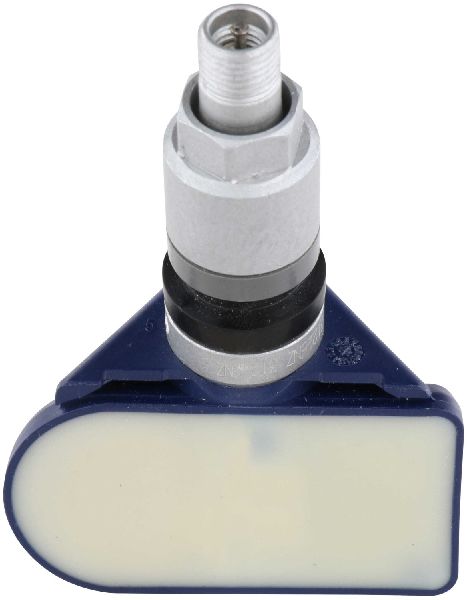
- Tire Pressure Monitoring System (TPMS) Sensor
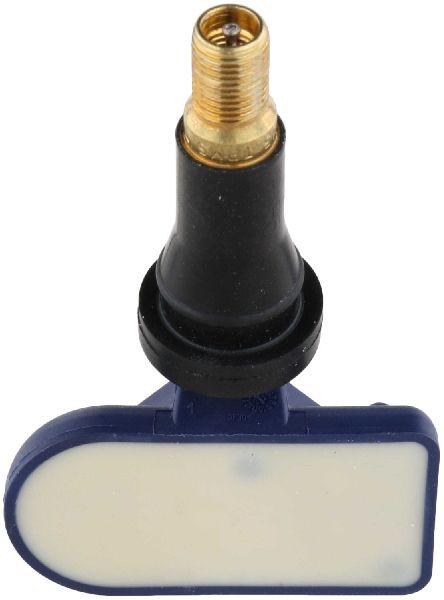
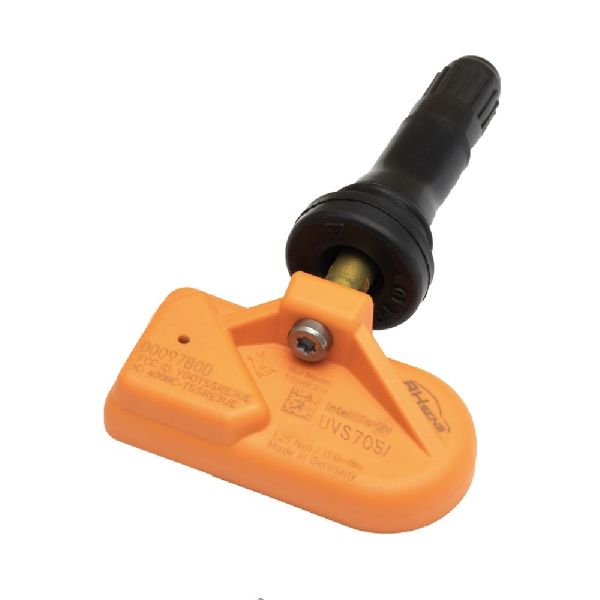
(OEM #20925924 (supersedes 15268606 for C6 2010-2013), 15922396 (C6 2007-2009), 13598775 (C7 2014))— This is the most common failure. The internal, non-serviceable battery dies, requiring the entire sensor to be replaced.
Trusted brands: ACDelco (OEM), Schrader, Huf, Autel
OEM price range: $60-$90
Aftermarket price range: $25-$50 - Remote Control Door Lock Receiver (RCDLR)
(OEM #25938511 (Common for C6, but verify by VIN))— This is the secondary, but significant, cause of this code, especially when paired with key fob issues. It is a known failure point on the C6 platform.
Trusted brands: ACDelco (OEM)
OEM price range: $200-$350 (can be difficult to find new)
Aftermarket price range: N/A (Used parts are available)
Related Codes That Often Appear With This One
- C0750, C0760, C0765 — These are the codes for the other three tire pressure sensors. They often appear when all sensors are failing due to age, or if there is a central receiver (RCDLR) issue causing a total loss of communication.
- B3055, B3060 — As cited in TSB #PIC5650M, these security and key fob-related codes can appear alongside TPMS codes when the RCDLR module is failing, as it controls both systems.
- U0422 — This code indicates invalid data received from the Body Control Module. It can be triggered by the erratic signals from a failing RCDLR, which communicates with the BCM.
Technical Service Bulletins (TSBs) & Recalls
- PIC5650M: Notes that a no crank, no start, or start stall concern with the security light on may be accompanied by DTCs including C0755, pointing to a potential security system or RCDLR module fault.
Platform-Specific Known Issues
- The provided TSB #PIC5650M highlights a known issue where TPMS codes, including C0755, can be associated with a no-crank or start-and-stall condition due to a fault in the vehicle's security system, often linked to the RCDLR module.
Mechanic-Grade Diagnostic Values
- RCDLR Connector Pin H - Battery Positive Voltage (Circuit 2440) — expected: Should be close to battery voltage (e.g., 12.4V+).. Failure: A significant voltage drop between the fuse box and this pin (e.g., reading 11.89V on a Tech 2 when the battery is at 12.6V) indicates a wiring or connection issue, even if the module itself is good.
- RCDLR Connector Pin S - Ground — expected: Should have excellent continuity to a known good chassis ground.. Failure: High resistance or an open circuit on the ground path will cause the RCDLR to malfunction. A load test (e.g., using a headlamp bulb between Pin H and Pin S) can verify the ground's integrity.
- RCDLR Connector Pin C - Ignition 1 Voltage (Circuit 3) — expected: Should show battery voltage when the ignition is in the ON or ACC position.. Failure: Reading 0V or a very low residual voltage (e.g., 0.05V) when the ignition is on points to a problem in the ignition switch or wiring providing the wake-up signal to the module.
Scan Tool Commands That Help
- GM Tech 2: Body and Accessories -> Keyless Entry -> Module Setup -> Program Key Fobs / Invalidate All Fobs — This function is required after replacing the RCDLR. It puts the new module into learn mode to accept the vehicle's key fobs and subsequently allows the TPMS sensors to be relearned.
- GM Tech 2: Vehicle Control Systems -> RCDLR -> 30 minute code reset — This is a security relearn procedure necessary after an RCDLR has been replaced or has lost its programming. It syncs the RCDLR with the vehicle's immobilizer system, which is required before the car will start.
- GM Tech 2: Special Functions -> Tire Pressure Monitor -> RFA/TPM Special Functions — This menu allows a technician to view live data from the TPMS system, including sensor IDs and module voltage, and to initiate the relearn procedure directly from the scan tool.
Wiring & Ground Locations
- G104 — On the top of the right front frame rail, next to and slightly under the battery.. This is a primary ground point for the RCDLR. Corrosion or a loose connection at this stud, which is common due to its location near the battery, can cause intermittent RCDLR operation, leading to C0755 and other related codes.
- RCDLR Connector — Located in the center of the dashboard, above the radio and HVAC controls.. This is the main connection point for the module. Technicians may need to test for power (Pin H), ground (Pin S), and ignition signal (Pin C) at this connector to diagnose a faulty module versus a wiring issue.
- G301 / G201 — At the base of the B-pillar (halo), behind the plastic trim, near the seat belt retractor on the passenger (G301) and driver (G201) sides.. These are major interior ground points. While G104 is the primary RCDLR ground, a problem at these locations can cause a variety of strange electrical issues throughout the cabin that could potentially mimic module failures.
Real Owner Repair Stories
- CorvetteForum user (2007 Corvette) — "No FOB detection" and TPMS issues. The car had to be started by placing the fob in the glove box slot.
❌ Tried (didn't work) A first GM dealer claimed it was not an RCDLR issue. A second dealer diagnosed a bad RCDLR but claimed the part was unavailable. The owner purchased two used RCDLR modules from eBay.
✅ What actually fixed it The owner took one of the used RCDLR modules to the GM dealer. The dealer successfully installed the used module, programmed it to the car with a Tech 2, and programmed the owner's key fobs. This resolved all issues. - CorvetteForum user (2006 Corvette Convertible) — No TPMS sensors operational, key fobs would not work remotely, and the car had to be started with the fob in the glove box slot.
❌ Tried (didn't work) Replacing the RCDLR with a used unit and attempting the programming procedure with a Tech 2 failed; the module setup process would result in a "module is locked" message. Pulling fuse 11 did not help. The previous owner's key fobs were also found to be bad.
✅ What actually fixed it A knowledgeable forum member with diagnostic equipment determined the communication busses were fine. After getting a new, functional key fob, the critical step was using a Tech 2 to perform the "30 minute code reset in the RCDLR section of Vehicle Control Systems." After this security relearn, the new TPMS sensors could be learned and everything worked correctly.
OEM Part Supersession History
15268606→20925924— Standard part update/revision.
Heads up: This sensor is for 2010-2013 models ONLY. It is not backward compatible with 2005-2009 Corvettes, which use a different sensor (e.g., 25758220). The 2010+ sensors are typically green, while the 2005-2009 sensors are gray.N/A→25938511— This is a common RCDLR part number for C6 models around 2008-2009.
Heads up: RCDLR modules are specific to year ranges and must be programmed to the vehicle's VIN using a Tech 2. A used module may be "locked" and require special procedures or hot-swapping to program. Always verify the correct part number for your specific VIN before ordering.
Model Year Variations Within This Range
- 2007-2009: Uses a specific TPMS sensor (e.g., GM P/N 25758220, often gray) that requires a TPMS activation tool for the relearn procedure. A magnet may work on very early 2005 models, but not reliably on these later years.
- 2010-2013: Uses a different, non-interchangeable TPMS sensor (e.g., GM P/N 15268606 or 20925924, often green). The RCDLR for these years was updated to allow the relearn procedure to be triggered by increasing/decreasing tire pressure, although a TPMS tool still works and is often faster.
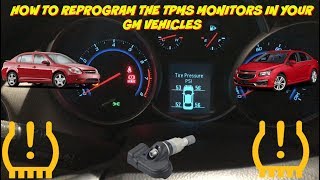
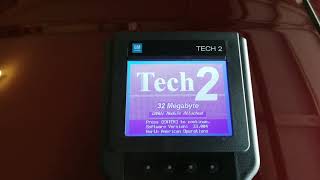
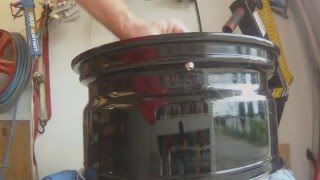
Helpful Videos
We Have This Part in Stock

The information in this article is provided for general reference and educational purposes only. Vehicle specifications, procedures, and part compatibility can vary by production date, trim level, and region. Always consult your vehicle's factory service manual and verify part numbers before purchasing or performing repairs. Safety-critical components such as airbags, seat belts, and braking systems should be installed by a qualified professional.
- Chevrolet CORVETTE:
- 🧭 Diagnostic Flowchart
- 🎬 Helpful Videos
- 🛍️ Shop This Part
- What's Unique About the 2007-2014 Chevrolet CORVETTE
- Symptoms You May Notice
- Most Likely Causes
- Rare But Worth Checking
- Diagnosis Steps
- Parts You'll Likely Need
- Related Codes That Often Appear With This One
- Technical Service Bulletins (TSBs) & Recalls
- Platform-Specific Known Issues
- Mechanic-Grade Diagnostic Values
- Scan Tool Commands That Help
- Wiring & Ground Locations
- Real Owner Repair Stories
- OEM Part Supersession History
- Model Year Variations Within This Range
- 🎟️ Get 5% Off