

C0755 on 2007-2014 Chevrolet Tahoe: Causes and Fixes for TPMS Faults
Code C0755 on a 2007-2014 Chevy Tahoe almost always means the battery in the left rear tire pressure (TPMS) sensor has died. These original sensors have a 7-10 year lifespan, so vehicles in this range are due for failure. The fix is to replace the sensor (ideally all four) and perform a TPMS relearn procedure. Expect to pay $25-$75 for the part.
- C0755 means the left rear TPMS sensor has failed, most likely due to a dead battery.
- The vehicle is safe to drive, but you should check your tire pressures manually until the sensor is replaced.
- Due to the age of the vehicle, it is best practice to replace all four TPMS sensors at once.
- Replacing the sensor requires special tools to dismount the tire, so this is typically a job for a tire shop.
- After replacement, a TPMS relearn procedure must be performed for the system to recognize the new sensor.
What's Unique About the 2007-2014 Chevrolet TAHOE
The GMT900 platform, which includes the 2007-2014 Tahoe, uses a TPMS system where the signals are received by the Remote Control Door Lock Receiver (RCDLR). This module also handles key fob functions. A unique issue, documented in TSB #PIC5650M, shows that a fault within this shared module can sometimes cause a C0755 code along with seemingly unrelated problems like a no-crank or no-start condition with the security light on. This TSB has been updated multiple times, with the latest versions (PIC5650K, etc.) expanding the list of potential RF interference sources that can mimic a component failure.
Diagnostic Flowchart
Tap your situation to follow the diagnostic path that matches what you're seeing on this vehicle.
Symptoms You May Notice
- TPMS warning light is illuminated on the dashboard (may flash for one minute then stay on, indicating a system fault).
- "Service Tire Monitor System" message on the Driver Information Center (DIC).
- The DIC shows dashes "--" instead of a pressure reading for the left rear tire.
- In rare cases, may be accompanied by a no-start or start-and-stall condition with the security light on. [★ MANUFACTURER TSB — highest authority, 15]
- Poor key fob range or intermittent operation of remote functions (lock/unlock/remote start), as the RCDLR receives both TPMS and key fob signals.
- Replacing the Body Control Module (BCM) without first diagnosing the individual sensor and the RCDLR.
- Assuming the tire pressure is correct just because the light is on. A flashing light followed by a solid light indicates a system *fault*, not necessarily low pressure.
- Replacing only the one failed sensor on an older vehicle, only to have another one fail a few months later, incurring additional labor charges.
Most Likely Causes
- Dead TPMS Sensor Battery 🔴 High Probability → Shop Tire Pressure Monitoring System (TPMS) Sensor The non-replaceable batteries inside the original sensors have a typical lifespan of 7-10 years. Vehicles in this 2007-2014 year range are at or beyond the expected battery life, making this the most common cause. Forum discussions frequently confirm failures around the 10-year mark.
How to confirm: Use a TPMS diagnostic tool (like an ATEQ or Autel model) to attempt to read the sensor. If the tool shows a low battery status or cannot get a response from the sensor, the battery is dead. The sensor itself is a sealed unit; the battery cannot be replaced.
Typical fix: Replace the left rear TPMS sensor. It is highly recommended to replace all four sensors at the same time, as the others are likely to fail soon. This saves on future labor costs for dismounting and remounting tires individually.
Est. part cost: $25-$75 per sensor - Failed TPMS Sensor 🟡 Medium Probability → Shop Tire Pressure Monitoring System (TPMS) Sensor Sensors can be damaged during tire changes or fail due to age and exposure to the elements. The valve stem portion can also corrode, leading to air leaks and eventual sensor failure.
How to confirm: If a TPMS tool cannot activate the sensor after several attempts, and the battery is known to be good (or the sensor is new), the sensor's internal electronics have likely failed. Physical inspection may reveal corrosion or damage.
Typical fix: Replace the faulty TPMS sensor and perform the relearn procedure.
Est. part cost: $25-$75 - Failed TPMS Relearn Procedure ⚪ Low Probability After a tire rotation, if the relearn procedure isn't performed correctly, the vehicle may report a fault for one location (e.g., left rear) when the problematic sensor is actually at a different corner of the vehicle. This can also happen if the procedure is interrupted or times out.
How to confirm: Perform the TPMS relearn procedure as outlined in the owner's manual. For many GMT900 trucks, this can be done without a tool by initiating learn mode and then deflating each tire in sequence. If the procedure completes successfully but the code remains for a specific location, the issue is with that sensor. If the procedure fails at a specific wheel, that sensor is the problem.
Typical fix: Correctly perform the TPMS sensor relearn procedure. Ensure no other vehicles are nearby during the process, as their sensors can cause interference.
Est. part cost: $0
Rare But Worth Checking
- Faulty Remote Control Door Lock Receiver (RCDLR): → Shop Keyless Entry Receiver As mentioned in TSB #PIC5650M, a faulty RCDLR can cause TPMS codes along with key fob and vehicle security/starting issues. If you have multiple TPMS codes (C0750, C0755, C0760, C0765) and problems with your keyless entry, this module should be investigated. Another TSB, #16-NA-061, 🎬 Watch: How to replace and program the door lock module. points to poor or disconnected antenna connections to the RCDLR as a potential cause for these exact symptoms.
- Radio Frequency (RF) Interference: Aftermarket electronic devices like phone chargers, dash cams, USB power banks, or even aftermarket LED lighting can interfere with the 315 MHz signal from the TPMS sensor to the receiver. TSB #PIC5650K explicitly lists these devices as potential sources of RFI that can cause intermittent TPMS and key fob issues. Before replacing parts, unplug all aftermarket accessories and see if the problem resolves.
Diagnosis Steps
- Verify code C0755 with an OBD-II scanner that can read Chassis (C) codes.
- Check the tire pressure display on the Driver Information Center (DIC). Note if the left rear shows a pressure or dashes "--".
- Attempt a TPMS relearn procedure. On most 2007-2014 Tahoes, put the ignition to 'ON', then press and hold the lock and unlock buttons on the key fob until the horn chirps. The driver's front turn signal will illuminate. Let air out of the left front tire until the horn chirps, then proceed clockwise to RF, RR, and finally LR. 🎬 Watch this walkthrough of the TPMS relearn and programming process. The horn will chirp twice to confirm completion. Alternatively, use a TPMS activation tool at each wheel.
- If the relearn procedure fails to get a response from the left rear wheel, the sensor is bad.
- Use a dedicated TPMS tool to directly test the left rear sensor. The tool can confirm if the sensor is transmitting, check its battery status, and read its unique ID.
- If the sensor is confirmed bad, it must be replaced. This requires breaking the tire bead or dismounting the tire.
- If a new sensor cannot be learned by the vehicle, and you also have key fob issues, inspect the Remote Control Door Lock Receiver (RCDLR) and its associated wiring and antenna connections per TSB #16-NA-061.
- Unplug all aftermarket 12V accessories (chargers, dash cams, etc.) to rule out Radio Frequency Interference (RFI) as described in TSB #PIC5650K.
Parts You'll Likely Need
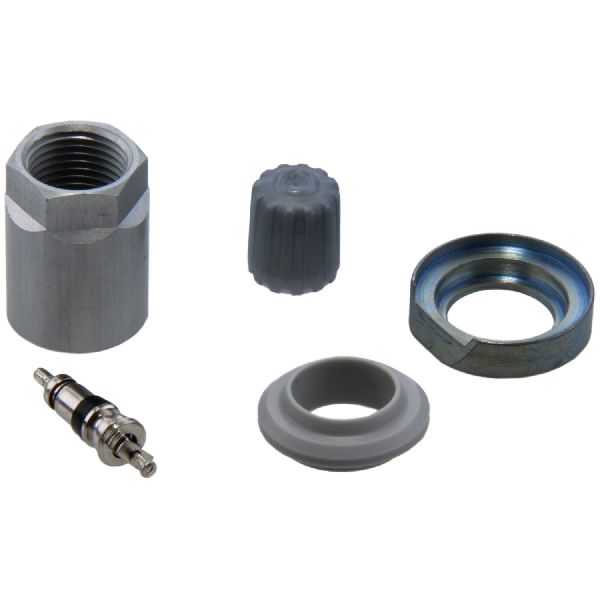
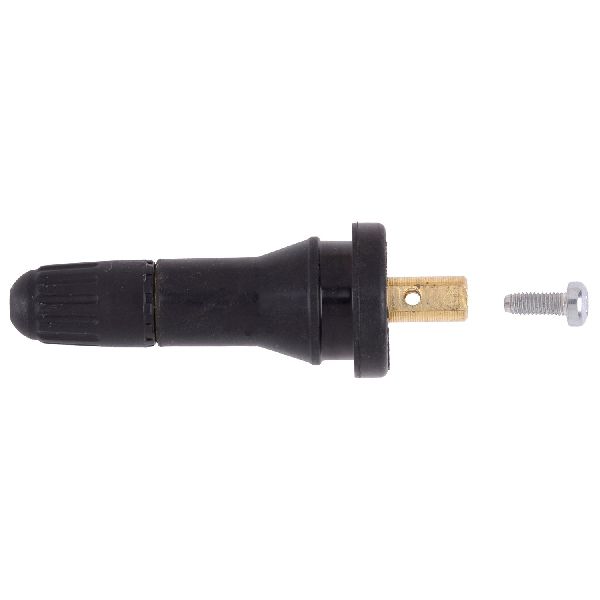
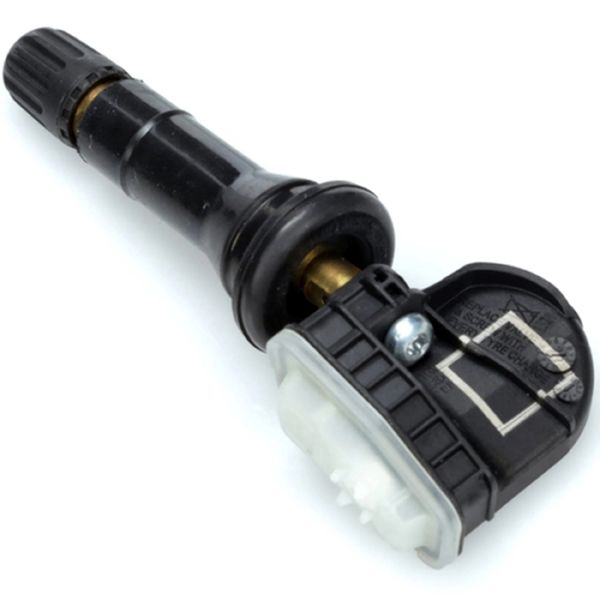
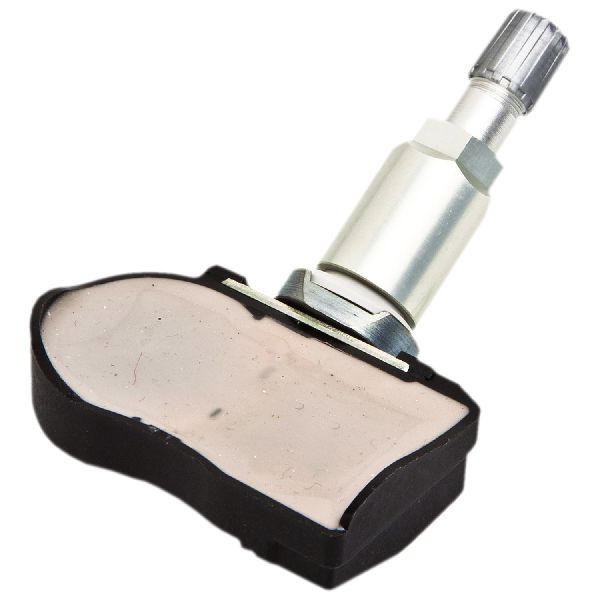
- Tire Pressure Monitoring System (TPMS) Sensor
(OEM #13598771)— This is the direct cause of the code in most cases, typically due to an expired internal battery. The original part number may be superseded by 13586335, 22853741, or 13540600. All operate on the required 315 MHz frequency.
Trusted brands: ACDelco (OEM), Dorman (e.g., 974-009), Schrader (often the OE supplier), Standard Motor Products, Huf
OEM price range: $60-$95
Aftermarket price range: $25-$50
Related Codes That Often Appear With This One
- C0750 — Relates to the Left Front TPMS sensor. It's common for multiple sensor batteries to fail around the same time due to age.
- C0760 — Relates to the Right Front TPMS sensor. It's common for multiple sensor batteries to fail around the same time due to age.
- C0765 — Relates to the Right Rear TPMS sensor. It's common for multiple sensor batteries to fail around the same time due to age.
- B3055 — Relates to the vehicle immobilizer system. This code may appear with C0755 if the root cause is a faulty Remote Control Door Lock Receiver (RCDLR), as noted in TSB #PIC5650M. [★ MANUFACTURER TSB — highest authority, 15]
Technical Service Bulletins (TSBs) & Recalls
- PIC5650M (and its successors like PIC5650K/F): Mentions C0755 in a group of codes that can be caused by a faulty Remote Control Door Lock Receiver or, more commonly, Radio Frequency Interference (RFI) from aftermarket accessories, leading to no-start or start/stall conditions.
- 16-NA-061: Details how a disconnected antenna for the RCDLR can cause TPMS codes (including C0755), "Service Tire Monitor System" messages, and poor key fob range. Recommends checking antenna connections before replacing components.
Platform-Specific Known Issues
- A known issue documented in TSB #PIC5650M links TPMS codes like C0755 to no-start conditions due to a shared fault in the Remote Control Door Lock Receiver (RCDLR). [★ MANUFACTURER TSB — highest authority, 15]
- TSB #16-NA-061 specifically addresses symptoms including TPMS dashes and poor key fob range on related platforms, pointing to disconnected antenna cables for the RCDLR module as a likely cause before replacing the module itself.
Mechanic-Grade Diagnostic Values
- TPMS Sensor Operating Frequency — expected: 315 MHz. Failure: Using a sensor with the wrong frequency (e.g., 433 MHz) will result in it not being learned by the RCDLR.
- TPMS Sensor Transmission Trigger — expected: Sensor transmits when a pressure change of more than 1.2 psi is detected.. Failure: This is the normal operating principle; a failure would be the sensor not transmitting at all.
Hidden / Shadow Codes Worth Checking
- C0750, C0755, C0760, C0765 with text 'Too Few Pulses': This descriptive text, which may appear on some advanced scan tools, indicates the receiver is not getting a sufficient signal from the TPMS sensor. This points towards a dead sensor battery, a faulty sensor, or RF interference. (see via Advanced OBD-II scanner with manufacturer-specific code definitions.)
Scan Tool Commands That Help
- GDS2 / Techline Connect: RCDLR Module Programming/Setup — Required after replacing the RCDLR. The new module must be programmed to the vehicle, and then a 'Tire Type/Pressure Selection' setup must be performed within the module's special functions to input the vehicle's specified tire load and pressures.
- Bi-directional Scan Tool (e.g., Autel, Launch): RCDLR Tire Type/Pressure Rewrite — Use this if new sensors are installed and the relearn procedure completes successfully (horn chirps) but the DIC still shows dashes ('--') after an ignition cycle. The RCDLR may have lost its configuration. Rewriting the tire type (e.g., P-Metric) and placard pressure can restore functionality.
Wiring & Ground Locations
- Remote Control Door Lock Receiver (RCDLR) — Located inside the vehicle in the driver's side D-pillar (the rearmost pillar, next to the rear hatch).. This module is the receiver for all TPMS sensor signals. A fault in the module, its power, ground, or antenna connection is a primary cause of TPMS codes.
- RCDLR Antenna Coax Cable — Runs from the RCDLR module in the D-pillar to an antenna amplifier module, which then connects to the antenna grid in the right rear quarter glass.. A disconnected coax cable at the RCDLR or at the antenna amplifier can cause a loss of signal from one or more TPMS sensors, leading to C-codes and a 'Service Tire Monitor System' message.
- Under-hood Fuse Block — Located in the engine compartment on the driver's side.. The TPMS is not on a single dedicated fuse. Power is supplied via multiple circuits. Fuses F4, F5, F12, and F56 have been identified as related to the system and should be checked before replacing components.
Real Owner Repair Stories
- Tahoe Yukon Forum user (2012 Tahoe LTZ) — After installing new Schrader TPMS sensors, the relearn procedure would complete successfully, but the DIC would show dashes "--" for all tires after turning the truck off and back on.
❌ Tried (didn't work) Performing the standard relearn procedure multiple times (using a relearn tool).
✅ What actually fixed it The RCDLR module had lost its memory. The owner used a bi-directional Launch scanner to access the RCDLR, rewrite the tire type as 'P-metric,' and set the recommended pressure to 36 PSI. After this was saved, the system began working correctly.
OEM Part Supersession History
15287331, 15782376, 15807816, 15857831, 15946938, 25771044, 25808837, 25852909, 25855007, 25896497→20803735— Standard part evolution and design updates by GM.
Heads up: A new RCDLR requires programming with dealer software (Techline Connect) to function. A used module from a vehicle with identical options may work but is not guaranteed.
Model Year Variations Within This Range
- 2007-2014: The method to initiate the TPMS relearn mode without a tool can vary. Some models use the DIC buttons, some use the key fob lock/unlock buttons, and others may use the trip odometer reset stem. The older, pre-2007 GMT800 platform used a different method involving cycling the headlight switch.
- 2010-2014: For dealer-level diagnostics, GM transitioned from the Tech2 scan tool to the GDS2 software platform. While a Tech2 may still work on some systems, GDS2 is the specified software for later models in this range.
Helpful Videos
We Have This Part in Stock


The information in this article is provided for general reference and educational purposes only. Vehicle specifications, procedures, and part compatibility can vary by production date, trim level, and region. Always consult your vehicle's factory service manual and verify part numbers before purchasing or performing repairs. Safety-critical components such as airbags, seat belts, and braking systems should be installed by a qualified professional.
- Chevrolet TAHOE:
- 🧭 Diagnostic Flowchart
- 🎬 Helpful Videos
- 🛍️ Shop This Part
- What's Unique About the 2007-2014 Chevrolet TAHOE
- Symptoms You May Notice
- Most Likely Causes
- Rare But Worth Checking
- Diagnosis Steps
- Parts You'll Likely Need
- Related Codes That Often Appear With This One
- Technical Service Bulletins (TSBs) & Recalls
- Platform-Specific Known Issues
- Mechanic-Grade Diagnostic Values
- Hidden / Shadow Codes Worth Checking
- Scan Tool Commands That Help
- Wiring & Ground Locations
- Real Owner Repair Stories
- OEM Part Supersession History
- Model Year Variations Within This Range
- 🎟️ Get 5% Off