

C0755 on 2009-2016 Chevrolet Traverse: Right Front TPMS Fault Causes and Fixes
Code C0755 on a 2009-2016 Traverse almost always means the battery in your right front tire pressure sensor has died. A replacement sensor costs about $25-$60 and requires a special tool to program. In rare cases, this code can be linked to a no-start condition caused by a faulty Remote Control Door Lock Receiver (RCDLR).
- C0755 points to a problem with the right front tire pressure sensor.
- The most frequent cause is simply a dead battery in the sensor, which is expected for a vehicle of this age.
- If you also have problems with your key fob or starting the vehicle, the issue is very likely the Remote Control Door Lock Receiver (RCDLR) module, not the sensor itself.
- Replacing all four TPMS sensors at once is recommended to save on future labor.
- A TPMS relearn tool is required to program new sensors to the vehicle.
What's Unique About the 2009-2016 Chevrolet TRAVERSE
On this generation of Traverse and its platform mates (Buick Enclave, GMC Acadia, Saturn Outlook), the Tire Pressure Monitoring System (TPMS) signals are received by the Remote Control Door Lock Receiver (RCDLR)—the same module that receives signals from your key fob. Because of this shared module, a fault within the RCDLR can cause both TPMS codes like C0755 and seemingly unrelated issues like the key fob not working, a "No Remote Detected" message, or even a no-start condition. This is a well-documented issue, and GM has issued technical service bulletin 16-NA-396 specifically to address RCDLR failure causing these exact symptoms.
Diagnostic Flowchart
Tap your situation to follow the diagnostic path that matches what you're seeing on this vehicle.
Symptoms You May Notice
- Flashing TPMS warning light (flashes for ~1 minute at startup, then stays solid), followed by a solid light.
- "Service Tire Monitor System" message on the Driver Information Center (DIC).
- The tire pressure display shows dashes (--) for the right front tire.
- Intermittent "No Remote Detected" message on the DIC.
- Key fob functions (lock/unlock/remote start) work intermittently or not at all.
- Engine will not crank or start (in cases of RCDLR failure). [Bulletin #PIC5650M]
- Replacing only the TPMS sensor when the root cause is the RCDLR, especially if key fob issues are also present. The problem will likely return.
- Replacing key fob batteries when the TPMS light is also on. The simultaneous failure points to the shared RCDLR module, not the individual batteries.
Most Likely Causes
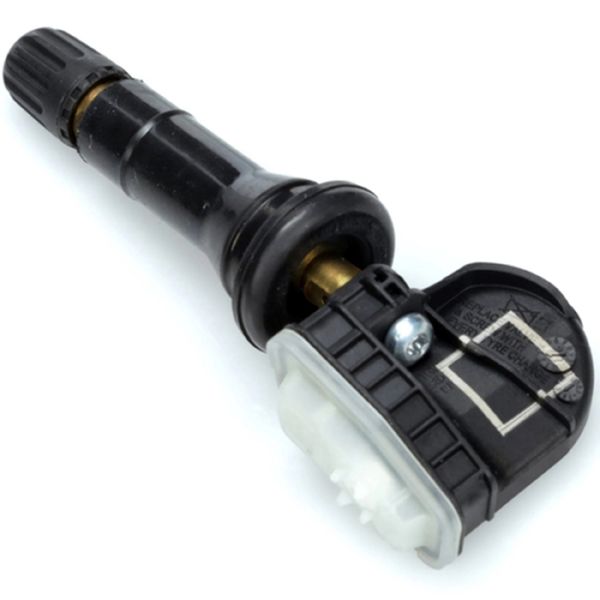
- Dead Battery in Right Front TPMS Sensor 🔴 High Probability → Shop Tire Pressure Monitoring System (TPMS) Sensor TPMS sensor batteries have a finite lifespan, typically 7-10 years. Vehicles in the 2009-2016 range are at the prime age for battery failure due to age.
How to confirm: A professional scan tool or a dedicated TPMS tool can read the battery status of the TPMS sensor. If the battery status is 'Low' or 'Offline', the sensor needs replacement. This is often logged as a C0755 subtype fault for 'Low Voltage'.
Typical fix: Replace the right front TPMS sensor and perform the TPMS relearn procedure. It is often recommended to replace all four sensors at once to avoid future failures, as the batteries 🎬 Watch: DIY walkthrough for replacing a TPMS sensor. have a similar lifespan.
Est. part cost: $25-$60 per sensor - Faulty Remote Control Door Lock Receiver (RCDLR) 🟡 Medium Probability → Shop Keyless Entry Receiver As documented in GM TSB 16-NA-396, the RCDLR module is a known failure point that can cause TPMS codes. This module is responsible for processing signals from both the TPMS sensors and the key fobs, so its internal failure affects both systems.
How to confirm: This is the likely cause if you experience C0755 along with other TPMS codes (C0750, C0760, C0765) and/or intermittent key fob and starting issues. If all TPMS sensors and key fobs stop working simultaneously, the RCDLR is the primary suspect. 🎬 See how a faulty RCDLR affects both TPMS and keyless entry. A professional scan tool may show C0755 with a symptom byte of ':29' (Too Few Pulses), which TSB 16-NA-396 directly links to RCDLR failure.
Typical fix: Replace the RCDLR module. This must be done by a dealer or a qualified shop as it requires programming to the vehicle's BCM. The RCDLR is typically located behind the interior trim in the rear passenger-side cargo area.
Est. part cost: $80-$150 - Damaged TPMS Sensor ⚪ Low Probability → Shop Tire Pressure Monitoring System (TPMS) Sensor Sensors can be damaged during tire installation, by hitting a large pothole, or from corrosion. Using unapproved tire sealants can also clog the sensor's pressure port.
How to confirm: Visual inspection after dismounting the tire. The sensor may show physical signs of damage, or the valve stem may be broken.
Typical fix: Replace the damaged TPMS sensor and perform the relearn procedure.
Est. part cost: $25-$60
Rare But Worth Checking
- Radio Frequency (RF) Interference: Aftermarket electronic devices like dash cams, phone chargers, or CB radios can sometimes interfere with the 315 MHz or 433 MHz signal from the TPMS sensor to the RCDLR. Before replacing parts, try unplugging all non-factory electronics to see if the code clears.
- Disconnected RCDLR Antenna Coax Cable: As detailed in GM bulletin 16-NA-061, the antenna system for the RCDLR can become disconnected at the receiver, at the antenna amplifier module, or at the antenna itself (in the right rear quarter glass). A disconnected coax cable at the RCDLR will cause all sensors to stop reporting, while a disconnect further away may only affect the sensors farthest from the receiver.
Diagnosis Steps
- Check for other DTCs. If key fob or immobilizer codes (like B3055) are present with C0755, suspect the RCDLR. [Bulletin #PIC5650M]
- Use a scan tool to view the RCDLR data and check the reported battery status for the right front TPMS sensor. 'Low' status confirms a bad sensor battery.
- If the battery status is OK, use a TPMS activation tool to try and force the sensor to transmit. If it does not respond, the sensor is likely faulty.
- If the sensor activates with the tool but the vehicle does not recognize it (the horn doesn't chirp during the relearn procedure), there may be an issue with the RCDLR or RF interference.
- Perform the TPMS relearn procedure. On the Traverse, this involves turning the ignition ON, then pressing and holding the lock and unlock buttons on the key fob until the horn chirps twice and the DIC shows 'Tire Learning Active'. Then, use a TPMS tool to activate each sensor starting with the left front and moving clockwise. 🎬 Watch: Step-by-step guide to the TPMS relearn procedure.
- If multiple TPMS sensors fail to learn and key fob issues are present, diagnose the RCDLR and its antenna connections before replacing the module.
Parts You'll Likely Need
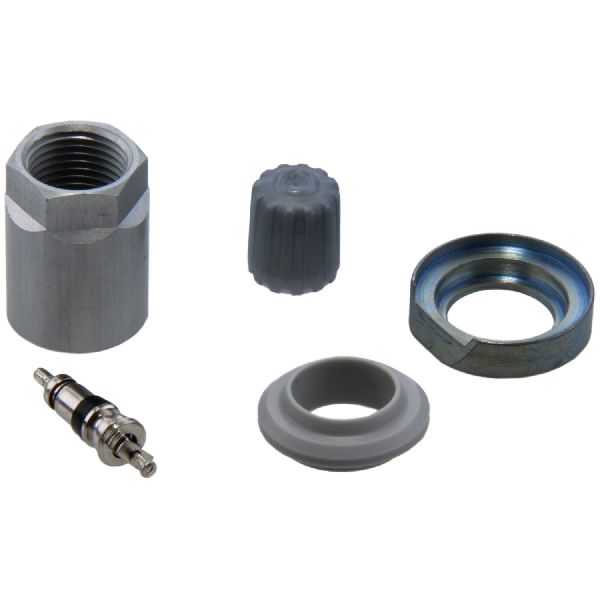
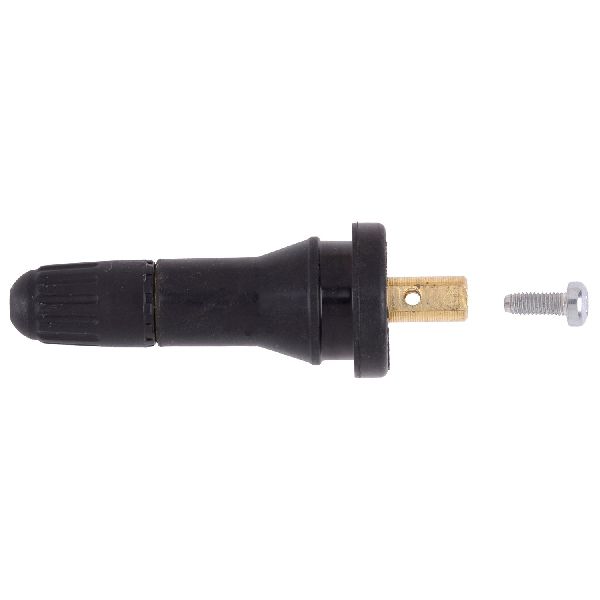
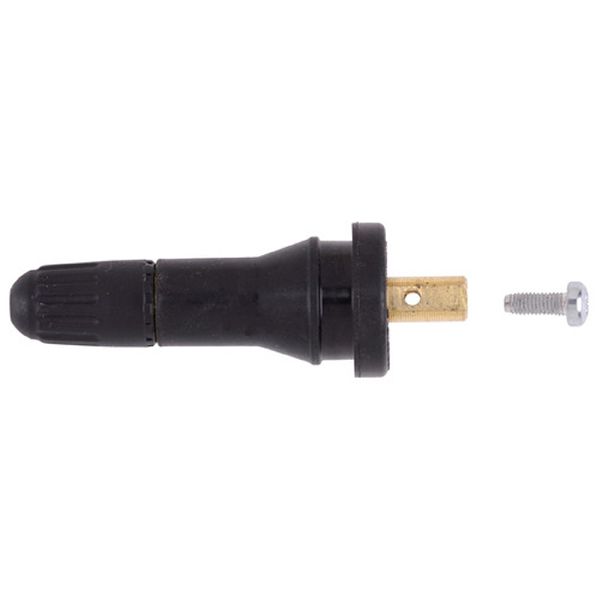
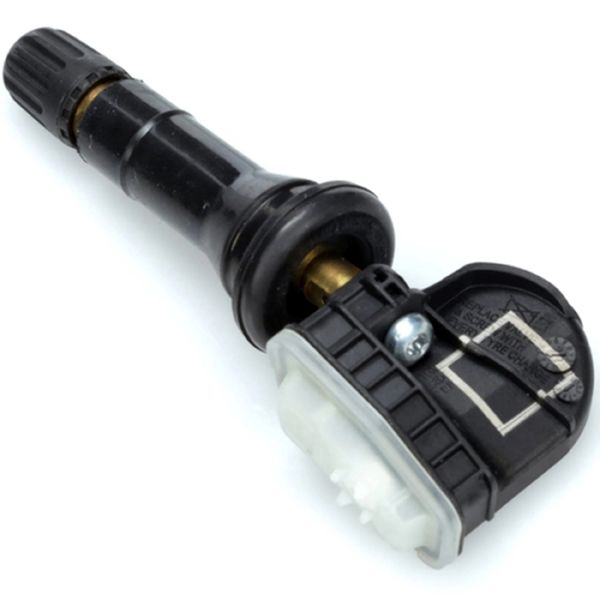
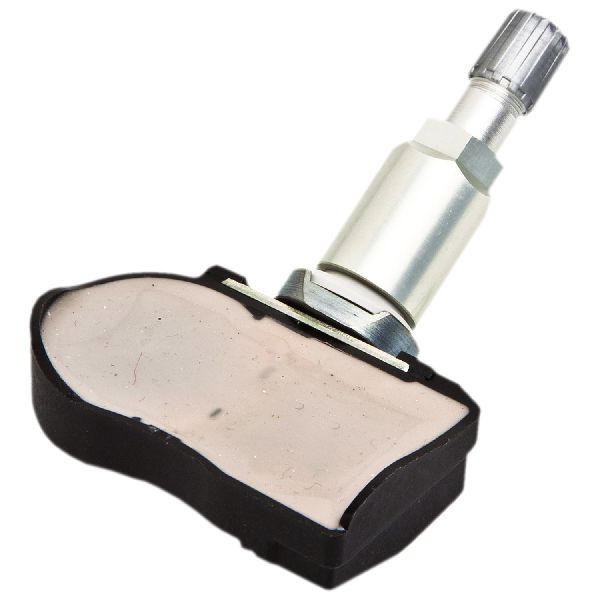
- Tire Pressure Monitoring System (TPMS) Sensor
(OEM #13598773)— This is the most common failure point, usually due to an expired internal battery with a 7-10 year lifespan. This part number has been superseded by 13540602 and 86363053.
Trusted brands: ACDelco, Schrader, Continental, Bosch
OEM price range: $45-$70
Aftermarket price range: $25-$50 - Remote Control Door Lock Receiver (RCDLR)
(OEM #13595511)— This module is a known failure point that receives signals from both the TPMS sensors and key fobs. A fault here can trigger C0755 and cause starting issues. This part number has been superseded by 13540045.
Trusted brands: ACDelco (GM Genuine)
OEM price range: $80-$150
Aftermarket price range: $60-$120
Related Codes That Often Appear With This One
- C0750, C0760, C0765 — These are the codes for the other three tire pressure sensors. When multiple or all TPMS codes appear at once, it strongly suggests a problem with the common receiver (the RCDLR) rather than multiple simultaneous sensor failures.
- B3055, B3060 — These codes relate to the key fob and vehicle immobilizer system. Their presence alongside C0755 is a strong indicator of a failing RCDLR, as mentioned in TSB PIC5650M.
Technical Service Bulletins (TSBs) & Recalls
- PIC5650M: Mentions C0755 in a list of codes related to a no crank, no start, or start/stall concern with the security light on.
- 16-NA-396: Details an issue with the RCDLR causing intermittent loss of key fob functions and setting TPMS codes C0750, C0755, C0760, and C0765. Recommends replacing the RCDLR.
- 16-NA-061: Describes how a disconnected RCDLR antenna coax cable can cause various TPMS and RKE (Remote Keyless Entry) symptoms, including setting TPMS codes.
Platform-Specific Known Issues
- A known issue, documented in TSB 16-NA-396, involves an internal failure of the Remote Control Door Lock Receiver (RCDLR). This can cause simultaneous failure of the TPMS system (setting codes like C0755) and the remote keyless entry/passive start system, potentially leading to a "No Remote Detected" message or a no-start condition.
- Another TSB, 16-NA-061, points to the possibility of a disconnected coax cable for the RCDLR antenna, which can mimic a failed RCDLR or failed sensors depending on where the disconnect occurs.
Hidden / Shadow Codes Worth Checking
- C0755 03: Right Front Tire Pressure Sensor Low Voltage. This directly indicates the sensor's internal battery is failing. (see via GM GDS2 (Global Diagnostic System 2) or equivalent professional-grade scan tool that can read manufacturer-specific symptom bytes.)
- C0755 29: Right Front Tire Pressure Sensor Too Few Pulses. This symptom code is explicitly mentioned in TSB #16-NA-396 and points directly to an internal failure of the Remote Control Door Lock Receiver (RCDLR). (see via GM GDS2 (Global Diagnostic System 2) or equivalent professional-grade scan tool.)
- C0755 39: Right Front Tire Pressure Sensor Internal Malfunction. This indicates a general internal fault within the sensor itself, other than low battery voltage. (see via GM GDS2 (Global Diagnostic System 2) or equivalent professional-grade scan tool.)
Scan Tool Commands That Help
- GDS2: Module Diagnostics -> RCDLR -> Configuration/Reset Functions -> Add/Replace Key Fobs — This function is required after replacing the RCDLR module to program existing and new key fobs to the new module. It can also be used to test if the module is responsive.
- GDS2: Module Diagnostics -> BCM -> Data Display -> TPMS Data — To view live data from the TPMS sensors as seen by the BCM, including sensor IDs, pressure, and battery status ('OK' or 'Low'). This helps confirm if a specific sensor is not transmitting or has a low battery.
- GDS2: Control Functions (various modules) — Using bidirectional controls to command functions like door locks can help verify if the BCM and other modules are communicating correctly, which can help isolate a communication issue related to the RCDLR.
Wiring & Ground Locations
- RCDLR Module — Behind the interior trim panel in the rear passenger-side (right) cargo area, above the wheel well.. This is the central receiver for all TPMS and key fob signals. Access is required for replacement or to check its connector and antenna coax cable as described in TSB 16-NA-061.
- G402 — Above the right rear wheel well, near the base of the D-pillar.. This is a primary chassis ground point for components in the rear of the vehicle, including the RCDLR. A corroded or loose connection here can cause intermittent RCDLR failure, leading to TPMS and key fob issues.
- G303 — Near the base of the left 'B' pillar (the pillar between the front and rear doors).. While not the primary ground for the RCDLR, it is a major ground point for the Body Control Module (BCM) and other interior electronics. A fault here can cause a wide range of bizarre electrical issues, including communication problems with the RCDLR.
- RCDLR Antenna — The antenna is integrated into the right rear quarter glass, with an amplifier module and coax cable connecting it to the RCDLR.. A disconnect at the antenna, amplifier, or the RCDLR module itself will prevent TPMS signals from being received, setting code C0755 and others. TSB 16-NA-061 advises checking these connections before replacing the RCDLR.
Real Owner Repair Stories
- YouTube video by Phillip Bailey (2017 GM 2500HD (similar platform/architecture)) — Keyless entry not working and a "Service Tire Monitor System" message on the dash. Codes for multiple TPMS sensors were present.
❌ Tried (didn't work) Initial diagnosis pointed towards a failed RCDLR module, as all sensors and fobs were inoperative.
✅ What actually fixed it A broken wire (yellow with green stripe) in the wiring harness under the driver's door sill plate was found. The wire was corroded and broken due to moisture and debris (sand) in the harness channel. Repairing this single wire restored function to the RCDLR, fixing both the TPMS and keyless entry issues without replacing the module.
OEM Part Supersession History
13595511→13509518, 13523281, and finally 13540045— Standard part revision and consolidation by the manufacturer.
Heads up: The latest part number, 13540045, is the correct service replacement for the original parts. All versions require dealer programming with SPS (Service Programming System) after installation.
Model Year Variations Within This Range
- 2009-2017: While the RCDLR is the common receiver across these years, earlier TSBs for other GM models (e.g., #07-08-52-001B for the 2007 Impala) mention different antenna setups (coax vs. non-coax) depending on options. For the Traverse, the key diagnostic point from TSB 16-NA-061 regarding the coax antenna system in the right rear quarter glass is the most relevant for the entire generation.
Helpful Videos

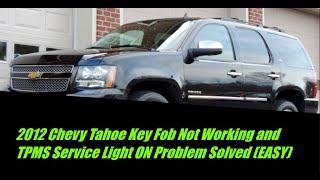
We Have This Part in Stock

The information in this article is provided for general reference and educational purposes only. Vehicle specifications, procedures, and part compatibility can vary by production date, trim level, and region. Always consult your vehicle's factory service manual and verify part numbers before purchasing or performing repairs. Safety-critical components such as airbags, seat belts, and braking systems should be installed by a qualified professional.
- Chevrolet TRAVERSE:
- 🧭 Diagnostic Flowchart
- 🎬 Helpful Videos
- 🛍️ Shop This Part
- What's Unique About the 2009-2016 Chevrolet TRAVERSE
- Symptoms You May Notice
- Most Likely Causes
- Rare But Worth Checking
- Diagnosis Steps
- Parts You'll Likely Need
- Related Codes That Often Appear With This One
- Technical Service Bulletins (TSBs) & Recalls
- Platform-Specific Known Issues
- Hidden / Shadow Codes Worth Checking
- Scan Tool Commands That Help
- Wiring & Ground Locations
- Real Owner Repair Stories
- OEM Part Supersession History
- Model Year Variations Within This Range
- 🎟️ Get 5% Off