

C0755 on 2011-2018 Chevrolet Volt: TPMS and RCDLR Fault Guide
Code C0755 on a Chevy Volt indicates a problem with the left front tire pressure sensor. The most common fix is replacing the sensor itself due to a dead battery. However, if other TPMS codes are present or the key fob stops working, the Remote Control Door Lock Receiver (RCDLR) may be faulty, as noted in GM TSB #16-NA-396. Before replacing the module, check for a disconnected RCDLR antenna cable per TSB #16-NA-061.
- C0755 means there's a problem with the left front tire pressure sensor.
- The most likely cause is a dead battery inside the sensor, requiring sensor replacement.
- If your key fob also stops working, the problem may be a faulty Remote Control Door Lock Receiver (RCDLR), not the sensor.
- A TPMS relearn procedure is required after replacing a sensor.
- While a sensor replacement is simple, diagnosing a faulty RCDLR or a related no-start issue should be left to a professional.
What's Unique About the 2011-2018 Chevrolet VOLT
What's unique to the Volt and similar GM Delta II platforms (like the Chevy Cruze 🎬 Watch: Fixing the Service Tire Monitor System on a Cruze and Cadillac ELR) is the dual role of the Remote Control Door Lock Receiver (RCDLR). This single module processes signals from both the Tire Pressure Monitoring System (TPMS) sensors and your key fobs. Consequently, a TPMS sensor fault can sometimes be the first sign of a failing RCDLR, which can lead to seemingly unrelated symptoms like the key fob not working or even a no-start condition, a link that is officially documented in manufacturer service bulletins.
Diagnostic Flowchart
Tap your situation to follow the diagnostic path that matches what you're seeing on this vehicle.
Generation note: This guide covers both the first generation (2011-2015) and second generation (2016-2019) Chevrolet Volt. The underlying TPMS and RCDLR architecture is similar. However, specific part numbers and TPMS frequencies differ. Gen 1 models typically use a 315MHz system, while Gen 2 models may use 315MHz or 433MHz depending on the year and region. The RCDLR part numbers are different for each generation.
Symptoms You May Notice
- "Service Tire Monitor System" message on the Driver Information Center (DIC).
- The TPMS warning light flashes for about a minute and then stays on solid.
- The pressure reading for the left front tire shows as dashes (--) on the DIC.
- Key fob functions (lock, unlock, remote start) are inoperative, especially if seen with other TPMS codes.
- Key fob has a noticeably poor or short range.
- "No Remote Detected" message on the DIC.
- In rare cases, a no-crank or no-start condition with the security light illuminated. [Bulletin #PIC5650M]
- Replacing the Body Control Module (BCM). While the BCM communicates with the RCDLR, the fault is almost always isolated to the sensor, the RCDLR itself, or its antenna connection.
Most Likely Causes
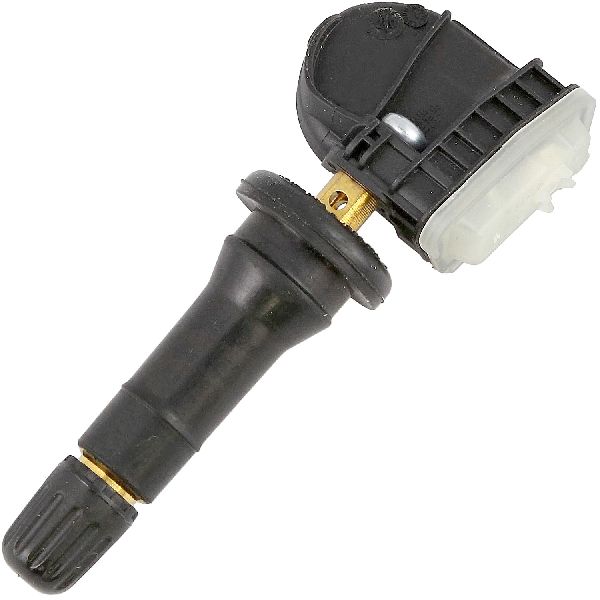
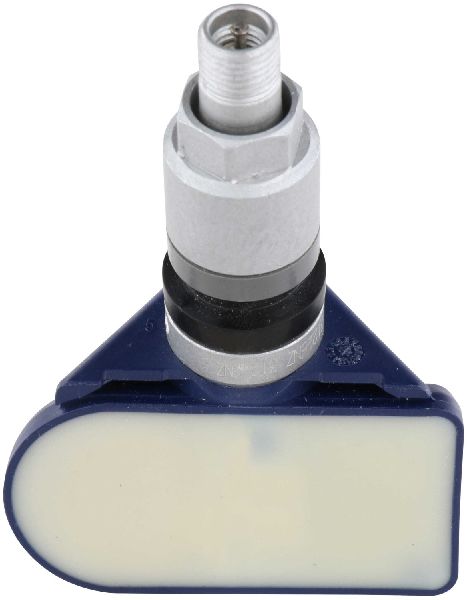
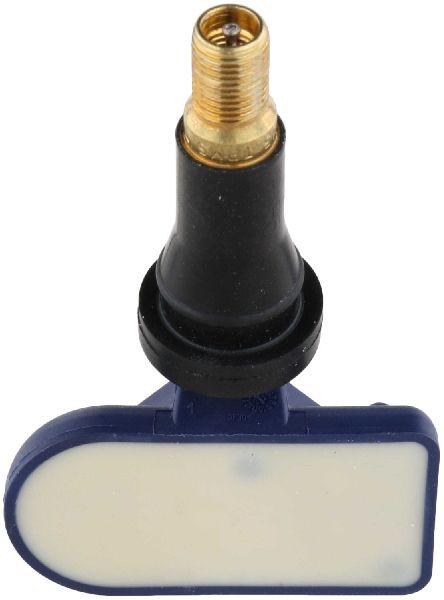
- Failed Left Front TPMS Sensor 🔴 High Probability → Shop Tire Pressure Monitoring System (TPMS) Sensor TPMS sensors are powered by a small, non-replaceable internal battery that has a finite lifespan, typically 7-10 years. As these vehicles age, sensor failure due to a dead battery is the most common cause for an isolated C0755 code.
How to confirm: Use a TPMS diagnostic tool to attempt to activate and read the sensor. If the tool cannot get a signal, or reads a low battery status, the sensor is defective. If you don't have a tool, a tire shop can perform this test in minutes.
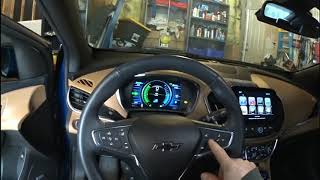
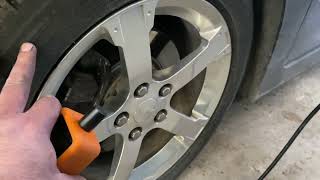
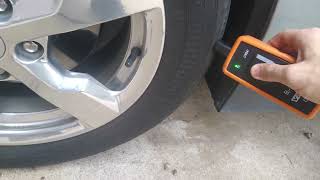
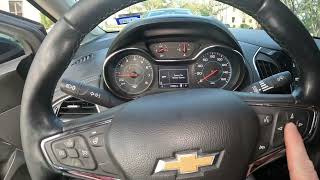
Typical fix: Replace the left front TPMS sensor and perform the TPMS relearn procedure. This requires breaking the bead of the tire to access the sensor. The relearn procedure can be initiated from the DIC and completed with a TPMS tool 🎬 Watch: How to perform a TPMS reset on a 2017 Volt or by letting air out of each tire in sequence until the horn chirps.
Est. part cost: $25-$75 - Faulty Remote Control Door Lock Receiver (RCDLR) 🟡 Medium Probability → Shop Keyless Entry Receiver As documented in TSB #16-NA-396, an internal failure within the RCDLR can cause it to stop processing signals correctly. This is especially likely if codes C0750, C0755, C0760, and C0765 are all present with symptom code :29 ('Too Few Pulses').
How to confirm: This is a diagnosis of exclusion. If all four TPMS sensors are confirmed to be good but communication codes persist, and key fob issues are also present, the RCDLR is the likely culprit. A GM scan tool can directly test the module's function.
Typical fix: Replace the RCDLR module. This part requires programming by a dealer or a properly equipped independent shop to function with the vehicle's existing keys and systems. A real-world replacement is documented on YouTube for a 2017 Volt.
Est. part cost: $80-$150
Rare But Worth Checking
- Disconnected RCDLR Antenna Coax Cable: TSB #16-NA-061 highlights that symptoms identical to a failed RCDLR (multiple TPMS codes, poor key fob range) can be caused by a disconnected antenna cable. Before replacing the module, inspect the coax connections at the RCDLR (behind rear passenger trim), at the antenna amplifier module, and at the rear glass antenna grid itself. A loose connection here is a much simpler fix than a module replacement.
- Radio Frequency (RF) Interference: Aftermarket electronic devices like dash cams, phone chargers, or even metallic window tint can sometimes interfere with the low-power signal from the TPMS sensor to the RCDLR. Before replacing parts, try unplugging all aftermarket accessories to see if the code clears.
- Weak 12V Auxiliary Battery: A failing 12V battery can cause a wide range of seemingly unrelated electronic issues in the Volt, including communication faults between modules. If the battery is over 4-5 years old, have it tested as a baseline step.
Diagnosis Steps
- Read all codes from all vehicle modules. Note if C0755 is alone or present with other TPMS codes (C0750, C0760, C0765) and if key fob issues are present.
- Test the 12V auxiliary battery's health. A weak battery can cause numerous electrical faults in a Volt.
- Using a TPMS activation tool, attempt to read the signal from the left front tire sensor. If it fails to respond or shows a low battery, the sensor is the primary suspect.
- If the sensor responds, try performing the TPMS relearn procedure. Initiate it from the DIC and use a TPMS tool or the 'air deflation' method at each wheel in sequence 🎬 See how to relearn TPMS sensors without using a tool (LF, RF, RR, LR).
- If multiple TPMS codes are present AND you have key fob issues, investigate the RCDLR system. Per TSB #16-NA-061, first inspect the RCDLR antenna coax cable connections behind the rear passenger-side trim panel and at the rear glass.
- If the antenna connections are secure and symptoms persist, the RCDLR module is the likely failure point, as described in TSB #16-NA-396.
- If you have no working key fobs, a 30-minute manual programming procedure exists. It involves turning the physical key in the driver's door lock 5 times, then following a sequence of 10-minute waits and prompts on the DIC.
- If the RCDLR is replaced, it must be programmed by a professional service with GM diagnostic tools.
Parts You'll Likely Need
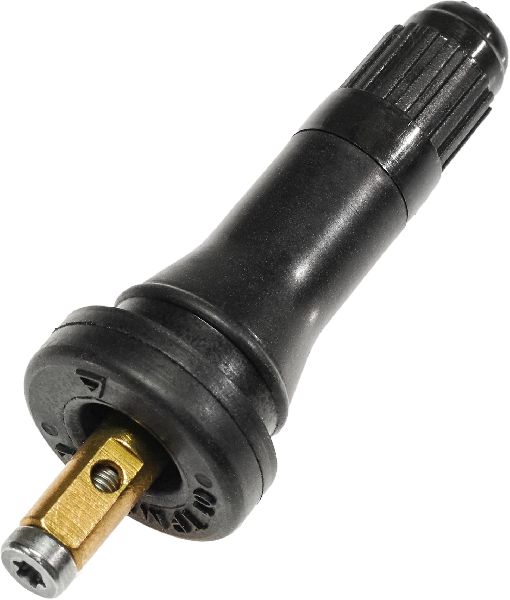
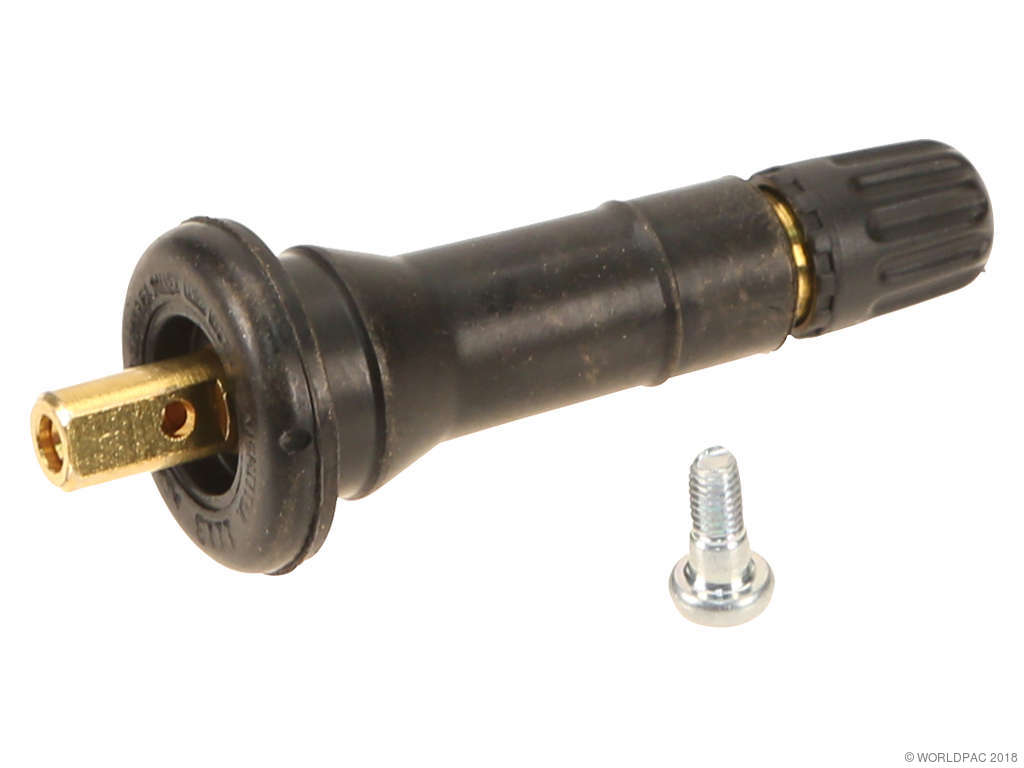
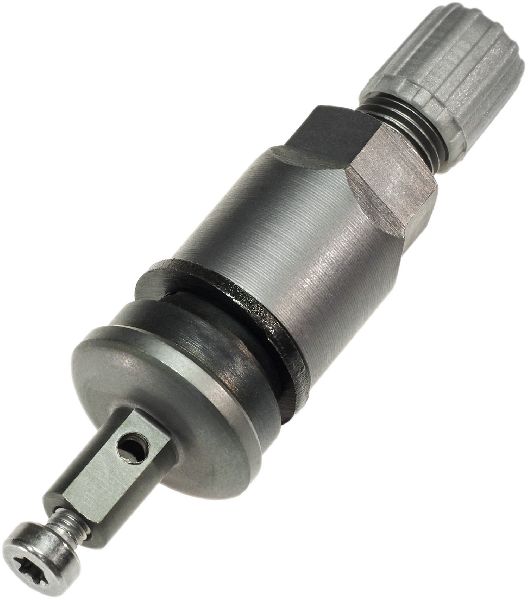
- Tire Pressure Monitoring System (TPMS) Sensor
(OEM #13598771)— This is the most common failure point. The internal battery dies, causing a loss of signal. The ACDelco 13598771 is a widely used OEM part for the Volt and other GM vehicles of this era.
Trusted brands: ACDelco (OEM), Schrader, Continental
OEM price range: $40-$60
Aftermarket price range: $25-$45 - Remote Control Door Lock Receiver (RCDLR)
(OEM #13595510 (Gen 2); 13503205 (Gen 1))— This module can fail internally, causing it to lose communication with all TPMS sensors and key fobs, as documented in TSB #16-NA-396.
Trusted brands: ACDelco (OEM)
OEM price range: $80-$150
Aftermarket price range: N/A
Related Codes That Often Appear With This One
- C0750 — Relates to the Right Front TPMS sensor. Seeing multiple TPMS codes together points towards a systemic issue, like a faulty RCDLR or its antenna, rather than multiple individual sensor failures.
- C0760 — Relates to the Left Rear TPMS sensor.
- C0765 — Relates to the Right Rear TPMS sensor.
- B3055 — A key-related code that can appear alongside TPMS codes in a no-start scenario, pointing to a fault in the security/immobilizer system which involves the RCDLR. [Bulletin #PIC5650M]
Technical Service Bulletins (TSBs) & Recalls
- 16-NA-396: Intermittent Operation of Key Fobs, Door Unlock Inoperative “No Remote Detected” Message with Possible TPM MIL. Points to a faulty RCDLR as the cause.
- PIC5650M: No crank, no start, or start stall concern with the security light coming on. Lists C0755 as a possible related code.
- 16-NA-061: Service Tire Monitor System/ Tire Pressures Display Dashes/ RKE Short Range/ No Fob Detected Message. Points to a poor or disconnected RCDLR antenna connection as a possible cause.
Platform-Specific Known Issues
- TSB #16-NA-396: Documents an internal RCDLR fault on 2016-2017 Volts causing simultaneous failure of the TPMS system (setting codes C0750, C0755, C0760, C0765) and all key fob functions.
- TSB #16-NA-061: Provides a diagnostic path for the same symptoms as above, but points to a disconnected RCDLR antenna coax cable as a potential cause, which should be checked before replacing the module.
- TSB #PIC5650M: Notes that C0755 can be one of several codes present in a more severe no-crank or start-and-stall condition related to the vehicle's security system.
Mechanic-Grade Diagnostic Values
- RCDLR Ground Circuit Resistance — expected: < 0.3 Ω. Failure: A reading significantly higher than 0.3 ohms after the vehicle has been off for several minutes (gone to sleep) indicates high resistance in the ground circuit.
Hidden / Shadow Codes Worth Checking
- Symptom Byte :29 (or 0x29): Too Few Pulses. This symptom code often accompanies C0750, C0755, C0760, and C0765 when the RCDLR is failing internally, as it's not receiving the expected number of signal pulses from the TPMS sensors. (see via GM GDS2 or an equivalent professional-grade scan tool that can read manufacturer-specific symptom codes.)
- Symptom Byte :03 (or 0x03): Voltage Below Threshold. This indicates a general electrical failure where the module is seeing low voltage from the sensor, which can be a sign of a dying sensor battery or a wiring issue. (see via GM GDS2 or an equivalent professional-grade scan tool.)
Scan Tool Commands That Help
- GDS2 (GM Global Diagnostic System 2): Module Diagnostics > Remote Control Door Lock Receiver > Configuration/Reset Functions > Add/Replace Key Fobs — This function is mandatory after replacing the RCDLR module. It programs the new module to recognize the vehicle's existing key fobs.
- GDS2 / SPS (Service Programming System): Replace and Program ECU — When installing a new RCDLR, the SPS software is required to flash the module with the correct vehicle-specific software and VIN. This is typically done through the GM Techline Connect portal.
- GDS2: Module Diagnostics > Tire Pressure Monitor > Data Display > Sensor ID Hit Rate — The 'Hit Rate' data PID can help diagnose RF interference. A low hit rate for a specific sensor, even if the sensor is new, suggests that its signal is being jammed or blocked from reaching the RCDLR.
Wiring & Ground Locations
- RCDLR Module — For the 2nd Generation Volt (2016-2019), the RCDLR is located behind the passenger-side rear interior quarter panel. It can be accessed by opening the rear hatch and pulling back the upper trim panel.. This is the receiving module for the TPMS signals. A fault in this module or its connections is a primary cause of C0755, especially when accompanied by other TPMS codes and key fob issues.
- RCDLR Antenna System — The system consists of four parts: the RCDLR module, a coax cable running from it, an Antenna Amplifier Module, and the antenna grid itself integrated into the right rear glass.. A disconnected coax cable at any of these three points (RCDLR, amplifier, or glass) can cause a loss of signal and trigger TPMS codes, mimicking a failed RCDLR module. TSB #16-NA-061 advises checking these connections before replacing parts.
Real Owner Repair Stories
- YouTube video by user 'z z' (2017 Chevrolet Volt) — Intermittent "fob not detected" message, consistent with TSB 16-NA-396 which also lists TPMS codes as a related symptom.
❌ Tried (didn't work) Changing the key fob battery did not solve the intermittent connection issue.
✅ What actually fixed it The Remote Control Door Lock Receiver (RCDLR) was replaced. The video shows the removal of the old module and installation of the new, updated part (P/N 13595511), which resolved the problem.
OEM Part Supersession History
13509517 (or similar)→13595511— Internal component failure causing intermittent loss of key fob and TPMS functions.
Heads up: TSB #16-NA-396, which addresses the widespread RCDLR failure, explicitly lists part number 13595511 as the replacement for affected 2016-2017 vehicles. Using an older or incorrect part number may not resolve the issue.
Model Year Variations Within This Range
- 2011-2016 (Gen 1) vs 2017-2019 (Gen 2): The TPMS sensor operating frequency is different. Gen 1 models use a 315 MHz frequency. Gen 2 models (2018-2019) use a 433 MHz frequency. The 2017 model is a crossover year and could use either 315 MHz or 433 MHz, requiring verification before purchasing replacement sensors. Installing the wrong frequency sensor will result in it not being recognized by the RCDLR.
- 2016-2017: A specific batch of RCDLR modules installed in some 2016-2017 Volts (and other GM models) was prone to internal failure. TSB #16-NA-396 provides specific manufacturing date ranges for affected vehicles, suggesting a quality control issue with the original part during that time.
Helpful Videos

We Have This Part in Stock

The information in this article is provided for general reference and educational purposes only. Vehicle specifications, procedures, and part compatibility can vary by production date, trim level, and region. Always consult your vehicle's factory service manual and verify part numbers before purchasing or performing repairs. Safety-critical components such as airbags, seat belts, and braking systems should be installed by a qualified professional.
- Chevrolet VOLT:
- 🧭 Diagnostic Flowchart
- 🎬 Helpful Videos
- 🛍️ Shop This Part
- What's Unique About the 2011-2018 Chevrolet VOLT
- Symptoms You May Notice
- Most Likely Causes
- Rare But Worth Checking
- Diagnosis Steps
- Parts You'll Likely Need
- Related Codes That Often Appear With This One
- Technical Service Bulletins (TSBs) & Recalls
- Platform-Specific Known Issues
- Mechanic-Grade Diagnostic Values
- Hidden / Shadow Codes Worth Checking
- Scan Tool Commands That Help
- Wiring & Ground Locations
- Real Owner Repair Stories
- OEM Part Supersession History
- Model Year Variations Within This Range
- 🎟️ Get 5% Off