

C0755 GMC Canyon: Right Front TPMS Fault Causes & Fixes (2015-2022)
Code C0755 on a 2015-2022 GMC Canyon means there's a problem with the right front Tire Pressure Monitoring System (TPMS) sensor. This is most often caused by a dead internal battery in the sensor. Unusually, this fault can also trigger the security system and cause a no-start condition, a well-documented issue in GM TSBs.
- C0755 specifically points to a fault with the right front TPMS sensor.
- The most common cause is a dead battery inside the sensor, which has a lifespan of 7-10 years.
- Be aware that this TPMS code can, in some cases, trigger the security system and prevent the truck from starting, a known issue documented in TSB PIC5650M.
- If you also have key fob problems, the Remote Control Door Lock Receiver (RCDLR) is a likely culprit per TSB 16-NA-396.
- Replacement requires a tire shop to dismount the tire, but the relearn procedure can be done by the owner using the vehicle's DIC and a simple TPMS activation tool.
- The correct OEM part number for many of these vehicles is ACDelco 13598773, but part numbers are often superseded, so always verify with your VIN.
What's Unique About the 2015-2022 Gmc CANYON
For the second-generation GMC Canyon and its Chevrolet Colorado platform-mate, the TPMS sensors are integrated with more than just the tire pressure display. As noted in TSB PIC5650M, a fault in a TPMS sensor, like the one triggering C0755, can be misinterpreted by the vehicle's security system, leading to a surprising and frustrating no-start or start-and-stall scenario. This is a critical distinction, as owners might not connect a TPMS warning light to an engine immobilizer problem. The Remote Control Door Lock Receiver (RCDLR) is responsible for receiving signals from both the TPMS sensors and key fobs, so a failure in this module can cause both issues simultaneously.
Diagnostic Flowchart
Tap your situation to follow the diagnostic path that matches what you're seeing on this vehicle.
Symptoms You May Notice
- TPMS warning light is illuminated or flashing on the dashboard.
- Driver Information Center (DIC) shows a "Service Tire Monitor System" message.
- The pressure reading for the right front tire may be missing or show dashes.
- In some cases, the vehicle may not crank, may start and immediately stall, or the security light may be on. [⭐ MANUFACTURER TSB — highest authority]
- Poor or inoperative key fob range (lock/unlock/remote start).
- "No Remote Detected" message on the DIC.
- Replacing the Body Control Module (BCM) when the issue is a simple sensor failure or a faulty RCDLR.
- Assuming a no-start issue is related to the starter or battery when it is actually triggered by the security system due to the TPMS fault as described in TSB PIC5650M.
- Replacing only the C0755-flagged TPMS sensor when multiple TPMS codes and key fob issues are present, indicating a more likely RCDLR failure.
Most Likely Causes
- Dead TPMS Sensor Battery 🔴 High Probability → Shop Tire Pressure Monitoring System (TPMS) Sensor TPMS sensors use sealed, non-replaceable batteries with a finite lifespan, typically 7-10 years. Vehicles in the 2015-2022 range are now reaching an age where battery failure is common.
How to confirm: Use a TPMS diagnostic tool to attempt to activate and read the sensor. If the tool cannot get a response, or if it reads a low battery status, the sensor's battery is the most likely cause. A scan tool may also show a specific sub-code like 'Low Voltage' (Symptom Byte 03).
Typical fix: Replace the right front TPMS sensor with the correct 315 MHz frequency sensor and perform the TPMS relearn procedure.
Est. part cost: $25-$75 - Faulty TPMS Sensor 🟡 Medium Probability → Shop Tire Pressure Monitoring System (TPMS) Sensor Sensors can fail from internal electronic faults or physical damage from tire service or road impacts. A scan tool might show a sub-code like 'Internal Malfunction' (Symptom Byte 39).
How to confirm: Even if a TPMS tool reads a battery level, the sensor might transmit corrupted data. If a new sensor works after being programmed, the old one was faulty.
Typical fix: Replace the right front TPMS sensor with the correct 315 MHz frequency sensor and perform the TPMS relearn procedure.
Est. part cost: $25-$75 - Faulty Remote Control Door Lock Receiver (RCDLR) ⚪ Low Probability → Shop Keyless Entry Receiver The RCDLR is the component that receives signals from both the key fobs and the TPMS sensors. A separate TSB (16-NA-396) notes that an internal failure in the RCDLR can cause TPMS codes, including C0755, along with key fob issues. This is a known issue across many GM models.
How to confirm: This is a likely cause if you are experiencing simultaneous issues with keyless entry/start and multiple TPMS sensor codes (C0750, C0755, C0760, C0765). A scan tool may show symptom byte 29 ('Too Few Pulses') for the TPMS codes when the RCDLR is the cause.
Typical fix: Replace the Remote Control Door Lock Receiver and program the new module to the vehicle.
Est. part cost: $80-$150
Rare But Worth Checking
- RCDLR Antenna Connection Issue:
Diagnosis Steps
- Verify code C0755 with an OBD-II scanner that can read Chassis (C) codes. Check for any specific symptom bytes like 03 (Low Voltage), 29 (Too Few Pulses), or 39 (Internal Malfunction).
- Check for other TPMS codes (C0750, C0760, C0765) and any key fob or security-related codes (like B3055).
- Test the key fob's range and function. If it is also malfunctioning, suspect the RCDLR per TSB 16-NA-396.
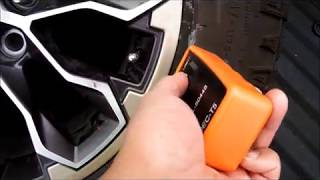
- Use a TPMS activation tool to try and read the signal from the right front sensor. Hold the tool against the tire's sidewall near the valve stem.
- If the tool fails to get a signal, the sensor has failed (likely a dead battery) and needs replacement.
- If the tool reads the sensor, but the code persists, the issue may be with the signal receiver (RCDLR) or its wiring/antenna connection.
- If experiencing no-start symptoms, check for other related security codes and reference TSB PIC5650M. [⭐ MANUFACTURER TSB — highest authority]
- After replacing the sensor, perform the TPMS relearn procedure. This can be done via the Driver Information Center (DIC) and requires a simple activation tool (like an EL-50448). The sequence is typically: Left Front, Right Front, Right Rear, Left Rear.
Parts You'll Likely Need
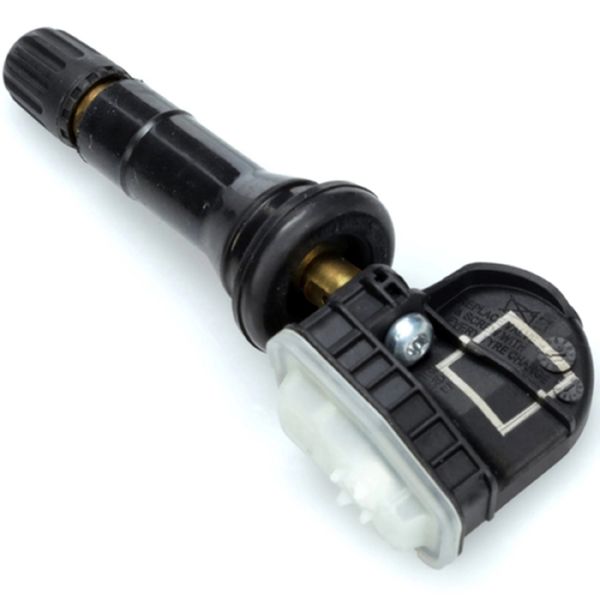
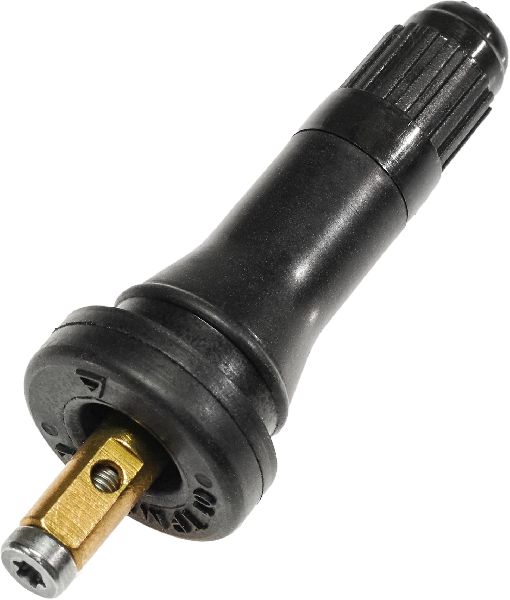
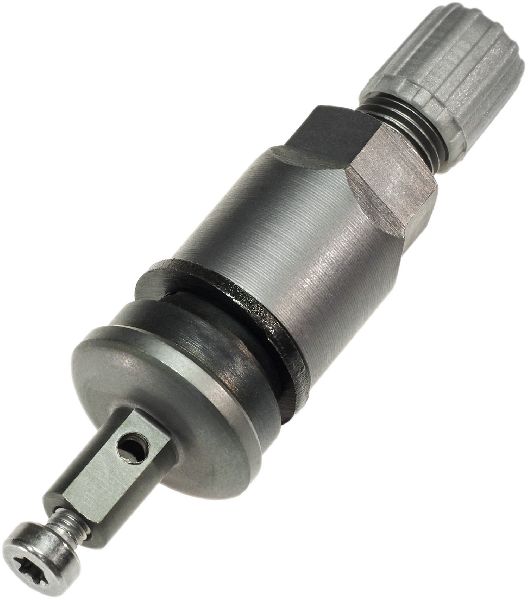
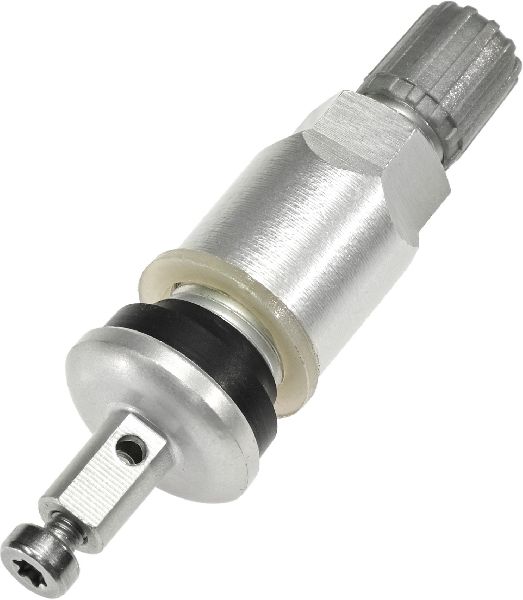
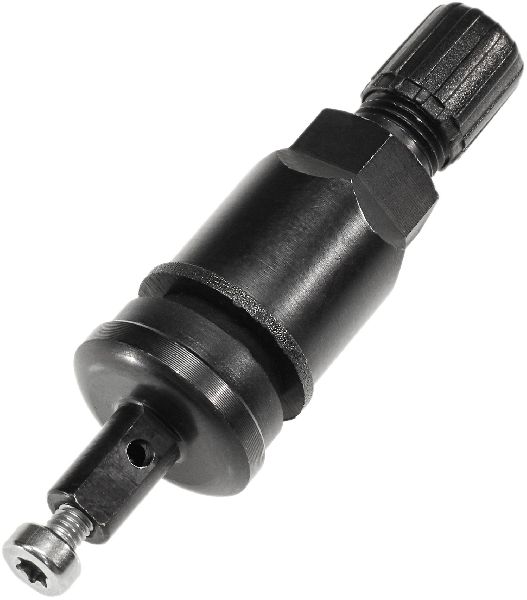
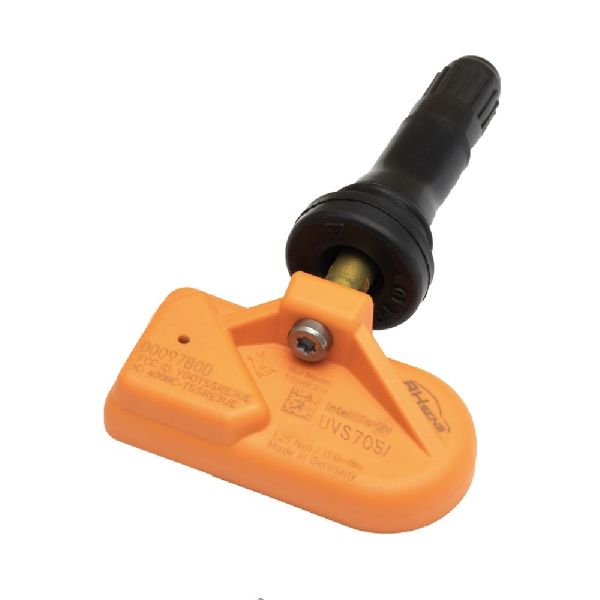
- Tire Pressure Monitoring System (TPMS) Sensor
(OEM #13598772)— This is the component that fails, most often due to its internal battery expiring after 7-10 years. It directly causes the C0755 code. IMPORTANT: This vehicle requires a 315 MHz sensor. Do not use part number 13598773, which is a 433 MHz sensor for different GM models. Always verify fitment with your VIN.
Trusted brands: ACDelco, Schrader, Huf, Standard Motor Products, Dorman
OEM price range: $50-$75
Aftermarket price range: $25-$50 - Remote Control Door Lock Receiver (RCDLR)
(OEM #13595511)— This module fails internally, causing both TPMS codes and key fob issues. TSB 16-NA-396 identifies this as a common cause. Replacement requires programming by a professional.
Trusted brands: ACDelco (GM Genuine)
OEM price range: $80-$150
Aftermarket price range: $60-$120
Related Codes That Often Appear With This One
- C0750 — Relates to the Left Front TPMS sensor. Seeing multiple TPMS codes can point towards a systemic issue like a faulty RCDLR.
- C0760 — Relates to the Left Rear TPMS sensor.
- C0765 — Relates to the Right Rear TPMS sensor.
- B3055 — Relates to the vehicle immobilizer system. This code may appear with C0755 during a no-start event, as described in TSB PIC5650M. [⭐ MANUFACTURER TSB — highest authority]
Technical Service Bulletins (TSBs) & Recalls
- PIC5650M: Mentions C0755 in a list of DTCs that can be present with a no crank, no start, or start/stall concern related to the vehicle security system. [⭐ MANUFACTURER TSB — highest authority]
- 16-NA-396: Points to a faulty Remote Control Door Lock Receiver as a possible cause for multiple TPMS codes (C0750, C0755, C0760, C0765) appearing along with key fob problems.
- 16-NA-061: Details how a loose antenna connection to the RCDLR can cause TPMS and key fob signal reception issues.
Platform-Specific Known Issues
- TSB PIC5650M documents a condition where faults in the TPMS system, including code C0755, can cause a no-crank, no-start, or start-and-stall condition accompanied by the security light. [⭐ MANUFACTURER TSB — highest authority]
- TSB 16-NA-396 describes how an internal failure of the Remote Control Door Lock Receiver (RCDLR) can cause intermittent key fob issues and set multiple TPMS codes simultaneously (C0750, C0755, C0760, C0765).
- TSB 16-NA-061 points to a less common cause: a poor or disconnected antenna connection for the RCDLR, which can also result in TPMS codes and poor key fob range.
Mechanic-Grade Diagnostic Values
- RCDLR Battery Positive Voltage — expected: Should be equal to battery voltage (approx. 12.6V with engine off).. Failure: A significantly lower voltage at the RCDLR connector pin despite a fully charged car battery points to a wiring issue (high resistance) or a problem with the supplying fuse.
- Voltage Drop Test on RCDLR Ground Circuit — expected: Less than 0.1V (100mV).. Failure: A reading higher than 0.1V indicates high resistance in the ground circuit, which can cause intermittent module operation. This is tested by placing one DVM lead on the RCDLR ground pin and the other on a known good chassis ground.
Hidden / Shadow Codes Worth Checking
- C0755 with Symptom Byte 03: Indicates 'Low Voltage', which almost always points to a dying internal battery in the TPMS sensor itself. (see via GM's GDS2 software or a professional-grade scan tool capable of reading manufacturer-specific symptom codes.)
- C0755 with Symptom Byte 29: Indicates 'Too Few Pulses' received from the sensor. TSB #16-NA-396 links this specific symptom directly to an internal failure of the Remote Control Door Lock Receiver (RCDLR) module, especially when seen with other TPMS codes. (see via GM's GDS2 software or a professional-grade scan tool capable of reading manufacturer-specific symptom codes.)
- C0755 with Symptom Byte 39: Indicates an 'Internal Malfunction' within the TPMS sensor's electronics, separate from its battery voltage. (see via GM's GDS2 software or a professional-grade scan tool capable of reading manufacturer-specific symptom codes.)
Scan Tool Commands That Help
- GM GDS2 / High-End Scan Tool: TPMS Data Display — To view live data from all four TPMS sensors, including their unique IDs, reported pressure, and battery status. This is the first step to confirm if the right front sensor is not communicating at all.
- GM GDS2 / High-End Scan Tool: RCDLR Programming/Setup — This is a required step after replacing the Remote Control Door Lock Receiver (RCDLR) module. The new module must be programmed to the vehicle to recognize the TPMS sensors and existing key fobs.
- Vehicle DIC / TPMS Activation Tool: TPMS Learn Mode — After replacing a sensor or rotating tires. This function is initiated through the Driver Information Center (DIC) menus, which then prompts the use of a basic TPMS activation tool (like an EL-50448) to trigger each sensor in sequence (LF, RF, RR, LR) until the horn chirps for each one.
Wiring & Ground Locations
- Remote Control Door Lock Receiver (RCDLR) — Located in the rear of the cab, typically behind the driver's side rear trim panel or near the back wall of the cab.. This module is the central receiver for all TPMS and key fob signals. A failure of the module, its power, ground, or antenna connection is a primary cause of TPMS codes.
- RCDLR Wiring Harness — The harness runs from the instrument panel fuse block area, typically along the driver's side floor sill plate, to the RCDLR in the rear of the cab.. This harness is susceptible to damage, corrosion, or chafing where it runs along the floor and under trim panels. A broken power or ground wire in this harness can cause the RCDLR to lose communication, mimicking a failed module and setting TPMS codes.
- Instrument Panel Fuse Block — Located on the passenger side of the instrument panel, accessible by opening the passenger door and removing a trim cover.. This fuse block contains the fuse that supplies power to the RCDLR. A blown fuse will cause the RCDLR to be inoperative, leading to TPMS and key fob issues.
Real Owner Repair Stories
- YouTube - Phillip Bailey (2017 GM Truck (platform-mate to Canyon)) — Keyless entry not working and a "Service TPMS System" message on the dash.
❌ Tried (didn't work) Initially assumed the RCDLR module itself was bad.
✅ What actually fixed it Upon inspection, a broken wire was found in the wiring harness that runs to the RCDLR module. The wire had corroded and broken inside the harness loom. Repairing the broken wire by soldering it and protecting it with heat shrink restored function to both the keyless entry and the TPMS system, resolving all symptoms without replacing any modules.
OEM Part Supersession History
N/A (Incorrect Frequency Part)→13598773— Part number 13598773 is frequently and incorrectly associated with these trucks by online sellers.
Heads up: CRITICAL: The 2015-2022 GMC Canyon requires a 315 MHz TPMS sensor. Part number 13598773 is a 433 MHz sensor used on other GM vehicles (e.g., some Cadillacs, newer generation trucks). Installing a 433 MHz sensor on this vehicle will not work. Always verify you are purchasing a 315 MHz sensor, such as OEM part numbers 13598772 or 13540601.
Model Year Variations Within This Range
- 2015-2022 (Second Generation): These models consistently use a 315 MHz frequency for the TPMS sensors.
- 2023+ (Third Generation): The third-generation GMC Canyon, beginning with the 2023 model year, switched to a 433 MHz TPMS sensor frequency. Sensors are not interchangeable between the second and third generations.
Helpful Videos
![[HOW TO] Reset Tire Pressure Monitoring Sensors (TPMS) on 2015-2022 on GM Vehicles (Colorado/Canyon)](https://img.youtube.com/vi/Z-GOeyDAkfs/mqdefault.jpg)
We Have This Part in Stock

The information in this article is provided for general reference and educational purposes only. Vehicle specifications, procedures, and part compatibility can vary by production date, trim level, and region. Always consult your vehicle's factory service manual and verify part numbers before purchasing or performing repairs. Safety-critical components such as airbags, seat belts, and braking systems should be installed by a qualified professional.
- Gmc CANYON:
- 🧭 Diagnostic Flowchart
- 🎬 Helpful Videos
- 🛍️ Shop This Part
- What's Unique About the 2015-2022 Gmc CANYON
- Symptoms You May Notice
- Most Likely Causes
- Rare But Worth Checking
- Diagnosis Steps
- Parts You'll Likely Need
- Related Codes That Often Appear With This One
- Technical Service Bulletins (TSBs) & Recalls
- Platform-Specific Known Issues
- Mechanic-Grade Diagnostic Values
- Hidden / Shadow Codes Worth Checking
- Scan Tool Commands That Help
- Wiring & Ground Locations
- Real Owner Repair Stories
- OEM Part Supersession History
- Model Year Variations Within This Range
- 🎟️ Get 5% Off