

C0755 on 2018-2025 GMC Terrain: TPMS Sensor Fault Causes and Fixes
Code C0755 on a 2018-2025 GMC Terrain means there's a fault with the right front tire pressure monitoring system (TPMS) sensor. The most common cause is a dead battery inside the sensor, requiring sensor replacement and a relearn procedure. If key fob issues are also present, suspect the Remote Control Door Lock Receiver (RCDLR). Expect to pay $50-$100 for the part.
- C0755 means the right front TPMS sensor has a problem, most often a dead battery after 5-7 years.
- The fix is usually to replace the sensor and perform a relearn procedure, which requires a tire to be dismounted.
- If you also have problems with your key fob or see multiple TPMS codes, the Remote Control Door Lock Receiver (RCDLR) is a likely suspect.
- This is not a critical safety issue, but you should check your tire pressures manually until it is fixed.
What's Unique About the 2018-2025 Gmc TERRAIN
What's unique about this platform is how a TPMS sensor fault can be linked to more severe symptoms like a no-start condition. The Remote Control Door Lock Receiver (RCDLR) processes signals from both the TPMS sensors (at 315 or 433 MHz) and the key fobs (at 125 kHz). A failing RCDLR can cause a cascade of issues, including TPMS codes like C0755, key fob recognition problems, and even prevent the vehicle from starting, as noted in GM Technical Service Bulletin #PIC5650M. This integration means a simple tire pressure code can sometimes be the first sign of a more complex electronics module failure.
Diagnostic Flowchart
Tap your situation to follow the diagnostic path that matches what you're seeing on this vehicle.
Generation note: The 2018-2025 year range covers the second generation of the GMC Terrain. The information in this guide is consistent across this generation, which shares its platform with the Chevrolet Equinox.
Symptoms You May Notice
- TPMS light flashes for about 60-90 seconds upon startup, then stays on solid.
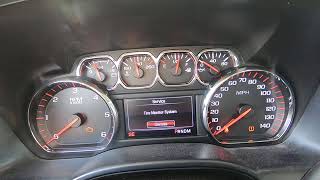
- "Service Tire Monitor System" message appears on the driver information center (DIC).
- Tire pressure reading for the right front tire shows dashes (--) on the DIC.
- In cases related to a faulty RCDLR, you may experience a "No Remote Detected" message, intermittent key fob operation (lock/unlock/remote start), and the vehicle may not start.
- Replacing the Body Control Module (BCM) when the issue is the RCDLR. The RCDLR is the direct receiver for TPMS signals; the BCM only processes the data it's given.
- Replacing a single TPMS sensor when the RCDLR is faulty, only to have the problem return or appear at a different wheel location.
Most Likely Causes
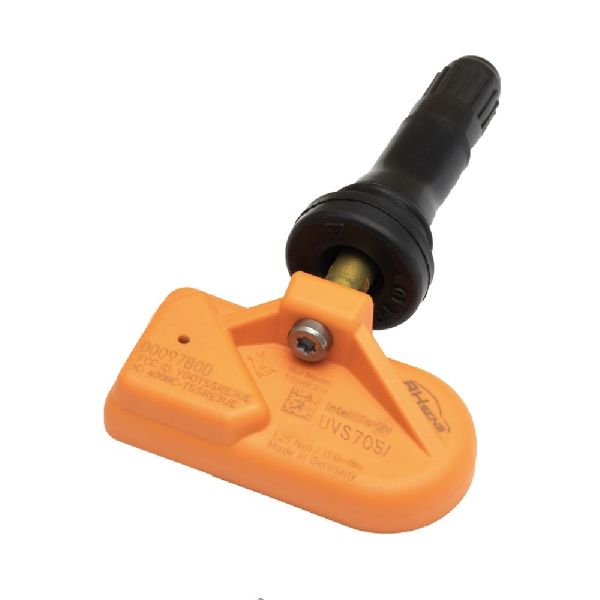
- Dead TPMS Sensor Battery 🔴 High Probability → Shop Tire Pressure Monitoring System (TPMS) Sensor TPMS sensors use sealed, non-replaceable batteries with a finite lifespan, typically 7-10 years. Vehicles from the 2018 model year are now entering the age range where battery failure is becoming a common maintenance item.
How to confirm: A professional TPMS tool can attempt to read the sensor's data. If the tool shows a 'Low Battery' status or cannot communicate with the sensor at all (while other sensors respond), a dead battery is the most likely cause. A user on Reddit noted their 2019 Terrain had its first sensor fail around the 5-year mark.
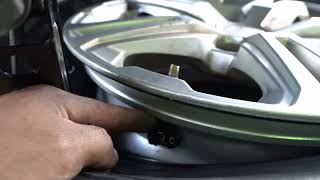
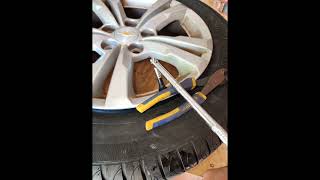
Typical fix: Replace the right front TPMS sensor. 🎬 Watch: Step-by-step guide to changing a Terrain TPMS sensor. The new sensor must be 'relearned' to the vehicle's RCDLR. This requires dismounting the tire from the wheel.
Est. part cost: $40-$90 - Faulty TPMS Sensor 🟡 Medium Probability → Shop Tire Pressure Monitoring System (TPMS) Sensor Sensors can be physically damaged during tire changes or by road impacts. Corrosion of the valve stem, especially in regions with road salt, can also lead to sensor failure.
How to confirm: Even if a TPMS tool shows a good battery, the sensor's internal electronics can fail. If a new sensor is installed and the relearn procedure succeeds after previously failing repeatedly with the old sensor, this confirms the original sensor was faulty.
Typical fix: Replace the right front TPMS sensor and perform the relearn procedure.
Est. part cost: $40-$90 - Faulty Remote Control Door Lock Receiver (RCDLR) ⚪ Low Probability → Shop Keyless Entry Receiver As documented in GM TSB #16-NA-396, the RCDLR module can fail internally, causing a loss of communication with multiple TPMS sensors and key fobs. A Reddit user with a 2019 Chevy Equinox (platform mate) described intermittent TPMS readings and key fob issues, with a faulty RCDLR identified as the likely cause.
How to confirm: This is a likely cause if you experience C0755 along with other TPMS codes (C0750, C0760, C0765) and intermittent issues with your key fob (e.g., "No Remote Detected" message). A diagnostic scan tool may show codes stored in the RCDLR module itself.
Typical fix: Replace the RCDLR module. This part is typically located in the headliner area towards the rear of the vehicle and requires programming by a dealer or a properly equipped independent shop to function.
Est. part cost: $80-$150
Rare But Worth Checking
- Radio Frequency (RF) Interference: TSB #PIC5650K details how aftermarket electronic devices like dash cams, phone chargers, or even non-OEM LED interior lights can generate RF interference that 'jams' the signals from TPMS sensors and key fobs. Before replacing parts, unplug all aftermarket accessories to see if the code clears.
- RCDLR Antenna Connection Issue: GM TSB #16-NA-061 describes how a poor or disconnected coaxial cable between the RCDLR, its antenna amplifier, and the antenna (often in the rear glass) can cause intermittent loss of signal from the sensors, particularly those furthest away like the right front. Checking these connections can prevent unnecessary module replacement.
Diagnosis Steps
- Verify Tire Pressure: Manually check the pressure of all four tires with a quality gauge to ensure they are inflated to the specification on the driver's door jamb sticker. Correct as needed.
- Attempt Relearn Procedure: Initiate the vehicle's TPMS relearn procedure. This can often be done through the DIC menu by navigating to the tire pressure screen and holding the 'Set/Clr' button. The horn will chirp, and you then adjust the pressure (or use a TPMS tool) at each tire in sequence (LF, RF, RR, LR) until the horn confirms each one. If the procedure fails at the right front tire, the sensor is suspect. 🎬 Watch: How to perform a full TPMS relearn procedure.
- Scan Sensor Data: Use a TPMS diagnostic tool to read the right front sensor directly. Check for data points like Sensor ID, pressure reading, temperature, and most importantly, battery status. Compare this with readings from the other three sensors.
- Check for RF Interference: Unplug all aftermarket 12V accessories (phone chargers, dash cams, etc.) and turn off any aftermarket LED lights. Clear the codes and drive to see if the sensor begins to communicate.
- Inspect RCDLR Connections: If multiple TPMS codes or key fob issues are present, inspect the Remote Control Door Lock Receiver and its antenna connections for looseness or corrosion, as per TSB 16-NA-061.
- Replace the Sensor: If only the C0755 code is present and the sensor is confirmed to be dead (no signal, bad battery), replace the right front TPMS sensor and perform the relearn procedure.
- Diagnose the RCDLR: If multiple TPMS and key fob issues are confirmed, and RF interference is ruled out, the RCDLR is the likely culprit. This diagnosis is best left to a professional, who will then replace and program the new module.
Parts You'll Likely Need
- Tire Pressure Monitoring System (TPMS) Sensor
(OEM #13598773 (Supersedes 13581558, 13516164 for 315MHz systems, RPO XL7) or 84961888 (for 433MHz systems, RPO XL8))— This is the most common failure point. The internal battery dies or the sensor itself fails. It's crucial to verify the correct frequency (315MHz or 433MHz) for the specific vehicle, which can be found on the Service Parts Identification label.
Trusted brands: ACDelco (GM Genuine), Schrader (Often the OEM manufacturer), Continental, Autel (Programmable)
OEM price range: $60-$90
Aftermarket price range: $40-$70 - Remote Control Door Lock Receiver (RCDLR)
(OEM #13595510 (Note: TSB 16-NA-396 lists 13595511 as a replacement part for some models, part number may vary by year and options).)— This module is the central receiver for TPMS and key fob signals. Its failure can cause this code, often along with others and keyless entry problems.
Trusted brands: ACDelco (GM Genuine)
OEM price range: $80-$150
Aftermarket price range: $60-$120
Related Codes That Often Appear With This One
- C0750, C0760, C0765 — These are the corresponding codes for the left front, left rear, and right rear tire pressure sensors. If multiple codes are present, it points towards a central issue like a faulty RCDLR or significant RF interference, rather than multiple dead sensors at once.
- B3055, B3060, B3935 — As cited in TSB #PIC5650M, these immobilizer and key-related codes can appear with TPMS codes if the RCDLR or a related module is failing, leading to a no-start condition. B3935 specifically is a 'Transponder Authentication Error'.
Technical Service Bulletins (TSBs) & Recalls
- PIC5650M: Mentions C0755 in a group of codes related to a no-crank, no-start, or start/stall concern, pointing to RF interference from aftermarket devices as a primary cause to investigate.
- 16-NA-396: Points to a faulty Remote Control Door Lock Receiver as the cause for intermittent key fob issues and TPMS codes C0750, C0755, C0760, and C0765, with the prescribed fix being replacement of the RCDLR.
- 16-NA-061: Details how a disconnected RCDLR antenna coax cable can cause the exact same set of TPMS codes and key fob range issues, advising technicians to check connections before replacing parts.
Platform-Specific Known Issues
- GM Technical Service Bulletin #PIC5650M notes that C0755 can be associated with a no-crank or start-and-stall condition, linking the chassis control system to the vehicle's security system via RF interference or module faults.
- GM Technical Service Bulletin #16-NA-396 directly addresses intermittent key fob operation and TPMS codes (including C0755) caused by an internal failure of the Remote Control Door Lock Receiver, recommending its replacement.
- GM TSB #16-NA-061 provides a diagnostic path for these same symptoms that involves checking the RCDLR's antenna circuit for loose connections before replacing the module itself.
Helpful Videos
We Have This Part in Stock

The information in this article is provided for general reference and educational purposes only. Vehicle specifications, procedures, and part compatibility can vary by production date, trim level, and region. Always consult your vehicle's factory service manual and verify part numbers before purchasing or performing repairs. Safety-critical components such as airbags, seat belts, and braking systems should be installed by a qualified professional.
- Gmc TERRAIN:
- 🧭 Diagnostic Flowchart
- 🎬 Helpful Videos
- 🛍️ Shop This Part
- What's Unique About the 2018-2025 Gmc TERRAIN
- Symptoms You May Notice
- Most Likely Causes
- Rare But Worth Checking
- Diagnosis Steps
- Parts You'll Likely Need
- Related Codes That Often Appear With This One
- Technical Service Bulletins (TSBs) & Recalls
- Platform-Specific Known Issues
- 🎟️ Get 5% Off