

C0760 on 2012-2017 Buick Verano: Left Rear TPMS Fault Causes and Fixes
Code C0760 on a Buick Verano indicates a problem with the left rear Tire Pressure Monitoring System (TPMS) sensor. The most common fix is to replace the sensor, which has a finite battery life. If key fob issues are also present, the Remote Control Door Lock Receiver (RCDLR) is a likely cause, a known issue on this platform.
- C0760 specifically points to a problem with the left rear TPMS sensor.
- The most frequent cause is simply a dead battery in the sensor, requiring the whole sensor to be replaced.
- If your key fobs are also acting up, the problem is very likely the Remote Control Door Lock Receiver (RCDLR) module, not the sensor.
- Replacing a sensor requires a TPMS relearn tool to program it to the car.
- Before replacing any parts, remove all aftermarket phone chargers and electronic devices to rule out radio frequency interference.
What's Unique About the 2012-2017 Buick VERANO
On the Buick Verano and its GM Delta II platform mates like the Chevrolet Cruze, the TPMS and the keyless entry system are controlled by the same module: the Remote Control Door Lock Receiver (RCDLR). This integration means that a single faulty module can cause seemingly unrelated issues to appear at the same time, such as a TPMS warning light and non-responsive key fobs. GM issued a Technical Service Bulletin (TSB #16-NA-396) acknowledging that an internal RCDLR failure can trigger multiple TPMS codes, including C0760, along with a complete loss of key fob functions.
Diagnostic Flowchart
Tap your situation to follow the diagnostic path that matches what you're seeing on this vehicle.
Symptoms You May Notice
- TPMS warning light illuminated on the instrument cluster (may flash initially, then stay solid)
- "Service Tire Monitor System" message on the Driver Information Center (DIC)
- DIC shows dashes (---) instead of a pressure reading for the left rear tire
- Key fob intermittently or completely inoperative (lock, unlock, remote start).
- "No Remote Detected" message on the DIC when trying to start the car.
- Inability to perform TPMS relearn procedure.
- Anti-theft system alarm may trigger when unlocking the door manually.
- Replacing the Body Control Module (BCM) when the less expensive RCDLR is the actual point of failure.
- Replacing a single TPMS sensor when all four are failing intermittently due to a faulty RCDLR.
- Replacing TPMS sensors repeatedly without checking for a faulty RCDLR, leading to the problem returning.
Most Likely Causes
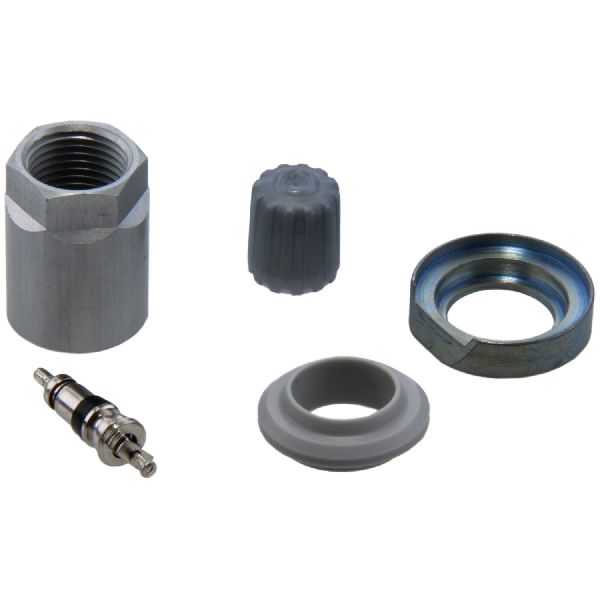
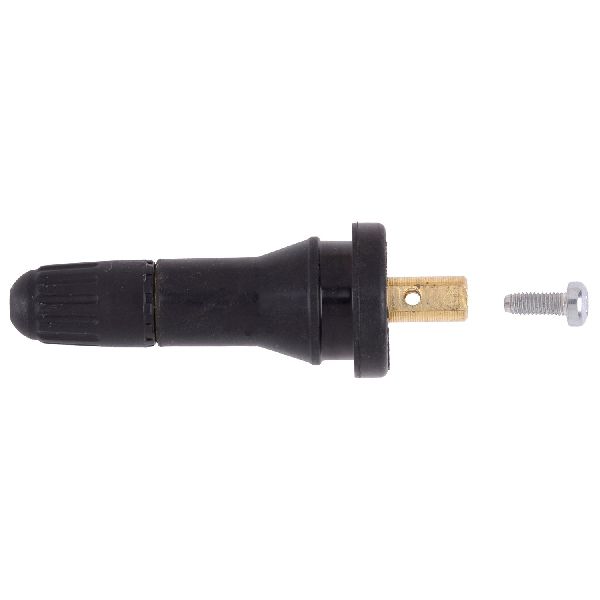
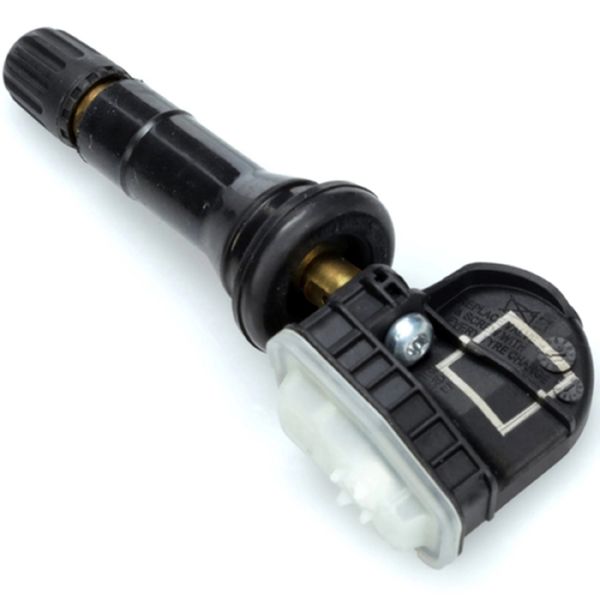
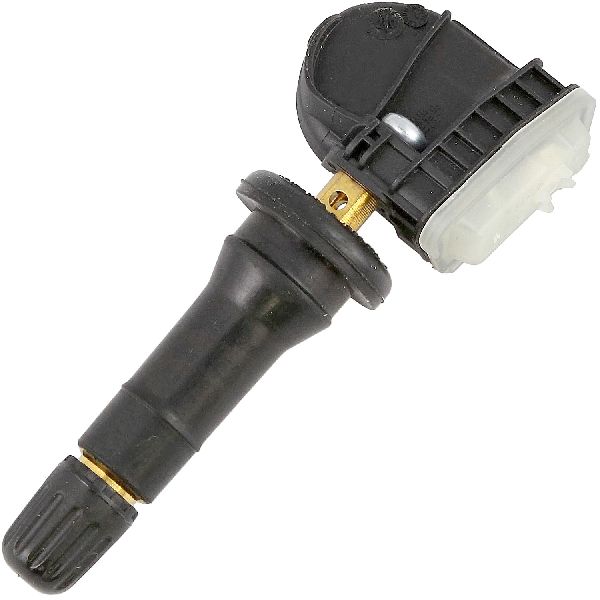
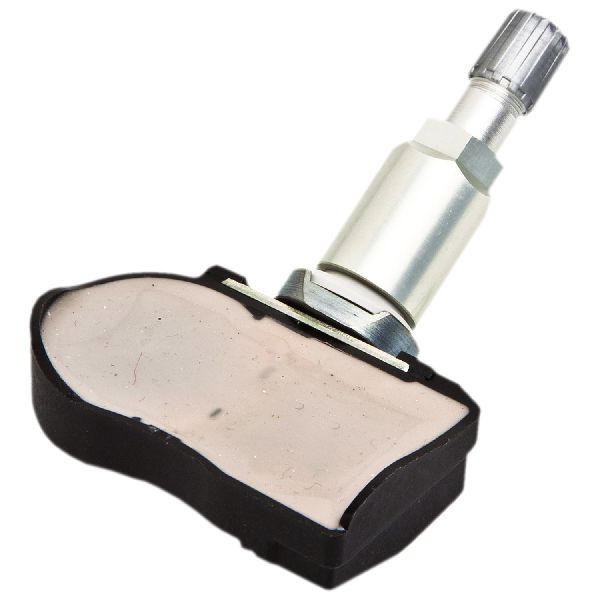
- Failed Left Rear TPMS Sensor 🔴 High Probability → Shop Tire Pressure Monitoring System (TPMS) Sensor The sealed, non-rechargeable battery inside the sensor has a typical lifespan of 5-10 years. Vehicles in the 2012-2017 range are at an age where battery failure is common.
How to confirm: Use a TPMS activation or diagnostic tool to attempt to read the sensor. If the tool cannot get a response from the left rear sensor but can read the others, the sensor has failed. A tire shop can perform this test quickly.
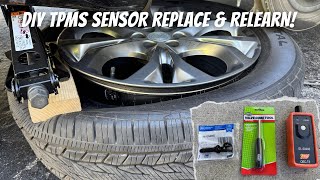
Typical fix: Replace the left rear TPMS sensor. This requires breaking the tire bead or dismounting the tire. 🎬 See how to replace the sensor without a tire machine A TPMS relearn procedure must be performed afterward using a TPMS tool and the vehicle's DIC menu.
Est. part cost: $25-$60 - Faulty Remote Control Door Lock Receiver (RCDLR) 🟡 Medium Probability → Shop Keyless Entry Receiver As identified in TSB #16-NA-396, the RCDLR module is known to have internal issues that can disrupt communication with the TPMS sensors and key fobs. This is a very common failure on the Verano and its platform mates.
How to confirm: This is the likely cause if you have multiple TPMS codes (C0750, C0755, C0760, C0765) and your key fobs are not working. A temporary fix can sometimes be achieved by disconnecting the car's battery for 15 minutes to reset the module. The RCDLR module is located behind the driver's side rear quarter trim panel.
Typical fix: Replace the RCDLR module. The new module must be programmed to the vehicle, which typically requires a dealer or well-equipped independent shop with access to GM's software.
Est. part cost: $80-$170
Rare But Worth Checking
- Radio Frequency Interference (RFI): Aftermarket electronic devices, such as phone chargers, dash cams, or even some LED bulbs, can emit radio frequencies that interfere with the TPMS and key fob signals. TSB #PIC5650M specifically calls this out as a potential cause for intermittent issues. Before replacing parts, try unplugging all aftermarket accessories.
- Wiring or Connector Issue: A damaged wire or corroded connector at the RCDLR module could cause intermittent signal loss. This is worth checking if the RCDLR is suspected, as a wiring repair is cheaper than a module replacement. The module is located behind the driver's side rear interior trim panel, an area that could be susceptible to moisture if there are any window or body seal leaks. TSB 16-NA-061 details how a disconnected antenna coax at the RCDLR can cause these exact symptoms.
- Dead Key Fob Battery: While this won't directly cause a C0760 code, it can cause related symptoms like "No Remote Detected." If the key fob battery is weak, the car may have trouble recognizing it, leading to confusion during diagnosis. The fob for the Verano uses a CR2032 battery.
Diagnosis Steps
- Check the tire pressure in all four tires manually to rule out an actual low-pressure situation.
- Scan for all diagnostic trouble codes. Note if C0760 appears alone or with other TPMS codes (C0750, C0755, C0765).
- Test the functionality of your key fob(s). Do they lock, unlock, and remote start the car consistently? Note if you have to be very close to the vehicle for it to work.
- If C0760 is the only code and the key fob works perfectly, the left rear TPMS sensor is the primary suspect. Use a TPMS tool to confirm it is not transmitting.
- If multiple TPMS codes are present AND/OR the key fob is inoperative, the RCDLR module is the primary suspect per TSB #16-NA-396.
- As a simple test for RFI, unplug all aftermarket 12V accessories (chargers, dash cams, etc.), clear the codes, and drive to see if the fault returns.
- As a temporary reset for a suspected RCDLR issue, disconnect the negative terminal of the car's battery for 15-30 minutes. This may restore function temporarily and helps confirm the RCDLR is the problem.
- If replacing the sensor, the new sensor must be 'relearned' to the vehicle. This is done by putting the car in relearn mode via the DIC and using a TPMS tool to activate each sensor in sequence, starting with the front left. 🎬 Watch: How to perform a TPMS relearn with a tool
- If replacing the RCDLR, the new module will require programming with a dealership-level scan tool (like a Tech 2 or MDI with GDS2) to function with your vehicle's keys and systems.
Parts You'll Likely Need
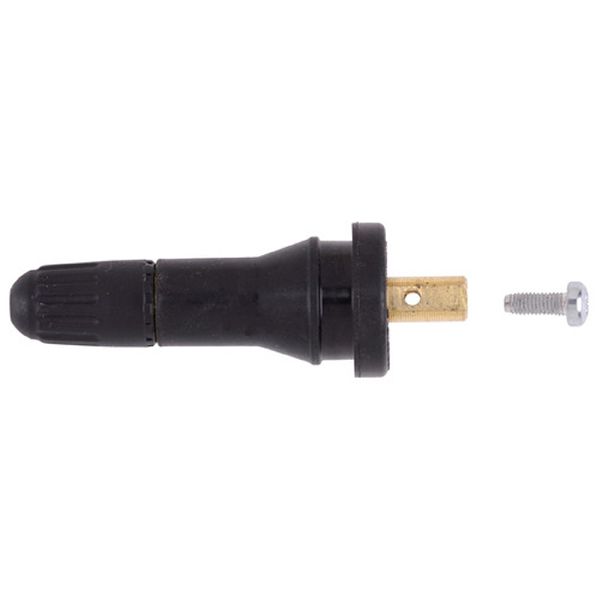
- Tire Pressure Monitoring System (TPMS) Sensor
(OEM #13598772 (supercedes 13586335, 13581558, 22854866))— This is the most common failure point due to the internal battery's limited lifespan.
Trusted brands: ACDelco, Schrader, Denso, Dorman, Autel
OEM price range: $40-$60
Aftermarket price range: $25-$45 - Remote Control Door Lock Receiver (RCDLR)
(OEM #13597910 (supercedes 13595511))— This module is the second most likely cause, especially if key fob issues are also present, as documented in GM TSB #16-NA-396.
Trusted brands: ACDelco (GM Genuine)
OEM price range: $80-$170
Aftermarket price range: N/A
Related Codes That Often Appear With This One
- C0750 — Fault in the Left Front TPMS sensor. Seeing this with C0760 and others strongly suggests a common problem, like the RCDLR, rather than multiple simultaneous sensor failures.
- C0755 — Fault in the Right Front TPMS sensor. Its presence with C0760 points towards a systemic issue like the RCDLR.
- C0765 — Fault in the Right Rear TPMS sensor. When all four TPMS codes appear together, TSB #16-NA-396 identifies the RCDLR as the likely cause.
- B3101 — A keyless entry data-related code. TSB #PIC6227 mentions this can appear alongside the TPMS codes when the RCDLR is failing.
- B3055 — A key-related problem. TSB #PIC5650M notes that this can appear with TPMS codes during no-start or security light events, pointing to a broader electrical or RF communication issue.
Technical Service Bulletins (TSBs) & Recalls
- 16-NA-396: Links intermittent key fob operation and multiple TPMS codes (C0750, C0755, C0760, C0765) to an internal failure of the Remote Control Door Lock Receiver (RCDLR). Recommends replacement of the RCDLR.
- PIC5650M: Notes that TPMS codes like C0760 can appear with security-related codes (B3055, B3060) during no-start conditions, often due to Radio Frequency Interference (RFI) from aftermarket accessories.
- PIC6227: Mentions that a software abnormality in the RCDLR can cause TPMS and key fob issues. Suggests a battery disconnect/reconnect as a temporary reset.
Platform-Specific Known Issues
- RCDLR Module Failure (TSB 16-NA-396): A widely documented issue where an internal failure in the Remote Control Door Lock Receiver causes simultaneous failure of the TPMS and keyless entry systems. Symptoms include all four TPMS codes (C0750, C0755, C0760, C0765) and a non-functional key fob.
- RCDLR Module Location: In the Buick Verano, the RCDLR module is located in the trunk area, behind the driver's side rear interior trim panel. Access requires removing the trunk floor covering and the side trim.
- Key Fob Transmitter Pocket: If the key fob battery is dead or the RCDLR is malfunctioning, the vehicle can still be started by placing the key fob in the transmitter pocket. In the 2012-2017 Verano, this is located inside the center console, under the removable cupholder insert.
Mechanic-Grade Diagnostic Values
- TPMS Sensor Operating Frequency — expected: 315 MHz. Failure: N/A. This value is for identifying potential sources of Radio Frequency Interference (RFI).
- RCDLR Connector (X1) Pin 5 Voltage — expected: Battery Positive Voltage (12V+). Failure: 0V or significantly less than battery voltage indicates a power supply issue to the module.
- RCDLR Connector (X1) Pin 8 Resistance to Ground — expected: < 5 ohms. Failure: High or infinite resistance (OL) indicates a bad ground connection for the module.
Hidden / Shadow Codes Worth Checking
- C0760 with Symptom :29: The symptom code ":29" translates to "Too Few Pulses". This is a critical detail provided by a dealer-level scan tool. It means the RCDLR is receiving a signal from the sensor, but the data packet is incomplete or corrupted. This points away from a completely dead sensor and towards a weak sensor battery, significant RFI, or a fault within the RCDLR's receiving circuitry. (see via GM GDS2 (Global Diagnostic System 2) or equivalent professional scan tool.)
Scan Tool Commands That Help
- GDS2: Module Diagnostics > RCDLR > Configuration/Reset Functions > Remote Control Door Lock Receiver - Setup — This function is mandatory after replacing the RCDLR. It programs the new module to the vehicle's BCM and existing key fobs. Without this step, the new receiver will not function.
- GDS2: Module Diagnostics > RCDLR > Data Display — To view live data from the RCDLR, including the last known signal status from each TPMS sensor. This can help confirm if the module is receiving any signal at all from the suspect sensor.
Wiring & Ground Locations
- RCDLR Connector — Behind the driver's side rear interior trim panel in the trunk. It is an 8-pin connector.. This is the main connection point for the module. Verifying power (Pin 5), ground (Pin 8), and antenna integrity (Pin 7) is a key diagnostic step before replacing the module. A loose or corroded pin can mimic module failure.
- G402 — Located in the rear of the vehicle, typically on the driver's side near the rear lighting assembly or trunk latch support.. This is a common chassis ground point for multiple rear body electronic components, including potentially the RCDLR. A loose or corroded G402 ground can cause intermittent and difficult-to-diagnose issues for all systems connected to it.
Real Owner Repair Stories
- CruzeTalk forum user (2014 Chevrolet Cruze (sister platform to Verano, uses same RCDLR and TPMS parts)) — All four TPMS codes (C0750, C0755, C0760, C0765) were present, the "Service Tire Monitor System" message was on, and the key fobs would only work intermittently and at very close range.
❌ Tried (didn't work) Replacing the TPMS sensors., Disconnecting the battery to reset the modules (this only provided a very temporary fix).
✅ What actually fixed it Replacing the Remote Control Door Lock Receiver (RCDLR) module (P/N 13597910) and having it programmed by a dealer finally resolved all TPMS and key fob issues.
OEM Part Supersession History
13595511→13597910— Internal revision by GM. The newer part is the required service replacement.
Heads up: While the modules are physically interchangeable, the replacement RCDLR (13597910) MUST be programmed to the vehicle using a tool like GDS2. It is not a plug-and-play part. Failure to program will result in a non-functional keyless entry and TPMS system.
Helpful Videos
We Have This Part in Stock

The information in this article is provided for general reference and educational purposes only. Vehicle specifications, procedures, and part compatibility can vary by production date, trim level, and region. Always consult your vehicle's factory service manual and verify part numbers before purchasing or performing repairs. Safety-critical components such as airbags, seat belts, and braking systems should be installed by a qualified professional.
- Buick VERANO:
- 🧭 Diagnostic Flowchart
- 🎬 Helpful Videos
- 🛍️ Shop This Part
- What's Unique About the 2012-2017 Buick VERANO
- Symptoms You May Notice
- Most Likely Causes
- Rare But Worth Checking
- Diagnosis Steps
- Parts You'll Likely Need
- Related Codes That Often Appear With This One
- Technical Service Bulletins (TSBs) & Recalls
- Platform-Specific Known Issues
- Mechanic-Grade Diagnostic Values
- Hidden / Shadow Codes Worth Checking
- Scan Tool Commands That Help
- Wiring & Ground Locations
- Real Owner Repair Stories
- OEM Part Supersession History
- 🎟️ Get 5% Off