

C0760 on 2007-2013 Cadillac Escalade EXT: TPMS Faults, Causes, and Fixes
Code C0760 on a 2007-2013 Escalade EXT means the left rear tire pressure sensor is not communicating. The most common cause is a dead battery in the sensor itself. If your key fob is also malfunctioning, the problem is likely the Remote Control Door Lock Receiver (RCDLR) module, a known issue on this platform.
- C0760 means there is a fault with the left rear TPMS sensor.
- The most common cause is a dead battery in the sensor, which is expected for a vehicle of this age.
- If you also have problems with your key fob range or a security light, the RCDLR module is a strong possibility.
- Before replacing parts, unplug all aftermarket phone chargers and accessories to rule out radio frequency interference.
- Any new TPMS sensor or RCDLR will require a programming/relearn procedure to function correctly.
What's Unique About the 2007-2013 Cadillac ESCALADE EXT
On this generation of Cadillac Escalade (GMT900 platform), the Tire Pressure Monitoring System (TPMS) is integrated with the keyless entry system. Both functions are handled by a single module called the Remote Control Door Lock Receiver (RCDLR). This means a failure within this module can cause seemingly unrelated symptoms, such as a TPMS warning light appearing at the same time as poor key fob range or even a no-start condition with the security light on, as documented in GM Technical Service Bulletins like PIC5650.
Diagnostic Flowchart
Tap your situation to follow the diagnostic path that matches what you're seeing on this vehicle.
Symptoms You May Notice
- TPMS warning light is on (may flash for 60-90 seconds at startup, then stay solid).
- "Service Tire Monitor System" message on the Driver Information Center (DIC).
- DIC displays dashes (---) for the left rear tire pressure reading.
- Poor or no response from key fob (lock/unlock/remote start).
- "No Remote Detected" message when trying to start the vehicle.
- Security or anti-theft light illuminated on the dash.
- Intermittent no-crank, no-start, or start-and-stall condition.
- Inability to enter TPMS relearn mode or complete the procedure.
- Replacing the Body Control Module (BCM) when the issue is the RCDLR. While they communicate, the RCDLR is the direct receiver for TPMS signals and is the more common failure point for these specific symptoms.
- Replacing only one TPMS sensor when all are original. If one sensor battery has died, the others are likely near the end of their life as well. It is often cost-effective to replace all four during one tire service visit.
- Assuming a new RCDLR is faulty when it hasn't been programmed. The module will not function correctly until it is programmed to the specific vehicle using dealer-level software.
Most Likely Causes
- Dead or Failing Left Rear TPMS Sensor 🔴 High Probability → Shop Tire Pressure Monitoring System (TPMS) Sensor TPMS sensors are powered by small, non-replaceable batteries with a finite lifespan, typically 7-10 years. Vehicles in this 2007-2013 year range are at an age where original battery failure is very common and expected.
How to confirm: Use a TPMS activation tool to attempt to read the sensor. If the tool cannot get a response from the left rear sensor but can read the other three, the sensor has failed. A tire shop can perform this test quickly.
Typical fix: Replace the left rear TPMS sensor. The new sensor must be 'relearned' to the vehicle so the system knows its position. It is highly recommended to replace all four sensors at once if they are original, as the others will likely fail soon.
Est. part cost: $25-$75 - Faulty Remote Control Door Lock Receiver (RCDLR) 🟡 Medium Probability → Shop Keyless Entry Receiver This is a well-documented issue on the GMT900 platform. The RCDLR, located behind the driver's side rear quarter panel trim (D-pillar), serves as the receiver for both TPMS and key fobs, and internal failure can disrupt both systems. Sometimes the module simply 'goes to sleep' and can be temporarily reset by pulling its fuse.
How to confirm: Confirm if multiple TPMS codes (e.g., C0750, C0755, C0765) are present, and if key fob issues or security-related DTCs (B3055, B3060) exist simultaneously. A scan tool showing 'No Communication' with the RCDLR is a strong indicator. Check for 12V power and ground at the module's connector to rule out a wiring issue.
Typical fix: Replace the RCDLR module and have it programmed to the vehicle by a dealer or a qualified shop with GM diagnostic software. The fuse for the RCDLR is often labeled "DSM" in the interior fuse panel and pulling it for a few minutes can sometimes temporarily restore function.
Est. part cost: $80-$200 - Radio Frequency Interference (RFI) ⚪ Low Probability As noted in GM TSB PIC5650K, aftermarket electronic devices like cell phone chargers, dash cams, or even non-OEM LED lighting can emit radio frequencies that 'jam' the 315 MHz signal from the TPMS sensors or key fob to the RCDLR. The vehicle's own systems, like OnStar, can also sometimes interfere.
How to confirm: Unplug all aftermarket 12V and USB devices from the vehicle. If the symptoms disappear, one of the devices is the cause. Reintroduce them one by one to isolate the culprit.
Typical fix: Remove or replace the interfering aftermarket device.
Est. part cost: $0
Rare But Worth Checking
- Broken wiring or poor connection to RCDLR:
Diagnosis Steps
- Check the tire pressure in all four tires manually to rule out an actual low-pressure situation.
- Scan for all DTCs in all modules. Note if other TPMS codes (C0750, C0755, C0765) or security codes (B3055, B3060) are present.
- Using a TPMS tool, attempt to activate and read the left rear sensor. If it fails to respond, the sensor is the primary suspect.
- If the sensor responds, or if multiple TPMS codes and key fob issues are present, suspect the RCDLR or RFI.
- To test for RFI, remove all aftermarket electronic devices (phone chargers, dash cams, LED bulbs) and re-test the system.
- If RFI is ruled out, locate the RCDLR module. On the Escalade, it is typically located behind the trim panel in the driver's side rear cargo area (D-pillar), above the wheel well.
- Check the fuse for the RCDLR, often labeled "DSM" in the interior fuse block. Try pulling the fuse for 60 seconds to reset the module.
- If the issue persists, inspect the RCDLR's wiring connector for power and ground using a multimeter. If power and ground are present and symptoms point to a systemic issue, the RCDLR has likely failed and requires replacement and programming.
- Perform a TPMS relearn procedure after any sensor or RCDLR replacement.
Parts You'll Likely Need
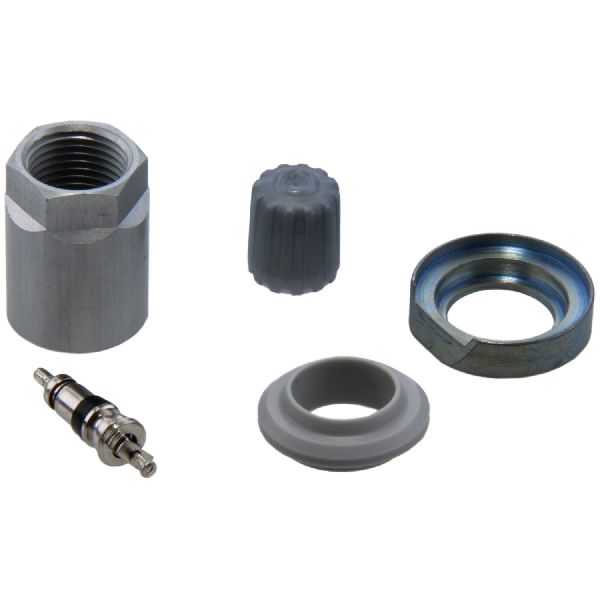
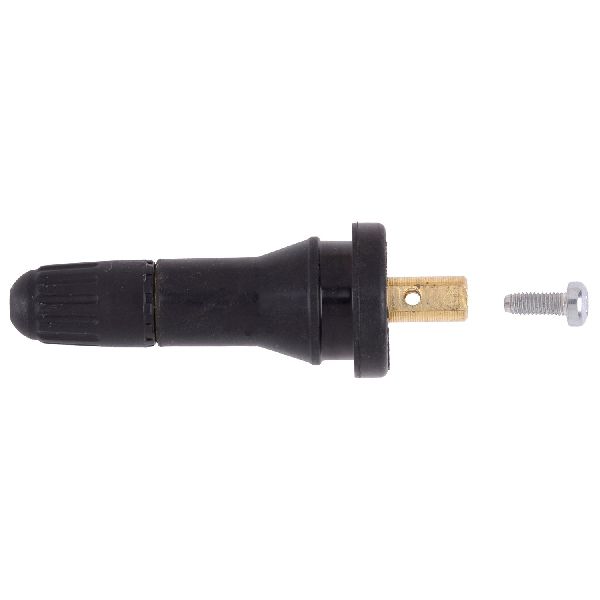
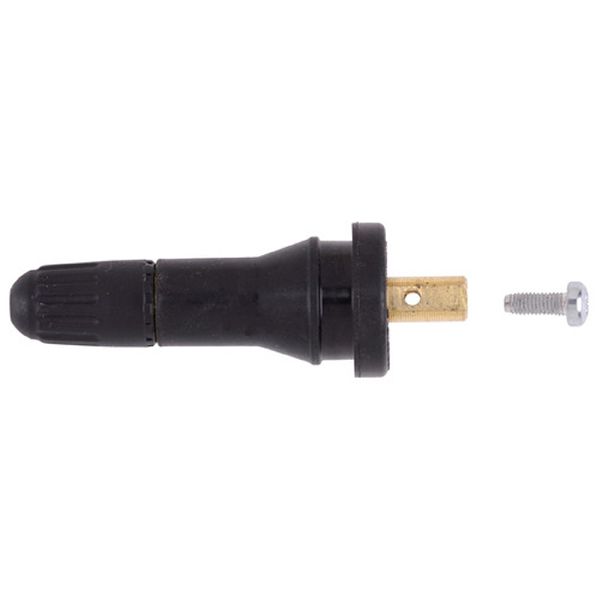
- Tire Pressure Monitoring System (TPMS) Sensor
(OEM #13598771)— This is the most common failure point. The internal battery dies, requiring replacement of the entire sensor unit. Part number 13598771 is a common replacement for the original sensors.
Trusted brands: ACDelco, Schrader, Continental
OEM price range: $50-$90
Aftermarket price range: $25-$50 - Remote Control Door Lock Receiver (RCDLR)
(OEM #20803735)— This module is the second most likely cause, especially if key fob and security issues are also present. It acts as the brain for the TPMS and keyless entry systems. This part number supersedes many previous versions like 15857831 and 25896497.
Trusted brands: ACDelco
OEM price range: $80-$200
Aftermarket price range: $60-$150
Related Codes That Often Appear With This One
- C0750 — Fault in the Left Front TPMS sensor.
- C0755 — Fault in the Right Front TPMS sensor.
- C0765 — Fault in the Right Rear TPMS sensor. When seen with C0760, it points towards a systemic issue like the RCDLR or RFI.
- B3055 — A key-related security code. Its presence alongside C0760 is a strong indicator of an RCDLR or communication issue, as noted in TSB PIC5650K.
Technical Service Bulletins (TSBs) & Recalls
- PIC5650M: Diagnostic tip for intermittent no-start, security light, or TPMS messages. It lists C0760 and suggests checking for Radio Frequency Interference (RFI) from aftermarket devices before replacing parts.
- 16-NA-061: Addresses 'Service Tire Monitor System' messages and poor RKE range on slightly newer GM SUVs, but the diagnostic principle of checking RCDLR antenna connections is relevant.
Platform-Specific Known Issues
- The integration of TPMS and keyless entry functions into the RCDLR module is a key characteristic of the GMT900 platform, leading to combined TPMS/security/key fob faults.
- GM Technical Service Bulletin PIC5650M (and its revisions) directly links TPMS codes like C0760 with no-start/start-stall conditions and security lights, pointing to either RFI or a module fault.
- The RCDLR module is located behind the driver's side D-pillar trim panel, above the rear wheel well, which requires removing interior panels to access.
Mechanic-Grade Diagnostic Values
- RCDLR Connector Power Supply — expected: 12V (Battery Positive Voltage). Failure: 0V or significantly less than 12V indicates a wiring or fuse issue.
- RCDLR Connector Ground — expected: Less than 1.0 ohm of resistance to a known good chassis ground.. Failure: High or infinite resistance (OL) indicates a broken or corroded ground wire.
- High-Speed GMLAN Bus Resistance — expected: 60 ohms (± 5 ohms) across DLC pins 6 and 14 with the battery disconnected.. Failure: A reading of 120 ohms indicates an open in the circuit or a missing terminating resistor. A reading less than 60 ohms indicates a short in the bus wiring.
Scan Tool Commands That Help
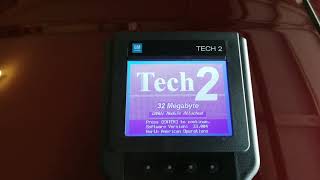
- GM Tech 2 / GDS2: Module Setup > RCDLR Setup (New RCDLR ONLY) — This is a required step after installing a new RCDLR. It initiates the process of programming the new module to the vehicle's BCM and VIN.
- GM Tech 2 / GDS2 with TIS2Web/SPS: Service Programming System (SPS) > Replace and Reprogram ECU — This function downloads the correct firmware and calibration from GM's servers and flashes it to the new RCDLR module. This is mandatory for the module to function.
- GM Tech 2 / GDS2: Theft Deterrent System Learn — After RCDLR programming, this procedure is used to learn the existing keys/fobs to the new module. It can be a 10-minute or 30-minute procedure depending on the vehicle and region.
Wiring & Ground Locations
- RCDLR Module — Behind the driver's side rear quarter trim panel (D-pillar), above the wheel well.. This is the physical location for accessing the module for testing or replacement.
- RCDLR Connector — Plugged into the RCDLR module. It is a multi-pin connector.. This is where voltage and ground tests are performed. Pin 16 (typically a Red/White wire) should have 12V+, and Pin 8 (typically a Black wire) should have a good ground.
- G401 / G402 — Located in the rear of the vehicle, behind the trim panels, often near the RCDLR module itself.. These are the primary chassis ground points for components in the rear of the vehicle, including the RCDLR. A loose or corroded ground here can cause intermittent RCDLR failure and associated codes.
- DSM Fuse — In the interior fuse panel, typically located at the end of the dashboard on the driver's side.. This fuse provides power to the RCDLR (sometimes labeled as Driver Seat Module/DSM). Pulling this fuse for a minute can reset a non-responsive RCDLR, temporarily restoring function and helping to confirm the module is at fault.
Real Owner Repair Stories
- Tahoe Yukon Forum (2007 Yukon XL Denali (GMT900 Platform)) — Service Tire Monitor System message, all four TPMS codes (C0750, C0755, C0760, C0765) present, and key fobs not working.
❌ Tried (didn't work) Replacing TPMS sensors., Attempting relearn procedures.
✅ What actually fixed it The owner replaced the Remote Control Door Lock Receiver (RCDLR) module and had it programmed by a dealership for $190. This resolved all TPMS codes and restored key fob functionality. The user specifically warned against buying a used module as it could not be programmed. - CorvetteForum (2005 Corvette (similar RCDLR logic)) — "No fob detected" message, intermittent no-start that could be resolved by tapping on the dash.
❌ Tried (didn't work) Repinning the connector plugs., Attempting to program a used RCDLR module, which failed with a "module is locked" message on the Tech 2.
✅ What actually fixed it The root cause was identified as cold/cracked solder joints on the header pins inside the original RCDLR module. The final fix was to remove the module, open the case, and re-solder the header pins to the circuit board, which restored full function without needing to program a new module.
OEM Part Supersession History
15857831, 25896497, and others→20803735— Part consolidation and design revisions by GM.
Heads up: A used RCDLR from another vehicle CANNOT be reprogrammed and installed. The modules are VIN-locked during the initial programming. A new, unprogrammed module must be purchased for replacement.
Model Year Variations Within This Range
- 2007-2013: While the RCDLR system function is consistent, the specific OEM part number for the module was superseded multiple times. However, the final replacement part (e.g., 20803735) generally covers the entire model year range. There are no significant functional differences in diagnosis or repair across these years for this specific code.
Helpful Videos

We Have This Part in Stock


The information in this article is provided for general reference and educational purposes only. Vehicle specifications, procedures, and part compatibility can vary by production date, trim level, and region. Always consult your vehicle's factory service manual and verify part numbers before purchasing or performing repairs. Safety-critical components such as airbags, seat belts, and braking systems should be installed by a qualified professional.
- Cadillac ESCALADE EXT:
- 🧭 Diagnostic Flowchart
- 🎬 Helpful Videos
- 🛍️ Shop This Part
- What's Unique About the 2007-2013 Cadillac ESCALADE EXT
- Symptoms You May Notice
- Most Likely Causes
- Rare But Worth Checking
- Diagnosis Steps
- Parts You'll Likely Need
- Related Codes That Often Appear With This One
- Technical Service Bulletins (TSBs) & Recalls
- Platform-Specific Known Issues
- Mechanic-Grade Diagnostic Values
- Scan Tool Commands That Help
- Wiring & Ground Locations
- Real Owner Repair Stories
- OEM Part Supersession History
- Model Year Variations Within This Range
- 🎟️ Get 5% Off