

C0760 on 2017-2024 Cadillac XT5: Left Rear TPMS and Remote Lock Faults Explained
Code C0760 on a Cadillac XT5 indicates a fault with the left rear tire pressure sensor. The most common causes are a failed TPMS sensor in that wheel or a faulty Remote Control Door Lock Receiver (RCDLR) module. If your key fob is also not working, the RCDLR is the most likely culprit, a known issue covered by GM TSB #16-NA-396.
- C0760 points to a problem with the left rear TPMS sensor.
- Before buying a new TPMS sensor, check your key fob. If it's not working, the problem is very likely the Remote Control Door Lock Receiver (RCDLR) module.
- Replacing a TPMS sensor is a DIY possibility if you have a relearn tool, but replacing the RCDLR requires professional programming.
- This issue is documented by GM in TSB #16-NA-396, making it a known fault on this vehicle.
- Always check for other TPMS or security-related codes, as they provide crucial clues for an accurate diagnosis.
What's Unique About the 2017-2024 Cadillac XT5
On the Cadillac XT5 and similar GM platforms, the Tire Pressure Monitoring System (TPMS) and the keyless entry system are integrated into a single module: the Remote Control Door Lock Receiver (RCDLR). This design means a failure within the RCDLR can cause seemingly unrelated symptoms to appear at once, such as a TPMS warning light and a non-functional key fob. This is a known issue, as highlighted in GM Technical Service Bulletin #16-NA-396, which can confuse diagnostics if you assume the problems are separate. Another TSB, #16-NA-061, explains that a disconnected coax cable or antenna for the RCDLR can also cause these symptoms.
Diagnostic Flowchart
Tap your situation to follow the diagnostic path that matches what you're seeing on this vehicle.
Symptoms You May Notice
- Tire pressure monitor (TPMS) warning light is illuminated on the dashboard.
- "Service Tire Monitor System" message appears in the Driver Information Center (DIC).
- Key fob functions like lock, unlock, remote start, and panic are inoperative.
- "No Remote Detected" message when trying to start the vehicle.
- Security light may be illuminated. [⭐ MANUFACTURER TSB — highest authority] Bulletin #PIC5650M
- Vehicle may not start or may stall after starting. [⭐ MANUFACTURER TSB — highest authority] Bulletin #PIC5650M
- Passive entry system (touching door handle to unlock) stops working.
- Tire pressure for the left rear (and possibly others) shows as dashes "--" in the DIC.
- Replacing the key fob or its battery when the remote functions fail, without realizing the issue is the vehicle's RCDLR module.
- Replacing only the C0760-indicated TPMS sensor when the RCDLR is the actual root cause, especially if other TPMS codes are present or key fob issues exist.
- Assuming a new TPMS sensor is defective when it simply hasn't been properly 'woken up' or gone through the vehicle's specific relearn procedure.
Most Likely Causes
- Faulty Remote Control Door Lock Receiver (RCDLR) 🔴 High Probability → Shop Keyless Entry Receiver As documented in TSB #16-NA-396, this module is known to have internal issues that can cause simultaneous failure of TPMS and remote keyless entry functions on 2017 models in particular. The issue is common enough that it affects multiple GM vehicles on similar platforms.
How to confirm: Test all key fob functions. If they are inoperative and you have multiple TPMS codes (or just C0760), the RCDLR is the primary suspect. A professional scan tool is needed for a definitive diagnosis. The RCDLR is often located in the rear of the vehicle, sometimes behind a rear quarter panel.
Typical fix: Replace the RCDLR module and have it programmed to the vehicle by a dealer or qualified shop.
Est. part cost: $50-$150 - Failed Left Rear TPMS Sensor 🟡 Medium Probability → Shop Tire Pressure Monitoring System (TPMS) Sensor TPMS sensors are powered by a small, non-replaceable battery that has a finite lifespan, typically 7-10 years. Failure is a normal part of the vehicle's lifecycle, and as 2017 models age, these failures become more frequent.
How to confirm: Use a TPMS diagnostic tool to attempt to read the sensor's data (ID, pressure, temperature, battery status). If the tool cannot get a signal from the sensor, it has failed. Another method is to attempt a TPMS relearn procedure; if only the left rear sensor fails to register, it is faulty.
Typical fix: Replace the left rear TPMS sensor and perform the TPMS relearn procedure using a compatible tool.
Est. part cost: $25-$75 - Dead Battery in TPMS Sensor 🟡 Medium Probability → Shop Tire Pressure Monitoring System (TPMS) Sensor The internal battery in the sensor is designed to last up to 10 years, but this can vary. As the 2017-2024 model years age, battery failure becomes increasingly common. A low battery is a very common cause for the sensor to stop transmitting.
How to confirm: A dedicated TPMS tool can often read the battery status of the sensor. If the battery is reported as 'Low' or the sensor is unresponsive, the battery is the cause. Intermittent warnings that change with temperature can also be a sign of a dying battery.
Typical fix: The entire TPMS sensor must be replaced as the battery is sealed inside.
Est. part cost: $25-$75
Rare But Worth Checking
- Wiring or Connector Issue: A damaged wire or loose/corroded connector at the RCDLR module or its antenna could disrupt communication, mimicking a module or sensor failure. TSB #16-NA-061 specifically points to disconnected coax cables at the RCDLR or antenna amplifier module as a cause for these exact symptoms. This is worth checking before replacing expensive components.
- Radio Frequency Interference (RFI): Aftermarket electronic devices (like cell phone chargers, dash cams, etc.) plugged into the vehicle's power outlets can sometimes emit RFI that interferes with the signals from the TPMS sensors or key fobs. TSB #PIC5650M mentions this as a possibility when security codes are also present.
Diagnosis Steps
- Read all codes from all vehicle modules with a full-function OBD-II scanner.
- Note any other TPMS codes (C0750, C0755, C0765) or security codes (B-codes).
- Test all functions of the key fob(s): lock, unlock, remote start, panic. Check both fobs if available.
- If key fob functions are inoperative AND TPMS codes are present, suspect the RCDLR module per TSB #16-NA-396.
- If key fob functions work correctly, the problem is more likely isolated to the left rear TPMS sensor.
- Use a TPMS tool to check the signal, battery status, and pressure reading from the left rear sensor. If it's unresponsive, the sensor has failed.
- Attempt a TPMS relearn procedure. If all sensors except the left rear relearn successfully, this confirms a bad sensor. If no sensors will relearn, this points back to the RCDLR.
- If the RCDLR is suspected, inspect its wiring and connectors, including the coax antenna cable, for any visible damage or corrosion before replacement, per TSB #16-NA-061.
- If the RCDLR is replaced, it will require programming by a dealer or qualified shop with the proper tools.
Parts You'll Likely Need
- Remote Control Door Lock Receiver (RCDLR)
(OEM #13595511)— This module is a known failure point documented in TSB #16-NA-396, causing both TPMS and key fob issues. The TSB specifically lists this part number for the 2017 XT5.
Trusted brands: ACDelco, GM Genuine Parts
OEM price range: $70-$150
Aftermarket price range: $50-$100 - Tire Pressure Monitoring System (TPMS) Sensor
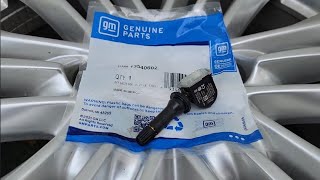
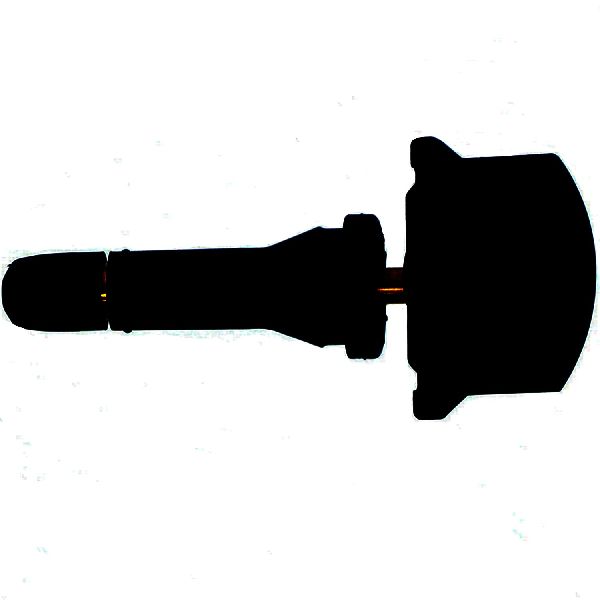
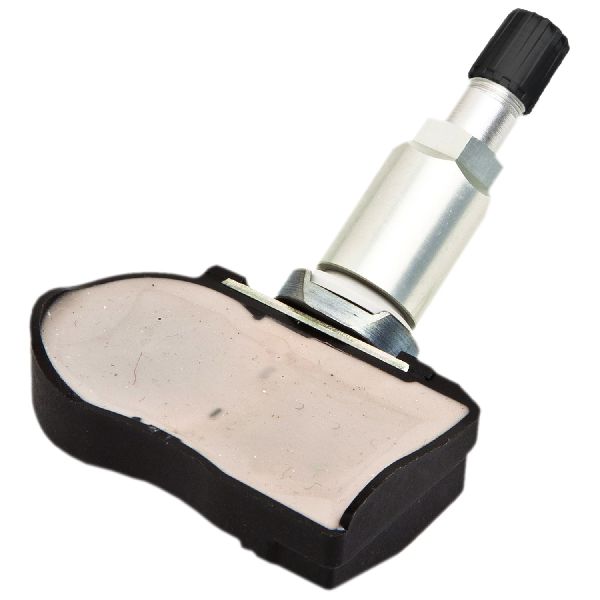
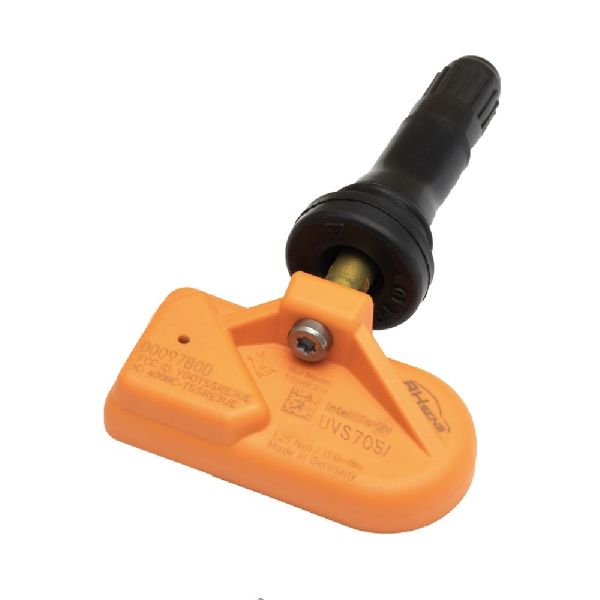
(OEM #13542523)— This sensor, located in the left rear wheel, directly triggers code C0760 when its internal battery dies or it malfunctions. This part number is widely cross-referenced for the XT5.
Trusted brands: ACDelco, Schrader, Continental, VDO
OEM price range: $50-$75
Aftermarket price range: $25-$50
Related Codes That Often Appear With This One
- C0750, C0755, C0765 — These are the codes for the other three TPMS sensors. When they appear together, it strongly points to a central system failure, such as the RCDLR, rather than all four sensors failing simultaneously. [⭐ MANUFACTURER TSB — highest authority] Bulletin #16-NA-396
- B3055, B3060, B3935 — These are security and key-related codes. Their presence alongside C0760 can indicate a broader issue with the vehicle's security and remote function systems, often linked to the RCDLR or Body Control Module (BCM). [⭐ MANUFACTURER TSB — highest authority] Bulletin #PIC5650M
Technical Service Bulletins (TSBs) & Recalls
- PIC5650M: Mentions C0760 in a group of codes related to no-start or start/stall conditions with the security light on.
- 16-NA-396: Identifies the Remote Control Door Lock Receiver (RCDLR) as a potential cause for multiple TPMS codes (including C0760) and inoperative key fob functions.
- 16-NA-061: Details how a disconnected RCDLR antenna or coax cable can cause TPMS codes and key fob issues, recommending inspection before component replacement.
Platform-Specific Known Issues
- TSB #16-NA-396 specifically addresses an issue on the 2017 XT5 where an internal fault in the Remote Control Door Lock Receiver (RCDLR) can cause the TPMS indicator to illuminate with codes C0750, C0755, C0760, and C0765, while also making all key fob functions inoperative. [⭐ MANUFACTURER TSB — highest authority] Bulletin #16-NA-396
- TSB #16-NA-061 provides an alternative diagnosis, suggesting that a disconnected coax cable for the RCDLR antenna can cause identical symptoms, including TPMS codes and key fob failure. It advises checking connections before replacing the module. [⭐ MANUFACTURER TSB — highest authority] Bulletin #16-NA-061
Hidden / Shadow Codes Worth Checking
- C0760 with Symptom :29: The symptom code ':29' translates to 'Too Few Pulses'. This indicates the RCDLR is receiving an incomplete or corrupted data packet from the TPMS sensor. This points away from a completely dead sensor and more towards a weak sensor battery, radio frequency interference, or a fault in the RCDLR's receiving circuitry. (see via GM GDS2 (Global Diagnostic System 2) or equivalent professional scan tool.)
Scan Tool Commands That Help
- GM GDS2: Module Diagnostics -> Remote Control Door Lock Receiver -> Configure/Reset Functions -> Add or Replace Key Fobs — This function is used to program new or existing key fobs to the vehicle after replacing the RCDLR or adding a new fob.
- GM GDS2: RCDLR Setup — This is a required step after installing a new RCDLR to configure it to the vehicle's specific options and security system before programming keys or TPMS sensors.
- GM GDS2 or TPMS Tool: Tire Pressure Monitor Learn — This procedure must be performed after replacing a TPMS sensor or the RCDLR to make the vehicle learn the unique IDs of the sensors in their specific wheel positions.
Wiring & Ground Locations
- Remote Control Door Lock Receiver (RCDLR) — Located in the rear of the vehicle, typically behind the passenger side rear quarter trim panel.. This is the central module for this fault. TSB #16-NA-396 points to internal failure. Its location is critical for inspection and replacement.
- RCDLR Coax Cable — Runs from the RCDLR module to the Antenna Amplifier Module.. TSB #16-NA-061 states that a disconnection at either the RCDLR end or the amplifier end can cause loss of signal from the TPMS sensors, particularly those furthest away like the left rear.
- Antenna Amplifier Module — Located near the right rear glass antenna.. This module boosts the signal received by the antenna before sending it to the RCDLR. A loose connection here can weaken the signal from the TPMS sensors, causing intermittent codes.
- Antenna (in glass) — Integrated into the right rear quarter glass.. This is the primary antenna for receiving both TPMS and key fob signals. Damage to the glass or its integrated wiring can cause these faults.
Real Owner Repair Stories
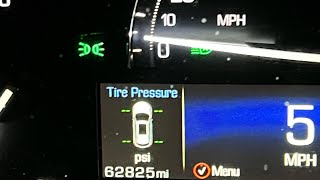
- Cadillac XT5 family member experience documented on YouTube (Approx. 5-year-old Cadillac XT5) — TPMS warning light on, "Service Tire Pressure Monitor" message, and double dashes (--) for all four tire pressure readings in the DIC.
❌ Tried (didn't work) The owner had a low tire fixed at a shop, after which the problem with all sensors not reading began, suggesting the shop may have inadvertently wiped the sensor IDs during their procedure.
✅ What actually fixed it The narrator, a family member with automotive knowledge, used a TPMS relearn tool to force the vehicle back into learn mode and successfully re-synced all four original tire pressure sensors to the vehicle's RCDLR, resolving the issue without replacing any parts. This confirms that if all sensors drop out at once, a system-level relearn is the first step before replacing hardware.
OEM Part Supersession History
13595511→13540045— Part update or revision by the manufacturer. The original part number was specified for the 2017 model year.
Heads up: While 13540045 replaces 13595511, it is crucial to verify the correct part number for the specific vehicle VIN before ordering, as module programming is required.13533166, 13549919→13542523— Consolidation and update of TPMS sensor part numbers across GM platforms.
Heads up: 13542523 is the current, widely available sensor. The older numbers may still be found but are considered obsolete.
Model Year Variations Within This Range
- 2017: The 2017 model year is specifically called out in TSB #16-NA-396 and uses RCDLR part number 13595511. Later models may use the superseded part number (13540045), and while they can experience similar failures, the TSB was initially targeted at the 2017 models, suggesting a higher prevalence in the first model year.
Helpful Videos
We Have This Part in Stock

The information in this article is provided for general reference and educational purposes only. Vehicle specifications, procedures, and part compatibility can vary by production date, trim level, and region. Always consult your vehicle's factory service manual and verify part numbers before purchasing or performing repairs. Safety-critical components such as airbags, seat belts, and braking systems should be installed by a qualified professional.
- Cadillac XT5:
- 🧭 Diagnostic Flowchart
- 🎬 Helpful Videos
- 🛍️ Shop This Part
- What's Unique About the 2017-2024 Cadillac XT5
- Symptoms You May Notice
- Most Likely Causes
- Rare But Worth Checking
- Diagnosis Steps
- Parts You'll Likely Need
- Related Codes That Often Appear With This One
- Technical Service Bulletins (TSBs) & Recalls
- Platform-Specific Known Issues
- Hidden / Shadow Codes Worth Checking
- Scan Tool Commands That Help
- Wiring & Ground Locations
- Real Owner Repair Stories
- OEM Part Supersession History
- Model Year Variations Within This Range
- 🎟️ Get 5% Off