

C0760 on 2017-2021 Chevrolet Bolt EV: Left Rear TPMS Fault Causes and Fixes
Code C0760 on a 2017-2021 Chevy Bolt EV indicates a fault with the left rear Tire Pressure Monitoring System (TPMS) sensor. The most common cause is a dead sensor battery, which is a sealed unit requiring full sensor replacement. Replacing the sensor with the correct 315 MHz version and performing a TPMS relearn procedure is the typical fix.
- C0760 points specifically to the left rear TPMS sensor.
- The most probable cause is a dead battery in the sensor, which requires replacing the entire sealed sensor unit.
- Ensure any replacement sensor is the correct 315 MHz frequency for a 2017-2021 Bolt EV.
- A TPMS relearn tool (like the EL-50448) is required to program the new sensor to the vehicle; the car will not do it automatically.
- If key fob issues or multiple TPMS codes occur at the same time, suspect the Remote Control Door Lock Receiver (RCDLR) or its antenna wiring per TSB 16-NA-396 and TSB 16-NA-061.
What's Unique About the 2017-2021 Chevrolet BOLT EV
On the Chevrolet Bolt EV, the TPMS sensors transmit their signals to the Remote Control Door Lock Receiver (RCDLR), the same module that processes key fob commands. As noted in GM Technical Service Bulletin 16-NA-396, a fault within this shared RCDLR module can cause both TPMS warnings (including C0760) and key fob inoperability at the same time, a unique diagnostic clue for this platform. TSB 16-NA-061 further explains that poor or disconnected antenna connections for the RCDLR can also cause these symptoms, sometimes affecting the sensors farthest from the receiver first.
Diagnostic Flowchart
Tap your situation to follow the diagnostic path that matches what you're seeing on this vehicle.
Symptoms You May Notice
- "Service Tire Monitor System" message on the Driver Information Center (DIC).
- The TPMS warning light is illuminated on the instrument cluster (may flash for one minute, then stay solid).
- The pressure reading for the left rear tire shows dashes (---) instead of a number.
- In some cases, the key fob may not work for locking, unlocking, or remote start, as seen with TSB 16-NA-396.
- Traction control (ESP) light may illuminate, as the system can use tire data from wheel speed sensors, and a fault in this shared system can trigger multiple warnings.
- Replacing the wrong sensor. A user on a forum swapped tires to diagnose the issue, but the fault remained at the 'left rear' position, correctly indicating the problem was with the vehicle's receiving system for that location, not the sensor that was moved.
- Ignoring the TPMS light. Assuming it's just a faulty light when it's actually indicating a failed safety sensor.
- Replacing the RCDLR when only one sensor is bad. If only C0760 is present and key fobs work correctly, the issue is almost certainly the individual tire sensor, not the central receiver module.
Most Likely Causes
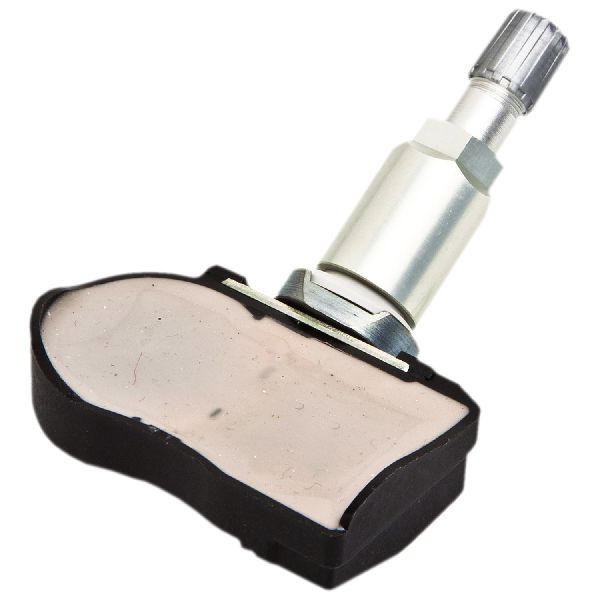
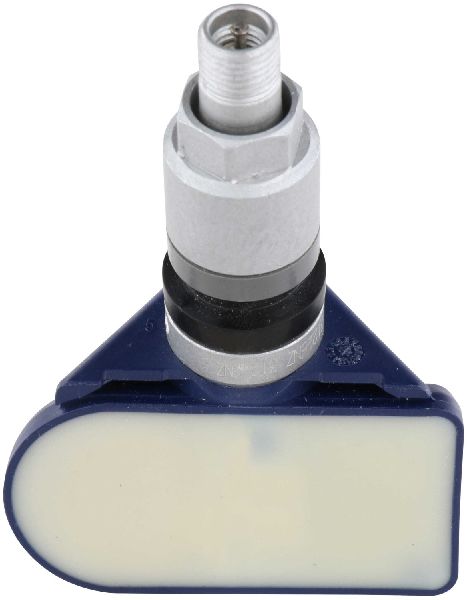
- Dead or Faulty Left Rear TPMS Sensor 🔴 High Probability → Shop Tire Pressure Monitoring System (TPMS) Sensor TPMS sensors contain a non-rechargeable, sealed battery with a finite lifespan, typically 5-10 years. As 2017-2021 Bolt EVs age, battery failure becomes the most common point of failure, requiring replacement of the entire sensor unit.
How to confirm: Use a TPMS activation tool (like an EL-50448) to try and trigger a response from the left rear sensor. If the tool cannot get a reading, the sensor's battery is dead or it has failed internally. The battery is not separately replaceable; the entire sensor is a sealed unit. A professional scan tool can also check for a 'sensor low battery' condition.
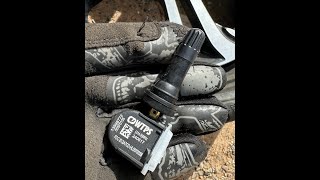
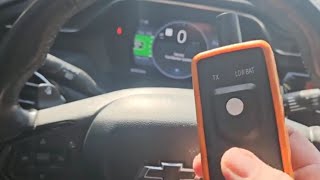
Typical fix: Replace the left rear TPMS sensor. 🎬 Watch: A complete walkthrough of sensor replacement and relearning. The new sensor's ID must then be registered to the vehicle using a TPMS relearn procedure, which requires a specific tool. 🎬 See how to use the relearn tool on your Bolt. This is a good time to replace all four sensors if they are original, as the others are likely near the end of their service life.
Est. part cost: $25-$70 - Faulty Remote Control Door Lock Receiver (RCDLR) 🟡 Medium Probability → Shop Keyless Entry Receiver As documented in TSB 16-NA-396, internal issues in the RCDLR can prevent it from receiving TPMS signals. Since this module handles both TPMS and key fob functions, it's a shared point of failure.
How to confirm: This is the likely cause if multiple TPMS codes (e.g., C0750, C0755, C0760, C0765) are present simultaneously, and/or the key fobs are also inoperative or have very poor range. A professional scan tool can check for communication with the RCDLR module.
Typical fix: Replace the RCDLR module. This part requires programming by a dealer or a qualified shop with access to GM's Techline Connect software.
Est. part cost: $80-$150
Rare But Worth Checking
- Incorrect TPMS Sensor Frequency: → Shop Tire Pressure Monitoring System (TPMS) Sensor A common DIY mistake. 2017-2021 Bolt EVs require a 315 MHz sensor. Installing a 433 MHz sensor (used on 2022+ models) will result in a persistent C0760 code because the RCDLR cannot communicate with it.
- Wiring or Connector Issue: Damage or corrosion in the coaxial wiring harness leading to the RCDLR can disrupt the signal. TSB 16-NA-061 details how a disconnected coax cable at the RCDLR, antenna amplifier, or rear glass antenna can cause loss of signal from one or more sensors.
- Failed TPMS Relearn Procedure: After replacing a sensor or rotating tires, a relearn procedure is mandatory on the Bolt EV as it does not auto-locate sensors. If this step is skipped or fails, the DIC will show incorrect positions or dashes, potentially triggering a fault code.
- Radio Frequency (RF) Interference: The 315 MHz frequency used by the TPMS sensors can be disrupted by other electronic devices, such as aftermarket phone chargers, dash cams, garage door openers, or even strong signals from nearby military bases. This can cause intermittent signal loss and trigger a C0760 code. The interference is often described as a 'Too Few Pulses' condition.
Diagnosis Steps
- Verify tire pressure in all four tires with a reliable manual gauge. Inflate to the pressure listed on the driver's door jamb sticker.
- Read all Diagnostic Trouble Codes (DTCs) with an OBD-II scanner. Note if C0760 is alone or present with other TPMS or body codes. Check for symptom codes like ':29' with a professional scanner.
- Using a TPMS activation tool (e.g., EL-50448), attempt to trigger the left rear sensor. Place the tool on the tire's sidewall next to the valve stem, not on the stem itself.
- If the sensor does not respond to the activation tool, its battery is dead or it has failed. It must be replaced.
- If the sensor responds, but the code remains, attempt a full TPMS relearn procedure. This is initiated through the vehicle's Driver Information Center menu and requires the activation tool to register each sensor in sequence (Driver Front, Passenger Front, Passenger Rear, Driver Rear).
- If the relearn procedure fails specifically for the left rear position, re-verify you have the correct 315 MHz sensor installed.
- If multiple TPMS codes are present and/or key fob issues are confirmed, inspect the Remote Control Door Lock Receiver (RCDLR) and its coaxial antenna wiring for power, ground, and any visible damage or disconnection, per TSB 16-NA-061.
- If the RCDLR has proper power and ground but fails to communicate or learn any sensors, the RCDLR module itself is the likely point of failure 🎬 Watch: How to avoid misdiagnosing a faulty RCDLR module. and requires replacement and programming.
Parts You'll Likely Need
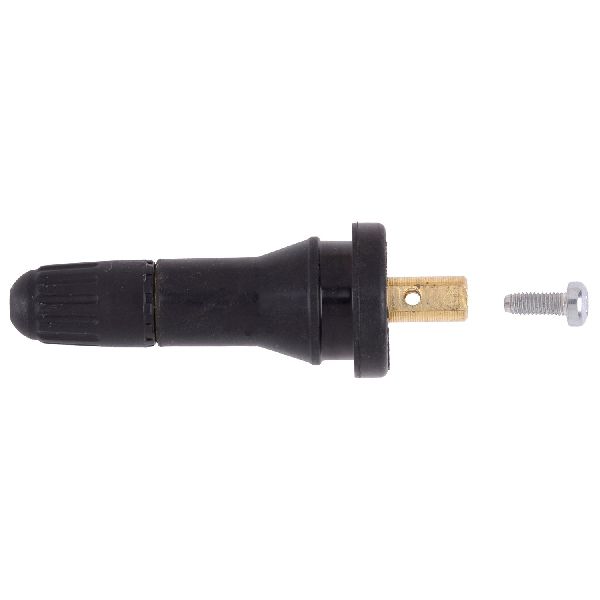
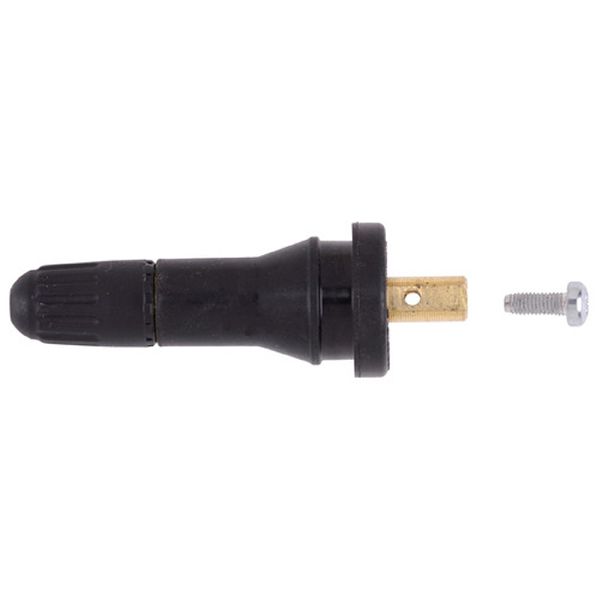
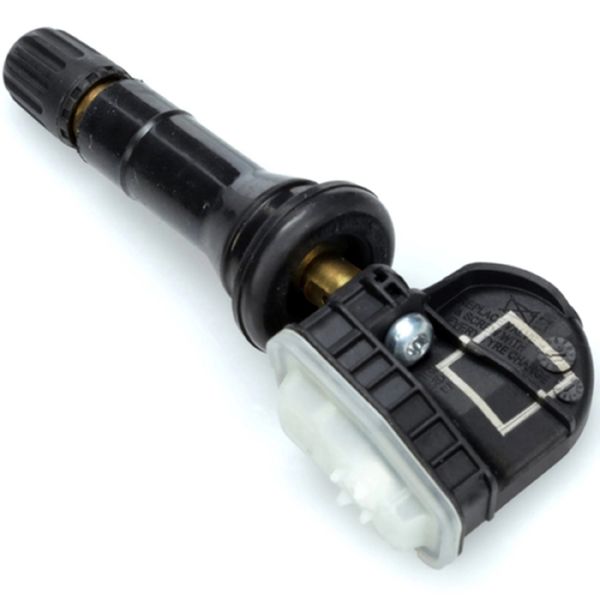
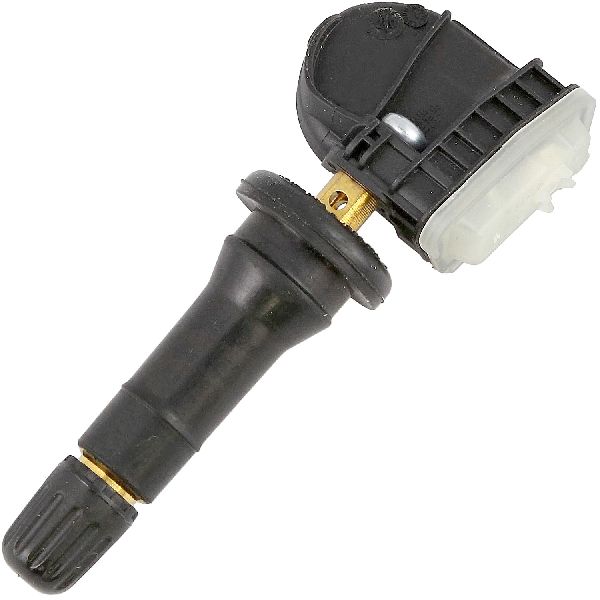
- Tire Pressure Monitoring System (TPMS) Sensor
(OEM #13598773)— This is the most common failure point due to the sensor's internal battery life of 5-10 years.
Trusted brands: ACDelco (GM Genuine), Schrader, VDO, Standard Motor Products, ITM Engine Components
OEM price range: $40-$70
Aftermarket price range: $25-$50 - Remote Control Door Lock Receiver (RCDLR)
(OEM #84507651)— This module is the second most likely cause, especially if multiple TPMS codes or key fob issues are also present, as cited in TSB 16-NA-396.
Trusted brands: ACDelco (GM Genuine)
OEM price range: $80-$150 - TPMS Relearn Tool
(OEM #EL-50448)— Required to complete the repair after replacing a sensor or rotating tires.
Trusted brands: JDIAG, VXDAS, Orange Electronic
OEM price range: $50-$80
Aftermarket price range: $10-$20
Related Codes That Often Appear With This One
- C0750, C0755, C0765 — These are the codes for the other three tire pressure sensors (Front Left, Front Right, Right Rear). If they appear together, it strongly suggests a problem with the central receiver (RCDLR) or its antenna, rather than all four sensors failing at once.
- B3055, B3060, B3935 — As per TSB PIC5650M, these security and body control codes can accompany TPMS codes in more complex electrical fault scenarios that may cause a no-start or stall condition.
Technical Service Bulletins (TSBs) & Recalls
- 16-NA-396: Key fob inoperative, TPMS light on with codes C0750, C0755, C0760, C0765 due to internal RCDLR issue.
- PIC5650M: No-start or stall concern with security light and multiple DTCs, including C0760.
- 16-NA-061: Service Tire Monitor System message, dashes for tire pressures, and poor key fob range due to disconnected RCDLR antenna system.
- PIC6227: Preliminary information regarding intermittent key fob and TPMS issues due to a software abnormality in the RCDLR, recommending a battery disconnect to reset the module as a temporary fix pending a final solution.
Platform-Specific Known Issues
- TSB 16-NA-396: Documents an issue where an internal fault in the Remote Control Door Lock Receiver (RCDLR) causes the TPMS indicator to light up with codes C0750, C0755, C0760, and C0765, along with inoperative key fob functions. The fix is to replace the RCDLR.
- TSB PIC5650M: Notes that C0760 can be one of several codes present during a no-start or stall condition related to the vehicle's security system, pointing to a more complex electrical issue.
- TSB 16-NA-061: Details how a disconnected coaxial antenna cable for the RCDLR can cause intermittent or total loss of TPMS and key fob signals. The symptoms vary depending on where the disconnect occurs (at the RCDLR, the antenna amplifier, or the glass antenna).
Hidden / Shadow Codes Worth Checking
- C0760 with Symptom :29: This specific sub-code, visible on a dealer-level scan tool like the GDS2, translates to "Too Few Pulses." It indicates the RCDLR is receiving an incomplete or corrupted data packet from the sensor. This points away from a completely dead sensor and more towards a weak battery, significant Radio Frequency (RF) interference, or a fault in the RCDLR's receiving circuits. (see via GM GDS2 (Global Diagnostic System 2) or equivalent professional scan tool.)
Scan Tool Commands That Help
- GDS2 / Professional Scan Tool: Observe Pressure Sensor Mode Data Parameter — When diagnosing a sensor that seems to be transmitting but the code persists. A technician can watch the live data to see if the sensor's mode correctly changes from 'Wake' or 'Park' to 'Drive' mode when the vehicle is in motion. If the mode does not change, it confirms a faulty sensor.
- GDS2 / Professional Scan Tool: RCDLR Data List - Sensor Battery Condition — To confirm if a sensor's battery is the root cause of the fault code. The scan tool can display a 'Low Battery' status for a specific sensor, confirming the need for replacement without relying solely on a trigger tool test.
Wiring & Ground Locations
- Remote Control Door Lock Receiver (RCDLR) — Located in the rear of the vehicle, often behind the rear trim panels or near the liftgate. On some GM vehicles, it is behind the C-pillar or quarter panel trim.. This module receives the signals from all four TPMS sensors. A loose power, ground, or antenna connection at this specific module will cause TPMS codes.
- RCDLR Antenna System — The system consists of the RCDLR, a coaxial cable, an antenna amplifier module, and the antenna itself, which is often integrated into the right rear glass.. A disconnect at any point in this chain can cause signal loss. A disconnect far from the RCDLR (at the glass) might only cause poor range, while a disconnect at the RCDLR itself will cause total signal loss from all sensors.
- Body Ground Stud — There are multiple body ground points. For accessories, owners have identified a ground stud below the in-cabin fuse box, near the floor. Ensuring the RCDLR has a clean, tight ground connection to the chassis is critical for proper function.. A poor ground connection to the RCDLR can cause a variety of intermittent electrical issues, including the inability to receive or process TPMS signals correctly.
Real Owner Repair Stories
- Reddit user in /r/BoltEV (2017 Chevrolet Bolt EV) — TPMS light would not turn off.
❌ Tried (didn't work) Installing new TPMS sensors., Using a calibration/relearn tool., Driving on the highway to force a relearn., Disconnecting the 12V battery to reset modules., Trying the '45 psi trick' (an older GM relearn method).
✅ What actually fixed it The user discovered they had installed the wrong frequency sensors (likely 433 MHz instead of the required 315 MHz). Another user confirmed the fix was to ensure the correct 315 MHz sensors were used for the 2017-2021 model years.
OEM Part Supersession History
13598773→86363053— Standard part lifecycle replacement/update.
Heads up: While 13598773 is a widely sold part number, it is often listed for both 315 MHz and 433 MHz applications by aftermarket sellers, causing confusion. It is critical to verify the frequency is 315 MHz for the 2017-2021 Bolt EV, regardless of the part number on the box.
Model Year Variations Within This Range
- 2017-2021: These model years exclusively use a 315 MHz frequency for the TPMS sensors.
- 2022-2023: The refreshed Bolt EV and new Bolt EUV switched to a 433 MHz frequency. Sensors from these newer models are incompatible with the 2017-2021 vehicles.
Helpful Videos
We Have This Part in Stock

The information in this article is provided for general reference and educational purposes only. Vehicle specifications, procedures, and part compatibility can vary by production date, trim level, and region. Always consult your vehicle's factory service manual and verify part numbers before purchasing or performing repairs. Safety-critical components such as airbags, seat belts, and braking systems should be installed by a qualified professional.
- Chevrolet BOLT EV:
- 🧭 Diagnostic Flowchart
- 🎬 Helpful Videos
- 🛍️ Shop This Part
- What's Unique About the 2017-2021 Chevrolet BOLT EV
- Symptoms You May Notice
- Most Likely Causes
- Rare But Worth Checking
- Diagnosis Steps
- Parts You'll Likely Need
- Related Codes That Often Appear With This One
- Technical Service Bulletins (TSBs) & Recalls
- Platform-Specific Known Issues
- Hidden / Shadow Codes Worth Checking
- Scan Tool Commands That Help
- Wiring & Ground Locations
- Real Owner Repair Stories
- OEM Part Supersession History
- Model Year Variations Within This Range
- 🎟️ Get 5% Off