

C0760 on 2019-2024 Chevrolet Camaro: Left Rear TPMS Fault Causes and Fixes
Code C0760 indicates a fault with the left rear Tire Pressure Monitoring System (TPMS) sensor. The most common cause is a dead sensor battery, requiring sensor replacement. On this Camaro, it can also appear with security/no-start issues, pointing to a more complex problem with the Body Control Module (BCM) or Radio Frequency (RF) interference from aftermarket accessories, as noted in TSB PIC5650M.
- C0760 almost always points to a problem with the left rear TPMS sensor, most often a dead battery.
- Before replacing parts, manually check your tire pressure to ensure it's not a real leak.
- If you also have intermittent 'No Fob Detected' messages or starting problems, unplug all aftermarket phone chargers and accessories to rule out Radio Frequency Interference (RFI) before seeking professional repair.
- Replacing the sensor requires a tire shop or the tools to dismount the tire. A TPMS relearn tool is also needed to sync the new sensor to the car.
What's Unique About the 2019-2024 Chevrolet CAMARO
On the 6th generation Camaro, C0760 is more than just a simple tire sensor code. Manufacturer bulletins confirm it can appear alongside serious security-related codes (like B3055, B3060) during a no-start or stalling condition. This unique link, documented in TSB PIC5650M, suggests that the root cause may not be the TPMS sensor itself, but rather a broader issue with a shared control module or significant Radio Frequency Interference (RFI). Aftermarket accessories like cheap USB chargers, dash cams, and even some LED lighting can emit RF noise that jams the signals from both the TPMS sensors and the key fob, leading to this combination of seemingly unrelated faults.
Diagnostic Flowchart
Tap your situation to follow the diagnostic path that matches what you're seeing on this vehicle.
Symptoms You May Notice
- TPMS warning light illuminated or flashing on the instrument cluster. A flashing light upon startup that turns solid indicates a system fault, not low pressure.
- "Service Tire Monitor System" message on the Driver Information Center (DIC).
- The pressure reading for the left rear tire shows dashes (--) instead of a number.
- Potentially accompanied by a no-start, start-and-stall, or other keyless entry problems (e.g., "No Remote Detected"), along with a security light, as noted in TSB PIC5650M.
- Poor key fob range.
- Replacing the Body Control Module (BCM) when the issue is a simple dead sensor battery or RFI. TSB 21-NA-244 discusses BCM replacement for 'No Fob Detected' issues, but this should be considered only after ruling out RFI and RCDLR faults.
- Replacing a tire or wheel when the fault is only with the TPMS sensor.
- Assuming a new sensor is bad when the actual problem is a failed relearn procedure or interference.
Most Likely Causes
- Dead TPMS Sensor Battery 🔴 High Probability → Shop Tire Pressure Monitoring System (TPMS) Sensor TPMS sensors use integrated, non-replaceable batteries with a finite lifespan, typically lasting 5-10 years. Vehicles in this year range are reaching the age where original sensor batteries begin to fail.
How to confirm: Use a specialized TPMS diagnostic tool to attempt to activate and read the sensor. If the tool cannot get a response or shows a low battery status, the battery is the cause. This is the most definitive test before dismounting the tire.
Typical fix: Replace the left rear TPMS sensor. The new sensor must be programmed or 'relearned' to the vehicle using a TPMS tool and the procedure in the owner's manual. It is often recommended to replace all four sensors at once if they are the original units, especially during a tire change, to save on future labor costs.
Est. part cost: $40-$80 - Faulty or Damaged TPMS Sensor 🟡 Medium Probability → Shop Tire Pressure Monitoring System (TPMS) Sensor Sensors can be damaged during tire changes, by hitting potholes, or from internal electronic failure. Corrosion of the valve stem can also damage the sensor.
How to confirm: A visual inspection after dismounting the tire may reveal physical damage. If the sensor fails to respond to a TPMS tool and the battery is not the expected cause (e.g., on a newer sensor), the sensor itself has likely failed.
Typical fix: Replace the left rear TPMS sensor and perform the relearn procedure.
Est. part cost: $40-$80 - Radio Frequency Interference (RFI) ⚪ Low Probability As per TSB PIC5650M, aftermarket electronics like low-quality phone chargers, dash cams, and LED lights can emit RFI that jams the 433 MHz signals used by both TPMS sensors and key fobs. This is a well-documented issue on this platform.
How to confirm: If the issue is intermittent and occurs with other electrical problems (like 'No Fob Detected'), unplug all aftermarket accessories from the 12V outlets and USB ports. If the problem disappears, one of the accessories is the source. A technician can use an RF signal meter to detect interference.
Typical fix: Remove or replace the source of the RFI with a higher-quality, properly shielded device. This is a diagnostic step, not a part replacement.
Est. part cost: $0 - Faulty Remote Control Door Lock Receiver (RCDLR) ⚪ Low Probability → Shop Keyless Entry Receiver The RCDLR processes signals from both the TPMS sensors and key fobs. TSB #16-NA-396 confirms that an internal failure in this module can cause both TPMS and keyless entry issues simultaneously. This often presents as multiple TPMS codes (C0750, C0755, C0760, C0765) setting at once.
How to confirm: This is diagnosed when multiple TPMS codes are present along with key fob problems, and after RFI has been ruled out. A professional scan tool is needed to check for specific module faults. The TSB specifies part number 13595511 for the replacement receiver.
Typical fix: Replace the RCDLR module and program it to the vehicle.
Est. part cost: $100-$250
Rare But Worth Checking
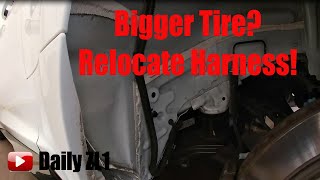
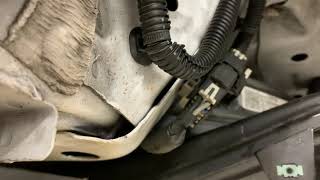
- Wiring Harness Damage: On 6th Gen Camaros, especially those with wider-than-stock rear tires (305mm+), the main wiring harness on the driver's side rear wheel well can rub against the tire. This can chafe the insulation and cause shorts, leading to a host of seemingly unrelated electrical issues, including TPMS faults, fuel pump issues, and no-start conditions. A visual inspection behind the wheel liner is highly recommended if multiple strange electrical codes appear. Owners often proactively relocate this harness as a preventative measure. 🎬 Watch: Detailed instructions for relocating the rear wheel well harness.
- Disconnected RCDLR Antenna Coax: A less common issue, detailed in TSB 16-NA-061, is a disconnected coaxial cable for the RCDLR antenna. If the disconnect is at the RCDLR itself, it can cause all TPMS sensors to stop reporting. If it's disconnected further away at the antenna amplifier module, it may only affect sensors farther from the receiver, such as the left rear.
Diagnosis Steps
- Verify the tire pressure in the left rear tire manually with a quality gauge to rule out an actual low-pressure situation.
- Use a TPMS diagnostic tool to attempt to read the sensor's data (ID, pressure, temperature, battery status). If the tool gets no reading, the sensor is the primary suspect.
- If the sensor reads correctly with the tool but the car doesn't see it, attempt a TPMS relearn procedure. This can be done with a simple, inexpensive TPMS relearn tool following the owner's manual instructions.
- If the relearn fails, or if other TPMS codes are present, inspect the vehicle for sources of Radio Frequency Interference (RFI) as described in TSB PIC5650M. Unplug all aftermarket devices (chargers, LEDs, dash cams, etc.) and re-test.
- If C0760 is present with security codes (B3055, etc.) and no-start symptoms, the issue is likely RFI or a faulty RCDLR. Professional diagnosis is recommended at this stage.
- If wider-than-stock rear tires are installed, remove the driver's side rear wheel and inspect the wheel well liner for signs of rubbing. If found, remove the liner and inspect the large wiring harness for damage.
- If the sensor is confirmed to be faulty, the tire must be dismounted to replace it. 🎬 See this walkthrough for replacing the tire pressure sensor.
Parts You'll Likely Need
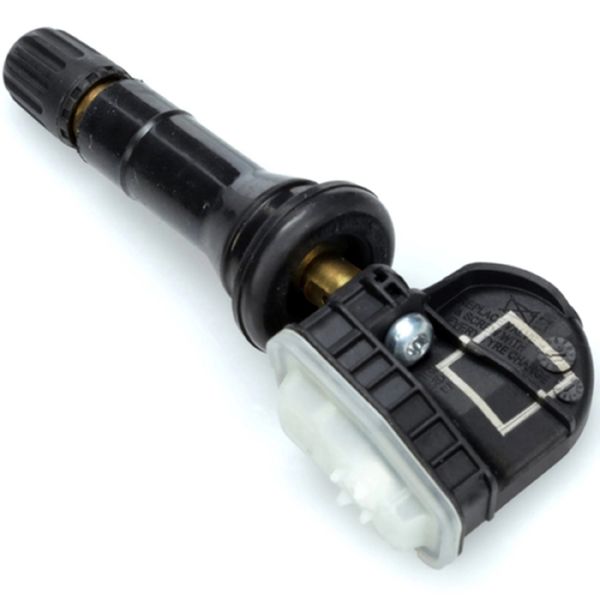
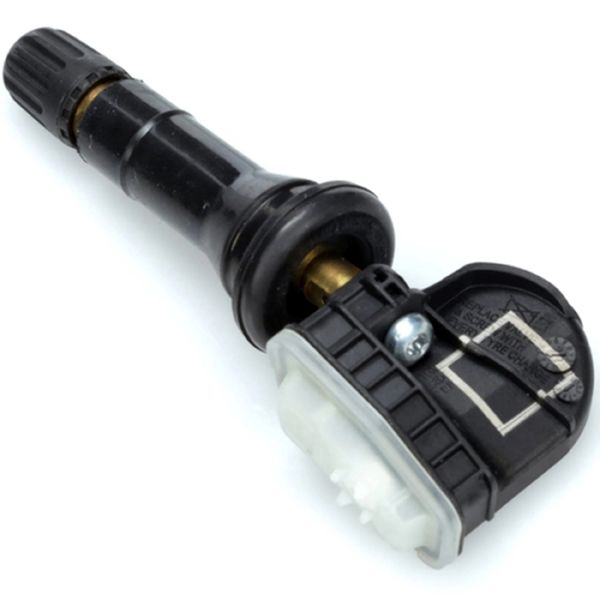
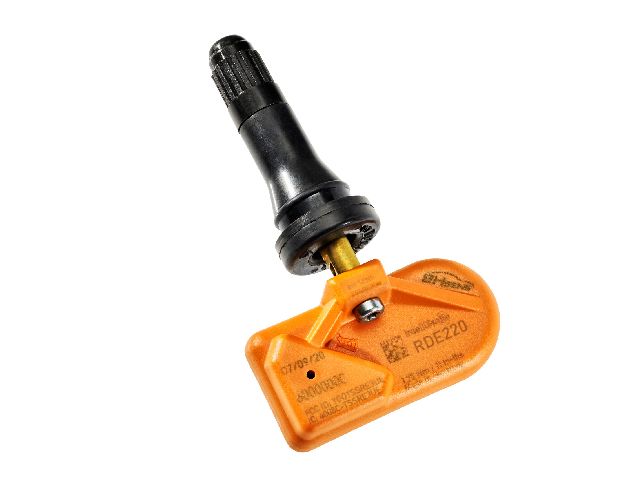
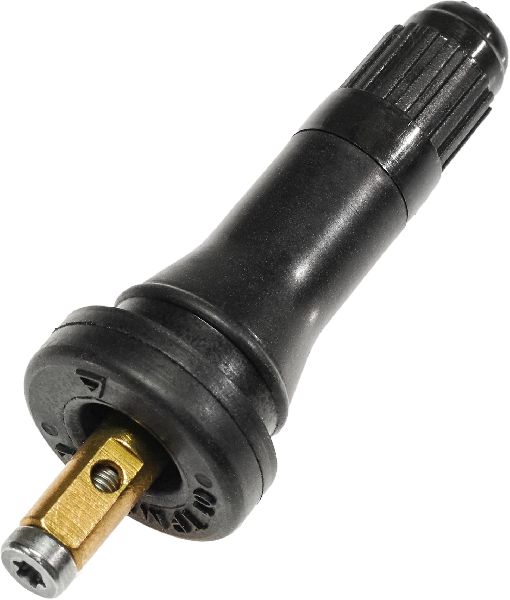
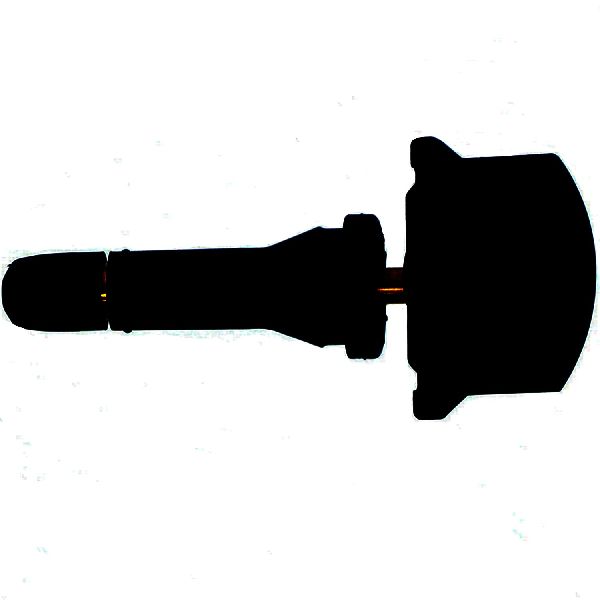
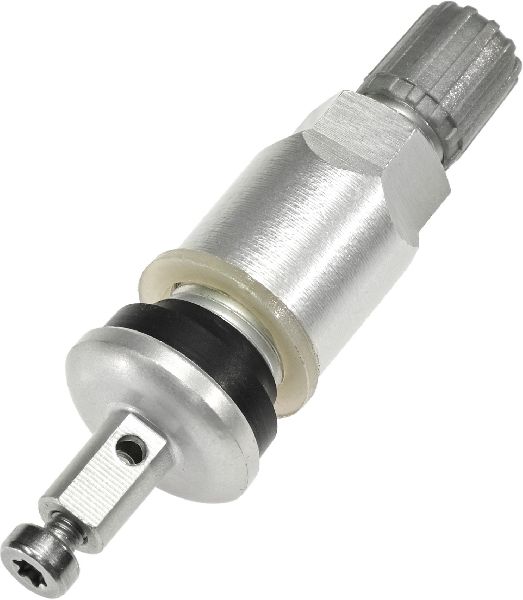
- Tire Pressure Monitoring System (TPMS) Sensor
(OEM #13540605)— This is the most common failure point. The internal, non-replaceable battery dies, requiring the replacement of the entire sensor unit. This part number is specified for the rear position and operates at 433 MHz. It supersedes part number 13598463.
Trusted brands: ACDelco (OEM), Schrader (Often the OEM manufacturer), Continental, Standard Motor Products
OEM price range: $60-$90
Aftermarket price range: $40-$60 - TPMS Relearn Tool — Required to make the vehicle recognize the new sensor's ID after replacement. Inexpensive versions are widely available and are a must-have for DIY replacement or after tire rotations.
Trusted brands: VXDAS, JDIAG, Autel
Aftermarket price range: $10-$25
Related Codes That Often Appear With This One
- C0750, C0755, C0765 — These are the codes for the other three TPMS sensors. If multiple appear at once, it points towards a central receiver issue (RCDLR), a disconnected antenna, or widespread RFI rather than individual sensor failures.
- B3055, B3060, B3935 — These are security and key transponder codes. According to TSB PIC5650M, their appearance with C0760 strongly suggests a common cause, such as RFI or a faulty RCDLR/BCM affecting both systems.
Technical Service Bulletins (TSBs) & Recalls
- PIC5650M: Addresses intermittent no-start, stall, or security light issues that can be accompanied by TPMS codes like C0760, pointing to RFI as a primary diagnostic step.
- 16-NA-396: Details diagnosis and replacement of the RCDLR (Part No. 13595511) when multiple TPMS codes appear with key fob malfunctions.
- 16-NA-061: Explains how a disconnected RCDLR antenna coax cable can cause loss of signal from one or more TPMS sensors.
Platform-Specific Known Issues
- TSB PIC5650M: Documents that C0760 can appear with security codes (B3055, B3060, etc.) during no-start or stalling conditions, often caused by Radio Frequency Interference from aftermarket accessories. The primary diagnostic step is to unplug all such devices.
- TSB 16-NA-396: Notes that an internal failure of the Remote Control Door Lock Receiver (RCDLR) can cause intermittent loss of key fob functions and set multiple TPMS codes, including C0760.
Hidden / Shadow Codes Worth Checking
- C0760 with Symptom :29: Translates to 'Too Few Pulses'. This indicates the RCDLR is receiving an incomplete or corrupted data packet from the TPMS sensor. It points towards a weak sensor battery or radio frequency interference rather than a completely dead sensor. (see via GM GDS2 (Global Diagnostic System 2) or equivalent professional scan tool.)
- C0760 with Symptom :08: Indicates 'Signal Invalid' or 'Bus Signal/Message Failure'. This means the signal received is present but not plausible, or there is a communication problem on the vehicle's data network related to the module. (see via GM GDS2 (Global Diagnostic System 2) or equivalent professional scan tool.)
Scan Tool Commands That Help
- GDS2: Module Diagnostics -> Remote Control Door Lock Receiver -> Data Display -> Tire Pressure Sensor Rolling Count — To verify if the RCDLR is receiving transmissions from the sensors. A sensor with a count that is not increasing while driving indicates a problem with that sensor's transmission.
- GDS2: Module Diagnostics -> Remote Control Door Lock Receiver -> Configure/Reset Functions -> Add/Replace Key Fobs — This function is mandatory after replacing the RCDLR module to program the vehicle's key fobs to the new module. The engine will not start until this is completed.
- TPMS Activation Tool (e.g., J-46079, EL-52545): Activate Sensor — Used to individually trigger each sensor to confirm it is transmitting. If a sensor doesn't respond, it's faulty. This is also used to wake up sensors after a battery disconnect to restore pressure readings without needing to perform a full relearn.
Wiring & Ground Locations
- Body Control Module (BCM) — Under the driver's side of the dashboard.. The BCM is a central hub for many vehicle functions and communicates with the RCDLR. The 12-volt power for remote start systems is often tapped at the BCM's red/gray wire in the blue plug, making it a point of interest if aftermarket electronics are causing interference.
- Driver's Side Rear Wheel Well Harness — Behind the wheel well liner on the driver's side, in the rear.. This harness is a known chafe point, especially with wider tires. Damage here can cause shorts that lead to TPMS codes and other unrelated electrical faults. A visual inspection is critical if multiple, strange codes are present.
- Remote Control Door Lock Receiver (RCDLR) — On many similar GM platforms, the RCDLR is located behind the rear seat or in a rear C-pillar. Its exact location in the Camaro is crucial for checking power, ground, and antenna connections if the module is suspected to be faulty.. This module is the direct receiver for the TPMS sensor signals. Any issue with its power, ground, or antenna connection will cause TPMS codes.
Real Owner Repair Stories
- Camaro6 Forums (2022 Chevrolet Camaro ZL1) — Needed to source correct TPMS sensors for a new set of wheels.
❌ Tried (didn't work) Confusion over multiple part numbers (13598787, 85529685) listed by various parts stores for different model years.
✅ What actually fixed it The correct OEM part number for a 2022 ZL1 (which uses the 433 MHz system, RPO code XL8) was confirmed to be 13540605. A user purchased and installed this part number on their race wheels and confirmed they worked perfectly.
OEM Part Supersession History
13598463→13540605— Standard part number consolidation and minor revisions by the manufacturer.
Heads up: The parts are cross-compatible for the specified vehicle range, but using the latest part number (13540605) is recommended.
Model Year Variations Within This Range
- 2019-2024: All Camaros in this range use a 433 MHz frequency TPMS system, identified by RPO code XL8 on the vehicle's option sticker. While there have been part number supersessions for the sensors, the underlying system technology remains consistent.
Helpful Videos


We Have This Part in Stock

The information in this article is provided for general reference and educational purposes only. Vehicle specifications, procedures, and part compatibility can vary by production date, trim level, and region. Always consult your vehicle's factory service manual and verify part numbers before purchasing or performing repairs. Safety-critical components such as airbags, seat belts, and braking systems should be installed by a qualified professional.
- Chevrolet CAMARO:
- 🧭 Diagnostic Flowchart
- 🎬 Helpful Videos
- 🛍️ Shop This Part
- What's Unique About the 2019-2024 Chevrolet CAMARO
- Symptoms You May Notice
- Most Likely Causes
- Rare But Worth Checking
- Diagnosis Steps
- Parts You'll Likely Need
- Related Codes That Often Appear With This One
- Technical Service Bulletins (TSBs) & Recalls
- Platform-Specific Known Issues
- Hidden / Shadow Codes Worth Checking
- Scan Tool Commands That Help
- Wiring & Ground Locations
- Real Owner Repair Stories
- OEM Part Supersession History
- Model Year Variations Within This Range
- 🎟️ Get 5% Off