

C0760 on 2015-2022 Chevrolet Equinox: TPMS and Key Fob Fixes
On a 2015-2022 Equinox, code C0760, often with other TPMS codes and key fob issues, is most likely caused by a faulty Remote Control Door Lock Receiver (RCDLR). Replacing the RCDLR module is the common fix, which requires professional programming.
- Code C0760 means there's a problem with the left rear TPMS sensor signal.
- If your key fob also stopped working, the problem is almost certainly the Remote Control Door Lock Receiver (RCDLR), not the tire sensor.
- This is a known issue covered by GM Technical Service Bulletin #16-NA-396.
- Replacing the RCDLR is a job for a professional, as the new module requires programming to work with your vehicle.
- If only the C0760 code is present and your key fob works fine, you likely just need a new TPMS sensor in the left rear tire.
What's Unique About the 2015-2022 Chevrolet EQUINOX
On this generation of Chevrolet Equinox and other similar GM platforms, the Tire Pressure Monitoring System (TPMS) and the Remote Keyless Entry (RKE) system are integrated into a single module called the Remote Control Door Lock Receiver (RCDLR). Because of this shared architecture, a single internal failure in the RCDLR can cause seemingly unrelated symptoms, like TPMS error codes and a non-responsive key fob, to appear simultaneously. This is a well-documented issue, as highlighted in GM's own Technical Service Bulletin #16-NA-396.
Diagnostic Flowchart
Tap your situation to follow the diagnostic path that matches what you're seeing on this vehicle.
Generation note: The 2015-2022 year range covers the end of the second generation (2010-2017) and the beginning of the third generation (2018-2022) Equinox. The primary cause, a faulty RCDLR, is a known issue across both generations and other GM models, as confirmed by TSB #16-NA-396 which lists various GM vehicles from 2016-2018. The 2018 model year marked a significant redesign with different engines and interior technology, but the RCDLR remains the central component for these functions.
Symptoms You May Notice
- Tire pressure monitor (TPM) indicator light is on or flashing.
- Key fob is inoperative (lock, unlock, remote start, panic button don't work).
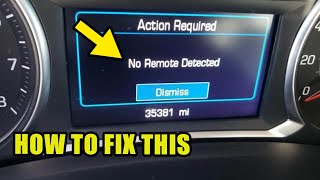
- "No Remote Detected" message on the Driver Information Center (DIC).
- Passive entry (keyless open) system does not work.
- Push-button start system fails to respond, requiring the fob to be placed in the transmitter pocket. 🎬 Watch: How to find the key fob pocket and start your Equinox.
- Security light may be illuminated, possibly with a no-start or start-and-stall condition. [TSB #PIC5650M]
- Reduced operating range for the key fob, requiring you to be very close to the vehicle.
- Replacing only the TPMS sensor when the key fob is also malfunctioning. If both systems fail at once, the common link is the RCDLR, not the individual sensor.
- Replacing key fob batteries. While a dead battery can cause the fob to stop working, it will not trigger a TPMS diagnostic trouble code like C0760.
Most Likely Causes
- Faulty Remote Control Door Lock Receiver (RCDLR) 🔴 High Probability → Shop Keyless Entry Receiver GM issued Technical Service Bulletin #16-NA-396 specifically identifying an internal failure of the RCDLR as the cause for TPMS codes (including C0760) appearing alongside key fob malfunctions. Forum users on Chevy Equinox Forum and Tahoe Yukon Forum confirm this is a common failure, resolving both issues at once.
How to confirm: If TPMS code C0760 is present along with other TPMS codes (C0750, C0755, C0765) and key fob issues, the RCDLR is the most likely culprit. A professional scan tool can check for communication with the RCDLR. The module is typically located behind the driver's side D-pillar trim in the rear cargo area. Another diagnostic trick mentioned in forums is to listen for clicks from the RCDLR when pressing the start button; a single click instead of a series of clicks can indicate an internal failure.
Typical fix: Replace the RCDLR module and program the new unit to the vehicle. This must be done by a dealer or a qualified shop with GM programming tools (e.g., Tech 2 or GDS2) and the online Service Programming System (SPS2).
Est. part cost: $50-$150 - Failed Left Rear TPMS Sensor 🟡 Medium Probability → Shop Tire Pressure Monitoring System (TPMS) Sensor TPMS sensors contain a non-rechargeable battery with a finite lifespan, typically 7-10 years. Vehicles in this year range are reaching an age where sensor battery failure is common.
How to confirm: Use a TPMS activation tool to try and read the sensor's data (ID, pressure, temperature, battery status). If the tool cannot get a reading, the sensor is likely dead. This diagnosis is most likely if C0760 appears alone, without any key fob issues or other TPMS codes.
Typical fix: Replace the left rear TPMS sensor and perform the TPMS relearn procedure.
Est. part cost: $25-$75
Rare But Worth Checking
- Radio Frequency Interference (RFI): Aftermarket electronic devices, such as phone chargers, dash cams, or DVD players, can sometimes emit radio frequencies that interfere with the RCDLR's ability to receive signals from the TPMS sensors and key fob. Before replacing parts, unplug all aftermarket accessories and see if the problem resolves.
- Wiring or Connector Issue to RCDLR: Damage or disconnection of the wiring or coaxial antenna cable leading to the RCDLR could cause a loss of communication. TSB #16-NA-061 discusses how a disconnected antenna cable at the RCDLR, antenna amplifier, or rear glass antenna can cause these exact symptoms. This is less common than module or sensor failure but should be investigated if a new RCDLR doesn't solve the issue. A loose ground wire can also cause intermittent and strange electrical behavior.
Diagnosis Steps
- Verify the symptoms. Check if the key fob is working and if the TPMS light is on. Note if the fob has reduced range.
- Scan for codes. Use an OBD-II scanner capable of reading GM-specific Body (B) and Chassis (C) codes. Note all present codes (e.g., C0750, C0755, C0760, C0765).
- Check TPMS sensor data. If you have a TPMS tool, attempt to read all four sensors. If only the left rear sensor is unresponsive and the key fob works, the sensor itself is the likely problem.
- Rule out RFI. Unplug all aftermarket 12V accessories (phone chargers, dash cams, etc.) and re-test the system.
- Inspect RCDLR connections. Before replacing the module, inspect the coaxial antenna cable connections at the RCDLR (behind rear driver's side trim), the antenna amplifier, and the rear glass antenna, as outlined in TSB #16-NA-061. Also check for solid ground connections in the vicinity.
- Follow TSB #16-NA-396. If symptoms match the TSB (multiple TPMS codes and inoperative key fob), the recommended fix is to replace the RCDLR.
- Program the new module. The replacement RCDLR must be programmed to the vehicle, and the key fobs and TPMS sensors must be relearned to the new module using a GM-specific scan tool and the SPS2 online system.
Parts You'll Likely Need
- Remote Control Door Lock Receiver (RCDLR)
(OEM #13595511)— This module is the most common point of failure, causing both TPMS and key fob issues simultaneously, as documented in TSB 16-NA-396.
Trusted brands: ACDelco, GM Genuine Parts
OEM price range: $70-$120
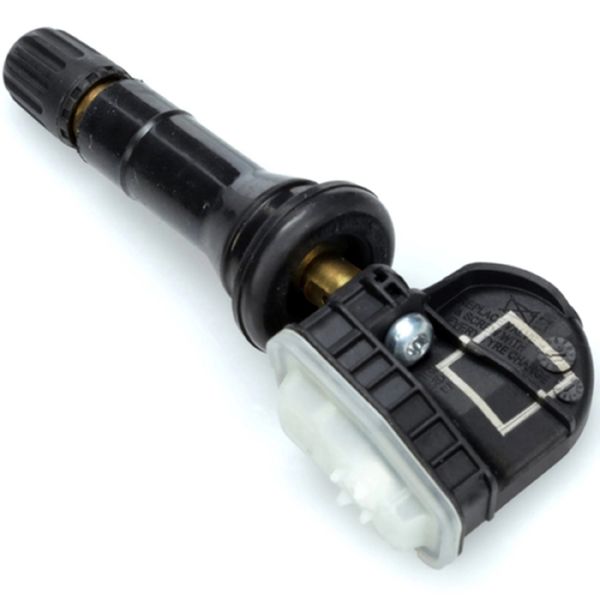
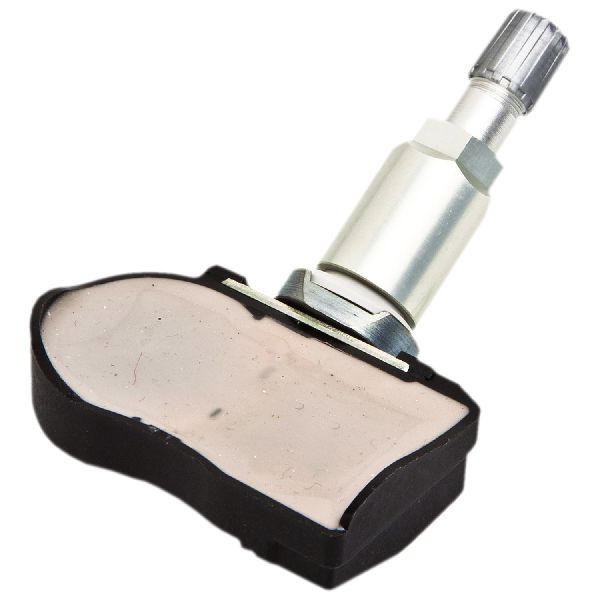
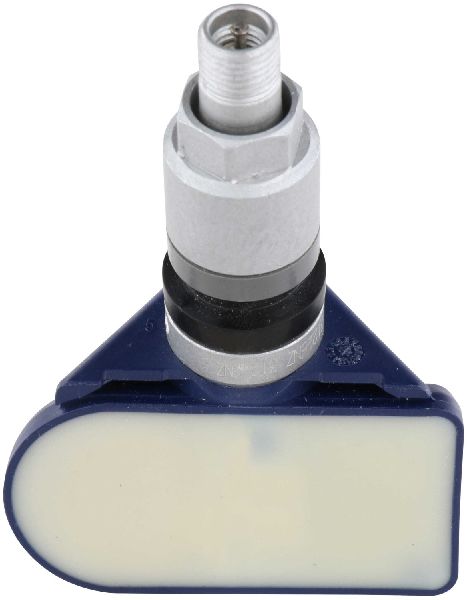
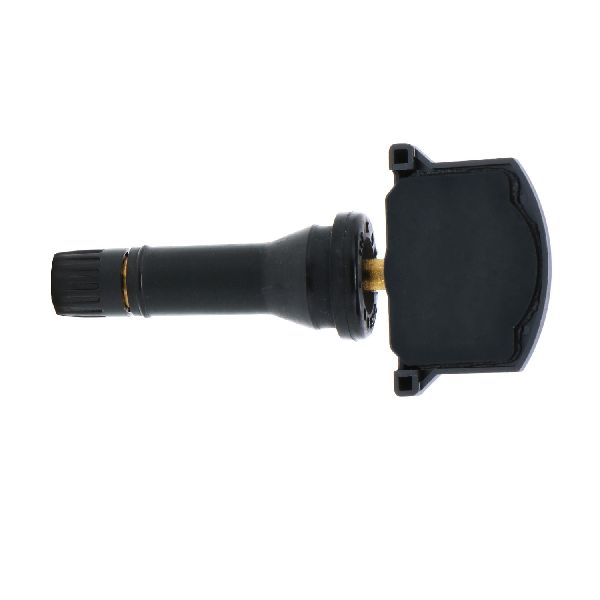
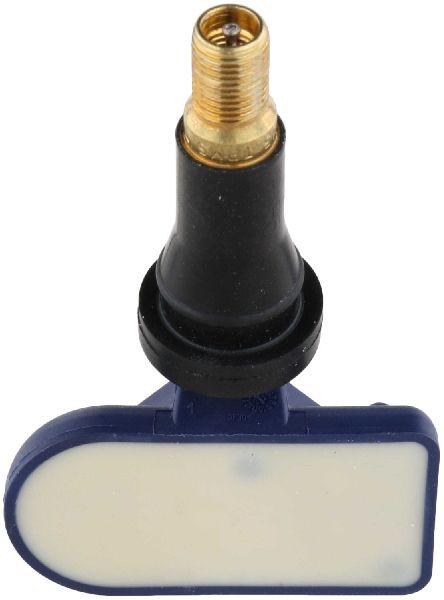
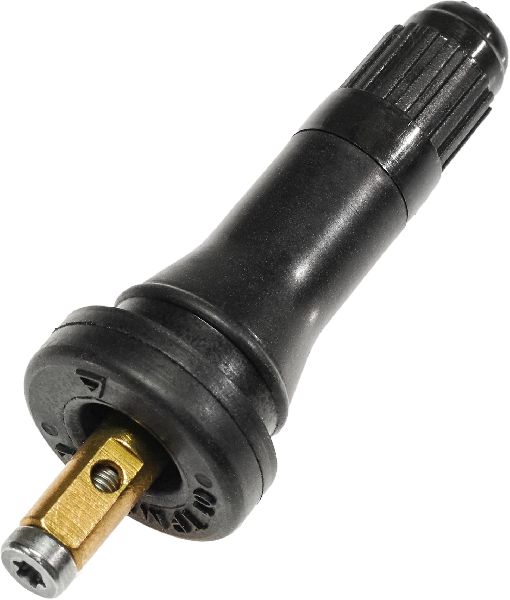
Aftermarket price range: $40-$80 - Tire Pressure Monitoring System (TPMS) Sensor — If C0760 appears alone without key fob issues, the sensor battery has likely expired.
Trusted brands: ACDelco, Schrader, Continental
OEM price range: $50-$80
Aftermarket price range: $25-$50
Related Codes That Often Appear With This One
- C0750 — This code is for the Left Front TPMS sensor. It often appears with C0760 when the RCDLR fails, as the module loses communication with multiple sensors at once.
- C0755 — This code is for the Right Front TPMS sensor. It often appears with C0760 when the RCDLR fails.
- C0765 — This code is for the Right Rear TPMS sensor. It often appears with C0760 when the RCDLR fails.
- B3055 / B3060 — These are vehicle security codes related to the key. They may appear with C0760 during a no-start condition, pointing to a wider issue involving the vehicle's security and remote function systems. [TSB #PIC5650M]
Technical Service Bulletins (TSBs) & Recalls
- 16-NA-396: Intermittent Operation of Key Fobs, Door Unlock Inoperative, “No Remote Detected” Message with Possible TPM MIL
- PIC5650M: No Start, Stall, Security Light with Various DTCs
Platform-Specific Known Issues
- TSB #16-NA-396 explicitly states that an internal fault in the Remote Control Door Lock Receiver can cause codes C0750, C0755, C0760, and C0765 to set, along with total failure of the key fobs. The fix is to replace the receiver module.
- TSB #PIC5650M notes that TPMS codes, including C0760, can be found in conjunction with security system codes (like B3055) during no-start or start/stall events, pointing to a complex interaction between the TPMS, remote functions, and immobilizer systems. [TSB #PIC5650M]
- TSB #16-NA-061 provides an alternative diagnosis, suggesting that identical symptoms can be caused by a disconnected coaxial antenna cable leading to the RCDLR, which should be checked before replacing the module.
- Owner Experience: RCDLR Failure: A user on ChevyEquinoxForums.com with a 2018 Equinox reported that all three key fobs suddenly stopped working, requiring the use of the physical key and placing the fob in the cupholder to start the car. Another user on the same forum with an older Equinox confirmed that replacing a bad RCDLR module restored both TPMS and keyless entry functionality, allowing them to program a new fob.
Hidden / Shadow Codes Worth Checking
- C0760 29: Symptom code :29 indicates 'Too Few Pulses'. This means the RCDLR is getting a signal from the sensor, but the data is incomplete. This often points to a weak sensor battery or an internal RCDLR fault, rather than a completely dead sensor. (see via GM GDS2 (Global Diagnostic System 2) or an equivalent professional-grade scan tool.)
- C0760 39: Symptom code :39 indicates 'Internal Malfunction' of the TPMS sensor itself. (see via GM GDS2 (Global Diagnostic System 2) or an equivalent professional-grade scan tool.)
Scan Tool Commands That Help
- GM GDS2 / Techline Connect (SPS2): Replace and Reprogram ECU — This function is required after physically installing a new RCDLR. It downloads the correct vehicle-specific software and calibrations to the new module via the online Service Programming System (SPS2).
- GM GDS2 / Techline Connect (SPS2): Immobilizer Learn — After programming the RCDLR, the immobilizer system must learn the new module. This often involves a timed security procedure (e.g., 10-minute or 30-minute wait) to sync the RCDLR with the Engine Control Module (ECM) and Body Control Module (BCM).
- GM GDS2: Remote Keyless Entry (RKE) / Fob Learn — Once the new RCDLR is programmed and learned by the vehicle's security system, this function is used to program the existing key fobs to the new module. The old fobs will not work until this is done.
Wiring & Ground Locations
- RCDLR Module — Typically located in the rear of the vehicle, behind the driver's side D-pillar trim panel in the cargo area for the second and third generation Equinox.. This is the central module that fails. Physical access is required for inspection of its antenna connection and for replacement.
- RCDLR Connector — This is the main electrical plug on the RCDLR module. A 26-pin connector is common.. Pin 1 is often Battery Positive Voltage (e.g., RD/WH wire), Pin 16 is Ground (e.g., L-BU/WH wire), and Pin 21 is for the Low Speed GMLAN Serial Data line (e.g., GY wire). Checking for power, ground, and data activity at these pins is a key diagnostic step.
- Engine/Chassis Grounds — Multiple key ground points exist. On the 3.6L V6, there are ground studs on the engine block and on the chassis wall behind components like the AC compressor.. A loose or corroded ground wire can cause a wide range of bizarre electrical issues, including no-start conditions and module communication failures that mimic a failed RCDLR.
Real Owner Repair Stories
- YouTube user comment/video description (2010 Chevrolet Equinox) — No-start condition, all dash lights go black when turning key to 'start' position. Vehicle had new (used) engine and transmission installed a month prior.
❌ Tried (didn't work) Replacing starter, charging battery, testing with different keys, applying direct power to starter fuse.
✅ What actually fixed it The mechanic who installed the engine had not fully tightened a main ground wire bolt located on the firewall behind the compressor. Tightening the loose ground wire resolved all the electrical no-start issues. - Chevrolet Forum user (Unknown year Chevrolet) — RCDLR went bad. Replaced the module and the TPMS system started working immediately, but the key fobs would not work.
❌ Tried (didn't work) Attempting manual key fob relearn procedures (e.g., turning key 8 times) did not work. The DIC menu option for relearning remotes was missing.
✅ What actually fixed it The issue highlights that after RCDLR replacement, a dealer-level scan tool (like GDS2) is required to perform the 'Immobilizer Learn' and 'Key Fob Learn' functions. Manual procedures are often insufficient for new modules.
OEM Part Supersession History
13595511→13540045— Standard part revision and consolidation by GM.
Heads up: Part number 13540045 also replaces older part numbers 13509518 and 13523281, indicating it covers a wide range of GM vehicles. Always requires dealer programming after installation.
Model Year Variations Within This Range
- 2018-2022 (Third Generation): The 2018 model year introduced a major redesign. While the RCDLR function is the same, the surrounding technology changed. The V6 engine was replaced with turbocharged 4-cylinder options, the interior adopted a new infotainment system, and features like an electronic parking brake and push-button start became more standard. The programming for a new RCDLR must be done with modern GM Techline Connect (SPS2) software, as older Tech2 tools are phased out for newer models.
Helpful Videos
We Have This Part in Stock

The information in this article is provided for general reference and educational purposes only. Vehicle specifications, procedures, and part compatibility can vary by production date, trim level, and region. Always consult your vehicle's factory service manual and verify part numbers before purchasing or performing repairs. Safety-critical components such as airbags, seat belts, and braking systems should be installed by a qualified professional.
- Chevrolet EQUINOX:
- 🧭 Diagnostic Flowchart
- 🎬 Helpful Videos
- 🛍️ Shop This Part
- What's Unique About the 2015-2022 Chevrolet EQUINOX
- Symptoms You May Notice
- Most Likely Causes
- Rare But Worth Checking
- Diagnosis Steps
- Parts You'll Likely Need
- Related Codes That Often Appear With This One
- Technical Service Bulletins (TSBs) & Recalls
- Platform-Specific Known Issues
- Hidden / Shadow Codes Worth Checking
- Scan Tool Commands That Help
- Wiring & Ground Locations
- Real Owner Repair Stories
- OEM Part Supersession History
- Model Year Variations Within This Range
- 🎟️ Get 5% Off