

C0760 on 2007-2014 Chevy Silverado 1500: Left Rear TPMS Fault Explained
Code C0760 on a 2007-2014 Silverado indicates a fault with the left rear Tire Pressure Monitoring System (TPMS) sensor. The most common cause is a dead sensor battery, requiring replacement of the sensor itself. If key fob issues are also present, the Remote Control Door Lock Receiver (RCDLR) module is the likely culprit, as it controls both systems.
- C0760 means there's a problem with the left rear TPMS sensor.
- The most likely cause is a dead sensor battery, a common issue for vehicles of this age.
- If your key fobs are also acting up, the problem is almost certainly the Remote Control Door Lock Receiver (RCDLR) module, not the sensor.
- Sensor replacement requires a tire machine and a TPMS relearn tool.
- RCDLR replacement requires programming by a dealer or equipped independent shop.
What's Unique About the 2007-2014 Chevrolet SILVERADO 1500
On this generation of Silverado (GMT900 and early K2XX), the TPMS sensors communicate with the Remote Control Door Lock Receiver (RCDLR), the same module that handles key fob inputs. This integration means a failing RCDLR can cause both TPMS warnings and key fob problems simultaneously, a common point of confusion for owners. The RCDLR module is typically located behind the driver's side rear interior trim panel, near the C-pillar. Several GM Technical Service Bulletins acknowledge that an internal RCDLR failure can trigger TPMS codes like C0760.
Diagnostic Flowchart
Tap your situation to follow the diagnostic path that matches what you're seeing on this vehicle.
Generation note: This range covers two Silverado 1500 generations: the GMT900 (2007-2013) and the first year of the K2XX (2014). The core TPMS design and the C0760 code's meaning are consistent across these years. The primary difference lies in the relearn procedure; 2007-2013 models often use the key fob method (holding lock/unlock) to enter learn mode, while 2014 models use the Driver Information Center (DIC) controls.
Symptoms You May Notice
- "Service Tire Monitor System" message on the Driver Information Center (DIC).
- The TPMS warning light (an icon of a tire cross-section with an exclamation mark) illuminates on the dash. It may flash for one minute and then stay on solid, indicating a system fault rather than low pressure.
- The pressure reading for the left rear tire shows as dashes (--) on the DIC.
- In some cases, intermittent or non-functional key fobs (if the RCDLR module is the root cause). Owners often report a significantly reduced remote range before total failure.
- Replacing the TPMS sensor when the RCDLR module is actually the faulty component. If key fobs are also malfunctioning, diagnose the RCDLR first.
- Replacing a single TPMS sensor when all four are of the same advanced age. The others are likely to fail soon, leading to repeat repairs.
Most Likely Causes
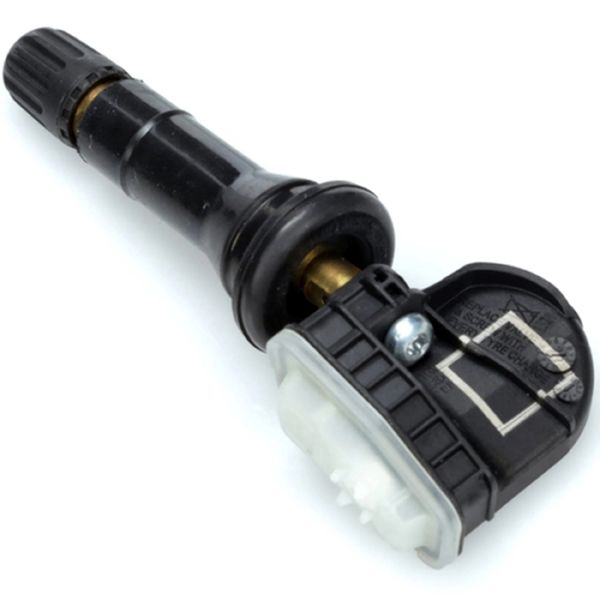
- Dead TPMS Sensor Battery 🔴 High Probability → Shop Tire Pressure Monitoring System (TPMS) Sensor TPMS sensors use internal, non-replaceable batteries that have a finite lifespan, typically 7-10 years. Vehicles in this year range are reaching the end of their original sensors' life, making this the most common cause by far.
How to confirm: Use a TPMS diagnostic tool to attempt to read the sensor. If the tool cannot get a reading or shows a low battery status, the sensor is bad. A professional scan tool can also read a history of 'Too Few Pulses' from the RCDLR, indicating a failing sensor.
Typical fix: Replace the left rear TPMS sensor and perform the TPMS relearn procedure. This requires dismounting the tire or at least breaking the bead. Many owners choose to replace all four sensors at once if they are original, as the others are likely to fail soon.
Est. part cost: $25-$75 - Faulty Remote Control Door Lock Receiver (RCDLR) 🟡 Medium Probability → Shop Keyless Entry Receiver GM has issued TSBs (e.g., 16-NA-396) for various models, including trucks, where an internal RCDLR failure causes TPMS codes and key fob issues. Forum discussions among GMT900 owners confirm this is a known failure point.
How to confirm: If you have C0760 along with other TPMS codes (C0750, C0755, C0765) and your key fobs are also not working, the RCDLR is the primary suspect. A scan tool may also show communication DTCs with the RCDLR or a specific symptom byte like ':29' (Too Few Pulses).
Typical fix: Replace the RCDLR module, which is located behind the driver's side rear cab trim panel. This part must be programmed by a dealer or a properly equipped independent shop using GM's Service Programming System (SPS).
Est. part cost: $80-$150 - Damaged TPMS Sensor ⚪ Low Probability → Shop Tire Pressure Monitoring System (TPMS) Sensor Sensors can be damaged during tire changes, by hitting a pothole, or from corrosion on the valve stem. This is more likely if the issue appeared immediately after a tire service.
How to confirm: A visual inspection after dismounting the tire may reveal physical damage. A TPMS tool will fail to get a signal from the sensor.
Typical fix: Replace the damaged TPMS sensor and perform the relearn procedure.
Est. part cost: $25-$75
Rare But Worth Checking
- Radio Frequency Interference (RFI): Aftermarket electronic devices like phone chargers, dash cams, or LED lighting can sometimes interfere with the low-power 315MHz signal from the TPMS sensors, preventing the RCDLR from receiving it. TSB PIC5650M notes this can cause various codes, including C0760. Metallic window tint is another known source of RFI that can disrupt TPMS and key fob signals.
- Corroded Wiring / Connectors: Though less common, water intrusion into body connectors can cause a wide range of electrical issues. TSB 19-NA-243 describes water leaks past body plugs in the 'A' pillar causing corrosion in door harness connectors, which can lead to various module communication problems. While not directly citing the RCDLR, it highlights a potential cause for electrical gremlins. A broken power wire to the RCDLR will also cause a loss of function.
Diagnosis Steps
- Check the tire pressure in all four tires manually with a reliable gauge to rule out an actual low-pressure situation.
- Use a TPMS diagnostic tool to attempt to activate and read the left rear sensor. This will confirm if the sensor is transmitting a signal and check its battery status. If the tool can't read the sensor, it has likely failed.
- Test the other three sensors. If all four sensors fail to respond, the issue is more likely with the RCDLR or the diagnostic tool itself.
- Check key fob functionality. If the key fobs are also intermittent or dead, the RCDLR module becomes the primary suspect.
- If the sensor transmits but the vehicle won't learn it, or if multiple TPMS codes are present along with key fob issues, suspect the RCDLR module.
- Scan the BCM and RCDLR for other related trouble codes. Communication codes (U-codes) or security codes (B-codes) would point toward a module or wiring issue. Look for specific symptom bytes like C0760 00 or C0760 08 for more detail.
- Inspect the RCDLR module and its connector for any signs of corrosion or damage. It is located behind the driver's side rear cab trim panel. Also check the DSM 10-amp fuse that powers the module.
- If replacing a sensor, perform the TPMS relearn procedure as specified for your model year (key fob method for 2007-2013, DIC method for 2014).
Parts You'll Likely Need
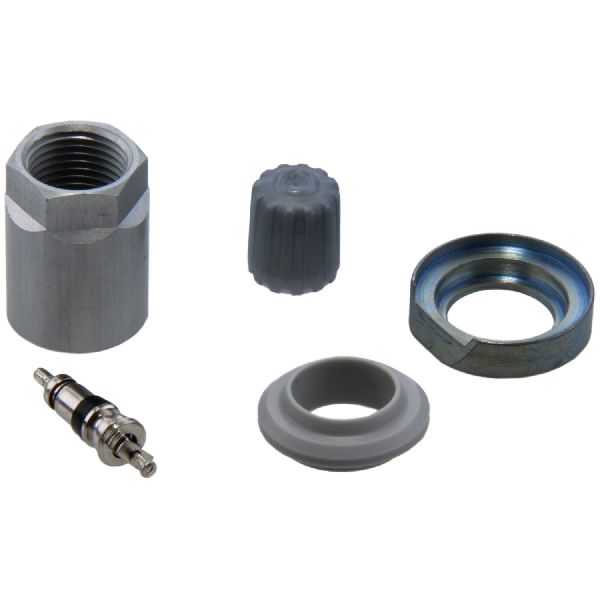
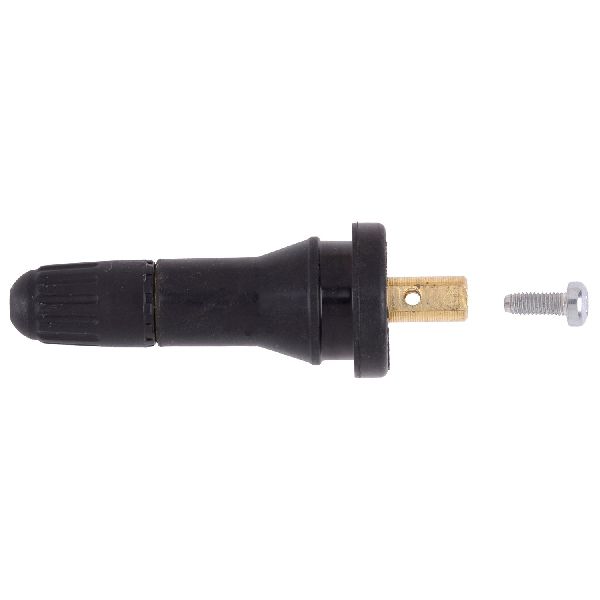
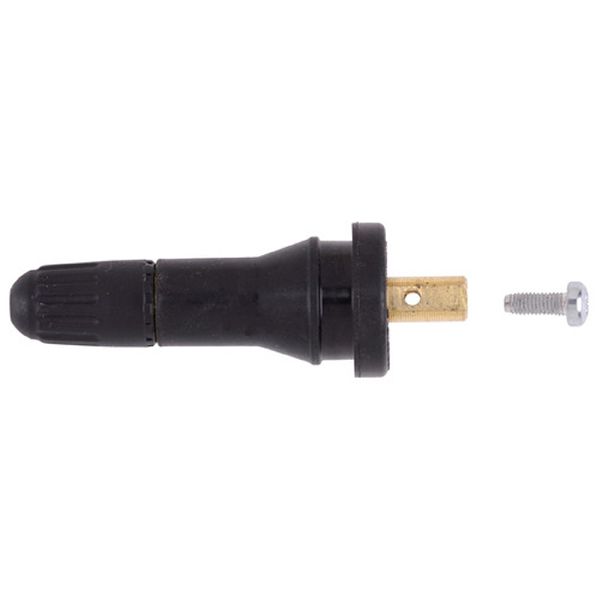
- Tire Pressure Monitoring System (TPMS) Sensor
(OEM #13586335)— This is the most common failure point. The internal battery dies, requiring the replacement of the entire sensor unit. This part number is widely used across many GM vehicles. It may be superseded by newer numbers like 13598771 or 13540600.
Trusted brands: ACDelco, Schrader, Standard Motor Products, Duralast
OEM price range: $40-$60
Aftermarket price range: $25-$45 - Remote Control Door Lock Receiver (RCDLR)
(OEM #22888773)— This module is the receiver for both the TPMS sensors and key fobs. An internal failure can cause TPMS codes and is a known issue on this platform. Part number may vary by specific year and options.
Trusted brands: ACDelco
OEM price range: $80-$150
Aftermarket price range: $60-$120
Related Codes That Often Appear With This One
- C0750, C0755, C0765 — These are the codes for the other three wheels (Left Front, Right Front, Right Rear). If they appear together, it strongly suggests a central problem with the receiver (RCDLR) or a systemic issue like RFI, rather than four individual sensor failures.
- B3055, B3060 — As noted in TSB PIC5650M, these security and key-related codes can appear alongside TPMS codes, pointing to a broader issue with the vehicle's security or receiver modules, or significant RFI.
Technical Service Bulletins (TSBs) & Recalls
- PIC5650M: Mentions that C0760 can appear with security codes (B3055, B3060) during no-start conditions, sometimes due to Radio Frequency Interference from aftermarket electronics.
- 16-NA-396: Links multiple TPMS codes (including C0750, C0755, C0760, C0765) and intermittent key fob operation to an internal failure of the Remote Control Door Lock Receiver (RCDLR), recommending its replacement.
- 19-NA-243: Details issues with water leaking past A-pillar body plugs, causing corrosion in major electrical connectors. While not specific to C0760, it's a relevant bulletin for diagnosing complex electrical faults on this platform.
Platform-Specific Known Issues
- RCDLR Module Location: On Silverado/Sierra crew cabs, the RCDLR is located high on the driver's side C-pillar, behind the plastic trim between the rear door and the back glass. Access requires careful removal of the door sill plate, weatherstripping, and the upper trim panel.
Hidden / Shadow Codes Worth Checking
- C0760 :29: Symptom code for 'Too Few Pulses'. This means the RCDLR is getting an incomplete or corrupt signal from the sensor. It points toward a weak sensor battery, significant RFI, or a fault in the RCDLR's receiver circuitry, rather than a completely dead sensor. (see via GM GDS2 (Global Diagnostic System 2) or equivalent professional scan tool.)
- C0760 00: Indicates a general sensor failure, such as not transmitting for 18 minutes or having a low battery condition. (see via A professional scan tool like the GM Tech 2 or GDS2 that can read symptom bytes.)
- C0760 08: Indicates the RCDLR is receiving an invalid signal from the sensor. (see via A professional scan tool like the GM Tech 2 or GDS2.)
Scan Tool Commands That Help
- GM Tech 2 / GDS2: RCDLR Data Display — To diagnose the system by viewing live data from the RCDLR, including individual sensor IDs, pressures, and the 'Pressure Sensor Mode' to see if sensors are transitioning from park to drive mode correctly.
- GM Tech 2 / GDS2: TPMS Learn Mode — To command the RCDLR to enter learn mode after replacing a sensor. This is an alternative to the DIC or key fob methods and is required for programming.
- GM Tech 2 / GDS2: RCDLR Module Programming — When replacing the RCDLR module, the new unit must be programmed to the vehicle. This is done via a pass-thru method with GM's Service Programming System (SPS), often selecting 'Replace and Reprogram ECU'.
Wiring & Ground Locations
- DSM Fuse — In the instrument panel fuse block (inside the cab). On a 2011 model, it was identified as a 10-amp fuse at position 25.. This fuse provides power to the Remote Control Door Lock Receiver (RCDLR). If this fuse is blown or has no power, the RCDLR will be offline, causing TPMS and key fob failure.
- G303 — On the left side B-pillar, behind the trim panel.. Service manuals for similar GMT900 platforms indicate this ground point serves the RCDLR. A loose or corroded ground at G303 can cause intermittent or total failure of the RCDLR, mimicking a failed module.
- RCDLR Antenna Coax — A coaxial cable running from the RCDLR module to an antenna, which may be integrated into the rear glass.. A disconnected or damaged antenna cable can severely reduce the reception range for both TPMS sensors and key fobs, causing codes like C0760. TSB 16-NA-061 suggests checking this connection before replacing the RCDLR.
Real Owner Repair Stories
- YouTube channel 'Wires 2 Wrenches' (2008 Chevrolet Silverado) — No start, erratic DIC behavior, TPMS error message, and non-functional key fobs.
❌ Tried (didn't work) Initially suspected wiring issues in the door sill plates.
✅ What actually fixed it The root cause was water leaking from the third brake light, which dripped onto and shorted out the RCDLR module located in the passenger side rear corner. After drying and cleaning the module (and sealing the leak), all functions were restored. The owner noted the RCDLR was in the passenger corner, which differs from the more common driver-side location.
OEM Part Supersession History
13586335→13598771, 13540600— Standard part evolution for improved reliability or manufacturing changes.
Heads up: The OEM part number 13586335 is widely cited and has been replaced by several newer numbers. When purchasing, it's crucial to verify fitment with the vehicle's VIN, but 13598771 and 13540600 are common successors.22888773→23439299, 84543335— Part updates and consolidation across GM platforms.
Heads up: The RCDLR part number is highly specific to the vehicle's year and options. While 22888773 is common for the GMT900 era, it has been superseded. Always confirm the correct part number with a dealer using the VIN before ordering to ensure compatibility for programming.
Model Year Variations Within This Range
- 2007-2013 (GMT900): These models typically initiate the TPMS relearn mode by pressing and holding the lock and unlock buttons on the key fob for several seconds until the horn chirps.
- 2014 (K2XX): The 2014 model, being the first year of a new generation, uses the Driver Information Center (DIC) menu controls to put the vehicle into TPMS relearn mode, not the key fob.
Helpful Videos

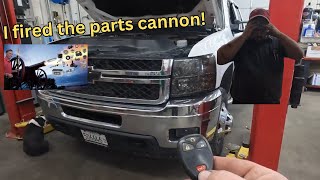
We Have This Part in Stock


The information in this article is provided for general reference and educational purposes only. Vehicle specifications, procedures, and part compatibility can vary by production date, trim level, and region. Always consult your vehicle's factory service manual and verify part numbers before purchasing or performing repairs. Safety-critical components such as airbags, seat belts, and braking systems should be installed by a qualified professional.
- Chevrolet SILVERADO 1500:
- 🧭 Diagnostic Flowchart
- 🎬 Helpful Videos
- 🛍️ Shop This Part
- What's Unique About the 2007-2014 Chevrolet SILVERADO 1500
- Symptoms You May Notice
- Most Likely Causes
- Rare But Worth Checking
- Diagnosis Steps
- Parts You'll Likely Need
- Related Codes That Often Appear With This One
- Technical Service Bulletins (TSBs) & Recalls
- Platform-Specific Known Issues
- Hidden / Shadow Codes Worth Checking
- Scan Tool Commands That Help
- Wiring & Ground Locations
- Real Owner Repair Stories
- OEM Part Supersession History
- Model Year Variations Within This Range
- 🎟️ Get 5% Off