

C0760 on 2007-2014 Chevrolet Tahoe: Left Rear TPMS Fault Causes and Fixes
Code C0760 on a 2007-2014 Tahoe means the system isn't receiving a signal from the left rear Tire Pressure Monitoring System (TPMS) sensor. The most common cause is a dead battery in the sensor, which has a lifespan of about 7-10 years. Replacing the sensor and performing a relearn procedure is the typical fix. In some cases, radio frequency interference from aftermarket electronics can also trigger this code.
- C0760 specifically points to a problem with the left rear TPMS sensor, not the suspension.
- The most probable cause is a dead battery in the sensor, which is an expected failure on a vehicle of this age.
- Before buying parts, unplug all aftermarket phone chargers and electronics to rule out Radio Frequency Interference (RFI), a known issue on these trucks.
- If you replace the sensor yourself, you will need a basic TPMS relearn tool to program the new sensor to the truck.
What's Unique About the 2007-2014 Chevrolet TAHOE
On this generation of Tahoe and its GMT900 platform mates, the TPMS, keyless entry, and anti-theft immobilizer systems all communicate using the 315 MHz radio frequency. A unique and confusing issue, documented extensively in GM Technical Service Bulletin PIC5650M, is that low-quality aftermarket electronic devices (like phone chargers, dash cams, or LED lights) can emit excessive radio frequency interference (RFI) that jams the signals for all these systems simultaneously. This can lead to a C0760 code appearing alongside key fob problems ("No Fob Detected") and even no-start conditions, making owners suspect a major electrical failure when the root cause is often just a noisy USB charger plugged into a 12V outlet.
Diagnostic Flowchart
Tap your situation to follow the diagnostic path that matches what you're seeing on this vehicle.
Symptoms You May Notice
- "SERVICE TIRE MONITOR" or "SERVICE TIRE PRESSURE SYSTEM" message on the Driver Information Center (DIC).
- The TPMS warning light (a tire cross-section with an exclamation mark) is illuminated on the instrument cluster.
- The tire pressure reading for the left rear tire shows as "--" on the DIC.
- In cases of severe radio frequency interference, may be accompanied by "No Fob Detected" messages, poor key fob range, or a no-start condition with a security light.
- Replacing the Body Control Module (BCM) when the issue is a single dead sensor or RFI.
- Assuming a major electrical fault due to the presence of security codes, without first checking for simple radio frequency interference as suggested by TSB PIC5650M.
- Replacing a TPMS sensor for a slow leak when only the inexpensive valve stem service kit is corroded and needs replacement.
Most Likely Causes
- Failed TPMS Sensor (Dead Battery) 🔴 High Probability → Shop Tire Pressure Monitoring System (TPMS) Sensor The non-serviceable lithium-ion batteries inside the original sensors have a typical lifespan of 7-10 years. For the 2007-2014 model years, these sensors are now well beyond their expected service life, making battery failure the most common cause.
How to confirm: Use a TPMS diagnostic tool to attempt to activate the sensor. If the tool cannot get a reading (ID, pressure, temperature) from the left rear sensor but can from the others, the sensor has failed. Many forum users confirm this is the primary failure mode.
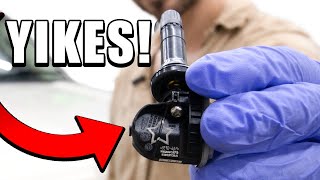
Typical fix: Replace the left rear TPMS sensor. It is often recommended to replace all four sensors at the same time, as the others are likely near the end of their service life as well. A TPMS relearn procedure must be performed after replacement. DIY replacement is possible by breaking the tire bead. 🎬 Watch this video to see how to replace the sensor yourself.
Est. part cost: $25-$75 per sensor - Radio Frequency Interference (RFI) 🟡 Medium Probability As documented in TSB PIC5650M, these vehicles are sensitive to RFI from aftermarket devices plugged into the 12V outlets (USB chargers, dash cams, etc.) or aftermarket LED lighting which can jam the 315 MHz frequency.
How to confirm: Unplug ALL aftermarket electronic devices from the vehicle's power outlets, including phone chargers, dash cams, and any non-factory lighting. Remove any new electronic key fobs or access cards from the vehicle. Clear the codes and drive the vehicle to see if the fault disappears.
Typical fix: Identify and remove the source of the interference. Use high-quality, shielded electronic accessories that comply with FCC regulations to prevent recurrence.
Est. part cost: $0 - Faulty Remote Control Door Lock Receiver (RCDLR) ⚪ Low Probability → Shop Keyless Entry Receiver The RCDLR is the single receiver for both the TPMS sensors and the key fobs. A failure in this module can disrupt communication. TSB 16-NA-061 also notes that a disconnected coax cable to the RCDLR can cause these symptoms.
How to confirm: This is typically diagnosed when multiple TPMS sensor codes (e.g., C0750, C0755, C0760, C0765) are present simultaneously, and often accompanied by poor or no key fob functionality. A scan tool may show a loss of communication with the RCDLR. In one documented case, the RCDLR itself was functional but had lost its memory, requiring reprogramming with a bidirectional scan tool to fix the issue.
Typical fix: First, inspect the coax antenna connection at the RCDLR. If the connection is secure, the module may need to be replaced and programmed by a dealer or a well-equipped independent shop.
Est. part cost: $80-$200
Rare But Worth Checking
- Damaged Sensor from Tire Service: If the TPMS light appeared immediately after getting new tires, the sensor may have been physically broken by the tire machine during the mounting/dismounting process.
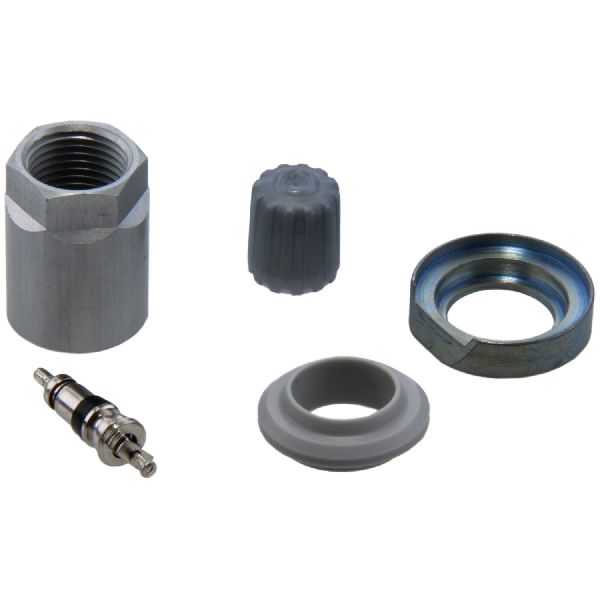
- Corroded Valve Stem / Service Kit Failure: The valve stem assembly, which holds the sensor, can corrode over time, especially in regions that use road salt. This can cause a slow air leak that triggers a low-pressure warning, which may be confused with a sensor fault. It's recommended to replace the TPMS service kits (valve stem, core, nut, seals) whenever tires are replaced.
- Corroded or Blown Fuse: The BCM and RCDLR are protected by fuses. While uncommon, a blown fuse can disable the system. Check the fuses labeled for BCM, RDO, or INFO in the fuse panels.
Diagnosis Steps
- Check for Aftermarket Devices: Before any other steps, unplug all aftermarket 12V chargers, dash cams, phone mounts, and remove any aftermarket LED bulbs. These are a known cause of RFI on GMT900 trucks. Clear the codes and drive to see if the C0760 code returns.
- Read All Codes: Use a scan tool to confirm C0760 is the only code. If other TPMS codes or BCM/RCDLR communication codes are present, the diagnostic path may change toward a central issue like the RCDLR or RFI.
- Attempt Sensor Activation: Use a TPMS tool at the left rear wheel to try and read the sensor's data (ID, pressure, temp). If it fails to respond, but the other three sensors respond correctly, the sensor itself has failed due to a dead battery.
- Perform Relearn Procedure: If you suspect sensor locations are mixed up, initiate the TPMS learn mode. For most 2007-2014 models, this can be done by turning the key to 'ON' (engine off) and holding the lock and unlock buttons on the key fob until the horn chirps. Some models may require using the Driver Information Center (DIC) buttons to find the relearn option.
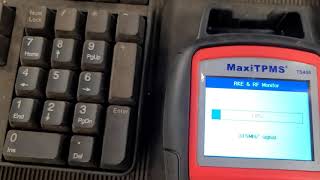
- Activate Sensors in Sequence: Using a TPMS activation tool (a simple, low-cost one is sufficient), activate the sensors in sequence: Left Front, Right Front, Right Rear, and finally Left Rear. The horn will chirp for each successful activation. A double chirp at the end confirms the process is complete. If you don't have a tool, you can rapidly decrease/increase air pressure at each tire in sequence to trigger the sensor, though this is less reliable and requires re-inflating the tires. 🎬 See a demonstration of the TPMS sensor relearn procedure.
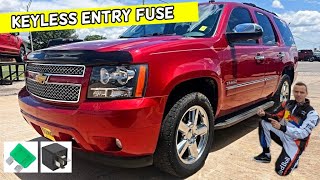
- Check Fuses: If no sensors respond or if you have communication codes, check the relevant fuses for the BCM and RCDLR in the interior and under-hood fuse boxes. 🎬 Watch this guide to locate the keyless entry and TPMS fuses.
- Inspect RCDLR: If all sensors fail to learn and fuses are good, the RCDLR module is the next component to inspect. Check for a secure connection of its coaxial antenna cable, as a loose connection can cause these exact symptoms per TSB 16-NA-061. If connections are good, the module itself may have failed or lost its programming.
Parts You'll Likely Need
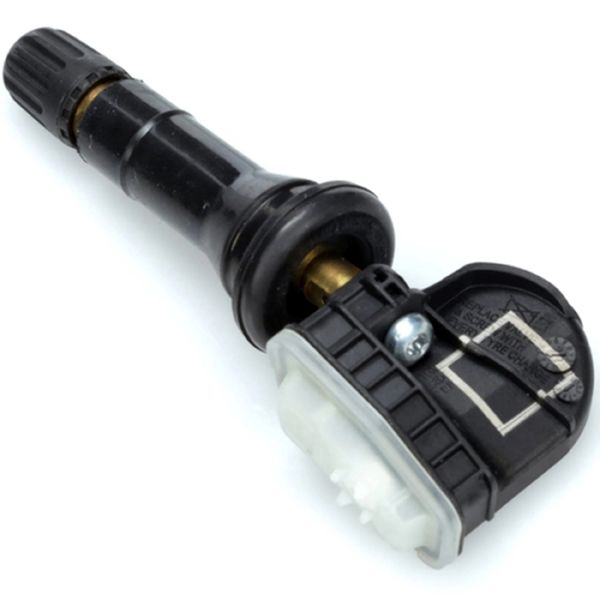
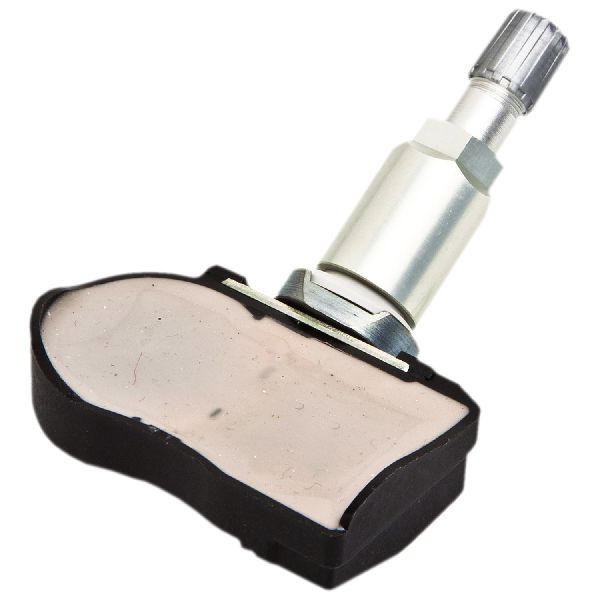
- Tire Pressure Monitoring System (TPMS) Sensor
(OEM #13598772 (supercedes 13586335, 13516164, 22853741))— This is the most common failure point. The internal battery dies, requiring the replacement of the entire sensor unit. The part number has been updated several times; 13598772 is a common current replacement.
Trusted brands: ACDelco (OEM), Schrader (often the OE supplier), Dorman, Continental
OEM price range: $40-$70
Aftermarket price range: $20-$45 - TPMS Relearn Tool
(OEM #EL-50448 (GM Tool))— Required to make the vehicle's computer recognize the new sensor ID after replacement. This is essential for a DIY repair and much more reliable than the air-down method.
Trusted brands: VXDAS (common low-cost EL-50448 clone), ATEQ, Autel
OEM price range: $60-$80
Aftermarket price range: $10-$50
Related Codes That Often Appear With This One
- C0750 — Fault in the Left Front TPMS sensor. If seen with C0760, it could indicate multiple sensors failing from age or a central receiver (RCDLR) issue.
- C0755 — Fault in the Right Front TPMS sensor. Seeing multiple TPMS codes together points towards a systemic issue like RFI or a bad RCDLR.
- C0765 — Fault in the Right Rear TPMS sensor. Often seen with other TPMS codes when batteries are failing around the same time.
- B3055 / B3060 — These are key-related security codes. Per TSB PIC5650M, they can be triggered by the same Radio Frequency Interference (RFI) that causes TPMS code C0760.
Technical Service Bulletins (TSBs) & Recalls
- PIC5650M: Details intermittent no-start, security light, and TPMS issues (including C0760) potentially caused by radio frequency interference from aftermarket devices like USB chargers and LED lights.
- 16-NA-061: Addresses symptoms including dashes for tire pressures and multiple TPMS codes caused by a poor or disconnected antenna coax cable for the RCDLR.
Platform-Specific Known Issues
- Radio Frequency Interference (RFI) Sensitivity: The GMT900 platform is notoriously sensitive to RFI from aftermarket electronics, which can cause TPMS, keyless entry, and security system faults simultaneously, as outlined in TSB PIC5650M. Before any repairs, unplugging all 12V accessories is the first diagnostic step.
- RCDLR Memory Loss: A rare but documented issue involves the Remote Control Door Lock Receiver (RCDLR) losing its configuration memory. In this state, it will successfully learn the TPMS sensor positions, but 'forget' them as soon as the ignition is cycled. The fix is not to replace the module, but to reprogram it with a bidirectional scan tool, rewriting parameters like tire type and placard pressure.
Scan Tool Commands That Help
- Tech2/GDS2: RCDLR Module Setup — This function is required after replacing the Remote Control Door Lock Receiver (RCDLR) to program the new module to the vehicle's VIN and configure its options. Failure to do so will result in the new module not communicating with the TPMS sensors or key fobs.
- Tech2/GDS2: TPMS Data Display — Use this to view live data from each TPMS sensor, including sensor ID, pressure, temperature, and battery status. This is the definitive way to confirm if a specific sensor is transmitting data to the RCDLR, which helps differentiate a bad sensor from a receiver problem.
- Tech2/GDS2: Tire Type/Pressure Selection — This function allows the technician to set the vehicle's placard tire pressure values within the BCM/RCDLR. While not a direct fix for C0760, it's a necessary step if the module has been replaced or reprogrammed to ensure the system warns at the correct low-pressure threshold.
Wiring & Ground Locations
- RCDLR (Remote Control Door Lock Receiver) — Located in the upper driver's side D-Pillar. Access requires opening the rear hatch and removing the upper and side trim panels.. This module is the central receiver for all TPMS sensor signals. A loose coaxial antenna connection at this module, a bad module, or a loss of power/ground to it will prevent it from receiving the signal from the left rear sensor, directly causing code C0760.
- DSM Fuse — In the fuse block on the left (driver's) side of the instrument panel/dashboard.. This fuse often powers the RCDLR. In cases where both TPMS and key fobs stop working, pulling this fuse for a few seconds and reinstalling it can sometimes reset a 'sleeping' RCDLR module, temporarily restoring function and confirming the module itself is the issue.
- G303 / G304 — G303 is located at the base of the left 'B' pillar, and G304 is at the base of the right 'B' pillar.. These are major cabin ground points. While not directly tied to the RCDLR in all diagrams, poor grounding in the cabin can cause a host of intermittent electronic issues, including problems with control modules like the RCDLR or BCM.
Real Owner Repair Stories
- Tahoe Yukon Forum (2007 Chevrolet Tahoe) — Keyless entry and TPMS system both stopped working simultaneously. DIC displayed "Service TPMS". Attempting to relearn the remote key in the DIC would not work.
❌ Tried (didn't work) Replacing key fob batteries., Trying spare key fobs.
✅ What actually fixed it The owner found a TSB advising to pull the fuse for the RCDLR. They located the fuse labeled "DSM" in the instrument panel fuse block, removed it for a few seconds, and reinstalled it. This action 'woke up' the sleeping module and immediately restored function to both the key fobs and the TPMS system. - Tahoe Yukon Forum (2007 Yukon XL Denali) — Multiple TPMS codes, inability to complete the TPMS relearn procedure (would fail on the first sensor).
❌ Tried (didn't work) Attempting to diagnose with multiple scanners which did not point to a single sensor., Initially suspected a faulty RCDLR module.
✅ What actually fixed it The actual cause was a single failed wheel sensor (right rear). Even though the relearn process was failing at the front left wheel, replacing the known bad sensor at the right rear allowed the entire relearn procedure to complete successfully. This highlights that a single bad sensor can sometimes disrupt the entire system's relearn process.
OEM Part Supersession History
13586335→13598772, 13516164, 22853741, 13540600, and others.— Standard part evolution for improved reliability, manufacturing changes, or consolidation of part numbers.
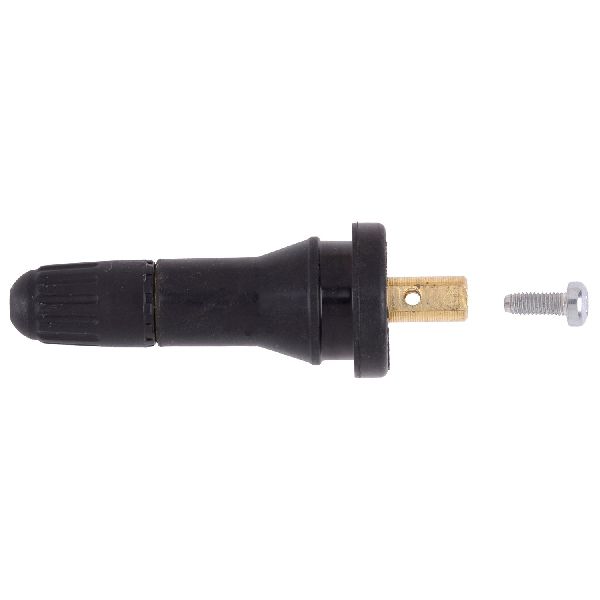
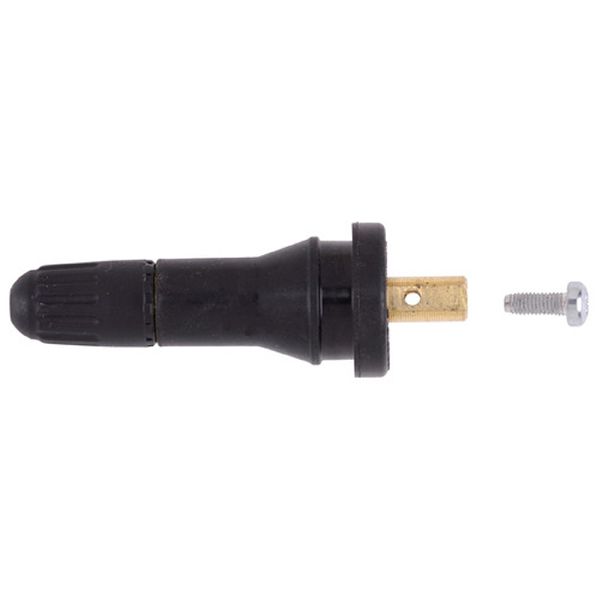
Heads up: While many part numbers are interchangeable, there can be differences in valve stem design (metal clamp-in vs. rubber snap-in). A 2007 model may have metal stems, while a later model wheel might use rubber stems. The electronic sensor body itself is often compatible, but the mounting style must match the wheel.
Model Year Variations Within This Range
- 2007-2014: The method to initiate the TPMS relearn mode can vary by trim level. Base trims (LS, PPV) often require holding the lock/unlock buttons on the key fob. Higher trims (LT, LTZ) typically use the Driver Information Center (DIC) buttons to navigate to a vehicle settings menu to start the relearn process.
- Early (e.g., 2007) vs. Late (e.g., 2014): Original sensors on early models often used a metal, clamp-in style valve stem. Later in the generation, rubber snap-in style stems became more common. While the sensors may be electronically compatible, the physical mounting method must be considered when swapping wheels or replacing sensors.
Helpful Videos
We Have This Part in Stock


The information in this article is provided for general reference and educational purposes only. Vehicle specifications, procedures, and part compatibility can vary by production date, trim level, and region. Always consult your vehicle's factory service manual and verify part numbers before purchasing or performing repairs. Safety-critical components such as airbags, seat belts, and braking systems should be installed by a qualified professional.
- Chevrolet TAHOE:
- 🧭 Diagnostic Flowchart
- 🎬 Helpful Videos
- 🛍️ Shop This Part
- What's Unique About the 2007-2014 Chevrolet TAHOE
- Symptoms You May Notice
- Most Likely Causes
- Rare But Worth Checking
- Diagnosis Steps
- Parts You'll Likely Need
- Related Codes That Often Appear With This One
- Technical Service Bulletins (TSBs) & Recalls
- Platform-Specific Known Issues
- Scan Tool Commands That Help
- Wiring & Ground Locations
- Real Owner Repair Stories
- OEM Part Supersession History
- Model Year Variations Within This Range
- 🎟️ Get 5% Off