

C0760 on 2009-2016 Chevrolet Traverse: Left Rear TPMS Fault Causes and Fixes
Code C0760 on a 2009-2016 Traverse means there's a fault with the left rear Tire Pressure Monitoring System (TPMS) sensor. The most common fix is replacing the sensor itself because its internal battery has died after 7-10 years. Expect to pay $40-$80 for an aftermarket sensor and $70-$150 for an OEM one, plus labor for tire dismounting and balancing. If key fobs are also failing, the shared Remote Control Door Lock Receiver (RCDLR) is the likely culprit.
- C0760 points to a problem with the left rear TPMS sensor.
- The most likely cause is a dead battery in the sensor, which is a common maintenance item on vehicles of this age.
- If your key fobs are also acting up, the problem is more likely the Remote Control Door Lock Receiver (RCDLR) module, not the sensor.
- A TPMS relearn procedure is required after replacing a sensor.
- Do not ignore this warning, as proper tire pressure is critical for safety, fuel economy, and tire life.
What's Unique About the 2009-2016 Chevrolet TRAVERSE
On these GM Lambda platforms (including the Buick Enclave, GMC Acadia, and Saturn Outlook), the Tire Pressure Monitoring System (TPMS) is integrated with the Remote Control Door Lock Receiver (RCDLR), the same module that handles your key fobs. This means a failing RCDLR can cause both TPMS codes like C0760 and intermittent key fob problems simultaneously. Furthermore, a known TSB (PIC5650 series) links this TPMS code to rare but confusing no-start or stalling issues, which can be caused by radio frequency interference affecting multiple vehicle systems that use the RCDLR.
Diagnostic Flowchart
Tap your situation to follow the diagnostic path that matches what you're seeing on this vehicle.
Symptoms You May Notice
- "Service Tire Monitor System" message on the Driver Information Center (DIC).
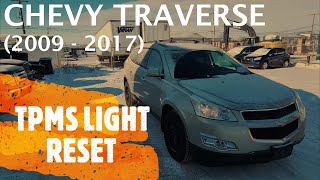
- The TPMS warning light on the instrument cluster is illuminated or flashing. A flashing light for the first minute after startup, followed by a solid light, specifically indicates a system fault rather than just low pressure. 🎬 See this quick guide on clearing the TPMS warning light.
- The pressure reading for the left rear tire shows dashes (--) on the DIC.
- In rare cases, may be present alongside a no-start or stalling condition with the security light on, as noted in TSB PIC5650M.
- Poor or no response from key fobs, as the RCDLR module is shared between the TPMS and keyless entry systems.
- Replacing the Body Control Module (BCM) when the issue is with the RCDLR. While the BCM communicates with the RCDLR, the RCDLR is the direct receiver for the RF signal and the more common failure point for these specific symptoms.
- Assuming the tire is fine because it looks inflated. The TPMS system is designed to detect pressure loss before it's easily visible.
- Replacing only one TPMS sensor on an older vehicle. Given the 7-10 year battery life, if one sensor has failed due to age, the others are likely to fail soon. Many owners and shops recommend replacing all four at once to save on future labor costs.
Most Likely Causes
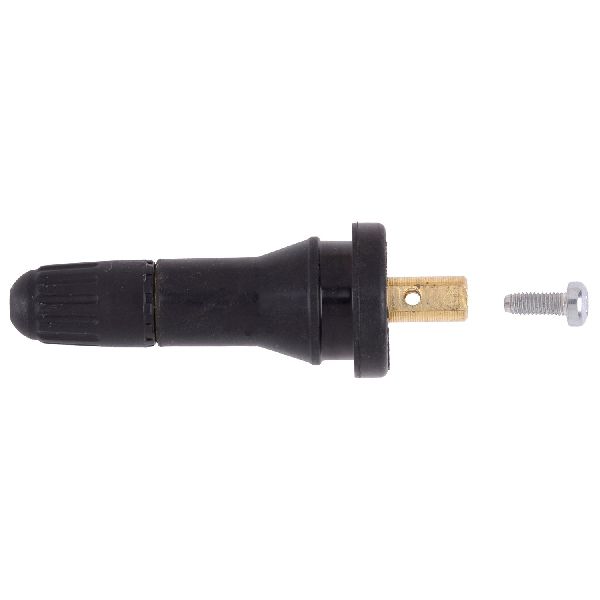
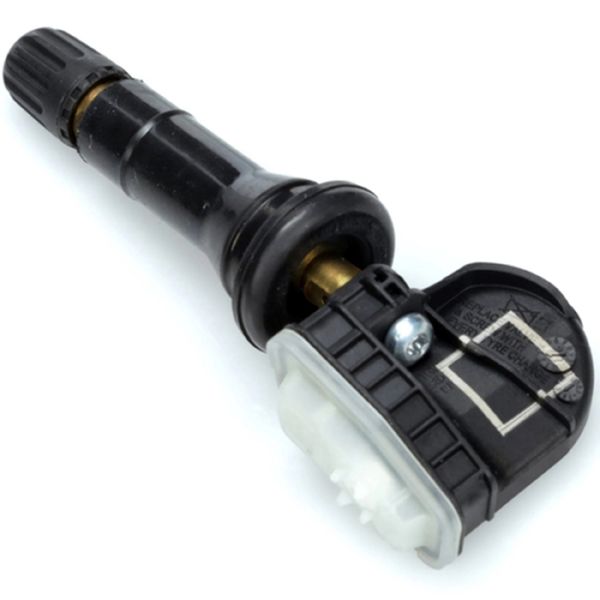
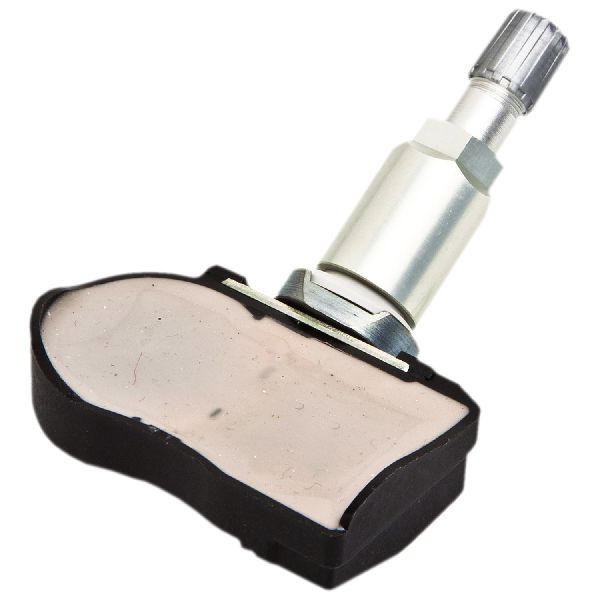
- Failed or Dead TPMS Sensor 🔴 High Probability → Shop Tire Pressure Monitoring System (TPMS) Sensor TPMS sensors use internal, non-replaceable batteries that have a finite lifespan, typically 7-10 years. Vehicles in this 2009-2016 year range are at or beyond the end of that expected battery life.
How to confirm: Use a TPMS activation tool (like an EL-50448 for GM vehicles) to try and 'wake up' the sensor. If the tool cannot get a reading from the left rear sensor but can from the others, the sensor has failed. A professional scan tool can also attempt to read the battery status of the sensor.
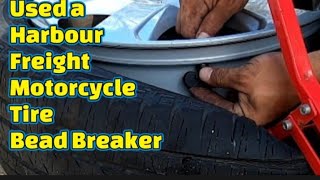
Typical fix: Replace the left rear TPMS sensor. This requires breaking the bead of the tire to access the sensor inside the wheel. 🎬 Watch: How to install a new TPMS sensor on your Traverse. The new sensor must then be programmed to the vehicle using a relearn procedure.
Est. part cost: $40-$150 - Faulty Remote Control Door Lock Receiver (RCDLR) 🟡 Medium Probability → Shop Keyless Entry Receiver The RCDLR acts as the receiver for both the TPMS sensors and key fobs. It's a known failure point on many GM vehicles that can cause multiple TPMS codes (C0750, C0755, C0760, C0765) and key fob issues to appear simultaneously. A Corvette owner on a forum experienced this exact scenario, where all TPMS codes appeared with a key fob code (U0422), pointing to a central RCDLR issue.
How to confirm: If multiple TPMS codes are present, and/or the key fobs work intermittently or not at all, the RCDLR is a strong suspect. A scan tool can check for communication errors with the module and see if it's receiving signals from the fobs.
Typical fix: Replace the RCDLR module. This part is located in the rear of the vehicle, often near the liftgate, and requires programming by a dealer or a properly equipped independent shop using a scan tool.
Est. part cost: $80-$250 - Damaged Sensor ⚪ Low Probability
How to confirm: This is usually discovered during a visual inspection after a recent tire service or after hitting a significant pothole. The sensor housing may be cracked or broken. It can also be damaged by the use of unapproved liquid tire sealants.
Typical fix: Replace the damaged TPMS sensor and perform the relearn procedure.
Est. part cost: $40-$150
Rare But Worth Checking
- Radio Frequency (RF) Interference: Aftermarket electronic devices like phone chargers, dash cams, LED lighting, or even toll passes can emit RF interference that disrupts the 315 MHz or 433 MHz signals between the TPMS sensor and the RCDLR. TSB PIC5650 series specifically calls this out as a potential cause for TPMS and security codes appearing together, often leading to a frustrating, hard-to-duplicate no-start condition.
- Use of Unapproved Tire Sealant: Some liquid tire sealants can clog the pressure port on the TPMS sensor, leading to incorrect readings or permanent failure of the sensor.
- Wiring or Connector Issue: Less common, but a damaged wire or corroded connector at the RCDLR module could prevent it from receiving signals properly. This would typically be suspected after a new sensor and RCDLR have failed to resolve the issue.
Diagnosis Steps
- Verify the code with a capable OBD-II scanner. Note any other active codes, especially other TPMS codes or BCM/RCDLR codes.
- Check the tire pressure in all four tires manually with a quality gauge to ensure they are inflated to the specification on the door jamb sticker.
- Use a TPMS diagnostic tool to attempt to activate and read data (ID, pressure, battery status) from the left rear sensor.
- If the left rear sensor does not respond, but the other three do, the sensor has failed and needs replacement.
- If the sensor responds to the tool but the car doesn't see it, perform the TPMS relearn procedure. On these GM vehicles, this is initiated by putting the vehicle in learn mode (often via the DIC or by holding the lock/unlock buttons on the fob) and then using a tool like the EL-50448 to activate each sensor in sequence (LF, RF, RR, LR), waiting for a horn chirp at each step. 🎬 Watch: How to perform the TPMS relearn procedure step-by-step.
- If the relearn procedure fails for a single sensor, suspect the sensor. If it fails for all sensors, or if multiple TPMS codes are present, investigate the RCDLR.
- Check for symptoms of RCDLR failure: Do the key fobs work correctly? Is the range significantly reduced? If key fob issues are also present, the RCDLR is the primary suspect.
- If a no-start condition is present, temporarily unplug ALL aftermarket 12V accessories (phone chargers, dash cams, etc.) to eliminate RF interference as a cause, per TSB PIC5650.
- Visually inspect the RCDLR module and its connector for corrosion or damage. It is typically located in the rear of the vehicle, inside the trim panels.
Parts You'll Likely Need
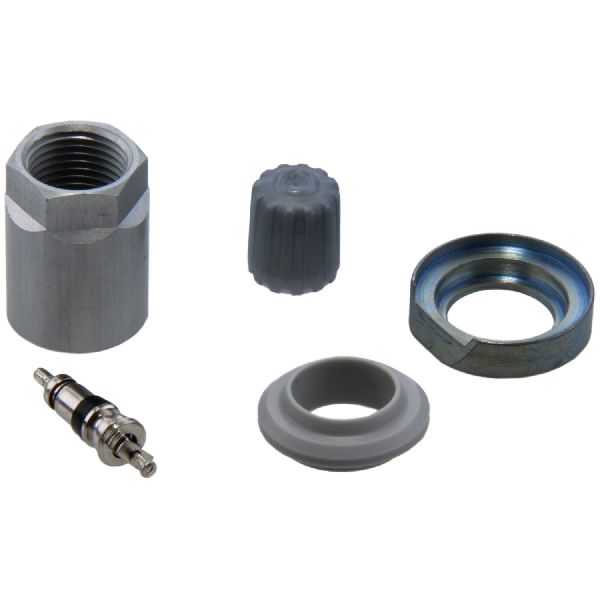
- Tire Pressure Monitoring System (TPMS) Sensor
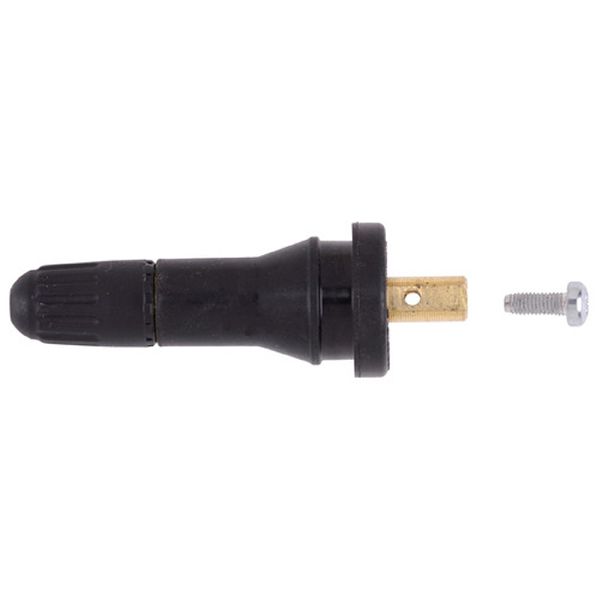
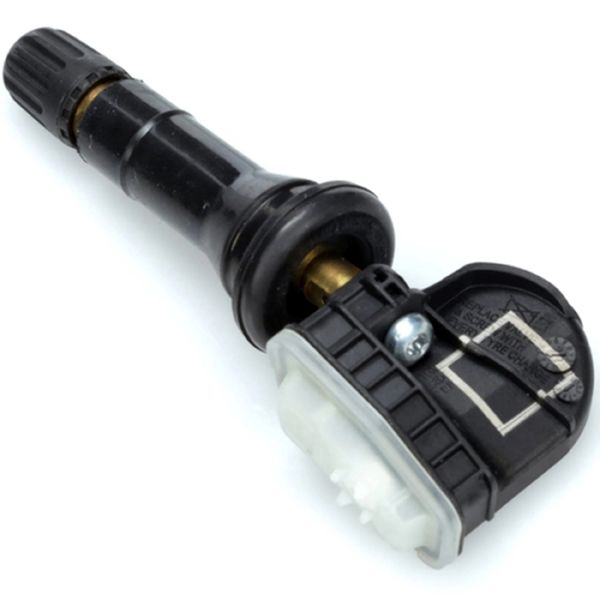
(OEM #13598773)— This is the most common failure. The internal battery dies, requiring replacement of the entire sensor unit. This part number is for the 433 MHz sensor used on many GM vehicles in this era. Note that some sources indicate this part number has been superseded by 86363053 or 13540602. Always verify the correct frequency (315 MHz or 433 MHz) for your specific vehicle year.
Trusted brands: ACDelco, Schrader, Continental
OEM price range: $70-$150
Aftermarket price range: $40-$80 - Remote Control Door Lock Receiver (RCDLR)
(OEM #23445312)— This module receives the signals from all TPMS sensors and the key fobs. It is a known failure point when multiple sensors drop out or when key fob problems occur simultaneously. Replacement requires programming with a dealer-level scan tool.
Trusted brands: ACDelco
OEM price range: $80-$250
Aftermarket price range: $60-$180
Related Codes That Often Appear With This One
- C0750, C0755, C0765 — These are the corresponding TPMS fault codes for the other three wheels (Left Front, Right Front, Right Rear). If they appear together with C0760, it strongly points to a central receiver issue (RCDLR) rather than four simultaneously failed sensors.
- B3055, B3060, U0422 — These are security/immobilizer and communication codes related to the key and BCM. According to TSB PIC5650, they can appear with TPMS codes during a no-start condition, often due to a shared module issue (RCDLR) or widespread RF interference.
Technical Service Bulletins (TSBs) & Recalls
- PIC5650M (and revisions like PIC5650C, J, K): Notes that TPMS codes C0750, C0755, C0760, C0765 can be found with security codes B3055, B3060, B3935 in a no-start or stall condition, pointing towards a potential RF interference issue from aftermarket devices.
- 16-NA-396: (Mentioned for other GM models but relevant) Links intermittent key fob operation and multiple TPMS codes to an internal failure of the Remote Control Door Lock Receiver (RCDLR) and recommends replacement.
Platform-Specific Known Issues
- RF Interference Causing No-Start: Per TSB #PIC5650M and its later revisions, this code can appear with security codes (like B3055) during a no-start or stall condition. The root cause is often Radio
Mechanic-Grade Diagnostic Values
- TPMS Sensor Signal Strength — expected: At least 1/4 graph signal strength displayed on a TPMS activation tool (like J-46079 or equivalent).. Failure: If the tool cannot display the sensor's ID, pressure, or shows very low signal strength, the sensor is likely faulty.
- TPMS Sensor Mode (Scan Tool Data) — expected: The sensor mode parameter should change from 'Wake' or 'Stationary' to 'Rolling' or 'Drive' when the vehicle is driven above 25 mph (40 km/h).. Failure: If the sensor mode does not change for the suspect wheel while others do, the sensor has failed.
Hidden / Shadow Codes Worth Checking
- C0760 with Symptom Byte :29: This specific symptom code, visible on a dealer-level scan tool, translates to 'Too Few Pulses.' It indicates the RCDLR is receiving a signal from the sensor, but the data packet is incomplete or corrupted. This points away from a completely dead sensor and more towards a weak battery, significant RF interference, or a fault in the RCDLR's receiving circuits. (see via GM GDS2 (Global Diagnostic System 2) or equivalent professional scan tool.)
Scan Tool Commands That Help
- GDS2 / Tech2: TPM Special Functions / Sensor Learn — This function is used to command the vehicle into the TPMS relearn mode. After replacing a sensor or rotating tires, this command must be initiated before using a TPMS activation tool to assign sensor IDs to their new positions on the vehicle.
- GDS2 / Tech2: RCDLR Data Display — Use this to view live data from the RCDLR, including the status of each TPMS sensor (ID, pressure, battery status) and key fob inputs. If all sensors show 'Not Learned' or have invalid data, and key fob presses are not registering, it strongly points to a faulty RCDLR module or its antenna circuit.
- TPMS Diagnostic Tool (e.g., J-46079, Autel): Simulate Sensor Transmission — A professional TPMS tool can simulate a known-good sensor signal. If the scan tool shows the RCDLR receives the simulated signal but not the signal from the actual sensor on the wheel, it confirms the sensor is bad. If the RCDLR does not receive the simulated signal, the RCDLR, its antenna, or wiring is at fault.
Wiring & Ground Locations
- RCDLR Module — On the Lambda platform (Traverse, Acadia, Enclave), the RCDLR is located in the rear of the vehicle, typically in the left rear quarter panel, inside the trim. It is a small black box with a wiring connector and a coaxial antenna connection.. This is the central receiver for all TPMS signals. A failure, poor connection, or loss of power/ground to this module will cause TPMS codes.
- RCDLR Antenna System — The system consists of the RCDLR, a coaxial cable, an antenna amplifier, and the antenna itself, which is often integrated into the right rear quarter glass.. A disconnected coax cable at the RCDLR, amplifier, or glass antenna is a known cause for TPMS codes, per GM TSB 16-NA-061. A disconnect at the amplifier may cause intermittent loss of signal from the sensors farthest away, like the left rear (C0760) and front tires.
- G401 / G402 — G401 is located near the base of the left 'D' pillar, and G402 is above the right rear wheel well. These are the primary chassis ground points in the rear of the vehicle.. The RCDLR relies on a clean chassis ground. Corrosion or looseness at these rear ground points can cause intermittent and difficult-to-diagnose electronic issues, including RCDLR and TPMS faults.
- G303 — Located near the base of the left 'B' pillar.. This ground serves various components in the main body harness. While not the primary ground for the RCDLR, poor grounding here can introduce electrical noise onto the data bus, potentially interfering with module communication.
Real Owner Repair Stories
- Chevy HHR Network Forum (Chevrolet HHR (similar GM RCDLR system)) — Remote start, door locks, and TPMS readings gradually got weaker over two years. Key fob only worked right next to the door. Rear TPMS sensors would not give a reading, while fronts did intermittently.
❌ Tried (didn't work) Replacing key fob batteries., Replacing all four TPMS sensors and batteries.
✅ What actually fixed it The owner intended to replace the RCDLR module. The dealer refused to install an aftermarket part, and shops claimed they couldn't program it. The confirmed fix for these exact symptoms on similar GM platforms is replacing the RCDLR module and having it programmed to the vehicle. - YouTube - Wires 2 Wrenches (2008 Chevrolet Silverado (similar GM electronics)) — Intermittent no-start, erratic instrument cluster (DIC), and 'Service TPMS' message. Factory key fobs did not work.
❌ Tried (didn't work) Replacing the aftermarket radio.
✅ What actually fixed it The technician traced the issue by pulling fuses and found that the 'DSM' (Driver Side Module) fuse circuit was causing the problem. This circuit powers the RCDLR. The ultimate cause was water intrusion into the third brake light, which dripped onto and shorted the RCDLR module, causing CAN bus communication failure. Replacing the RCDLR and sealing the third brake light fixed all issues.
When the Usual Fixes Don't Work
- In some cases where a single sensor code like C0760 appears after a tire service, the issue may not be the new sensor itself but a problem with the relearn procedure. If a shop replaces one sensor and attempts a relearn, but the procedure fails, it can cause the RCDLR to 'forget' the other three known-good sensors, leading to a situation where all four tires show dashes on the DIC. The root cause was not that the other three sensors failed, but that the relearn process was not completed successfully. A full, proper relearn procedure starting from the driver's front tire is required to resolve this.
OEM Part Supersession History
13598773→86363053— Internal component revision or change in manufacturer by GM.
Heads up: While 86363053 is listed as the official replacement, always verify the required frequency (433 MHz for this platform) and compatibility with the specific vehicle year before purchasing.
Model Year Variations Within This Range
- 2009-2016: North American versions of the Traverse in this year range consistently use a 433 MHz frequency for their TPMS sensors. This is contrary to many other domestic GM vehicles of the era which used 315 MHz. Installing a 315 MHz sensor, even if it physically fits, will not allow it to be programmed to the vehicle and will cause the relearn procedure to fail.
Helpful Videos
We Have This Part in Stock

The information in this article is provided for general reference and educational purposes only. Vehicle specifications, procedures, and part compatibility can vary by production date, trim level, and region. Always consult your vehicle's factory service manual and verify part numbers before purchasing or performing repairs. Safety-critical components such as airbags, seat belts, and braking systems should be installed by a qualified professional.
- Chevrolet TRAVERSE:
- 🧭 Diagnostic Flowchart
- 🎬 Helpful Videos
- 🛍️ Shop This Part
- What's Unique About the 2009-2016 Chevrolet TRAVERSE
- Symptoms You May Notice
- Most Likely Causes
- Rare But Worth Checking
- Diagnosis Steps
- Parts You'll Likely Need
- Related Codes That Often Appear With This One
- Technical Service Bulletins (TSBs) & Recalls
- Platform-Specific Known Issues
- Mechanic-Grade Diagnostic Values
- Hidden / Shadow Codes Worth Checking
- Scan Tool Commands That Help
- Wiring & Ground Locations
- Real Owner Repair Stories
- When the Usual Fixes Don't Work
- OEM Part Supersession History
- Model Year Variations Within This Range
- 🎟️ Get 5% Off