

C0760 on 2011-2018 Chevrolet Volt: Left Rear TPMS Fault Causes and Fixes
Code C0760 on a Chevy Volt indicates a fault with the left rear tire pressure sensor. While the sensor itself could be bad, a known issue is a failing Remote Control Door Lock Receiver (RCDLR), which processes the sensor signals. If your key fob is also acting up and you have to place it in the console slot to start the car, suspect the RCDLR first, as documented in GM TSB #16-NA-396.
- C0760 means there's a problem with the left rear tire pressure sensor signal.
- Before replacing the sensor, check your key fob. If it's also malfunctioning, the Remote Control Door Lock Receiver (RCDLR) is the likely cause.
- If only the C0760 code is present with no other symptoms, the sensor itself (or its battery) is the most probable failure.
- Replacing the RCDLR requires professional programming to work with your vehicle.
- Given the vehicle's age, if one TPMS sensor battery has died, the others are likely near the end of their life as well.
What's Unique About the 2011-2018 Chevrolet VOLT
On the Chevrolet Volt, the TPMS sensors do not communicate directly with the main computer (BCM). Instead, they send radio frequency signals to the Remote Control Door Lock Receiver (RCDLR)—the same module that handles your key fob commands. A known failure point on these vehicles is the RCDLR itself. It can fail internally and stop processing signals from the tire sensors, triggering code C0760 and often other TPMS codes, even if the tire sensors are perfectly fine. This is documented in GM Technical Service Bulletin #16-NA-396, which explicitly recommends replacing the RCDLR.
Diagnostic Flowchart
Tap your situation to follow the diagnostic path that matches what you're seeing on this vehicle.
Generation note: This issue affects both the first generation (2011-2015) and second generation (2016-2019) of the Chevrolet Volt. TSBs have been issued that cover models from both generations. Note that TPMS sensor frequencies differ, with Gen 1 typically using 315 MHz and Gen 2 using 433 MHz. Always verify the correct part number for your specific model year. The location of the RCDLR module also differs 🎬 Watch: How to replace the remote keyless entry receiver between generations.
Symptoms You May Notice
- "Service Tire Monitor System" message on the Driver Information Center (DIC).
- TPMS warning light is illuminated or flashing.
- DIC shows dashes (--) instead of a pressure reading for the left rear tire, and often for other tires as well.
- Key fob functions (lock, unlock, remote start) are intermittent or inoperative.
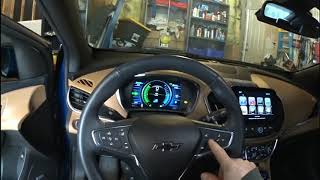
- "No Remote Detected" message on the DIC, requiring the fob to be placed in the center console slot to start the vehicle.
- In some cases, a no-start or start-and-stall condition with the security light on, as noted in TSB #PIC5650M.
- Replacing only the left rear TPMS sensor when the RCDLR is the actual fault. If you replace the sensor and the code returns, or if you have multiple TPMS codes and key fob issues, the RCDLR is the more likely culprit.
Most Likely Causes
- Faulty Remote Control Door Lock Receiver (RCDLR) 🔴 High Probability → Shop Keyless Entry Receiver This is a documented failure point for this platform, as confirmed by GM TSB #16-NA-396. The module's internal electronics can fail, causing it to stop processing TPMS and key fob signals.
How to confirm: The strongest indicator is having multiple TPMS codes (C0750, C0755, C0760, C0765) set simultaneously, especially if accompanied by key fob issues. A professional scan tool can check for communication with the RCDLR.
Typical fix: Replace the RCDLR module and have it programmed by a dealer or qualified shop using GM's Service Programming System (SPS).
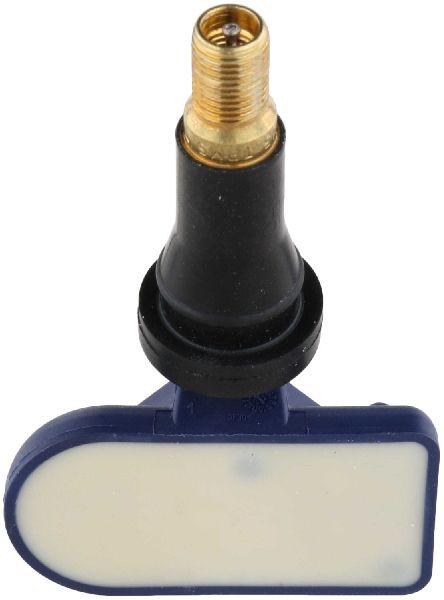
Est. part cost: $150-$300 - Failed Left Rear TPMS Sensor 🔴 High Probability → Shop Tire Pressure Monitoring System (TPMS) Sensor TPMS sensors contain a non-replaceable battery that has a finite lifespan, typically 7-10 years. The sensor electronics can also fail from impacts or age.
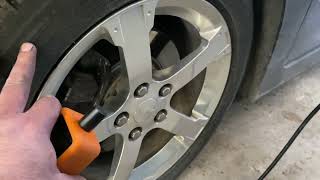
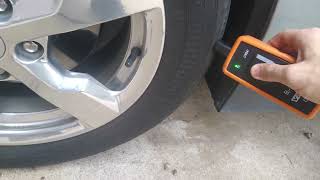
How to confirm: Use a TPMS activation tool to attempt to read the sensor. If the tool cannot get a signal (ID, pressure, temperature) from the sensor, it has failed.
Typical fix: Replace the left rear TPMS sensor and perform the TPMS relearn procedure.
Est. part cost: $25-$75 - Dead TPMS Sensor Battery 🟡 Medium Probability → Shop Tire Pressure Monitoring System (TPMS) Sensor As the 2011-2018 model years age, the original sensor batteries are reaching the end of their expected 7-10 year service life.
How to confirm: A TPMS tool will fail to get a response from the sensor. Given the age of the vehicle, a non-responsive sensor is very likely due to a dead battery.
Typical fix: The battery is integrated into the sensor, so the entire sensor must be replaced. It is often recommended to replace all four sensors at once if they are original.
Est. part cost: $25-$75 per sensor
Rare But Worth Checking
- Wiring Harness Issue: A damaged or disconnected wire at the RCDLR could mimic a module failure. TSB 16-NA-061 specifically calls out the coax antenna cable connections as a potential point of failure. The disconnect could be at the RCDLR module itself, at the antenna amplifier module, or between the amplifier and the antenna in the right rear glass. This is worth inspecting before replacing the module.
- Body Control Module (BCM) Fault: The BCM receives the final data from the RCDLR. While rare, an internal BCM fault could cause it to misinterpret the data, but this would typically be accompanied by many other unrelated trouble codes.
Diagnosis Steps
- Check for other DTCs. Note if any other TPMS codes (C0750, C0755, C0765) or key fob/security codes are present.
- Check key fob functionality. Test the lock, unlock, and remote start functions. If they are inoperative or intermittent, and the car requires the fob in the console slot to start, strongly suspect the RCDLR.
- Use a TPMS diagnostic tool to attempt to activate and read the left rear sensor. This will check its battery and broadcast function.
- If the sensor reads properly with the tool, the sensor is likely good. The problem is likely the RCDLR's ability to receive the signal.
- If the sensor does not respond to the tool, the sensor itself (or its battery) has failed.
- Before replacing the RCDLR, inspect its coaxial antenna connections per TSB 16-NA-061. Check for loose connections at the module, the antenna amplifier, and the antenna itself (located in the right rear quarter glass area).
- If wiring is secure and the RCDLR is suspected, it will need to be replaced and programmed by a professional with access to GM's Service Programming System (SPS).
- If only the sensor is being replaced, perform the TPMS relearn procedure as outlined in the owner's manual or service information.
Parts You'll Likely Need
- Remote Control Door Lock Receiver (RCDLR)
(OEM #13595511 (Superseded by 13540045))— This module is a known failure point that receives and interprets the TPMS signals. TSB #16-NA-396 identifies it as the cause when multiple TPMS codes and key fob issues are present.
Trusted brands: ACDelco, GM Genuine
OEM price range: $150-$300
Aftermarket price range: $100-$200 - Tire Pressure Monitoring System (TPMS) Sensor
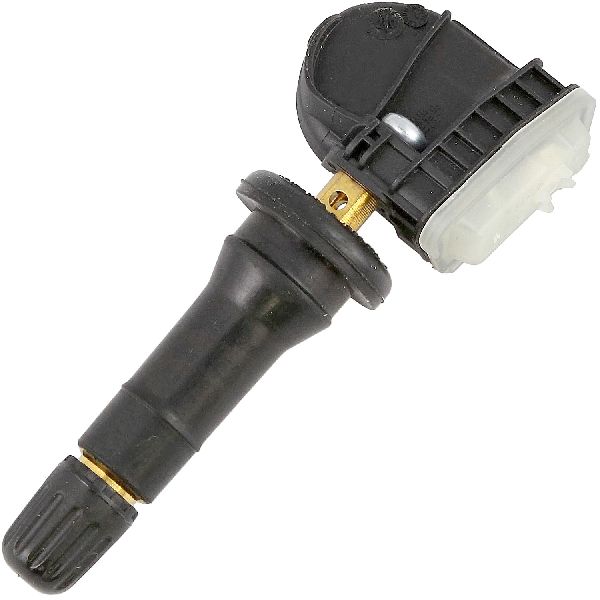
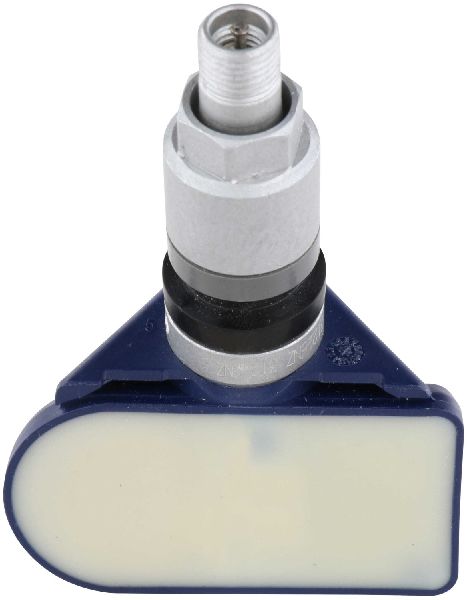
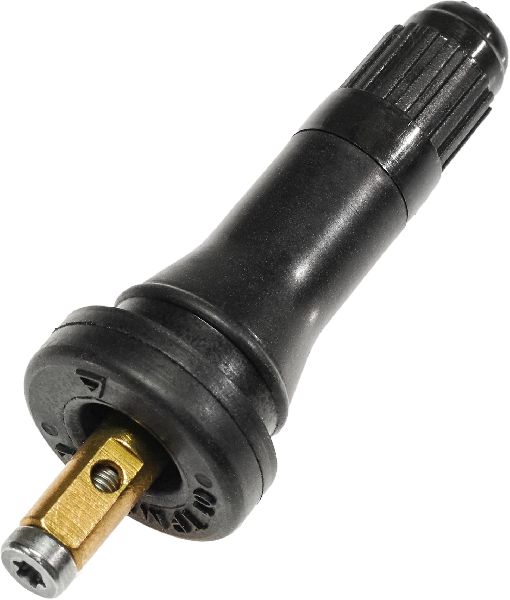
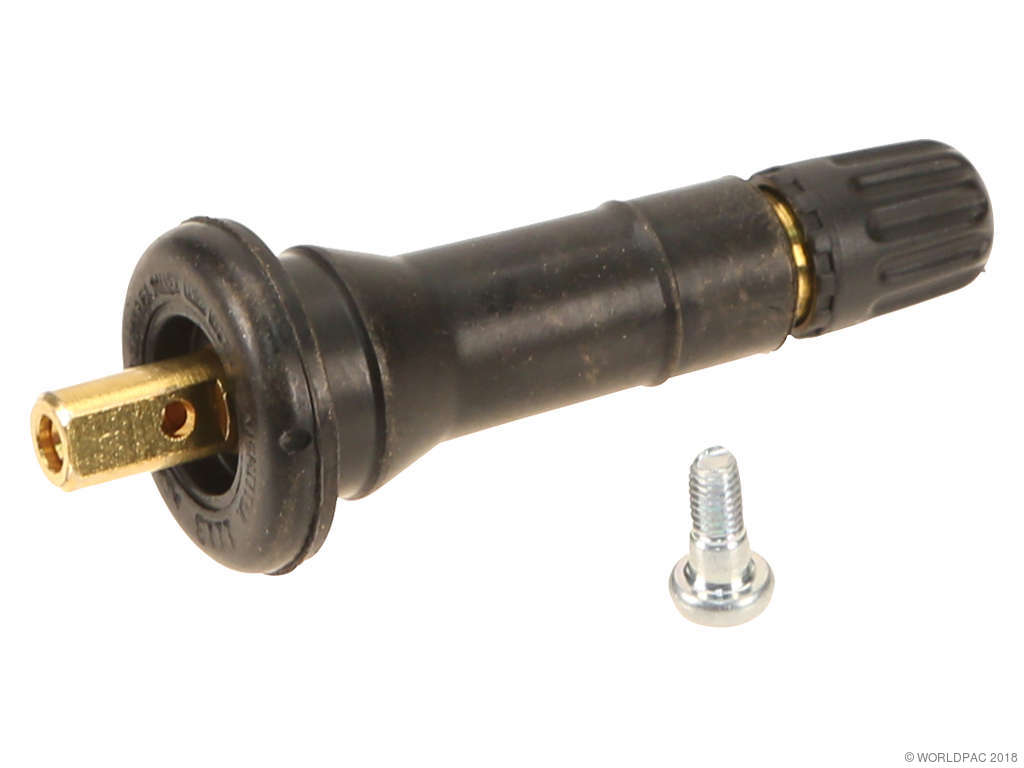
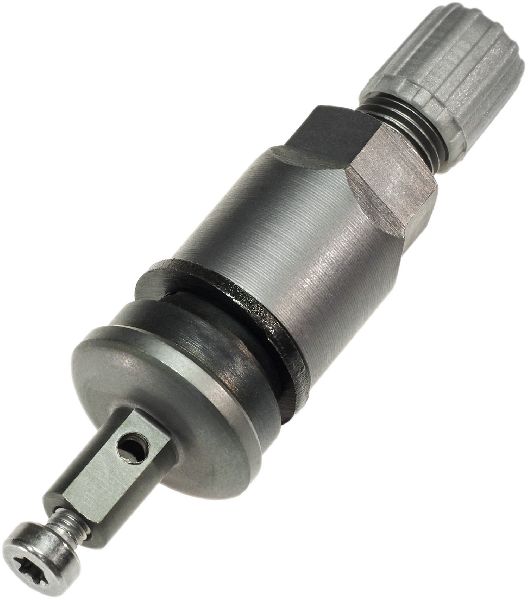
(OEM #Gen 1 (2011-15): 13540601 (replaces 13581558). Gen 2 (2016-18): 13540602 (replaces 13598773).)— This is the sensor inside the tire that measures pressure. It is the most direct cause of a single-wheel fault code and has a limited battery life.
Trusted brands: ACDelco, Schrader, Continental, VDO
OEM price range: $45-$75
Aftermarket price range: $25-$50
Related Codes That Often Appear With This One
- C0750 — This code is for the Left Front TPMS sensor. When the RCDLR fails, it often loses communication with multiple or all sensors at once.
- C0755 — This code is for the Right Front TPMS sensor. Its presence alongside C0760 strongly points to a central receiver (RCDLR) issue rather than individual sensor failures.
- C0765 — This code is for the Right Rear TPMS sensor. Seeing all four sensor codes together is a classic symptom of a failed RCDLR as described in TSB #16-NA-396.
Technical Service Bulletins (TSBs) & Recalls
- 16-NA-396: Addresses intermittent operation of key fobs and TPMS warnings (including C0760) due to internal RCDLR failure.
- PIC5650M: Links C0760 and other codes to potential no-start or security light issues, pointing to a broader module communication problem.
- 16-NA-061: Details how a poor or disconnected RCDLR antenna connection can cause identical symptoms (TPMS and RKE faults) and should be checked before module replacement.
Platform-Specific Known Issues
- A high failure rate of the Remote Control Door Lock Receiver (RCDLR) causing simultaneous TPMS and keyless entry system faults is the most significant issue for this platform, as documented in TSB #16-NA-396.
- Antenna wiring for the RCDLR can become disconnected, mimicking a failed module. TSB #16-NA-061 provides specific checkpoints for this less common but important possibility.
Hidden / Shadow Codes Worth Checking
- C0760 with symptom byte :29: Indicates 'Too Few Pulses' are being received from the sensor. This is the specific variant of the code mentioned in TSB #16-NA-396 when the RCDLR is the cause. (see via A professional scan tool like the GM GDS2/Tech2 that can read manufacturer-specific codes and their associated symptom bytes.)
Scan Tool Commands That Help
- GM GDS2/Tech2 with SPS (Service Programming System): RCDLR Setup / Module Setup — This is the first step after physically installing a new RCDLR module to prepare it for vehicle-specific programming.
- GM GDS2/Tech2 with SPS (Service Programming System): Theft Deterrent System Learn — After RCDLR setup, this procedure is required to sync the new module with the vehicle's immobilizer system and existing keys. It can be a 10 or 30-minute automated process.
- GM GDS2/Tech2 with SPS (Service Programming System): Tire Pressure Sensor Learn — This is the final step after RCDLR replacement to teach the new module the unique IDs of the four TPMS sensors on the vehicle.
Wiring & Ground Locations
- RCDLR (Gen 1: 2011-2015) — In the headliner, inside the plastic housing at the base of the rearview mirror mount on the windshield.. This is the physical location of the receiver module. It can become unplugged during windshield replacement, perfectly mimicking a failed module. Knowing its location is critical for inspection and replacement.
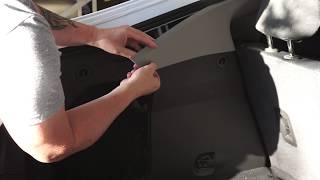
- RCDLR (Gen 2: 2016-2018) — In the rear cargo area, behind the left-side trim panel. It is accessible by opening the small storage compartment and pulling the upper trim panel away.. This is the physical location for inspection and replacement on second-generation models.
- G103 — At the left rear of the engine compartment, on the cowl, above the brake booster.. This is a primary grounding point for the Body Control Module (BCM) and the Remote Control Door Lock Receiver (RCDLR). A poor connection at this ground can cause a host of difficult-to-diagnose electronic issues, including RCDLR malfunction.
- RCDLR Antenna System — Consists of a coax cable from the RCDLR to an antenna amplifier, which then connects to an antenna grid in the right rear quarter glass.. TSB 16-NA-061 identifies three potential disconnection points in this system that can cause loss of TPMS/RKE signal and set C-codes, which could be misdiagnosed as a failed RCDLR module.
Real Owner Repair Stories
- YouTube user 'jason' (2012 Chevrolet Volt) — Key fobs stopped working entirely after a windshield replacement. The car would display 'No Remote Detected' and would only start by placing the fob in the center console slot.
❌ Tried (didn't work) The owner initially went through the entire 30-minute key fob reprogramming procedure, which did not solve the problem.
✅ What actually fixed it The owner removed the plastic housing from the rearview mirror mount and discovered the RCDLR module's electrical connector had been left unplugged by the glass installers. Plugging the module back in immediately restored all key fob functions. - Reddit user /u/keonwithglasses (Chevrolet Volt (year not specified, likely Gen 2)) — Multiple tire pressure readings showed dashes (--) on the DIC a few hours after installing a new dash cam.
❌ Tried (didn't work) Checking tire pressures manually, which were all normal.
✅ What actually fixed it Another user identified the likely cause as Radio Frequency (RF) interference from the dash cam's 12V-to-5V power adapter. These adapters are often poorly shielded and can broadcast noise on a frequency that blocks the low-power TPMS sensor signals from reaching the RCDLR. Disconnecting the aftermarket charger is the diagnostic step.
OEM Part Supersession History
13595511, 13509518, 13523281→13540045— Internal design improvement to address the intermittent signal loss documented in TSB 16-NA-396.
Model Year Variations Within This Range
- 2011-2015 (Gen 1): The RCDLR module is located in the headliner, behind the rearview mirror mount. These models typically use 315 MHz TPMS sensors.
- 2016-2018 (Gen 2): The RCDLR module is located in the rear cargo area behind the left-side trim panel. These models typically use 433 MHz TPMS sensors.
- 2012-2018: These model years are considered 'Global A' platform vehicles by GM. RCDLR replacement requires programming with GDS2 and an SPS subscription; the older 30-minute passive relearn for the security system is part of the procedure but is initiated by the scan tool.
Helpful Videos
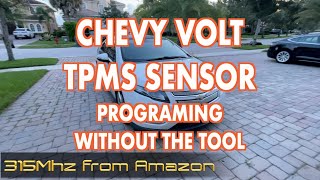
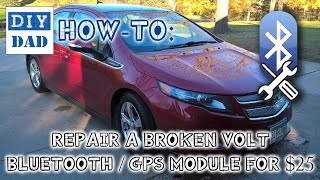
We Have This Part in Stock

The information in this article is provided for general reference and educational purposes only. Vehicle specifications, procedures, and part compatibility can vary by production date, trim level, and region. Always consult your vehicle's factory service manual and verify part numbers before purchasing or performing repairs. Safety-critical components such as airbags, seat belts, and braking systems should be installed by a qualified professional.
- Chevrolet VOLT:
- 🧭 Diagnostic Flowchart
- 🎬 Helpful Videos
- 🛍️ Shop This Part
- What's Unique About the 2011-2018 Chevrolet VOLT
- Symptoms You May Notice
- Most Likely Causes
- Rare But Worth Checking
- Diagnosis Steps
- Parts You'll Likely Need
- Related Codes That Often Appear With This One
- Technical Service Bulletins (TSBs) & Recalls
- Platform-Specific Known Issues
- Hidden / Shadow Codes Worth Checking
- Scan Tool Commands That Help
- Wiring & Ground Locations
- Real Owner Repair Stories
- OEM Part Supersession History
- Model Year Variations Within This Range
- 🎟️ Get 5% Off