

C0760 on 2007-2014 GMC Sierra 1500: TPMS Fault Causes and Fixes
Code C0760 on a 2007-2014 GMC Sierra means the Left Rear Tire Pressure Monitoring System (TPMS) sensor is not communicating. The most common cause is a dead battery in the sensor itself, requiring replacement. If your key fob also works poorly, the issue is likely the Remote Control Door Lock Receiver (RCDLR) module, a known failure point.
- C0760 points directly to a problem with the left rear TPMS sensor.
- The most likely cause is a dead battery inside the sensor, which has a lifespan of about 7-10 years.
- Before buying a sensor, check your key fob's range. If it's also performing poorly, the RCDLR module is a strong suspect and should be diagnosed first.
- Replacing a sensor is a DIY job only if you have the equipment to dismount a tire and a TPMS relearn tool.
- Do not ignore the TPMS light; proper tire pressure is critical for safety, fuel economy, and tire life.
What's Unique About the 2007-2014 Gmc SIERRA 1500
On this generation of GMC Sierra (GMT900/K2XX), the Tire Pressure Monitoring System (TPMS) is integrated with the keyless entry system through a single module called the Remote Control Door Lock Receiver (RCDLR). This module, typically located in the headliner or near the B-pillar, processes signals from both the tire sensors and the key fobs. A failing RCDLR can cause both TPMS codes like C0760 and a poor or non-working key fob. Furthermore, GM Technical Service Bulletin #PIC5650M links this code to severe issues like no-starts or stalling, where a communication breakdown involving the TPMS/security system can immobilize the truck.
Diagnostic Flowchart
Tap your situation to follow the diagnostic path that matches what you're seeing on this vehicle.
Generation note: This range covers the GMT900 generation (2007-2013) and the first year of the K2XX generation (2014). The TPMS architecture is similar, with both generations known to suffer from failed sensors and issues with the RCDLR module. TSB PI1085 specifically calls out 2012-2013 models for RCDLR failure due to poor key fob range and/or TPMS codes. The entire 2007-2014 range uses a 315 MHz frequency for the TPMS sensors.
Symptoms You May Notice
- TPMS warning light is on (may flash for one minute, then stay solid).
- "Service Tire Monitor System" message on the Driver Information Center (DIC).
- DIC displays dashes (---) for the left rear tire pressure.
- Poor or inoperative key fob range (lock/unlock/remote start).
- In rare cases, a no-start or engine stall condition accompanied by the security light.
- Multiple TPMS codes for other wheels (C0750, C0755, C0765) may be present simultaneously.
- Replacing only the TPMS sensor when the root cause is a faulty RCDLR module. If the key fob range is also poor, the RCDLR is the more likely culprit.
- Replacing a sensor when the issue is RF interference from an aftermarket accessory. Always unplug all non-factory devices as a first diagnostic step.
- Replacing the RCDLR module when it simply has no power due to a broken wire in the door sill harness.
Most Likely Causes
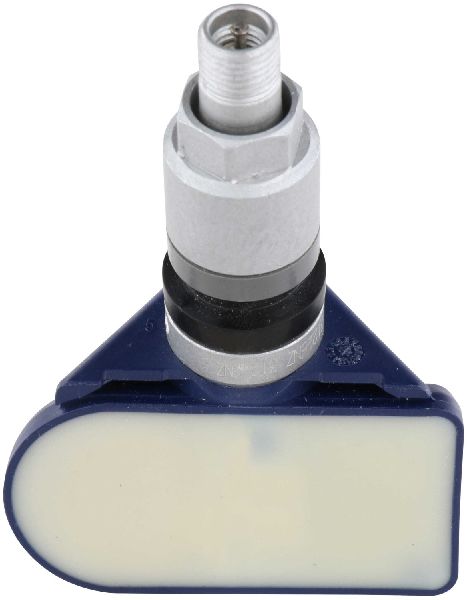
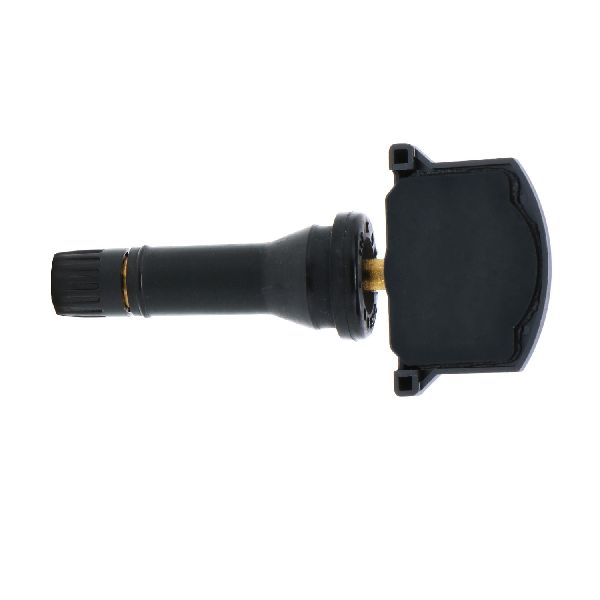
- Dead TPMS Sensor Battery 🔴 High Probability → Shop Tire Pressure Monitoring System (TPMS) Sensor TPMS sensors use sealed, non-replaceable batteries with a finite lifespan, typically 7-10 years. Vehicles in this year range are at or beyond the expected life of the original sensors. The battery is soldered in and the unit is sealed, making replacement of the whole sensor the only practical repair. 🎬 Watch: How to replace and reprogram a 315 MHz sensor.
How to confirm: Use a TPMS diagnostic tool to attempt to activate the left rear sensor. If the tool shows 'No Signal' or a 'Low Battery' status, the sensor has failed. A professional scan tool like a GM Tech 2 or GDS2 can also query the RCDLR or BCM data list for a sensor low battery condition.
Typical fix: Replace the left rear TPMS sensor and perform the TPMS relearn procedure using a relearn tool or the manual procedure.
Est. part cost: $25-$75 - Faulty Remote Control Door Lock Receiver (RCDLR) 🟡 Medium Probability → Shop Keyless Entry Receiver The RCDLR module is a known failure point on this platform, as documented in TSB #PI1085. It processes signals for both TPMS and keyless entry, so its failure affects both systems. Water intrusion from leaking rear windows or roof-mounted antennas has been cited in forums as a cause for failure.
How to confirm: Confirm that key fob range is very poor or non-functional, especially if multiple TPMS codes (e.g., C0750, C0755, C0765) are present along with C0760. A scan tool may show no communication with the RCDLR. The diagnostic test in TSB #PI1085 involves checking fob functionality from all four corners of the truck at a distance of 9 meters (30 ft).
Typical fix: Replace the RCDLR module. This part requires programming by a dealer or a properly equipped independent shop to sync with the vehicle's existing key fobs and TPMS sensors.
Est. part cost: $50-$150 - Damaged TPMS Sensor ⚪ Low Probability → Shop Tire Pressure Monitoring System (TPMS) Sensor Sensors can be physically damaged during tire changes or by road hazards. Using unapproved tire sealants can also clog the sensor's pressure port.
How to confirm: Visually inspect the sensor after dismounting the tire. A diagnostic tool may also show erratic readings before complete failure.
Typical fix: Replace the damaged TPMS sensor and perform the relearn procedure.
Est. part cost: $25-$75
Rare But Worth Checking
- Radio Frequency (RF) Interference: Aftermarket electronic devices plugged into the truck's power outlets (phone chargers, dash cams, USB power banks, LED lights) can emit RF noise that interferes with the RCDLR's ability to receive signals. TSB #PIC5650M and its revisions extensively detail this issue. Before replacing parts, unplug all aftermarket accessories and drive the vehicle to see if the code clears.
- Broken Power Wire to RCDLR: The power supply wire to the RCDLR module (typically Red/White) can break inside the harness, often in the driver's side door sill area, from years of flexing. This leads to a complete loss of function (TPMS and key fobs) and a 'no communication' status on a scan tool, which can be misdiagnosed as a failed module. 🎬 See how to avoid misdiagnosing a RCDLR with no communication.
Diagnosis Steps
- Read the codes with a capable OBD-II scanner to confirm C0760 is the primary code. Check for other TPMS or BCM codes.
- Unplug ALL aftermarket 12V accessories (chargers, dash cams, etc.) to eliminate Radio Frequency Interference (RFI) as per TSB PIC5650M.
- Use a TPMS diagnostic tool to check the status of the left rear sensor. Note the battery level, last seen date, and pressure/temperature readings.
- If the tool cannot get a signal from the sensor, or it shows a low battery, the sensor has most likely failed. Proceed with replacement.
- If the sensor responds to the tool, test the keyless entry fob range from all four corners of the truck, ideally from 30 feet away as suggested by TSB PI1085.
- If the key fob range is poor (e.g., you must be very close to the truck for it to work), and especially if other TPMS codes are present, the RCDLR module is the primary suspect.
- Inspect the wiring and connectors to the RCDLR for any visible damage or corrosion. The module is located in the driver's side D-pillar. Check for 12V power on the Red/White wire and continuity to ground on the Black/White wire at the connector.
- If the vehicle has a no-start or stalling issue, reference TSB #PIC5650M for a more complex diagnostic path involving the security system and potential RFI. 🎬 Watch: Troubleshooting a no-start caused by RCDLR module issues.
Parts You'll Likely Need
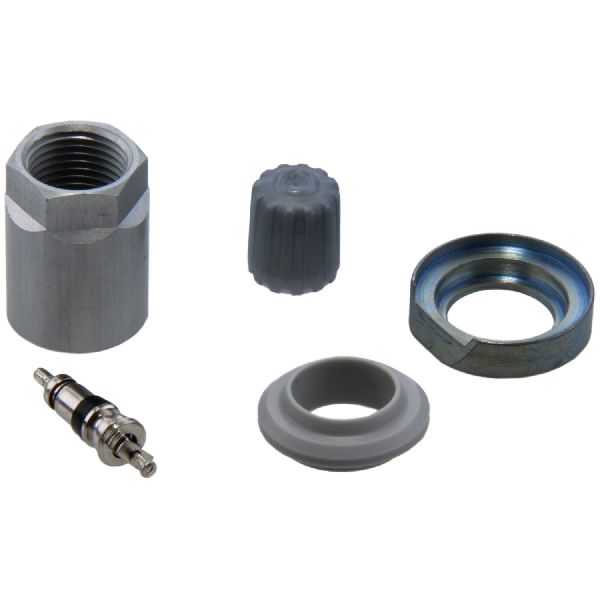
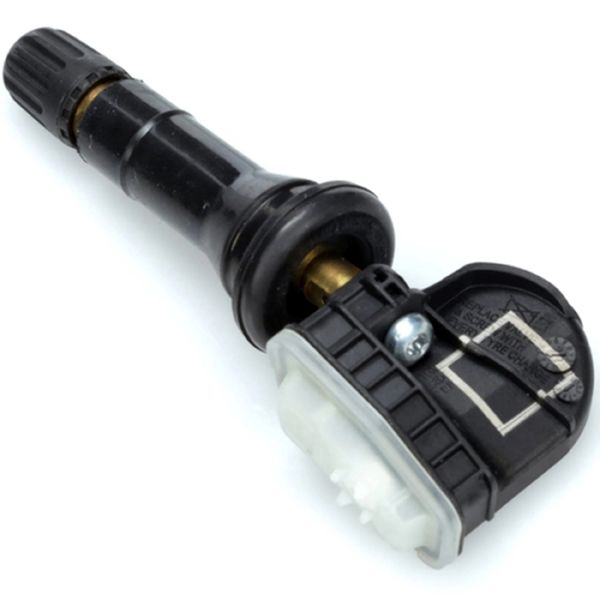
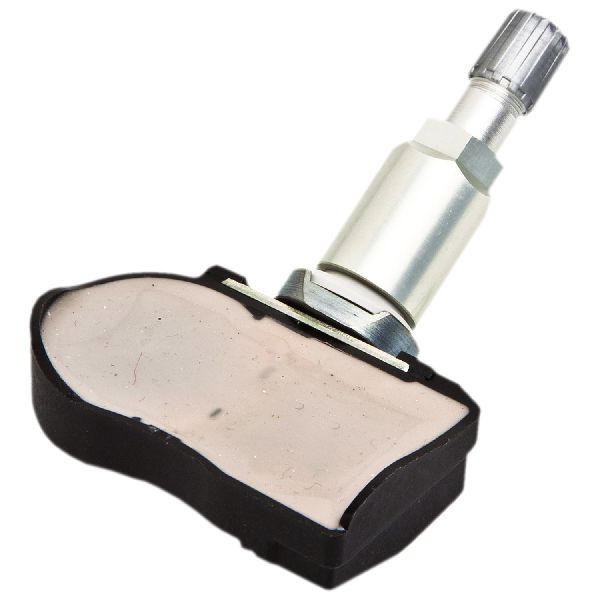
- Tire Pressure Monitoring System (TPMS) Sensor
(OEM #13586335)— This is the most common failure. The internal battery dies, requiring replacement of the entire sensor unit. This part number is widely used across many GM vehicles from this era.
Trusted brands: ACDelco, Schrader, Standard Motor Products
OEM price range: $50-$90
Aftermarket price range: $25-$60 - Remote Control Door Lock Receiver (RCDLR)
(OEM #20863945)— This module is a known weak point and its failure causes both TPMS and key fob issues. TSB #PI1085 recommends its replacement for these symptoms. This part number supersedes previous versions like 20818271 and 20788666.
Trusted brands: ACDelco (OEM)
OEM price range: $70-$150
Aftermarket price range: $50-$100
Related Codes That Often Appear With This One
- C0750, C0755, C0765 — These are the corresponding codes for the other three wheels (LF, RF, RR). When multiple or all four codes appear at once, it strongly suggests a problem with the central receiver (RCDLR) or widespread RF interference, rather than multiple simultaneous sensor failures.
- B3055, B3060 — As noted in TSB #PIC5650M, these security and key-related codes can appear with C0760 during a no-start or stalling event, pointing to a complex communication issue between modules, often caused by RF interference.
Technical Service Bulletins (TSBs) & Recalls
- PIC5650M: Mentions C0760 in a list of DTCs that can be present with a no-start or start/stall concern and the security light on, primarily pointing to RF interference.
- PI1085: Addresses poor remote keyless entry range and/or TPMS codes, recommending replacement of the RCDLR module (part #20863945) on 2012-2013 models.
Platform-Specific Known Issues
- TSB #PI1085: For 2012-2013 models, this bulletin specifically addresses poor key fob range and TPMS codes (including C0760), identifying the cause as a faulty RCDLR module and recommending replacement with part number 20863945.
- TSB #PIC5650M (and its revisions K, J, C): This bulletin links C0760 and other TPMS/Body codes to a potential no-start or start-and-stall condition, indicating a deeper communication issue within the vehicle's network, most often caused by Radio Frequency Interference from aftermarket devices.
Mechanic-Grade Diagnostic Values
- TPMS Sensor Battery Status — expected: OK / Good. Failure: A 'Low' or 'N/A' status reading.
- RCDLR Module Power Supply — expected: 12V+ (Battery Voltage). Failure: 0V or significantly low voltage.
- RCDLR Module Ground — expected: Near 0 Ohms to chassis ground.. Failure: High resistance or an open circuit (OL).
Hidden / Shadow Codes Worth Checking
- C0760 00: Indicates a general failure where the sensor has not transmitted for a set time (e.g., 18 minutes) or has a low battery condition. (see via A professional scan tool like the GM Tech 2 or GDS2 that can read manufacturer-specific DTCs with symptom bytes.)
- C0760 08: Indicates the RCDLR is receiving an invalid or malformed signal from the Left Rear TPMS sensor. (see via A professional scan tool like the GM Tech 2 or GDS2.)
- C0760 29: Indicates 'Too Few Pulses.' The RCDLR is receiving an incomplete or corrupt data packet from the sensor, often pointing to a weak sensor battery or significant RF interference rather than a completely dead sensor. (see via GM GDS2 (Global Diagnostic System 2) or an equivalent professional-grade scan tool.)
Scan Tool Commands That Help
- GM Tech 2 / GDS2: RCDLR Module Programming/Setup — Required after replacing the RCDLR module to program the new unit to the vehicle and learn the existing key fobs.
- GM Tech 2 / GDS2 or TPMS Tool: TPMS Learn Mode — Used to make the vehicle learn the unique ID of a new or repositioned TPMS sensor. This is required after any sensor replacement or tire rotation.
- No Tool Required: Manual TPMS Relearn Procedure — For relearning sensor positions after a tire rotation without a scan tool. After initiating learn mode via the DIC or key fob, you sequentially decrease the air pressure in each tire (starting LF) until the horn chirps, signaling that the sensor has been learned.
Wiring & Ground Locations
- RCDLR Module — Located in the upper driver's side (left) D-Pillar, behind the interior trim panel, above the rear wheel well.. This is the central receiver for all TPMS signals. Physical access is needed to test its connector for power/ground or to replace it.
- RCDLR Connector — At the RCDLR module itself.. This is where to test for power (Red/White wire) and ground (Black/White wire) to confirm the module is receiving power before condemning it.
- DSM Fuse — In the instrument panel fuse block, typically on the driver's side of the dashboard.. This fuse provides power to the RCDLR. If blown, the RCDLR and TPMS system will be inoperative.
- G303 — On the lower left 'B' pillar, behind the trim panel (for Extended and Crew Cab models).. This is a key interior ground point. A loose or corroded G303 can cause intermittent issues with modules grounded in this area, potentially including the RCDLR.
Real Owner Repair Stories
- YouTube channel "Raymond Beachy" (2011 Chevrolet Silverado) — Key fobs do not work, no communication with the RCDLR module on a scan tool.
❌ Tried (didn't work) Initially assumed the RCDLR module was bad and ordered a replacement.
✅ What actually fixed it Diagnosis revealed no 12V power at the RCDLR connector on the red/white wire. The wire was found to be broken inside the harness in the driver's side door sill. Repairing the broken wire restored power and communication to the original RCDLR module, fixing the problem without needing the new part. - Go-Parts.com article citing forum trends (2011-2018 Chevrolet Camaro (similar GM platform)) — TPMS codes and inoperative key fobs.
❌ Tried (didn't work) Replacing the TPMS sensors., Disconnecting the car battery for a reset (only worked temporarily).
✅ What actually fixed it The issue was resolved by replacing the Remote Control Door Lock Receiver (RCDLR) module and having it programmed.
"I Checked Everything" — The Actual Cause
- A common scenario fitting this pattern is when the C0760 code (and other TPMS codes) keeps returning even after replacing the sensor and/or the RCDLR. The actual cause is often Radio Frequency Interference (RFI) from a low-quality aftermarket device (like a phone charger or dash cam) plugged into a 12V outlet. The device floods the 315 MHz frequency, preventing the RCDLR from hearing the TPMS sensors. The fix is simply to unplug the interfering device, as detailed in GM TSB PIC5650M.
When the Usual Fixes Don't Work
- In one documented case on a 2011 Silverado, the vehicle presented with no key fob function and a 'no communication' error for the RCDLR module. While this would typically point to a failed RCDLR, the actual cause was a broken power wire leading to the module, located in the driver's side door sill harness. After the wire was repaired, the original RCDLR functioned perfectly, proving the module itself was not the point of failure. This highlights the importance of verifying power and ground at the component before replacement.
OEM Part Supersession History
20788666, 20818271→20863945— Standard part revision and improvement by the manufacturer.
Heads up: The newest part number, 20863945, is the correct service replacement for the earlier versions and is widely listed as compatible with the 2007-2014 model range.
Model Year Variations Within This Range
- 2007-2013: These models, part of the GMT900 platform, were primarily diagnosed using the GM Tech 2 scan tool during their service life.
- 2014: The 2014 model year marked the transition to the K2XX platform and the use of the newer GM GDS2 (Global Diagnostic System 2) software for diagnostics, which offers more detailed data and functions compared to the older Tech 2.
Helpful Videos
We Have This Part in Stock


The information in this article is provided for general reference and educational purposes only. Vehicle specifications, procedures, and part compatibility can vary by production date, trim level, and region. Always consult your vehicle's factory service manual and verify part numbers before purchasing or performing repairs. Safety-critical components such as airbags, seat belts, and braking systems should be installed by a qualified professional.
- Gmc SIERRA 1500:
- 🧭 Diagnostic Flowchart
- 🎬 Helpful Videos
- 🛍️ Shop This Part
- What's Unique About the 2007-2014 Gmc SIERRA 1500
- Symptoms You May Notice
- Most Likely Causes
- Rare But Worth Checking
- Diagnosis Steps
- Parts You'll Likely Need
- Related Codes That Often Appear With This One
- Technical Service Bulletins (TSBs) & Recalls
- Platform-Specific Known Issues
- Mechanic-Grade Diagnostic Values
- Hidden / Shadow Codes Worth Checking
- Scan Tool Commands That Help
- Wiring & Ground Locations
- Real Owner Repair Stories
- "I Checked Everything" — The Actual Cause
- When the Usual Fixes Don't Work
- OEM Part Supersession History
- Model Year Variations Within This Range
- 🎟️ Get 5% Off