

C0760 on 2015-2022 GMC Yukon: Left Rear TPMS Fault Causes and Fixes
Code C0760 on a 2015-2022 GMC Yukon indicates a fault with the left rear tire pressure sensor. While a dead sensor battery is a common cause, GM Technical Service Bulletins (TSBs) PIT5446A and 16-NA-061 confirm the issue is often a disconnected antenna for the Remote Control Door Lock Receiver (RCDLR), which reads the TPMS signals. Inspecting the RCDLR antenna connections behind the right rear quarter trim panel is the critical first step before replacing the sensor.
- C0760 points to a problem with the left rear TPMS sensor signal.
- Before replacing the sensor, inspect the antenna connections for the Remote Control Door Lock Receiver (RCDLR), as this is a known GM issue.
- If you also have problems with your key fob range, the RCDLR module or its antenna is the most likely culprit.
- A TPMS activation tool is needed to properly diagnose the sensor and a relearn procedure is required after replacement.
- Always check tire pressures manually when the TPMS light is on.
What's Unique About the 2015-2022 Gmc YUKON
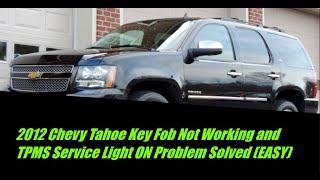
On this generation of GMC Yukon and its platform mates (Chevy Tahoe/Suburban, Cadillac Escalade), the TPMS sensors communicate with the Remote Control Door Lock Receiver (RCDLR), the same module that receives signals from your key fob. GM has issued technical service bulletins, notably 16-NA-061, indicating that C0760 and other TPMS codes are frequently triggered not by a faulty sensor, but by a poor or disconnected coaxial antenna leading to the RCDLR. This shared function means you might also experience poor key fob range or a "No Remote Detected" message 🎬 Watch: How a loose antenna causes TPMS and remote issues. along with the TPMS warning.
Diagnostic Flowchart
Tap your situation to follow the diagnostic path that matches what you're seeing on this vehicle.
Generation note: The 2015-2022 model years cover the end of the fourth generation (2015-2020, K2XX platform) and the beginning of the fifth generation (2021-2022, T1XX platform). The diagnostic principles and the common issues with the RCDLR and its antenna are relevant across this entire year range, as confirmed by TSBs covering these models. Note that TPMS sensor frequencies may have changed around the 2018-2019 model years, so verifying the correct part number for your specific year is crucial if replacement is needed.
Symptoms You May Notice
- TPMS warning light is on (may flash for one minute then stay solid).
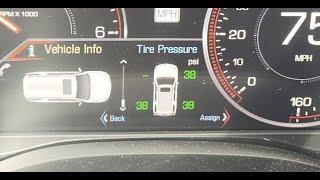
- "Service Tire Monitor System" message on the Driver Information Center (DIC).
- DIC displays dashes (---) for the left rear tire pressure.
- Poor or inoperative key fob range (lock/unlock/remote start).
- "No Remote Detected" message when trying to start the vehicle.
- In rare cases, a no-start or start-and-stall condition with the security light on, as noted in TSB PIC5650M.
- Replacing the TPMS sensor without first checking the RCDLR antenna connections. TSBs PIT5446A and 16-NA-061 specifically advise checking the antenna system before replacing any components, as it is the more common failure point.
Most Likely Causes
- RCDLR Antenna or Coaxial Cable Disconnected 🔴 High Probability As identified in TSBs PIT5446A and 16-NA-061, the antenna system for the RCDLR can become disconnected at one of three main points, leading to signal loss from the TPMS sensors. This is a widely documented failure point on this platform.
How to confirm: Visually inspect the coaxial cable connections. The RCDLR module is located behind the trim panel in the right rear cargo area. TSB 16-NA-061 identifies three specific points to check: 1) The coax cable connection at the RCDLR module itself. 2) The coax cable connection at the antenna amplifier module (often found near the right rear quarter glass). 3) The connection from the amplifier to the antenna grid on the glass. A disconnect at the amplifier is noted to specifically cause issues with sensors furthest away, like the left rear (C0760).
Typical fix: Securely reconnect the coaxial cable or antenna amplifier. Apply dielectric grease to the connection to prevent future corrosion. Re-evaluate the system before replacing any parts. In some cases, the tabs on the glass antenna may need to be re-soldered. 🎬 Watch: How to repair the antenna connection on the glass.
Est. part cost: $0 - $10 - Failed Left Rear TPMS Sensor 🟡 Medium Probability → Shop Tire Pressure Monitoring System (TPMS) Sensor TPMS sensors have a finite battery life, typically 7-10 years. A dead battery is a very common reason for failure as these vehicles age.
How to confirm: Use a TPMS diagnostic tool to attempt to activate the sensor. If the tool cannot get a reading, its battery is likely dead or it has failed internally. A scan tool can also check for a 'sensor low battery' status message from the BCM.
Typical fix: Replace the left rear TPMS sensor and perform the TPMS relearn procedure.
Est. part cost: $25-$80 - Faulty Remote Control Door Lock Receiver (RCDLR) ⚪ Low Probability → Shop Keyless Entry Receiver TSB 16-NA-396 notes that internal issues within the RCDLR can cause intermittent loss of key fob functions and set multiple TPMS codes, including C0760. Some owners on forums have also reported the module losing its programming, requiring reprogramming with a scan tool.
How to confirm: This is typically diagnosed after confirming the TPMS sensor is transmitting and the antenna/wiring are intact. If all four TPMS sensors and key fob functions fail simultaneously, the RCDLR is a strong suspect.
Typical fix: Replace the RCDLR module. This requires programming to the vehicle's VIN with a GM-specific scan tool (like a Tech 2 or MDI with GDS2 software).
Est. part cost: $50-$150
Rare But Worth Checking
- Radio Frequency (RF) Interference: TSB PIC5650K explicitly warns that aftermarket electronic devices like phone chargers (especially USB), dash cams, LED lighting upgrades, and even toll passes can generate RFI that 'jams' the RCDLR's ability to receive TPMS and key fob signals. Before beginning repairs, unplug all aftermarket accessories to see if the code clears.
- Body Control Module (BCM) Fault or Programming: In very rare instances, a failing BCM can cause a wide range of electrical issues, including setting TPMS codes. TSB PIC5650M links this code to a potential BCM issue related to no-start conditions. Some forum users have also found that the RCDLR module simply lost its tire type and pressure settings, which had to be reprogrammed via a bidirectional scan tool.
Diagnosis Steps
- Read all stored DTCs from the Body Control Module (BCM) with a scan tool capable of reading manufacturer-specific 'C' and 'B' codes.
- Check for other TPMS codes (C0750, C0755, C0765) or keyless entry codes (B3055, etc.). Multiple codes point towards a central receiver issue.
- Unplug all aftermarket 12V and USB accessories (chargers, dash cams, etc.) to eliminate Radio Frequency Interference (RFI) as a cause, per TSB PIC5650K.
- Use a TPMS activation tool to check if the left rear sensor is transmitting. If it does not transmit, the sensor itself is likely faulty (dead battery).
- If the sensor transmits, inspect the RCDLR antenna system per TSB 16-NA-061. Remove the right rear cargo area trim panel to access the RCDLR module and its antenna. Check for a disconnected black coaxial cable at the RCDLR module, the antenna amplifier (near the quarter glass), and the antenna connection to the glass itself.
- If antenna connections are secure and the sensor is good, attempt a TPMS relearn procedure. 🎬 See this step-by-step guide for the TPMS relearn procedure. If the left rear sensor (or any sensor) fails to learn, it reinforces a reception issue.
- If all the above steps fail, the problem may be the RCDLR module itself (requiring replacement and programming) or, in rare cases, the BCM.
Parts You'll Likely Need
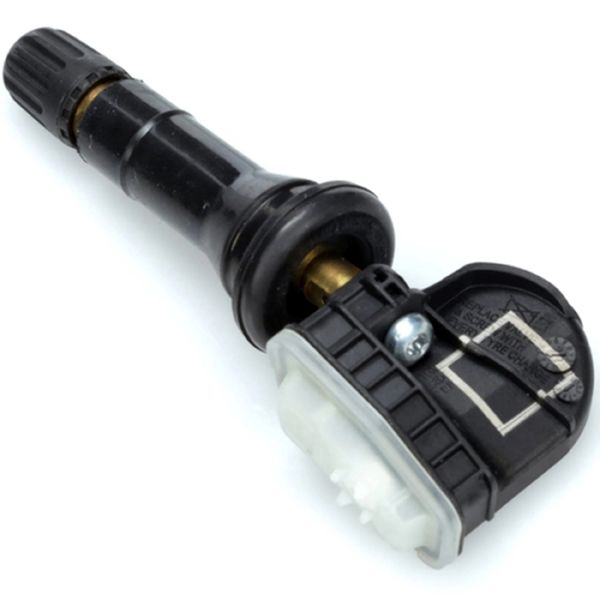
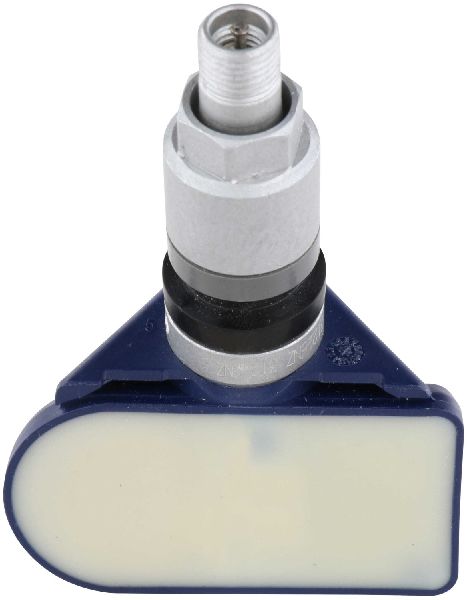
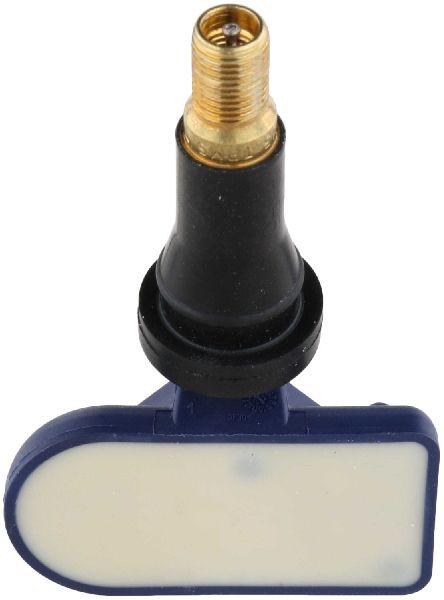
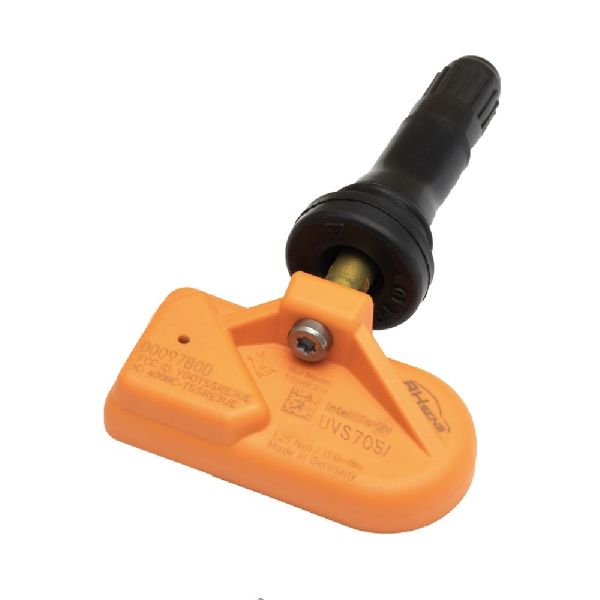
- Tire Pressure Monitoring System (TPMS) Sensor
(OEM #13598773)— The internal battery of the sensor fails over time, requiring replacement of the entire unit. This part number is widely cited for the K2XX platform. It has been superseded by numbers including 13516164, 13540602, and 86363053. Always verify the correct part number for your specific VIN.
Trusted brands: ACDelco, Schrader, Denso
OEM price range: $40-$70
Aftermarket price range: $25-$50 - Remote Control Door Lock Receiver (RCDLR)
(OEM #13595511)— If key fob and TPMS issues occur together and antenna connections are good, the receiver module itself may have failed, as noted in TSB 16-NA-396. This part has been superseded by 13540045. It requires programming after installation.
Trusted brands: ACDelco (Genuine GM)
OEM price range: $50-$150
Aftermarket price range: $40-$100
Related Codes That Often Appear With This One
- C0750, C0755, C0765 — These are the codes for the other three TPMS sensors (LF, RF, RR). If multiple codes are present, it strongly suggests a problem with the common receiver (RCDLR) or its antenna, rather than multiple sensors failing at once.
- B3055, B3060, B3935 — These codes are related to the keyless entry and vehicle immobilizer system. Their presence with C0760, as noted in TSB PIC5650M, points to a more complex issue with the BCM, RCDLR, or RF interference affecting both TPMS and vehicle security.
Technical Service Bulletins (TSBs) & Recalls
- PIC5650M: Mentions C0760 in a group of codes related to no-start or start/stall concerns with the security light on. Points to RF interference as a major cause.
- PIT5446A: Points to a disconnected RCDLR antenna system as a primary cause for TPMS codes C0750, C0755, C0760, and C0765 on 2015-2016 models.
- 16-NA-061: An updated version of the antenna issue bulletin, covering model years up to 2018 and providing detailed examples of symptoms based on where the disconnection occurs.
- 16-NA-396: Addresses intermittent key fob operation and TPMS codes caused by an internal failure of the RCDLR module.
Platform-Specific Known Issues
- TSB 16-NA-061 provides extensive detail on the RCDLR antenna issue. It explains that a disconnect between the amplifier and the glass antenna may cause few symptoms, while a disconnect at the amplifier is likely to knock out the furthest sensors (LF, LR), and a disconnect at the RCDLR module itself will cause all sensors to fail.
- TSB PIT5446A is an earlier version of 16-NA-061, confirming the same antenna disconnection issue on 2015-2016 models.
- TSB PIC5650M (and its newer revisions) links C0760 to a cluster of security and immobilizer codes, suggesting a deeper electrical issue than just TPMS when found with codes like B3055 or B3060.
Hidden / Shadow Codes Worth Checking
- C0760 71: Invalid Serial Data Received. This symptom byte indicates the RCDLR is receiving data, but it's corrupted or nonsensical. This points towards a communication bus issue or an internal RCDLR fault rather than a simple 'no signal' problem. (see via GM GDS2 (Global Diagnostic System 2) or equivalent professional scan tool.)
- C0760 29: Too Few Pulses. This symptom byte means the RCDLR is getting an incomplete signal from the sensor. This often points to a weak sensor battery, significant RF interference, or a problem with the receiver's circuitry, rather than a completely dead sensor. (see via GM GDS2 (Global Diagnostic System 2) or equivalent professional scan tool.)
- C0760 03: Low Voltage. This indicates the sensor itself is reporting low battery voltage. This is a definitive sign that the TPMS sensor needs to be replaced. (see via GM GDS2 (Global Diagnostic System 2) or equivalent professional scan tool.)
Scan Tool Commands That Help
- GDS2: Module Diagnostics -> Remote Control Door Lock Receiver -> Configuration/Reset Functions -> Add/Replace Key Fobs — This function is required after replacing the RCDLR module to program the existing key fobs to the new module. It can also be used to test if the module is responsive to commands.
- GDS2: Vehicle Diagnostics -> Vehicle DTC Information -> Clear All DTCs — After performing a repair, such as reconnecting an antenna or replacing a sensor, use this function to clear the C0760 code and other related codes from all modules to verify the fix.
- GDS2: Module Diagnostics -> Remote Control Door Lock Receiver -> Data Display — Use this to view live data from the RCDLR, such as the status of each TPMS sensor, key fob signal strength, and any reported interference, which helps differentiate between a sensor, antenna, or module fault.
Wiring & Ground Locations
- RCDLR Module — Located behind the right rear quarter trim panel in the cargo area for the 2015-2020 (K2XX) models.. This is the central receiver for all TPMS and key fob signals. Access is required to check the main coaxial antenna connection as described in TSB 16-NA-061.
- RCDLR Antenna Amplifier — Attached to the passenger side (right) rear quarter glass, behind the trim panel.. This module boosts the signal from the antenna grid on the glass. A disconnected coax cable at this amplifier is a common cause of failure for the sensors located furthest away, such as the left rear (C0760).
- G304 — On the right side B-pillar, behind the trim panel.. This is a major chassis ground point for components in the rear of the vehicle. While not the primary ground for the RCDLR, a poor connection here can introduce electrical noise and intermittent issues for various rear-body modules.
- G402 — Located in the rear of the vehicle, on the driver's side near the rear lighting assembly or behind the D-pillar trim.. This is a primary chassis ground for rear electronic components. A loose or corroded G402 ground can cause intermittent RCDLR failure, mimicking a faulty module.
Real Owner Repair Stories
- TahoeYukonForum user (2020 GMC Yukon XL Denali) — Intermittent issues with key fob range.
❌ Tried (didn't work) Dealer repeatedly changed the key fob battery.
✅ What actually fixed it The Radio Antenna Amplifier, located in the rear headliner/attached to the passenger side rear glass, was replaced under warranty. This restored key fob range from ~100 ft to over 300 ft. - YouTube channel 'Wires 2 Wrenches' (2008 Chevrolet Silverado (similar GMT900 platform)) — No start, erratic DIC messages, TPMS warnings, door lock issues, overnight battery drain.
❌ Tried (didn't work) Initial inspection of wiring harnesses.
✅ What actually fixed it The root cause was a leaking aftermarket third brake light gasket. Water dripped down the passenger C-pillar and onto the CAN bus connections near the RCDLR module, causing corrosion and communication failures. The fix was to clean the connections and replace the faulty third brake light assembly.
Model Year Variations Within This Range
- 2021-2022 (T1XX Platform): If the key fob battery is dead and a "No Remote Detected" message appears, the vehicle will instruct the driver to place the key in a specific location to start the vehicle. For the 2021+ Yukon, this location is the front pocket of the left-side driver's cup holder in the center console.
Helpful Videos

We Have This Part in Stock

The information in this article is provided for general reference and educational purposes only. Vehicle specifications, procedures, and part compatibility can vary by production date, trim level, and region. Always consult your vehicle's factory service manual and verify part numbers before purchasing or performing repairs. Safety-critical components such as airbags, seat belts, and braking systems should be installed by a qualified professional.
- Gmc YUKON:
- 🧭 Diagnostic Flowchart
- 🎬 Helpful Videos
- 🛍️ Shop This Part
- What's Unique About the 2015-2022 Gmc YUKON
- Symptoms You May Notice
- Most Likely Causes
- Rare But Worth Checking
- Diagnosis Steps
- Parts You'll Likely Need
- Related Codes That Often Appear With This One
- Technical Service Bulletins (TSBs) & Recalls
- Platform-Specific Known Issues
- Hidden / Shadow Codes Worth Checking
- Scan Tool Commands That Help
- Wiring & Ground Locations
- Real Owner Repair Stories
- Model Year Variations Within This Range
- 🎟️ Get 5% Off