

C0760 on 2007-2014 GMC Yukon XL: Left Rear TPMS Fault Causes and Fixes
Code C0760 on a 2007-2014 GMC Yukon XL means the system isn't receiving a signal from the left rear tire pressure sensor. The most common cause is a dead battery in the sensor, which requires replacing the entire sensor unit. Expect to pay $30-$60 for an aftermarket sensor and have a tire shop install it. In some cases, especially if key fob issues are also present, the fault can be the Remote Control Door Lock Receiver (RCDLR) module.
- C0760 means the left rear TPMS sensor is not communicating, most likely due to a dead battery.
- If your key fobs are also acting up, the problem may be the Remote Control Door Lock Receiver (RCDLR) module, not the sensor.
- Replacing the sensor requires a tire shop to dismount the tire.
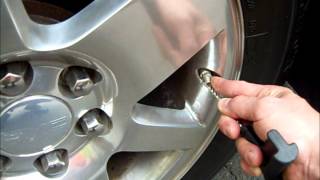
- After replacement, a 'relearn' procedure is required. This can be done with a simple TPMS tool or by letting air out of the tires in sequence.
- If your vehicle is over 8 years old, it's wise to replace all four TPMS sensors at once to save on future labor costs.
What's Unique About the 2007-2014 Gmc YUKON XL
On this generation of GMC Yukon XL (and its GMT900 platform mates), the TPMS sensors communicate with the Remote Control Door Lock Receiver (RCDLR), the same module that handles your key fobs and the anti-theft system. This integration is important because a failing RCDLR or its antenna system can cause both TPMS codes like C0760 and seemingly unrelated issues like key fobs not working, a "No Fob Detected" message, or even a no-start condition with the security light on, as noted in GM Technical Service Bulletin #PIC5650M. The RCDLR is typically located in the rear of the vehicle, behind the trim panel in the driver's side D-pillar.
Diagnostic Flowchart
Tap your situation to follow the diagnostic path that matches what you're seeing on this vehicle.
Symptoms You May Notice
- TPMS warning light is illuminated on the instrument cluster (may flash for a minute before staying on solid).
- "Service Tire Monitor System" message appears on the Driver Information Center (DIC).
- The DIC displays dashes (---) instead of a pressure reading for the left rear tire.
- In rare cases involving a module failure, key fobs may work intermittently or not at all.
- In conjunction with other codes, may be associated with a no-start or stall condition with the security light on, as per TSB #PIC5650M.
- Replacing the Body Control Module (BCM) when the issue is the RCDLR. On these trucks, the RCDLR handles TPMS functions, not the main BCM.
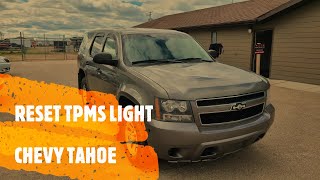
- Assuming the tire is low on air. While low pressure triggers a warning (solid light), code C0760 with a flashing light specifically points to a sensor communication failure 🎬 Watch: How to reset the TPMS light on your Tahoe, not just low pressure.
- Replacing only one sensor when all are of the same original age. The other sensors' batteries are likely to fail soon after, leading to repeat repairs.
Most Likely Causes
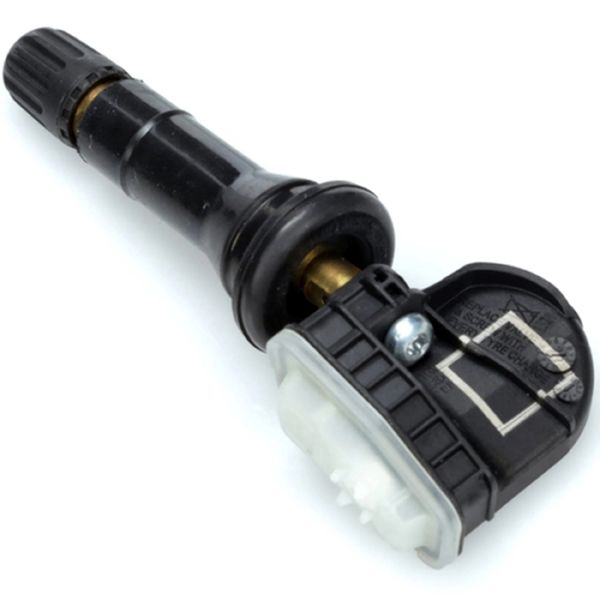
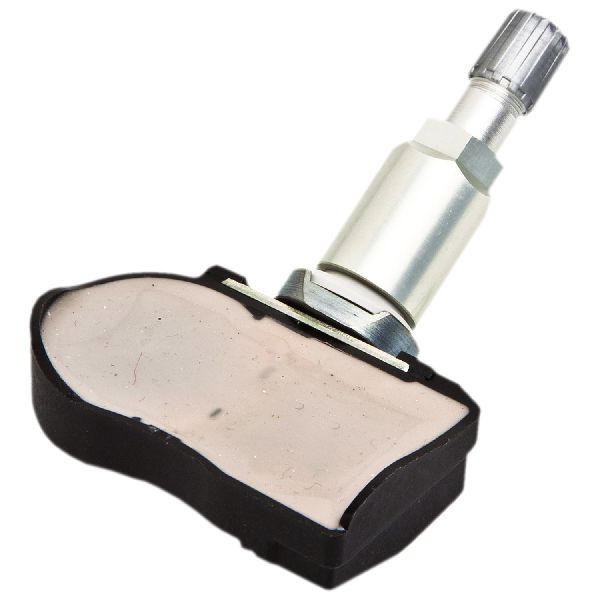
- Failed Left Rear TPMS Sensor (Dead Battery) 🔴 High Probability → Shop Tire Pressure Monitoring System (TPMS) Sensor TPMS sensors contain a non-replaceable battery with a finite lifespan, typically 7-10 years, though some are rated for up to 10 years. Vehicles in this 2007-2014 range are at an age where original sensor batteries are expected to fail. This is the most common resolution reported by owners in forums.
How to confirm: Use a TPMS diagnostic tool (like a J-46079 or equivalent) to attempt to activate the sensor. If the tool cannot get a reading (8-digit ID, pressure, battery status) from the left rear sensor but can from the others, the sensor has failed. A capable scan tool can also check the sensor's battery status directly in the RCDLR data list; a 'low battery' status confirms the need for replacement.
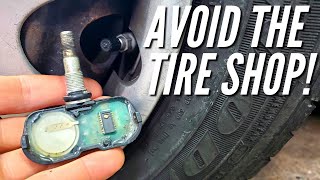
Typical fix: Replace the left rear TPMS sensor. 🎬 See how to replace TPMS sensors without a tire machine It is recommended to replace all four sensors at the same time if they are original, as the others are likely to fail soon. The new sensor must be programmed to the vehicle using a relearn procedure, which can be initiated from the DIC and completed by letting air out of each tire 🎬 Watch: How to relearn TPMS sensor positions on your Yukon in sequence or by using a TPMS activation tool.
Est. part cost: $25-$70 per sensor - Faulty Remote Control Door Lock Receiver (RCDLR) ⚪ Low Probability → Shop Keyless Entry Receiver The RCDLR is the central receiver for both TPMS and key fob signals. An internal failure in this module can cause it to stop receiving signals from one or more sensors. This is more likely if multiple TPMS codes appear at once and are accompanied by key fob range or function issues. GM issued a Preliminary Information bulletin (PI1085A) for 2012-2013 models for this exact issue.
How to confirm: This is a likely cause if you are experiencing TPMS codes for multiple wheels simultaneously, or if you also have issues with your key fobs (lock/unlock/remote start) not working. A professional scan tool can check for communication errors with the RCDLR. If a scan tool can't learn new sensors or shows no data from multiple sensors, the RCDLR is suspect.
Typical fix: Replace the RCDLR module. This part is located behind the driver's side D-pillar trim in the rear cargo area. The new module requires programming by a dealer or a well-equipped independent shop with the correct software (e.g., Tech 2 with a TIS2WEB/SPS2 subscription).
Est. part cost: $80-$150
Rare But Worth Checking
- Radio Frequency (RF) Interference: Aftermarket electronic devices like phone chargers, dash cams, LED lighting, or metallic window tint can sometimes interfere with the 315 MHz signal from the TPMS sensor, preventing the RCDLR from receiving it. GM TSB #PIC5650M specifically calls out checking for these devices. Try unplugging all aftermarket devices to see if the code clears.
- Damaged Sensor: The sensor can be physically damaged during a tire change or from a severe pothole impact. A visual inspection during tire dismounting can confirm this.
- Poor RCDLR Antenna Connection: TSB #16-NA-061 (for the next generation, but relevant principle) details how a disconnected or poor coaxial antenna connection to the RCDLR can cause intermittent loss of signal from the sensors, especially those farthest from the receiver. Checking the coax connection at the RCDLR (driver D-pillar) and the antenna amplifier module (in the right rear glass area) is a valid diagnostic step before replacing the module.
Diagnosis Steps
- Check Tire Pressures: Manually verify that all tires are inflated to the pressure listed on the driver's door jamb sticker. This rules out a simple low-pressure situation, although C0760 is a sensor fault code.
- Scan for Codes: Use an OBD-II scanner to confirm C0760 is the active code. Check for other TPMS codes (C0750, C0755, C0765) or security codes (B3055) that could indicate a central module problem.
- Attempt Sensor Activation: Use a TPMS diagnostic tool to individually trigger the left rear sensor. If it fails to transmit data (pressure, temp, battery status) while other sensors respond, the sensor itself is bad.
- Attempt TPMS Relearn: Initiate the vehicle's TPMS relearn mode via the Driver Information Center (DIC) buttons. The horn will chirp, and the turn signal will indicate which tire to start with (usually left front).
- Perform Relearn Sequence: Using a TPMS activation tool (or by letting air out of the tire until the horn chirps), proceed in the sequence indicated by the vehicle (LF, RF, RR, LR). If the relearn procedure fails and will not complete at the left rear wheel, the sensor is not transmitting and needs to be replaced.
- Check for RF Interference: Unplug all aftermarket accessories, especially phone chargers and dash cams, and see if the sensor signal returns.
- Inspect RCDLR Connections: If multiple sensors are failing or key fob issues are present, inspect the RCDLR module behind the driver's side rear D-pillar trim for secure connections, especially the coaxial antenna cable, before condemning the module.
Parts You'll Likely Need
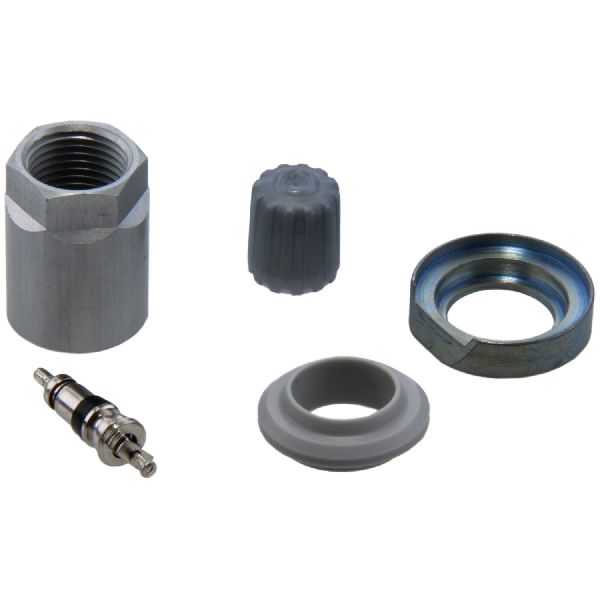
- Tire Pressure Monitoring System (TPMS) Sensor
(OEM #13586335)— This is the most common failure point. The internal battery dies, requiring replacement of the whole sensor. The 2007-2014 Yukon XL uses a 315 MHz sensor. Part number 13586335 is a widely used replacement for the original 25920615.
Trusted brands: ACDelco (GM Original Equipment), Schrader (Often the OEM supplier), Dorman, ITM
OEM price range: $50-$80
Aftermarket price range: $25-$50 - Remote Control Door Lock Receiver (RCDLR)
(OEM #13503205)— This module is replaced when multiple TPMS sensors and/or the key fobs stop communicating with the vehicle. It requires dealer programming after installation. A user on a forum confirmed this was the fix for their combined TPMS/key fob issue.
Trusted brands: ACDelco (GM Genuine)
OEM price range: $80-$150
Related Codes That Often Appear With This One
- C0750 — Fault code for the Left Front TPMS sensor. Seeing multiple TPMS codes at once can point towards a central receiver (RCDLR) issue or widespread sensor battery failure.
- C0755 — Fault code for the Right Front TPMS sensor.
- C0765 — Fault code for the Right Rear TPMS sensor.
- B3055 / B3060 — These are key-related anti-theft codes. Their presence with C0760 strongly suggests a failing RCDLR or significant RF interference, as the RCDLR controls both systems. This is highlighted in TSB #PIC5650M.
Technical Service Bulletins (TSBs) & Recalls
- PIC5650M: Mentions that codes C0750, C0755, C0760, C0765, etc., can be present during a no-start or stall condition with the security light on, pointing to the RCDLR or RF interference.
Platform-Specific Known Issues
- The provided TSB #PIC5650M highlights a known link between various TPMS codes (including C0760) and security/no-start issues, pointing to a potential RCDLR module failure or significant RF interference.
- A wiring harness behind the alternator is known to chafe on a stud on the 5.3L V8 engine, causing various electrical issues. While not directly linked to C0760 in documentation, it's a known electrical weak point on this platform worth noting for general troubleshooting.
Mechanic-Grade Diagnostic Values
- TPMS Sensor Data Transmission (with activation tool) — expected: Tool should display an 8-digit sensor ID, pressure reading accurate to +/- 4 PSI, 'Learn Mode' status, and a signal strength of at least 1/4 on the tool's graph.. Failure: If any of these parameters are not displayed or are incorrect, the sensor is likely faulty.
- Scan Tool Live Data: 'Pressure Sensor Mode' — expected: The parameter should change from 'Wake' or 'Stationary' to 'Rolling' or 'Drive' when the vehicle is driven above 25 mph (40 km/h) for a couple of minutes.. Failure: If the parameter for the suspect sensor does not change to 'Rolling' or 'Drive' mode, the sensor has failed.
- Scan Tool Live Data: 'Tire Pressure Sensor Rolling Count' — expected: This parameter should be above 50% for all four sensors.. Failure: A low percentage indicates a poor success rate of signal reception, possibly due to RF interference or a failing sensor.
Scan Tool Commands That Help
- Tech 2 / GDS2: RCDLR Module Setup — This function is required after installing a new RCDLR module to integrate it with the vehicle's systems before programming keys or TPMS sensors.
- Tech 2 / GDS2: Theft Deterrent System Learn — After replacing the RCDLR, this procedure (either a 10 or 30-minute process) is necessary to sync the vehicle's anti-theft system with the new module.
- Tech 2 / GDS2 with J-46079: Simulated Sensor Learning — To definitively test the RCDLR. The J-46079 tool is used in 'simulate mode' to send four known-good sensor signals to the RCDLR. If the scan tool does not display the same IDs that the special tool sent, the RCDLR itself is confirmed to be faulty.
Wiring & Ground Locations
- RCDLR Module — Located in the rear of the vehicle, behind the trim panel in the upper driver's side D-pillar.. This is the central receiver for all TPMS sensor signals. Physical access is needed to check connections or replace the module.
- RCDLR Antenna System — Consists of a coaxial cable running from the RCDLR to an antenna amplifier module, which then connects to an antenna embedded in the right rear quarter glass.. A loose connection at the RCDLR, the amplifier, or the glass can cause intermittent or complete loss of signal from one or more TPMS sensors, mimicking a failed sensor or RCDLR.
- G402 — A ground point located on the right 'D' pillar.. This is a key ground point for various rear body components. While not explicitly tied to the RCDLR in the diagram, a poor ground in this area can cause a host of difficult-to-diagnose electrical issues with nearby modules.
Real Owner Repair Stories
- Tahoe Yukon Forum user 'Joseph Garcia' (2007 Yukon XL Denali) — Service Tire Monitor System message, multiple TPMS codes, and inability to complete the TPMS relearn procedure, which would fail on the very first step (left front wheel).
❌ Tried (didn't work) Initial diagnosis pointed towards a faulty RCDLR module due to the relearn procedure failing immediately.
✅ What actually fixed it The actual cause was a single failed TPMS sensor on the RIGHT REAR wheel. Despite the relearn process failing at the left front, replacing the unrelated right rear sensor allowed the entire system to function and relearn correctly.
When the Usual Fixes Don't Work
- In one documented case, a vehicle presented with multiple TPMS codes and a complete failure of the relearn procedure at the first step (left front wheel), leading to a diagnosis of a failed RCDLR. However, the actual root cause was a single failed sensor on the right rear wheel. This demonstrates that a single sensor failure can sometimes create misleading symptoms that appear to be a central module failure.
OEM Part Supersession History
25920615→13586335, which was later superseded by 13540600.— Standard part evolution and consolidation by GM.
Heads up: While multiple part numbers exist, the critical factor for 2007-2014 US market Yukon XLs is ensuring the sensor operates on the 315 MHz frequency.
Model Year Variations Within This Range
- 2012-2013 (built between April 1, 2012 and May 1, 2013): GM Preliminary Information bulletin #PI1085A identifies a higher likelihood of RCDLR failure in this specific production window, causing poor key fob range and/or TPMS codes. The recommended fix is to replace the RCDLR module (P/N 20863945).
Helpful Videos
We Have This Part in Stock


The information in this article is provided for general reference and educational purposes only. Vehicle specifications, procedures, and part compatibility can vary by production date, trim level, and region. Always consult your vehicle's factory service manual and verify part numbers before purchasing or performing repairs. Safety-critical components such as airbags, seat belts, and braking systems should be installed by a qualified professional.
- Gmc YUKON XL:
- 🧭 Diagnostic Flowchart
- 🎬 Helpful Videos
- 🛍️ Shop This Part
- What's Unique About the 2007-2014 Gmc YUKON XL
- Symptoms You May Notice
- Most Likely Causes
- Rare But Worth Checking
- Diagnosis Steps
- Parts You'll Likely Need
- Related Codes That Often Appear With This One
- Technical Service Bulletins (TSBs) & Recalls
- Platform-Specific Known Issues
- Mechanic-Grade Diagnostic Values
- Scan Tool Commands That Help
- Wiring & Ground Locations
- Real Owner Repair Stories
- When the Usual Fixes Don't Work
- OEM Part Supersession History
- Model Year Variations Within This Range
- 🎟️ Get 5% Off