

C0765 on 2015-2019 Buick LaCrosse: TPMS Fault Causes and Fixes
Code C0765 on a 2015-2019 Buick LaCrosse indicates a fault with the left rear tire pressure sensor. The most common fix is to replace the sensor, which has a battery life of 5-10 years. However, if your key fob also stops working, the problem is likely a failed Remote Control Door Lock Receiver (RCDLR) module, a widely documented GM issue.
- C0765 points to a fault with the left rear TPMS sensor.
- First, check if your key fob is working. If it's not, the problem is likely the Remote Control Door Lock Receiver (RCDLR), not the sensor itself.
- If the key fob works fine, the TPMS sensor in the left rear tire has most likely failed due to a dead battery.
- Before replacing a suspected RCDLR, check its antenna connections, as a loose cable can cause the same symptoms.
- Replacing a TPMS sensor requires tire removal and a special tool for the relearn procedure, while replacing the RCDLR requires professional programming.
What's Unique About the 2015-2019 Buick LACROSSE
On this generation of Buick LaCrosse and other similar GM vehicles (like the Cadillac XTS and Chevy Impala), the TPMS sensors communicate with the Remote Control Door Lock Receiver (RCDLR), the same module that receives signals from your key fob. Because of this shared module, a C0765 code, especially when accompanied by other TPMS codes and key fob issues, often points to a failed RCDLR rather than the sensor itself. This is a well-documented issue covered by GM Technical Service Bulletin #16-NA-396.
Diagnostic Flowchart
Tap your situation to follow the diagnostic path that matches what you're seeing on this vehicle.
Generation note: This range covers the end of the second generation (2015-2016) and the third generation (2017-2019) of the Buick LaCrosse. The TPMS and RCDLR architecture related to this fault code is consistent across both generations, though specific part numbers for the RCDLR and key fobs may differ by year.
Symptoms You May Notice
- Tire pressure monitor indicator light is on or flashing
- "Service Tire Monitor System" message on the Driver Information Center (DIC)
- Key fob functions (lock, unlock, remote start) are inoperative or work intermittently.
- "No Remote Detected" message o 🎬 Watch: How to start your car with a dead key fob.n the DIC.
- Security light illuminated with possible no-start or stalling issues.
- Replacing only the TPMS sensor when the key fob is also inoperative. In this case, the RCDLR is the more likely culprit.
- Replacing the Body Control Module (BCM) when the fault lies with the less expensive RCDLR module.
Most Likely Causes
- Failed Left Rear TPMS Sensor 🔴 High Probability → Shop Tire Pressure Monitoring System (TPMS) Sensor The sealed, non-replaceable battery inside the sensor has a finite lifespan, typically 5-10 years. Vehicles in this year range are reaching the end of that lifespan.
How to confirm: A tire shop can use a TPMS activation tool to check if the sensor is transmitting. If it does not respond, its battery is dead or the sensor has failed. This is the likely cause if your key fob is still working correctly from a normal distance.
Typical fix: Replace the left rear TPMS sensor. It is often recommended to replace all four sensors at the same time if they are original, as the others are likely to fail soon.
Est. part cost: $25-$60 per sensor (aftermarket), $70-$120 per sensor (OEM) - Faulty Remote Control Door Lock Receiver (RCDLR) 🟡 Medium Probability → Shop Keyless Entry Receiver This is a known issue on many GM platforms from this era, as documented in TSB #16-NA-396. 🎬 Watch: Diagnosing a failed RCDLR causing TPMS and keyless issues. The module can fail internally, causing a loss of communication with both the TPMS sensors and key fobs.
How to confirm: This is the most likely cause if you have multiple TPMS codes (C0750, C0755, C0760, C0765) and your key fobs have stopped working. A professional scan tool can confirm a lack of communication from the RCDLR and may show a specific symptom code ':29 – Too Few Pulses'.
Typical fix: Replace the RCDLR module and program the new one to the vehicle. The module is generally located in the rear of the vehicle, often behind a side trim panel or under the headliner.
Est. part cost: $30-$100
Rare But Worth Checking
- Radio Frequency (RF) Interference: Aftermarket electronic devices, such as cell phone chargers, dash cams, or power inverters plugged into the car's outlets, can sometimes emit RF noise that interferes with the low-power signals from the TPMS sensors and key fobs.
- Wiring or Connector Issue: Though uncommon, damage or corrosion in the wiring or connector for the RCDLR module could cause this fault. TSB #16-NA-061 specifically notes that a disconnected coaxial antenna cable at the RCDLR can cause identical symptoms to a failed module.
Diagnosis Steps
- Verify tire pressures manually with a quality gauge. Inflate to the pressure listed on the driver's door jamb sticker.
- Check for symptoms. Does the key fob work? If not, or if its range is very poor, suspect the RCDLR.
- Use a TPMS activation tool to test the left rear sensor. If it doesn't respond, the sensor has likely failed.
- If the sensor responds but the code persists, scan for other TPMS codes. If all four (C0750, C0755, C0760, C0765) are present, the RCDLR is the primary suspect.
- With a professional scan tool, check for symptom code ':29 - Too Few Pulses' attached to the C-codes, which points directly to the RCDLR per TSB 16-NA-396.
- Attempt the TPMS relearn procedure as described in the owner's manual. If the left rear sensor fails to register, it confirms 🎬 See how to perform the TPMS relearn procedure yourself. a problem with that sensor's signal path.
- Inspect for any aftermarket electronic devices that could cause RF interference. Unplug them and re-test.
- If the RCDLR is suspected, inspect its wiring and coaxial antenna connectors for damage or disconnection before replacing the module, as outlined in TSB 16-NA-061.
Parts You'll Likely Need
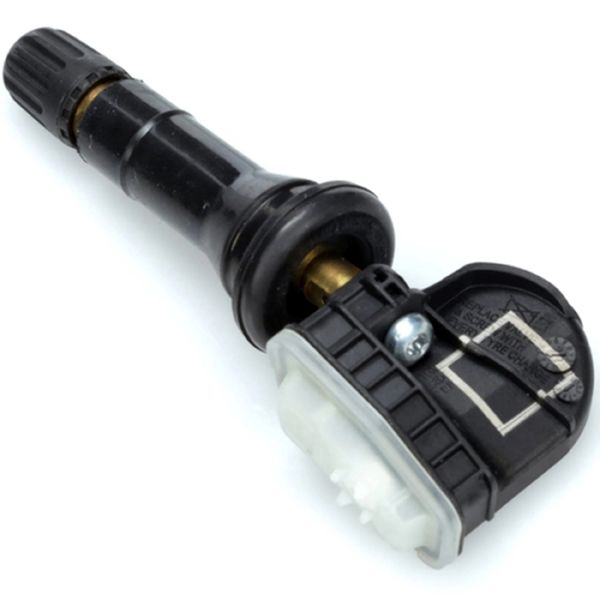
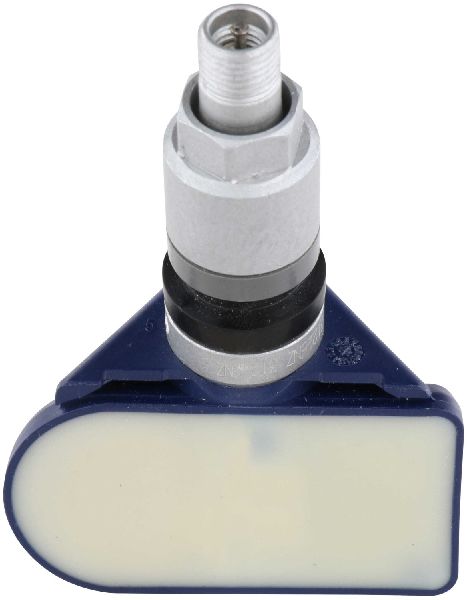
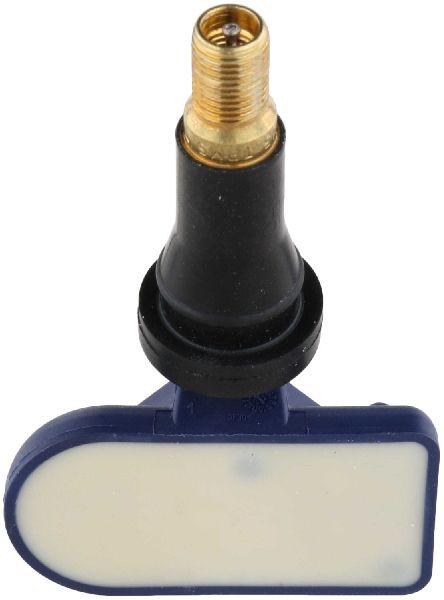
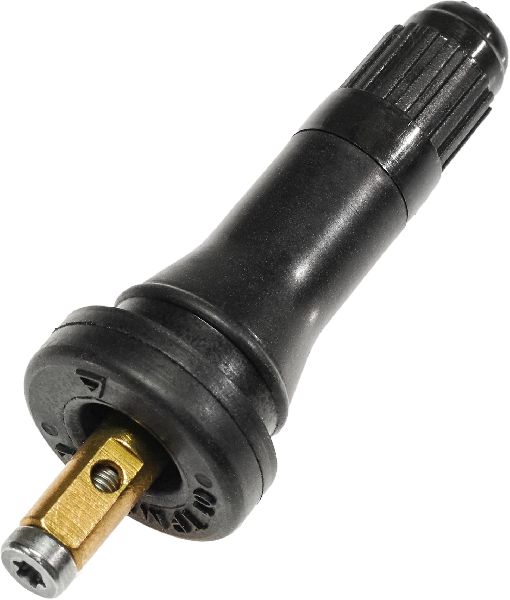
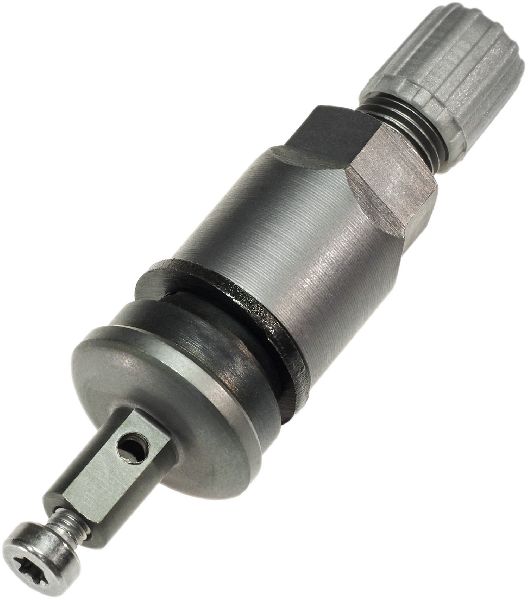
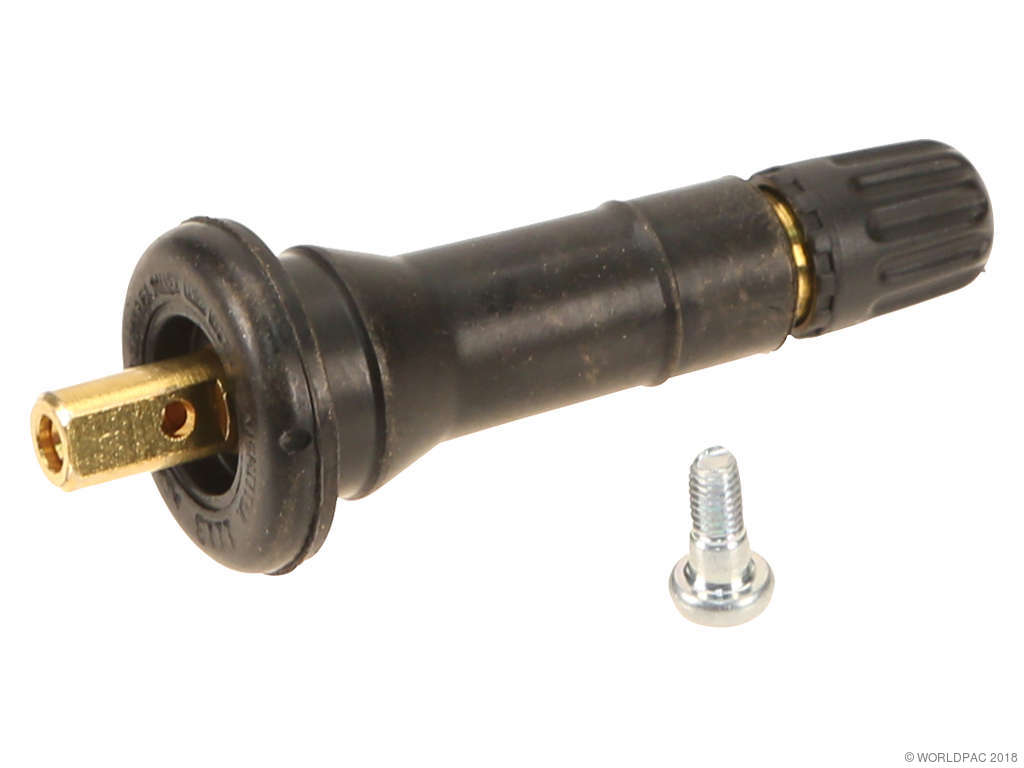
- Tire Pressure Monitoring System (TPMS) Sensor
(OEM #13598773)— This is the most common failure point if key fobs are working correctly. The internal battery dies or the sensor fails electronically.
Trusted brands: ACDelco, Schrader, Huf, Denso
OEM price range: $70-$120
Aftermarket price range: $25-$60 - Remote Control Door Lock Receiver (RCDLR)
(OEM #Varies. Common replacements include 13595511 (replaces 13509518) or 13597910 (replaces 13510984). Verify by VIN.)— This module is the second most likely cause, especially if key fob functions are also lost. Part numbers vary by year and specific options and have been superseded.
Trusted brands: ACDelco (GM Genuine)
OEM price range: $30-$100
Related Codes That Often Appear With This One
- C0750, C0755, C0760 — These are the codes for the other three wheel sensors (Right Front, Left Front, Right Rear). When all four appear together, it strongly indicates a failure of the common receiver, the RCDLR, rather than four simultaneous sensor failures.
- B3055, B3060, B3935 — These codes are related to the vehicle's immobilizer and key recognition systems. Their presence alongside C0765 can also point to a fault in the RCDLR or related control modules, as noted in TSB #PIC5650M.
Technical Service Bulletins (TSBs) & Recalls
- 16-NA-396: Notes that a faulty Remote Control Door Lock Receiver (RCDLR) can cause C0765 along with other TPMS codes and a loss of key fob functions.
- 16-NA-061: Details how a disconnected RCDLR antenna can mimic the symptoms of a failed RCDLR module, causing TPMS and key fob issues.
- PIC5650M: Connects C0765 to a wider group of diagnostic codes that may result in security light and no-start conditions.
Platform-Specific Known Issues
- TSB #16-NA-396 highlights that intermittent key fob operation, a "No Remote Detected" message, and multiple TPMS codes (including C0765 with symptom :29) can be caused by an internal failure of the Remote Control Door Lock Receiver. The fix is to replace the RCDLR module.
- TSB #16-NA-061 provides an alternative cause: a disconnected antenna coax cable leading to the RCDLR. This can produce the exact same symptoms as a failed module and should be checked first before ordering parts.
- TSB #PIC5650M links C0765 with a cluster of other codes that can cause a no-start or start-and-stall condition, pointing to a potential issue within the vehicle's security and control module network.
Mechanic-Grade Diagnostic Values
- TPMS Sensor Transmission Frequency — expected: 315 MHz. Failure: N/A. This is a fixed value for the part. Using a sensor with the wrong frequency (e.g., 433 MHz) will result in no communication.
- TPMS Sensor Transmission Trigger (Pressure Change) — expected: Immediate transmission upon pressure change of >1.2 PSI.. Failure: If a rapid deflation test does not trigger a transmission (viewable with an advanced TPMS tool), the sensor may be faulty.
- RCDLR Connector Voltage — expected: Pin 1: Battery Voltage (B+), Pin 4: Good Ground (<5 ohms to chassis ground).. Failure: No voltage at Pin 1 or high resistance/no continuity to ground at Pin 4 indicates a wiring or fuse issue, not a failed RCDLR.
Hidden / Shadow Codes Worth Checking
- Symptom Code :29: Too Few Pulses. This sub-code is attached to the C07xx TPMS codes and specifically points to a signal reception problem at the RCDLR, as opposed to a dead sensor. (see via GM GDS2 or other professional scan tool capable of reading manufacturer-specific symptom codes.)
Scan Tool Commands That Help
- GDS2 (GM): Module Diagnostics > Remote Control Door Lock Receiver > Data Display — To check if the RCDLR is communicating on the network and to view live data, such as the status of key fob button presses or the last received signal from each TPMS sensor.
- GDS2 (GM): Module Diagnostics > Remote Control Door Lock Receiver > Configuration/Reset Functions > Program Key Fobs — After replacing the RCDLR, this function is required to program the existing and any new key fobs to the new module.
- GDS2 (GM): TPMS Relearn Procedure — To command the vehicle into the TPMS relearn mode. This is necessary after replacing a sensor or rotating tires to teach the vehicle the new sensor positions.
- GDS2 (GM) or similar: Bidirectional Controls (e.g., Lock/Unlock Doors) — To test the output functions of the RCDLR. If the scan tool can command the doors to lock and unlock, it confirms the module is powered, grounded, and capable of basic communication, pointing the diagnosis more toward its receiver function.
Wiring & Ground Locations
- RCDLR Module — Typically located in the rear of the vehicle, often behind the passenger side C-pillar trim panel or under the rear parcel shelf/headliner area.. This is the central receiver for all TPMS and key fob signals. Physical access is needed for inspection and replacement.
- RCDLR Coaxial Antenna Connector — A single coaxial cable that plugs directly into the RCDLR module.. TSB 16-NA-061 states that this connector being loose or disconnected can perfectly mimic a failed RCDLR, causing loss of all TPMS and key fob signals. It must be checked before replacing the module.
- RCDLR Power/Ground Connector — A multi-pin connector at the RCDLR module.. A technician must verify battery voltage and a solid ground at this connector before condemning the module. A preliminary bulletin for trucks suggests Pin 1 is power and Pin 4 is ground.
- Main Chassis Grounds (e.g., G101, G102) — Various locations in the engine bay and cabin. G101/G102 are often on the engine block or near the battery.. While not specific to the RCDLR, GM has issued bulletins regarding poor main ground bolts causing widespread, intermittent electrical issues. If power/ground tests at the RCDLR connector fail, checking main grounds is a valid next step before tracing individual wires.
Real Owner Repair Stories
- CorvetteForum user (GM Vehicle (Corvette C7)) — After driving in heavy rain, the TPMS warning light came on and key fobs stopped working. OnStar pulled codes C0750, C0755, C0760, C0765, and U0422 (BCM communication fault).
❌ Tried (didn't work) Took the car to the dealer, who could not find any stored codes, presumably because the module had reset after an ignition cycle. The owner suspected a BCM fault.
✅ What actually fixed it Another forum user correctly diagnosed the symptoms (all four TPMS codes + key fob failure) as a classic RCDLR module problem, not a BCM problem. The likely cause was the RCDLR module or its connector getting wet. The final fix is to replace the RCDLR. - Reddit user r/Cartalk (2011 Buick LaCrosse) — "Service Tire Monitor System" message and codes C0750, C0755, C0760, and C0765 after swapping from winter tires (on their own wheels) to all-season tires.
❌ Tried (didn't work) N/A
✅ What actually fixed it The problem was resolved by performing the TPMS relearn procedure. Because the vehicle has positional sensors, it needed to be taught the new locations (or IDs) of the sensors after the wheel swap.
OEM Part Supersession History
13595511→13540045— Standard part revision and replacement by manufacturer.
Model Year Variations Within This Range
- 2015-2016 vs 2017-2019: The key fobs are physically different between the second generation (ending in 2016) and the third generation (starting in 2017). The 2015-2016 models use fobs with FCC IDs like OHT01060512 or KR55WK50073, while 2017-2019 models use a newer style fob. While the RCDLR failure mode is the same, the specific RCDLR part number and key fobs are not interchangeable between generations and must be verified by VIN.
Helpful Videos
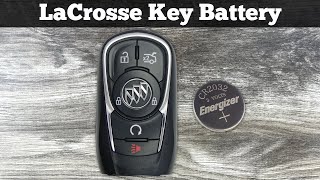
We Have This Part in Stock

The information in this article is provided for general reference and educational purposes only. Vehicle specifications, procedures, and part compatibility can vary by production date, trim level, and region. Always consult your vehicle's factory service manual and verify part numbers before purchasing or performing repairs. Safety-critical components such as airbags, seat belts, and braking systems should be installed by a qualified professional.
- Buick LACROSSE:
- 🧭 Diagnostic Flowchart
- 🎬 Helpful Videos
- 🛍️ Shop This Part
- What's Unique About the 2015-2019 Buick LACROSSE
- Symptoms You May Notice
- Most Likely Causes
- Rare But Worth Checking
- Diagnosis Steps
- Parts You'll Likely Need
- Related Codes That Often Appear With This One
- Technical Service Bulletins (TSBs) & Recalls
- Platform-Specific Known Issues
- Mechanic-Grade Diagnostic Values
- Hidden / Shadow Codes Worth Checking
- Scan Tool Commands That Help
- Wiring & Ground Locations
- Real Owner Repair Stories
- OEM Part Supersession History
- Model Year Variations Within This Range
- 🎟️ Get 5% Off