

C0765 on 2012-2017 Buick Verano: Causes for TPMS and Key Fob Failure
On a 2012-2017 Buick Verano, code C0765, which points to the right rear tire pressure sensor, is most often caused by a failed Remote Control Door Lock Receiver (RCDLR). This module failure also disables all key fob functions. The fix is to replace and program the RCDLR module, which is a known issue on this platform documented in GM TSB 16-NA-396.
- Code C0765 on a Buick Verano, especially when the key fob also stops working, is almost always a failed Remote Control Door Lock Receiver (RCDLR), not a bad tire sensor.
- This is a known issue documented by GM in Technical Service Bulletin 16-NA-396.
- The fix requires replacing the RCDLR module (Part No. 13597910) and programming the new module to the vehicle.
- If the key fob works perfectly and only C0765 is present, then the tire sensor itself is the likely culprit.
- The issue is shared with platform mates like the Chevrolet Cruze and Cadillac ELR.
What's Unique About the 2012-2017 Buick VERANO
The Buick Verano, built on the GM Delta II platform, is subject to a well-documented issue where an internal failure of the Remote Control Door Lock Receiver (RCDLR) causes multiple TPMS codes (C0750, C0755, C0760, C0765) to appear simultaneously. This failure, detailed in GM Technical Service Bulletin #16-NA-396, also results in a complete loss of key fob functions (lock, unlock, remote start). This is a critical distinction because the root cause is not the tire sensor itself, but the central receiver module that listens to both the TPMS sensors and the key fobs. The module is typically located in the rear of the vehicle, behind trim panels.
Diagnostic Flowchart
Tap your situation to follow the diagnostic path that matches what you're seeing on this vehicle.
Symptoms You May Notice
- Tire Pressure Monitor (TPM) warning light is on or flashing
- "Service Tire Monitor System" message on the Driver Information Center (DIC)
- Key fob is completely inoperative (lock, unlock, remote start, trunk release, panic button do not work)
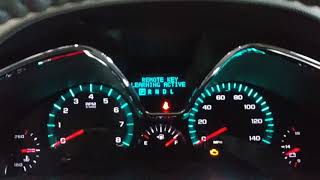
- "No Remote Detected" message on the DIC when trying to start the vehicle
- Inability to perform a TPMS relearn procedure
- In rare cases, can be associated with a no-start or security light issue, potentially setting other codes like B3055 or B3060
- Replacing the right rear TPMS sensor when the RCDLR is the actual problem. If your key fob is also not working, do not replace the tire sensor. The issue is almost certainly the RCDLR module, as outlined in TSB 16-NA-396.
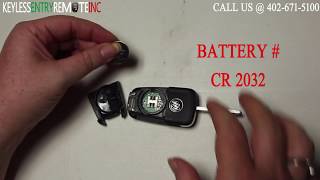
- Replacing key fob batteries. 🎬 Watch: How to replace your Buick Verano key fob battery While a good first step for a single non-working fob, if all fobs stop working at the same time as the TPMS light comes on, the issue is not the fob batteries.
Most Likely Causes
- Failed Remote Control Door Lock Receiver (RCDLR) 🔴 High Probability → Shop Keyless Entry Receiver This is a well-documented pattern failure addressed by GM TSB #16-NA-396. The module's internal electronics fail, causing it to stop processing signals from both the TPMS sensors and key fobs. This issue is common across the GM Delta II platform, affecting the Chevrolet Cruze and others.
How to confirm: The most telling symptom is the simultaneous failure of the TPMS system and all key fobs. Scan for codes; if codes for all four tire sensors (C0750, C0755, C0760, C0765) are present, the RCDLR is almost certainly the cause. A technician might also note that the rear TPMS sensors lose signal before the front ones, as the receiver is located in the rear of the car.
Typical fix: Replace the RCDLR module and program the new module to the vehicle using a GM-specific scan tool. The module is typically located behind the rear passenger side C-pillar trim.
Est. part cost: $30-$100 - Dead or Faulty Right Rear TPMS Sensor 🟡 Medium Probability → Shop Tire Pressure Monitoring System (TPMS) Sensor TPMS sensors are powered by small, non-replaceable batteries with a finite lifespan of 5-10 years. Vehicles in the 2012-2017 range are at an age where battery failure is common.
How to confirm: If the key fob works normally and only code C0765 is present, the sensor itself is the likely culprit. A tire shop can use a TPMS activation tool to check if the sensor is transmitting a signal. If it doesn't respond, it needs to be replaced.
Typical fix: Replace the right rear TPMS sensor and perform the TPMS relearn procedure using the vehicle's DIC menu and a TPMS tool. 🎬 See how to reset the TPMS light on your Verano
Est. part cost: $25-$60 - Wiring Harness or Connector Issue ⚪ Low Probability While less common for this specific issue, GM vehicles can be susceptible to water intrusion and corrosion in body connectors, as noted in bulletins like 19-NA-243, which could theoretically affect the RCDLR circuit.
How to confirm: Visually inspect the wiring and connectors at the RCDLR module for any signs of damage, corrosion, or loose connections. This would typically be performed after ruling out the RCDLR and the sensor.
Typical fix: Repair the damaged section of the wiring harness or clean/replace the faulty connector.
Est. part cost: $5-$50
Rare But Worth Checking
- Body Control Module (BCM) Fault: → Shop Body Control Module While very rare, the BCM is the central computer that communicates with the RCDLR. A fault within the BCM could theoretically mimic RCDLR failure, but this should only be considered after all other possibilities have been exhausted and other BCM-related codes are present.
Diagnosis Steps
- Check for primary symptoms: Is the TPMS warning light on? Does your key fob work?
- If the key fob is NOT working, the RCDLR is the primary suspect. Proceed with diagnosing the RCDLR.
- If the key fob IS working, the right rear TPMS sensor is the primary suspect.
- Scan the Body Control Module (BCM) for all stored trouble codes. Note if C0750, C0755, and C0760 are also present. A full set of codes strongly indicates a failed RCDLR.
- If only C0765 is present, use a TPMS activation tool to test the right rear sensor. If the tool cannot get a response from the sensor, the sensor battery is likely dead or the sensor has failed.
- If the sensor activates with a tool but the code persists, check the wiring to the RCDLR. The module is located behind the passenger side rear C-pillar trim panel.
- If the RCDLR is confirmed to be faulty, replace the module. The new module must be programmed to the vehicle using a compatible scan tool (e.g., GM MDI) and software (GDS2) by navigating to Module Diagnostics -> Remote Control Door Lock Receiver -> Configuration/Reset Functions. 🎬 Watch: How to program the module using GDS2 software
- As a temporary measure before repair, a battery disconnect and reconnect may reset the RCDLR and restore function temporarily.
Parts You'll Likely Need
- Remote Control Door Lock Receiver (RCDLR)
(OEM #13597910)— This is the most common cause of code C0765, especially when accompanied by a non-functional key fob, as documented in GM TSB 16-NA-396. This part number supersedes older versions 13510984 and 13583332.
Trusted brands: ACDelco, GM Genuine
OEM price range: $40-$70
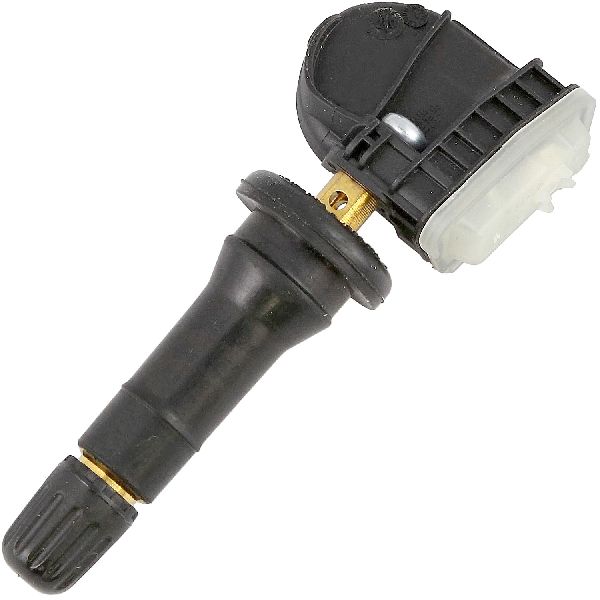
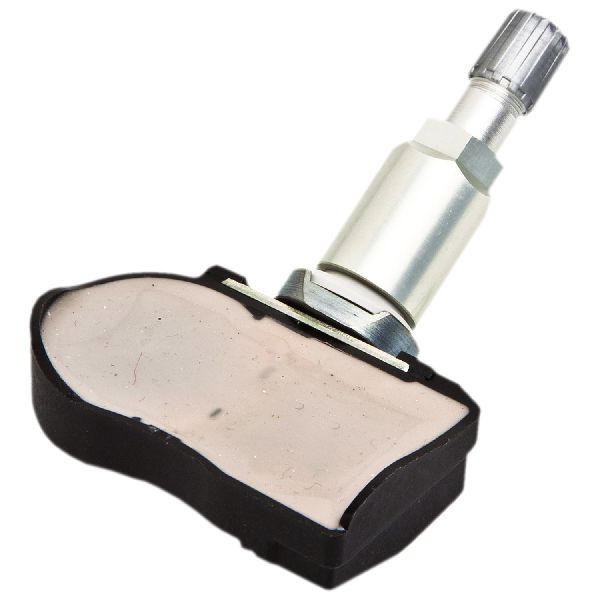
Aftermarket price range: $30-$80 - Tire Pressure Monitoring System (TPMS) Sensor
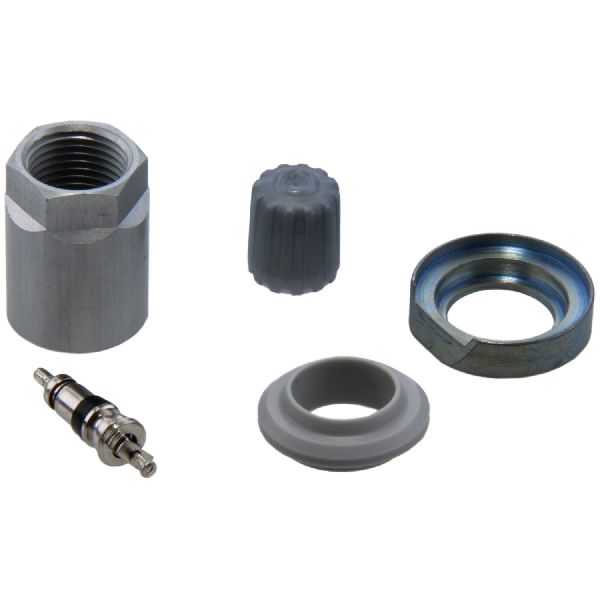
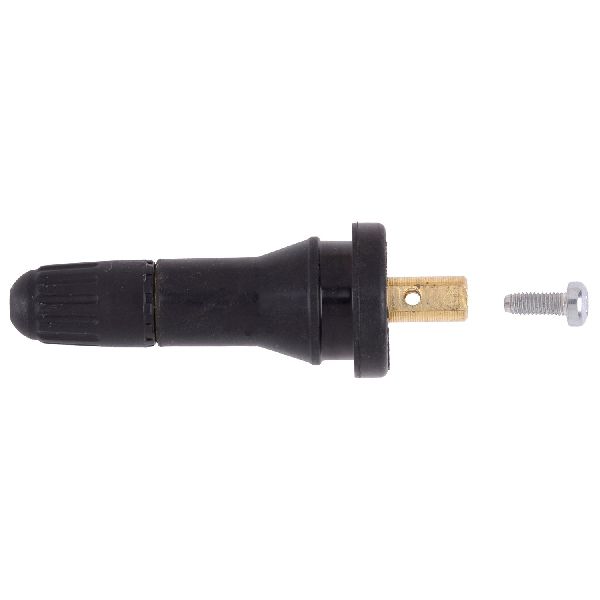
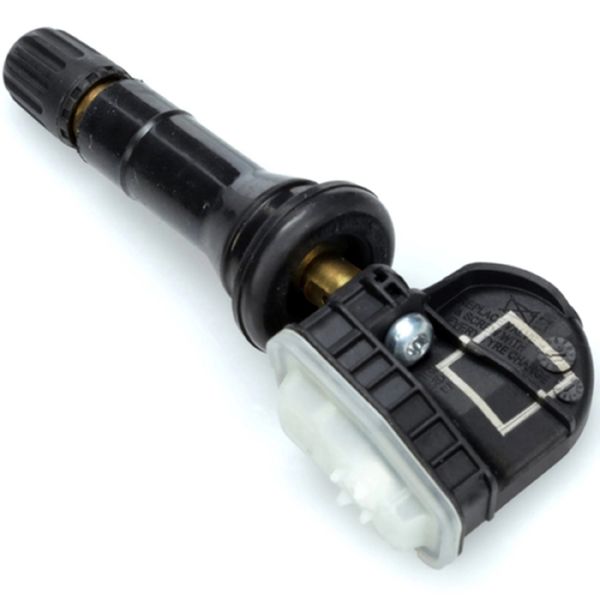
(OEM #13540601)— If the key fob is working and only C0765 is set, the sensor itself has likely failed, usually due to a dead battery.
Trusted brands: Schrader, ACDelco, Dorman, Bosch
OEM price range: $40-$70
Aftermarket price range: $25-$50
Related Codes That Often Appear With This One
- C0750 — Fault code for the Left Front TPMS sensor. Often appears with other TPMS codes when the RCDLR fails.
- C0755 — Fault code for the Right Front TPMS sensor. Often appears with other TPMS codes when the RCDLR fails.
- C0760 — Fault code for the Left Rear TPMS sensor. Often appears with other TPMS codes when the RCDLR fails.
- B3101 — A BCM code related to keyless entry data. An interim TSB (PIC6227) noted this could appear alongside the TPMS codes before the final fix was identified.
Technical Service Bulletins (TSBs) & Recalls
- 16-NA-396: Addresses intermittent or total failure of key fobs and the illumination of the TPMS light with codes C0750, C0755, C0760, and C0765. It identifies the cause as an internal failure of the Remote Control Door Lock Receiver and instructs technicians to replace the module.
- PIC5650M: Lists C0765 among several other codes that may be present during a no-start, start-stall, or security light concern, linking the RCDLR/TPMS system to the vehicle's immobilizer.
- PIC6227: An interim bulletin that acknowledged the simultaneous TPMS and key fob issue on many 2016-2017 GM vehicles, including the Cruze. It advised a battery disconnect/reconnect as a temporary fix while a permanent solution (which became TSB 16-NA-396) was developed.
Platform-Specific Known Issues
- Per Technical Service Bulletin 16-NA-396, a known defect in the Remote Control Door Lock Receiver (RCDLR) can cause it to fail. This single point of failure simultaneously disables the Tire Pressure Monitoring System and all key fob remote functions, setting codes C0750, C0755, C0760, and C0765.
- An earlier bulletin, PIC5604, also identified this issue on 2012 Verano, Cruze, and Volt models, noting poor RKE transmitter range and dashes for rear tire pressures as symptoms pointing to a faulty RCDLR.
Hidden / Shadow Codes Worth Checking
- Symptom Code :29: This sub-code, visible on a dealer-level scan tool like a Tech 2 or GDS2, means 'Too Few Pulses'. TSB #16-NA-396 explicitly states that when C0765 is accompanied by symptom code 29, the cause is likely an internal issue with the Remote Control Door Lock Receiver (RCDLR). It indicates the RCDLR is not receiving the expected number of signal transmissions from the TPMS sensor. (see via GM Tech 2 or GDS2 diagnostic scan tool.)
Scan Tool Commands That Help
- GDS2 (GM Diagnostic Software): Module Diagnostics -> Remote Control Door Lock Receiver -> Configuration/Reset Functions -> Add or Replace Key Fobs — This specific path is used after physically replacing the RCDLR. It is required to program the new module to the vehicle and learn the existing key fobs to the new receiver. Without this step, the new RCDLR will not function, and the vehicle may not start.
- GDS2 or Tech 2: Theft Deterrent Relearn (30-minute procedure) — This long procedure is required if all keys are lost or if the BCM and RCDLR lose synchronization after module replacement. It involves cycling the ignition and waiting for the security light to turn off over three 10-minute intervals to allow the vehicle's immobilizer system to learn the new components.
Wiring & Ground Locations
- G103 — Located at the left rear of the engine compartment on the cowl, above the brake booster.. This ground point serves multiple critical modules, including the Body Control Module (BCM) and the Remote Control Door Lock Receiver (RCDLR). A poor connection at G103 can cause intermittent and difficult-to-diagnose issues with both the TPMS and keyless entry systems, mimicking a module failure.
- RCDLR Antenna Coax Cable — Connects the RCDLR module (behind C-pillar trim) to an antenna amplifier, often located near the rear window glass.. A disconnected or damaged antenna coax cable can cause symptoms identical to a failed RCDLR, such as setting TPMS codes and causing poor key fob range. A visual inspection of this connection should be performed if RCDLR replacement does not solve the issue. A complete disconnect may result in dashes for all tire pressures on the DIC.
Real Owner Repair Stories
- CorvetteForum Discussion (2006 Chevrolet Corvette (similar GM RCDLR architecture)) — No TPMS sensors operational, key fobs would not work remotely, had to use the physical key slot to start the car.
❌ Tried (didn't work) Replacing the RCDLR with a used unit initially failed because the programming procedure could not be completed., Attempting to program the original (bad) key fobs to the new RCDLR.
✅ What actually fixed it It was discovered that the original key fobs were also bad (no RF output). The final fix was to install a new RCDLR, purchase a brand new key fob, and successfully perform the 30-minute security code relearn procedure using a Tech 2 scanner. This allowed the new TPMS sensors and the new fob to be learned correctly.
OEM Part Supersession History
13583332, 13510984→13597910— Standard part revision and consolidation by the manufacturer to improve reliability or streamline inventory.
Heads up: The newest part number, 13597910, is the correct replacement for the earlier versions and is specified for the 2012-2017 Verano.
Helpful Videos
We Have This Part in Stock

The information in this article is provided for general reference and educational purposes only. Vehicle specifications, procedures, and part compatibility can vary by production date, trim level, and region. Always consult your vehicle's factory service manual and verify part numbers before purchasing or performing repairs. Safety-critical components such as airbags, seat belts, and braking systems should be installed by a qualified professional.
- Buick VERANO:
- 🧭 Diagnostic Flowchart
- 🎬 Helpful Videos
- 🛍️ Shop This Part
- What's Unique About the 2012-2017 Buick VERANO
- Symptoms You May Notice
- Most Likely Causes
- Rare But Worth Checking
- Diagnosis Steps
- Parts You'll Likely Need
- Related Codes That Often Appear With This One
- Technical Service Bulletins (TSBs) & Recalls
- Platform-Specific Known Issues
- Hidden / Shadow Codes Worth Checking
- Scan Tool Commands That Help
- Wiring & Ground Locations
- Real Owner Repair Stories
- OEM Part Supersession History
- 🎟️ Get 5% Off