

C0765 on 2015-2022 Cadillac Escalade: Right Rear TPMS Fault Causes & Fixes
Code C0765 on a 2015-2022 Cadillac Escalade indicates a fault with the Right Rear Tire Pressure Monitoring System (TPMS) sensor. The most common cause is a dead battery in the sensor itself. If your key fob is also malfunctioning, the Remote Control Door Lock Receiver (RCDLR) is the likely culprit, a known issue on these vehicles.
- C0765 means there's a problem with the right rear tire pressure sensor.
- The most common fix is to replace the TPMS sensor in the right rear tire, which has a battery that lasts about 7-10 years.
- Before buying parts, check if your key fob is working. If it's also having problems, the issue is likely the Remote Control Door Lock Receiver (RCDLR) module, not the sensor.
- Replacing a TPMS sensor requires a tire shop to remove the tire.
- Always perform the TPMS relearn procedure after replacing a sensor.
What's Unique About the 2015-2022 Cadillac ESCALADE
On this generation of Cadillac Escalade and its platform mates (Chevy Tahoe/Suburban, GMC Yukon), the Tire Pressure Monitoring System (TPMS) and the keyless entry system are controlled by the same module: the Remote Control Door Lock Receiver (RCDLR). This shared architecture means a problem with the RCDLR can cause both TPMS codes (like C0765) and key fob failures simultaneously. GM has issued technical service bulletins (TSBs) like 16-NA-396 and 16-NA-061 acknowledging that an internal failure in the RCDLR or a fault in its antenna system can be the root cause, making it crucial to check key fob function during diagnosis.
Diagnostic Flowchart
Tap your situation to follow the diagnostic path that matches what you're seeing on this vehicle.
Generation note: This guide covers the fourth generation (2015-2020) and the early fifth generation (2021-2022) of the Cadillac Escalade. While the underlying TPMS technology is similar, the fifth generation (2021+) uses GM's new Global B electrical architecture, which can have different diagnostic procedures and part numbers for modules like the RCDLR. However, the fundamental causes (sensor failure, RCDLR issues) remain consistent. For 4th-gen models, the emergency key fob slot is in the center console; for 5th-gen, it's in the front cupholder.
Symptoms You May Notice
- Flashing TPMS warning light on the dashboard, which then stays on solid.
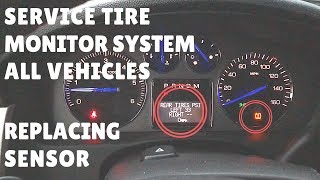
- Driver Information Center (DIC) shows a '--' or similar message for the right rear tire pressure.
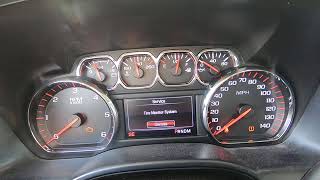
- "Service Tire Monitor System" message on the DIC.
- Inability to complete the TPMS relearn procedure for the right rear wheel.
- Key fob not working or has poor range (if the RCDLR module or its antenna is the cause).
- "No Remote Detected" message on the DIC.
- Replacing the TPMS sensor when the RCDLR module is the actual fault. If the key fob is also malfunctioning, diagnose the RCDLR and its antenna system first to avoid unnecessary expense.
Most Likely Causes
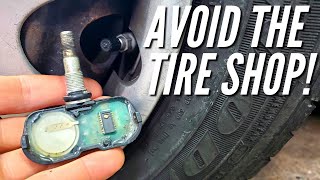
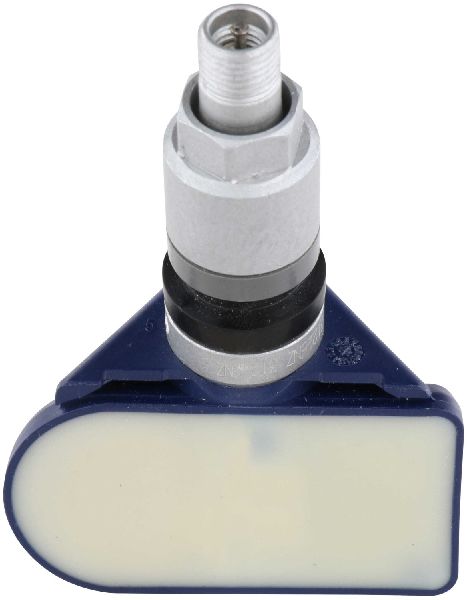
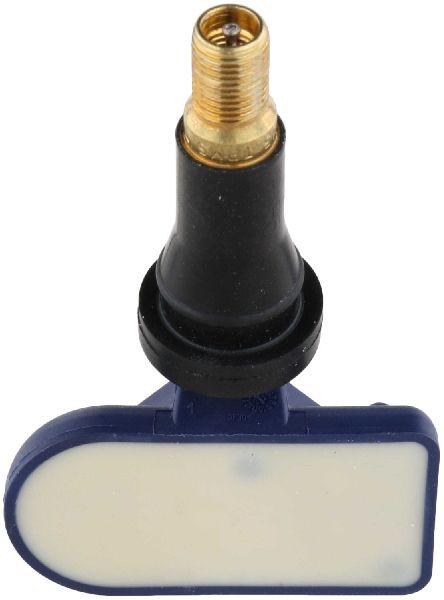
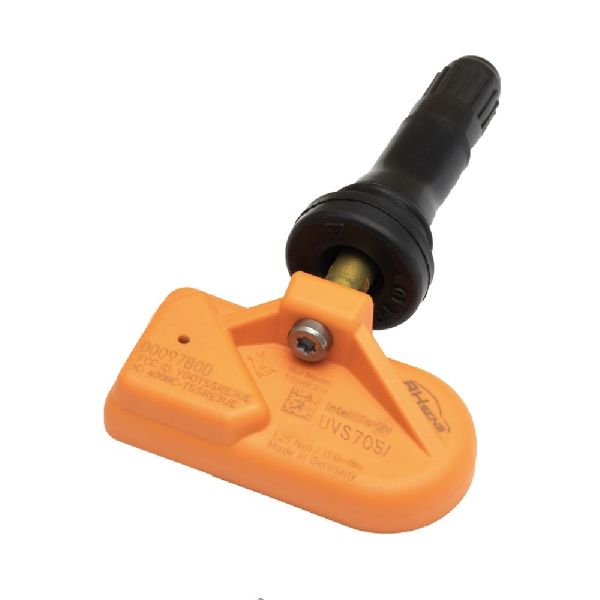
- Dead or Faulty Right Rear TPMS Sensor 🔴 High Probability → Shop Tire Pressure Monitoring System (TPMS) Sensor TPMS sensors are powered by non-rechargeable batteries that have a finite lifespan, typically 7-10 years. Vehicles in this year range are reaching the age where battery failure is common. A YouTube video with a Cadillac Escalade showed this exact failure mode.
How to confirm: If key fobs work normally, the sensor is the prime suspect. A tire shop can use a TPMS activation tool to check if the sensor is transmitting. If the tool cannot read the sensor, it has failed. A scan tool may also report a sensor low battery condition.
Typical fix: Replace the right rear TPMS sensor. 🎬 Watch this walkthrough on replacing a TPMS sensor on an Escalade. It is often recommended to replace all four sensors at once if they are original, as the others are likely to fail soon. A TPMS relearn procedure must be performed after replacement.
Est. part cost: $25-$75 per sensor - Failed Remote Control Door Lock Receiver (RCDLR) 🟡 Medium Probability → Shop Keyless Entry Receiver As documented in GM TSB #16-NA-396, the RCDLR module is known to have internal issues that can disrupt communication with both TPMS sensors and key fobs. This TSB explicitly lists setting TPMS codes C0750, C0755, C0760, and C0765 as a symptom of internal RCDLR failure.
How to confirm: Check if the key fobs are working intermittently or not at all. If both TPMS and key fob issues appeared at the same time, the RCDLR is the most likely cause. A scan tool may also show communication DTCs with the RCDLR or codes for all four sensors simultaneously.
Typical fix: Replace the RCDLR module. The new module must be programmed to the vehicle using a GM-specific scan tool (GDS2). The RCDLR is typically located behind the rear quarter trim panel on the passenger side.
Est. part cost: $40-$120 - RCDLR Antenna or Wiring Issue ⚪ Low Probability TSB #16-NA-061 (which supersedes PIT5446A) specifically advises checking the RCDLR antenna system for issues before replacing any parts. It notes that loose connections are a possible cause for TPMS and key fob issues on 2015-2018 Escalades.
How to confirm: Visually inspect the RCDLR antenna system at three key points: the connection at the RCDLR module itself, the connection at the antenna amplifier module, and the connection between the amplifier and the antenna in the right rear glass. A disconnected coax at the RCDLR will cause all sensors to stop reporting and severe key fob range issues.
Typical fix: Repair the damaged wiring or secure the antenna/coax cable connections. Replace the antenna amplifier or coax cable if damaged.
Est. part cost: $10-$50
Rare But Worth Checking
- Radio Frequency (RF) Interference: Aftermarket electronic devices, such as cell phone chargers, dash cams, or certain types of metallic window tint, can interfere with the 433MHz frequency used by the TPMS sensors and RCDLR, causing intermittent signal loss. TSB PIC5650M also mentions RFI as a potential cause for related key detection codes.
Diagnosis Steps
- Verify the tire pressure in all four tires manually with a quality gauge.
- Check for a flashing TPMS light on startup, which indicates a system fault, not just low pressure.
- Check the function of all key fobs. If they are inoperative or intermittent, suspect the RCDLR module or its antenna system.
- Attempt a TPMS relearn procedure using the vehicle's Driver Information Center (DIC). 🎬 See how to perform the TPMS relearn procedure on your DIC. If the process fails when it gets to the right rear tire, it further isolates the problem to that corner.
- Use a TPMS activation tool to attempt to read the right rear sensor. If it does not respond, the sensor has likely failed.
- If the sensor responds to the tool but the vehicle does not recognize it, inspect the RCDLR antenna system as per TSB #16-NA-061. Check the coax cable connection at the RCDLR module (often behind rear passenger trim), at the antenna amplifier, and at the rear glass antenna.
- If no other cause is found and key fob issues are also present, the RCDLR module itself is the likely point of failure and should be tested or replaced by a qualified technician.
Parts You'll Likely Need
- Tire Pressure Monitoring System (TPMS) Sensor
(OEM #13598787, 13540598)— This is the most common failure point. The internal battery dies, or the sensor is damaged, requiring replacement. The part number 13598787 is superseded by 13540598 for many GM applications.
Trusted brands: ACDelco, Schrader, Continental, Dorman
OEM price range: $50-$100
Aftermarket price range: $25-$60 - Remote Control Door Lock Receiver (RCDLR)
(OEM #20803735 (example for 2014, varies by year))— This module is a known failure point that causes both TPMS and key fob issues, as documented in TSB 16-NA-396. Part number varies significantly by year and specific options; consult a dealer with your VIN. For example, a 2014 Escalade uses P/N 20803735.
Trusted brands: ACDelco, GM Genuine Parts
OEM price range: $60-$120
Aftermarket price range: $40-$80
Related Codes That Often Appear With This One
- C0750 — Fault in the Left Front TPMS sensor circuit. Often appears with other TPMS codes if there is a systemic issue like a failing RCDLR.
- C0755 — Fault in the Right Front TPMS sensor circuit. Often appears with other TPMS codes if there is a systemic issue like a failing RCDLR.
- C0760 — Fault in the Left Rear TPMS sensor circuit. Often appears with other TPMS codes if there is a systemic issue like a failing RCDLR.
- B3055 / B3060 — These are key-related codes. Their presence alongside C0765 strongly points to a fault in the RCDLR or immobilizer system, as mentioned in TSB #PIC5650M.
Technical Service Bulletins (TSBs) & Recalls
- PIC5650M: Lists C0765 among other codes related to security and no-start concerns, linking the TPMS/RCDLR system to the vehicle immobilizer.
- PIT5446A: Advises checking the RCDLR antenna system before replacing parts for TPMS codes C0750, C0755, C0760, and/or C0765. This TSB has been superseded by 16-NA-061.
- 16-NA-061: An updated version of PIT5446A, this TSB provides detailed diagrams and locations for checking the RCDLR antenna, coax cable, and amplifier connections as a primary diagnostic step for TPMS codes on the 2015-2018 Escalade.
- 16-NA-396: Details intermittent key fob operation and TPMS codes (including C0765) caused by an internal failure of the RCDLR module, recommending its replacement.
Platform-Specific Known Issues
- TSB #16-NA-061 (superseding PIT5446A) highlights the importance of inspecting the Remote Control Door Lock Receiver (RCDLR) antenna system before replacing TPMS sensors. It details three specific connection points that can come loose, causing TPMS and key fob issues on the 2015-2018 Escalade.
- TSB #16-NA-396 points to internal RCDLR failure as a cause for TPMS codes (including C0765) and simultaneous key fob malfunction across many GM vehicles with the same architecture.
- Owner Experience: A YouTube video titled 'Replacing a Tire Pressure Sensor Service Tire Monitor System GM Escalade Tahoe Denali Yukon' from user Omar Lazo shows a real-world case on an Escalade where the DIC displayed dashes for the right rear tire, and the problem was resolved by replacing the TPMS sensor at a tire shop.
Mechanic-Grade Diagnostic Values
- RCDLR Module Power Supply Voltage — expected: 12V on the Red/White wire at the module connector.. Failure: A significantly lower voltage (e.g., 1.3V as seen in one case) indicates a wiring issue, corrosion, or bad connection between the fuse box and the module.
- G103 Ground Nut Torque — expected: 9 Y (80 lb in).. Failure: A loose ground nut can cause intermittent no-start, key fob, and other electrical issues.
- Scan Tool 'Pressure Sensor Mode' Data — expected: The parameter should change from 'Stationary' to 'Rolling' after driving the vehicle above 40 km/h (25 mph) for more than two minutes.. Failure: If the sensor mode for the right rear wheel does not change to 'Rolling', it indicates the sensor's internal roll switch is faulty and the sensor needs replacement.
Hidden / Shadow Codes Worth Checking
- C0765 with Symptom :29: The symptom byte ':29' means 'Too Few Pulses'. Its presence alongside the TPMS DTC strongly suggests an internal failure of the Remote Control Door Lock Receiver (RCDLR) as the root cause, rather than a simple sensor fault. (see via This level of detail is typically only visible on a dealer-level scan tool like the GM GDS2 or a high-end professional scan tool.)
Scan Tool Commands That Help
- GM GDS2 / Tech2: RCDLR Data List — Use this to view the status of each TPMS sensor, including its reported pressure, temperature, ID, and battery status (Low/OK). A 'Low' battery status for the right rear sensor confirms a failing sensor even if it's still transmitting intermittently.
- GM GDS2 / Tech2: TPMS Relearn Procedure — After replacing a sensor or the RCDLR, this function commands the BCM to enter learn mode to register the sensor IDs in their correct positions. This is a more reliable method than the in-vehicle DIC procedure.
- EL-52545 TPMS and RF Tool: Signal Detection Screen — For 2021+ models with the Global B architecture, this tool is required to read the VIN associated with a key fob. This helps diagnose whether a fob is correct for the vehicle, which is critical when troubleshooting RCDLR-related issues.
Wiring & Ground Locations
- RCDLR Module — For 2015-2020 models, it is located behind the rear quarter trim panel on the passenger side (D-pillar area).. This is the central processing module for both TPMS and key fob signals. Access is required for replacement or to check the main power, ground, and antenna connections at the module itself.
- RCDLR Antenna System — This system consists of the RCDLR, a coax cable, an antenna amplifier, and the antenna embedded in the right rear quarter glass.. TSB 16-NA-061 identifies three common disconnection points: coax-to-RCDLR, coax-to-amplifier, and amplifier-to-glass-antenna. A disconnect at the RCDLR will cause all TPMS sensors to fail, while a disconnect further away may only affect the sensors farthest from the module.
- Ground G103 — Located on the cowl at the left rear of the engine compartment, above the brake booster.. This is a shared ground point for the RCDLR and BCM. TSB 16-NA-161 notes that a loose or corroded connection here can cause a wide range of electrical issues, including remote start and anti-theft problems that can accompany RCDLR codes.
- Ground G302 (platform reference) — On similar GMT900 platforms (e.g., 2009 Escalade), this ground for the RCDLR is located on the front door sill under the seat on the passenger side.. While G103 is a primary check, if RCDLR ground issues are suspected, this is another potential location a technician should be aware of based on GM's design patterns.
Real Owner Repair Stories
- Tahoe Yukon Forum (2007 GMC Yukon XL Denali) — TPMS light on, inability to complete the TPMS relearn procedure (failed at front left wheel).
❌ Tried (didn't work) Diagnosing based on where the relearn procedure failed (front left). Scanners did not point to a specific wheel sensor issue.
✅ What actually fixed it The actual cause was a failed right rear wheel sensor. This highlights that the system can give misleading information during a fault. - CorvetteForum (Corvette (C7, similar RCDLR architecture)) — Intermittent TPMS light with all four sensor codes (C0750, C0755, C0760, C0765), key fob not working, and BCM code U0422. Symptoms appeared specifically when driving in heavy rain.
❌ Tried (didn't work) Taking it to the dealer. The codes would clear themselves before the technician could read them.
✅ What actually fixed it The user was still diagnosing, but the evidence strongly points to a moisture-related short in the wiring or a failing BCM/RCDLR that is sensitive to water ingress. The key takeaway is that intermittent, weather-related faults can cause these codes and may not be stored permanently. - Tahoe Yukon Forum (2009 Chevrolet Tahoe) — Very poor key fob range (10 feet or less), one TPMS sensor not reading, others reading incorrectly, "Service TPMS" message.
❌ Tried (didn't work) Cleaning fob, checking DSM fuse.
✅ What actually fixed it The user noted that unplugging an aftermarket phone charger and Bluetooth receiver from the power outlets increased the fob range from inches to about 10 feet. This strongly implicates Radio Frequency (RF) interference as a major contributing factor, even if the RCDLR itself was also weak. The final fix was not posted.
When the Usual Fixes Don't Work
- In one documented case for a similar GM SUV, the TPMS relearn procedure failed at the front left wheel, and scanners gave no specific wheel error, leading the owner to suspect the RCDLR module. However, the actual root cause was a single failed sensor at the right rear wheel. This shows that even if the code is for the right rear (C0765), a failure during the relearn process on a different wheel can still be caused by the right rear sensor.
OEM Part Supersession History
13598787→13540598— Standard part revision and consolidation by GM.
Heads up: Part number 13540598 also replaces 13589602. These are generally cross-compatible for the specified 433MHz applications. Always verify with VIN.
Model Year Variations Within This Range
- 2015-2018: TSB 16-NA-061, which details the inspection of the RCDLR antenna system, specifically covers these model years. While the system is likely similar on 2019-2020 models, the TSB is explicit to this range.
- 2021-2022: These models use GM's new Vehicle Intelligence Platform (VIP) / Global B electrical architecture. Diagnosing key fob and RCDLR issues requires the specific EL-52545 TPMS and RF Tool to verify the VIN programmed to the key fob, a step not required on earlier models. Part numbers and module locations may differ significantly from the 4th generation.
Helpful Videos


We Have This Part in Stock

The information in this article is provided for general reference and educational purposes only. Vehicle specifications, procedures, and part compatibility can vary by production date, trim level, and region. Always consult your vehicle's factory service manual and verify part numbers before purchasing or performing repairs. Safety-critical components such as airbags, seat belts, and braking systems should be installed by a qualified professional.
- Cadillac ESCALADE:
- 🧭 Diagnostic Flowchart
- 🎬 Helpful Videos
- 🛍️ Shop This Part
- What's Unique About the 2015-2022 Cadillac ESCALADE
- Symptoms You May Notice
- Most Likely Causes
- Rare But Worth Checking
- Diagnosis Steps
- Parts You'll Likely Need
- Related Codes That Often Appear With This One
- Technical Service Bulletins (TSBs) & Recalls
- Platform-Specific Known Issues
- Mechanic-Grade Diagnostic Values
- Hidden / Shadow Codes Worth Checking
- Scan Tool Commands That Help
- Wiring & Ground Locations
- Real Owner Repair Stories
- When the Usual Fixes Don't Work
- OEM Part Supersession History
- Model Year Variations Within This Range
- 🎟️ Get 5% Off