

C0765 on 2007-2014 Cadillac Escalade ESV: TPMS Fault Causes and Fixes
Code C0765 on a 2007-2014 Escalade means there's a problem with the right rear tire pressure sensor (TPMS). The most common cause is a dead battery in the sensor itself, which is a simple replacement at a tire shop. If your key fobs also stopped working, the issue is almost certainly a failed Remote Control Door Lock Receiver (RCDLR) module, a known issue on this platform.
- C0765 means the right rear TPMS sensor isn't communicating.
- First, check your key fobs. If they don't work, the problem is likely the RCDLR module, not the sensor.
- If the key fobs work, the most likely cause is a dead battery in the 7-10+ year old sensor. This is a common and straightforward fix for a tire shop.
- Always perform the TPMS relearn procedure after replacing a sensor so the vehicle knows its position.
- When replacing a sensor, it's wise to also replace the inexpensive valve stem service kit to prevent future leaks.
What's Unique About the 2007-2014 Cadillac ESCALADE ESV
On this generation of Cadillac Escalade and its GMT900 platform mates (Tahoe, Yukon, Suburban), the Tire Pressure Monitoring System (TPMS) and the keyless entry system are critically linked. Both the tire pressure sensors and your key fobs transmit radio frequency (RF) signals to a single module called the Remote Control Door Lock Receiver (RCDLR). While a C0765 code is often just a bad tire sensor, it can sometimes be a symptom of a failing RCDLR. A simultaneous failure of the key fobs is the key diagnostic clue that points to the RCDLR as the root cause, a scenario explicitly described in GM Technical Service Bulletin 16-NA-396.
Diagnostic Flowchart
Tap your situation to follow the diagnostic path that matches what you're seeing on this vehicle.
Symptoms You May Notice
- TPMS warning light is on (blinking at startup for about a minute, then solid).
- "Service Tire Monitor System" message on the Driver Information Center (DIC).
- Key fobs do not work (lock, unlock, remote start) - this symptom points towards a faulty RCDLR module.
- DIC may show dashes (--) for the right rear tire pressure reading.
- Replacing the Body Control Module (BCM) when the RCDLR is at fault. The RCDLR is the primary receiver for TPMS signals before it communicates with the BCM. A scan tool showing no communication with the RCDLR specifically points to the RCDLR or its wiring.
Most Likely Causes
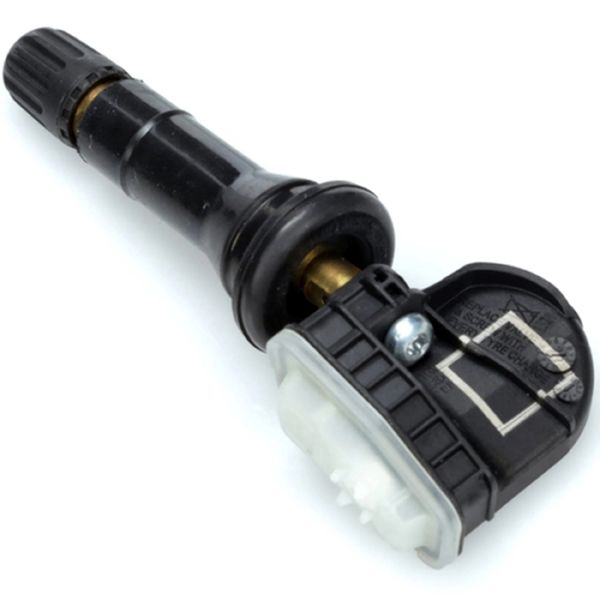
- Dead TPMS Sensor Battery 🔴 High Probability → Shop Tire Pressure Monitoring System (TPMS) Sensor TPMS sensor batteries have a finite lifespan, often cited as 7-10 years. Vehicles in the 2007-2014 range are at or beyond the expected life of the original sensors, making battery failure the most common cause for an isolated C0765 code.
How to confirm: A tire shop can use a TPMS activation tool to check if the sensor is transmitting. If the tool cannot get a response, the battery is dead or the sensor has failed. This is the correct diagnosis if your key fobs are still working correctly. A scan tool can also directly read the sensor's battery status.
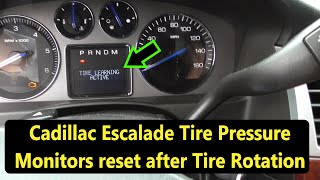
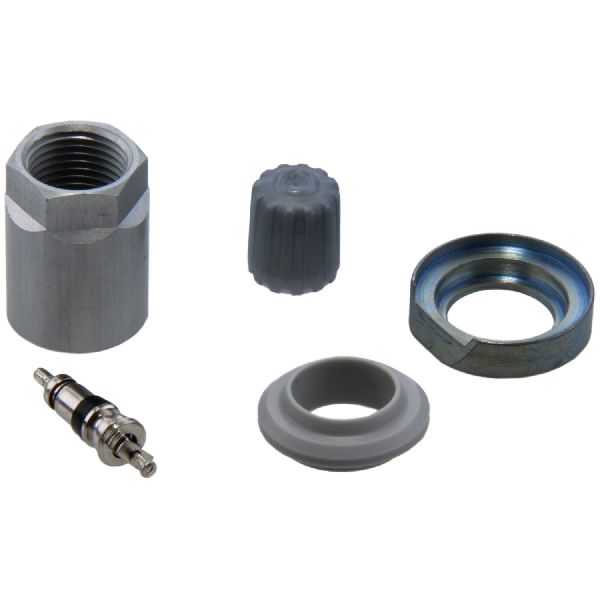
Typical fix: Replace the right rear TPMS sensor. The tire must be dismounted to access it. It is highly recommended to also replace the TPMS service kit (valve stem, seals, nut, and core) at the same time. A TPMS relearn procedure must be performed after replacement. 🎬 Watch: This simple video shows the TPMS relearn procedure.
Est. part cost: $35-$75 - Failed Remote Control Door Lock Receiver (RCDLR) 🟡 Medium Probability → Shop Keyless Entry Receiver This module handles RF signals for both the TPMS and key fobs. Internal failure can disrupt both systems, a known issue on many GM platforms as documented in TSB 16-NA-396. Forum discussions confirm this is a common failure point on the GMT900 trucks.
How to confirm: The primary symptom is the C0765 code (often with other TPMS codes like C0750, C0755, C0760) appearing along with a complete loss of key fob functionality. A professional scan tool will show a loss of communication with the RCDLR. In some cases, the fob may work only when held very close to the RCDLR's location in the rear of the vehicle.
Typical fix: The RCDLR module, located behind the driver's side rear quarter panel trim, must be replaced. The new module must be programmed to the vehicle using a GM-specific scan tool (like GM MDI with GDS2/SPS software). This is typically not a DIY repair due to the programming requirement.
Est. part cost: $40-$100 - Corroded or Damaged TPMS Valve Stem ⚪ Low Probability The metal valve stems are exposed to moisture, salt, and road debris, leading to corrosion over time. This can cause air leaks and eventually damage the sensor's seal or the stem itself.
How to confirm: Visually inspect the valve stem for bubbling, white corrosion, or cracks. A tire shop can spray soapy water on the valve stem to check for leaks.
Typical fix: Replace the TPMS service kit. If the sensor is not damaged, it can be reused with a new service kit. This requires dismounting the tire.
Est. part cost: $5-$15
Rare But Worth Checking
- Radio Frequency (RF) Interference: Unplug any aftermarket electronic devices (phone chargers, dash cams, DVD players, LED lights) and see if the code clears after driving. Metallic window tint can also cause interference. GM TSB PIC5650K specifically warns that aftermarket LED lights and certain chargers can jam the 315 MHz frequency used by the TPMS and RKE systems.
- RCDLR Antenna Connection Issue: According to GM service information, a poor or disconnected coaxial antenna cable leading to the RCDLR can cause TPMS codes and poor key fob range. The connection could be loose at the module itself, at the antenna amplifier, or at the antenna in the rear glass.
- Broken Power Wire to RCDLR: In some cases, the power wire leading to the RCDLR module can break, often in the driver's side door sill or wiring harness. This would result in a complete loss of communication with the module and simultaneous failure of TPMS and key fobs. A user on a Tahoe/Yukon forum confirmed this was their issue after a new module didn't fix the problem.
Diagnosis Steps
- Verify the code with an OBD-II scanner capable of reading Chassis (C) codes.
- Check Key Fob Function: Test the lock, unlock, and remote start functions of all your key fobs. If they do not work, the RCDLR module is the primary suspect.
- Test the Sensor: If the key fobs work perfectly, the issue is likely with the sensor itself. Take the vehicle to a tire shop and have them use a TPMS activation tool to test the right rear sensor. If it fails to respond, it needs to be replaced.
- Check for Power at RCDLR: If key fobs are inoperative, a more advanced step is to access the RCDLR module behind the driver's side rear interior trim and use a multimeter to check for 12V power on the Red/White wire and a good ground on the Black/White wire. A lack of power indicates a wiring issue, not a failed module.
- Inspect Valve Stem: While at the tire shop, have them inspect the valve stem for visible corrosion or leaks.
- Check for RF Interference: Temporarily unplug all aftermarket 12V accessories (especially cheap phone chargers and LED lights) and see if the light goes out after driving.
- Replace Components: Based on the diagnosis, replace the faulty TPMS sensor or RCDLR module.
- Perform Relearn Procedure: After replacing a sensor or RCDLR, a relearn procedure must be performed. For sensors, this can often be done via the DIC menu. For a new RCDLR, it requires programming with a GM scan tool before the fobs and sensors can be learned.
Parts You'll Likely Need
- Tire Pressure Monitoring System (TPMS) Sensor
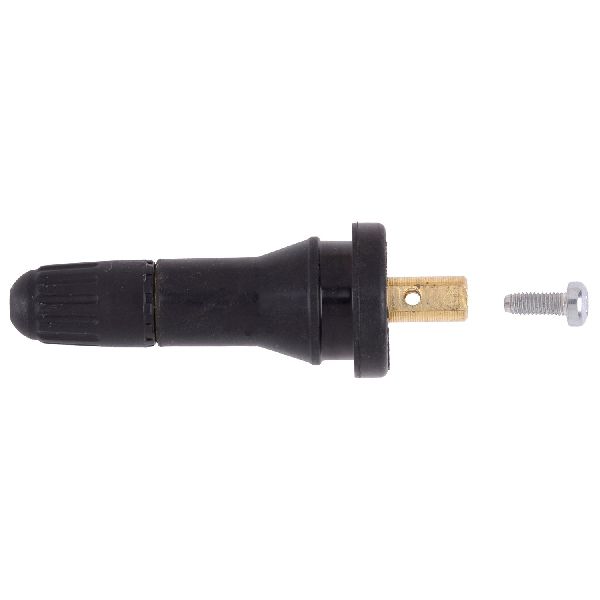
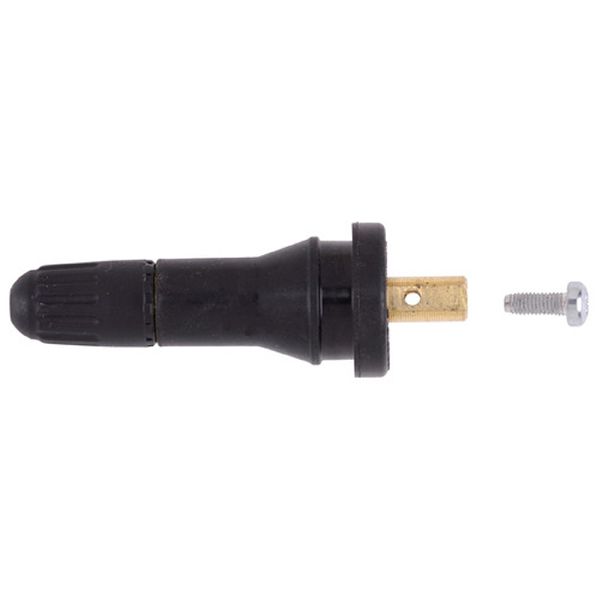
(OEM #13581561, 25920615)— This is the most common failure point. The internal, non-replaceable battery dies after 7-10 years. Part number 13581561 is a common replacement, while 25920615 is also widely cross-referenced for this platform.
Trusted brands: ACDelco, Schrader, Dorman, ITM
OEM price range: $50-$80
Aftermarket price range: $25-$50 - Remote Control Door Lock Receiver (RCDLR)
(OEM #25852909, 15857831)— This module fails less often, but is the likely cause if C0765 appears at the same time the key fobs stop working. Requires programming by a dealer or qualified shop. Part number 25852909 is cited for a 2009 Escalade. TSB 16-NA-396, for newer models, lists 13595511, showing how this part evolves.
Trusted brands: ACDelco, GM Genuine
OEM price range: $40-$100
Aftermarket price range: $30-$70
Related Codes That Often Appear With This One
- C0750 — TPMS fault for the Left Front sensor. Often appears with other TPMS codes when the RCDLR fails.
- C0755 — TPMS fault for the Right Front sensor. Often appears with other TPMS codes when the RCDLR fails.
- C0760 — TPMS fault for the Left Rear sensor. Often appears with other TPMS codes when the RCDLR fails.
- B3055 / B3060 — These are key-related security codes that may appear if the Remote Control Door Lock Receiver (RCDLR) has failed, as it handles both TPMS and key fob signals. [Bulletin #PIC5650M]
Technical Service Bulletins (TSBs) & Recalls
- PIC5650M
- 16-NA-396
Platform-Specific Known Issues
- The provided TSB #PIC5650M notes that code C0765 can be found in conjunction with security-related codes (like B3055) and no-start or stalling conditions, which points to a potential communication breakdown involving the security and remote functions module. [Bulletin #PIC5650M]
- TSB 16-NA-396 is critical for this diagnosis, as it explicitly states that TPMS codes C0750, C0755, C0760, and C0765 appearing with key fob issues are likely due to an internal failure of the RCDLR, requiring its replacement.
Mechanic-Grade Diagnostic Values
- RCDLR Power Supply Voltage — expected: 12V+ (Battery Voltage). Failure: 0V or significantly less than battery voltage.
- RCDLR Ground Connection — expected: Near 0V. Failure: Any significant voltage reading indicates a poor ground.
- RCDLR Circuit Voltage Drop — expected: Less than 0.3V drop from battery voltage.. Failure: A voltage drop greater than 0.3V-0.5V between the battery and the RCDLR power pin indicates high resistance in the wiring or connections.
Hidden / Shadow Codes Worth Checking
- C0765 00: Indicates the sensor has not transmitted for 18 minutes or has a low battery condition. This is the most common variant for a failed sensor. (see via GM Tech2 or GDS2 Scan Tool)
- C0765 08: Indicates the RCDLR is receiving a signal from the sensor, but the data is invalid or corrupt. (see via GM Tech2 or GDS2 Scan Tool.)
- C0765 29: Indicates 'Too Few Pulses' from the sensor. On other GM platforms, TSBs state this symptom code points directly to an internal RCDLR failure rather than a sensor issue. (see via GM Tech2 or GDS2 Scan Tool)
- C0765 39: Indicates an 'Internal Malfunction' within the TPMS sensor itself. (see via GM Tech2 or GDS2 Scan Tool.)
Scan Tool Commands That Help
- GDS2 / Tech2: Module Diagnostics -> RCDLR -> Data Display — To view live data from the Remote Control Door Lock Receiver, including module voltage, individual sensor IDs, and last signal reception time. This helps confirm if the module is powered, online, and communicating.
- GDS2 / Tech2: RCDLR Setup / Programming — This function is mandatory after replacing the RCDLR module. The new module must be programmed to the vehicle's VIN and configured before it will communicate with the key fobs and TPMS sensors.
- GDS2 / Tech2: Tire Pressure Indicator Sensor Learn — After replacing a TPMS sensor or the RCDLR, this procedure must be run to teach the vehicle the new sensor IDs and their locations.
Wiring & Ground Locations
- RCDLR Module — Located in the rear of the vehicle, behind the driver's side (left) interior quarter panel trim, near the D-pillar.. This is the central receiver for all TPMS and key fob signals. Physical access is required for replacement or to test wiring.
- RCDLR Power (Pin 1) — The Red/White wire at the RCDLR connector. It receives power from the fuse labeled 'DSM' in the fuse box on the left side of the instrument panel.. A break in this wire or a blown fuse will cause a total loss of RCDLR function, triggering TPMS codes and inoperative key fobs.
- G302 (RCDLR Ground) — A ground stud located on the *passenger side* front door sill, under the seat/trim area.. This is the specific ground point for the RCDLR module. Corrosion or a loose connection at this stud can cause intermittent or total failure of the RCDLR, leading to C0765 and other related codes.
- RCDLR Antenna Coax — A coaxial cable running from the RCDLR module to an antenna amplifier, and then to the antenna integrated into the right rear glass.. A poor connection or disconnection at the module, amplifier, or glass can cause weak signal reception, leading to intermittent TPMS codes and poor key fob range.
Real Owner Repair Stories
- Tahoe Yukon Forum user 'R_Sharpe' (2007 Chevrolet Tahoe (GMT900 Platform)) — Key fobs suddenly stopped working completely. At the same time, the DIC displayed a 'Service TPMS' message.
❌ Tried (didn't work) Replacing key fob battery., Attempting to relearn remotes via DIC (would not initiate).
✅ What actually fixed it The user found a TSB that described an issue where the RCDLR module can go to sleep and not wake up. The temporary fix was to pull the fuse labeled 'DSM' from the instrument panel fuse box for a few seconds and reinstall it. This immediately restored function to both the key fobs and the TPMS. The forum thread noted the permanent fix is a dealer-performed software update for the RCDLR to prevent the sleep-mode glitch from recurring.
OEM Part Supersession History
15857831, 25852909→20803735— These are earlier part numbers for the RCDLR module. They have been superseded by GM to a final, updated part number.
Heads up: While the older parts may function, the latest part number, 20803735, is the correct service replacement and likely contains hardware or firmware revisions. Always use the latest superseded part number for replacement.
Model Year Variations Within This Range
- 2007-2009 (Primarily): Earlier models in this generation are more prone to the RCDLR 'sleep mode' software glitch. A TSB was issued describing this condition. The permanent fix is not a hardware replacement but a software reflash of the RCDLR module by a GM dealer to prevent it from failing to 'wake up' with the rest of the vehicle's data network.
Helpful Videos
We Have This Part in Stock


The information in this article is provided for general reference and educational purposes only. Vehicle specifications, procedures, and part compatibility can vary by production date, trim level, and region. Always consult your vehicle's factory service manual and verify part numbers before purchasing or performing repairs. Safety-critical components such as airbags, seat belts, and braking systems should be installed by a qualified professional.
- Cadillac ESCALADE ESV:
- 🧭 Diagnostic Flowchart
- 🎬 Helpful Videos
- 🛍️ Shop This Part
- What's Unique About the 2007-2014 Cadillac ESCALADE ESV
- Symptoms You May Notice
- Most Likely Causes
- Rare But Worth Checking
- Diagnosis Steps
- Parts You'll Likely Need
- Related Codes That Often Appear With This One
- Technical Service Bulletins (TSBs) & Recalls
- Platform-Specific Known Issues
- Mechanic-Grade Diagnostic Values
- Hidden / Shadow Codes Worth Checking
- Scan Tool Commands That Help
- Wiring & Ground Locations
- Real Owner Repair Stories
- OEM Part Supersession History
- Model Year Variations Within This Range
- 🎟️ Get 5% Off