

C0765 on 2015-2022 Cadillac Escalade ESV: Causes and Fixes for TPMS Faults
Code C0765 on a 2015-2022 Escalade ESV means there's a fault with the left rear tire pressure sensor. The most common cause is a dead sensor battery or a failed sensor. However, a known issue documented in TSBs is a faulty Remote Control Door Lock Receiver (RCDLR), which can cause this code along with key fob problems. If you experience both issues simultaneously, the RCDLR is the primary suspect.
- Code C0765 points to a problem with the left rear TPMS sensor, not just low tire pressure.
- The most common cause is a dead battery inside the sensor, which has a lifespan of 7-10 years.
- Before buying parts, check if your key fob is also malfunctioning. If it is, the problem is likely the Remote Control Door Lock Receiver (RCDLR), not the tire sensor.
- Replacing a TPMS sensor requires dismounting the tire, and the new sensor must be 'relearned' to the vehicle.
- If the RCDLR is replaced, it must be programmed by a dealer or a well-equipped independent shop.
What's Unique About the 2015-2022 Cadillac ESCALADE ESV
On the Escalade and many other GM vehicles of this era (including the Chevrolet Tahoe/Suburban and GMC Yukon), the TPMS sensor signals are not received by a dedicated TPMS module. Instead, they are picked up by the Remote Control Door Lock Receiver (RCDLR)—the same module that receives signals from your key fob. This integrated design is why a TPMS code like C0765 can sometimes be caused by a faulty RCDLR, an issue documented by GM in technical service bulletins like #16-NA-061 and #PIT5446A. If you experience key fob issues (poor range, "No Remote Detected" message) at the same time as the TPMS light, the RCDLR is a likely suspect.
Diagnostic Flowchart
Tap your situation to follow the diagnostic path that matches what you're seeing on this vehicle.
Generation note: The 2015-2022 model years span two generations of the Escalade ESV: the fourth (K2XX; 2015-2020) and the fifth (GMT1XX; 2021-2022). While the underlying TPMS technology is similar (RCDLR/BCM integration), the specific radio frequency of the sensors changed. The 2015-2018 models typically use 315 MHz sensors, while 2019 and newer models, including the GMT1XX generation, use 433 MHz sensors. This is a critical distinction when replacing sensors, as they are not cross-compatible. The diagnostic principles, especially the link between the TPMS and RCDLR, remain the same across both generations.
Symptoms You May Notice
- TPMS warning light flashing for 60-90 seconds on startup, then staying on solid.
- "Service Tire Monitor System" message on the Driver Information Center (DIC).
- Inability to view the tire pressure reading for the left rear tire on the DIC (shows as "--").
- If the RCDLR is the cause, you may also experience intermittent or total failure of key fob functions (lock/unlock, remote start).
- "No Remote Detected" message on the DIC, even with the key fob inside the vehicle.
- Reduced operating range for the key fob.
- Replacing the TPMS sensor when the actual fault is with the Remote Control Door Lock Receiver (RCDLR). This is a common mistake if the technician doesn't know that the RCDLR handles both TPMS and key fob functions.
- Replacing the Body Control Module (BCM) unnecessarily. The BCM is an expensive component and is rarely the cause of a single TPMS sensor code.
- Assuming the tire is low on air. The 'Service Tire Monitor System' message indicates a system fault, not necessarily low pressure.
Most Likely Causes
- Failed TPMS Sensor / Dead Battery 🔴 High Probability → Shop Tire Pressure Monitoring System (TPMS) Sensor TPMS sensors are powered by small, non-replaceable batteries with a finite lifespan, typically 7-10 years. Vehicles in this year range are reaching an age where battery failure is common. This is the most likely cause if C0765 appears alone without any key fob issues.
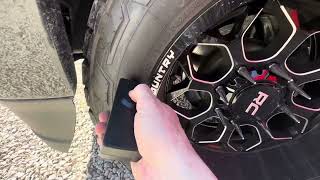
How to confirm: Use a TPMS activation tool to try and read the sensor. If the tool gets no response, the sensor is almost certainly dead or has failed. A tire shop can perform this test in minutes. A scan tool may also show a 'low battery' status for the specific sensor.
Typical fix: Replace the left rear TPMS sensor. The tire must be dismounted to access it. A TPMS relearn procedure must be performed after installation, which can often be initiated through the DIC.
Est. part cost: $25-$75 - Faulty Remote Control Door Lock Receiver (RCDLR) 🟡 Medium Probability → Shop Keyless Entry Receiver As noted in GM Technical Service Bulletin #16-NA-396, internal issues within the RCDLR can cause it to stop receiving signals properly, leading to TPMS codes and key fob issues. This is a well-documented failure on this platform and its mates.
How to confirm: This is the likely cause if you are experiencing key fob problems simultaneously with the C0765 code. A scan tool may show codes for all four TPMS sensors (C0750, C0755, C0760, C0765) even if only one is displayed on the dash.
Typical fix: Replace the RCDLR module and have the new module programmed to the vehicle by a dealer or a qualified shop with the proper software (e.g., GDS2). The RCDLR is typically located in the rear of the vehicle, often behind the driver's side D-pillar trim panel.
Est. part cost: $40-$100 - RCDLR Antenna or Wiring Issue ⚪ Low Probability TSB #PIT5446A and TSB #16-NA-061 specifically advise inspecting the RCDLR antenna system and its connections before replacing parts. The system uses a coax cable and an antenna amplifier, and connections can become loose or corroded.
How to confirm: Visually inspect the RCDLR antenna, amplifier, and coax cable for any signs of damage, looseness, or corrosion. TSB #16-NA-061 identifies three key connection points: the coax at the RCDLR, the coax at the antenna amplifier, and the amplifier at the rear glass antenna. A loose connection at the RCDLR tends to cause the most severe symptoms, including a total loss of TPMS and key fob function.
Typical fix: Repair the damaged wiring or secure the loose connection. If the antenna itself is faulty, it will need to be replaced.
Est. part cost: $5-$50
Rare But Worth Checking
- Radio Frequency (RF) Interference: Aftermarket electronic devices, such as cell phone chargers, dash cams, or power inverters, can sometimes emit RF noise that interferes with the TPMS signal. Before replacing parts, try unplugging all aftermarket devices to see if the problem resolves.
- Body Control Module (BCM) Fault: → Shop Body Control Module While rare for this specific code, the BCM, which processes the information from the RCDLR, can fail. This would typically be accompanied by numerous other seemingly unrelated electrical issues and codes, such as U0140 (Lost Communication With Body Control Module). This should only be considered after all other possibilities have been exhausted.
- Incorrectly Programmed or Incompatible TPMS Sensor: → Shop Tire Pressure Monitoring System (TPMS) Sensor If the sensor was recently replaced with a universal or multi-frequency sensor, it may not have been programmed correctly for the vehicle before installation. Additionally, using sensors from a different model year (e.g., a 2021 sensor on a 2018 vehicle) can cause compatibility issues due to a frequency change from 315MHz to 433MHz around 2019.
Diagnosis Steps
- Check for other symptoms. Are the key fobs working correctly? Is the range reduced? Do you see a 'No Remote Detected' message? If yes to any, the RCDLR system is the primary suspect.
- Use a scan tool to read all codes from the Body Control Module (BCM). Note if other TPMS codes (C0750, C0755, C0760) or security codes are present. A full set of TPMS codes strongly suggests an RCDLR or antenna issue.
- Use a dedicated TPMS tool to attempt to activate and read the left rear sensor. If the tool cannot get a signal, the sensor has failed or its battery is dead.
- If the sensor activates with the tool but the car doesn't recognize it, attempt the TPMS relearn procedure. For the 2015-2020 models, this can be initiated via the Driver Information Center (DIC) menu. 🎬 Watch: Easy step-by-step guide to relearning your tire pressure sensors.
- If the relearn fails or the issue is intermittent with key fob problems, inspect the RCDLR module and its antenna system. Per TSB #16-NA-061, check the coax cable connections at the RCDLR module (behind the driver's side D-pillar trim), at the antenna amplifier, and the amplifier connection to the rear glass antenna.
- If the sensor is confirmed good and the wiring is intact, the RCDLR module is the most likely failed component. Replacement and programming are required.
Parts You'll Likely Need
- Tire Pressure Monitoring System (TPMS) Sensor
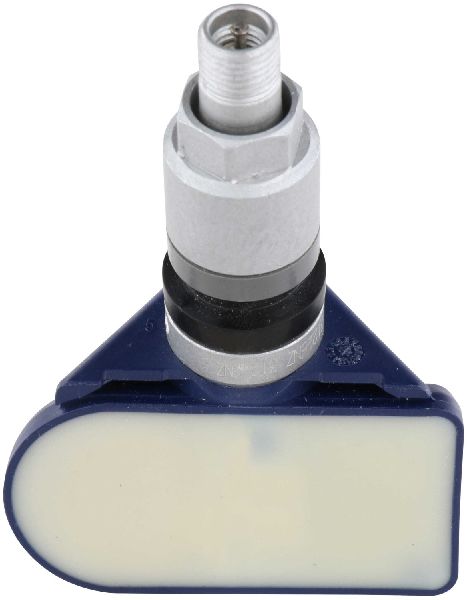
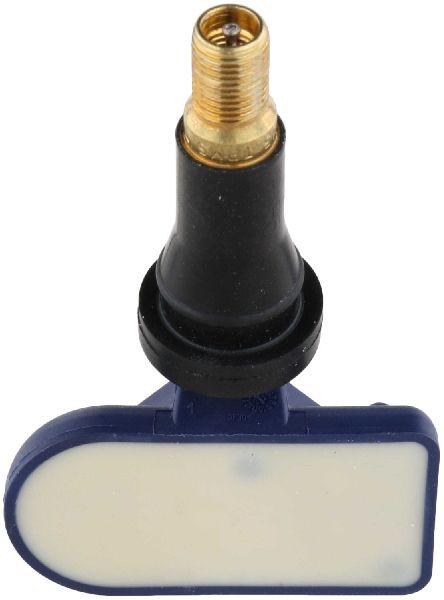
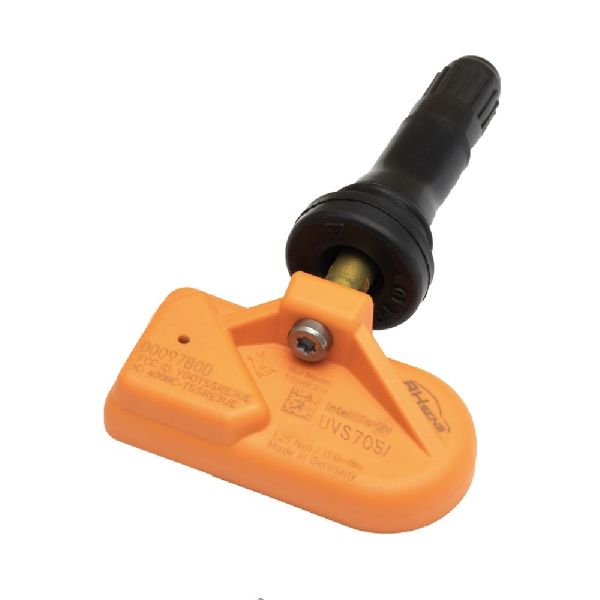
(OEM #13540602)— This is the most common failure point, especially on older vehicles in the specified range. The sensor's internal battery dies, or the sensor itself fails, requiring replacement. Note that sensor frequency changed mid-generation; 2015-2018 models typically use 315 MHz while 2019+ use 433 MHz.
Trusted brands: ACDelco, Schrader, Standard Ignition (SMP)
OEM price range: $50-$90
Aftermarket price range: $25-$50 - Remote Control Door Lock Receiver (RCDLR)
(OEM #13597910 (replaces 13510984, 13583332))— A known failure point on GM vehicles that causes both TPMS and key fob issues. If both systems fail at once, this is the likely part needed. Replacement requires programming.
Trusted brands: ACDelco, GM Genuine Parts
OEM price range: $60-$100
Aftermarket price range: $40-$70
Related Codes That Often Appear With This One
- C0750 — Fault code for the Left Front TPMS sensor. Often appears with other TPMS codes when the RCDLR is failing.
- C0755 — Fault code for the Right Front TPMS sensor. Often appears with other TPMS codes when the RCDLR is failing.
- C0760 — Fault code for the Right Rear TPMS sensor. Often appears with other TPMS codes when the RCDLR is failing.
- B3055, B3060, B3935 — These are security and key-related codes that may appear alongside C0765, as noted in TSB #PIC5650M. Their presence strongly points towards a fault in a shared module like the BCM or RCDLR.
Technical Service Bulletins (TSBs) & Recalls
- PIC5650M: Mentions C0765 in a list of codes related to security light and no-start/stall concerns.
- PIT5446A: Advises inspecting the RCDLR antenna system for TPMS codes. This TSB was superseded by 16-NA-061.
- 16-NA-061: Provides detailed locations for checking RCDLR antenna connections when TPMS and key fob issues occur together.
- 16-NA-396: Identifies an internal RCDLR fault as the cause for simultaneous TPMS and key fob failures, recommending RCDLR replacement.
- PI1085: An earlier bulletin for 2012-2013 models that also links poor RKE range and TPMS codes to a faulty RCDLR, recommending its replacement.
Platform-Specific Known Issues
- TSB #16-NA-061 (supersedes PIT5446A) provides detailed diagnostics for when TPMS codes appear with key fob issues. It instructs technicians to inspect three specific antenna system connections before replacing the RCDLR module, indicating a known problem with loose connections.
- TSB #16-NA-396 details a condition where an internal RCDLR fault causes intermittent loss of key fob functions and illuminates the TPMS light with codes C0750, C0755, C0760, and C0765. The fix is to replace the RCDLR module.
- Owner Experience: In a Tahoe/Yukon forum, a user with simultaneous TPMS and key fob failures replaced the RCDLR, but the issue persisted. The final cause was found to be broken power wiring to the module in the driver's side door jamb wiring boot.
- If the key fob is dead or not detected, the vehicle can still be started by placing the fob in a specific transmitter pocket located inside the center console.
Hidden / Shadow Codes Worth Checking
- C0765 with Symptom Code :29: Indicates 'Too Few Pulses' from the sensor. TSB #16-NA-396 and other GM documentation state this combination strongly points to an internal failure of the Remote Control Door Lock Receiver (RCDLR) rather than the sensor itself. (see via A dealer-level scan tool like a GM Tech 2 or GDS2 is required to view these symptom codes/bytes.)
- C0765 with Symptom Code :39: Indicates 'Internal Malfunction' of the tire pressure sensor itself. If this symptom code is present, the TPMS sensor is the confirmed point of failure. (see via A dealer-level scan tool like a GM Tech 2 or GDS2 is required to view these symptom codes/bytes.)
- C0765 with Symptom Code :08: Indicates 'Signal Invalid'. This is a general communication failure code that can be set by either a faulty sensor or a reception issue at the RCDLR. (see via A dealer-level scan tool like a GM Tech 2 or GDS2 is required to view these symptom codes/bytes.)
Scan Tool Commands That Help
- GDS2 (or equivalent professional scan tool): Module Diagnostics -> Remote Control Door Lock Receiver -> Configuration/Reset Functions — This menu is used to program a new RCDLR module to the vehicle after physical replacement. Programming is mandatory for the new module to function.
- GDS2 (or equivalent professional scan tool): Module Setup -> Remote Control Door Lock Receiver -> Copy and Paste TPM Information — This is the preferred method when replacing an RCDLR. It must be performed *before* removing the old module. It copies the existing sensor IDs and tire type settings from the old RCDLR to the scan tool, then pastes them into the new module after installation, avoiding the need for a manual relearn procedure.
- GDS2 (or equivalent professional scan tool): Module Setup -> Remote Control Door Lock Receiver -> Tire Type/Pressure Selection — This function is used to set the vehicle's placard tire pressure values in the RCDLR/BCM. This must be done if the 'Copy and Paste' method was not used during RCDLR replacement.
Wiring & Ground Locations
- Remote Control Door Lock Receiver (RCDLR) — Located behind the driver's side rear trim panel, in the D-pillar area.. This module receives the signal from the left rear TPMS sensor. A loose coaxial antenna connection at this module is a common cause of C0765, often accompanied by other TPMS codes and key fob issues.
- RCDLR Antenna Amplifier & Coax Connections — The antenna system consists of the RCDLR, a coax cable, an antenna amplifier, and the antenna itself integrated into the right rear quarter glass. TSB #16-NA-061 highlights three critical connection points: the coax at the RCDLR, the coax at the amplifier, and the amplifier at the glass.. A disconnect at any of these three points can cause TPMS codes. A disconnect at the RCDLR itself causes the most severe symptoms (all TPMS sensors fail, key fobs inoperative). A disconnect further away, at the amplifier, may only cause codes for the sensors farthest away, like the left front and left rear.
- Frame Grounds (G300/G400 series) — Multiple key ground points are located on the frame rails. For example, two grounds are located under the driver's side door on the frame. Others are located behind the front bumper on the frame horns.. While not a primary cause for a single TPMS code, poor body and frame grounds are known on this platform to cause a wide range of bizarre, seemingly unrelated electrical issues, including module communication problems. Cleaning these grounds can resolve intermittent electrical gremlins that defy normal diagnosis.
Real Owner Repair Stories
- Tahoe Yukon Forum (2007 Yukon XL Denali (similar GMT900 platform with RCDLR)) — TPMS light on, unable to complete the TPMS relearn procedure, scanners did not point to a specific sensor.
❌ Tried (didn't work) Attempting to replace the RCDLR module., Using multiple scanners which failed to pinpoint the root cause.
✅ What actually fixed it The actual cause was a single failed right rear wheel sensor, even though the diagnostic tools and symptoms (failure to enter learn mode) suggested a broader system or module failure.
OEM Part Supersession History
13510984, 13583332→13597910— Part has been updated by GM to improve reliability.
Heads up: The newest part number, 13597910, is the correct service replacement for the earlier numbers and is widely used across many GM models from this era.
Model Year Variations Within This Range
- 2015-2018 vs 2019-2022: The TPMS sensor operating frequency. Earlier models in the K2XX generation (approx. 2015-2018) primarily use 315 MHz sensors. Later models (approx. 2019-2020) and the next generation GMT1XX (2021-2022) use 433 MHz sensors. The parts are not interchangeable.
Helpful Videos
We Have This Part in Stock

The information in this article is provided for general reference and educational purposes only. Vehicle specifications, procedures, and part compatibility can vary by production date, trim level, and region. Always consult your vehicle's factory service manual and verify part numbers before purchasing or performing repairs. Safety-critical components such as airbags, seat belts, and braking systems should be installed by a qualified professional.
- Cadillac ESCALADE ESV:
- 🧭 Diagnostic Flowchart
- 🎬 Helpful Videos
- 🛍️ Shop This Part
- What's Unique About the 2015-2022 Cadillac ESCALADE ESV
- Symptoms You May Notice
- Most Likely Causes
- Rare But Worth Checking
- Diagnosis Steps
- Parts You'll Likely Need
- Related Codes That Often Appear With This One
- Technical Service Bulletins (TSBs) & Recalls
- Platform-Specific Known Issues
- Hidden / Shadow Codes Worth Checking
- Scan Tool Commands That Help
- Wiring & Ground Locations
- Real Owner Repair Stories
- OEM Part Supersession History
- Model Year Variations Within This Range
- 🎟️ Get 5% Off