

C0765 on 2013-2019 Cadillac XTS: TPMS and Key Fob Fixes
On a 2013-2019 Cadillac XTS, code C0765 usually means the left rear TPMS sensor has failed due to a dead battery. However, if your key fobs also stop working, the problem is likely a faulty Remote Control Door Lock Receiver (RCDLR), a known issue documented in GM TSB #16-NA-396.
- C0765 points to the left rear TPMS sensor, but the cause isn't always the sensor itself.
- Before buying parts, check if your key fobs are working. If they are not, the problem is very likely the Remote Control Door Lock Receiver (RCDLR).
- If only the TPMS light is on and only code C0765 is present, a dead battery in the left rear sensor is the most probable cause.
- Replacing the RCDLR or programming new TPMS sensors requires special tools, making this a job best left to a professional shop.
- Always check the RCDLR's antenna connections before replacing the module, as a loose wire can mimic a failed part.
What's Unique About the 2013-2019 Cadillac XTS
On the Cadillac XTS and similar GM Epsilon II platforms (like the Chevy Impala and Buick LaCrosse), a single module—the Remote Control Door Lock Receiver (RCDLR)—is responsible for receiving signals from both the tire pressure sensors and the key fobs. Because of this shared component, a fault within the RCDLR can simultaneously cause TPMS error codes like C0765 and a complete loss of key fob functions (lock, unlock, remote start). This is a well-documented issue, making it crucial to check key fob operation when diagnosing this code.
Diagnostic Flowchart
Tap your situation to follow the diagnostic path that matches what you're seeing on this vehicle.
Symptoms You May Notice
- Tire pressure monitor indicator light is flashing or on solid.
- "Service Tire Monitor System" message in the Driver Information Center (DIC).
- Pressure reading for the left rear tire shows as dashes ("--").
- Key fob functions are inoperative (lock, unlock, remote start, panic).
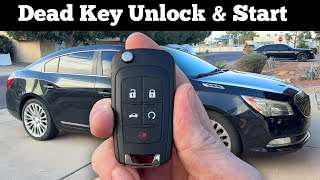
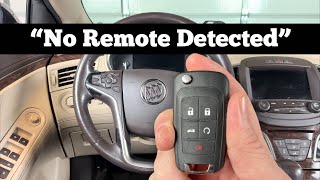
- "No Remote Detected" message on the DIC, requiring use of the transmitter pocket in the center console 🎬 See how to start your car with a dead key fob to start the vehicle.
- No-start or start-and-stall condition with the security light illuminated. [TSB #PIC5650M]
- Replacing only the TPMS sensor when the actual fault is the RCDLR. If the key fobs are also not working, the problem is almost certainly the RCDLR, not the sensor.
- Replacing the RCDLR module without first checking its antenna and power connections. TSB #16-NA-061 points out that a simple disconnected coax cable can cause all symptoms of a failed module.
Most Likely Causes
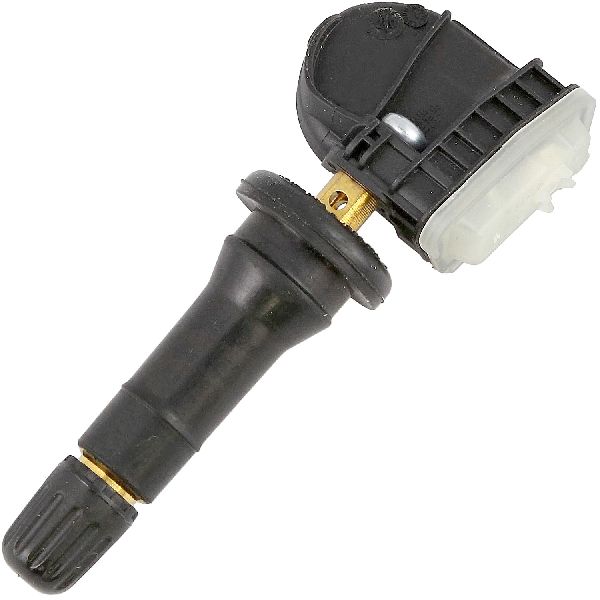
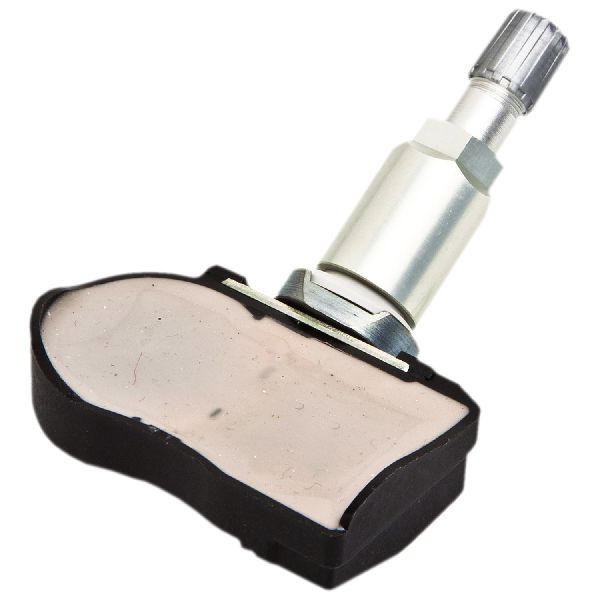
- Failed Left Rear TPMS Sensor 🔴 High Probability → Shop Tire Pressure Monitoring System (TPMS) Sensor The non-replaceable battery inside the sensor has a finite lifespan of 5-10 years. Vehicles in this year range are reaching the end of that lifespan.
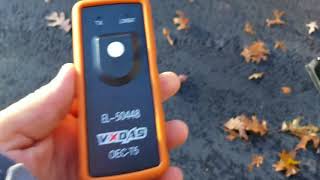
How to confirm: Use a TPMS diagnostic tool to attempt to activate or read the sensor. If the tool cannot get a response from the left rear sensor but can from the others, the sensor has failed. If the key fobs work perfectly, the sensor is the most likely culprit.
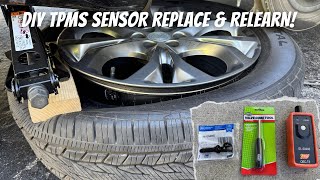
Typical fix: Replace the left rear TPMS sensor and perform the TPMS relearn procedure. It is often recommended to replace all four sensors at the same time, especially if they are original, to avoid future failures.
Est. part cost: $30-$70 per sensor - Faulty Remote Control Door Lock Receiver (RCDLR) 🟡 Medium Probability → Shop Keyless Entry Receiver This is a known issue on many GM platforms of this era, as documented in TSB #16-NA-396. The module can fail internally, causing it to stop processing signals from TPMS sensors and key fobs.
How to confirm: The most telling sign is the simultaneous failure of TPMS and all key fob functions. If multiple TPMS codes (C0750, C0755, C0760, C0765) are present, the RCDLR is the primary suspect.
Typical fix: Replace the RCDLR module. The new module must be programmed to the vehicle by a dealer or a qualified independent shop with GM diagnostic software. The part is often located behind the rear seat side bolster or C-pillar trim.
Est. part cost: $50-$150
Rare But Worth Checking
- Wiring Harness or Antenna Connection Issue: GM TSB #16-NA-061 details how a poor or disconnected coax cable connection for the RCDLR antenna system can cause identical symptoms. Before replacing the RCDLR, it's critical to inspect the coax connections at the RCDLR module itself, at the antenna amplifier module, and at the antenna in the rear glass. A loose connection can mimic a complete module failure.
- Body Control Module (BCM) Fault: → Shop Body Control Module While the BCM is part of the system, it is far less likely to fail than the sensors or the RCDLR. This should only be considered after all other possibilities have been exhausted.
- Water Intrusion at A-Pillar Connectors: GM TSB #19-NA-243 describes a scenario where water leaks past body plugs in the 'A' hinge pillar, causing corrosion in major body connectors (X500/X600). This can lead to a wide range of electrical issues, including keyless entry and TPMS problems. While not the most direct cause, it's a known source of bizarre electrical faults on this platform.
Diagnosis Steps
- Check for accompanying symptoms. Confirm if the key fobs are working. If they are not, suspect the RCDLR module immediately.
- Scan all vehicle modules for other DTCs. Note if other TPMS codes (C0750, C0755, C0760) or body/security codes are present.
- If key fobs work, use a dedicated TPMS tool to read data (ID, pressure, temperature, battery status) from all four tire sensors.
- If the left rear sensor fails to respond to the tool, its battery is dead or it has failed internally. Replace the sensor.
- If key fobs DO NOT work, or if all sensors fail to communicate with the car (but respond to the tool), the issue is likely with the RCDLR or its antenna circuit.
- Per TSB #16-NA-061, inspect the RCDLR antenna system. The module is typically located in the rear of the vehicle, often behind a C-pillar or trunk trim panel. Check the coax cable connections at the RCDLR module, the antenna amplifier, and the antenna itself (often in the rear glass).
- A technician on a forum noted the RCDLR on a similar GM vehicle was located behind the driver's side D-pillar trim.
- If wiring and connections are intact and symptoms point to the RCDLR (multiple TPMS codes and/or key fob failure), the module needs to be replaced and programmed by a professional.
Parts You'll Likely Need
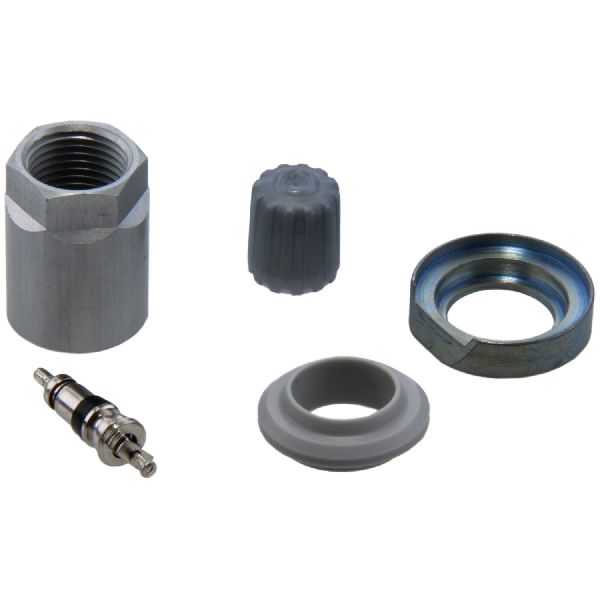
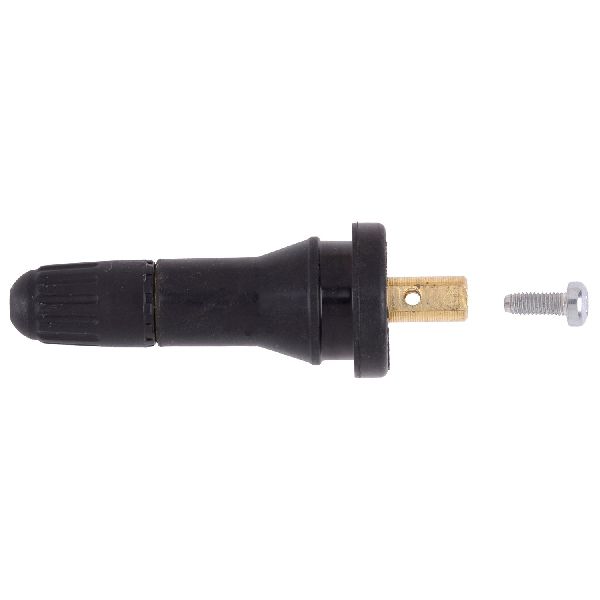
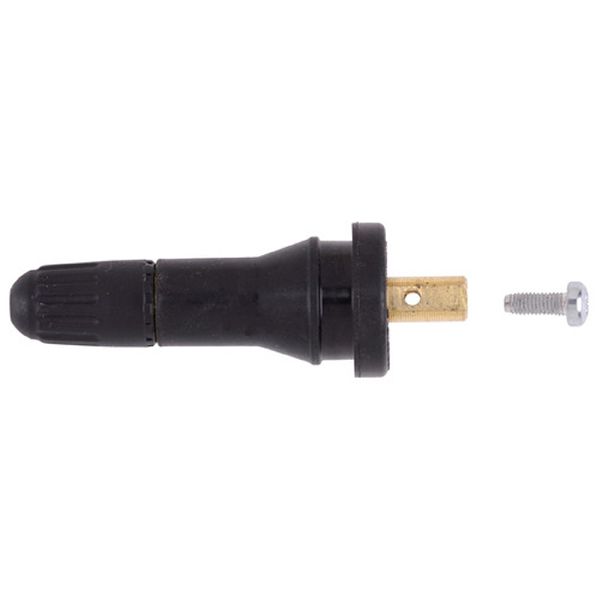
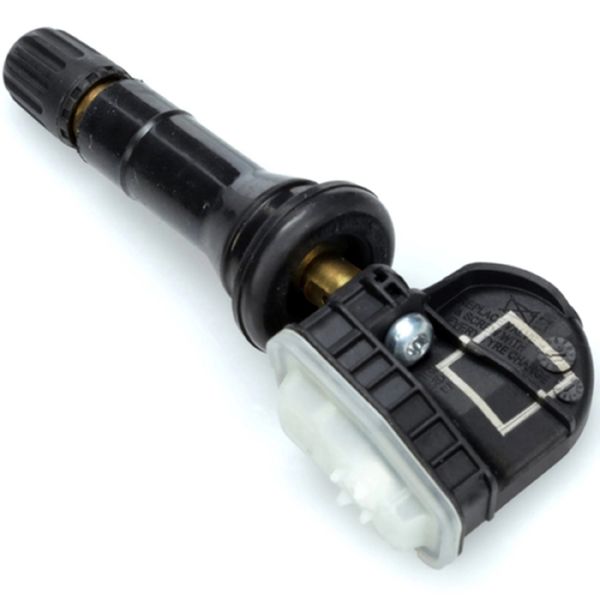
- Tire Pressure Monitoring System (TPMS) Sensor
(OEM #13540601)— This is the most common failure point when key fobs are still working. The internal battery dies, causing a loss of signal.
Trusted brands: ACDelco, Schrader, Continental, Denso
OEM price range: $50-$70
Aftermarket price range: $25-$50 - Remote Control Door Lock Receiver (RCDLR)
(OEM #13586852 (replaces 13577250))— This module is a known failure point documented in TSB #16-NA-396. It fails internally, causing loss of communication with both TPMS sensors and key fobs.
Trusted brands: ACDelco (GM Genuine Parts)
OEM price range: $60-$120
Related Codes That Often Appear With This One
- C0750, C0755, C0760 — These are the codes for the other three wheel sensors (Left Front, Right Front, Right Rear). When they appear together with C0765, it strongly points to a failure of the common RCDLR module rather than all four sensors failing at once.
- B3055, B3060, B3935 — These are security and key-related codes. Their presence alongside C0765 points to a broader issue with the RCDLR or BCM, as noted in TSB #PIC5650M.
Technical Service Bulletins (TSBs) & Recalls
- 16-NA-396: Addresses intermittent operation of key fobs and TPMS indicator illumination due to an internal fault in the Remote Control Door Lock Receiver.
- 16-NA-061: Details how a disconnected RCDLR antenna or coax cable can cause TPMS and RKE (Remote Keyless Entry) problems, urging inspection before component replacement.
- PIC5650M: Mentions C0765 in a list of codes that can appear with a no-start or start/stall concern related to the vehicle's security system.
Platform-Specific Known Issues
- TSB #16-NA-396 explicitly documents that on the Cadillac XTS (and other GM models), an internal failure of the Remote Control Door Lock Receiver can cause the TPMS light to illuminate with codes C0750, C0755, C0760, and C0765, along with a complete loss of key fob functionality.
- TSB #16-NA-061 provides a critical diagnostic step, warning that a disconnected antenna coax cable for the RCDLR can perfectly mimic a failed module, causing TPMS and key fob issues. This should be checked before replacing the part.
Mechanic-Grade Diagnostic Values
- TPMS Sensor Operating Frequency (North America) — expected: 315 MHz (RPO Code XL7). Failure: Using a sensor with the wrong frequency will result in it not communicating with the RCDLR.
- RCDLR Operating Frequency (for P/N 13586852) — expected: 433 MHz. Failure: This is a fixed property of the module; mismatch with sensors or fobs will cause failure.
- TPMS Sensor Clamp-In Nut Torque — expected: 71 in-lbs (8 Nm). Failure: Over-torquing can damage the sensor or valve stem; under-torquing can cause air leaks.
- Data Link Connector (DLC) Pin 4 and 5 Voltage — expected: 0 Volts (Ground). Failure: Voltage present on these pins indicates a chassis or sensor ground issue which could affect module communication.
Hidden / Shadow Codes Worth Checking
- Symptom Code :29: Too Few Pulses. This indicates the RCDLR is not receiving the expected number of signal transmissions from the TPMS sensor. (see via Visible with a dealer-level scan tool (GM Tech 2 or GDS2). TSB #16-NA-396 explicitly states this symptom code with C0765 points to an internal RCDLR failure.)
- Symptom Code :39: Internal Malfunction. This indicates the TPMS sensor has failed its own internal diagnostics. (see via Visible with a dealer-level scan tool (GM Tech 2 or GDS2). This would point more toward a failed sensor rather than the RCDLR.)
Scan Tool Commands That Help
- GDS2 / Tech 2: Module Setup > Program Key Fobs — This function is required after replacing the RCDLR to make the vehicle recognize the existing or new key fobs.
- GDS2 / Tech 2: Theft Deterrent System Learn — After replacing the RCDLR, the security system may need to be relearned to allow the vehicle to start. This can be a 10 or 30-minute automated procedure initiated by the scan tool.
- GDS2 / Tech 2 or TPMS Relearn Tool: Tire Pressure Indicator Sensor Learn — This is required after replacing any TPMS sensors or after replacing the RCDLR to teach the new receiver the unique IDs of the four sensors in their correct positions.
Wiring & Ground Locations
- RCDLR Module — In the rear of the vehicle, typically on the right side behind the C-pillar trim or near the rear glass antenna amplifier.. This is the receiver for both TPMS and key fob signals. Its location is critical for checking power, ground, and antenna connections.
- G103 — On the cowl, in the left rear of the engine compartment, often near the brake booster.. This is a primary ground location for the Body Control Module (BCM) and the Remote Control Door Lock Receiver (RCDLR). A poor connection here can cause a wide range of communication issues, including C0765.
- G406 / G404 — G406 is at the base of the left 'C' pillar; G404 is at the right 'C' pillar.. These are the closest major chassis ground points to the typical RCDLR mounting location. A corroded or loose connection here could interrupt the module's ground path.
- RCDLR Antenna Circuit — A coax cable runs from the RCDLR module to an antenna amplifier, which then connects to the antenna grid in the right rear glass.. TSB #16-NA-061 states that a disconnected coax cable at any of these three points (RCDLR, amplifier, or glass) can cause TPMS codes and key fob failure, perfectly mimicking a bad RCDLR module.
Real Owner Repair Stories
- CorvetteForum user (2005 Chevrolet Corvette (similar RCDLR architecture)) — "No fob detected" message, intermittent starting that would work after tapping on the dash.
❌ Tried (didn't work) Repinning the connectors.
✅ What actually fixed it The owner removed the RCDLR, opened the module's case, and re-soldered the header pins on the circuit board. This fixed the cold solder joints that were causing the intermittent connection, resolving the issue without replacing the module. - Chevy HHR Network forum discussion (2008 Chevrolet HHR (similar RCDLR architecture)) — Key fobs stopped working and TPMS readings showed dashes after the module was without power.
❌ Tried (didn't work) Standard key fob reprogramming procedure.
✅ What actually fixed it The forum consensus was that for some model years, if the RCDLR loses power for an extended period, it can lose its firmware/programming and requires a dealer reflash with a scan tool to become operational again.
"I Checked Everything" — The Actual Cause
- A technician could replace the TPMS sensor and even the RCDLR module, yet the C0765 code and key fob issues could persist. The actual cause, as outlined in GM TSB PIC5650K, could be Radio Frequency Interference (RFI) from an aftermarket device like a USB phone charger, a dash cam, or even aftermarket LED interior lights. These devices can 'jam' the 315 MHz or 433 MHz signals the RCDLR needs to receive, but the interference may disappear if the customer unplugs the device before bringing the car in for service, making the problem impossible to duplicate.
When the Usual Fixes Don't Work
- While the most common fixes for C0765 are replacing the TPMS sensor or the RCDLR, a significant amount of diagnostic time can be wasted if two key external factors are not considered first. TSB #16-NA-061 highlights that a simple disconnected coax antenna cable leading to the RCDLR can create all the symptoms of a failed module, including multiple TPMS codes and inoperative key fobs. Furthermore, TSB PIC5650K warns that Radio Frequency Interference from common aftermarket devices like phone chargers and LED lights can completely jam the TPMS and key fob signals. In these cases, replacing hundreds of dollars in parts would have zero effect, as the root cause is either a loose connection or an external electronic device. A third possibility is an internal, but repairable, failure of the RCDLR due to cold solder joints, which can be fixed with soldering skills rather than a full module replacement.
OEM Part Supersession History
13577250→13586852— Standard part revision and replacement.
Heads up: No known incompatibilities; 13586852 is the correct service replacement for the 2013-2019 XTS. Both operate at 433 MHz.
Model Year Variations Within This Range
- 2018-2019: The 2018 model year marked a significant facelift for the XTS. While the RCDLR part number appears consistent, some parts databases show a different TPMS sensor part number (e.g., 13516164) for the refreshed models compared to earlier years. It is crucial to verify the correct sensor part number by VIN for 2018+ models.
Helpful Videos
We Have This Part in Stock

The information in this article is provided for general reference and educational purposes only. Vehicle specifications, procedures, and part compatibility can vary by production date, trim level, and region. Always consult your vehicle's factory service manual and verify part numbers before purchasing or performing repairs. Safety-critical components such as airbags, seat belts, and braking systems should be installed by a qualified professional.
- Cadillac XTS:
- 🧭 Diagnostic Flowchart
- 🎬 Helpful Videos
- 🛍️ Shop This Part
- What's Unique About the 2013-2019 Cadillac XTS
- Symptoms You May Notice
- Most Likely Causes
- Rare But Worth Checking
- Diagnosis Steps
- Parts You'll Likely Need
- Related Codes That Often Appear With This One
- Technical Service Bulletins (TSBs) & Recalls
- Platform-Specific Known Issues
- Mechanic-Grade Diagnostic Values
- Hidden / Shadow Codes Worth Checking
- Scan Tool Commands That Help
- Wiring & Ground Locations
- Real Owner Repair Stories
- "I Checked Everything" — The Actual Cause
- When the Usual Fixes Don't Work
- OEM Part Supersession History
- Model Year Variations Within This Range
- 🎟️ Get 5% Off