

C0765 on 2015-2022 Chevrolet Equinox: TPMS Fault or Something More?
Code C0765 points to the Right Rear TPMS sensor, but on the 2015-2022 Equinox, it's very often caused by a failed Remote Control Door Lock Receiver (RCDLR), especially if your key fob also stopped working. The fix is usually replacing and programming the RCDLR module.
- If your TPMS light is on and your key fob is dead, the problem is almost certainly the Remote Control Door Lock Receiver (RCDLR), not the tire sensor.
- Code C0765 specifically refers to the Right Rear tire, but if other codes like C0750, C0755, or C0760 are also present, it reinforces the RCDLR diagnosis.
- Do not waste money on a new TPMS sensor if the key fob is also malfunctioning; address the RCDLR first.
- Replacing the RCDLR is not a simple plug-and-play repair; it requires programming by a dealer or a well-equipped independent shop.
What's Unique About the 2015-2022 Chevrolet EQUINOX
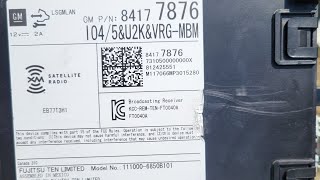
On this generation of Equinox and its platform mates like the GMC Terrain, the Tire Pressure Monitoring System (TPMS) and the keyless entry system are both managed by a single module: the Remote Control Door Lock Receiver (RCDLR). A common failure point is the RCDLR itself, which leads to the simultaneous failure of both systems. This creates a confusing scenario where a TPMS code (C0765) appears alongside dead key fobs, a situation documented in GM Technical Service Bulletin #16-NA-396. A dealer-level scan tool may show C0765 with a symptom code of ":29 – Too Few Pulses," which specifically points to an internal RCDLR issue per the TSB.
Diagnostic Flowchart
Tap your situation to follow the diagnostic path that matches what you're seeing on this vehicle.
Generation note: The 2015-2022 model years span the second (2015-2017) and third (2018-2022) generations of the Equinox. The primary issue related to the Remote Control Door Lock Receiver (RCDLR) is known to affect both generations, as confirmed by GM TSB #16-NA-396 which explicitly includes the 2018 model year and other GM models from this era.
Symptoms You May Notice
- Tire Pressure Monitor (TPM) warning light is on or flashing
- Key fob is completely inoperative (lock, unlock, remote start, and panic buttons do not work).
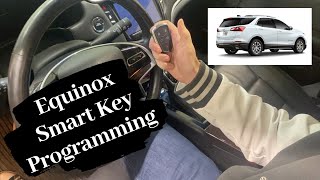
- "No Remote Detected" or "No Remote Key Was Detected" message on the Driver Information Center (DIC). 🎬 Watch: How to use the transmitter pocket when your key isn't detected.
- "Service Tire Monitor System" message on the DIC.
- Tire pressure display shows dashes (--) for the right rear tire, or for all tires.
- Reduced key fob range before complete failure.
- Inability to enter TPMS relearn mode via the DIC.
- Replacing the TPMS sensor when the key fob is also dead. This ignores the strong evidence pointing to the RCDLR and will not fix the problem.
- Replacing the key fob battery. While a good first step for a dead fob, it will not resolve the C0765 code or the underlying RCDLR issue.
- Replacing the Body Control Module (BCM). While the BCM communicates with the RCDLR, the RCDLR itself is the component that fails in this specific scenario. Replacing the BCM would be an expensive and incorrect repair.
Most Likely Causes
- Failed Remote Control Door Lock Receiver (RCDLR) 🔴 High Probability → Shop Keyless Entry Receiver This is a documented common failure on this GM platform, as cited in TSB #16-NA-396. The module's internal electronics fail, causing it to lose communication with both TPMS sensors and key fobs. Forum users on sites like Chevy Equinox Forum and Reddit frequently report this exact failure mode.
How to confirm: The most telling sign is the simultaneous failure of the TPMS system and all key fob functions. If the TPMS light is on and your key fob is dead, the RCDLR is the prime suspect. A professional scan tool may also show code C0765 with a symptom code of :29 (Too Few Pulses). If multiple TPMS codes (C0750, C0755, C0760) are present at once, it further points to the central receiver (RCDLR) rather than multiple individual sensor failures.
Typical fix: Replace the RCDLR module and program the new unit to the vehicle using GM's Service Programming System (SPS). This requires a subscription to Techline Connect and a compatible diagnostic interface.
Est. part cost: $40-$100 - Failed Right Rear Tire Pressure Sensor 🟡 Medium Probability TPMS sensors have a finite lifespan, typically 7-10 years, as they are powered by a non-serviceable internal battery. Vehicles in the 2015-2017 range are now at an age where sensor battery failure is becoming common.
How to confirm: This is the likely cause if the C0765 code is present BUT your key fobs are working normally. A TPMS diagnostic tool can be used to check if the sensor is transmitting a signal. If the tool cannot activate the sensor, it has likely failed.
Typical fix: Replace the right rear TPMS sensor and perform a TPMS relearn procedure as outlined in the owner's manual.
Est. part cost: $25-$70 - Wiring or Connector Issue ⚪ Low Probability Not especially prone, but damage or disconnection of the RCDLR antenna coax cable can occur. TSB #16-NA-061 notes that the antenna connection at the module, at the antenna amplifier, or at the rear glass can become disconnected, causing TPMS and key fob issues.
How to confirm: Visually inspect the wiring harness and coax cable at the RCDLR for any signs of damage, corrosion, or loose connections. The module is typically located behind the trim panel in the rear cargo area, often on the passenger side C-pillar. Wiggling the harness while testing functionality may reveal an intermittent connection.
Typical fix: Repair the damaged section of the wiring harness or clean/reconnect the connector.
Est. part cost: $5-$50
Diagnosis Steps
- Verify the symptoms. Does the TPMS light come on at the same time the key fob stopped working? If yes, the RCDLR is the primary suspect.
- Scan for all Diagnostic Trouble Codes (DTCs) in the Body Control Module (BCM) and RCDLR. Note if C0765 is present alone or with other TPMS codes (C0750, C0755, C0760).
- If a professional scan tool is available, check for hidden symptom codes. A code of '29' (Too Few Pulses) strongly indicates an internal RCDLR failure, while a '39' (Internal Malfunction) points to the sensor itself.
- If only C0765 is present and the key fob works, the issue is likely the right rear TPMS sensor. Use a TPMS tool to attempt to activate and read the sensor. If it fails to respond, it needs replacement.
- If multiple TPMS codes are present AND the key fob is inoperative, the RCDLR is the most likely cause.
- Inspect the RCDLR location. For the Equinox/Terrain platform, the RCDLR is typically located in the rear of the vehicle, behind the passenger side C-pillar or D-pillar 🎬 See this walkthrough on how to access and remove the receiver. trim in the cargo area. For some models, it may be located above the headliner near the liftgate.
- Inspect the wiring and antenna coax connector for the RCDLR. Per TSB #16-NA-061, ensure the coax is securely connected at the module itself and at the antenna amplifier near the rear glass.
- If the RCDLR is suspected, replacement and programming by a qualified technician is the recommended next step. This involves installing the new module and using GM's GDS2 software to perform the 'Remote Control Door Lock Receiver Replacement' setup.
Parts You'll Likely Need
- Remote Control Door Lock Receiver (RCDLR)
(OEM #13597910)— This is the most common point of failure when code C0765 is accompanied by a non-functional key fob, as documented in GM TSB #16-NA-396. This part number supersedes older numbers like 13510984 and 13583332.
Trusted brands: ACDelco, GM Genuine Parts
OEM price range: $40-$80
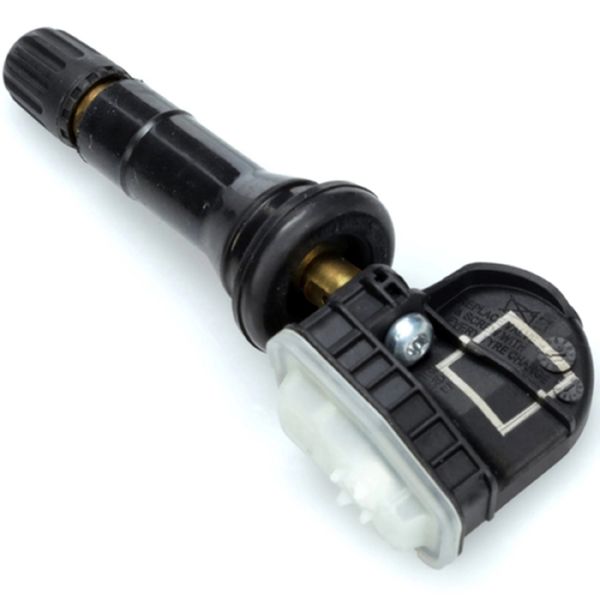
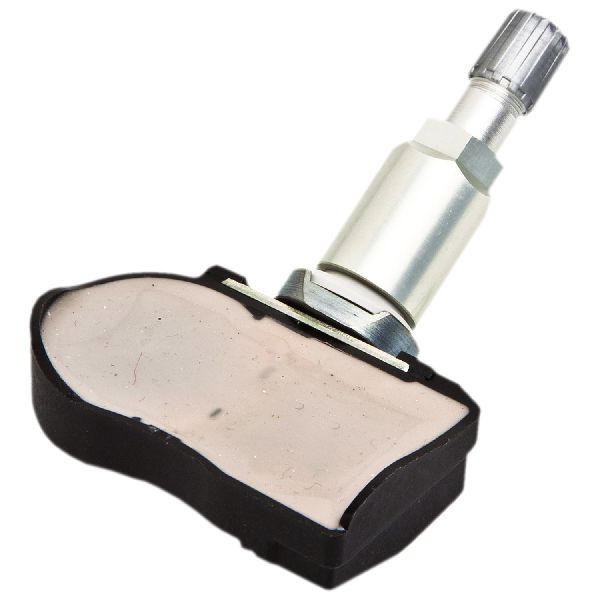
Aftermarket price range: $30-$60 - Tire Pressure Monitoring System (TPMS) Sensor
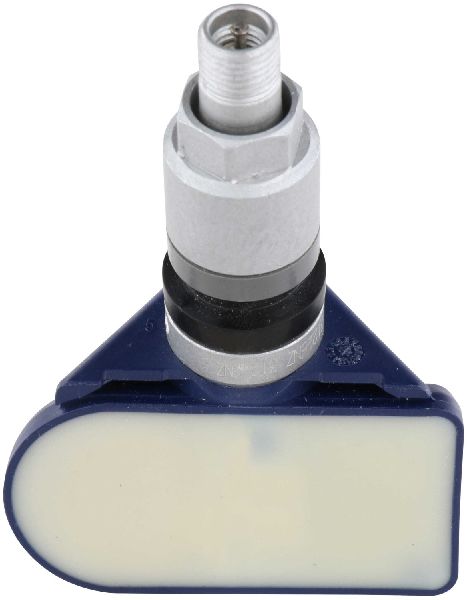
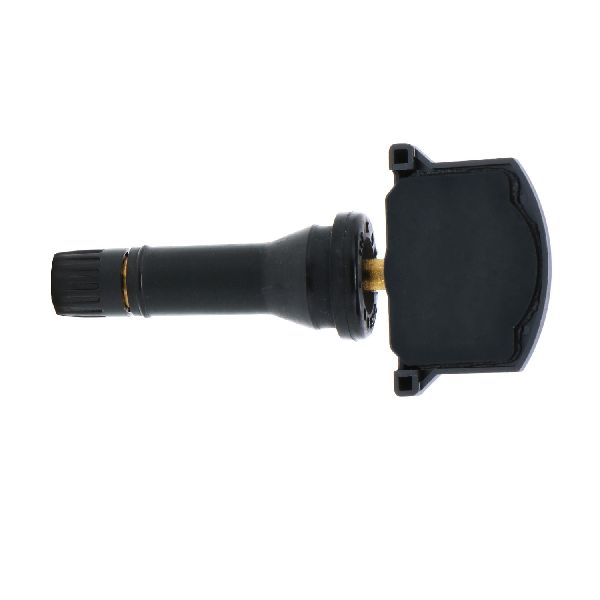
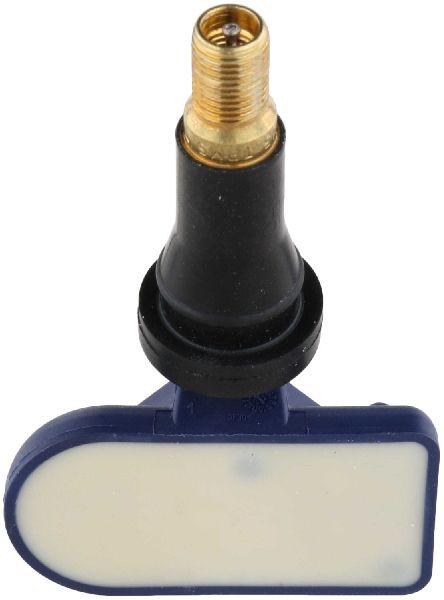
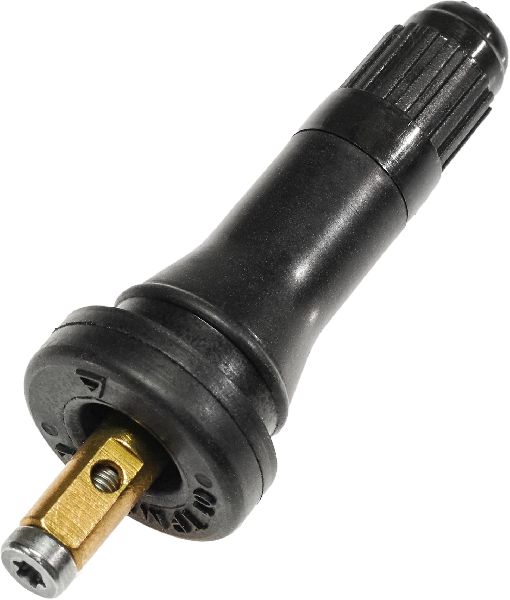
(OEM #13516165)— This is the correct part to replace if diagnosis confirms the sensor itself has failed (e.g., dead battery), which is typically the case only when the key fob is working correctly.
Trusted brands: ACDelco, Schrader, Dorman
OEM price range: $40-$70
Aftermarket price range: $25-$50
Related Codes That Often Appear With This One
- C0750 — Fault in the Left Front TPMS sensor circuit. Its presence alongside C0765 strengthens the diagnosis of a faulty RCDLR, as it's less likely for multiple sensors to fail simultaneously.
- C0755 — Fault in the Right Front TPMS sensor circuit. Its presence with C0765 points towards a central receiver (RCDLR) issue.
- C0760 — Fault in the Left Rear TPMS sensor circuit. Seeing multiple TPMS codes together is a classic symptom of RCDLR failure.
- B3055 — A key-related code that can appear with TPMS codes when there are broader security module or RCDLR communication issues, as noted in TSB #PIC5650M.
Technical Service Bulletins (TSBs) & Recalls
- 16-NA-396: Addresses intermittent or inoperative key fobs and TPMS light illumination with codes C0750, C0755, C0760, and C0765. It directly points to an internal failure of the Remote Control Door Lock Receiver as the cause and advises replacement of the module.
- PIC5650M: Groups C0765 with other security and immobilizer codes that can cause no-start or start/stall conditions, further linking the TPMS/RCDLR system to other critical vehicle functions.
- 16-NA-061: Describes a potential cause for TPMS and key fob issues as a poor or disconnected antenna connection for the RCDLR, providing an alternative diagnostic path before replacing the module itself.
Platform-Specific Known Issues
- A widespread issue on GM vehicles from this era where the RCDLR module fails, causing simultaneous TPMS and keyless entry system malfunctions. This is officially recognized by GM in TSB #16-NA-396.
- A Reddit user with a 2019 Equinox described the exact symptoms of intermittent TPMS readings and a spotty key fob, with another user correctly identifying the likely cause as the RCDLR module located above the headliner near the liftgate.
Hidden / Shadow Codes Worth Checking
- C0765 with symptom :29: Indicates 'Too Few Pulses' received from the tire pressure sensor. TSB #16-NA-396 explicitly states this combination points to an internal failure of the Remote Control Door Lock Receiver (RCDLR) module, not the sensor itself. (see via Requires a professional GM-level scan tool, such as a Tech 2 or GDS2, that can read manufacturer-specific symptom codes (also called failure type bytes).)
- C0765 with symptom :39: Indicates 'Right Rear Tire Pressure Sensor Internal Malfunction'. This code points more specifically to a failure within the TPMS sensor itself, such as a dead battery or internal fault. (see via Requires a professional GM-level scan tool, such as a Tech 2 or GDS2, that can read manufacturer-specific symptom codes.)
Scan Tool Commands That Help
- GDS2 (GM Global Diagnostic System 2): Remote Control Door Lock Receiver Replacement — This is the primary service function that must be run after physically installing a new RCDLR module. It configures the new module to the vehicle's BCM and other systems.
- GDS2 / Techline Connect: Theft Deterrent System Learn — This procedure is often required after the RCDLR is replaced to re-synchronize the vehicle's immobilizer system with the newly installed module.
- GDS2: Tire Pressure Indicator Sensor Learn — After the new RCDLR is installed and programmed, this function is used to teach the new module the unique IDs of each TPMS sensor on the vehicle.
- GDS2: Key Fob Programming — After replacing the RCDLR, existing key fobs must be re-programmed to the new module using this scan tool function.
Wiring & Ground Locations
- RCDLR Antenna Coax Connector — The connection point on the RCDLR module itself. The module is typically in the right rear quarter panel/C-pillar area (2015-2017) or above the headliner near the liftgate (2018-2022).. Per TSB #16-NA-061, a disconnected coax cable at the module will cause a total loss of signal from all TPMS sensors and the key fobs, perfectly mimicking a failed RCDLR module.
- Antenna Amplifier Module Connector — The coax cable connection at the antenna amplifier, which is typically located near the right rear quarter glass.. A disconnect here can cause intermittent issues and poor signal reception from sensors farther away from the RCDLR, while the closest sensor (right rear) may still work. It also causes reduced key fob range.
Real Owner Repair Stories
- Reddit user comment in r/Chevrolet (2008 Chevrolet Equinox (1st Gen, but same RCDLR principle)) — Key fob only worked when right up against the car, and no TPMS sensors would report or learn.
❌ Tried (didn't work) Searching for the module on the left side of the vehicle.
✅ What actually fixed it Located the RCDLR on the right C-pillar and found its antenna was unplugged. Reconnecting the antenna restored full key fob range and allowed the TPMS sensors to be programmed successfully. - Chevy Equinox Forum user 'cavell' (2007 Chevrolet Equinox) — TPMS light on, unable to enter the TPMS relearn mode via the DIC. Was told the RCDLR was likely bad.
❌ Tried (didn't work) Attempting DIC relearn procedure., Attempting relearn with a scan tool before replacing the module.
✅ What actually fixed it Replaced the RCDLR module. After replacement, the TPMS and keyless entry systems started working correctly again.
When the Usual Fixes Don't Work
- While replacing the RCDLR is the most common fix, it is not guaranteed to solve the problem. GM issued TSB #16-NA-061 specifically to address situations where C0765 and other related codes are caused by a simple disconnected antenna coax cable. A technician who replaces the RCDLR without first checking the antenna connection at the module, the amplifier, and the rear glass may find the problem persists. A real-world example from a Reddit user showed their identical symptoms were resolved simply by plugging the antenna back into the module, saving the cost and labor of a module replacement and programming.
OEM Part Supersession History
13583332, 13510984→13597910— Standard part revision and consolidation by the manufacturer.
Model Year Variations Within This Range
- 2015-2017 (Second Generation): The RCDLR module is consistently located behind the interior trim panel in the right rear cargo area, near the C-pillar.
- 2018-2022 (Third Generation): The RCDLR module location may have moved. While some general diagrams point to the rear quarter panel, owner and forum reports suggest it is often located above the rear headliner, near the power liftgate motor assembly. This is a critical difference for physical diagnosis and replacement.
Helpful Videos

We Have This Part in Stock

The information in this article is provided for general reference and educational purposes only. Vehicle specifications, procedures, and part compatibility can vary by production date, trim level, and region. Always consult your vehicle's factory service manual and verify part numbers before purchasing or performing repairs. Safety-critical components such as airbags, seat belts, and braking systems should be installed by a qualified professional.
- Chevrolet EQUINOX:
- 🧭 Diagnostic Flowchart
- 🎬 Helpful Videos
- 🛍️ Shop This Part
- What's Unique About the 2015-2022 Chevrolet EQUINOX
- Symptoms You May Notice
- Most Likely Causes
- Diagnosis Steps
- Parts You'll Likely Need
- Related Codes That Often Appear With This One
- Technical Service Bulletins (TSBs) & Recalls
- Platform-Specific Known Issues
- Hidden / Shadow Codes Worth Checking
- Scan Tool Commands That Help
- Wiring & Ground Locations
- Real Owner Repair Stories
- When the Usual Fixes Don't Work
- OEM Part Supersession History
- Model Year Variations Within This Range
- 🎟️ Get 5% Off