

C0765 on 2015-2022 Chevrolet Express 3500: TPMS Fault, No Start, and RCDLR Failure
Code C0765 indicates a fault with the right rear tire pressure sensor. However, on a Chevy Express, it's commonly caused by a failing Remote Control Door Lock Receiver (RCDLR). If your key fobs have also stopped working or the van won't start, the RCDLR is the most likely culprit, not the sensor itself. This is a well-documented GM issue.
- C0765 is a code for the right rear TPMS sensor, but its root cause on a Chevy Express is often a failed Remote Control Door Lock Receiver (RCDLR), especially if accompanied by a no-start condition or inoperative key fobs.
- This is a known GM-wide issue documented in multiple Technical Service Bulletins (TSBs).
- Do not immediately replace the TPMS sensor if you have other symptoms; diagnose the RCDLR first.
- Replacing the RCDLR requires special programming by a dealer or a properly equipped independent shop, which is a significant part of the total repair cost.
What's Unique About the 2015-2022 Chevrolet EXPRESS 3500
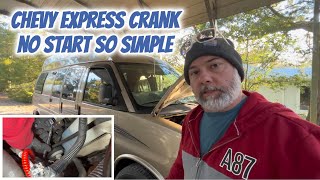
On the Chevrolet Express and its platform-mate, the GMC Savana, the integration of the TPMS, keyless entry, and immobilizer systems into a single module (the RCDLR) is a key design point. This architecture means a fault in one system can present symptoms in another. While C0765 is a chassis code related to tires, its most serious implication on this van is often a body control/security failure that prevents the engine from starting. 🎬 Watch: Diagnosing a no-start concern on an Express van. The RCDLR is typically located behind a rear interior trim panel, and its failure is a common repair story in owner forums.
Diagnostic Flowchart
Tap your situation to follow the diagnostic path that matches what you're seeing on this vehicle.
Symptoms You May Notice
- Security light illuminated on the dashboard
- Engine will not crank (no start)
- Engine starts and immediately stalls
- TPMS warning light is flashing or on solid
- Key fobs do not lock or unlock the doors (inoperative)
- "Service Tire Monitor System" message on the Driver Information Center (DIC)
- "No Remote Detected" message on DIC, even with fob in the vehicle
- Tire pressure readings show as dashes "--" on the DIC
- Replacing only the TPMS sensor when the actual fault is the RCDLR. If the key fobs are also dead, the sensor is almost never the root cause.
- Replacing the vehicle's main battery without diagnosing the underlying RCDLR or security system fault that is causing the no-start condition.
Most Likely Causes
- Failed Remote Control Door Lock Receiver (RCDLR) 🔴 High Probability → Shop Keyless Entry Receiver This is a widely documented issue in GM TSBs PIC5650M and 16-NA-396. The RCDLR is the central hub for TPMS, key fob, and some immobilizer functions, and an internal failure can cause all three systems to fail simultaneously. Forum discussions for various GM vehicles confirm this is a common failure pattern.
How to confirm: Check if key fobs are also inoperative. Scan for codes C0750, C0755, C0760, and C0765 together. If multiple TPMS codes are present along with a no-start or key fob issue, the RCDLR is the primary suspect. A professional scan tool may also show a symptom code of ":29 – Too Few Pulses" alongside the C-codes, which TSB 16-NA-396 directly attributes to an internal RCDLR fault.
Typical fix: Replace the RCDLR module and have it programmed by a dealer or qualified shop with access to GM's Service Programming System (SPS). The module is typically located behind a rear trim panel.
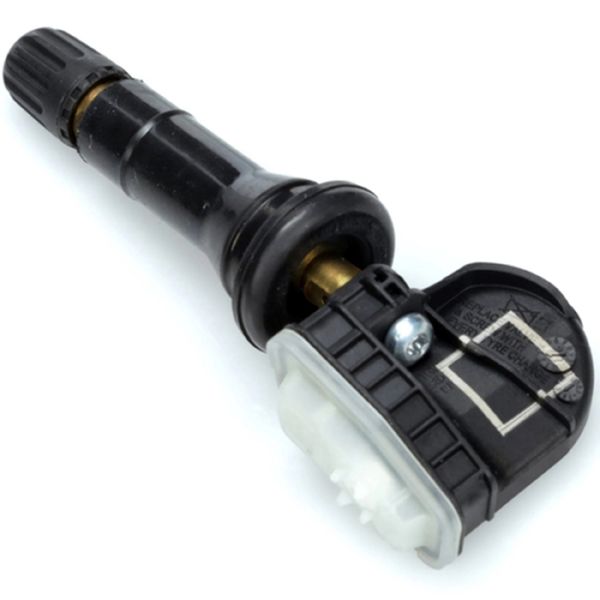
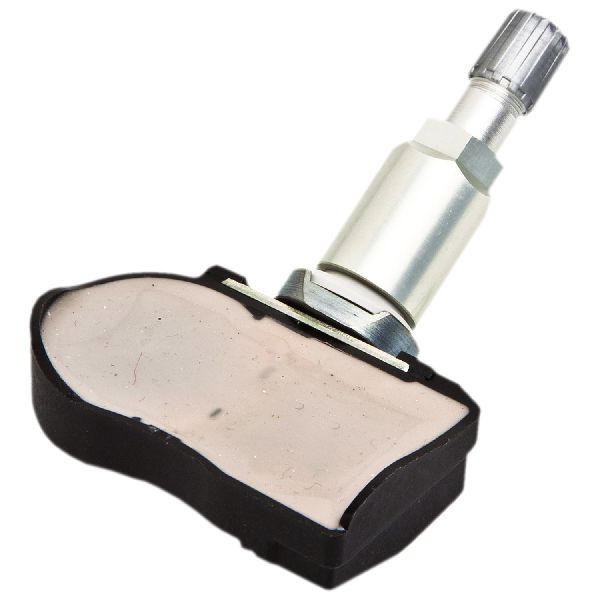
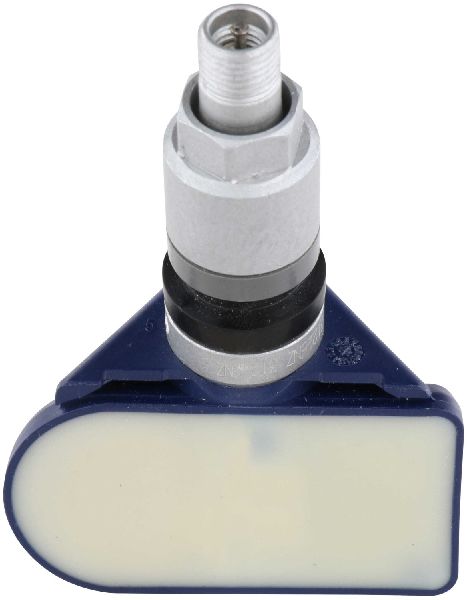
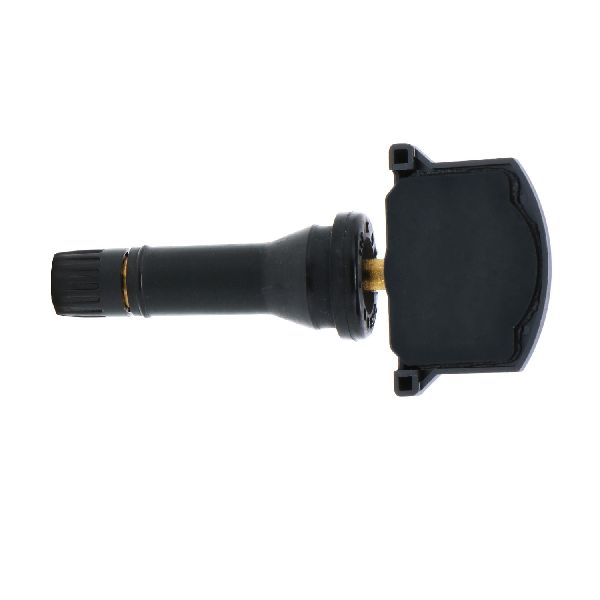
Est. part cost: $40-$120 - Dead Battery in Right Rear TPMS Sensor 🟡 Medium Probability → Shop Tire Pressure Monitoring System (TPMS) Sensor TPMS sensor batteries have a finite lifespan, typically 7-10 years. Vehicles in the 2015-2022 range are now old enough to experience these age-related battery failures.
How to confirm: This is the likely cause if C0765 is the *only* code present and the key fobs and starting system work normally. A professional TPMS tool can be used to read the battery status of the sensor directly; if the tool cannot get a response, the sensor has likely failed.
Typical fix: Replace the right rear TPMS sensor and perform the TPMS relearn procedure as outlined in the owner's manual.
Est. part cost: $20-$100 - Faulty Body Control Module (BCM) ⚪ Low Probability → Shop Body Control Module The BCM processes the data from the RCDLR. While less common than an RCDLR failure, an internal BCM fault or a communication loss on the data bus can cause similar communication and starting issues.
How to confirm: Requires advanced diagnostics with a dealer-level scan tool to check communication between the BCM, RCDLR, and other modules. This is typically diagnosed after ruling out the RCDLR, sensors, and wiring. A technician may need to isolate modules on the CAN bus to find the source of a communication failure.
Typical fix: Replace and program the Body Control Module.
Est. part cost: $200-$400
Rare But Worth Checking
- Wiring Harness Damage: Damage to the wiring for the RCDLR or BCM can cause a loss of communication, mimicking a module failure. This is worth checking, especially on work vans that may have had aftermarket equipment installed or have corrosion under the sill plates. TSB 16-NA-061 also points to disconnected coaxial cables at the RCDLR or antenna amplifier as a possible cause for these symptoms.
- Radio Frequency (RF) Interference: GM has noted in service literature that strong RF interference from aftermarket devices like phone chargers, dash cams, or even certain LED bulbs can disrupt the signals between the key fob, TPMS sensors, and the RCDLR, causing intermittent no-start and TPMS warnings. Before replacing parts, it's recommended to unplug all aftermarket accessories and re-test.
Diagnosis Steps
- Verify the symptoms. Does the vehicle fail to start? Do the key fobs work? Is the security light on? Or is it only the TPMS light?
- If you have a no-start or key fob issue: Suspect the RCDLR. The diagnosis from here requires a scan tool that can read BCM and RCDLR data and check for codes like C0750, C0755, C0760, and B-series security codes.
- Remove aftermarket accessories. Unplug all non-factory phone chargers, dash cams, and LED lights to eliminate potential Radio Frequency (RF) interference and re-test.
- If only the TPMS light is on: The issue is likely the sensor itself. Check the tire pressure manually to ensure it is safe to drive.
- Using a TPMS tool, attempt to read the signal from the right rear sensor. Check its reported pressure, temperature, and battery status. If the sensor does not respond or shows a low battery, it needs to be replaced.
- If the sensor appears to be transmitting correctly, or if multiple TPMS codes are present with other symptoms, the problem may lie in the RCDLR's ability to receive the signal, the BCM, or the wiring between them.
- Inspect wiring. Check for corrosion or damage to wiring harnesses under the driver and passenger door sill plates and at the RCDLR connector, which is often behind a rear interior trim panel.
- For RCDLR or BCM replacement, the new module must be programmed to the vehicle using GM-specific software (SPS/GDS2). This step is mandatory for the new part to communicate with the vehicle.
Parts You'll Likely Need
- Remote Control Door Lock Receiver (RCDLR)
(OEM #23446303)— This module is the most common cause when C0765 is paired with no-start or key fob issues, as documented in GM TSBs. Note: Part numbers can be superseded; always verify with a dealer using the vehicle's VIN.
Trusted brands: ACDelco (GM Original Equipment), Dorman
OEM price range: $70-$120
Aftermarket price range: $40-$80 - Tire Pressure Monitoring System (TPMS) Sensor
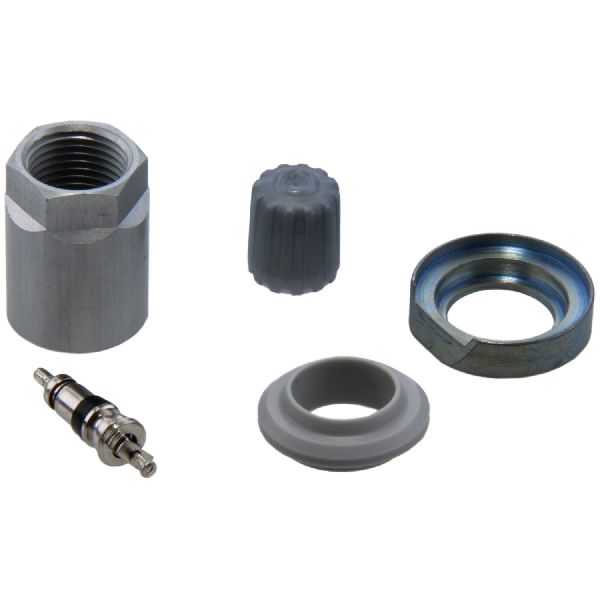
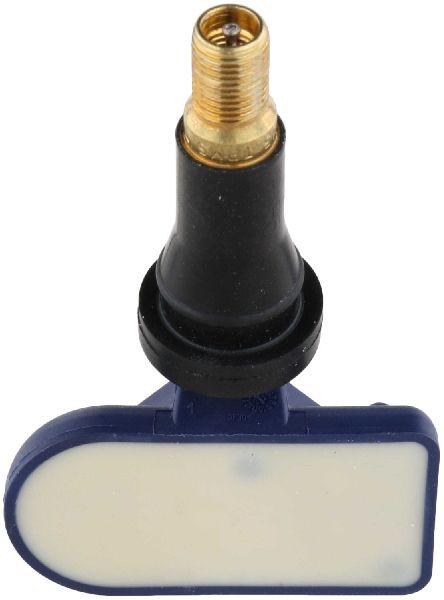
(OEM #13598773)— If only the TPMS light is on with no other symptoms, the sensor battery has likely died or the sensor has failed. The original part number 13507403 may have been superseded.
Trusted brands: ACDelco, Schrader, Huf
OEM price range: $25-$50
Aftermarket price range: $20-$40
Related Codes That Often Appear With This One
- C0750, C0755, C0760 — These are the codes for the other three TPMS sensors. When the RCDLR fails, it often loses communication with all sensors at once, causing all four codes to set simultaneously.
- B3055, B3060, B3935 — These are GM-specific security and key-related codes. Their presence alongside C0765 strongly points to a fault in the immobilizer system, likely linked to the RCDLR or BCM, as mentioned in TSB PIC5650M.
- U0422 — This code indicates 'Invalid Data Received From Body Control Module'. It can be logged when the RCDLR fails, as the BCM is no longer receiving valid signals from it, further pointing to a module or communication issue rather than a simple sensor fault.
Technical Service Bulletins (TSBs) & Recalls
- PIC5650M: Mentions C0765 in a list of codes present during a no-start or stall condition with the security light on, linking the TPMS code to an immobilizer issue.
- 16-NA-396: Directly states that TPMS codes including C0765, when appearing with key fob issues, are caused by an internal failure
Platform-Specific Known Issues
- A known issue documented in TSB #PIC5650M involves a no-start or stall condition with the security light on, where codes C0750, C0755, C0760, C0765 may be found. This points to a broader security system communication problem, often originating from the RCDLR.
- TSB 16-NA-396 explicitly states that an internal failure of the RCDLR is the cause when TPMS codes appear with key fob issues.
- Owners on forums frequently report the simultaneous failure of TPMS and key fobs, with the ultimate fix being the replacement and programming of the RCDLR module.
Mechanic-Grade Diagnostic Values
- RCDLR Power Input Pin Voltage — expected: Battery Voltage (12V+) with key on. Failure: 0 Volts, indicating a wiring or fuse issue, not a module failure.
Scan Tool Commands That Help
- GDS2 / Tech 2: RCDLR Setup / Module Setup — This is a required first step after physically installing a new RCDLR to prepare it for vehicle-specific programming.
- GDS2 / Tech 2 with SPS (Service Programming System): Theft Deterrent System Learn — Required after RCDLR replacement to sync the new module with the vehicle's immobilizer system. The vehicle will not start until this is completed.
- GDS2 / Tech 2 or TPMS Tool: TPM Sensor Learn Procedure — The final programming step after RCDLR replacement to make the new module recognize the existing tire pressure sensors.
Wiring & Ground Locations
- RCDLR Location (2014-2015) — Under the top plate of the dashboard, mounted behind and above the instrument gauge cluster. Requires removal of the dash bezel and A-pillar trim for access.. Knowing the physical location is the first step to testing wiring or replacing the module. This location differs from other GM trucks where it is often in a rear pillar or headliner.
- RCDLR Wiring Harness — The harness runs from the dash or rear module location, often routed through the driver's side door sill channel towards the BCM or fuse block.. This area is a common chafe point and is susceptible to corrosion from water entry, which can cause a break in the power (typically a red/white wire) or ground (black wire) for the RCDLR, leading to a 'no communication' condition.
- G103 (Potential Ground) — On some GM platforms, this ground is located at the left rear of the engine compartment on the cowl, above the brake booster.. This ground point serves the BCM and, on some vehicles, the Remote Door Lock Receiver. A poor connection here can cause a wide range of electrical issues, including communication problems with the RCDLR.
- G300-Series Grounds (G304/G305) — G304 is typically on the right side B-pillar behind trim; G305 is under the vehicle near the left B-pillar.. According to GM's numbering scheme, G3xx grounds are in the rear seat area. If the RCDLR is located in the rear of the van, these grounds would be primary suspects for a poor connection.
Real Owner Repair Stories
- YouTube channel 'Diesel Doctor' (2011 Chevrolet Silverado (similar RCDLR architecture)) — Key fobs do not work, scan tool shows 'no communication' with the RCDLR.
❌ Tried (didn't work) Initially assumed the RCDLR module itself was faulty and ordered a replacement.
✅ What actually fixed it The power wire (red with white stripe) for the RCDLR was found to be broken inside the wiring harness located in the driver's side door sill plate. Repairing the broken wire restored power to the module and fixed the issue without needing to replace the RCDLR.
When the Usual Fixes Don't Work
- While the RCDLR module is the most common cause, a significant number of cases presenting with identical symptoms (no-start, no key fob, TPMS codes) are ultimately caused by a simple break in the power wire leading to the module. A technician on a similar GM truck found a corroded power wire in the driver's door sill harness after initially assuming the module was bad. This proves that before spending money on a new module and programming, it is critical to perform a 2-minute check for 12V power and ground at the RCDLR connector itself.
OEM Part Supersession History
13598773→86363053— Standard part number update by the manufacturer.
Heads up: The new part number is the direct replacement and should be fully compatible.
Model Year Variations Within This Range
- 2014-2015 (and likely similar years): The RCDLR module on these Express vans may be located under the top of the dashboard, behind the instrument cluster, rather than in the rear D-pillar or headliner area as seen on many other GM trucks and SUVs.
Helpful Videos
We Have This Part in Stock

The information in this article is provided for general reference and educational purposes only. Vehicle specifications, procedures, and part compatibility can vary by production date, trim level, and region. Always consult your vehicle's factory service manual and verify part numbers before purchasing or performing repairs. Safety-critical components such as airbags, seat belts, and braking systems should be installed by a qualified professional.
- Chevrolet EXPRESS 3500:
- 🧭 Diagnostic Flowchart
- 🎬 Helpful Videos
- 🛍️ Shop This Part
- What's Unique About the 2015-2022 Chevrolet EXPRESS 3500
- Symptoms You May Notice
- Most Likely Causes
- Rare But Worth Checking
- Diagnosis Steps
- Parts You'll Likely Need
- Related Codes That Often Appear With This One
- Technical Service Bulletins (TSBs) & Recalls
- Platform-Specific Known Issues
- Mechanic-Grade Diagnostic Values
- Scan Tool Commands That Help
- Wiring & Ground Locations
- Real Owner Repair Stories
- When the Usual Fixes Don't Work
- OEM Part Supersession History
- Model Year Variations Within This Range
- 🎟️ Get 5% Off