

C0765 on 2007-2014 Chevrolet Silverado 1500: Right Rear TPMS Fault Guide
Code C0765 on a 2007-2014 Silverado almost always means the right rear tire pressure (TPMS) sensor has failed, usually due to an expired battery. If your key fobs also stop working, the problem is likely the Remote Control Door Lock Receiver (RCDLR) module, a known failure point on this platform.
- C0765 points to a problem with the right rear TPMS sensor.
- The most common cause is the sensor's internal battery dying after 7-10 years.
- CRITICAL: Before buying a sensor, check your key fobs. If they don't work, the RCDLR module is the likely problem, not the sensor.
- In rare cases, this TPMS fault can be linked to a security system issue that prevents the truck from starting.
- Replacing the RCDLR requires programming by a shop with the correct tools.
What's Unique About the 2007-2014 Chevrolet SILVERADO 1500
On these Silverado trucks and their GMT900 platform mates, the Tire Pressure Monitoring System (TPMS) is integrated with the Remote Control Door Lock Receiver (RCDLR), the same module that receives signals from your key fob. While a C0765 code is most often just a bad sensor, a known issue can cause the RCDLR module itself to fail, leading to both TPMS codes and a failure of all key fobs. This RCDLR is typically located behind the rear passenger-side interior trim panel near the C-pillar. In some cases, this can even escalate to a no-start condition with the security light on, as documented in GM Technical Service Bulletins.
Diagnostic Flowchart
Tap your situation to follow the diagnostic path that matches what you're seeing on this vehicle.
Generation note: This guide covers the GMT900 generation (2007-2013) and the first year of the K2XX generation (2014). The TPMS architecture and the potential for RCDLR failure are common to both generations within this year range. TSB PI1085 specifically addresses this issue for 2012-2013 models.
Symptoms You May Notice
- TPMS warning light flashing for 60-90 seconds, then staying on solid.
- Driver Information Center (DIC) shows dashes "--" for the right rear tire pressure.
- DIC displays a "Service Tire Monitor System" message.
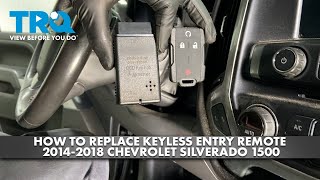
- Key fobs (remote lock/unlock/start) not working 🎬 Watch this guide on repairing keyless entry remote issues. or have very poor range (points to RCDLR failure).
- Security light illuminated on the dash (rare, but noted in TSBs).
- No crank / no start / start-and-stall condition (rare, but noted in TSBs).
- Replacing only the TPMS sensor when the key fobs are also dead. If remote functions are inoperative, the RCDLR module is the primary suspect, not the sensor itself.
Most Likely Causes
- Failed TPMS Sensor (Dead Battery) 🔴 High Probability → Shop Tire Pressure Monitoring System (TPMS) Sensor TPMS sensor batteries are non-rechargeable lithium-ion with a finite lifespan, typically 5-10 years. Vehicles in this 2007-2014 range are at or beyond the expected life of their original sensors. Driving habits like frequent stop-and-go traffic can deplete the battery faster than constant highway speeds.
How to confirm: Use a TPMS activation tool to attempt to read the sensor. If the tool cannot get a reading from the right rear sensor but can read the other three, the sensor has almost certainly failed. If key fobs work normally, the sensor is the primary suspect.
Typical fix: Replace the right rear TPMS sensor and perform the TPMS relearn procedure. It is often recommended to replace all four sensors at once since their batteries fail around the same time.
Est. part cost: $25-$75 - Failed Remote Control Door Lock Receiver (RCDLR) 🟡 Medium Probability → Shop Keyless Entry Receiver The RCDLR module is a documented failure point on this GM platform, causing simultaneous loss of TPMS and key fob functions. TSB PI1085 was issued for 2012-2013 models for this exact issue. The module is located behind an interior trim panel, typically on the passenger side rear C-pillar.
How to confirm: The key symptom is the simultaneous failure of the TPMS system (often setting codes for multiple or all sensors) and all key fobs. A scan tool may also show a loss of communication with the RCDLR 🎬 Watch: Diagnosing a failed RCDLR module with no communication. or a DTC with symptom byte :29 (Too Few Pulses).
Typical fix: Replace the RCDLR module. The new module must be programmed to the vehicle using a dealer-level scan tool to recognize the vehicle and existing key fobs.
Est. part cost: $40-$100 - Physical Damage to TPMS Sensor ⚪ Low Probability → Shop Tire Pressure Monitoring System (TPMS) Sensor Sensors are vulnerable to damage during tire changes if the technician is not careful, or from significant pothole impacts.
How to confirm: Visual inspection of the sensor after dismounting the tire from the wheel. The sensor housing may be cracked or broken.
Typical fix: Replace the damaged TPMS sensor and perform the relearn procedure.
Est. part cost: $25-$75
Rare But Worth Checking
- Radio Frequency (RF) Interference: Aftermarket electronic devices like cheap LED headlight conversions, dash cams, or phone chargers can emit RF interference that blocks the RCDLR from receiving signals. This interference can be strong enough to disrupt both TPMS and key fob communication. Before replacing parts, try unplugging all aftermarket electronics to see if the code clears.
- RCDLR Antenna Connection: As detailed in TSB 16-NA-061 for similar GM trucks, a poor or disconnected coaxial antenna cable leading to the RCDLR can cause intermittent or complete signal loss from the TPMS sensors and key fobs. Checking that the antenna is securely connected to the module can solve the issue without replacing parts.
Diagnosis Steps
- Verify Symptoms: Check if the TPMS light is on and confirm the DIC shows dashes "--" for the right rear tire. Test all key fob functions (lock, unlock, panic, remote start) from a normal distance.
- Scan for Codes: Use an OBD-II scanner to confirm C0765 is active. Note any other TPMS codes (C0750, C0755, C0760) or communication codes. Using a professional scanner, check for symptom bytes like :03 (Low Voltage) or :29 (Too Few Pulses) for more specific direction.
- Test the Sensor: Use a TPMS activation tool aimed at the right rear tire's valve stem. If the tool fails to get a signal and the key fobs work, the sensor is likely bad.
- Assess RCDLR Function: If the key fobs do not work and/or multiple TPMS codes are present, the RCDLR is the most likely cause. Before replacing, verify power (Red/White wire) and ground at the RCDLR connector.
- Check for Interference: Unplug all aftermarket 12V accessories, especially LED lighting, and see if the TPMS signal returns after driving for a few minutes.
- Inspect RCDLR Antenna: If accessible, visually inspect the coaxial antenna connection at the RCDLR module (behind rear passenger trim) to ensure it's secure.
- Replace and Relearn: Replace the confirmed faulty part. A new sensor requires a TPMS relearn procedure. For this generation, this can often be done without a tool by initiating 'Relearn Tire Positions' on the DIC and then letting air out of each tire in sequence (LF, RF, RR, LR) until the horn chirps for each one. 🎬 See how to perform this TPMS relearn without any tools. A new RCDLR requires programming to the vehicle's BCM with a diagnostic tool like GM GDS2.
Parts You'll Likely Need
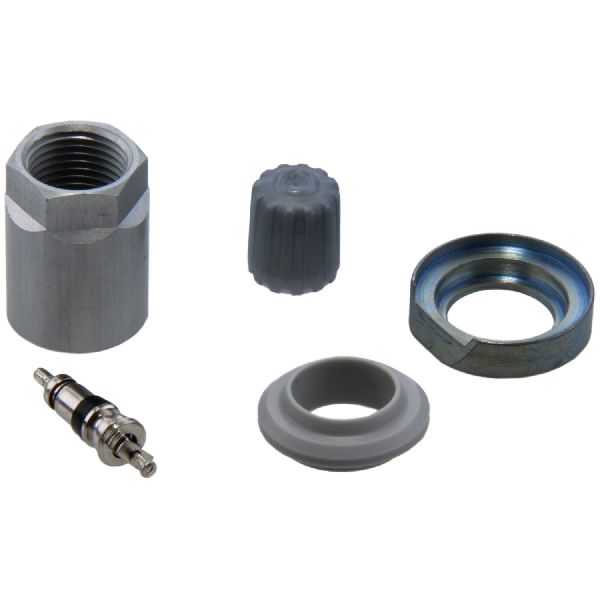
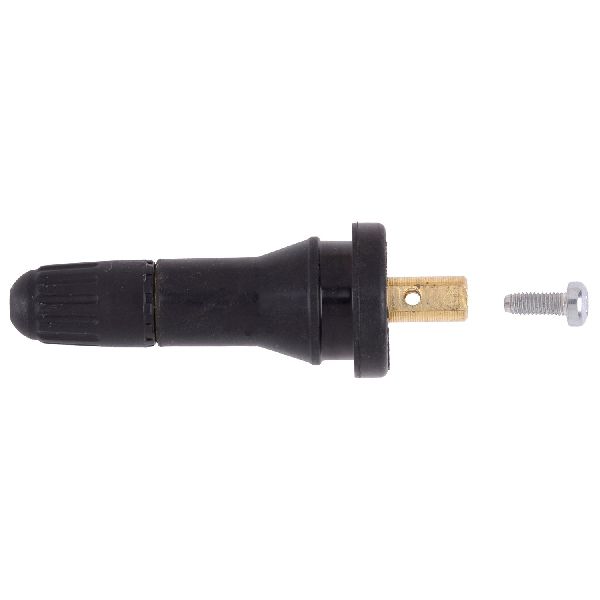
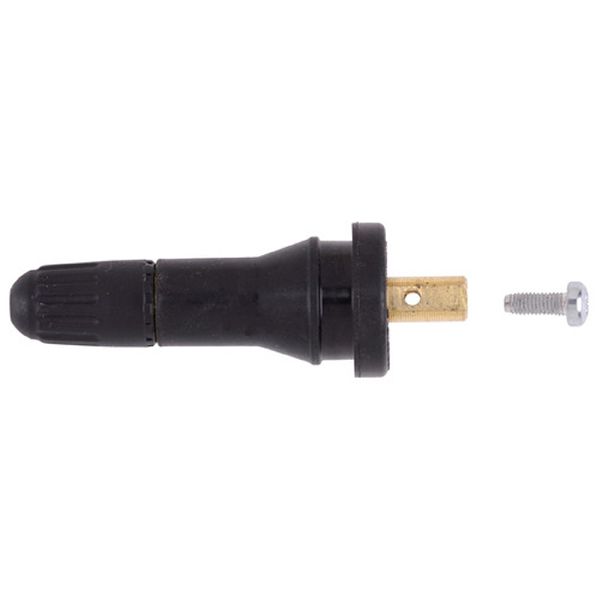
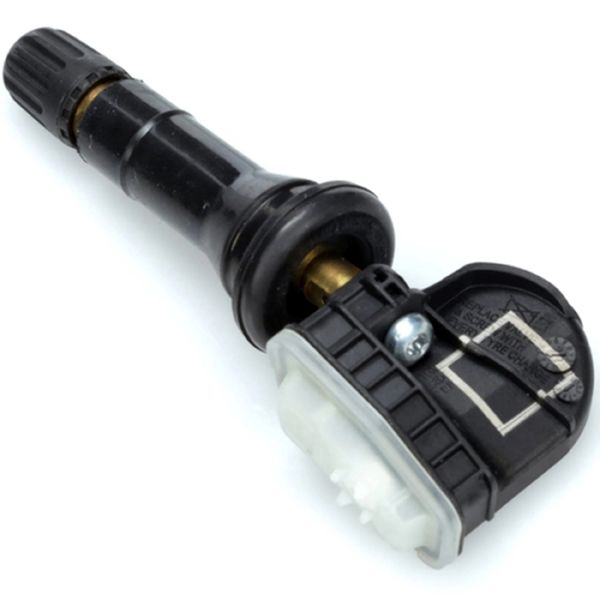
- Tire Pressure Monitoring System (TPMS) Sensor
(OEM #13598773)— This is the most common failure. The internal battery expires, causing a loss of signal. This part number is widely confirmed for this application.
Trusted brands: ACDelco, Schrader, Standard Motor Products, Dorman
OEM price range: $40-$60
Aftermarket price range: $25-$45 - Remote Control Door Lock Receiver (RCDLR)
(OEM #22888774, 20863945 (per TSB for 2012-13))— This module fails, causing a loss of signal from all TPMS sensors and key fobs. It's the cause if remotes are also dead. TSB PI1085 specifies part number 20863945 for 2012-2013 models.
Trusted brands: ACDelco, GM Genuine
OEM price range: $50-$80
Aftermarket price range: $40-$60
Related Codes That Often Appear With This One
- C0750 — Relates to the Left Front TPMS sensor. If multiple TPMS codes appear at once, it strengthens the diagnosis of a faulty RCDLR module rather than multiple simultaneous sensor failures.
- C0755 — Relates to the Right Front TPMS sensor. Seeing multiple TPMS codes points towards a central receiver issue.
- C0760 — Relates to the Left Rear TPMS sensor. Seeing multiple TPMS codes points towards a central receiver issue.
- B3055 — Relates to the vehicle immobilizer system. This code may appear with C0765 if the RCDLR is failing, causing a no-start condition as mentioned in TSB PIC5650M.
Technical Service Bulletins (TSBs) & Recalls
- PIC5650M: Mentions C0765 in a list of DTCs that can be present with a no crank, no start, or start/stall concern with the security light on.
- PI1085: Addresses poor remote transmitter range and TPMS indicator on (including DTCs C0750, C0755, C0760, C0765) for 2012-2013 Silverado/Sierra models, recommending RCDLR replacement.
- 16-NA-061: Although for newer models, it provides excellent diagnostic insight into how a disconnected RCDLR antenna can cause identical symptoms (dashes for tire pressure, poor key fob range), which is relevant for diagnosing these trucks.
Platform-Specific Known Issues
- A documented issue covered by TSB #PIC5650M notes that faults in this system can be linked to a no-crank, no-start, or start-and-stall condition accompanied by the security light. This elevates a simple TPMS fault to a potential no-start problem.
- TSB #PI1085 specifically targets 2012-2013 models for poor key fob range and TPMS issues (including C0765), recommending replacement of the RCDLR module (P/N 20863945).
- The shared RCDLR for both TPMS and key fobs is a well-documented point of failure, with many owners on forums confirming that both systems failed simultaneously, pointing directly to this module.
Mechanic-Grade Diagnostic Values
- TPMS Sensor Internal Battery Voltage — expected: 3-volt (Lithium Ion) or 1.250-volt (Nickel Metal Hydride). Failure: A significantly lower voltage reading, or a 'Low Battery' status on a scan tool. A DTC with symptom byte :03 (Low Voltage) may be set.
- Voltage at RCDLR Connector Power Pin — expected: Battery Positive Voltage (12V+) with key on. Failure: 0V or significantly low voltage indicates a wiring or fuse issue, not a faulty module.
Hidden / Shadow Codes Worth Checking
- C0765 :29: Too Few Pulses. This symptom code indicates the RCDLR is not receiving the expected number of signal transmissions from the sensor, strongly pointing to a fault within the RCDLR module itself or a severe signal blockage. (see via GM Tech2 (pre-2014) or GDS2 (2014+) scan tool, or equivalent professional-grade scanner.)
- C0765 :03: Low Voltage. This symptom code indicates the system has detected low voltage related to the sensor circuit, which is almost always indicative of the sensor's internal battery failing. (see via GM Tech2 (pre-2014) or GDS2 (2014+) scan tool, or equivalent professional-grade scanner.)
Scan Tool Commands That Help
- GDS2 (for 2014+ models): Module Diagnostics -> Remote Control Door Lock Receiver -> Configure/Reset Functions -> Add/Replace Key Fobs — This function is required after replacing the RCDLR to program the existing (or new) key fobs to the new module. The vehicle will not recognize the fobs until this is performed.
- GDS2 / Tech2Win: BCM -> Data Display — To view the live status of each TPMS sensor, including pressure, ID, and battery status (reported as 'Normal' or 'Low'). This can confirm if the BCM is receiving any data from the sensor in question.
Wiring & Ground Locations
- DSM Fuse 10A — In the Instrument Panel (I/P) fuse block, located inside the cabin, typically on the driver's side of the dashboard.. This fuse provides the main power to the Remote Control Door Lock Receiver (RCDLR). If this fuse is blown, the RCDLR will be completely inoperative, causing all TPMS sensors and key fobs to stop working.
- G304 — On the right side (passenger) B-pillar, behind the interior trim panel.. This is a primary body ground point near the typical location of the RCDLR. A poor or corroded connection at G304 can cause intermittent or total failure of the RCDLR module, mimicking the symptoms of a failed module itself.
- RCDLR Power Wire — A Red/White wire running from the I/P fuse block to the RCDLR connector.. This wire is known to corrode and break within the harness, leading to a 'No Communication' fault with the RCDLR. Technicians may misdiagnose this as a failed module instead of a simple wiring repair.
Real Owner Repair Stories
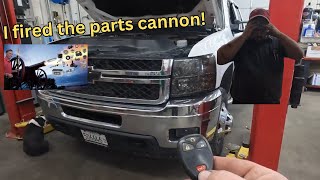
- YouTube channel 'Raymond B.' (2011 Chevrolet Silverado) — No communication with the Remote Function Actuator (RCDLR), key fobs not working.
❌ Tried (didn't work) Initially ordered a new RCDLR module assuming the original had failed.
✅ What actually fixed it The technician tested for power at the RCDLR connector and found 0V. The root cause was a broken and corroded Red/White power wire between the DSM 10A fuse and the module. Repairing the broken wire restored power and fixed the issue without needing to replace the RCDLR.
Model Year Variations Within This Range
- 2007-2013 (GMT900) vs. 2014 (K2XX): The primary factory diagnostic tool changes. Pre-2014 models primarily use the Tech2 (or Tech2Win software), while 2014 and newer models use the GDS2 (Global Diagnostic System 2) software platform. While functions are similar, the user interface and connection process are different.
Helpful Videos

We Have This Part in Stock


The information in this article is provided for general reference and educational purposes only. Vehicle specifications, procedures, and part compatibility can vary by production date, trim level, and region. Always consult your vehicle's factory service manual and verify part numbers before purchasing or performing repairs. Safety-critical components such as airbags, seat belts, and braking systems should be installed by a qualified professional.
- Chevrolet SILVERADO 1500:
- 🧭 Diagnostic Flowchart
- 🎬 Helpful Videos
- 🛍️ Shop This Part
- What's Unique About the 2007-2014 Chevrolet SILVERADO 1500
- Symptoms You May Notice
- Most Likely Causes
- Rare But Worth Checking
- Diagnosis Steps
- Parts You'll Likely Need
- Related Codes That Often Appear With This One
- Technical Service Bulletins (TSBs) & Recalls
- Platform-Specific Known Issues
- Mechanic-Grade Diagnostic Values
- Hidden / Shadow Codes Worth Checking
- Scan Tool Commands That Help
- Wiring & Ground Locations
- Real Owner Repair Stories
- Model Year Variations Within This Range
- 🎟️ Get 5% Off