

C0765 on 2015-2022 GMC Acadia: Causes for TPMS Faults and Fixes
Code C0765 on a 2015-2022 GMC Acadia indicates a fault with the left rear tire pressure sensor. Most often, this is due to a dead sensor battery or a failed sensor. If your key fob also stops working, the problem is likely the Remote Control Door Lock Receiver (RCDLR) module, a known issue documented in a GM Technical Service Bulletin.
- C0765 points to a problem with the left rear TPMS sensor.
- The most common cause is a dead battery inside the sensor, which has a 5-10 year lifespan.
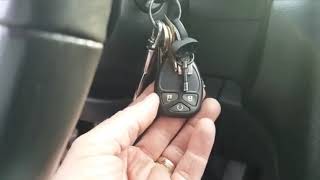
- Before ordering parts, check if your key fob works. If it doesn't, the Remote Control Door Lock Receiver (RCDLR) is the likely culprit, not the sensor.
- After replacing a sensor, a TPMS relearn procedure is mandatory for the system to function correctly.
- If multiple TPMS codes are present (C0750, C0755, C0760, C0765), suspect the RCDLR module.
What's Unique About the 2015-2022 Gmc ACADIA
On the GMC Acadia and its platform mates (Chevy Traverse, Buick Enclave), the Tire Pressure Monitoring System (TPMS) is uniquely integrated with the keyless entry system. The same module, the Remote Control Door Lock Receiver (RCDLR), processes signals from both the tire pressure sensors and the key fobs. This is why a TPMS-specific code like C0765 can be directly linked to a failure of remote functions like lock, unlock, and remote start, as documented in GM Technical Service Bulletin #16-NA-396. A failure in the RCDLR or its antenna system can cause both systems to fail simultaneously.
Diagnostic Flowchart
Tap your situation to follow the diagnostic path that matches what you're seeing on this vehicle.
Generation note: The 2015-2022 year range covers two generations of the GMC Acadia: the first generation (2015-2016, Lambda platform) and the second generation (2017-2022, C1XX platform). While the meaning of code C0765 is the same for both, the specific part numbers for TPMS sensors and the RCDLR module differ. First-generation models often use a 315 MHz sensor (like part #13598771), while second-generation models use a 433 MHz sensor (like part #84961888).
Symptoms You May Notice
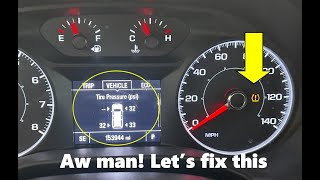
- TPMS warning light is illuminated or flashing on the dashboard.
- "Service Tire Monitor System" message appears in the Driver Information Center (DIC).
- The pressure reading for the left rear tire shows dashes (--) or an incorrect value.
- In cases where the RCDLR is at fault, the key fob may stop working (inoperative lock, unlock, remote start, and panic functions).
- "No Remote Detected" message on the DIC when trying to start the vehicle.
- Replacing the TPMS sensor when the actual fault is the RCDLR module (especially if key fob issues are also present).
- Replacing the Body Control Module (BCM) instead of the much cheaper TPMS sensor or RCDLR.
- Replacing the wrong sensor due to not confirming the sensor's position with a TPMS tool before replacement.
- A shop incorrectly telling a customer that a 'control board' failed when a simple TPMS relearn procedure was all that was needed.
Most Likely Causes
- Dead or Failing TPMS Sensor Battery 🔴 High Probability → Shop Tire Pressure Monitoring System (TPMS) Sensor TPMS sensors use sealed, non-replaceable batteries with a finite lifespan of 5-10 years. Vehicles in this year range are reaching the age where battery failure is common. A scan tool can often read a 'low battery' status directly from the sensor data.
How to confirm: Use a TPMS diagnostic tool (like an Autel or the cheaper EL-50448 for GM) to attempt to activate the sensor. 🎬 See how to use the EL-50448 tool to reset sensors. If the tool cannot get a reading, the battery is likely dead or the sensor has failed.
Typical fix: Replace the left rear TPMS sensor and perform the TPMS relearn procedure. This can be done at home with a manual tire machine as shown in a YouTube repair video. 🎬 Watch this easy DIY TPMS sensor replacement for the Acadia.
Est. part cost: $25-$70 - Failed TPMS Sensor 🟡 Medium Probability → Shop Tire Pressure Monitoring System (TPMS) Sensor Sensors can fail from physical damage (potholes, curb strikes), corrosion, or internal electronic failure over time. Improper installation during a tire change can also damage the sensor.
How to confirm: A TPMS tool will fail to read the sensor. Visual inspection after dismounting the tire may reveal cracks, corrosion, or other damage to the sensor body.
Typical fix: Replace the left rear TPMS sensor and perform the TPMS relearn procedure.
Est. part cost: $25-$70 - Faulty Remote Control Door Lock Receiver (RCDLR) 🟡 Medium Probability → Shop Keyless Entry Receiver This is a known issue documented in GM TSB #16-NA-396. An internal failure in the RCDLR can prevent it from receiving signals from the TPMS sensors and key fobs. This issue is common across many GM platforms from this era.
How to confirm: Check for multiple TPMS codes (C0750, C0755, C0760, C0765) and confirm if the key fob functions have also failed. If both systems are down, the RCDLR is the prime suspect. A dealer scan tool may also show a symptom code ':29 - Too Few Pulses' which specifically points to this internal RCDLR failure.
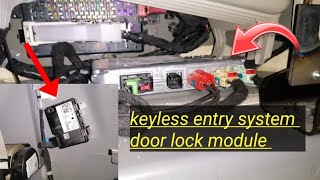
Typical fix: Replace the RCDLR module. The new module will require programming 🎬 Watch this video to locate the keyless entry control module. by a dealer or a qualified shop using a Tech 2 or GDS2 scan tool.
Est. part cost: $80-$150
Rare But Worth Checking
- Improper TPMS Relearn Procedure: After a tire rotation or sensor replacement, the system must be 'relearned' to know the new sensor positions. If this step is skipped or fails, the BCM may log a fault code. The owner's manual specifies a time limit of two minutes to match the first tire and five minutes overall for the procedure to succeed.
- Radio Frequency (RF) Interference: Aftermarket electronic devices like phone chargers, dash cams, or CB radios can sometimes interfere with the 315MHz or 433MHz signals used by the TPMS and key fob systems, though this is uncommon.
- Disconnected RCDLR Antenna: GM TSB #16-NA-061 describes how a disconnected coaxial cable at the RCDLR module, antenna amplifier, or the antenna itself (often in the rear glass) can cause intermittent or total loss of TPMS and key fob signals. Depending on where the disconnect occurs, symptoms can range from poor key fob range to all TPMS sensors dropping out.
Diagnosis Steps
- Verify code C0765 is present using an OBD-II scanner capable of reading Chassis (C) codes.
- Check the tire pressure display in the Driver Information Center. Note if the Left Rear reading is missing or incorrect.
- Test all functions of the key fob (lock, unlock, remote start, panic) from a normal distance (20-30 feet).
- If the key fob is also not working, and especially if other TPMS codes (C0750, C0755, C0760) are present, the RCDLR module is the most likely cause, as per TSB #16-NA-396. A dealer-level scan tool may show a symptom code ':29 - Too Few Pulses' confirming this.
- If the key fob works perfectly, the issue is almost certainly isolated to the left rear wheel. Proceed to the next step.
- Using a TPMS activation tool (e.g., EL-50448), attempt to read the sensor at the left rear wheel.
- If the tool gets no response, the TPMS sensor has failed or its battery is dead. This is the most likely scenario when the key fob works. A scan tool may also be able to read a 'Sensor Low Battery' status.
- If the tool *can* read the sensor, but the code persists on the vehicle, attempt a TPMS relearn procedure. This can be initiated from the DIC or by holding the lock/unlock buttons on the key fob.
- As an edge case, inspect the RCDLR antenna connections per TSB #16-NA-061, especially if symptoms are intermittent or key fob range is poor.
- After any sensor or RCDLR replacement, perform the TPMS relearn procedure to register the components with the vehicle.
Parts You'll Likely Need
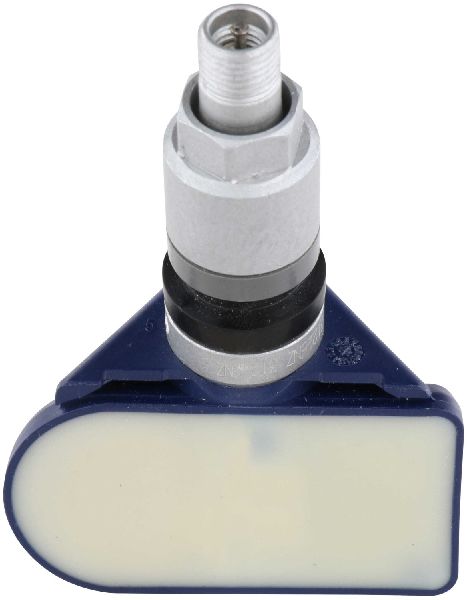
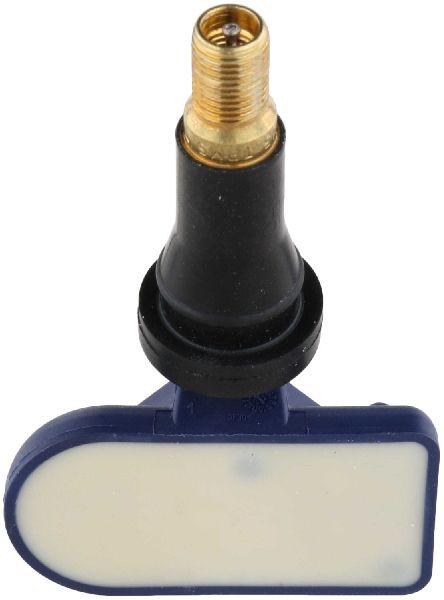
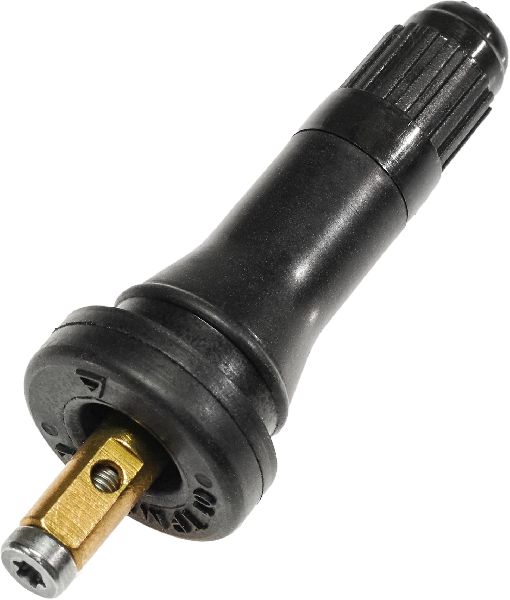
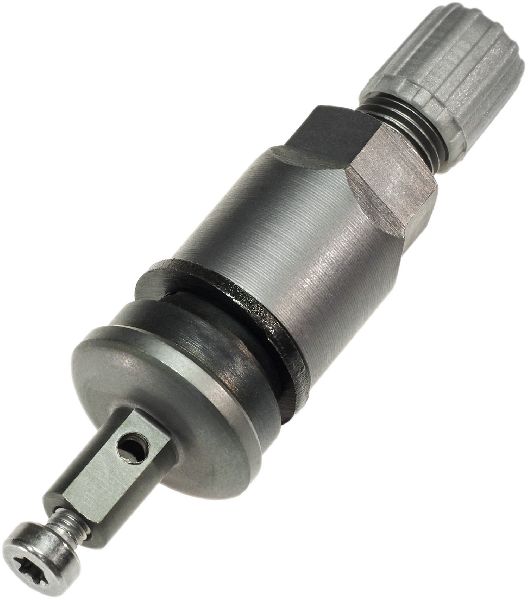
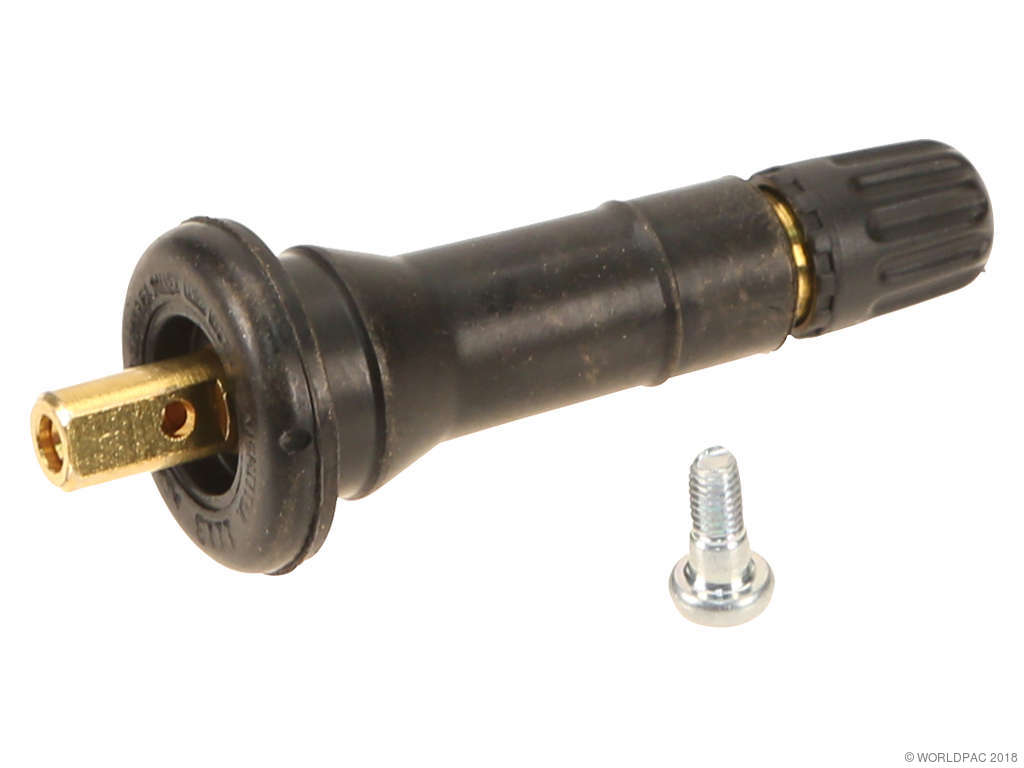
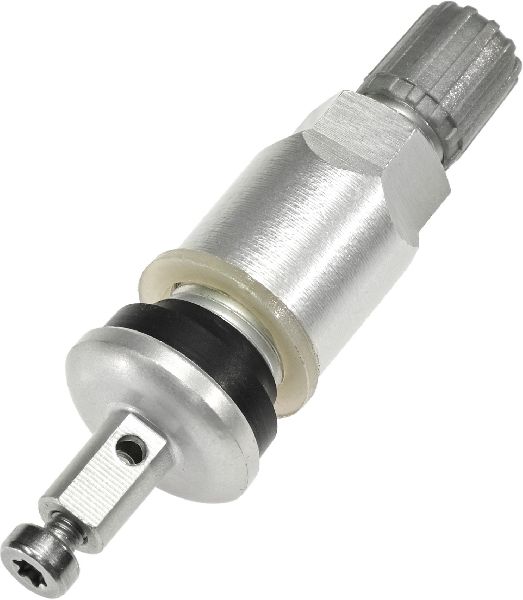
- Tire Pressure Monitoring System (TPMS) Sensor
(OEM #13598771 (315MHz, 1st Gen), 84961888 (433MHz, 2nd Gen))— This is the most common failure point. The internal battery dies or the sensor fails. Part #13598771 is a 315MHz sensor for 1st gen (2015-2016) Acadias. Part #84961888 is a 433MHz sensor for 2nd gen (2017-2022) models.
Trusted brands: ACDelco, Schrader, Bosch, Dorman, Denso
OEM price range: $40-$90
Aftermarket price range: $25-$50 - Remote Control Door Lock Receiver (RCDLR)
(OEM #13509518)— This module is the secondary cause, especially when key fob functions also fail, as documented in TSB #16-NA-396. This part requires programming after installation. Note that part numbers may be superseded; TSB 16-NA-396 lists replacing 13509518 with 13595511 in some applications.
Trusted brands: ACDelco (GM Genuine)
OEM price range: $80-$150
Aftermarket price range: $60-$120
Related Codes That Often Appear With This One
- C0750, C0755, C0760 — These codes correspond to the other three wheels (LF, RF, RR). If all four codes appear together, it strongly suggests a failure of the common receiving unit, the RCDLR, rather than four individual sensors failing simultaneously. This is explicitly noted in TSB #16-NA-396.
- B3055, B3060, B3935 — As noted in TSB #PIC5650M, these codes relate to the vehicle's security and immobilizer system. Their presence alongside C0765 can indicate a broader issue with the RCDLR, which plays a role in key recognition and vehicle starting.
Technical Service Bulletins (TSBs) & Recalls
- 16-NA-396: Addresses inoperative key fobs and TPMS codes due to a faulty Remote Control Door Lock Receiver.
- PIC5650M: Links TPMS and other body codes to potential no-start or security light issues.
- 16-NA-061: Details how a disconnected RCDLR antenna can cause identical symptoms and should be checked before module replacement.
Platform-Specific Known Issues
- TSB #16-NA-396: This bulletin is the most critical document for this issue. It directly addresses an issue where the key fob is inoperative and the TPMS light is on with codes C0750, C0755, C0760, and/or C0765. The cause is identified as an internal fault in the Remote Control Door Lock Receiver (RCDLR) and the fix is replacement.
- TSB #PIC5650M: This bulletin lists C0765 among several codes that can appear during a no-start or start-stall concern, highlighting the RCDLR's role in the vehicle's immobilizer and security system.
- TSB #16-NA-061: This bulletin details potential issues with the RCDLR antenna system, including disconnected coax cables at the module, amplifier, or glass-mounted antenna, which can mimic sensor or RCDLR failure.
Mechanic-Grade Diagnostic Values
- Sensor Transmission Time — expected: Regular transmissions when driving. Failure: A DTC will set if a sensor does not transmit for 18 minutes.
- Sensor Mode (Scan Tool Data) — expected: Sensor should switch to 'Rolling' mode.. Failure: If the sensor does not enter 'Rolling' mode at speeds above 25 mph (40 km/h), a DTC will set.
- Sensor Battery Status (Scan Tool Data) — expected: OK / Good. Failure: Scan tool data list indicates 'Low Battery'. This will set a DTC but may not illuminate the main low pressure warning light.
Hidden / Shadow Codes Worth Checking
- C0765 :29: Too Few Pulses. This symptom code strongly indicates an internal fault within the Remote Control Door Lock Receiver (RCDLR), as it is not receiving the expected number of signal transmissions from the TPMS sensor. (see via GM Tech 2, GDS2, or other professional-grade scan tool capable of reading manufacturer-specific symptom codes.)
- C0765 :03: Low Voltage. This indicates a voltage issue related to the sensor circuit, which could be the sensor's internal battery. (see via Professional-grade scan tool. This code is listed for similar GM-platform vehicles.)
- C0765 :39: Internal Malfunction. This points to a failure within the TPMS sensor itself. (see via Professional-grade scan tool. This code is listed for similar GM-platform vehicles.)
Scan Tool Commands That Help
- GDS2 / Tech 2: Module Diagnostics -> Remote Control Door Lock Receiver -> Configuration/Reset Functions — This function is required after replacing the RCDLR module to program the new module to the vehicle and learn the existing key fobs and TPMS sensor IDs.
- GDS2 / Tech 2 / TPMS Tool: TPM Learn Mode — Used to make the vehicle learn the position of each TPMS sensor after a tire rotation or sensor replacement. This can be found under functional tests in the BCM or RCDLR menus.
Wiring & Ground Locations
- RCDLR Module — Varies by generation. First-gen (2015-2016) is often located behind the instrument panel/dashboard. Second-gen (2017-2022) is typically located in the rear of the vehicle, behind a C-pillar or D-pillar trim panel.. This is the central receiving unit for the TPMS signals. A fault in the module or its connections is a primary cause for C-codes related to TPMS.
- RCDLR Antenna System — This system consists of four parts: the RCDLR, a coax cable running through the vehicle, an antenna amplifier module, and the antenna itself, which is often integrated into the right rear quarter glass.. A disconnection at any point in this chain can cause a loss of signal from one or more TPMS sensors, setting code C0765. TSB #16-NA-061 notes that the severity of symptoms depends on where the disconnect is; a disconnect at the RCDLR itself is the most severe, while a disconnect at the glass antenna may only cause slightly reduced key fob range.
Real Owner Repair Stories
- YouTube channel 'Fix that tire pressure light! 2017 GMC Acadia SUPER EASY TPMS Sensor Replacement' (2017 GMC Acadia) — TPMS warning light on, DIC showed one sensor not reading.
❌ Tried (didn't work) The video directly proceeds to the fix, but implies that a previous attempt to program the old sensor failed.
✅ What actually fixed it The owner replaced the faulty TPMS sensor (noting it was the third one to fail on the vehicle). After installing the new sensor, they used a simple EL-50448 activation tool in conjunction with the vehicle's built-in relearn mode (activated via the DIC) to program all four sensors successfully, which cleared the warning light.
OEM Part Supersession History
13509518→13595511— Updated/revised part for improved reliability.
Heads up: TSB #16-NA-396 lists this specific supersession for some affected models. It is critical to use the correct part number for the vehicle's specific year and frequency (315MHz vs 433MHz).13510984→13597910— Updated/revised part for improved reliability.
Heads up: This supersession is also listed in TSB #16-NA-396 for other GM models like the Buick Verano, highlighting that multiple RCDLR part numbers were updated for this common issue.
Model Year Variations Within This Range
- 2015-2016 (First Generation): Uses 315 MHz TPMS sensors. The RCDLR is typically located behind the dashboard. The TPMS relearn mode is often initiated by holding the lock and unlock buttons on the key fob.
- 2017-2022 (Second Generation): Uses 433 MHz TPMS sensors. The RCDLR is typically located in the rear of the vehicle, behind a side trim panel. The TPMS relearn mode is usually initiated through the Driver Information Center (DIC) menu.
Helpful Videos
We Have This Part in Stock

The information in this article is provided for general reference and educational purposes only. Vehicle specifications, procedures, and part compatibility can vary by production date, trim level, and region. Always consult your vehicle's factory service manual and verify part numbers before purchasing or performing repairs. Safety-critical components such as airbags, seat belts, and braking systems should be installed by a qualified professional.
- Gmc ACADIA:
- 🧭 Diagnostic Flowchart
- 🎬 Helpful Videos
- 🛍️ Shop This Part
- What's Unique About the 2015-2022 Gmc ACADIA
- Symptoms You May Notice
- Most Likely Causes
- Rare But Worth Checking
- Diagnosis Steps
- Parts You'll Likely Need
- Related Codes That Often Appear With This One
- Technical Service Bulletins (TSBs) & Recalls
- Platform-Specific Known Issues
- Mechanic-Grade Diagnostic Values
- Hidden / Shadow Codes Worth Checking
- Scan Tool Commands That Help
- Wiring & Ground Locations
- Real Owner Repair Stories
- OEM Part Supersession History
- Model Year Variations Within This Range
- 🎟️ Get 5% Off