

C0765 on 2007-2014 GMC Sierra 1500: Right Rear TPMS Fault Causes and Fixes
Code C0765 on a 2007-2014 GMC Sierra almost always means the Tire Pressure Monitoring System (TPMS) sensor in the right rear wheel has failed, usually due to a dead battery. Replacing the single sensor costs about $30-$60 for the part and requires tire dismounting. In some cases, especially if key fob issues are also present, the fault may lie with the Remote Control Door Lock Receiver (RCDLR) module.
- C0765 means the right rear TPMS sensor needs to be replaced.
- The most common reason for failure is the sensor's internal battery dying after 5-10 years.
- If you also have key fob problems, the RCDLR module could be the culprit, as outlined in TSB 16-NA-396.
- After replacing the sensor, a TPMS relearn procedure is required.
- It is often cost-effective to replace all four sensors at once, as they tend to fail around the same time.
What's Unique About the 2007-2014 Gmc SIERRA 1500
While the provided TSB PIC5650M confusingly groups C0765 with security and no-start issues, the overwhelming evidence from service manuals and owner experiences points to a TPMS fault. Another TSB, 16-NA-396, clarifies this connection: a failing Remote Control Door Lock Receiver (RCDLR) can cause both TPMS codes like C0765 and issues with key fobs or remote start. This is because the RCDLR is the component responsible for receiving signals from both the TPMS sensors and the key fobs. Therefore, on these trucks, while the most common cause is a simple bad sensor, a faulty RCDLR should be considered if key fob problems are also present.
Diagnostic Flowchart
Tap your situation to follow the diagnostic path that matches what you're seeing on this vehicle.
Generation note: This year range covers the end of the GMT900 generation (2007-2013) and the first year of the K2XX generation (2014). The function and diagnosis of the 315 MHz TPMS system for this specific code are fundamentally the same across both generations for the specified model years.
Symptoms You May Notice
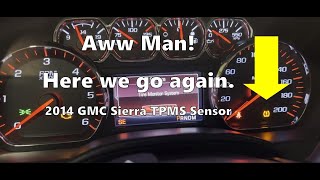
- Tire Pressure Monitoring System (TPMS) warning light is illuminated or flashing on the dashboard. The light will typically flash for about a minute before staying on solid.
- Driver Information Center (DIC) displays a "Service Tire Monitor System" message.
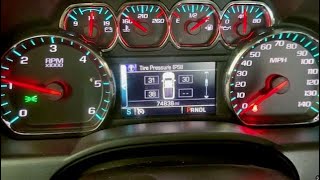
- The tire pressure display shows dashes or 0 psi for the right rear tire.
- In cases where the RCDLR is the cause, you may also experience intermittent issues with the key fob (lock/unlock), a "No Remote Detected" message, or remote start failure.
- Replacing the Body Control Module (BCM) when the issue is a simple sensor failure or a fault with the RCDLR.
- Assuming the tire is flat when the code is about the sensor's signal, not its pressure reading.
- Replacing only one sensor when multiple are failing due to age. Owners often find another sensor fails shortly after replacing the first one.
Most Likely Causes
- Dead Battery in Right Rear TPMS Sensor 🔴 High Probability → Shop Tire Pressure Monitoring System (TPMS) Sensor TPMS sensor batteries have a finite lifespan, typically 5-10 years. Vehicles in this 2007-2014 age range are at or beyond the expected life of the original sensors. A low battery condition is a common reason for the sensor to stop transmitting.
How to confirm: A professional scan tool can often read the battery status of the TPMS sensor. If the sensor is completely unresponsive to a TPMS activation tool, a dead battery is the most likely cause. A scan tool may show C0765 with a symptom byte like ':03' for Low Voltage.
Typical fix: Replace the right rear TPMS sensor. The tire must be dismounted from the wheel to access 🎬 Watch: A clever trick to replace the sensor without removing the wheel. and replace the sensor. A TPMS relearn procedure must be performed afterward.
Est. part cost: $30-$60 - Damaged or Failed Right Rear TPMS Sensor 🟡 Medium Probability → Shop Tire Pressure Monitoring System (TPMS) Sensor Sensors are made of plastic and can be damaged during tire installation or by road debris. Internal electronics can also fail over time, leading to a C0765 with a symptom byte like ':39' for Internal Malfunction or ':29' for Too Few Pulses.
How to confirm: A visual inspection during tire dismounting may reveal physical damage. If a TPMS tool cannot activate the sensor and the battery is known to be good (on a new sensor), the sensor is faulty. The use of unapproved tire sealants can also clog and damage the sensor.
Typical fix: Replace the right rear TPMS sensor and perform the relearn procedure.
Est. part cost: $30-$60 - Faulty Remote Control Door Lock Receiver (RCDLR) ⚪ Low Probability → Shop Keyless Entry Receiver As noted in TSB 16-NA-396, the RCDLR module, which receives signals from both the TPMS sensors and key fobs, can fail internally. On GMT900 trucks, this module is located behind the driver's side C-pillar trim panel. On related SUVs, it is often in the driver's side rear D-pillar.
How to confirm: This is a likely cause if you are experiencing intermittent key fob issues (no remote detected, failure to lock/unlock) in addition to the C0765 code and potentially other TPMS codes. A scan tool may show communication DTCs with the RCDLR.
Typical fix: Replace the RCDLR module. This part requires programming by a dealer or a well-equipped independent shop with a Tech II or GDS2 scan tool. The part number cited in the TSB is 13595511.
Est. part cost: $80-$150
Rare But Worth Checking
- Radio Frequency (RF) Interference: Aftermarket electronic devices like dash cams, phone chargers, or CB radios can sometimes emit RF noise that interferes with the RCDLR's ability to receive the 315 MHz TPMS signal. Before replacing parts, try unplugging all aftermarket accessories to see if the code clears and the sensor begins reading again.
Diagnosis Steps
- Verify C0765 is the active code using an OBD-II scanner capable of reading Chassis (C) codes. Check for symptom bytes (e.g., :03, :29, :39) with a professional scanner for more specific clues.
- Check the tire pressure display on the DIC. Confirm that the right rear tire is the one not reporting a pressure (shows '--').
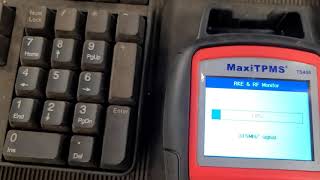
- Use a TPMS activation tool at the right rear wheel to attempt to trigger a signal from the sensor. If the tool cannot get a response, the sensor is almost certainly bad (dead battery or internal failure).
- If other TPMS sensors are also setting codes (C0750, C0755, C0760), it strongly suggests the sensors are reaching the end of their battery life and should be replaced as a set.
- If you also have issues with your key fob or remote start, investigate the RCDLR as a potential cause 🎬 See how a faulty receiver causes both keyless entry and TPMS issues. per TSB 16-NA-396. Check for power and ground at the RCDLR connector before condemning the module.
- Check the RCDLR antenna system. Per TSB 16-NA-061 (on related models), the system uses a coax cable from the RCDLR to an antenna amplifier and an antenna in the right rear glass. A loose connection at any of these points can cause TPMS codes.
- Unplug all aftermarket 12V accessories to rule out Radio Frequency (RF) interference.
- If the sensor is confirmed to be bad, have the tire dismounted and replace the TPMS sensor.
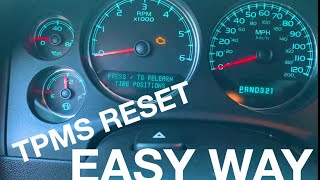
- After replacement, perform the vehicle's TPMS relearn procedure. For 2007-2014 models, this can often be initiated by holding the lock and unlock buttons on the key fob until the horn chirps, then using a TPMS tool to activate each sensor in sequence (LF, RF, RR, LR). Alternatively, the process can be started through the Driver Information Center (DIC) menus or by the air deflation method.
Parts You'll Likely Need
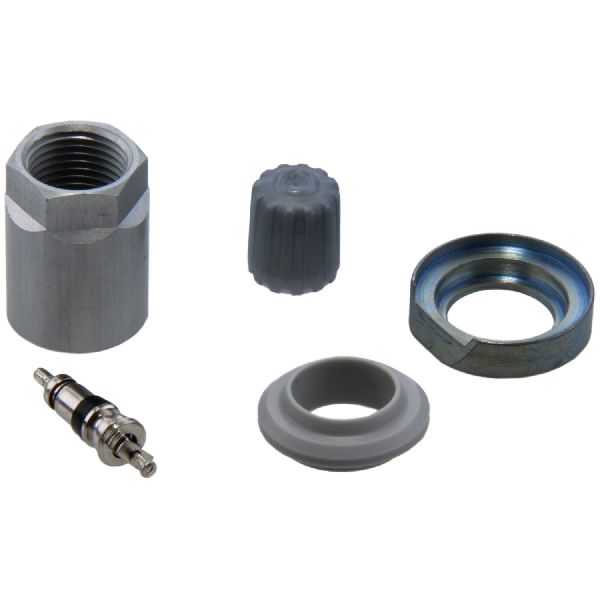
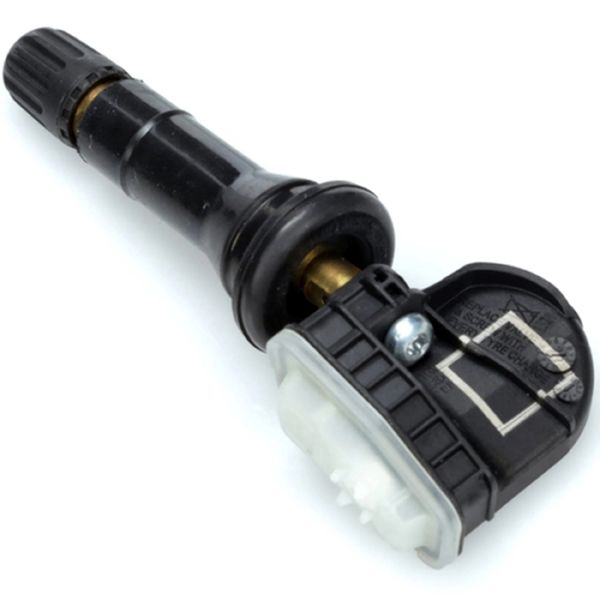
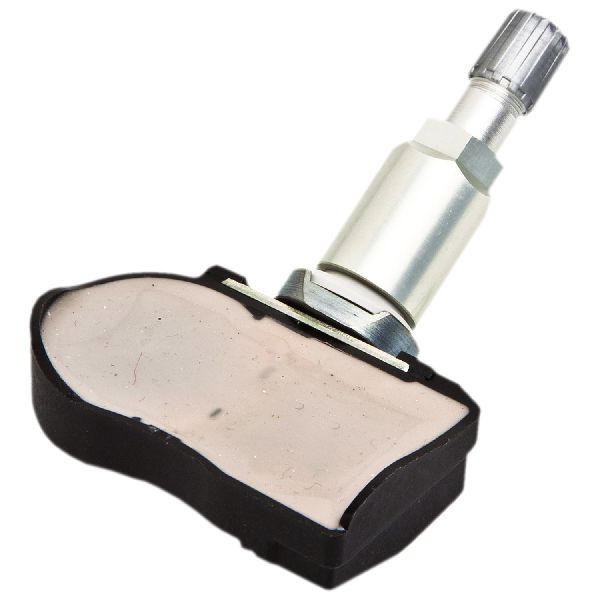
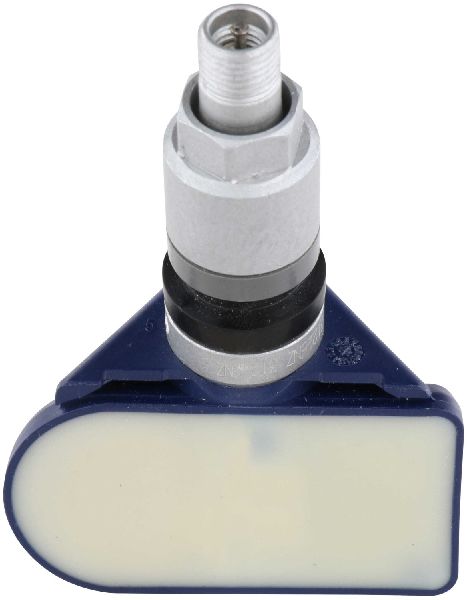
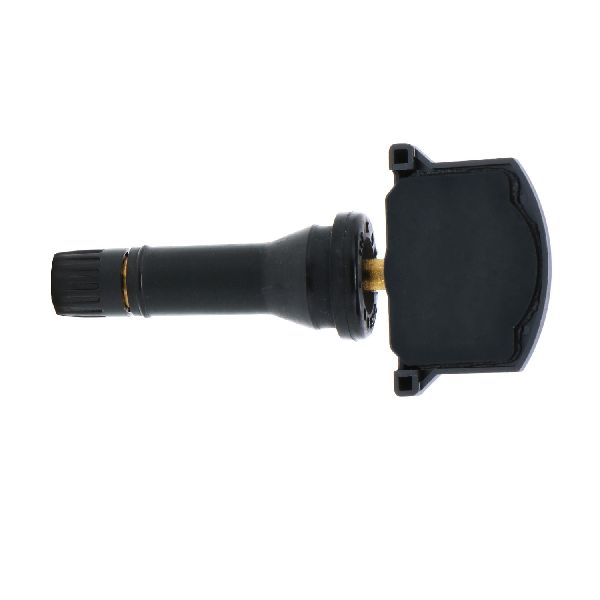
- Tire Pressure Monitoring System (TPMS) Sensor
(OEM #ACDelco 13586335 or 13598773 (verify by VIN, 315 MHz))— This is the direct cause of the code in the vast majority of cases, typically due to an expired internal battery. The 2007-2014 models use a 315 MHz frequency sensor.
Trusted brands: ACDelco, Schrader, Standard Motor Products (SMP), Dorman
OEM price range: $50-$80
Aftermarket price range: $25-$50
Related Codes That Often Appear With This One
- C0750 — This code indicates a fault with the Left Front TPMS sensor. It's common to see multiple TPMS codes appear around the same time as the sensor batteries fail with age.
- C0755 — This code indicates a fault with the Right Front TPMS sensor. It's common to see multiple TPMS codes appear around the same time as the sensor batteries fail with age.
- C0760 — This code indicates a fault with the Left Rear TPMS sensor. It's common to see multiple TPMS codes appear around the same time as the sensor batteries fail with age.
Technical Service Bulletins (TSBs) & Recalls
- PIC5650M: Mentions C0765 in a list of codes related to no-start/security light issues, possibly due to a wider module communication failure.
- 16-NA-396: Links C0765 and other TPMS codes to a faulty Remote Control Door Lock Receiver (RCDLR), which can also cause key fob and remote start problems. It specifies part number 13595511 for the replacement receiver.
Platform-Specific Known Issues
- Owner Experience: DIY Replacement: Multiple owners on forums and YouTube have documented replacing these sensors themselves to save on labor costs. The most difficult part for a DIYer is breaking the tire bead. Some have used manual tire changers from Harbor Freight, while others have developed clever methods using a shop vac to pull the bead away from the rim just enough to access the sensor without dismounting the wheel.
- RCDLR Location and Programming: For those who diagnose a faulty RCDLR, a common point of confusion is its location. On the related GMT900 SUVs (Tahoe, Yukon), it is located in the rear D-pillar behind the trim. On Silverado/Sierra pickups, it is typically found behind the driver's side rear C-pillar trim panel. After replacement, the module requires programming by a dealership or a shop with advanced diagnostic tools, which can add significant cost to the repair. Some owners report being quoted around $190 for programming alone.
Mechanic-Grade Diagnostic Values
- DTC Set Condition — expected: Sensor must transmit periodically.. Failure: The RCDLR does not receive a transmission from the sensor for 18 minutes while vehicle speed is above 25 mph (40 km/h).
Hidden / Shadow Codes Worth Checking
- C0765 03: Right Rear Tire Pressure Sensor Low Voltage. This strongly suggests the internal battery of the TPMS sensor is failing. (see via Professional-grade scan tool (e.g., GM Tech2, GDS2, high-end Autel/Snap-on) capable of reading manufacturer-specific symptom bytes.)
- C0765 29: Right Rear Tire Pressure Sensor Too Few Pulses. This indicates the RCDLR is not receiving the expected number of signal transmissions, pointing to an internal sensor fault or significant RF interference. (see via Professional-grade scan tool (e.g., GM Tech2, GDS2, high-end Autel/Snap-on).)
- C0765 39: Right Rear Tire Pressure Sensor Internal Malfunction. This points directly to a hardware failure within the TPMS sensor itself. (see via Professional-grade scan tool (e.g., GM Tech2, GDS2, high-end Autel/Snap-on).)
- C0765 08: Right Rear Tire Pressure Sensor Signal Invalid. The RCDLR received a signal, but the data was corrupt or not in the expected format. (see via Professional-grade scan tool (e.g., GM Tech2, GDS2, high-end Autel/Snap-on).)
Scan Tool Commands That Help
- GDS2 / Tech II: Module Diagnostics -> Remote Control Door Lock Receiver -> Configuration/Reset Functions — This function is required after replacing the RCDLR module to program the new module to the vehicle and learn the existing key fobs and TPMS sensor IDs.
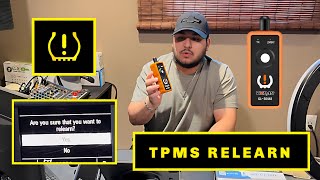
- TPMS Activation Tool (e.g., EL-50448): Sensor Activation / Relearn — Used during the TPMS relearn procedure to trigger each sensor individually, allowing the RCDLR to learn its position on the vehicle. This is required after tire rotation or sensor replacement.
Wiring & Ground Locations
- RCDLR Module — On GMT900 pickup trucks, the module is typically located behind the driver's side rear C-pillar interior trim panel.. This is the receiver for the TPMS signal. A loose connector, broken power/ground wire, or failed module will set TPMS codes. The power wire has been found broken in the driver's door sill channel.
- RCDLR Antenna System — The RCDLR connects via a coaxial cable to an antenna amplifier, which in turn connects to an antenna integrated into the right rear glass (on related SUV models, likely similar on trucks).. A disconnection at the module, the amplifier, or the glass antenna can cause a weak or lost signal from the TPMS sensors, leading to C-codes even if the sensor and RCDLR module are good.
- G3xx Grounds — GM's grounding scheme places G3xx series grounds in the rear seat and C-pillar area of the vehicle. For example, G303 is on the left side B-pillar and G304 is on the right side B-pillar.. The RCDLR is located in this area and relies on a solid ground connection via its harness. A corroded or loose G3xx-series ground point that serves the RCDLR circuit could cause intermittent operation or failure.
Real Owner Repair Stories
- YouTube channel 'Raymond Beachy' (2011 Chevrolet Silverado) — Key fobs did not work, no communication with the RCDLR module on a scan tool.
❌ Tried (didn't work) Initially assumed the RCDLR module itself had failed.
✅ What actually fixed it The technician found there was no power at the RCDLR connector. After consulting repair information that noted common chafe points, he located and repaired a broken power wire in the wiring harness that runs along the driver's side door sill plate. - Tahoe Yukon Forum user 'Joseph Garcia' (2007 Yukon XL Denali) — TPMS light on, key fobs not working, suspected RCDLR failure.
❌ Tried (didn't work) Attempting the TPMS relearn procedure failed immediately; it would not even learn the first (left front) sensor., Scanners did not point to a single sensor issue initially.
✅ What actually fixed it The final fix was replacing the right rear wheel sensor. This single failed sensor was preventing the entire relearn sequence from initiating correctly.
OEM Part Supersession History
ACDelco 13586335→ACDelco 13598773 (among others)— Part consolidation and minor design updates.
Heads up: The critical factor for 2007-2014 Sierra is ensuring the sensor operates on 315 MHz. Some aftermarket listings for 13598773 incorrectly state 433 MHz, which will not work. Always verify frequency before purchase.
Model Year Variations Within This Range
- 2007: An alternate TPMS relearn procedure exists for some early GMT900 models that involves turning the headlight switch from OFF to parking lamp 4 times within 4 seconds to enter learn mode.
- 2008-2013: The primary method to enter TPMS learn mode is by holding the lock and unlock buttons on the key fob until the horn chirps.
- 2014+: The primary method to enter TPMS learn mode is through the Driver Information Center (DIC) menu, not the key fob.
Helpful Videos
We Have This Part in Stock


The information in this article is provided for general reference and educational purposes only. Vehicle specifications, procedures, and part compatibility can vary by production date, trim level, and region. Always consult your vehicle's factory service manual and verify part numbers before purchasing or performing repairs. Safety-critical components such as airbags, seat belts, and braking systems should be installed by a qualified professional.
- Gmc SIERRA 1500:
- 🧭 Diagnostic Flowchart
- 🎬 Helpful Videos
- 🛍️ Shop This Part
- What's Unique About the 2007-2014 Gmc SIERRA 1500
- Symptoms You May Notice
- Most Likely Causes
- Rare But Worth Checking
- Diagnosis Steps
- Parts You'll Likely Need
- Related Codes That Often Appear With This One
- Technical Service Bulletins (TSBs) & Recalls
- Platform-Specific Known Issues
- Mechanic-Grade Diagnostic Values
- Hidden / Shadow Codes Worth Checking
- Scan Tool Commands That Help
- Wiring & Ground Locations
- Real Owner Repair Stories
- OEM Part Supersession History
- Model Year Variations Within This Range
- 🎟️ Get 5% Off