

C0765 on 2010-2017 GMC Terrain: TPMS Fault, No Start, and RCDLR Fixes
On a 2010-2017 GMC Terrain, code C0765 points to the right rear tire pressure sensor. If your key fobs also stopped working, the cause is almost certainly a failed Remote Control Door Lock Receiver (RCDLR) module. This is a known issue covered by TSB 16-NA-396. If key fobs work fine, the TPMS sensor in the tire is likely bad due to a dead battery, a common issue for vehicles of this age.
- Code C0765 means there's a problem with the right rear tire pressure sensor.
- First, check your key fobs. If they don't work, the problem is likely the RCDLR module, not the tire sensor.
- If your key fobs work fine, the TPMS sensor in the right rear tire has most likely failed due to a dead battery.
- Before replacing parts for an intermittent issue, remove all aftermarket chargers and accessories to rule out radio frequency interference.
- Replacing the RCDLR is not a simple DIY job as it requires special tools to program it to your vehicle.
What's Unique About the 2010-2017 Gmc TERRAIN
On this generation of the GMC Terrain and its platform-mate, the Chevrolet Equinox, the Tire Pressure Monitoring System is not entirely independent. The same module, the Remote Control Door Lock Receiver (RCDLR), is responsible for interpreting signals from both the TPMS sensors and your key fobs. This design means a single point of failure—a faulty RCDLR module—can simultaneously cause the TPMS light to come on and your key fobs to stop working, potentially leading to a no-start condition. This often misleads owners into thinking they have two separate problems when it's just one failed module, an issue well-documented in GM Technical Service Bulletin 16-NA-396.
Diagnostic Flowchart
Tap your situation to follow the diagnostic path that matches what you're seeing on this vehicle.
Symptoms You May Notice
- TPMS warning light is blinking for about a minute, then stays on solid.
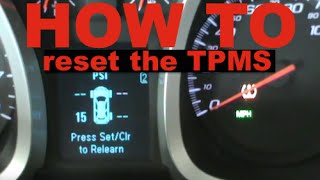
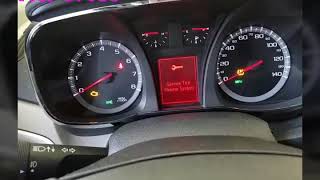
- "Service Tire Monitor System" message on the Driver Information Center (DIC).
- The pressure reading for the right rear tire shows as dashes (--) on the DIC.
- Key fobs intermittently or completely stop working 🎬 See how to replace your key fob battery first. (lock, unlock, remote start).
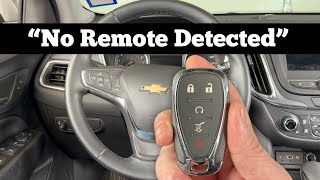
- "No Remote Detected" message on the DIC, even with the key in the vehicle. 🎬 Watch: How to start your car using the transmitter pocket.
- Vehicle won't start (no crank) or starts and immediately stalls.
- Passive entry system fails to respond.
- Alarm may sound when using the physical key to enter, as the fob cannot be detected to disarm it.
- Replacing only the TPMS sensor when the key fobs are also dead. This will not fix the problem, as the root cause is the RCDLR module which isn't 'listening' for the new sensor's signal.
- Replacing the BCM (Body Control Module) when the issue is the RCDLR. While the BCM is involved, the RCDLR is the more common and specific point of failure for this set of symptoms.
Most Likely Causes
- Failed Remote Control Door Lock Receiver (RCDLR) 🔴 High Probability → Shop Keyless Entry Receiver This module is a known failure point on this GM platform, as acknowledged by GM in TSB 16-NA-396. It processes signals for both TPMS and key fobs, making it a common cause for combined symptoms. The failure is often internal to the module.
How to confirm: The most telling sign is the presence of C0765 (and often other TPMS codes like C0750, C0755, C0760) combined with the failure of all key fob functions. A professional scan tool may show a specific sub-code like ':29 – Too Few Pulses' which strongly points to the RCDLR per TSB 16-NA-396. A temporary fix can sometimes be achieved by disconnecting the vehicle's battery to reset the module.
Typical fix: Replace the RCDLR module. The new module must be programmed to the vehicle using a GM-specific scan tool (GDS2 or Tech 2). The module is typically located in the rear of the vehicle, often behind the upper liftgate trim panel.
Est. part cost: $40-$120 - Failed Right Rear TPMS Sensor 🔴 High Probability → Shop Tire Pressure Monitoring System (TPMS) Sensor The internal, non-replaceable batteries in TPMS sensors have a finite lifespan, typically around 8-10 years. Vehicles in this 2010-2017 year range are at or beyond that age, making battery failure common. The sensor itself can also be damaged during tire service.
How to confirm: If the key fobs are working perfectly and only code C0765 is present, the sensor is the primary suspect. A tire shop can use a TPMS activation tool to check if the sensor is transmitting a signal. If the tool gets no response, or shows a low battery status, the sensor has failed.
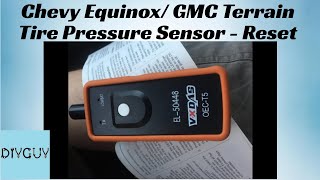
Typical fix: Replace the right rear TPMS sensor. The new sensor's ID must be learned by the vehicle using the DIC relearn procedure, which may require a TPMS tool. 🎬 Watch: How to manually relearn TPMS without a special tool. This requires breaking the tire bead or dismounting the tire.
Est. part cost: $25-$75 - Radio Frequency Interference (RFI) ⚪ Low Probability The RCDLR operates on specific radio frequencies (315 MHz or 433 MHz) that can be 'jammed' by low-quality aftermarket electronics, such as phone chargers, dash cams, or even items bundled on a key ring.
How to confirm: Symptoms are intermittent and may coincide with the use of a specific device. Unplug all aftermarket devices (phone chargers, dash cams, LED lighting, etc.) and remove non-factory items from the key ring. If the problem disappears, one of the devices was causing interference. This is specifically mentioned in GM TSB PIC5650M.
Typical fix: Remove the offending aftermarket device from the vehicle.
Est. part cost: $0
Rare But Worth Checking
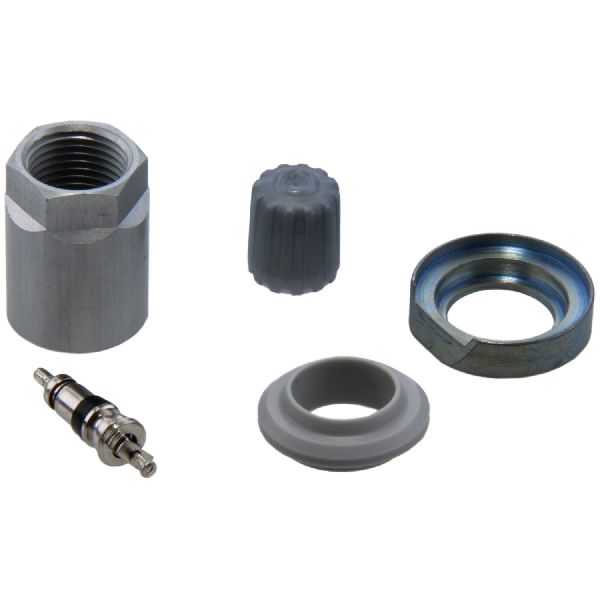
- Corroded TPMS Valve Stem: In areas with road salt, the metal valve stem can corrode, causing an air leak and potentially damaging the sensor itself. If you have a slow leak in that tire along with the code, inspect the valve stem base for white, powdery corrosion.
- Disconnected RCDLR Antenna: As per TSB 16-NA-061, the antenna system for the RCDLR can become disconnected at several points: at the RCDLR module itself, at the antenna amplifier module, or where the amplifier connects to the antenna in the right rear glass. This can cause intermittent or complete loss of signal from TPMS sensors and key fobs. A visual inspection of these connections, particularly behind the rear trim panels, is required.
Diagnosis Steps
- Verify the symptoms. Does the TPMS light blink then go solid? Do your key fobs work? Are there dashes for the RR tire pressure?
- If key fobs DO NOT work: The RCDLR module is the most likely cause. Also check for other TPMS codes (C0750, C0755, C0760). The presence of multiple TPMS codes and dead fobs almost guarantees an RCDLR failure, as outlined in TSB 16-NA-396.
- If key fobs WORK perfectly: The TPMS sensor in the right rear tire is the most likely cause.
- Confirm a bad sensor: Take the vehicle to a tire shop and have them test the right rear sensor with a TPMS activation tool. If it fails to respond or shows a low battery, it needs to be replaced.
- Check for RFI: If the problem is intermittent, unplug all aftermarket 12V accessories and remove non-essential items from your keychain per TSB PIC5650M. Drive the vehicle to see if the code clears and symptoms resolve.
- Inspect RCDLR Antenna Connections: If symptoms persist, inspect the RCDLR antenna coaxial cable connections behind the rear interior trim panels, as detailed in TSB 16-NA-061.
- Inspect the Valve Stem: Check the base of the valve stem on the right rear wheel for signs of heavy corrosion or damage, which could indicate a related failure.
- Final Diagnosis: If a new sensor doesn't fix the issue or if symptoms are unclear, a professional diagnosis using a scan tool to read BCM/RCDLR data is necessary to check for internal module faults or wiring issues.
Parts You'll Likely Need
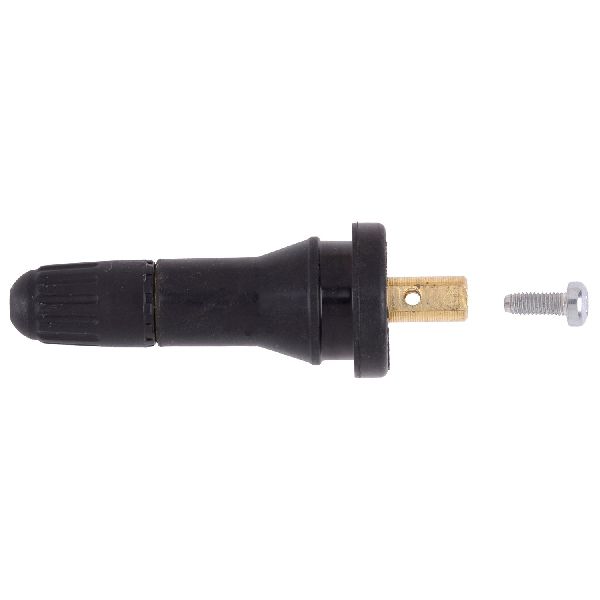
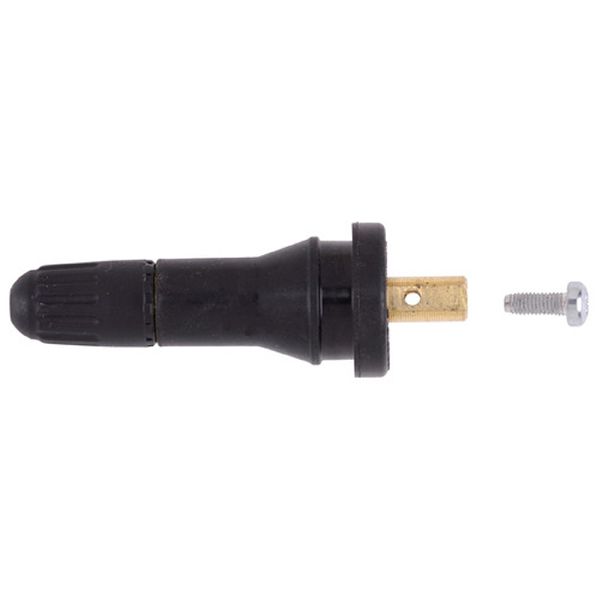
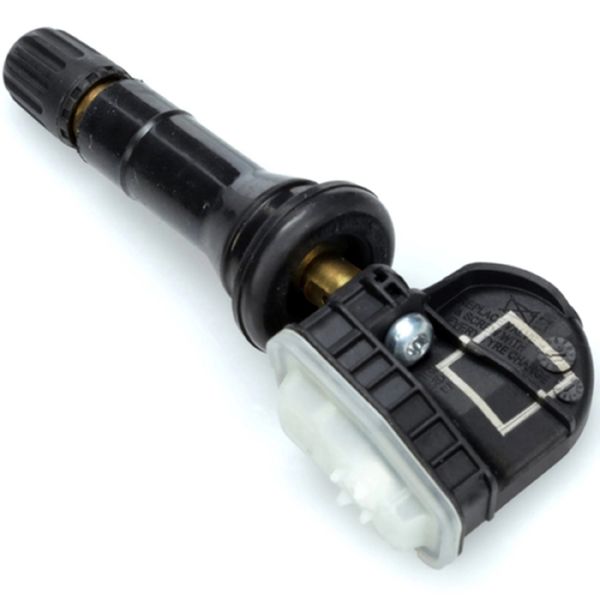
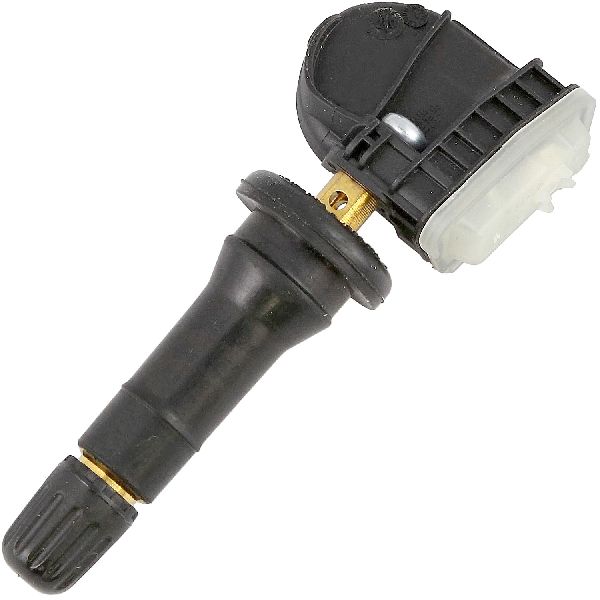
- Tire Pressure Monitoring System (TPMS) Sensor
(OEM #13542523)— This is the direct cause of the code if the sensor's battery has died or it has failed internally. This is the correct fix if key fobs are working normally. This sensor operates at 433 MHz.
Trusted brands: ACDelco, Continental, Schrader
OEM price range: $40-$80
Aftermarket price range: $25-$50 - Remote Control Door Lock Receiver (RCDLR)
(OEM #13595511 (supercedes 13509518))— This module is a common failure point that causes TPMS codes and key fob issues simultaneously. TSB 16-NA-396 identifies this as the cause when multiple TPMS codes are present. Replacement requires programming.
Trusted brands: ACDelco (GM Genuine)
OEM price range: $60-$120
Aftermarket price range: $40-$80
Related Codes That Often Appear With This One
- C0750, C0755, C0760 — These are the codes for the other three TPMS sensors. When all four appear together, it's a very strong indication that the central receiver (RCDLR) has failed, not all four sensors at once.
- B3055, B3060, B3935 — These codes are related to the vehicle immobilizer and key recognition system. Their presence alongside C0765 reinforces that the problem lies within the security and remote function system, pointing towards the RCDLR or significant RF interference, as noted in TSB PIC5650M.
Technical Service Bulletins (TSBs) & Recalls
- PIC5650M: Mentions that C0765
Platform-Specific Known Issues
- RCDLR Module Location: In the 2010-2017 GMC Terrain and Chevrolet Equinox, the RCDLR module is typically located in the liftgate area, mounted behind the upper trim panel. Accessing it requires careful removal of the interior plastic trim. Part number for the upper trim panel is GM 95286025.
- Emergency Start Procedure: If the RCDLR fails and you get a "No Remote Detected" message, you can still start the vehicle. For models with a push-button start, place the key fob into the transmitter pocket, which is often the front cupholder, and then press the start button. For keyed ignition, there is a specific relearn procedure.
Mechanic-Grade Diagnostic Values
- TPMS Sensor Transmission Frequency — expected: 315 MHz. Failure: No transmission detected by TPMS tool.
- TPMS Sensor Data with Scan Tool — expected: Scan tool should display a changing 'Pressure Sensor Mode' to 'Rolling' when the vehicle is driven above 25 mph (40 km/h).. Failure: If the sensor mode does not change from 'Stationary' to 'Rolling' during a test drive, the sensor has likely failed.
Hidden / Shadow Codes Worth Checking
- C0765 with symptom byte :29: Indicates 'Too Few Pulses' received from the sensor. This strongly points to a failure of the central receiver (RCDLR) rather than the sensor itself, as documented in TSB 16-NA-396. (see via Requires a professional scan tool capable of reading GM-specific symptom codes, such as a GM MDI with GDS2 software.)
- C0765 00: A general fault indicating a loss of communication. This is often set when a sensor doesn't transmit for an extended period (e.g., 18 minutes while driving >25 mph), which is a classic sign of a dead sensor battery. (see via Visible with a GM-specific scan tool like a Tech2 or a modern tool running GDS2 software.)
- C0765 08: Indicates the signal from the sensor is invalid. This can be caused by radio frequency (RF) interference or an internal sensor fault. (see via Visible with a GM-specific scan tool like a Tech2 or a modern tool running GDS2 software.)
Scan Tool Commands That Help
- GDS2 (GM Global Diagnostic System 2): Module Diagnostics -> Remote Control Door Lock Receiver -> Configuration/Reset Functions -> Add or Replace Key Fobs — This function is used to program new or existing key fobs to a new RCDLR module after it has been installed.
- GDS2 (GM Global Diagnostic System 2): Module Diagnostics -> Remote Control Door Lock Receiver -> Configuration/Reset Functions -> RCDLR Setup — This is a mandatory setup procedure that must be performed after replacing the RCDLR module to configure it for the specific vehicle.
- Tech 2 / GDS2: Tire Pressure Monitor Learn — This procedure must be performed after replacing a TPMS sensor or the RCDLR to make the system recognize the sensor IDs in their correct locations.
Wiring & Ground Locations
- RCDLR Module — Located in the liftgate area, mounted behind the upper interior trim panel.. This is the central receiving module for both TPMS and key fob signals. Its failure or disconnection is the primary cause of C0765 when key fobs also fail.
- RCDLR Antenna System — Consists of the RCDLR, a coax cable, an antenna amplifier module, and the antenna itself which is integrated into the right rear quarter glass.. A disconnected coax cable at the RCDLR, the amplifier, or the glass can cause a loss of signal from the TPMS sensors and key fobs, mimicking a failed RCDLR module. TSB 16-NA-061 advises checking these connections before replacing the module.
- G403 — A ground point located in the right side of the luggage compartment.. This is a likely ground point for the RCDLR, which is located in the same area. A poor ground connection at G403 could cause intermittent or total failure of the RCDLR, leading to TPMS and key fob issues.
Real Owner Repair Stories
- Chevy Equinox Forum user (2007 Chevrolet Equinox (same platform)) — TPMS light was on, and the owner was unable to enter the TPMS relearn mode using the DIC.
❌ Tried (didn't work) Attempting the DIC relearn procedure., Attempting relearn with a scan tool.
✅ What actually fixed it The owner located the RCDLR on the right C-pillar and discovered its antenna was unplugged. Reconnecting the antenna immediately restored key fob functionality and allowed the TPMS sensors to be relearned successfully.
OEM Part Supersession History
13509518→13595511— Standard part revision and update by the manufacturer.13595511→13540045— Further part revision by the manufacturer.
Heads up: Always verify the latest part number with a GM dealer using the vehicle's VIN, as multiple supersessions can occur.
Helpful Videos

We Have This Part in Stock


The information in this article is provided for general reference and educational purposes only. Vehicle specifications, procedures, and part compatibility can vary by production date, trim level, and region. Always consult your vehicle's factory service manual and verify part numbers before purchasing or performing repairs. Safety-critical components such as airbags, seat belts, and braking systems should be installed by a qualified professional.
- Gmc TERRAIN:
- 🧭 Diagnostic Flowchart
- 🎬 Helpful Videos
- 🛍️ Shop This Part
- What's Unique About the 2010-2017 Gmc TERRAIN
- Symptoms You May Notice
- Most Likely Causes
- Rare But Worth Checking
- Diagnosis Steps
- Parts You'll Likely Need
- Related Codes That Often Appear With This One
- Technical Service Bulletins (TSBs) & Recalls
- Platform-Specific Known Issues
- Mechanic-Grade Diagnostic Values
- Hidden / Shadow Codes Worth Checking
- Scan Tool Commands That Help
- Wiring & Ground Locations
- Real Owner Repair Stories
- OEM Part Supersession History
- 🎟️ Get 5% Off