

C0765 on 2015-2022 GMC Yukon: Right Rear TPMS Fault Causes & Fixes
Code C0765 on a 2015-2022 GMC Yukon indicates a fault with the right rear tire pressure sensor (TPMS). While a dead sensor battery is a possibility, a more common cause on these SUVs is a faulty Remote Control Door Lock Receiver (RCDLR) antenna or its wiring, as documented in GM TSB PIT5446A and 16-NA-061. Always inspect the RCDLR antenna system, which has three common failure points, before replacing the TPMS sensor itself.
- C0765 specifically refers to a communication problem with the right rear TPMS sensor.
- On 2015-2022 GMC Yukons, DO NOT automatically replace the sensor. The most common cause is a fault in the Remote Control Door Lock Receiver (RCDLR) antenna or its wiring, per TSB PIT5446A.
- Check if your key fobs are working. If they are also malfunctioning, the problem is almost certainly with the shared RCDLR system.
- Water leaks from the roof-mounted 'shark fin' antenna are a known cause of damage to the RCDLR antenna cable, leading to this code.
- Accurate diagnosis requires a TPMS tool and a visual inspection of components that may be behind interior trim panels.
What's Unique About the 2015-2022 Gmc YUKON
On this generation of GM full-size SUVs, the Tire Pressure Monitoring System (TPMS), remote keyless entry, and remote start functions are all handled by the Remote Control Door Lock Receiver (RCDLR) module. A specific Technical Service Bulletin (TSB 16-NA-061, superseding PIT5446A) highlights that the antenna system for this module is a common failure point. The antenna is located in the right rear quarter glass, and its coaxial cable has three main connection points that can become disconnected or corroded, often mimicking a failed TPMS sensor. This makes diagnosing C0765 more complex than on other vehicles, as the problem frequently lies with the vehicle's receiver system rather than the sensor in the tire.
Diagnostic Flowchart
Tap your situation to follow the diagnostic path that matches what you're seeing on this vehicle.
Generation note: This range covers the fourth generation (2015-2020 K2XX platform) and the early fifth generation (2021-2022 T1XX platform). The RCDLR antenna issue documented in TSBs PIT5446A and 16-NA-061 is most prevalent on the 2015-2018 models. While the underlying system is similar, TPMS sensor frequencies may have changed mid-generation around 2018-2019 (from 315MHz to 433MHz), so part compatibility should be verified. 2021+ models have a different electrical architecture, but the principle of a central receiver for TPMS remains.
Symptoms You May Notice
- TPMS warning light is illuminated on the instrument panel.
- "Service Tire Monitor System" message on the Driver Information Center (DIC).
- Right rear tire pressure reading shows "--" or an incorrect value.
- Intermittent or non-working remote key fobs (keyless entry) or remote start, as these functions share the RCDLR receiver.
- Key fob may only work when inside or immediately next to the vehicle.
- "No Fob Detected" message on the DIC.
- A no-start or stall condition with the security light on (as noted in TSB PIC5650M, indicating a broader module issue).
- Immediately replacing the right rear TPMS sensor without first inspecting the RCDLR antenna and its wiring. TSBs PIT5446A and 16-NA-061 specifically warn against this, as the antenna system is a very common point of failure that mimics a bad sensor.
Most Likely Causes
- Faulty RCDLR Antenna or Coaxial Cable 🔴 High Probability TSBs PIT5446A and 16-NA-061 specifically identify this as a problem area. The antenna system has three primary connection points that can fail: the connection at the RCDLR module (in the headliner), an inline connection at the antenna amplifier module, or the connection to the antenna itself in the right rear quarter glass. Water intrusion from the roof or sunroof can cause corrosion at these points.
How to confirm: Inspect the coaxial antenna cable connections. The RCDLR is often in the headliner near the rear liftgate. The cable runs down the passenger side D-pillar to the antenna amplifier and the quarter glass. Check for corrosion, moisture, or disconnected plugs. A YouTube video shows a repair where the solder points on the glass antenna itself 🎬 Watch: Step-by-step repair of the RCDLR antenna system. had failed and required re-soldering.
Typical fix: Reconnect any loose connectors. Repair or replace the damaged section of the antenna coaxial cable. Ensure all connections are clean, dry, and secure. Applying dielectric grease can help prevent future corrosion.
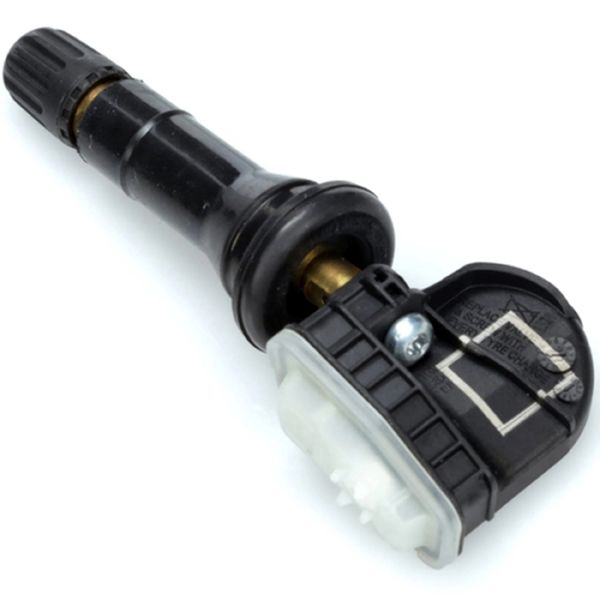
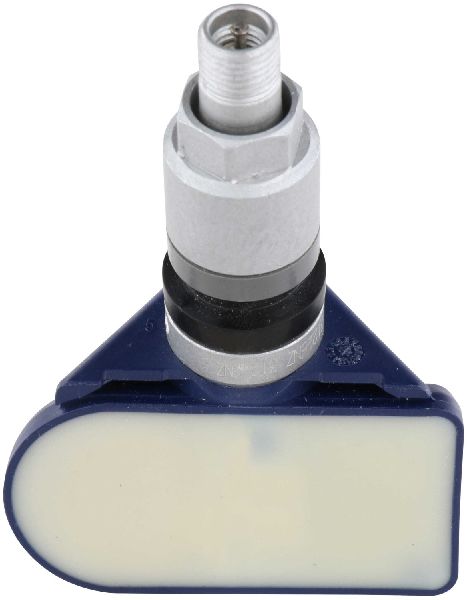
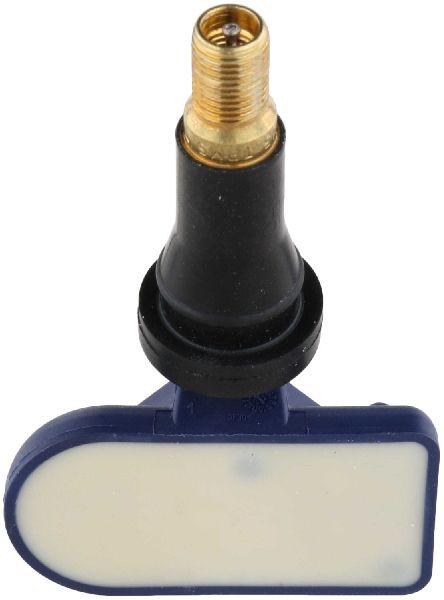
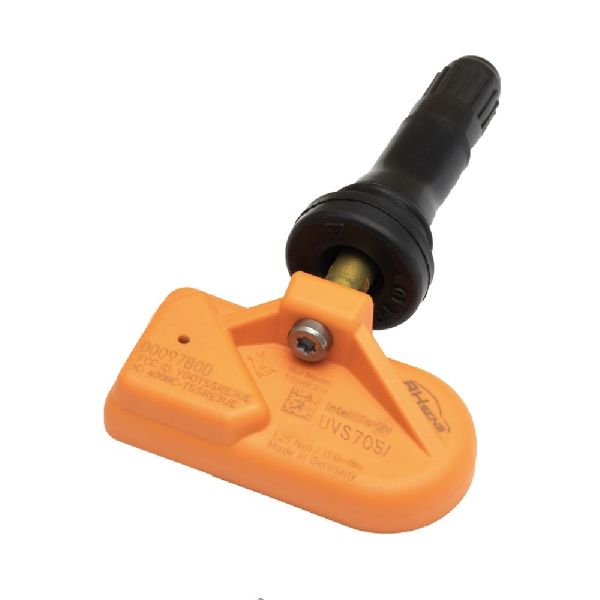
Est. part cost: $30-$125 - Failed TPMS Sensor 🟡 Medium Probability → Shop Tire Pressure Monitoring System (TPMS) Sensor TPMS sensors are powered by a non-replaceable battery with a typical lifespan of 7-10 years. Vehicles in this year range are reaching an age where battery failure is common. A sensor can also be damaged during tire service.
How to confirm: Use a TPMS activation tool to try and read the sensor. If the tool gets no response, the sensor's battery is dead or the sensor has failed. This should be done after checking the RCDLR antenna, as a receiver issue can prevent a good sensor from being read.
Typical fix: Replace the right rear TPMS sensor. The tire must be dismounted from the wheel to access it. A TPMS relearn procedure must be performed after installation.
Est. part cost: $25-$75 - Faulty Remote Control Door Lock Receiver (RCDLR) Module ⚪ Low Probability → Shop Keyless Entry Receiver While less common than the antenna, the module itself can fail internally, as noted in TSB 16-NA-396 for other GM vehicles with similar systems. This often presents with multiple TPMS codes (C0750, C0755, C0760, C0765) and key fob issues that persist after the antenna is confirmed to be good.
How to confirm: This is a process of elimination. If the sensor is confirmed to be transmitting and the antenna/wiring is intact, the RCDLR module is the likely suspect. Requires a professional scan tool for proper diagnosis and may require reprogramming if replaced.
Typical fix: Replace the RCDLR module. The new module must be programmed to the vehicle using GM-specific diagnostic software.
Est. part cost: $100-$200
Rare But Worth Checking
- Body Control Module (BCM) Issue: → Shop Body Control Module As per TSB PIC5650M, this code can appear with a cluster of security and communication codes during a no-start or stall event. This points to a wider network problem, a software glitch, or a failing BCM, rather than a simple TPMS fault.
- Radio Frequency (RF) Interference: Aftermarket electronic devices like dash cams, phone chargers, or power inverters can sometimes emit RF interference that blocks the signal from the TPMS sensor to the RCDLR. Try unplugging all aftermarket accessories to see if the connection is restored.
Diagnosis Steps
- Verify the code with a capable OBD-II scanner.
- Check if remote keyless entry and remote start are functioning. If they are also inoperative or have very poor range, suspect the RCDLR system.
- Use a TPMS diagnostic tool to activate the right rear sensor. If the tool gets a strong signal and reads the sensor's ID, the sensor is likely good. If it gets no signal, the sensor has likely failed.
- Following TSB 16-NA-061, perform a visual inspection of the RCDLR antenna system. This requires accessing three key connection points: 1. The coax cable at the RCDLR module (often in the rear headliner). 2. The coax connection at the antenna amplifier module (often behind the D-pillar trim). 3. The amplifier connection to the antenna grid on the right rear quarter glass.
- Inspect these connections for pinches, damage, or corrosion. A common failure is a simple disconnected plug.
- Diagnostic Tip: If you have codes for the front tires (C0750, C0755) but NOT the right rear (C0765), the TSB suggests the fault is likely the connection at the antenna amplifier module.
- If the sensor transmits and the wiring is good, the RCDLR module itself is the next suspect. This step typically requires professional diagnosis.
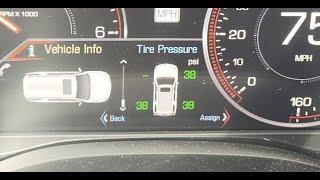
- If a new sensor is installed, perform the TPMS relearn procedure using the DIC menu and a TPMS tool. 🎬 See how to perform a DIY TPMS sensor reset.
Parts You'll Likely Need
- Tire Pressure Monitoring System (TPMS) Sensor
(OEM #13598772 (315MHz), 13540604 (315MHz))— The internal battery has a finite life and fails with age. This is a common replacement item, but should only be replaced after ruling out the RCDLR antenna issue. Note: Verify frequency (315MHz or 433MHz) with VIN, as it changed around 2018-2019.
Trusted brands: ACDelco, Schrader
OEM price range: $50-$75
Aftermarket price range: $25-$50 - RCDLR Antenna / Coaxial Cable
(OEM #84005103, 84238350, 22993295)— This is often the true culprit per TSB 16-NA-061. It can get disconnected, damaged or corroded, causing a loss of signal. Multiple part numbers exist; must be verified with vehicle VIN.
Trusted brands: GM Genuine Parts
OEM price range: $30-$125
Aftermarket price range: N/A - Remote Control Door Lock Receiver (RCDLR) — The module that receives signals from both the TPMS sensors and key fobs can fail internally. This is the fix when multiple TPMS codes are present, key fobs do not work, and the antenna system has been verified as good.
Trusted brands: ACDelco
OEM price range: $100-$200
Aftermarket price range: $70-$150
Related Codes That Often Appear With This One
- C0750, C0755, C0760 — These codes correspond to the other three tire pressure sensors (LF, RF, LR). When multiple or all four codes appear simultaneously, it strongly suggests a problem with the central receiver (RCDLR) or its antenna, not a simultaneous failure of all sensors.
- B3055, B3060, B3935 — As cited in TSB PIC5650M, these security and key-related codes can appear alongside C0765. Their presence points to a more complex communication issue involving the BCM or vehicle immobilizer system.
Technical Service Bulletins (TSBs) & Recalls
- PIC5650M: Mentions C0765 in a group of codes related to no-start/stall concerns and the security light, pointing to a potential communication issue.
- PIT5446A: Directly addresses C0765 and other TPMS codes, advising technicians to inspect the RCDLR antenna system for faults before replacing any sensors.
Platform-Specific Known Issues
- Owner Forum Consensus: Owners on forums like tahoeyukonforum.com consistently report that the 'Service Tire Monitor S
Hidden / Shadow Codes Worth Checking
- Symptom Code :29: Indicates 'Too Few Pulses' received from the TPMS sensor. When C0765 is present with this symptom code, GM TSB #16-NA-396 points to an internal failure of the Remote Control Door Lock Receiver (RCDLR) module. (see via A dealer-level scan tool such as a GM Tech 2 or GDS2 is required to view symptom codes.)
Scan Tool Commands That Help
- GDS2 (GM Global Diagnostic System 2): Module Diagnostics > RCDLR > Data Display — To view the live status of all TPMS sensors as seen by the receiver module. This helps confirm if the module is receiving any signal at all from the right rear sensor, or from any sensor.
- GDS2 (GM Global Diagnostic System 2): Module Diagnostics > BCM > Control Functions — To perform bidirectional tests, such as commanding door locks. Since the RCDLR controls key fob functions, successfully locking/unlocking doors via scan tool helps verify the module is powered, grounded, and communicating on the data bus, even if it's not receiving TPMS signals.
- GDS2 or Vehicle DIC: Tire Pressure Monitor Learn — This function is required after replacing a TPMS sensor or the RCDLR module to make the vehicle learn the new sensor IDs. It can be initiated from the scan tool or through a specific sequence of actions in the vehicle's Driver Information Center (DIC).
Wiring & Ground Locations
- RCDLR Antenna Connections — Three points: 1) Coax plug at the RCDLR module in the rear headliner. 2) Coax plug at the antenna amplifier behind the D-pillar trim. 3) Amplifier connection to the antenna grid on the right rear quarter glass.. Per TSB 16-NA-061, these are the most common failure points for this code. A simple disconnect at any of these points will cause a loss of signal from one or more TPMS sensors.
- G998 — Located at the rear corner of the right rear window area.. This is a chassis ground point in the immediate vicinity of the RCDLR module and antenna system. Poor grounding here can cause intermittent or total failure of the receiver.
- G218 — In the driver's side footwell, on the body, sometimes interfered with by the dash insulator mat.. This is a primary ground for the Body Control Module (BCM). Since the BCM processes the information from the RCDLR, a bad BCM ground can cause a variety of communication codes, including C0765.
- RCDLR Power Wire — A red/white wire provides battery positive voltage to the RCDLR module connector.. This wire can corrode and break inside the harness, typically in the driver's side sill plate or pillar area, leading to a complete loss of communication with the RCDLR and mimicking a failed module.
Real Owner Repair Stories
- YouTube video from 'FL TPMS Sensor Antenna Repair' (2015-2020 GM SUV (Tahoe shown)) — Reduced key fob range and intermittent TPMS sensor issues.
❌ Tried (didn't work) Previous repair attempts using a heat gun on the headliner.
✅ What actually fixed it The solder points where the antenna amplifier connects to the antenna grid on the rear quarter glass had failed. The fix was to carefully re-solder the contacts directly onto the glass using a butane soldering iron. - YouTube video from 'South Main Auto LLC' (2011 Chevrolet Silverado (similar RCDLR system)) — No communication with RCDLR, remote key fobs not working.
❌ Tried (didn't work) Initially assumed the RCDLR module itself was faulty and ordered a replacement.
✅ What actually fixed it The technician found there was no power at the RCDLR connector. After tracing the red/white power wire from the fuse block, a break with green corrosion was found inside the wiring harness along the driver's side door sill. Repairing the broken wire restored power and communication to the module. - YouTube video from 'Fix It All' (2015 GMC Yukon Denali) — Total loss of dash power, vehicle would cut off while driving or fail to start. Wiggling the battery ground cable would temporarily restore power.
❌ Tried (didn't work) Checking easily accessible ground points.
✅ What actually fixed it The main battery negative ground cable assembly had an internal failure or short. Replacing the entire cable, which has multiple ground connection points to the chassis and engine block, permanently resolved the power loss and no-start issues.
Model Year Variations Within This Range
- 2014-2020 (Uplevel vs. Base DIC): The manual TPMS relearn procedure is initiated differently. Uplevel DICs use the steering wheel controls and 'Set/Reset' button, while Base DICs use the trip odometer reset stem to enter learn mode.
- 2018-2019 (Mid-Generation Change): The TPMS sensor frequency may have changed from 315 MHz to 433 MHz. It is critical to verify the correct frequency by VIN before purchasing replacement sensors, as they are not interchangeable.
Helpful Videos

We Have This Part in Stock

The information in this article is provided for general reference and educational purposes only. Vehicle specifications, procedures, and part compatibility can vary by production date, trim level, and region. Always consult your vehicle's factory service manual and verify part numbers before purchasing or performing repairs. Safety-critical components such as airbags, seat belts, and braking systems should be installed by a qualified professional.
- Gmc YUKON:
- 🧭 Diagnostic Flowchart
- 🎬 Helpful Videos
- 🛍️ Shop This Part
- What's Unique About the 2015-2022 Gmc YUKON
- Symptoms You May Notice
- Most Likely Causes
- Rare But Worth Checking
- Diagnosis Steps
- Parts You'll Likely Need
- Related Codes That Often Appear With This One
- Technical Service Bulletins (TSBs) & Recalls
- Platform-Specific Known Issues
- Hidden / Shadow Codes Worth Checking
- Scan Tool Commands That Help
- Wiring & Ground Locations
- Real Owner Repair Stories
- Model Year Variations Within This Range
- 🎟️ Get 5% Off