

C0775 on 2007-2014 Cadillac Escalade: TPMS Relearn and Sensor Fixes
Code C0775 means the Tire Pressure Monitoring System (TPMS) relearn procedure failed or was not completed. The most common fix is to perform the relearn procedure again. If it fails, one or more TPMS sensors are likely dead and need replacement.
- C0775 means the TPMS relearn procedure needs to be performed.
- The fix is often free if you do it yourself by letting air out of the tires, but a simple $15 relearn tool makes it much faster and easier.
- If the relearn procedure fails at a specific wheel, the TPMS sensor for that wheel needs to be replaced.
- Given the vehicle's age, if one sensor battery has died, it's wise to budget for replacing all four to avoid future failures.
What's Unique About the 2007-2014 Cadillac ESCALADE
For the 2007-2014 (GMT900) Escalade, the C0775 code is almost exclusively tied to a failed TPMS relearn process, often triggered after a tire rotation, new tire installation, or when a sensor's battery dies. Unlike some other codes, C0775 doesn't point to a specific mechanical failure but rather a procedural one. The system used in these GM trucks is generally reliable but requires the specific relearn sequence to be completed correctly for the system to know the position of each sensor. If the relearn process is initiated but not completed after the first sensor is learned, all sensor positions are erased from the RCDLR's memory, resulting in '--' readings for all tires and setting code C0775 until a successful relearn is performed.
Diagnostic Flowchart
Tap your situation to follow the diagnostic path that matches what you're seeing on this vehicle.
Symptoms You May Notice
- "Service Tire Monitor System 🎬 Watch: Quick fix for the Escalade tire pressure warning" message on the Driver Information Center (DIC)
- TPMS warning light on the instrument cluster flashes for one minute at startup, then remains solid
- Tire pressure readings on the DIC show as dashes (--) instead of numbers for all four tires
- Inability to complete the TPMS relearn procedure
- Replacing the Body Control Module (BCM) unnecessarily. The issue is almost always with the sensors or the relearn procedure itself.
- Assuming new aftermarket sensors are good. Incompatible or faulty new sensors can prevent the relearn process from completing, mimicking the symptoms of old, dead sensors.
Most Likely Causes
- Incomplete or Failed TPMS Relearn Procedure 🔴 High Probability This is the direct definition of the code. The procedure is often initiated during routine service like a tire rotation but may not be completed correctly. If the process is canceled after the first sensor is learned, the system logs code C0775 and invalidates all sensor locations.
How to confirm: The presence of code C0775 is the confirmation. The fix is to attempt the relearn procedure again. If it fails repeatedly, suspect a bad sensor.
Typical fix: Perform the TPMS relearn procedure using either a TPMS activation tool or the manual method of deflating each tire in sequence.
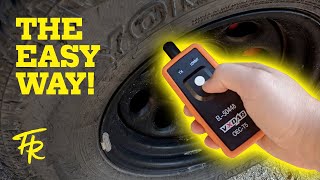
Est. part cost: $0-$20 (for a basic relearn tool 🎬 See how to easily relearn GM tire pressure sensors) - Failed TPMS Sensor 🔴 High Probability → Shop Tire Pressure Monitoring System (TPMS) Sensor The batteries inside TPMS sensors have a finite lifespan, typically cited as 5-10 years. Vehicles in this 2007-2014 range are at an age where battery failure is very common, preventing the sensor from transmitting its signal during the relearn process.
How to confirm: During the relearn procedure, if the horn fails to chirp when activating a specific sensor, that sensor has failed. A professional TPMS tool can also read sensor data directly to confirm a dead battery or fault.
Typical fix: Replace the faulty TPMS sensor. It is highly recommended to replace all four sensors at the same time, as the others are likely near the end of their service life. The new sensor(s) must then be registered via the relearn procedure.
Est. part cost: $30-$60 per sensor - Relearn Procedure Timed Out 🟡 Medium Probability The relearn mode typically cancels if more than two minutes pass without a sensor being learned. This can happen if the user is slow, has trouble activating a sensor, or is using the slower tire deflation method.
How to confirm: If the relearn mode ends (e.g., the turn signal indicator light turns off) before you have finished all four wheels, it has timed out.
Typical fix: Restart the relearn procedure. Using a TPMS activation tool is much faster and more reliable than the tire deflation method.
Est. part cost: $0
Rare But Worth Checking
- Body Control Module (BCM) or RCDLR Fault: A fault in the receiving module (Remote Control Door Lock Receiver) or the BCM can prevent it from learning new sensors. This is rare and should only be considered after confirming all TPMS sensors are working correctly. In some cases, the RCDLR can lose its memory and may need to be reprogrammed with a bidirectional scan tool to re-establish tire type and pressure settings. TSB #08-03-16-004A also notes a calibration issue for some 2008-2009 models that required an RCDLR reprogram to fix TPMS issues.
- Radio Frequency Interference (RFI): The TPMS sensors operate on a 315 MHz frequency. Strong RFI from aftermarket electronics like phone chargers, LED lights, or even toll passes can jam the signal, preventing the RCDLR from hearing the sensors during the relearn process. TSB #PIC5650K lists numerous potential sources of RFI that can cause this code.
Diagnosis Steps
- Verify the code: Use an OBD-II scanner to confirm that C0775 is the active or stored code.
- Attempt the TPMS Relearn Procedure: This is both a diagnostic step and the solution. Turn the ignition to 'ON' (engine off). Press and hold the 'Lock' and 'Unlock' buttons on the key fob until the horn chirps and the DIC displays 'Tire Learning Active'.
- Activate Sensors in Sequence: The driver's side front turn signal will be illuminated, indicating which tire to start with. Go to that wheel and use a TPMS activation tool on the tire sidewall near the valve stem. Hold the button until the horn chirps once.
- Proceed to Other Wheels: The vehicle will automatically light the turn signal for the next wheel in the sequence: passenger front, passenger rear, driver's rear.
- Confirm Completion: After the final sensor (driver's rear) is learned, the horn will chirp twice to signal the procedure is complete.
- Diagnose Failures: If the horn does not chirp at a specific wheel, that wheel's TPMS sensor is faulty and must be replaced. If the relearn process starts but then aborts, it has timed out. If all sensors are known to be good but the process still fails, investigate for RFI or a potential RCDLR issue.
- Alternative Method (No Tool): If you do not have a relearn tool, you can activate the sensors by letting air out of the tire for 10-30 seconds at each step until the horn chirps. This method is slower and requires you to re-inflate your tires afterward. 🎬 Watch: How to reset TPMS without using a tool
- Clear Codes: After successfully completing the relearn procedure, the C0775 code should clear automatically and the 'Service Tire Monitor System' light should turn off. If not, use your scanner to clear it.
Parts You'll Likely Need
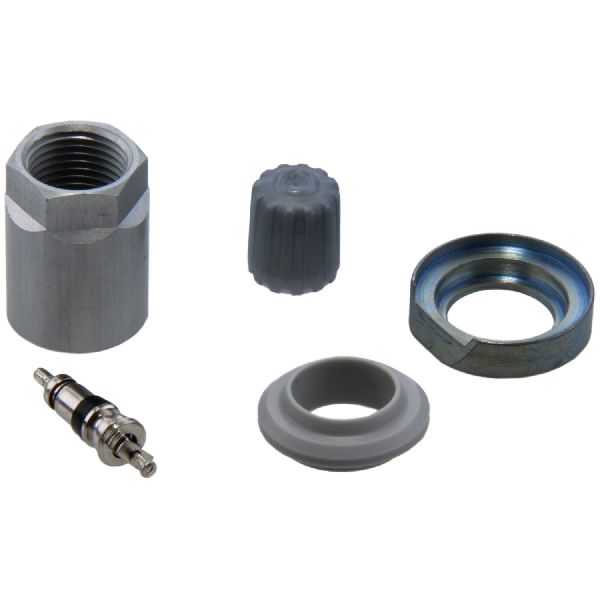
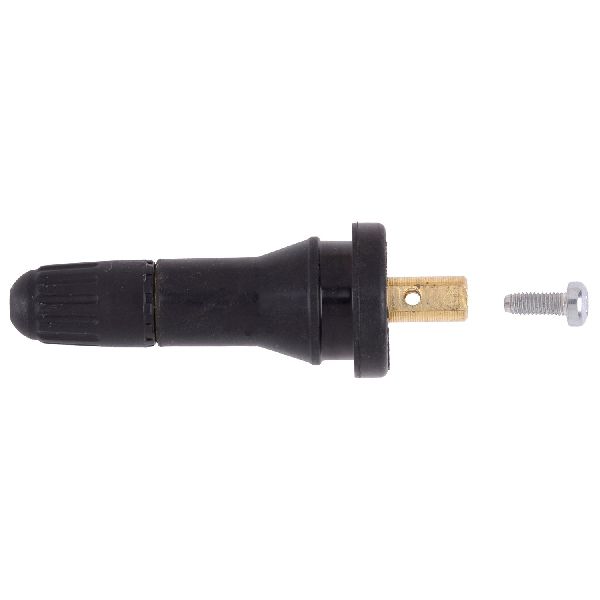
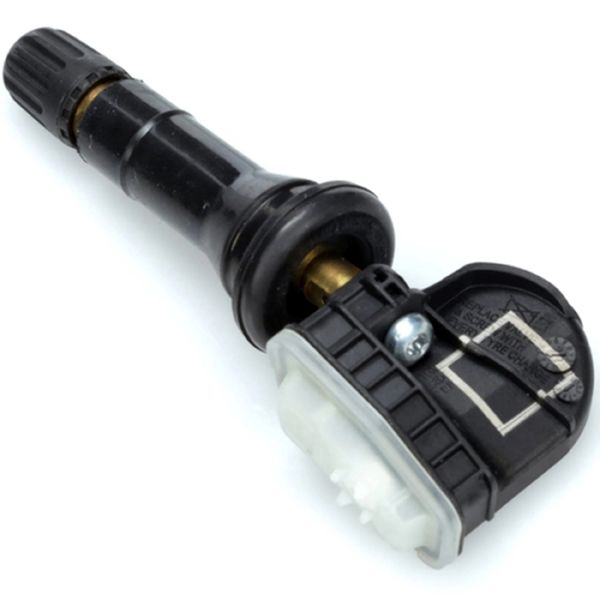
- Tire Pressure Monitoring System (TPMS) Sensor
(OEM #13540600)— This is the most common part to fail, usually due to an expired internal battery (5-10 year life), which prevents the relearn procedure from completing and sets the C0775 code. This part number supersedes many previous versions including 13586335, 13598771, 15254101, and 22853741.
Trusted brands: ACDelco, Schrader, Continental, Bosch, Dorman
OEM price range: $45-$70
Aftermarket price range: $30-$50 - TPMS Relearn Activation Tool
(OEM #EL-50448)— While not a replacement part for the vehicle, this tool is often required to reliably and quickly perform the relearn procedure. It is a one-time purchase that makes the job much easier than the manual deflation method.
Trusted brands: VXDAS, ATEQ, JDIAG
OEM price range: $50-$70
Aftermarket price range: $15-$30
Related Codes That Often Appear With This One
- C0750, C0755, C0760, C0765 — These codes correspond to faults with specific wheel sensors (Left Front, Right Front, Right Rear, Left Rear). They may appear alongside C0775 if a sensor has failed completely, causing the relearn procedure to fail.
- B3055, B3060 — As noted in TSB #PIC5650M, these key-related security codes can sometimes appear with chassis codes in the event of a broader module communication or low-voltage issue, though they are not functionally related to the TPMS. This is often due to Radio Frequency Interference.
Technical Service Bulletins (TSBs) & Recalls
- PIC5650M (and its revisions like J, K): Mentions C0775 in a list of codes that may appear with a stall concern and security light. It points to Radio Frequency Interference (RFI) from aftermarket devices as a potential cause.
- 08-03-16-004A: Details a condition on 2008-2009 models where the TPMS light stays on with no DTCs, requiring an RCDLR reprogram with a revised calibration.
Platform-Specific Known Issues
- RCDLR Memory Loss: In some instances, even with good sensors and a successful relearn, the system will 'forget' the sensor IDs after an ignition cycle. A user on TahoeYukonForum.com reported solving this by using a bidirectional scanner to rewrite the tire type and pressure settings to the RCDLR, which had lost its memory.
- Incompatible Aftermarket Sensors: Owners report issues where new aftermarket sensors, even if they operate on the correct 315 MHz frequency, are not compatible with the GMT900's system and will not complete the relearn process. It's critical to use high-quality OEM or OEM-equivalent sensors (like ACDelco or Schrader) to avoid this.
Mechanic-Grade Diagnostic Values
- RCDLR Power Supply Voltage — expected: 12V (B+). Failure: Less than 12V indicates a wiring or fuse issue.
- RCDLR Ground Circuit — expected: Near 0V. Failure: Any significant voltage reading indicates a bad ground connection at G302.
Hidden / Shadow Codes Worth Checking
- C0775 00: This is a more specific version of the code indicating a general 'Tire Pressure Monitoring System Sensors Malfunction' or that the learn procedure has not been performed on a new/virgin module. (see via A dealership-level scan tool like the GM Tech 2 or GDS2.)
Scan Tool Commands That Help
- GM Tech 2: Setup New RCDLR — This function is required after replacing the Remote Control Door Lock Receiver (RCDLR) to program the new module to the vehicle. The path is typically Body and Accessories > Theft Deterrent > Module Setup > RCDLR.
- GM Tech 2 / TIS2WEB: Copy and Paste TPM Information — When reprogramming an existing RCDLR with updated software (per TSB 08-03-16-004A), this function must be used to copy the stored sensor IDs before reprogramming and paste them back into the module afterward to avoid having to perform a manual relearn.
- GM Tech 2 / TIS2WEB: RCDLR Reprogramming — Used to load revised software calibrations to the RCDLR to fix specific known bugs, such as the one described in TSB 08-03-16-004A for TPMS lights staying on without codes. This is a 'Pass-Thru' programming method.
Wiring & Ground Locations
- RCDLR Module — Located behind the driver's side (left) interior quarter panel trim in the rear cargo area, near the D-pillar.. This is the receiver for the TPMS sensor signals. All diagnostic steps for module failure, wiring, or antenna issues require accessing this component.
- G302 — A ground stud located under the front passenger's seat or on the passenger side front door sill, beneath the trim.. This is the primary ground point for the RCDLR. A corroded or loose connection here will cause the module to malfunction, preventing it from learning sensors and setting a C0775.
- RCDLR Power Wire — A Red/White wire at Pin 1 of the RCDLR connector, powered by the 10A 'DSM' fuse in the instrument panel fuse block.. A break or corrosion in this wire will cause a total loss of power to the RCDLR, making it impossible to complete the relearn procedure.
- RCDLR Antenna — A coaxial cable runs from the RCDLR to an antenna amplifier and then to an antenna integrated into the right rear glass.. A poor or disconnected coax cable at the RCDLR, amplifier, or glass can cause weak signal reception, leading to relearn failures and TPMS codes.
Real Owner Repair Stories
- TahoeYukonForum.com user 'Joseph Garcia' (2007 Yukon XL Denali (GMT900 platform equivalent)) — Inability to complete the TPMS relearn procedure. The process would not get past the first step (left front wheel). No specific sensor codes were present.
❌ Tried (didn't work) Attempting the relearn procedure multiple times with two different scan tools.
✅ What actually fixed it The right rear wheel sensor was faulty. Despite the relearn process failing at the left front wheel, and no codes pointing to a specific sensor, replacing the right rear sensor allowed the relearn procedure to be completed successfully.
When the Usual Fixes Don't Work
- In one documented case on a related GM truck, the relearn procedure would consistently fail on the very first step (left front tire), leading the owner to suspect an issue with that sensor or the RCDLR. However, the actual cause was a failed sensor on the opposite corner of the vehicle (right rear). This indicates that a single bad sensor can sometimes disrupt the entire system's ability to even begin the learn sequence, a fact not highlighted in standard diagnostic procedures.
Model Year Variations Within This Range
- 2008-2009: A specific TSB (#08-03-16-004A) was issued for vehicles built between January 1, 2008, and August 15, 2008. These vehicles could experience a TPMS light that stays on with correct tire pressures and no DTCs. The fix is to reprogram the RCDLR with a revised software calibration, which requires a Tech 2 scan tool and TIS2WEB access.
Helpful Videos
We Have This Part in Stock


The information in this article is provided for general reference and educational purposes only. Vehicle specifications, procedures, and part compatibility can vary by production date, trim level, and region. Always consult your vehicle's factory service manual and verify part numbers before purchasing or performing repairs. Safety-critical components such as airbags, seat belts, and braking systems should be installed by a qualified professional.
- Cadillac ESCALADE:
- 🧭 Diagnostic Flowchart
- 🎬 Helpful Videos
- 🛍️ Shop This Part
- What's Unique About the 2007-2014 Cadillac ESCALADE
- Symptoms You May Notice
- Most Likely Causes
- Rare But Worth Checking
- Diagnosis Steps
- Parts You'll Likely Need
- Related Codes That Often Appear With This One
- Technical Service Bulletins (TSBs) & Recalls
- Platform-Specific Known Issues
- Mechanic-Grade Diagnostic Values
- Hidden / Shadow Codes Worth Checking
- Scan Tool Commands That Help
- Wiring & Ground Locations
- Real Owner Repair Stories
- When the Usual Fixes Don't Work
- Model Year Variations Within This Range
- 🎟️ Get 5% Off