

C0775 on 2007-2014 GMC Sierra 1500: TPMS Malfunction Causes and Fixes
Code C0775 on a 2007-2014 GMC Sierra means the Tire Pressure Monitoring System (TPMS) has a malfunction, usually because the sensor positions haven't been learned by the truck's computer. The most common fix is to perform a TPMS relearn procedure, which may require a simple activation tool (~$15). If that fails, one or more TPMS sensors likely need replacement due to dead batteries. In rarer cases, the fault can be in the receiver module (RCDLR) or its wiring.
- C0775 means your truck's computer has lost track of the TPMS sensors, usually after a tire rotation or because the relearn procedure failed.
- The first step is to try the TPMS relearn procedure. You may need a cheap activation tool.
- Given the age of these trucks, a dead battery in one or more TPMS sensors is a very likely cause. It's best to replace all four at once.
- If you also have a security light on or stalling problems, see a professional immediately, as it could be a more complex BCM issue per TSB PIC5650M.
What's Unique About the 2007-2014 Gmc SIERRA 1500
For this generation of Sierra, the C0775 code is almost always tied to the TPMS relearn process. However, a critical Technical Service Bulletin (TSB PIC5650M) links this TPMS code to seemingly unrelated, severe symptoms like engine stalling and the security light coming on. This rare but documented issue suggests that a fault in the Body Control Module (BCM) or its wiring can create a cascade of errors across multiple systems, presenting as a TPMS problem when the root cause is deeper in the vehicle's electronics. Other TSBs point to specific failures in the Remote Control Door Lock Receiver (RCDLR) or its antenna wiring as a root cause for TPMS communication loss.
Diagnostic Flowchart
Tap your situation to follow the diagnostic path that matches what you're seeing on this vehicle.
Generation note: This range covers two Sierra generations: the GMT900 (2007-2013) and the first year of the K2XX (2014). While the TPMS system is fundamentally the same (315 MHz direct sensors), the method to initiate the 'relearn' procedure differs slightly. For 2007 models, it often involves cycling the headlight switch or using the key fob. For 2008-2013, it's typically done via the key fob (holding lock/unlock) or DIC buttons. For 2014 models, it's done through the Driver Information Center (DIC) menus using the steering wheel controls.
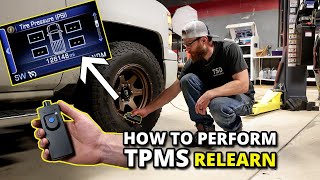
🎬 See this walkthrough for the 2014 Sierra relearn procedure.Symptoms You May Notice
- TPMS warning light flashing for 60-90 seconds at startup, then staying on solid.
- "Service Tire Monitor System" message displayed on the Driver Information Center (DIC).
- Tire pressure readings on the DIC show dashes (---) instead of numbers.
- When accompanied by security codes (like B3055), may include security light illumination and potential engine stalling, as noted in TSB PIC5650M.
- Poor range or inoperative keyless entry remote, which can indicate a faulty RCDLR module that also processes TPMS signals, as noted in TSB PI1085.
- Replacing a single TPMS sensor when the relearn procedure was all that was needed.
- Assuming the BCM is bad without first testing all four TPMS sensors to confirm they are transmitting with good batteries.
- Replacing all TPMS sensors when the actual fault is a disconnected RCDLR antenna cable or corrupted module memory.
Most Likely Causes
- Failed or Incomplete TPMS Relearn Procedure 🔴 High Probability The system requires a specific relearn sequence after tire rotations or sensor replacements. If this process is interrupted or fails, it invalidates all sensor IDs and stores C0775.
How to confirm: Attempt to perform the TPMS relearn procedure. If it completes successfully and the code clears, this was the cause. If it fails to start or won't learn a sensor, suspect a dead sensor or RCDLR issue.
Typical fix: Perform the TPMS relearn procedure using the vehicle's built-in learn mode and a TPMS activation tool. Some models allow this by letting air out of each tire 🎬 Watch: How to relearn TPMS without using any special tools. in sequence, but a tool is more reliable.
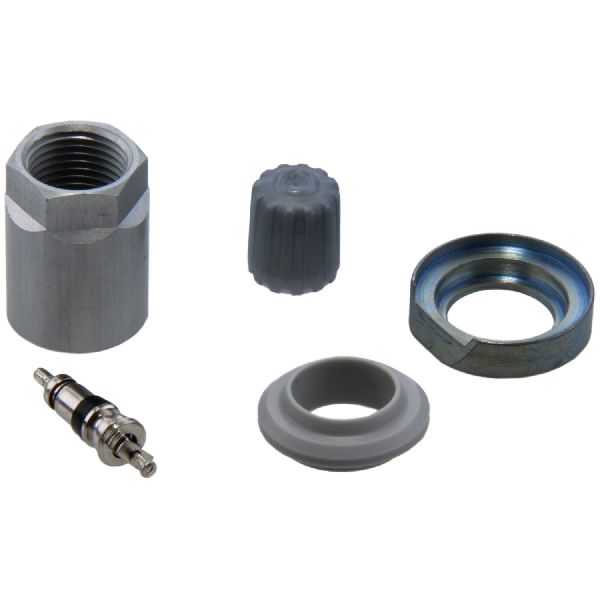
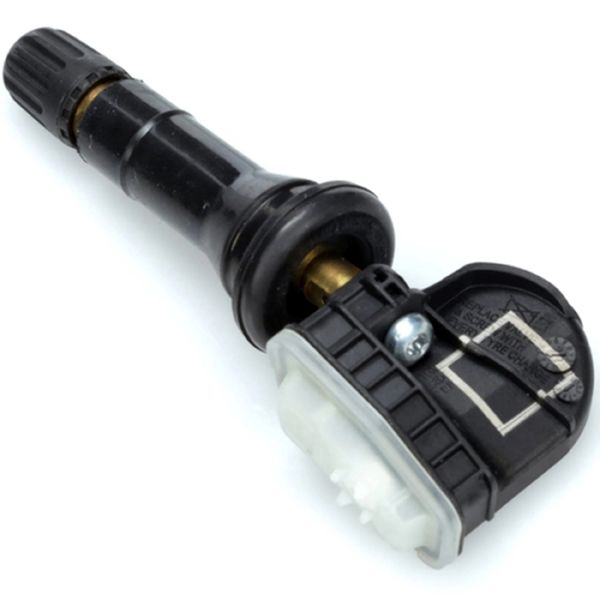
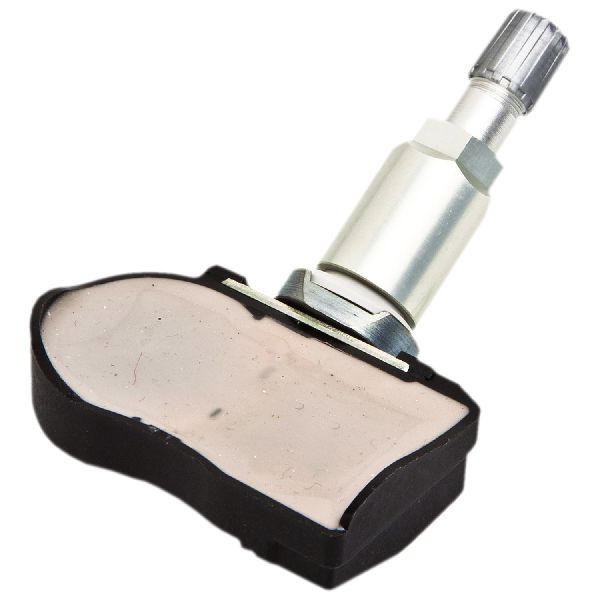
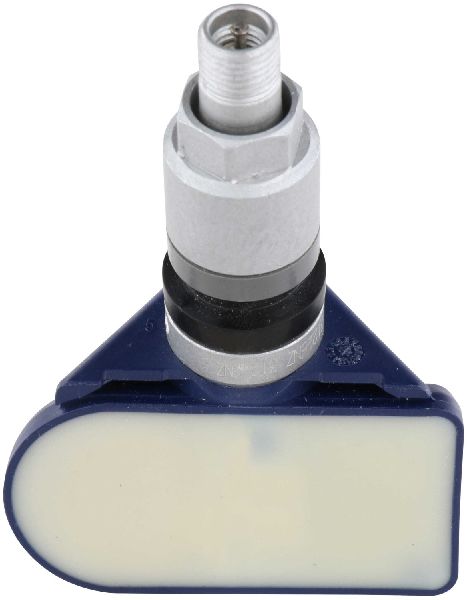
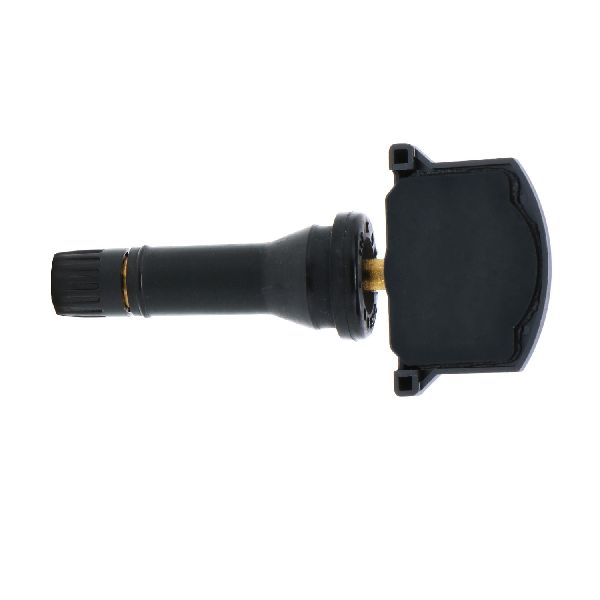
Est. part cost: $0 - $20 for a basic TPMS activation tool - One or More Dead TPMS Sensor Batteries 🔴 High Probability → Shop Tire Pressure Monitoring System (TPMS) Sensor TPMS sensors have a finite battery life of about 7-10 years. All vehicles in this 2007-2014 range are at or past the age where battery failure is common. A single dead sensor can prevent the entire relearn process from completing, triggering C0775.
How to confirm: A TPMS diagnostic tool can read the battery status of each sensor. If a sensor fails to respond to the tool, its battery is likely dead.
Typical fix: Replace the faulty TPMS sensor(s). It is highly recommended to replace all four at once since they are the same age. The new sensors must then be programmed to the vehicle with a relearn procedure.
Est. part cost: $30 - $70 per sensor - Faulty Remote Control Door Lock Receiver (RCDLR) or Body Control Module (BCM) ⚪ Low Probability → Shop Keyless Entry Receiver The RCDLR is the receiver for both TPMS and key fob signals. A failure in the module, its wiring, or its antenna can prevent it from communicating with the sensors. Specific documented failures include a disconnected coax antenna cable on K2XX models, internal RCDLR faults on GMT900 models, and corrupted memory that requires reprogramming with a scan tool.
How to confirm: Requires advanced diagnostics. Check for related communication (U-codes) or security (B-codes). Check key fob range. Inspect RCDLR antenna connections. Use a bidirectional scanner to check for corrupted settings.
Typical fix: Repair wiring, reconnect antenna, or replace the faulty module. Module replacement requires programming by a dealer or qualified shop. Sometimes, simply rewriting the vehicle's tire configuration to the module can resolve the issue.
Est. part cost: $150 - $500 for a new module
Rare But Worth Checking
- Radio Frequency (RF) Interference: Aftermarket electronics like phone chargers, dash cams, CB radios, or metallic window tint can sometimes emit RF noise that interferes with the 315 MHz TPMS signals, preventing the receiver from getting a clean signal.
Diagnosis Steps
- Verify the TPMS warning light behavior. A flashing light followed by a solid light indicates a system malfunction (like C0775), while a solid light indicates low pressure.
- Check tire pressures manually to ensure they are set to the specification on the driver's door jamb sticker.
- Attempt the TPMS relearn procedure specific to your vehicle's year. This is the most common fix.
- If the relearn fails, use a TPMS diagnostic tool to attempt to activate each sensor and check its battery status, pressure reading, and temperature.
- Replace any sensor that does not respond or shows a 'low battery' status. It's best practice to replace all four.
- Perform the TPMS relearn procedure again after replacing sensors.
- If all sensors are confirmed good but the code persists, inspect the fuses for the BCM/RCDLR. On GMT900 models, a common issue is loss of power to the RCDLR 🎬 Watch: Diagnosing RCDLR communication issues and module faults. via the 'DSM' (Driver Seat Module) fuse in the interior fuse block.
- If fuses are good, a professional should inspect the wiring and connectors for the RCDLR/BCM. For 2014 models, TSB 16-NA-061 points to checking the RCDLR antenna coax cable connections.
- If a bidirectional scan tool is available, check the RCDLR configuration to ensure tire type and pressure settings are not corrupted, as reported by owners of platform-mate vehicles.
Parts You'll Likely Need
- Tire Pressure Monitoring System (TPMS) Sensor
(OEM #ACDelco 13598771 (2007-2013); ACDelco 13598772 (2014))— The batteries in the original sensors fail due to age (7-10 year lifespan), preventing the system from working and setting code C0775.
Trusted brands: ACDelco, Schrader, Standard Motor Products, Dorman
OEM price range: $50-$90
Aftermarket price range: $30-$70 - TPMS Relearn/Activation Tool — Required to trigger the sensors during the vehicle's relearn procedure, which is the most common fix for C0775.
Trusted brands: ATEQ, Autel, VXDAS (common inexpensive option)
OEM price range: $100-$200 (Professional)
Aftermarket price range: $15-$30 (Basic Activation Tool) - Remote Control Door Lock Receiver (RCDLR)
(OEM #20863945 (per TSB PI1085 for 2012-2013 models))— In some cases, the module itself fails internally, preventing communication with TPMS sensors and key fobs. TSB PI1085 recommends replacement for this condition.
Trusted brands: ACDelco (GM Genuine)
OEM price range: $150-$250
Aftermarket price range: $100-$180
Related Codes That Often Appear With This One
- C0750 — Indicates a fault with the Left Front TPMS sensor. Often appears with C0775 when the system fails a relearn.
- C0755 — Indicates a fault with the Right Front TPMS sensor.
- C0760 — Indicates a fault with the Left Rear TPMS sensor.
- C0765 — Indicates a fault with the Right Rear TPMS sensor.
- B3055 — Relates to the vehicle immobilizer/security system. Its presence with C0775 points towards a potential BCM or wiring issue as described in TSB PIC5650M.
Technical Service Bulletins (TSBs) & Recalls
- PIC5650M: Notes that C0775 can be found with other TPMS and security system codes (B3055, B3060, etc.) in vehicles experiencing a stall concern with the security light on.
- PI1085: For 2012-2013 models, addresses poor remote transmitter range and TPMS codes (C075x) by recommending replacement of the Remote Control Door Lock Receiver (RCDLR).
- 16-NA-061: For 2014+ K2XX models, details how TPMS communication codes can be caused by a disconnected RCDLR antenna coax cable at one of three points between the module and the rear glass antenna.
Platform-Specific Known Issues
- TSB PIC5650M documents a potential for this TPMS code to appear alongside security system codes and a stall condition, pointing to a complex electrical fault rather than a simple sensor issue.
- TSB PI1085 (2012-2013 models) identifies a faulty RCDLR as the cause for poor key fob range and TPMS codes, providing a specific part number for the fix.
- TSB 16-NA-061 (2014+ K2XX models) details how a disconnected coaxial antenna cable for the RCDLR can cause TPMS codes and poor key fob range.
Mechanic-Grade Diagnostic Values
- RCDLR Power Supply Voltage — expected: Battery Positive Voltage (typically 12.6V KOEO). Failure: 0V or significantly lower voltage indicates a broken wire or blown fuse.
- RCDLR Ground — expected: Near 0V (Good continuity to chassis ground). Failure: Voltage present or high resistance to ground indicates a bad ground connection.
Scan Tool Commands That Help
- GM Tech2/GDS2: RCDLR Data Display — To check if the RCDLR is communicating with the BCM. If the module shows 'No Communication', it points to a power, ground, or module failure rather than a sensor issue.
- GM Tech2/GDS2: TPMS Re-Learn Procedure — To initiate the sensor learning process from the scan tool. This is the primary service function after replacing sensors or the RCDLR module.
- GM Tech2/GDS2: Module Setup / Programming — Required after replacing the RCDLR or BCM to configure the new module to the vehicle's specific options and security system.
Wiring & Ground Locations
- RCDLR Module — On GMT900 trucks (2007-2013), it is located behind the driver's side (left) C-pillar trim, which is the panel just behind the rear door.. This is the central receiver for all TPMS signals. Access is required for testing power, ground, and antenna connections.
- RCDLR Connector — The main electrical connector at the RCDLR module.. Pin 8 (RD/WH wire) is battery power, and Pin 4 (BK wire) is ground. Testing these two pins is the first step in diagnosing an unresponsive RCDLR.
- G303 / G304 — Located on the left and right side B-pillars, respectively, behind the trim panels.. These are primary interior body ground points. While not the direct ground for the RCDLR, a poor connection here can cause a variety of strange electrical issues in the cabin, and they are known points of corrosion.
- RCDLR Antenna (2014 K2XX) — For 2014 models, the system uses a coaxial cable that runs from the RCDLR to an antenna amplifier module, and then to an antenna in the right rear glass.. TSB 16-NA-061 specifically calls out checking for disconnected coax cables at the RCDLR, the amplifier, or the glass antenna as a cause for TPMS codes. A disconnect here will kill all sensor signals.
Real Owner Repair Stories
- YouTube channel 'Raymond's World' (2011 Chevrolet Silverado) — Key fobs did not work. Scan tool showed 'No Communication' with the RCDLR.
❌ Tried (didn't work) Initially misdiagnosed as a bad RCDLR module and a new one was ordered.
✅ What actually fixed it Upon testing, there was no power at the RCDLR connector's red/white wire. The technician traced the wire and found it was broken inside the driver's side wiring channel/sill plate area due to water intrusion and corrosion. Repairing the broken wire restored power and fixed the issue. - Tahoe Yukon Forum user (2007 Chevrolet Tahoe (platform mate)) — Keyless entry and TPMS system stopped working at the same time. Tire pressures showed dashes.
❌ Tried (didn't work) Initial diagnosis was inconclusive.
✅ What actually fixed it The owner found a TSB describing a software glitch where the RCDLR module fails to 'wake up'. Pulling the 'DSM' (Driver Seat Module) fuse in the interior fuse block for a few seconds reset the RCDLR and restored all functions. This is a temporary fix, with the permanent solution being a dealer-installed software update.
When the Usual Fixes Don't Work
- In several documented cases, particularly when both the TPMS and keyless entry fail simultaneously, the root cause was not the TPMS sensors themselves, even if the relearn procedure failed. Instead, the fault was traced to the RCDLR module or its wiring. One technician found a broken power wire in the driver's side sill plate that prevented the RCDLR from powering on, causing a C0775 code. Another owner resolved the issue temporarily by pulling and resetting the 'DSM' fuse, which power cycles the RCDLR, indicating a software lock-up issue that requires a dealer reflash, not new parts.
OEM Part Supersession History
20818271, 20788666→20863945— Part revision and consolidation for the RCDLR module.
Heads up: The replacement part 20863945 requires programming with a GM scan tool (Tech2 or GDS2) after installation to function correctly with the vehicle's BCM and security system.Multiple older numbers (e.g., 25920615, 20923680)→13598771— Consolidation of TPMS sensor part numbers for 315MHz applications on GMT900 vehicles.
Model Year Variations Within This Range
- 2007-2013 (GMT900): The RCDLR uses a simple wire antenna. The module is located behind the driver's side C-pillar trim.
- 2014 (K2XX): The RCDLR system was updated to use a multi-part coaxial antenna system consisting of the receiver, a coax cable, an antenna amplifier, and an antenna integrated into the rear glass. This change introduced new failure points, specifically the connections between these components, as documented in TSB 16-NA-061.
Helpful Videos
We Have This Part in Stock


The information in this article is provided for general reference and educational purposes only. Vehicle specifications, procedures, and part compatibility can vary by production date, trim level, and region. Always consult your vehicle's factory service manual and verify part numbers before purchasing or performing repairs. Safety-critical components such as airbags, seat belts, and braking systems should be installed by a qualified professional.
- Gmc SIERRA 1500:
- 🧭 Diagnostic Flowchart
- 🎬 Helpful Videos
- 🛍️ Shop This Part
- What's Unique About the 2007-2014 Gmc SIERRA 1500
- Symptoms You May Notice
- Most Likely Causes
- Rare But Worth Checking
- Diagnosis Steps
- Parts You'll Likely Need
- Related Codes That Often Appear With This One
- Technical Service Bulletins (TSBs) & Recalls
- Platform-Specific Known Issues
- Mechanic-Grade Diagnostic Values
- Scan Tool Commands That Help
- Wiring & Ground Locations
- Real Owner Repair Stories
- When the Usual Fixes Don't Work
- OEM Part Supersession History
- Model Year Variations Within This Range
- 🎟️ Get 5% Off