

C0775 on 2015-2022 GMC Yukon: TPMS Sensor Relearn and Fixes
Code C0775 on a GMC Yukon means the Tire Pressure Monitoring System (TPMS) sensors have not been learned by the vehicle's computer. This usually happens after replacing sensors, rotating tires, or replacing the control module. The fix is to perform the TPMS relearn procedure, which requires a simple, inexpensive tool. In some cases, it can be linked to a faulty control module (RCDLR) or even radio frequency interference.
- C0775 means a TPMS relearn is needed. This is a required step after rotating tires or replacing sensors.
- You will need a simple, inexpensive GM TPMS activation tool to complete the relearn procedure.
- The 2015-2020 (315 MHz) and 2021-2022 (433 MHz) Yukons use different sensors; ensure you buy the correct part for your year.
- A flashing TPMS light that then stays solid is the key symptom, often accompanied by a 'Service Tire Monitor System' message.
- If a sensor won't learn, its internal battery is likely dead, and the sensor must be replaced.
What's Unique About the 2015-2022 Gmc YUKON
For the 2015-2022 Yukon, this code is almost always a straightforward TPMS issue. However, a notable and unusual TSB (#PIC5650M) links C0775 and other TPMS codes to a potential engine stall and security light concern, suggesting a more complex electrical fault or, more commonly, Radio Frequency Interference (RFI) from aftermarket accessories. [TSB #PIC5650M] This platform also spans two generations (K2XX and T1XX) which use different TPMS sensor frequencies (315 MHz and 433 MHz respectively), making it critical to select the correct part for your model year.
Diagnostic Flowchart
Tap your situation to follow the diagnostic path that matches what you're seeing on this vehicle.
Generation note: The 2015-2022 range covers two Yukon generations: - Fourth Gen (K2XX): 2015-2020. Typically uses a 315 MHz TPMS sensor. Common OEM part numbers include 13586335, 13598772, and 13516164. - Fifth Gen (T1XX): 2021-2022. Uses a 433 MHz TPMS sensor (RPO code XL8) due to the new Global B electrical architecture. Common OEM part numbers include 86530815, 13542523, and 84991144. The sensors are not interchangeable, so verifying the correct frequency for your specific model year is essential before purchasing replacements.
Symptoms You May Notice
- TPMS warning light flashes for about 60 seconds at startup, then stays on solid.
- "Service Tire Monitor System" message on the Driver Information Center (DIC).
- Tire pressure readings on the DIC show as dashes (--) instead of numbers.
- Simultaneous issues with key fob range or "No Remote Detected" messages, as the RCDLR module controls both TPMS and keyless entry functions.
- In rare cases, when seen with security codes (like B3055), may be associated with an engine stall and security light illumination. [TSB #PIC5650M]
- Replacing the Body Control Module (BCM) unnecessarily. While the BCM is part of the system, the RCDLR, its antenna connection, the sensors themselves, and RFI are far more common failure points for TPMS issues.
Most Likely Causes
- TPMS Relearn Procedure Not Performed 🔴 High Probability Required after tire rotation, sensor replacement, or BCM/RCDLR replacement. The system will set C0775 if the relearn process is initiated but not completed for all four wheels.
How to confirm: The presence of code C0775 itself confirms this condition. The code will set if the relearn procedure is started but not completed, or not performed at all when needed.
Typical fix: Perform the TPMS relearn procedure using the vehicle's DIC and a TPMS activation tool.
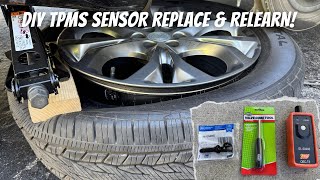
Est. part cost: $10-$20 for a basic GM TPMS relearn tool. 🎬 Watch: Step-by-step guide to the GMC Yukon TPMS relearn procedure.
- Dead or Failing TPMS Sensor Battery 🟡 Medium Probability → Shop Tire Pressure Monitoring System (TPMS) Sensor Sensor batteries have a finite lifespan of 5-10 years, putting vehicles in this year range at high risk for age-related failure.
How to confirm: A professional TPMS tool can read the battery status of each sensor. If a sensor fails to respond with a horn chirp during the relearn process, its battery is likely dead.
Typical fix: Replace the failed TPMS sensor(s). It is often recommended to replace all four at once if they are original to save on future labor costs. The tire must be dismounted for replacement. 🎬 See how to replace a TPMS sensor without a tire machine.
Est. part cost: $30-$60 per sensor (aftermarket), $70-$120 per sensor (OEM). - New TPMS Sensors Installed 🟡 Medium Probability → Shop Tire Pressure Monitoring System (TPMS) Sensor New sensors have new ID codes that must be learned by the vehicle's computer.
How to confirm: This is known if sensors were just replaced.
Typical fix: Perform the TPMS relearn procedure.
Est. part cost: $0 (if you have the tool). - Faulty Remote Control Door Lock Receiver (RCDLR) or Antenna Connection ⚪ Low Probability → Shop Keyless Entry Receiver The RCDLR is the module that receives signals from both the TPMS sensors and key fobs. TSBs PIT5446A and 16-NA-061 highlight that the coax antenna cable connecting the RCDLR (located in the driver's side rear D-pillar) to the antenna in the right rear quarter glass can become disconnected at the module, at the antenna amplifier, or at the glass. This is a known failure point.
How to confirm: If the relearn procedure fails for all sensors and key fob functions are also poor or inoperative, the RCDLR system is the primary suspect. A technician can inspect the coax cable connections in the rear pillar area. If the cable is secure, the module itself may have failed, which requires advanced diagnostics. 🎬 Watch this pro diagnostic walkthrough for RCDLR communication and module issues.
Typical fix: Inspect and reconnect the RCDLR coax antenna cable. If the cable is secure and the module is faulty, replace and reprogram the RCDLR module. Some owners on forums have reported a temporary fix by pulling the fuse labeled 'DSM' to reset the module.
Est. part cost: $100-$250 for the module (OEM Part #13595511 cited in TSB 16-NA-396).
Rare But Worth Checking
- Radio Frequency Interference (RFI) from Aftermarket Electronics: Multiple versions of TSB PIC5650 warn that C0775, along with security codes (B3055) and symptoms like stalling or no-start, can be caused by RFI. [TSB #PIC5650M] Common culprits are aftermarket LED lights, USB phone chargers, toll passes, and even decorative keychains. These devices can 'jam' the low-power radio signals from the TPMS sensors and key fobs, causing the RCDLR to lose communication. The diagnostic step is to remove all aftermarket electronic devices from the vehicle and see if the problem disappears before replacing any parts.
Diagnosis Steps
- Verify tire pressures manually with a quality gauge to rule out an actual low-pressure situation.
- Check for any aftermarket electronics (phone chargers, LED lights, dash cams) and unplug them to rule out Radio Frequency Interference (RFI) per TSB PIC5650. [TSB #PIC5650M]
- Initiate the TPMS relearn mode. This can be done through the Driver Information Center (DIC) menu or, on some trims, by pressing and holding the Lock and Unlock buttons on the key fob until the horn chirps twice.
- With the vehicle in learn mode (indicated by 'Tire Learning Active' on the DIC and the front-left turn signal illuminating), use a GM-specific TPMS activation tool at the Left Front wheel. Hold the tool against the tire sidewall near the valve stem and press the button.
- Wait for the horn to chirp once, confirming the sensor has been learned. The vehicle will then indicate the next wheel to learn by illuminating its turn signal (usually Right Front).
- Repeat the process for the Right Front, Right Rear, and Left Rear wheels in the order prompted by the vehicle.
- After the final sensor is learned, the horn will chirp twice to signal the procedure is complete.
- If any single sensor fails to trigger a horn chirp, its battery is likely dead or the sensor has failed. It will need to be replaced.
- If all sensors fail to learn, or if key fob functions are also inoperative, investigate the RCDLR module and its coax antenna wiring in the driver's side rear pillar area, as detailed in TSB 16-NA-061.
Parts You'll Likely Need
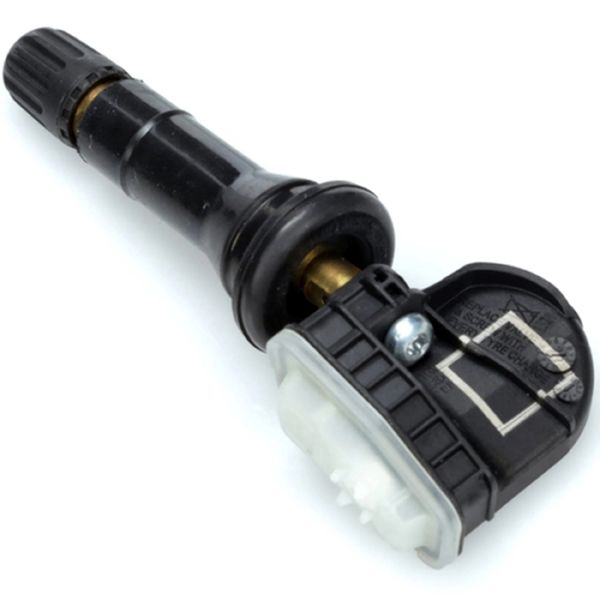
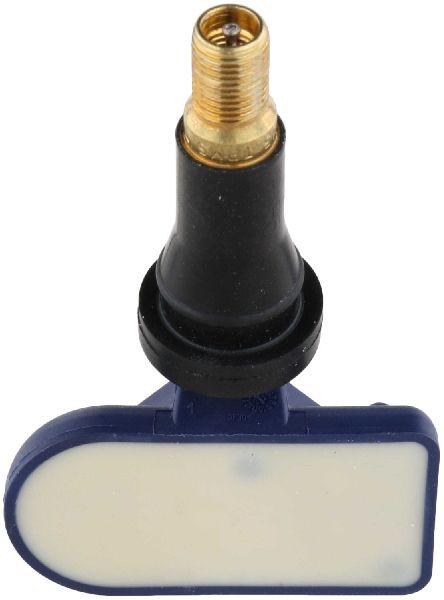
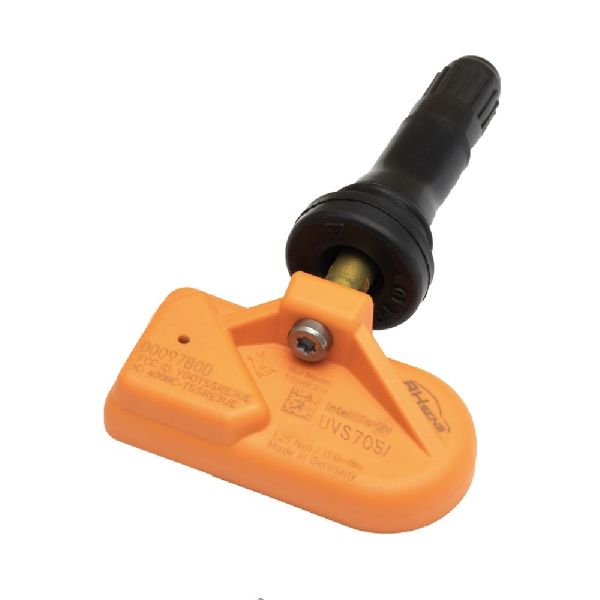
- TPMS Sensor (2015-2020, 315 MHz)
(OEM #13586335 / 13598772 / 13516164)— The internal, non-replaceable battery in the sensor is the most common reason for TPMS system failure. When the battery dies, the sensor stops transmitting, requiring replacement.
Trusted brands: ACDelco, Schrader, Standard Motor Products, Dorman
OEM price range: $60-$100
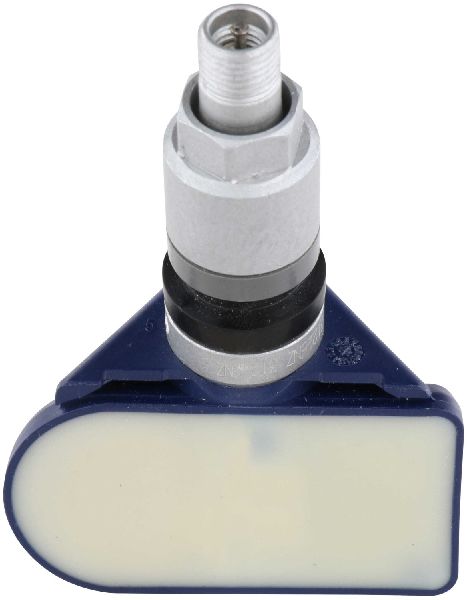
Aftermarket price range: $25-$50 - TPMS Sensor (2021-2022, 433 MHz)
(OEM #86530815 / 13542523 / 84991144)— Required for the newer T1XX platform vehicles with the Global B electrical architecture. These sensors operate on a different frequency and are not compatible with older models.
Trusted brands: ACDelco, GM Genuine Parts
OEM price range: $30-$50
Aftermarket price range: $25-$45 - TPMS Relearn/Activation Tool — Required to trigger each sensor during the vehicle's stationary relearn procedure. This is a simple, low-cost tool specific to GM vehicles.
Trusted brands: VXDAS
Related Codes That Often Appear With This One
- C0750 — Indicates a fault with the Left Front TPMS sensor. Often seen when the RCDLR antenna is disconnected, as it struggles to receive signals from the farthest sensors.
- C0755 — Indicates a fault with the Right Front TPMS sensor.
- C0760 — Indicates a fault with the Left Rear TPMS sensor.
- C0765 — Indicates a fault with the Right Rear TPMS sensor. The right rear sensor is closest to the RCDLR, so if this code is present with the others, it points more strongly to a central module or antenna issue.
- B3055 — As per TSB #PIC5650M, this key-related security code can appear with C0775 in cases of RFI or a complex electrical issue causing stalling. [TSB #PIC5650M]
Technical Service Bulletins (TSBs) & Recalls
- PIC5650M: Stall concern with the security light coming on. Technician may find Diagnostic Trouble Codes B3055, B3060, B3935, C0750, C0755, C0760, C0765, and/or C0775. Later versions strongly point to RFI as the cause.
- 07-03-16-004D: Provides a general overview and diagnostic information for GM TPMS systems.
- 16-NA-396: Addresses intermittent key fob operation and TPMS issues related to the Remote Control Door Lock Receiver (RCDLR). Provides OEM part number for replacement.
- 16-NA-061 / PIT5446A: Details diagnosis for TPMS and key fob issues caused by a disconnected RCDLR antenna coax cable, with diagrams showing the potential disconnection points.
Platform-Specific Known Issues
- TSB #PIC5650M (and newer revisions): Documents that RFI from aftermarket electronics (chargers, LEDs) can cause C0775 along with security codes and stalling. The fix is to remove the interfering device, not replace parts.
- TSB #16-NA-396 / #16-NA-061: Notes that intermittent key fob operation, a "No Remote Detected" message, and TPMS codes can be caused by a disconnected coax antenna cable for the RCDLR or a faulty RCDLR module itself.
- RCDLR Location: On these full-size SUVs, the RCDLR module is located behind the interior trim in the driver's side rear D-pillar, making it susceptible to damage or loose connections if rear interior work has been performed.
Mechanic-Grade Diagnostic Values
- RCDLR Power Supply Voltage — expected: ~12.6V (Battery Voltage). Failure: Low or no voltage at the Red/White wire on the module connector suggests a blown fuse (often labeled DSM), or a break in the power wire.
- RCDLR Ground Circuit Resistance — expected: Less than 0.5 Ohms. Failure: High resistance between the Black/White wire on the module connector and a known-good chassis ground indicates a corroded, loose, or broken ground connection (check grounds G401/G402).
Hidden / Shadow Codes Worth Checking
- C0775 with symptom byte 00: Indicates the BCM has not learned any TPMS sensor IDs. This is typical after a module replacement before the initial learn procedure is performed. (see via A professional scan tool like the GM GDS2 can display symptom bytes along with the main DTC.)
Scan Tool Commands That Help
- GDS2 (GM Factory Scan Tool): Module Diagnostics -> Remote Control Door Lock Receiver -> Configuration / Reset Functions -> Add/Replace Key Fobs — This function is used to program new or existing key fobs to the RCDLR. Since the RCDLR handles both TPMS and keyless entry, ensuring fobs are correctly programmed is a valid diagnostic step when troubleshooting the module.
- GDS2 (GM Factory Scan Tool): RCDLR Replacement Setup — After physically replacing the RCDLR module, the new module must be programmed to the vehicle. A new, unprogrammed module will automatically set a C0775 code on the first ignition cycle until it is set up and the TPMS relearn is completed.
Wiring & Ground Locations
- RCDLR (Remote Control Door Lock Receiver) — Located behind the interior trim panel in the driver's side (left) D-pillar, above the rear wheel well.. This is the central module that receives signals from all TPMS sensors and key fobs. All wiring and antenna connections converge here, making it the primary location for diagnosis.
- RCDLR Antenna Amplifier Module — Typically located near the right rear quarter glass, between the RCDLR module and the glass-integrated antenna.. TSB 16-NA-061 identifies the coax cable connections at this amplifier as a common point of failure that can cause intermittent or total loss of TPMS signals.
- Grounds G401 / G402 — Chassis ground points located on the left rear corner of the frame.. These are the primary ground points for rear-body components, including the RCDLR. A poor ground connection here can cause intermittent module failure, leading to C0775 and other related codes.
Real Owner Repair Stories
- Tahoe Yukon Forum user 'Joseph Garcia' (2007 Yukon XL Denali (similar platform, demonstrates a key diagnostic pitfall)) — Service Tire Monitor System message. The TPMS relearn procedure would not initiate at all, failing even to learn the first (left front) sensor.
❌ Tried (didn't work) Scanning for codes, which did not point to a specific wheel sensor., Attempting the standard relearn procedure multiple times.
✅ What actually fixed it The right rear wheel speed sensor had failed. Even though the relearn process starts at the front left, the single failed sensor at the opposite corner of the vehicle prevented the RCDLR from entering learn mode correctly. Replacing the one bad sensor allowed the relearn procedure to complete successfully.
Model Year Variations Within This Range
- 2015-2020 (K2XX Platform): These models use a 315 MHz frequency for their TPMS sensors. The RCDLR antenna system, with its three common disconnection points (module, amplifier, glass), is a well-documented issue covered by TSB 16-NA-061.
- 2021-2022 (T1XX Platform): These models use the new Global B electrical architecture and require 433 MHz sensors (RPO XL8). They also may require the use of a newer special tool (EL-52545) to properly diagnose key fob and RCDLR issues, as the VIN is learned to the fob itself.
Helpful Videos

We Have This Part in Stock

The information in this article is provided for general reference and educational purposes only. Vehicle specifications, procedures, and part compatibility can vary by production date, trim level, and region. Always consult your vehicle's factory service manual and verify part numbers before purchasing or performing repairs. Safety-critical components such as airbags, seat belts, and braking systems should be installed by a qualified professional.
- Gmc YUKON:
- 🧭 Diagnostic Flowchart
- 🎬 Helpful Videos
- 🛍️ Shop This Part
- What's Unique About the 2015-2022 Gmc YUKON
- Symptoms You May Notice
- Most Likely Causes
- Rare But Worth Checking
- Diagnosis Steps
- Parts You'll Likely Need
- Related Codes That Often Appear With This One
- Technical Service Bulletins (TSBs) & Recalls
- Platform-Specific Known Issues
- Mechanic-Grade Diagnostic Values
- Hidden / Shadow Codes Worth Checking
- Scan Tool Commands That Help
- Wiring & Ground Locations
- Real Owner Repair Stories
- Model Year Variations Within This Range
- 🎟️ Get 5% Off