

C0800 on 2011-2015 Chevrolet Cruze: System Voltage Fault Causes and Fixes
On a 2011-2015 Cruze, code C0800 means a control module detected improper voltage (too high or too low). The most common cause is a faulty negative battery cable, a known issue covered by GM Special Coverage #14311. Other likely causes are a failing battery or alternator.
- C0800 on a 2011-2015 Cruze is almost always a power supply problem, not a failed module.
- The most likely culprit is the negative battery cable, which is a known defect covered by a GM Special Coverage program (#14311).
- Before replacing any expensive components like a power steering rack or ABS module, you must perform a full battery/charging system test and a voltage drop test on the negative cable.
- Symptoms can be widespread and intermittent, including power steering loss, ABS/StabiliTrak warnings, and flickering lights/radio.
- This code indicates a safety-critical fault; driving should be minimized until the power supply issue is resolved.
What's Unique About the 2011-2015 Chevrolet CRUZE

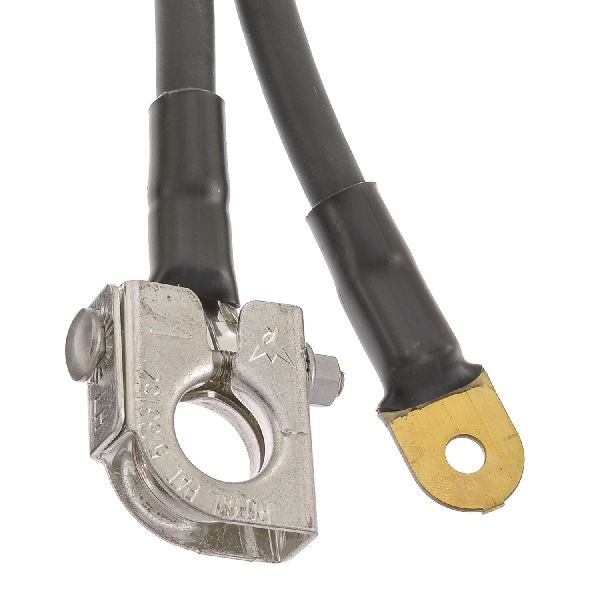
The first-generation Chevrolet Cruze is particularly susceptible to electrical issues that trigger a C0800 code, primarily due to a well-documented problem with the negative battery cable. General Motors issued a Special Coverage program (#14311) specifically for this component because an insufficient crimp on the terminal can lead to high internal resistance. This poor ground connection starves various modules of adequate power, causing widespread and intermittent electrical failures that are often misdiagnosed. The replacement cable was redesigned to use a bolt to fasten the small regulated voltage cable, correcting the original design flaw.
Diagnostic Flowchart

Tap your situation to follow the diagnostic path that matches what you're seeing on this vehicle.
Symptoms You May Notice

- Loss of power steering assist, making steering feel heavy or stiff.
- "Service StabiliTrak", "Service Traction System" 🎬 See how to diagnose these specific StabiliTrak and steering messages., or "Service Steering" messages on the Driver Information Center (DIC).
- ABS and Traction Control warning lights illuminated.
- Radio or HVAC display turning on and off intermittently.
- Interior and exterior lights flickering.
- "Battery Saver Active" message displayed.
- A clicking sound from the turn signals that is not audible to the driver.
- Replacing the Power Steering Rack/Module without checking the power supply.
- Replacing the EBCM/ABS module before verifying proper voltage and ground.
- Replacing the battery without testing the alternator and negative battery cable first.
- Replacing the radio due to intermittent power loss, when the root cause is the negative battery cable.
Most Likely Causes

- Faulty Negative Battery Cable 🔴 High Probability → Shop Vehicle Battery A known manufacturing defect with the terminal crimp causes high internal resistance. GM issued Special Coverage #14311 for this exact issue on 2011-2015 Cruzes.
How to confirm: Perform a voltage drop test from the negative battery post to a clean chassis ground point (like a strut tower bolt). With the engine off and high electrical load on (headlights, blower fan), the reading should be less than 0.2V. A reading of more than 200-300mV (0.2-0.3V) under load confirms a bad cable.
Typical fix: Replace the negative battery cable with the updated OEM part. This is a simple DIY job requiring a 10mm socket. The new cable design requires an M6x1.0 bolt to secure the smaller wire, which is not included with the cable. This repair is covered under Special Coverage #14311 for up to 10 years/120,000 miles from the vehicle's in-service date.
Est. part cost: $25-$50 - Failing Battery 🟡 Medium Probability → Shop Vehicle Battery
How to confirm: Test the battery with a digital load tester. A healthy battery should maintain voltage above 9.6V during the load test and have a static voltage of at least 12.4V. Many auto parts stores will test the battery for free. A battery that repeatedly dies overnight is a strong indicator, even if it tests 'good' after being charged.
Typical fix: Replace the battery. Ensure the new battery is fully charged before installation.
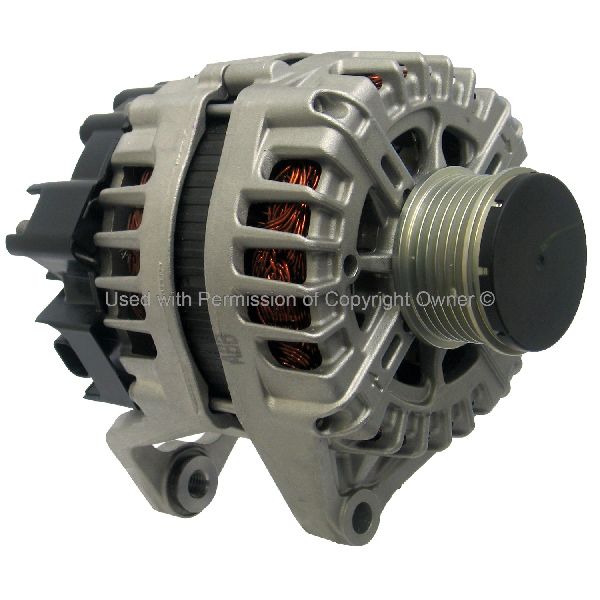
Est. part cost: $150-$250 - Faulty Alternator 🟡 Medium Probability → Shop Alternator
How to confirm: With the engine running, check the voltage at the battery terminals. It should be between 13.5V and 14.8V. If it's too low (undercharging) or too high (overcharging, above 15V), the alternator or its internal voltage regulator is likely faulty. Overcharging can cause a burning smell or a bulging battery case.
Typical fix: Replace the alternator.
Est. part cost: $200-$400 - Loose or Corroded Battery Terminals ⚪ Low Probability → Shop Vehicle Battery
How to confirm: Visually inspect the battery terminals for corrosion (white or blue powder) and physically check for tightness. Any movement indicates a poor connection. This check should be performed after any battery-related service.
Typical fix: Clean the battery posts and terminals with a wire brush and re-tighten the clamps securely. Use a terminal protector spray to prevent future corrosion.
Est. part cost: $1-$10
Rare But Worth Checking
- Faulty Electronic Brake Control Module (EBCM): → Shop ABS Control Module While rare, the module itself can fail. This should only be considered after all power and ground issues have been definitively ruled out, as it is an expensive part. The EBCM is located on the driver's side of the engine bay.
- Loose Power Steering Control Module (PSCM) Connector: → Shop Power Steering Control Module Connector A loose connection at the power steering module can cause intermittent voltage loss, specifically triggering power steering-related symptoms.
- Parasitic Battery Drain: → Shop Vehicle Battery If the battery dies overnight but the alternator and battery test good, a module may not be shutting down correctly, causing a parasitic drain. This requires a specific test using a multimeter in series with the negative battery cable to measure amperage draw with the vehicle off. The draw should drop below 50 milliamps after the vehicle enters sleep mode (approx. 30-45 minutes).
Diagnosis Steps
- Scan for codes in all modules, paying close attention to which module set the C0800 code (e.g., EBCM, PSCM). Note any other codes like B1325 or B1517.
- Check GM Special Coverage #14311 to see if the vehicle is eligible for a free negative battery cable replacement. This covers the vehicle for 10 years or 120,000 miles from its original in-service date.
- Perform a comprehensive battery and charging system test. Check static voltage (should be >12.4V), perform a load test on the battery, and verify alternator output voltage with the engine running (should be 13.5V-14.8V).
- CRITICAL FOR CRUZE: Perform a voltage drop test on the negative battery cable. 🎬 Watch: A quick guide on how to perform a voltage drop test. Connect a multimeter between the negative battery post and a clean chassis ground. With the engine off and high electrical load on (headlights, blower fan), the reading should be less than 0.2V. A higher reading confirms a bad cable.
- Inspect all power and ground connections, including the main fuse block (Mega Fuse) and the ground points for the EBCM and PSCM, for tightness and corrosion.
- If a C0800-07 (High Voltage) is present, suspect an overcharging alternator. If a C0800-03 (Low Voltage) is present, focus on the battery, cable resistance, or an undercharging alternator.
- If all power and ground circuits test good, follow GM's diagnostic procedure for the specific module that set the code, which may involve checking for a faulty module. TSB PIC6037 advises contacting GM Technical Assistance at this stage, indicating potential complexity.
Parts You'll Likely Need
- Negative Battery Cable
(OEM #95182283)— This is the most frequent cause due to a known manufacturing defect. It's the first part to suspect and test for this code on a Cruze.
Trusted brands: ACDelco, GM Genuine
OEM price range: $25-$50
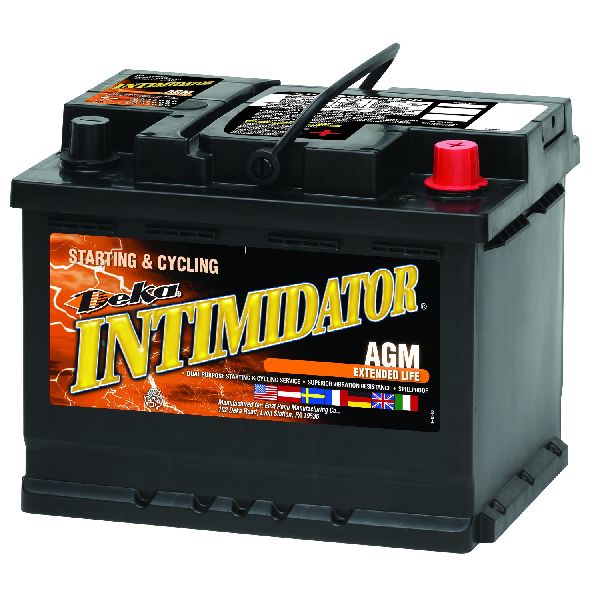
Aftermarket price range: $20-$40 - Battery — A weak or failing battery cannot maintain stable voltage, causing modules to set low voltage codes.
Trusted brands: ACDelco, DieHard, Interstate
OEM price range: $200-$275
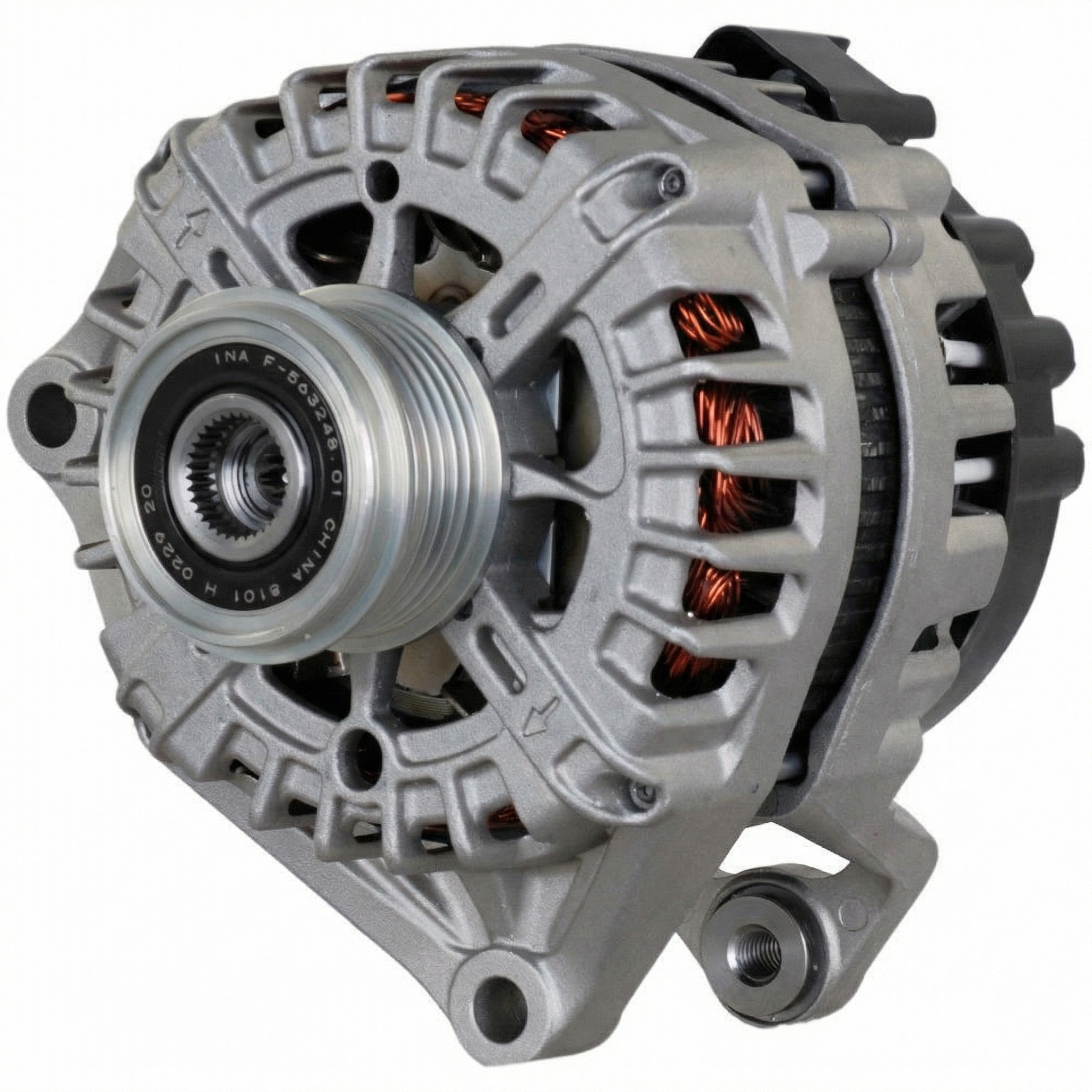
Aftermarket price range: $150-$250 - Alternator — A faulty alternator can cause either low voltage (undercharging) or high voltage (overcharging), both of which will trigger C0800.
Trusted brands: ACDelco, Denso, Bosch
OEM price range: $350-$500
Aftermarket price range: $200-$400
Related Codes That Often Appear With This One
- B1325 — This code also relates to system voltage issues (Device Power Circuit Voltage Below/Above Threshold) and is often set alongside C0800 due to the same root cause, as noted in TSB PI1398A.
- B1517 — Another system voltage-related code (Battery Voltage Outside Range) that frequently appears with C0800 and B1325, pointing to a systemic power supply problem.
Technical Service Bulletins (TSBs) & Recalls
- 14311 / 14311B (Special Coverage): Details the issue with the negative battery cable terminal clamp's insufficient crimp, leading to high resistance. Extends warranty coverage for its repl
Platform-Specific Known Issues
- GM Special Coverage #14311 was issued for an insufficient crimp on the negative battery cable for 2011-2015 Chevrolet Cruze models, which directly causes the conditions that set code C0800.
- The replacement negative battery cable requires a separate M6x1.0 bolt for the smaller wire, which is a change from the original stud-and-nut design and is often not included with the new cable.
Mechanic-Grade Diagnostic Values
- EBCM System Voltage (Key On) — expected: 9-17 volts. Failure: Voltage below 9V or above 17V. A reading below 10.5V during initialization can also set the code.
- Parasitic Current Draw (after sleep mode) — expected: Less than 50 milliamps (0.050A). Failure: A sustained reading significantly higher than 50mA after the vehicle has been off for 30-45 minutes.
- EBCM Battery Positive Voltage Circuit Test — expected: Battery Voltage (approx. 12.6V engine off, 13.5-14.8V engine on). Failure: Voltage reading significantly lower than battery voltage, indicating high resistance in the power feed wire.
Hidden / Shadow Codes Worth Checking
- C0800-03: Control Module Power Circuit - Low Voltage. This indicates the module detected system voltage below approximately 9V for 5 seconds. (see via A professional-level scan tool like the GM GDS2/Tech2 is required to see these symptom-byte sub-codes.)
- C0800-07: Control Module Power Circuit - High Voltage. This indicates the module detected system voltage above approximately 17-18V for 5 seconds. (see via A professional-level scan tool like the GM GDS2/Tech2 is required to see these symptom-byte sub-codes.)
Scan Tool Commands That Help
- GM GDS2/Tech2: Module-Specific DTC Information — This is the first step to determine which specific module (e.g., EBCM, PSCM, BCM) has set the C0800 code. The diagnostic path changes depending on the reporting module.
- GM GDS2/Tech2: Live Data > EBCM Data Display > Battery Positive Voltage — To observe the voltage being received by the Electronic Brake Control Module in real-time. This can be monitored while performing a wiggle test on the harness to check for intermittent connections.
Wiring & Ground Locations
- G103 — On the cowl at the left rear of the engine compartment, above the brake booster.. This is a major ground point for the Body Control Module (BCM), Instrument Panel Cluster (IPC), and Radio. A fault here can cause many of the intermittent electrical symptoms associated with C0800.
- G105 — Left front corner of the engine compartment.. Provides a ground path for various components in the engine bay. While not the primary ground for the EBCM, ensuring it's clean and tight is part of good diagnostic practice for system-wide voltage issues.
- EBCM Connector (K17) — On the Electronic Brake Control Module, located on the driver's side of the engine bay attached to the ABS hydraulic unit.. This is the main connector for the EBCM. Pin 1 (Red/Violet wire) is the main Battery Positive Voltage feed, and Pin 25 (Black wire) is the primary ground. These pins must be tested directly for voltage and ground integrity.
- Underhood Fuse Block — Driver's side of the engine bay, near the battery.. Contains fuses critical for the Engine Control Module (ECM), such as F2 and F10. A poor connection or corroded terminal at this fuse block can cause system-wide voltage issues.
Real Owner Repair Stories
- CruzeTalk Forum Member (2012 Chevrolet Cruze) — Service Stabilitrak light, Service Power Steering light, ABS and Traction Control lights on, radio cutting out.
❌ Tried (didn't work) Initial diagnosis pointed towards various modules, but no parts were replaced before the correct fix was identified.
✅ What actually fixed it The owner performed a voltage drop test on the negative battery cable which showed high resistance. Replacing the negative battery cable with the updated part resolved all symptoms and cleared the C0800 code.
OEM Part Supersession History
Unknown/Varies by year→95182283 (ACDelco 19330149)— The original negative battery cable design had an insufficient crimp for the smaller secondary wire, leading to high resistance. The updated part uses a more secure ring terminal and bolt design.
Heads up: The new cable requires a separate M6x1.0 bolt to attach the small wire's ring terminal, which is not included with the cable and differs from the original stud/nut design.
Model Year Variations Within This Range
- 2011-2016 (Limited): While the C0800 code and its primary cause (negative battery cable) apply to the whole generation, the Body Control Module (BCM) part numbers changed several times (e.g., 13586278 was superseded by 13585674). If the BCM is suspected, the correct part number for the specific VIN must be used. A used BCM cannot be reprogrammed with a scan tool and requires direct EEPROM flashing.
Helpful Videos
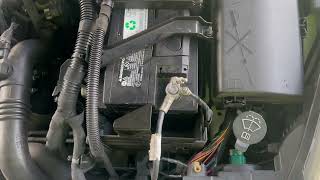
Used OEM Parts in Stock
New Aftermarket Parts Available


The information in this article is provided for general reference and educational purposes only. Vehicle specifications, procedures, and part compatibility can vary by production date, trim level, and region. Always consult your vehicle's factory service manual and verify part numbers before purchasing or performing repairs. Safety-critical components such as airbags, seat belts, and braking systems should be installed by a qualified professional.
- Chevrolet CRUZE:
- 🧭 Diagnostic Flowchart
- 🎬 Helpful Videos
- 🛍️ Shop This Part
- What's Unique About the 2011-2015 Chevrolet CRUZE
- Symptoms You May Notice
- Most Likely Causes
- Rare But Worth Checking
- Diagnosis Steps
- Parts You'll Likely Need
- Related Codes That Often Appear With This One
- Technical Service Bulletins (TSBs) & Recalls
- Platform-Specific Known Issues
- Mechanic-Grade Diagnostic Values
- Hidden / Shadow Codes Worth Checking
- Scan Tool Commands That Help
- Wiring & Ground Locations
- Real Owner Repair Stories
- OEM Part Supersession History
- Model Year Variations Within This Range
- 🎟️ Get 5% Off