

OBD-II Code C1001: Vision System / Camera Fault
What C1001 means, why it triggers, and how to fix it
- Read the two-digit sub-code (like :01 or :92) using an advanced OBD-II scanner to pinpoint whether the fault is a blocked lens, a broken wire, or a software bug.
- For Mazda vehicles, clear a C1001:92 code for $0 by thoroughly cleaning the windshield in front of the rearview mirror and running the defroster for 10 minutes.
- On 2015-2017 Ford Mustangs, fix a solid blue backup camera screen by inspecting the right-side trunk hinge wiring harness for severed wires, a repair covered for free under recall 22S06.
- Never replace a camera module after a windshield replacement without first paying $250-$500 for a professional ADAS recalibration, as skipping this step guarantees a C1001 code.
What Does C1001 Mean?
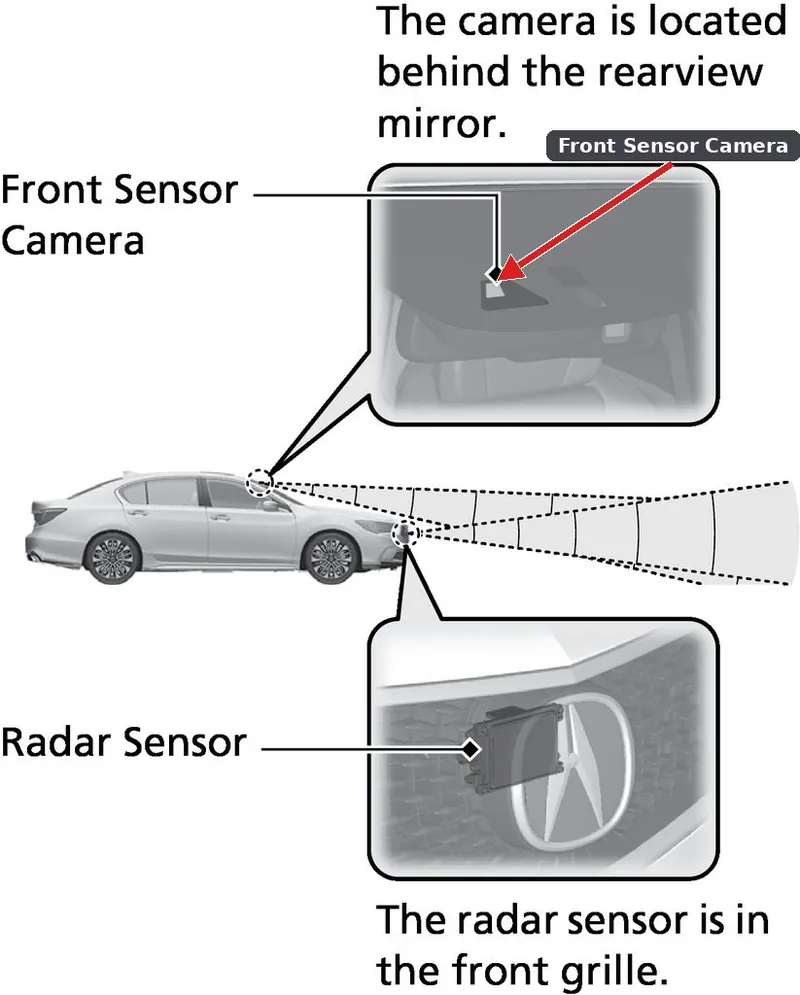
The C1001 code meaning changes depending on your car's brand. For Ford vehicles, it signals a general electrical failure in a camera system, usually the backup or forward-facing camera. For Mazda vehicles, it means the forward-facing safety camera's view is blocked or unclear, disabling i-ACTIVSENSE driver-assist features. For Nissan, it points to a fault with the laser/radar distance sensor used for Intelligent Cruise Control, not a camera.
Technical definition: There is no universal SAE/ISO definition for C1001. Manufacturers assign its meaning. The most common definitions are: * **Ford:** Vision System Camera General Electrical Failure. Often accompanied by sub-codes like :01 (General Electrical Failure), :31 (No Signal), :54 (Missing Calibration), or :78 (Alignment Incorrect). * **Mazda:** Forward Sensing Camera (FSC) poor field of view. Commonly seen with sub-code :92 (Performance Or Incorrect Operation) or :97 (Component Or System Obstructed Or Blocked). * **Nissan:** Laser/Radar Distance Sensor Malfunction. Indicates a problem with the cruise control distance sensor. * **Toyota:** Front Camera Incorrectly Calibrated. Often appears after a windshield replacement if the mandatory camera aiming procedure was skipped.
Can I Drive With C1001?
Yes, But With Caution. Yes, the vehicle is mechanically safe to drive, but critical safety systems are disabled. Features like automatic emergency braking, forward collision warning, and lane-keeping assist rely on the camera. Studies show these Advanced Driver-Assistance Systems (ADAS) prevent approximately 40% of crashes and 29% of fatalities. Driving with these systems disabled significantly increases your collision risk.
Common Causes

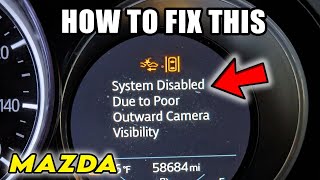
- Obstructed Camera View (Dirt or Weather - Primarily Mazda) (Very Common) — On Mazda vehicles, the most common cause is a blocked forward-facing camera. This includes dirt, bugs, snow, fog, condensation, or driving directly into low sun glare. Mazda considers this normal operation, and the system recovers when conditions improve. 🎬 See how to clear the Mazda poor camera visibility warning.
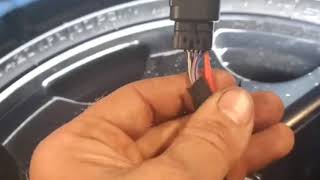
- Damaged or Loose Wiring Harness (Primarily Ford Mustang) (Very Common) — On the 2015-2017 Ford Mustang, wires in the right-side trunk lid harness break from repeated opening and closing. This severs the camera connection and is addressed by Ford safety recall 22S06. 🎬 Watch: How to repair the Mustang trunk lid wiring harness.
- Damaged or Loose Coaxial Cable (Primarily Ford F-150/Mach-E) (Common) — On the 2021-2023 Ford F-150 and Mustang Mach-E, loose coaxial cable connections behind the dashboard or near the camera cause signal loss. These cables are fragile and easily damaged if bent too sharply during service.
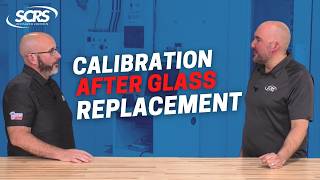
- Improper Windshield Replacement (Missing Calibration) (Common) — If the windshield was recently replaced, the forward camera requires mandatory recalibration to aim it correctly. Skipping this procedure guarantees a fault code on brands like Mazda and Toyota. 🎬 Watch: Why your new windshield requires a camera recalibration.
- Control Module Software Issue (Primarily Ford) (Common) — On vehicles like the 2021-2023 Ford F-150 and Mustang Mach-E, a software bug in the Image Processing Module A (IPMA) triggers this code (specifically sub-codes :54 and :78). This requires a dealer software update outlined in TSB 23-2040.
- Failed Camera Module (Less Common) — The camera module itself fails due to internal corrosion from moisture intrusion or a general electronic failure. On the 2015-2017 Mustang, some factory cameras suffered from improperly soldered circuit boards.
- Improperly Seated Service Disconnect (Ford Mustang Mach-E) (Uncommon) — On the Mustang Mach-E, an improperly seated Low Voltage Service Disconnect (LVSD) causes C1001 and other electrical DTCs immediately after service. This physical plug must be checked before complex diagnostics.
- Low Battery Voltage (Uncommon) — A weak 12V battery causes low voltage conditions that lead to unpredictable behavior from electronic modules, including the IPMA and APIM, triggering a C1001 code.
- Faulty APIM/SYNC Module (Rare) — The Accessory Protocol Interface Module (APIM), which controls the main infotainment screen, fails internally. This is the last consideration after ruling out all wiring, software, and camera issues.
Symptoms
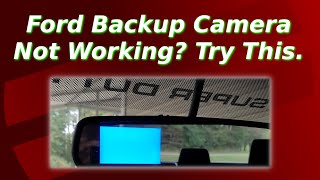
- Backup Camera Unavailable (Blue/Black Screen) — The infotainment screen displays a solid blue or black screen, or a "Camera is unavailable" message when the vehicle is in reverse. This is the primary symptom on Ford vehicles.
- Driver-Assist Warning Lights and Disabled Features — Dashboard messages appear, such as "Forward Smart City Brake Support Malfunction" or "Front Camera Fault." Systems relying on the camera, like automatic emergency braking and lane-keep assist, stop functioning.
- Intermittent or Flickering Camera Image — The camera feed cuts in and out, flickers, or appears upside down, indicating a loose connection or a wire that is beginning to break.
- Trunk Electrical and Radio Issues (Ford Mustang) — On 2015-2017 Mustangs, because the camera wiring shares a harness with other components, the trunk light, electric trunk release, and satellite radio reception fail simultaneously.
Diagnostic Flowchart
Tap your situation to follow the diagnostic path that matches what you're seeing on this code.
Common Fixes & Costs
- Clean Windshield / Camera Lens — Parts: $0, Labor: $0, ~0.1 hr book time (DIY)
- Repair Trunk Lid Wiring Harness (Ford Mustang) — Parts: $10-$30, Labor: $150-$300, ~1.5 hr book time (Intermediate)
- Reseat or Replace Coaxial Camera Cable (Ford F-150) — Parts: $50-$150, Labor: $200-$600, ~3.5 hr book time (Professional)
- Forward Camera Recalibration — Parts: $0, Labor: $250-$500, ~1.5 hr book time (Professional)
- Control Module Software Update (Dealer Service) — Parts: $0, Labor: $150-$250, ~1 hr book time (Professional)
- Replace Camera Module — Parts: $100-$800, Labor: $100-$250, ~1.5 hr book time (Intermediate)
Used vs. New Parts: Buying Guide
When a used part is worth it: For a simple backup camera on an older, out-of-warranty vehicle where a new OEM part is prohibitive, a used camera from a reputable salvage yard is cost-effective. Never use a secondhand part for safety-critical forward-facing ADAS cameras.
Donor-vehicle mileage cap: roughly under 60000 miles for the part to have meaningful remaining life.
Donor quality checklist:
- Verify the part number matches exactly.
- Ensure the donor vehicle was not involved in a collision that damaged the camera or its mounting points.
- Visually inspect the lens for scratches and the connectors for corrosion or damage.
Decision logic:
- If The part is a forward-facing ADAS camera for any vehicle → Buy new OEM or a certified aftermarket equivalent. The risk of a used part failing or causing calibration issues is too high for a critical safety system.
- If The part is a backup camera for a vehicle >100K miles and a new OEM part costs >$400 → A used part is an acceptable risk to restore functionality, but be prepared for potential programming needs.
- If The part is a wiring harness repair section → New wire and connectors are always preferable to splicing in a used section of harness, which has its own age-related issues.
Warranty tradeoff: Used parts typically have a 30-90 day warranty at best. New aftermarket parts carry a 1-year to limited lifetime warranty. New OEM parts have a 1-2 year warranty. Labor for a failed used part is not covered.
Worst-case if a used part fails: $300-600 if a used camera fails after installation, requiring repeat labor and the purchase of another part.
What Happens If You Wait — Timeline
- 0-3 months: For a wiring fault (e.g., Mustang trunk harness), the camera feed flickers intermittently. The image cuts out when opening/closing the trunk or hitting bumps. The C1001 code stores but may not trigger a constant warning light. (MPG impact: 0%% · Added cost: $0)
- 3-6 months: The frayed wire breaks completely. The camera feed is permanently unavailable, showing a blue or black screen. The 'Camera Unavailable' warning is constant. Other components in the same harness (e.g., trunk light, trunk release) fail. (MPG impact: 0%% · Added cost: $0, but safety is compromised and the risk of a low-speed backing collision increases significantly.)
- 6-12 months: The broken ends of the wires in the harness are exposed. Moisture and road salt enter the harness, causing corrosion on the copper wires that travels down the harness. (MPG impact: 0%% · Added cost: $50-$150. The repair becomes more complex, requiring more of the harness to be cut back and replaced due to corrosion.)
- 12+ months: Severe corrosion causes wires to short to each other or the chassis. This blows fuses, damages control modules (IPMA/APIM), and creates unpredictable electrical problems. A simple harness repair is no longer possible. (MPG impact: 0%% · Added cost: $500 - $1,800+. The cost escalates to replacing the entire trunk harness or a damaged control module.)
Cost of Not Fixing It
- Immediately: Key safety systems like Automatic Emergency Braking (AEB), Forward Collision Warning (FCW), and Lane-Keeping Assist are disabled. The risk of a preventable collision increases significantly. (Added cost: No direct financial cost, but the safety value of the vehicle is compromised.)
- 0-6 months: Continued driving without functional ADAS normalizes a higher-risk driving state. An IIHS study found that FCW with AEB reduces rear-end crashes by 50%. The cost of not fixing the issue is the full expense of an at-fault collision. (Added cost: $500 - $20,000+)
- 6+ months: For issues caused by wiring, moisture enters the damaged harness and leads to corrosion, causing shorts that affect unrelated systems and making the eventual repair more complex. (Added cost: $200 - $800 in added repair complexity.)
Diagnosis Steps

- Read the Full Diagnostic Code with Sub-Code
Use an OBD-II scanner to read the two-digit sub-code (e.g., :92 on a Mazda or :01 on a Ford). This specifies the exact nature of the fault ('poor field of view' vs. 'general electrical failure') and dictates the entire diagnostic path.
Tools: OBD-II Scanner with Sub-Code Capability - Inspect and Clean the Camera's View
For vehicles with a forward-facing camera, thoroughly clean the inside and outside of the windshield in front of the rearview mirror. Run the defroster on high for 10 minutes to clear any internal condensation.
Tools: Glass cleaner, microfiber towel - Check for Technical Service Bulletins (TSBs) and Recalls
Search online for TSBs or recalls related to code C1001 for your specific VIN. Manufacturers release bulletins for known issues, providing a direct solution like a wiring repair (Mustang Recall 22S06) or a software update (Ford TSB 23-2040).
Tools: Internet access, Vehicle VIN - Perform a System Hard Reset
[Pro Tip] Disconnect the negative terminal of the 12V battery for 15-20 minutes. This resolves temporary software glitches within the control modules and clears the code.
Tools: 10mm wrench or socket - Inspect Common Wiring Failure Points (Primarily Ford)
On a 2015-2017 Mustang, open the trunk and peel back the fabric cover over the wiring harness on the right hinge to find broken wires. On a 2021-2023 F-150 or Mach-E, inspect the coaxial cable connections at the back of the main screen (APIM) and at the camera module (IPMA).
Tools: Flashlight, Trim removal tools - Perform a "Wiggle Test"
With the camera screen active, gently wiggle the wiring harness and connectors. If the image flickers or the fault status changes, you have confirmed an intermittent connection that requires repair.
Tools: Hands, active infotainment screen - Check Coaxial Cable Integrity
[Pro Tip] Visually inspect the coaxial video cable for sharp kinks or damage, especially near the headliner after a windshield replacement. A bend radius tighter than 90 degrees over 1.2 inches causes internal damage and signal loss.
Tools: Flashlight, Trim removal tools - Test Camera Circuit for Power and Ground
[Pro Tip] Unplug the camera and test its connector. Check for battery voltage on the power pin with the key on. Check for continuity to ground (less than 1.0 ohm) on the ground pin. A lack of power or ground points to an upstream wiring issue.
Tools: Multimeter, Vehicle-Specific Wiring Diagram (Advanced) - Monitor Live Data PIDs (Professional)
Monitor live data from the IPMA and APIM. Look for PIDs related to camera status, voltage, and communication. A 'Camera Status: Fault' PID, combined with the sub-code, confirms a loss of signal, calibration error, or internal module fault.
Tools: Professional OBD-II Scan Tool (e.g., Ford FDRS, Mazda M-MDS) (Advanced) - Verify Module Communication and Reset (Professional)
Check for communication between the APIM, IPMA, and the camera. If a module was replaced or a wiring repair performed, execute the "Reset the Image Processing Module A (IPMA) Learned Values" function, followed by a camera alignment procedure.
Tools: Professional OBD-II Scan Tool (Advanced)
When This Code Triggers (Freeze-Frame Conditions)
- ADAS System Status: Active/Enabled (The code sets when a feature like Lane Departure Warning or Adaptive Cruise Control is actively in use.)
- Vehicle Speed: >12 mph (Many ADAS features only activate above a minimum speed. Mazda systems check for faults when speed exceeds 20 km/h (12 mph).)
- Time Since Ignition On: 1-5 minutes (The fault appears shortly after starting the vehicle as the system performs its initial self-checks.)
- Weather/Lighting (Mazda): Error (Freeze frame data indicates an environmental fault, such as heavy rain, fog, or direct sun glare, which the system logs as a temporary obstruction.)
Related Codes
- B115E — On Ford vehicles, this code isolates the fault. If you have C1001 in the APIM (SYNC Module) but no other codes, the issue is between the APIM and the IPMA. If you have both C1001 and B115E (in the IPMA), the fault is between the IPMA and the camera itself.
- U3000 — This code indicates a control module issue. A U3000:49 (Internal Electronic Failure) points to a failed IPMA module. A U3000:89 (Invalid/Incompatible Configuration) suggests a software or connection problem fixed by a re-flash or cable repair.
- B14F0 — On newer Mazda vehicles, this code is cited in TSBs alongside C1001 and points to the same issue: a temporary visibility problem with the forward camera.
- C1001:97 — A specific sub-code for Mazda, :97 means 'Component Or System Obstructed Or Blocked'. It serves the same function as the :92 sub-code but sets when the camera detects a direct blockage for a set period.
Climate & Environmental Factors
- High Humidity / Cold Weather: On Mazda vehicles, humidity causes condensation to form on the inside of the windshield, obstructing the camera's view and triggering C1001:92. Running the defroster for 10 minutes resolves the issue.
- Low Sun Angle (Sunrise/Sunset): Driving directly into a low, bright sun overwhelms the camera's sensor, temporarily blinding it. This sets a C1001 code on Mazda vehicles, which clears when conditions change.
- Road Salt and Corrosion (Northern Climates): Exposure to road salt accelerates corrosion on exposed copper wire once insulation breaks (e.g., Ford Mustang trunk harness), leading to a rapid and permanent electrical failure.
- Extreme Temperature Cycles: Repeated cycling between extreme cold and heat makes wire insulation brittle over time. This contributes to trunk harness failures, where repeated flexing of brittle wires causes them to snap.
How to Talk to a Mechanic About This Code
Say this: "I have an OBD-II code C1001 related to the camera system. I'd like to schedule a diagnostic appointment. Based on the vehicle, the likely causes are a known wiring issue, a software update, or a calibration problem. Can you please check for relevant TSBs and confirm you have the necessary ADAS calibration equipment before starting the repair?"
This signals you are an informed consumer. It directs the shop away from immediately replacing expensive parts and toward the most common solutions. Mentioning TSBs and ADAS equipment vets the shop's capability to handle modern electronics.
Avoid saying:
- 'My backup camera is broken, just fix it.'
- 'The camera screen is blue, I probably need a new camera.'
- 'Just do whatever you think is best.'
Questions to ask before authorizing the repair:
- Did you find a specific sub-code (e.g., :01, :92, :54)? What does it point to?
- Was the problem a loose wire or connector, and if so, can you show me?
- If you are recommending a camera or module replacement, how did you rule out a wiring, software, or calibration issue?
- Does this repair require ADAS recalibration, and is the cost for that included in the quote?
- What is the warranty on this specific repair, including both parts and labor?
Where to Take It: Dealer vs Independent vs Chain
- Dealer:
Recommended for software-related faults or if the vehicle is still under warranty. Also a good choice for complex diagnostics after an independent shop fails.
Best for: Vehicles under warranty., Repairs requiring manufacturer-specific software updates (e.g., Ford TSB 23-2040)., Complex ADAS diagnostics where TSBs and known issues are critical.
Downsides: Highest labor rates., Less willing to perform simple wiring repairs versus replacing a full harness. (Typical cost: +50% vs. baseline) - Independent Shop:
Good fit, but you MUST verify they are equipped for ADAS service. Ask them directly: 'Do you have the targets and scan tools to perform an ADAS camera calibration for my specific vehicle?'
Best for: Out-of-warranty vehicles with well-documented physical faults (e.g., Ford Mustang trunk harness repair)., Post-windshield replacement recalibration, provided they have the right equipment.
Downsides: Shop must have and be trained on modern ADAS calibration equipment., Lacks access to the latest manufacturer software updates. (Typical cost: +0% vs. baseline) - Chain Shop:
Acceptable for windshield replacement with calibration. AVOID for diagnosing an existing C1001 code, as they rarely trace wiring or perform software updates.
Best for: Windshield replacement services, as they often have integrated calibration capabilities.
Downsides: Not equipped for in-depth electrical diagnosis beyond part replacement., High potential for misdiagnosis of a wiring or software issue as a 'bad camera'. (Typical cost: -10% vs. baseline)
When to Walk Away From the Repair
If the estimated repair cost for the ADAS system exceeds 40-50% of the car's current private-party value, and the car is otherwise drivable, weigh the cost against the value of the safety features.
- Car worth $5000, fix is $2200: Walk away. The cost to restore the safety systems is too high relative to the car's value. Consider selling the car 'as-is' with full disclosure of the issue.
- Car worth $25000, fix is $800: Fix it. The cost is a small fraction of the vehicle's value and restores critical safety functions.
- Car worth $8000, fix is $450: Fix it. This is a relatively inexpensive repair that significantly improves the vehicle's safety and usability.
What Scan Tool You Need for This Code
Minimum: A scanner that reads manufacturer-specific 'C' (Chassis) codes and their sub-codes.
A basic $20 code reader will not see 'C' codes, or it won't show the critical two-digit sub-code (e.g., :92 vs :01). Without the sub-code, diagnosis is pure guesswork.
Budget: BlueDriver Pro Scan Tool (~$100) — Reads manufacturer-specific codes and sub-codes for most major brands. It allows you to differentiate between a Mazda 'visibility' issue and a Ford 'electrical' issue.
Mid-range: Foxwell NT510 Elite (~$180) — Provides OE-level diagnostics for a specific car brand. It reads sub-codes and live data from the IPMA and APIM modules, and supports basic camera relearn procedures.
Professional: Autel MaxiCOM MK808 / MK906BT (~$500-1200) — Full bidirectional control to test module and camera functions. Performs advanced procedures like 'Reset Learned Values' and executes ADAS camera calibration when paired with Autel's ADAS frame.
Rent vs buy: For C1001, buying a budget or midrange scanner is a good investment. Free rental scanners at auto parts stores lack the ability to read the necessary sub-codes.
How to Clear the Code After You Fix It
- Use a compatible OBD-II scan tool to clear the C1001 fault code.
- For temporary issues (e.g., weather on a Mazda), the code clears on its own after the next ignition cycle in clear conditions.
- Perform a system-specific drive cycle to confirm the repair and allow the ADAS module to self-test.
Drive cycle (~15 minutes): After clearing the code, drive the vehicle on a road with clear lane markings. Activate the ADAS features (like Lane Keep Assist) and drive at a steady highway speed (e.g., 55 mph) for at least 5-10 minutes. For Mazda, driving over 12 mph for 3+ minutes verifies the fix.
Readiness monitors affected: None. C1001 is a Chassis code and does not affect the powertrain readiness monitors required for emissions testing.
Watch out for:
- Assuming the code is gone for good after clearing it. If the root cause is not fixed, the code returns as soon as the system's self-test runs again.
- Not performing the required calibration after replacing a camera or windshield, causing the code to return immediately.
Will This Fail Emissions / State Inspection?
No — by itself this code doesn't fail OBD inspection (but it can keep readiness monitors from setting, which causes a separate fail).
- California: A C1001 code does not cause a failure of the California Smog Check, which focuses on powertrain (P-codes) and emissions system readiness.
- New York: While it passes the OBD-II emissions test, an illuminated ADAS warning light fails the separate annual safety inspection, as the vehicle must be in safe operating condition.
- Texas: As of 2025, most non-commercial vehicles are exempt from annual safety inspections. The code does not cause a failure of the required emissions test in applicable counties.
Manufacturer-Specific Notes

- Ford: The code almost always points to a physical electrical fault (wiring) or a software bug, not a failed camera. Ford has issued multiple TSBs (TSB 23-2040, TSB 23-2146) and Safety Recall 22S06 for the 2015-2017 Mustang to address these specific issues.
- Mazda: The code (usually C1001:92 or :97) is a temporary condition caused by the camera's view being blocked. Mazda considers this normal operation, and the code clears itself once the windshield is clean. TSBs explicitly advise against replacing the camera.
- Toyota: For Toyota, C1001 is heavily associated with calibration. It appears if the front camera is disturbed (e.g., windshield replacement) and not recalibrated using specialized equipment.
- Nissan: Unlike other brands, C1001 on a Nissan frequently has nothing to do with a camera. It points to a fault in the laser or radar sensor for the adaptive cruise control system mounted in the front grille.
Real Owner Stories
2016 Ford Mustang at 75,000 miles - The Classic Trunk Harness Failure
The backup camera flickered, then went to a solid blue screen with a 'Camera is unavailable' message. Shortly after, the electric trunk release stopped working.
Outcome: Pulled back the harness cover near the right trunk hinge and found three wires completely severed. Spliced the broken wires using butt connectors and 5 inches of new 16-gauge wire to add slack. The repair took under an hour and cost $10. The camera and trunk release worked perfectly.
Lesson: On a 2015-2017 Mustang, a blue screen is almost certainly the trunk wiring harness, not the camera. Inspect the harness for broken wires before buying any parts.
2021 Mazda CX-5 at 30,000 miles - The 'Don't Panic' Environmental Fault
During a morning commute in humid weather, the dashboard displayed 'Forward Smart City Brake Support Malfunction' and 'Safety Systems Disabled' warnings. Code C1001:92 was stored.
Outcome: Learned the issue is caused by condensation on the windshield blocking the forward camera. Ran the front defroster on high for 10 minutes. After the next ignition cycle, the warnings disappeared permanently. The fix cost $0.
Lesson: On a Mazda, C1001:92 is a temporary environmental issue, not a broken part. Always try the free fix first: clean the windshield and use the defroster to clear fog before seeking repairs.
2022 Ford F-150 at 40,000 miles - The Misdiagnosis and Loose Connector
The backup camera showed a blue screen. An independent shop diagnosed a failed APIM (SYNC module) and quoted over $1,500 for a replacement.
Outcome: Removed the trim around the 12-inch screen, accessed the back of the APIM, and found the main blue coaxial connector was not fully seated. Pushed it in until it clicked. The camera worked perfectly. The fix was free and took 20 minutes.
Lesson: Do not accept a costly module replacement diagnosis for a C1001 code on a newer F-150. A loose coaxial cable at the APIM or IPMA is a well-documented issue fixed by reseating the connector.
2021 Ford Mustang Mach-E after service - The Unusual Root Cause
Immediately after routine service, the 'Front Camera Fault' warning appeared alongside unrelated electrical DTCs. Code C1001 was present.
Outcome: A technician checked the Low Voltage Service Disconnect (LVSD) plug under the hood. It had not been fully seated upon reassembly. Unplugging it and plugging it back in securely cleared all codes.
Lesson: On a Mach-E, if a C1001 code appears immediately after service, check the LVSD plug first. An improperly seated plug causes numerous confusing electrical faults.
How to Prevent This Code From Triggering
- Regularly Clean the Windshield Camera Area (Monthly or as needed) — On ADAS-equipped vehicles, especially Mazda, the windshield area in front of the camera must be kept spotless inside and out. Dirt or haze obstructs the camera's view, triggering a C1001 fault.
- Protect Vulnerable Wiring Harnesses (Once, during a repair or inspection) — For known problem areas like the Mustang trunk harness, wrap the section in high-quality fabric harness tape or a protective braided sleeve to resist abrasion and add strain relief.
- Apply Dielectric Grease to Connectors (During any camera or wiring repair) — Applying dielectric grease to connector pins and seals blocks moisture and prevents corrosion, stopping intermittent signals and future electrical failures.
- Insist on Calibration After Windshield Replacement (Every windshield replacement) — Always use a glass shop that performs the required static and dynamic ADAS calibration. Skipping this step guarantees a fault code and leaves you with malfunctioning safety systems.
- Be Aware of Environmental Triggers (During adverse weather) — Understanding that heavy rain, fog, or sun glare causes temporary faults prevents unnecessary service visits. Using the defroster in humid weather is a key preventive step.
Frequently Asked Questions
Why did the C1001 code appear during a storm or when the sun was low?
On many Mazda vehicles, this is normal. Heavy rain, fog, or direct sun glare temporarily blinds the forward camera, causing it to shut down and log a C1001 code as a precaution. The system resumes working when conditions improve.
My backup camera screen is blue. Is that a C1001 code?
Yes, on Ford vehicles, a blue or black screen when in reverse is the primary symptom of a C1001 fault. It means the display module (APIM/SYNC) is powered on but receives no signal from the camera.
What's the most common misdiagnosis for a C1001 on a Ford?
A common mistake is replacing the camera or the expensive APIM (SYNC) module when the actual problem is a broken wire or loose connector. On a 2015-2017 Mustang, the trunk wiring harness is almost always the culprit, not the camera itself.
My camera sometimes works and sometimes doesn't. What does that mean?
An intermittent camera (flickering, upside-down image, or sporadic operation) is a classic symptom of a loose connection or a frayed wire making intermittent contact. Performing a "wiggle test" on the main harness and connectors while the camera is on pinpoints the fault location.
Can I fix a C1001 code myself?
Sometimes. If the cause is a dirty windshield on a Mazda, the fix is a simple cleaning. If it is a broken wire in the trunk harness of a Ford Mustang, it is a DIY-friendly repair for those with basic wiring skills.
Why did C1001 appear right after a windshield replacement?
The forward-facing camera mounts to the windshield and requires recalibration after replacement to ensure correct aiming. Failure to perform this mandatory calibration is the primary reason the C1001 code appears on brands like Mazda and Toyota.
What is a sub-code and why is it important for C1001?
A sub-code is a two-digit number after the main code (like C1001:92) that provides a specific reason for the fault. It reveals if you have a blocked camera (:92), a general electrical failure (:01), a missing calibration (:54), or a no signal fault (:31). This extra detail tells you exactly where to start your diagnosis.
Can a weak car battery cause a C1001 code?
Yes. A failing battery causes low voltage across the vehicle's electrical system, leading to unpredictable errors in sensitive electronic modules like the camera and its control units.
What is an IPMA module?
IPMA stands for Image Processing Module A. It is the computer that analyzes the video feed from the cameras to operate driver-assist systems like lane-keeping and pre-collision assist. Many C1001 faults on Ford vehicles relate directly to the IPMA or its wiring.
Key Takeaways
- Read the two-digit sub-code (like :01 or :92) using an advanced OBD-II scanner to pinpoint whether the fault is a blocked lens, a broken wire, or a software bug.
- For Mazda vehicles, clear a C1001:92 code for $0 by thoroughly cleaning the windshield in front of the rearview mirror and running the defroster for 10 minutes.
- On 2015-2017 Ford Mustangs, fix a solid blue backup camera screen by inspecting the right-side trunk hinge wiring harness for severed wires, a repair covered for free under recall 22S06.
- Never replace a camera module after a windshield replacement without first paying $250-$500 for a professional ADAS recalibration, as skipping this step guarantees a C1001 code.
Helpful Videos

Shop the Parts Behind C1001
Below are the parts most often responsible for code C1001, ranked by how frequently each one is the actual culprit (per the diagnosis above). Tap any to see what we have for your vehicle.



The information in this article is provided for general reference and educational purposes only. Vehicle specifications, procedures, and part compatibility can vary by production date, trim level, and region. Always consult your vehicle's factory service manual and verify part numbers before purchasing or performing repairs. Safety-critical components such as airbags, seat belts, and braking systems should be installed by a qualified professional.
- 🧭 Diagnostic Flowchart
- 🎬 Helpful Videos
- 🛍️ Shop This Part
- What Does C1001 Mean?
- Can I Drive With C1001?
- Common Causes
- Symptoms
- Common Fixes & Costs
- Used vs. New Parts: Buying Guide
- What Happens If You Wait — Timeline
- Cost of Not Fixing It
- Diagnosis Steps
- When This Code Triggers (Freeze-Frame Conditions)
- Related Codes
- Climate & Environmental Factors
- How to Talk to a Mechanic About This Code
- Where to Take It: Dealer vs Independent vs Chain
- When to Walk Away From the Repair
- What Scan Tool You Need for This Code
- How to Clear the Code After You Fix It
- Will This Fail Emissions / State Inspection?
- Manufacturer-Specific Notes
- Real Owner Stories
- 2016 Ford Mustang at 75,000 miles - The Classic Trunk Harness Failure
- 2021 Mazda CX-5 at 30,000 miles - The 'Don't Panic' Environmental Fault
- 2022 Ford F-150 at 40,000 miles - The Misdiagnosis and Loose Connector
- 2021 Ford Mustang Mach-E after service - The Unusual Root Cause
- How to Prevent This Code From Triggering
- Frequently Asked Questions
- Why did the C1001 code appear during a storm or when the sun was low?
- My backup camera screen is blue. Is that a C1001 code?
- What's the most common misdiagnosis for a C1001 on a Ford?
- My camera sometimes works and sometimes doesn't. What does that mean?
- Can I fix a C1001 code myself?
- Why did C1001 appear right after a windshield replacement?
- What is a sub-code and why is it important for C1001?
- Can a weak car battery cause a C1001 code?
- What is an IPMA module?
- Key Takeaways
- 🎟️ Get 5% Off