

OBD-II Code C1008: Brake Fluid Level Circuit High
What C1008 means, why it triggers, and how to fix it for good
- Code C1008 indicates an electrical open circuit or high voltage in the brake fluid level sensor circuit, not a low fluid condition.
- On 2007-2017 Jeep and Dodge vehicles, test the sensor's ground wire first; a broken ground near the driver's side fender causes over 50% of these codes.
- For 2021+ Ford F-150s and 2018+ Lincoln Navigators, stop diagnosing the brakes; C1008 points to a Power Running Board fault addressed in TSB SSM 50211.
- Perform a 2-minute jumper wire test at the sensor connector to instantly determine if the fault lies in the sensor itself or the vehicle's wiring harness.
- Never ignore this code, as it completely disables your Anti-lock Braking System (ABS) and increases your risk of skidding during emergency stops.
What Does C1008 Mean?

Trouble code C1008 means your vehicle's control module detects a voltage signal from the brake fluid level sensor that exceeds the specified maximum range. This indicates an electrical fault—specifically an open circuit or a short to voltage—in the monitoring circuit, not that the brake fluid itself is low.
Technical definition: The control module sets DTC C1008 when it detects the brake fluid level circuit voltage is greater than the expected threshold (typically above 4.9 volts) for a continuous duration (usually over five seconds). The module interprets this high voltage reading as an open circuit fault.
Can I Drive With C1008?
Yes, But With Caution. Yes, but with extreme caution. The C1008 code disables your Anti-lock Braking System (ABS) and deactivates traction and stability control. Your standard hydraulic brakes still function, but the risk of wheel lock-up and skidding during a panic stop increases significantly, especially on wet or gravel surfaces. Get the vehicle inspected immediately and avoid driving in adverse weather.
Common Causes

- Broken or Corroded Ground Wire (Common on CDJR) (Very Common) — On many Chrysler, Dodge, and Jeep vehicles, the ground wire for the sensor circuit breaks or corrodes where it attaches to the chassis, often near the driver's side shock tower. This open ground circuit is the primary cause of the C1008 code on these platforms.
- Faulty Brake Fluid Level Sensor (Very Common) — The sensor inside the brake fluid reservoir fails internally, creating high resistance or an open circuit. This sends an incorrect high-voltage signal to the computer.
- Incorrect Code Interpretation (Ford/Lincoln) (Vehicle Specific) — On 2021+ Ford F-150s and 2018+ Lincoln Navigators, this code is unrelated to the brake system. It indicates a fault in the Power Running Board (PRB) position sensor circuit, requiring a module software update.
- Damaged Signal Wiring or Corroded Connector (Common) — The wire carrying the signal from the sensor to the control module becomes cut or frayed, or the electrical connector suffers from moisture intrusion and pin corrosion. Both scenarios create an open circuit.
- Integral Sensor Failure (Requires Master Cylinder Replacement) (Less Common) — On specific vehicles, such as 2006-2013 Dodge Ram models, the brake fluid level sensor is integrated into the master cylinder reservoir and cannot be replaced separately. A failed sensor requires replacing the entire master cylinder assembly.
- Failing Control Module (TIPM/BCM) (Rare) — The control module's internal circuits fail, causing it to misread the signal from a perfectly good sensor and wiring harness. Consider this only after eliminating all wiring and sensor faults.
Symptoms

- Red 'BRAKE' Warning Light Illuminated — The primary red brake warning light on the dashboard illuminates and stays on continuously.
- ABS and Traction Control Disabled (Warning Lights On) — The vehicle's computer disables the ABS, traction control, and stability control as a safety measure. The corresponding yellow warning lights illuminate on the dash.
- Code Appears Immediately After Brake Service (also visible on scanner) — The code triggers if a technician leaves the sensor connector unplugged, fails to seat it correctly, or damages the wiring during a brake repair.
Diagnostic Flowchart

Tap your situation to follow the diagnostic path that matches what you're seeing on this code.
Common Fixes & Costs
- Repairing a Broken Ground Wire — Parts: $1-$15, Labor: $125-$250, ~1.5 hr book time (Intermediate)
- Replacing the Brake Fluid Level Sensor — Parts: $20-$110, Labor: $60-$100, ~0.7 hr book time (DIY)
- Replacing Master Cylinder and Reservoir Assembly — Parts: $150-$450, Labor: $175-$350, ~2.2 hr book time (Professional)
- Repairing Damaged Signal Wiring or Connector — Parts: $10-$30, Labor: $150-$350, ~2.0 hr book time (Professional)
- Reprogramming or Replacing the Control Module — Parts: $500-$1200, Labor: $150-$300, ~2.0 hr book time (Professional)
Used vs. New Parts: Buying Guide
When a used part is worth it: Buying a used standalone sensor rarely makes sense due to the low cost of new parts. Never buy a used master cylinder assembly, as it is a critical safety component with internal seals that degrade over time.
Donor-vehicle mileage cap: roughly under 50000 miles for the part to have meaningful remaining life.
Donor quality checklist:
- Ensure sensor connector pins are clean, straight, and free of corrosion.
- Verify the part number exactly, as different vehicle options change the component.
Decision logic:
- If The part is a standalone electronic sensor → Buy new. The small cost saving is not worth the risk of premature failure.
- If The part is a complete master cylinder assembly → Buy new (OEM or reputable aftermarket). The risk of a used part failing is too high for a critical brake component.
Warranty tradeoff: Used parts offer a 30-90 day warranty. New aftermarket parts provide a 1-year to limited lifetime warranty.
Worst-case if a used part fails: $300-600. A failed used master cylinder requires paying repeat labor costs plus the cost of another part.
What Happens If You Wait — Timeline
- Immediate: Code C1008 sets. The red 'BRAKE' and yellow 'ABS' lights illuminate. The computer disables ABS, traction control, and stability control. (MPG impact: 0%% · Added cost: $0)
- 0-6 months: The vehicle operates with a significant safety risk. The lack of ABS increases the likelihood of wheel lock-up and skidding during panic stops. (MPG impact: 0%% · Added cost: $0 - $500 (Potential insurance premium hike if an accident occurs))
- 6-12 months: If caused by a wiring fault, moisture and salt penetrate deeper into the harness. Corrosion spreads to adjacent wires, creating complex electrical problems. (MPG impact: 0%% · Added cost: $250 - $750 (Increased labor for complex wiring repair))
- 12+ months: The ultimate cost is realized in an accident that functional ABS could have prevented. Insurance companies may deny claims if safety systems were knowingly ignored. (MPG impact: 0%% · Added cost: $1,000 - $10,000+ (Accident-related damages and liability))
Cost of Not Fixing It
- Immediate: Loss of ABS, traction control, and stability control creates a significant safety risk during emergency braking or adverse weather. (Added cost: 0)
- 1-6 months: Moisture intrusion worsens wiring corrosion, potentially affecting other circuits in the same harness. (Added cost: $0 - $500)
- 6+ months: The risk of an accident that functional ABS could have mitigated becomes the primary financial and personal threat. (Added cost: Potentially thousands in accident-related damages)
Diagnosis Steps
- Verify Code and Fluid Level
Confirm C1008 is the active code using an OBD-II scanner. Inspect the brake fluid level in the master cylinder reservoir to ensure it sits at the 'MAX' line. While low fluid sets a different code (C1009), this is a mandatory safety check.
Tools: ['OBD-II Scanner'] - Pro Tip: Jumper Wire Test to Isolate Sensor
Unplug the sensor. Use a small jumper wire or paperclip to connect the signal and ground terminals together within the harness-side connector. Turn the ignition on and read the codes. If C1008 disappears and C1009 (Circuit Low) appears, the vehicle's wiring and module are perfect. The sensor is faulty and must be replaced.
Tools: ['Jumper Wire or Paperclip', 'OBD-II Scanner'] - Test the Ground Circuit
Set a multimeter to continuity (beep) or resistance (Ohms). Place one probe on the ground pin of the sensor's harness connector and the other on a clean chassis ground. A reading under 5.0 Ohms or a solid beep confirms a good ground. An 'OL' reading means the ground wire is broken—a highly common failure on Jeep, Dodge, and Chrysler models.
Tools: ['Digital Multimeter'] - Inspect Connector and Wiring
Meticulously inspect the sensor pins and harness connector terminals for green corrosion, bent pins, or pushed-out terminals. Trace the wiring harness from the sensor, looking for obvious damage, fraying, or breaks.
Tools: ['Flashlight'] - Check for a Short to Voltage
Turn the ignition on (engine off) with the sensor unplugged. Set the multimeter to DC Volts. Connect the black probe to ground and touch the red probe to the signal wire pin inside the harness connector. A reading above 5.2V indicates the signal wire is shorted to a power source and requires repair.
Tools: ['Digital Multimeter'] - Check for an Open in the Signal Wire
Turn the ignition off. Disconnect the harness connector at the control module. Measure the resistance of the signal wire from the sensor connector pin to the corresponding module connector pin. A reading of 'OL' indicates a broken signal wire.
Tools: ['Digital Multimeter'] - Test Sensor Internal Resistance
With the sensor unplugged, measure the resistance across its two pins. On many Chrysler/Dodge/Jeep vehicles, a good sensor reads between 900 and 1100 ohms. An 'OL' reading confirms an internal break. Simple float switches show 'OL' when full and low resistance (<10 Ohms) when low.
Tools: ['Digital Multimeter'] - Advanced: Verify Exact Voltage Thresholds
Use a professional scan tool to monitor the 'Brake Fluid Level Voltage' live data PID. With the sensor unplugged, voltage reads high (~5.0V). C1008 sets when this voltage remains above the threshold (e.g., > 4.9V for 5 seconds). Varying resistance at the connector with a potentiometer should change this live voltage, proving the circuit works.
Tools: ['Professional Scan Tool', 'Variable Resistor (Potentiometer)'] (Advanced)
When This Code Triggers (Freeze-Frame Conditions)
- System State: Ignition ON (The code sets during the ABS module's power-on self-test immediately after turning the ignition on.)
- Circuit Voltage: > 4.9 Volts (The module detects voltage on the signal circuit higher than the manufacturer's specified 5.0V reference threshold.)
- Fault Duration: 3-15 seconds (The high voltage condition persists for the manufacturer's programmed time limit before logging the code.)
- Vehicle Speed: 0 mph (The system detects this electrical fault before the vehicle moves.)
Related Codes
- C1009 — The direct counterpart, meaning 'Brake Fluid Level Circuit Low' (short to ground). Seeing both codes intermittently suggests a loose connector or chafed wire.
- C2200 — Means 'Anti-Lock Brake Module Internal Failure'. If the sensor, wiring, and ground test perfect, the fault lies within the ABS module.
- C100A — Refers to a 'Wheel Speed Sensor Circuit' fault. A C1008 disables the ABS but does not cause a C100A; they are distinct problems.
Climate & Environmental Factors
- Road Salt / High Humidity: Road salt mixed with moisture creates a corrosive slush that penetrates wiring looms and connectors. This directly causes the two most common faults: broken ground wires and corroded sensor pins.
- Cold Weather: Cold temperatures make wire insulation brittle and prone to cracking from engine vibration. These cracks allow salty moisture to enter, initiating corrosion.
How to Talk to a Mechanic About This Code
Say this: "I have an active C1008 code with the ABS and Brake lights on. I'd like to book an hour of diagnostic time to specifically test the brake fluid level sensor, its connector, and its ground circuit for continuity before replacing any major parts."
This directs the technician to the most likely and cheapest failures first (wiring/ground) and prevents them from immediately quoting an expensive master cylinder without proper electrical diagnosis.
Avoid saying:
- 'My ABS light is on, can you fix it?'
- 'Just replace the sensor.'
- 'I think I need a new master cylinder.'
Questions to ask before authorizing the repair:
- What were the results of the ground continuity test from the sensor connector to the chassis?
- Did you perform a jumper wire test to isolate the sensor from the wiring harness?
- If you recommend a new master cylinder, can you confirm the sensor is not sold separately for my VIN?
- For my 2021+ F-150, have you checked TSB 50211 for the power running board software update?
Where to Take It: Dealer vs Independent vs Chain
- Dealer:
Best for: Vehicles under warranty., 2021+ Ford F-150s or 2018+ Lincoln Navigators requiring a dealer-only software update (TSB SSM 50211)., Complex electrical issues where a TIPM is the confirmed failure.
Downsides: Highest labor rates., May default to replacing a whole assembly instead of attempting a wiring repair. (Typical cost: +50% vs. baseline) - Independent Shop:
Best fit for most vehicles, as a good independent shop efficiently diagnoses common wiring and sensor faults. The dealer is required for the specific Ford/Lincoln running board issue.
Best for: Out-of-warranty Chrysler, Dodge, and Jeep vehicles requiring ground wire or sensor diagnosis.
Downsides: Quality varies; ensure the shop has technicians experienced in electrical diagnosis. (Typical cost: +0% vs. baseline) - Chain Shop:
AVOID for initial diagnosis of a C1008 code, which requires specific electrical testing.
Best for: If you have already 100% diagnosed a bad, separate sensor and just need it replaced.
Downsides: Technician skill varies greatly., May lack advanced diagnostic tools for electrical troubleshooting, leading to misdiagnosis. (Typical cost: -10% vs. baseline)
When to Walk Away From the Repair
If the estimated repair cost exceeds 40-50% of the car's private-party value, consider selling or trading in the vehicle instead of repairing it.
- Car worth $4000, fix is $350: Fix it. This is a low-cost repair that resolves a critical safety issue.
- Car worth $3000, fix is $1400: Walk away. The repair cost is nearly 50% of the car's value.
- Car worth $15000, fix is $750: Fix it. The repair cost is a small fraction of the vehicle's value.
What Scan Tool You Need for This Code
Minimum: A scanner that reads and clears Anti-Lock Brake System (ABS) / Chassis (C-codes). A basic engine-only code reader will NOT see the C1008 code.
A standard $20 code reader only accesses powertrain (P-codes). C1008 is stored in the ABS module, requiring a more capable scanner to communicate with it.
Budget: BlueDriver Pro (~$100) — Connects to your smartphone, reads/clears ABS codes, and provides live data to see the 'Brake Fluid Level' voltage reported to the computer.
Mid-range: Foxwell NT510 Elite (~$180) — Provides OE-level diagnostics, reads/clears ABS codes, graphs live sensor data, and performs active tests to confirm circuit response.
Professional: Autel MaxiCOM MK808 / MK808BT (~$450-600) — Offers full system diagnostics, robust live data, and detailed service functions. Ideal for diagnosing complex electrical issues.
Rent vs buy: Auto parts stores scan codes for free, but their tools may not read ABS codes. Buying a budget ABS-capable scanner is a wise investment for DIY diagnosis.
How to Clear the Code After You Fix It
- Use an OBD-II scan tool to clear the C1008 code from the ABS module.
- Turn the ignition off, then back on. The ABS and brake warning lights should extinguish after the system's self-test.
- If lights remain, the fault persists. If they go out, proceed with a test drive.
Drive cycle (~15 minutes): A short test drive with several stops confirms the fix. The ABS module continuously monitors the circuit; if the repair is successful, the code will not return.
Readiness monitors affected: None
Watch out for:
- Disconnecting the battery does not clear the code from the ABS module's memory.
- If the underlying electrical fault remains, the code returns immediately on the next ignition cycle.
- Forgetting to plug the sensor back in guarantees the code persists.
Will This Fail Emissions / State Inspection?
No — by itself this code doesn't fail OBD inspection (but it can keep readiness monitors from setting, which causes a separate fail).
- California: An illuminated ABS or Brake warning light causes a failure of the mandatory safety inspection, though it does not affect the smog test.
- New York: An illuminated ABS warning light is grounds for failure of the annual safety inspection.
- Texas: A lit 'BRAKE' warning lamp causes a safety inspection failure. An 'ABS' lamp alone is not cause for rejection, but underlying issues may trigger other failures.
Most Commonly Affected Vehicles
- Jeep Patriot (2007-2017) — Extremely common. The primary cause is a broken ground wire located near the driver's side fender and shock tower.
- Dodge Ram 1500/2500/3500 (2006-2013) — The sensor is integral to the reservoir on many models, requiring replacement of the entire master cylinder assembly.
- Dodge Grand Caravan (2008-2020) — Commonly traced to an internal failure of the standalone brake fluid level sensor.
- Chrysler Town & Country (2008-2016) — Frequently triggered by an internal failure of the brake fluid level sensor. A resistance check is a key diagnostic step.
- Dodge Charger (2007-2010) — The Front Control Module (FCM) or TIPM monitors this circuit. Failures stem from the sensor, wiring, or ground circuit.
- Jeep Compass (2007-2017) — Shares the same platform and wiring design as the Patriot, making it equally susceptible to broken ground wires.
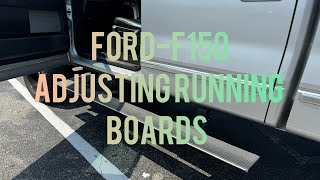
- Ford F-150 (2021-2024) — CRITICAL: This code indicates a fault with the 'Left Power Running Board Position/Motion Sensor', not the brakes. See TSB SSM 50211.
- Lincoln Navigator (2018-2024) — CRITICAL: C1008 points to a fault in the Power Running Board (PRB) system, not a brake fluid issue.
- Volkswagen Various Models (2009-2024) — Owners report flickering brake lights and fault codes due to frayed wiring at sensor connectors or a faulty sensor.
Manufacturer-Specific Notes
- Chrysler/Dodge/Jeep: The brake fluid level sensor's ground wire frequently breaks inside its insulation near the driver's side shock tower. A continuity test of the ground wire is essential before replacing parts.
- Ford/Lincoln: On 2021+ F-150s and 2018+ Navigators, C1008 refers to a fault with the 'Left Power Running Board Position/Motion Sensor'. Ford TSB SSM 50211 addresses this with a module reprogram.
- Jeep: Code 'C1008-54' indicates an A/C system fault ('Refrigerant Low Side Fluid Pressure Sensor Circuit Above Maximum Threshold'), not a brake system fault.
Real Owner Stories
2012 Jeep Patriot at 173K miles - The Classic Ground Wire Fix
The owner experienced a persistent red 'BRAKE' warning light. A code scan revealed C1008: Brake Fluid Level Circuit High.
Outcome: The owner located the broken ground wire in the harness near the driver's side fender, spliced in a new section of wire, and attached it to a solid chassis ground point. The brake light and C1008 code disappeared immediately.
Lesson: On a Jeep Patriot, Compass, or Dodge Caliber, always test the ground wire at the sensor connector first. The wire breaks internally from corrosion and vibration, making visual inspection unreliable.
2006 Dodge Ram 1500 at 128K miles - Misdiagnosis Leads to Master Cylinder
The ABS and Brake lights illuminated with intermittent C1008 and C1009 codes. The fluid level was full.
Outcome: The owner discovered the brake fluid level sensor is integral to the master cylinder reservoir on this specific model and cannot be purchased separately. They replaced the entire master cylinder assembly with an OEM part, resolving the codes.
Lesson: Verify if your specific vehicle uses a standalone sensor or an integrated unit. Integrated sensors require replacing the entire master cylinder, significantly changing the repair scope and cost.
2021 Ford F-150 - The 'Brake' Code That Isn't About Brakes
The owner of a new Ford F-150 received a C1008 code, but the brake system functioned perfectly with no warning lights.
Outcome: The owner learned C1008 indicates a fault with the 'Left Power Running Board Position/Motion Sensor' on this platform. The dealer performed a software update on the Driver Seat Module (DSM) to fix the erratic operation.
Lesson: Always verify the meaning of a DTC for your exact make, model, and year. On newer Ford trucks, C1008 is a running board issue, not a brake issue.
How to Prevent This Code From Triggering
- Apply Dielectric Grease to Connectors (During any brake service or every 2-3 years) — Applying non-conductive dielectric grease to the sensor connector's seal blocks moisture and road salt, preventing the pin corrosion that causes open circuits.
- Perform Regular Brake Fluid Flushes (Every 2-3 years or 30,000 miles) — Brake fluid absorbs moisture over time, causing internal corrosion. Maintaining a healthy hydraulic system prevents related component failures.
- Regularly Wash the Engine Bay and Undercarriage (Seasonally, especially after winter in 'Salt Belt' regions) — Washing away road salt reduces corrosive elements that attack wiring and ground points, preventing notorious ground wire failures.
Frequently Asked Questions
Can I just add brake fluid to fix a C1008 code?
No. C1008 is an electrical fault code for high circuit voltage, not a low fluid level indicator. Adding fluid will not resolve the underlying electrical issue.
Why might I need to replace the entire master cylinder for a sensor code?
On certain vehicles like 2006-2013 Dodge Rams, the sensor is built directly into the master cylinder reservoir. It is not sold separately. A failed sensor requires replacing the entire assembly.
I have a new Ford F-150 with a C1008 code but my brakes are fine. What's wrong?
On 2021+ Ford F-150s, C1008 indicates a fault with the Power Running Board system, not the brakes. Ford TSB SSM 50211 addresses this issue. The fix is usually a dealer-performed software update to the Driver Seat Module.
What is the most common misdiagnosis for code C1008?
For Chrysler/Dodge/Jeep, the biggest mistake is replacing the sensor without testing the ground wire, which frequently breaks near the driver's side fender. For newer Fords, the mistake is diagnosing the brake system instead of the power running boards.
How much does it cost to fix code C1008?
A simple ground wire repair costs $125-$250 at a shop. Replacing a standalone sensor runs $80-$210, while a full master cylinder replacement costs $325-$800.
Can a bad wheel speed sensor cause a C1008 code?
No. A bad wheel speed sensor triggers its own codes (like C100A) and disables ABS, but it does not cause a C1008 brake fluid level circuit code.
Why did this code appear right after I got new brakes?
The technician likely left the sensor unplugged or damaged the wiring harness during the repair. Take the vehicle back immediately for inspection.
Key Takeaways
- Code C1008 indicates an electrical open circuit or high voltage in the brake fluid level sensor circuit, not a low fluid condition.
- On 2007-2017 Jeep and Dodge vehicles, test the sensor's ground wire first; a broken ground near the driver's side fender causes over 50% of these codes.
- For 2021+ Ford F-150s and 2018+ Lincoln Navigators, stop diagnosing the brakes; C1008 points to a Power Running Board fault addressed in TSB SSM 50211.
- Perform a 2-minute jumper wire test at the sensor connector to instantly determine if the fault lies in the sensor itself or the vehicle's wiring harness.
- Never ignore this code, as it completely disables your Anti-lock Braking System (ABS) and increases your risk of skidding during emergency stops.
Helpful Videos
Shop the Parts Behind C1008
Below are the parts most often responsible for code C1008, ranked by how frequently each one is the actual culprit (per the diagnosis above). Tap any to see what we have for your vehicle.



The information in this article is provided for general reference and educational purposes only. Vehicle specifications, procedures, and part compatibility can vary by production date, trim level, and region. Always consult your vehicle's factory service manual and verify part numbers before purchasing or performing repairs. Safety-critical components such as airbags, seat belts, and braking systems should be installed by a qualified professional.
- 🧭 Diagnostic Flowchart
- 🎬 Helpful Videos
- 🛍️ Shop This Part
- What Does C1008 Mean?
- Can I Drive With C1008?
- Common Causes
- Symptoms
- Common Fixes & Costs
- Used vs. New Parts: Buying Guide
- What Happens If You Wait — Timeline
- Cost of Not Fixing It
- Diagnosis Steps
- When This Code Triggers (Freeze-Frame Conditions)
- Related Codes
- Climate & Environmental Factors
- How to Talk to a Mechanic About This Code
- Where to Take It: Dealer vs Independent vs Chain
- When to Walk Away From the Repair
- What Scan Tool You Need for This Code
- How to Clear the Code After You Fix It
- Will This Fail Emissions / State Inspection?
- Most Commonly Affected Vehicles
- Manufacturer-Specific Notes
- Real Owner Stories
- 2012 Jeep Patriot at 173K miles - The Classic Ground Wire Fix
- 2006 Dodge Ram 1500 at 128K miles - Misdiagnosis Leads to Master Cylinder
- 2021 Ford F-150 - The 'Brake' Code That Isn't About Brakes
- How to Prevent This Code From Triggering
- Frequently Asked Questions
- Can I just add brake fluid to fix a C1008 code?
- Why might I need to replace the entire master cylinder for a sensor code?
- I have a new Ford F-150 with a C1008 code but my brakes are fine. What's wrong?
- What is the most common misdiagnosis for code C1008?
- How much does it cost to fix code C1008?
- Can a bad wheel speed sensor cause a C1008 code?
- Why did this code appear right after I got new brakes?
- Key Takeaways
- 🎟️ Get 5% Off