

OBD-II Code C1013: Brake System Pressure or Control Module Fault
What C1013 means, why it triggers, and how to fix it
- Always check for Technical Service Bulletins (TSBs) first, as C1013 is frequently resolved by a $150-$250 dealer software update on modern vehicles like the 2021-2023 Ford F-150.
- Test your 12V battery to ensure it reads above 12.4V resting, because low voltage triggers false C1013 ABS module codes and wastes hours of diagnostic time.
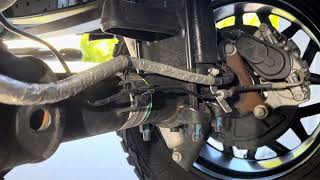
- Inspect the rear axle wiring harness and Electronic Parking Brake (EPB) connectors for chafing or looseness, which cause over 40% of physical C1013 faults on Fords and Subarus.
- Never replace a $1,500 ABS module or brake booster without first reverting any recently installed aftermarket brake pads, as incorrect friction coefficients trigger this code.
What Does C1013 Mean?

Code C1013 means your car's main computer received a fault message from the brake control module. While it generally points to a brake pressure problem, the exact cause is highly specific to your car's make and model. It is most frequently caused by a software glitch, a loose connector, a faulty sensor, or a chafed wiring harness.
Technical definition: There is no single official SAE/ISO definition for C1013, as it is a manufacturer-controlled code. Generally, it indicates the Anti-Lock Brake System (ABS) module detected a fault within its system or related to brake pressure monitoring. Specific definitions vary, such as 'Brake System Pressure' on Ford vehicles, or 'Internal Electronic Failure' of the Electric Power Steering (EPS) module on Jeep models.
Can I Drive With C1013?
Yes, But With Caution. You can drive, but only to a repair shop. Your Anti-lock Braking System (ABS) and stability/traction control are disabled. In a panic stop, your wheels will lock up, causing a skid and increasing stopping distance by 20% or more on slippery surfaces. Your base hydraulic brakes still function, but the primary safety net is gone.
Common Causes
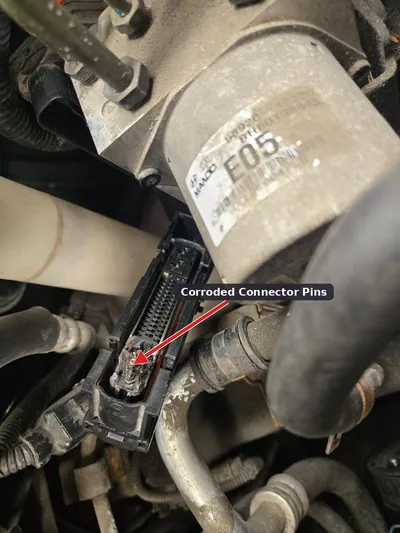
- ABS Module Software Glitch (Very Common) — The ABS module software contains bugs that incorrectly trigger a fault code, especially when cold weather alters brake fluid viscosity. This is the primary cause on 2021+ Ford trucks and SUVs covered by Technical Service Bulletins (TSBs).
- Damaged or Chafed Wiring Harness (Common) — Wires leading to the ABS module or wheel speed sensors rub against chassis components, wearing through the insulation and causing a short circuit. This is a heavily documented recall issue on Ford F-150 rear axles.
- Loose or Corroded Module Connectors (Common) — The electrical connector to the electronic parking brake (EPB) or ABS module vibrates loose or corrodes, breaking the connection. Subaru Outbacks frequently suffer from broken plastic retaining clips 🎬 See this quick DIY fix for Subaru parking brake connector faults. on these connectors.
- Faulty Brake Pressure Sensor (Common) — The internal brake pressure sensor fails, sending incorrect or zero-pressure readings to the ABS module. On vehicles with the ATE MK60 ABS system, this requires replacing the entire modulator assembly.
- Failing Electronic Parking Brake (EPB) Motor (Less Common) — The EPB motor burns out or its position switch corrodes, preventing the system from confirming parking brake status. This locks the rear wheels and triggers the code, commonly seen on Hyundai models.
- Incompatible Aftermarket Brake Modifications (Less Common) — Aftermarket brake pads or big brake kits alter the hydraulic volume or friction coefficient, causing the ABS module to detect a performance error. This frequently triggers C1013 on Ford Mustang Mach-E and F-150 Raptor models.
- Low Brake Fluid or Air in Lines (Less Common) — Air bubbles or low fluid levels prevent the system from building correct hydraulic pressure. The ABS module detects this pressure discrepancy and sets a fault code.
- Failing ABS Control Module (Rare) — The entire ABS control module fails electronically. This is the diagnosis of last resort after ruling out software updates, sensors, and wiring.
Symptoms

- ABS and Traction Control Lights On — The ABS, traction control, and stability control warning lights illuminate simultaneously on the dashboard.
- Brake System Warning Message — The dashboard displays critical messages like 'Check Brake System', 'Service AdvanceTrac', or 'Braking Power Low'.
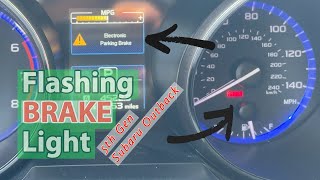
- Flashing or Inoperative Parking Brake Light — The Electronic Parking Brake (EPB) light flashes, and the parking brake refuses to engage or disengage.
- Hard, Soft, or Spongy Brake Pedal — The brake pedal feels unusually stiff, or it sinks closer to the floor than normal due to hydraulic pressure issues.
- Loss of Power Steering Assist — On specific vehicles like the Jeep Renegade, this code indicates an Electric Power Steering (EPS) fault, causing the steering wheel to become heavy. 🎬 Watch: Troubleshooting heavy steering and EPS failure on Jeep models.
Diagnostic Flowchart

Tap your situation to follow the diagnostic path that matches what you're seeing on this code.
Common Fixes & Costs
- Update ABS Module Software — Parts: $0, Labor: $150-$250, ~1.2 hr book time (Professional)
- Repair Chafed Wiring Harness — Parts: $10-$50, Labor: $150-$450, ~2.5 hr book time (Intermediate)
- Secure Loose Electrical Connector
— Parts: $1, Labor: $0-$100, ~0.5 hr book time
(Beginner)
Subaru Outback/Legacy: OEM X9904AL110 (Connector Clip Repair Kit) (Alt: N/A) - Replace Electronic Parking Brake (EPB) Assembly
— Parts: $220-$1900, Labor: $200-$400, ~2.0 hr book time
(Professional)
Subaru Outback (2015-2019): OEM 26002AJ01E (EPB Control Module) (Alt: Dorman 926-478 (Rear Actuator)) - Replace ABS Module/Pump Assembly
— Parts: $220-$1900, Labor: $300-$500, ~2.0 hr book time
(Professional)
Ford F-150 (2021-2023): OEM ML3Z-2C219-A (Alt: Dorman 599-788 (Older models)) - Replace Electronic Brake Booster (EBB) — Parts: $550-$1000, Labor: $250-$400, ~2.5 hr book time (Professional)
DIY vs Professional
- Update ABS Module Software — Beginner:
- Repair Chafed Wiring Harness — Beginner:
- Secure Loose Electrical Connector — Beginner:
- Replace ABS Module/Pump Assembly — Beginner:
- Replace Electronic Parking Brake (EPB) Assembly — Beginner:
Used vs. New Parts: Buying Guide
When a used part is worth it: For older vehicles where a new OEM ABS module costs over $1,000. A used module is cost-effective if the part number matches exactly and it includes a short-term warranty.
Donor-vehicle mileage cap: roughly under 100000 miles for the part to have meaningful remaining life.
Donor quality checklist:
- Verify the part number on the module matches your original part exactly.
- Purchase from a reputable auto recycler providing the donor vehicle's VIN and mileage.
- Avoid parts with visible corrosion, damage, or cut connectors.
Decision logic:
- If The fix is a known software update or wiring recall → Do not buy any parts; see a dealer for the specific procedure.
- If Your original module can be repaired/remanufactured → Choose remanufacturing; it is cheaper than new and avoids VIN programming issues.
- If Vehicle is >10 years old and a new OEM module costs >$1,200 → A tested, used module from a low-mileage donor is a reasonable choice.
- If The part is a simple EPB actuator or motor → A new aftermarket part provides a better warranty and value than a used one.
Warranty tradeoff: Used parts typically have a 30-90 day warranty. Aftermarket new parts offer 1-year to limited lifetime warranties. New OEM parts carry a 1-2 year warranty but are the most expensive.
Worst-case if a used part fails: $500-$1000 if a used module is dead on arrival, requiring repeat labor costs for removal, return, and installation of another part.
What Happens If You Wait — Timeline
- Immediately: ABS, traction control, and stability control are disabled. Warning lights illuminate. Base hydraulic brakes still function. (MPG impact: 0%% · Added cost: $0 (but significant safety risk))
- 1-3 months: A minor issue like a chafing wire worsens, potentially shorting out other circuits. Moisture enters a compromised connector, causing corrosion. (MPG impact: 0%% · Added cost: $200-$800)
- 3-12 months: An intermittent electrical fault sends erratic voltage signals to the ABS control module, stressing and damaging the internal circuit board. (MPG impact: 0%% · Added cost: $800-$1500)
- 12+ months: Complete failure of the ABS module's electronics or internal hydraulic unit occurs. The vehicle requires full replacement of the ABS pump and module assembly. (MPG impact: 0%% · Added cost: $1500-$3000+)
Cost of Not Fixing It
- Immediately: ABS and stability/traction control are disabled. Risk of wheel lock-up, skidding, and loss of control during emergency braking increases significantly. (Added cost: Incalculable (Safety Risk))
- 1-6 months: A minor issue like a chafed wire worsens, potentially shorting out other circuits. Moisture enters compromised connectors, causing severe corrosion. (Added cost: $200-$800)
- 6+ months: Erratic voltage from a bad wire or sensor damages the ABS module's internal circuit board. The vehicle automatically fails state safety inspections. (Added cost: $1500-$3000+)
Diagnosis Steps
- Check for Technical Service Bulletins (TSBs) and Recalls
Search online for your vehicle's make, model, year, and the C1013 code. Manufacturers frequently release TSBs or recalls for software updates and wiring fixes that provide a direct, often free, solution.
Tools: Internet access, Vehicle VIN (Beginner) - Read Fault Codes with an Advanced Scanner
Use an OBD-II scanner capable of reading Chassis (C-prefix) codes from the ABS module. Document the full code, including subtype numbers (like C1013:09), and note any accompanying wheel speed or communication codes.
Tools: Advanced OBD-II Scanner (Beginner) - Test 12V Battery and Check Brake Fluid
Test the 12V battery to ensure it reads above 12.4V resting. Low voltage causes false module codes. Simultaneously, verify the brake fluid is between the 'MIN' and 'MAX' lines and is not dark or contaminated.
Tools: Multimeter, Flashlight (Beginner) - Inspect Brake System Wiring and Connectors
Visually inspect the wiring harnesses routing to the ABS module and electronic parking brakes. Look for chafing against the chassis, melted insulation, or corroded pins. Physically push connectors to ensure they are fully seated.
Tools: Flashlight, Jack and Jack Stands (Intermediate) - Test Brake Pressure Sensor Signal (Live Data)
Use a scan tool to view the live data PID for the brake pressure sensor. With your foot off the brake, pressure must read near 0 PSI. As you press the pedal, the reading must increase smoothly to 1200-1500 PSI. A stuck value indicates a failed sensor.
Tools: Advanced OBD-II Scanner (Advanced) - Check ABS Module Power and Ground
Disconnect the ABS module and use a multimeter to verify voltage at the power pin is >12V with the ignition on. Verify resistance between the ground pins and the chassis is <5 ohms. Poor grounds cause intermittent C1013 faults.
Tools: Multimeter, Vehicle Wiring Diagram (Professional)
When This Code Triggers (Freeze-Frame Conditions)
- Ambient Air Temperature: < 32°F (0°C) (On specific Ford models, the C1013:09 subtype triggers when cold weather alters brake fluid viscosity, exposing a software bug.)
- Vehicle Speed: 15-45 mph (The fault logs during an automated system self-test that occurs shortly after startup during normal driving.)
- Brake Pedal Position: Off / Not Applied (Pressure sensor faults trigger when the system expects zero pressure but detects an invalid or high reading.)
- Battery Voltage: 12.0-14.8V (A reading below 12.4V during the fault indicates a weak battery is the root cause of the communication error.)
Related Codes
- C1013:09 — A common subtype for Ford vehicles indicating a software parameter issue within the ABS module, triggered by cold weather. Check for TSBs immediately.
- C1013:92 — Seen on the Ford Mach-E, this points to 'Performance or Incorrect Operation'. It is triggered by a faulty Electronic Brake Booster (EBB) or incompatible aftermarket brake pads.
- C0050, C2005-C2008 — Wheel speed sensor circuit codes. If they appear alongside C1013 on an F-150, it strongly indicates a physical wiring harness issue affecting multiple circuits.
- U1702-64 — On a Jeep Renegade, this 'EPS - Signal Plausibility Failure' code appears with C1013-49. It points to a software or internal module fault in the Electric Power Steering system.
- U0253 — A communication loss code. Appearing with C1013, it suggests a broader electrical problem, like a weak battery or bad ground, rather than a specific brake system failure.
Climate & Environmental Factors
- Cold Weather: On 2021-2023 Ford models, ambient temperatures below freezing trigger a C1013:09 code. Ford TSBs state this is due to the ABS software's sensitivity to changes in brake fluid viscosity at low temperatures.
How to Talk to a Mechanic About This Code
Say this: "My ABS and traction control lights are on, and I pulled code C1013. I know this is frequently caused by a software glitch or a chafed wiring harness on my specific model. Can you check for any related TSBs or recalls before starting a full diagnostic?"
This signals you are an informed consumer. It directs the technician toward the most common, cheapest fixes (software/wiring) and prevents them from immediately quoting an expensive ABS module replacement.
Avoid saying:
- 'My ABS light is on, just fix it.'
- 'I think I need a new ABS module.'
- 'Do whatever you think is best.'
Questions to ask before authorizing the repair:
- Did you check for Technical Service Bulletins (TSBs) or recalls related to code C1013 for my vehicle?
- If you are recommending a part replacement, how did you rule out a wiring, connector, or software issue?
- If you suspect a wiring issue, can you show me a picture of the damaged area?
- What is the warranty on this specific repair, covering both parts and labor?
Where to Take It: Dealer vs Independent vs Chain
- Dealer:
Best first choice. C1013 issues frequently require specific software updates or recall work that only a dealer can perform correctly.
Best for: Vehicles under warranty or with a known recall., Fixes requiring a manufacturer-specific software update., Complex electronic issues requiring proprietary programming tools.
Downsides: Highest labor rates and part costs., Tendency to replace entire assemblies rather than repairing smaller components. (Typical cost: +50% vs. baseline) - Independent Shop:
Good alternative, but you must verify they possess advanced diagnostic tools capable of programming ABS modules for your specific brand.
Best for: Out-of-warranty vehicles with known mechanical or wiring issues., Installing used or remanufactured parts to save money.
Downsides: May lack the latest manufacturer-specific scan tools required for module programming., Diagnostic capability varies widely. (Typical cost: +0% vs. baseline) - Chain Shop:
AVOID. This code requires diagnostic expertise and bi-directional scan tools that are beyond the scope of a typical chain brake or tire shop.
Best for: Simple brake pad and rotor replacements on older cars., Basic fluid changes.
Downsides: Technicians lack training and tools for complex ABS module diagnostics., High risk of misdiagnosis leading to wasted money on incorrect parts. (Typical cost: -10% vs. baseline)
When to Walk Away From the Repair
If the total estimated repair cost for the C1013 fault exceeds 50% of your car's current private-party value, sell the vehicle as-is or trade it in.
- Car worth $18000, fix is $250: Fix it. A software update is a minor cost relative to the vehicle's value.
- Car worth $8000, fix is $2200: Borderline. The repair is 28% of the car's value. Get a second opinion to confirm an ABS module is truly needed.
- Car worth $3500, fix is $2500: Walk away. The repair cost is over 70% of the car's value. It is not economically sensible to perform this repair.
What Scan Tool You Need for This Code
Minimum: A scanner that reads and clears ABS (Anti-lock Brake System) / Chassis trouble codes. Basic engine-only code readers will not see the C1013 code.
Standard $20 OBD-II readers only communicate with the Engine Control Unit (ECU). The C1013 code is stored in the ABS module, requiring a more capable scanner. Free scan services at auto parts stores often cannot read ABS codes.
Budget: BlueDriver Pro or Foxwell NT604 Elite (~$99) — Reads and clears ABS codes, allowing you to confirm the C1013 fault and see if it returns after a reset.
Mid-range: Launch CRP129X or Autel MaxiCOM MK808 (~$250-450) — Provides live data streaming to view brake pressure sensor readings in real-time. Offers basic bi-directional controls like EPB service mode.
Professional: Launch X431 series or Autel MaxiSys MS906 (~$900-1500) — Offers full bi-directional control to perform an ABS auto-bleed procedure, which is mandatory after replacing a module or pump.
Rent vs buy: Call your local auto parts store to confirm their free scanner reads ABS codes. For anything beyond reading the code, such as viewing live data or bleeding the brakes, you must buy your own midrange or pro tool.
How to Clear the Code After You Fix It
- Use an ABS-capable OBD-II scan tool to clear codes from the brake control module.
- Perform a verification drive cycle to allow the system to self-test and confirm the repair.
Drive cycle (~15 minutes): Drive the vehicle for 10-15 minutes at speeds above 15 mph. Include several smooth stops and turns. If the repair was successful, the ABS light will remain off.
Readiness monitors affected: Not applicable for emissions
Before emissions retest: drive at least 50 miles to fully set monitors.
Watch out for:
- Using a basic engine code reader that cannot access ABS module codes.
- Clearing the code without fixing the underlying problem, causing the light to return immediately.
- Disconnecting the battery, which erases radio presets and adaptive learning but fails to clear hard ABS faults.
Will This Fail Emissions / State Inspection?
Yes — this code typically fails an OBD-II emissions inspection.
- California: An illuminated ABS light and stored chassis fault codes cause the vehicle to fail the OBD portion of the smog inspection.
- New York: An illuminated ABS warning light is grounds for the vehicle to fail the annual safety inspection.
- Texas: An illuminated ABS light is NOT a cause for rejection during the safety inspection, but an illuminated primary 'BRAKE' warning light is.
Most Commonly Affected Vehicles
- Ford F-150 (2021-2023) — Extremely common issue caused by an ABS module software glitch (TSB 22-2448) or a wiring harness chafing on the rear axle (Recall 23S35). Diagnosis must start here.
- Ford Bronco, Expedition, Lincoln Navigator (2021-2022) — These vehicles share software with the F-150 and are affected by the same ABS software issue (C1013:09) in cold weather, per Ford TSB 22-2354.
- Subaru Outback (2015-2019) — The plastic clip on the EPB module's electrical connector fails, allowing the harness to loosen. This triggers brake warnings and disables EyeSight. Subaru issued warranty extension WI22-015 for a related caliper connector issue.
- Hyundai Santa Fe (2015-2020) — Prone to failure of the entire Electronic Parking Brake (EPB) module assembly. The motor burns out, locking the rear wheels.
- Ford Mustang Mach-E (2021-2022) — Code C1013:92 indicates a failure of the Electronic Brake Booster (EBB). This is frequently triggered by installing aftermarket brake pads with an incorrect friction coefficient.
- Jeep Renegade (2019-2021) — C1013 points to an internal electronic failure of the Electric Power Steering (EPS) module, unrelated to the hydraulic brakes. TSB 08-041-20 suggests a software update as the first step.
- Honda / Acura Various (CR-V, Accord, MDX) (2002-2015) — A failed brake pressure sensor inside the main ABS/VSA modulator assembly triggers this code, requiring replacement of the entire expensive unit.
- Toyota / Lexus Various (Prius, Camry, RX) (2004-2015) — Often seen alongside Toyota's C1223 code. This combination frequently points to a failing ABS actuator/pump assembly.
Manufacturer-Specific Notes
- Ford: On 2021-2023 F-150s, the cause is almost always a software issue (TSB 22-2448) or a wiring harness rubbing on the rear axle (Safety Recall 23S35). The recall repair is free.
- Subaru: On mid-2010s Outbacks, a flashing brake light and disabled EyeSight system is frequently caused by a loose connector at the EPB module or rear caliper. Subaru offers a 15-year warranty extension (WI22-015) for the caliper connector.
- Hyundai: The entire EPB module is a common failure point. On 2015-2016 Sonatas and Genesis models, a corroded parking brake switch was subject to a recall.
- Jeep: On the Renegade, C1013 is not related to the hydraulic brakes. It points to a failure within the Electric Power Steering (EPS) system. TSB 08-041-20 specifies a software update as the primary fix.
- Honda: The brake pressure sensor is integrated into the ABS/VSA modulator. A sensor failure requires replacing the entire assembly.
Real Owner Stories
2021 Ford F-150 with 25K miles
ABS, Service AdvanceTrac, and Brake System warning lights appeared on the dash during a cold morning. No other symptoms were present.
Outcome: The dealer performed a software update on the ABS module as prescribed by Ford TSB 22-2448. The total cost was $200 for one hour of labor, and the lights have not returned.
Lesson: On a modern Ford truck, C1013 is very often a software issue, not a hardware failure. Always check for TSBs before authorizing expensive part replacements.
2017 Subaru Outback with 70K miles
The 'Brake' light on the dashboard was flashing, the electronic parking brake wouldn't work, and the Subaru EyeSight safety system was disabled.
Outcome: Securing the connector with a simple zip tie instantly fixed the problem. All warning lights went away. The owner later learned Subaru issued a warranty extension (WI22-015) for a similar connector issue at the rear caliper.
Lesson: An array of frightening warning lights is sometimes caused by a single-point electrical connection failure. Check for common, simple fixes online before heading to the shop.
2019 Jeep Renegade with 45K miles
The check engine light came on, and the power steering suddenly became very heavy. The dashboard showed a 'Lane Assist Malfunction' message.
Outcome: The shop attempted a software reflash of the EPS module, but the update failed, indicating a hardware failure. The entire steering rack assembly had to be replaced at a cost of nearly $2,000.
Lesson: On a Jeep Renegade, C1013 is a power steering code, not a brake code. The fix is dealer-level and becomes expensive if the required software update fails.
2022 Ford F-150 Raptor with aftermarket parts
Two weeks after installing a high-performance Wilwood Big Brake Kit (BBK), the ABS light came on with code C1013:09 and the brake pedal felt soft.
Outcome: The owner removed the aftermarket Wilwood calipers and reinstalled the OEM brake components. This immediately resolved the issue and the code disappeared.
Lesson: Modern ABS systems set performance-related fault codes if aftermarket components have different hydraulic or friction characteristics than expected. Reverting to stock is a critical diagnostic step.
2021 Ford F-150 with 35K miles
While driving, the parking brake suddenly engaged on its own, and multiple brake-related warning lights illuminated.
Outcome: The owner found the wiring harness on the rear axle had rubbed through, exposing a bare wire. They performed a temporary splice repair. The dealer ultimately replaced the entire harness under the recall for free.
Lesson: Even if a dealer's initial recall inspection passes, the problem can still develop later. Ensure the specified recall repair (adding a protective wrap and tie strap) is completed to prevent future failure.
How to Prevent This Code From Triggering
- Flush brake fluid every 2 years or 30,000 miles (Every 2 years) — Brake fluid absorbs water over time. This moisture corrodes sensitive internal components of the ABS module and hydraulic unit, leading to premature failure.
- Test battery health annually (Annually) — A weak battery provides unstable voltage to electronic modules, causing them to throw false fault codes, including C1013.
- Inspect and secure wiring harnesses (During tire rotations or oil changes) — Many C1013 faults are caused by wiring rubbing against the chassis or axle. Securing loose harnesses with zip ties prevents this physical damage.
- Use 'Service Mode' for brake jobs (Whenever servicing rear brakes on a car with an EPB) — Electronic Parking Brakes must be put into 'Service Mode' using a scan tool before compressing caliper pistons. Forcing the piston manually damages internal sensors and triggers C1013.
Frequently Asked Questions
Can I just clear the C1013 code?
You can clear the code with a scanner, but it will return quickly if a hardware problem exists. It only stays off temporarily if the fault is an intermittent software glitch. Fix the underlying issue to keep the light off permanently.
My mechanic replaced the brake booster but the C1013 code came back. What now?
This indicates a misdiagnosis. For example, on a Ford Mach-E, using aftermarket brake pads with the wrong friction material triggers a C1013 code that mimics a booster failure. Always check for TSBs, software updates, and revert aftermarket modifications first.
Is it safe to drive with the C1013 code active?
No. While your primary hydraulic brakes still work, your ABS and stability control are disabled. Your wheels will lock up and skid in an emergency stop, increasing stopping distances and risking a loss of steering control.
How much does it cost to fix code C1013?
Costs range from nearly free for securing a loose connector to $150-$250 for a dealer software update. Wiring repairs typically cost $150-$450. Replacing major components like an electronic brake booster or EPB module costs $1,500 to $3,000+.
Can a bad battery cause a C1013 code?
Yes. A weak battery provides unstable voltage, triggering false fault codes in sensitive electronic modules like the ABS. Always test your battery and ensure it reads above 12.4V before starting complex diagnostics.
I just changed my brakes and now I have this code. What happened?
You likely damaged the Electronic Parking Brake (EPB) by compressing the caliper pistons without putting the system into 'service mode' via a scan tool. Alternatively, using incompatible aftermarket brake pads or incorrectly bleeding the system causes performance errors that trigger C1013.
What does the C1013 code mean on a Jeep Renegade?
On the Jeep Renegade, C1013 does not refer to the brake system. It indicates an 'Internal Electronic Failure' of the Electric Power Steering (EPS) module. This serious fault causes a loss of power steering assist and requires a dealer software update or steering rack replacement.
Key Takeaways
- Always check for Technical Service Bulletins (TSBs) first, as C1013 is frequently resolved by a $150-$250 dealer software update on modern vehicles like the 2021-2023 Ford F-150.
- Test your 12V battery to ensure it reads above 12.4V resting, because low voltage triggers false C1013 ABS module codes and wastes hours of diagnostic time.
- Inspect the rear axle wiring harness and Electronic Parking Brake (EPB) connectors for chafing or looseness, which cause over 40% of physical C1013 faults on Fords and Subarus.
- Never replace a $1,500 ABS module or brake booster without first reverting any recently installed aftermarket brake pads, as incorrect friction coefficients trigger this code.
Helpful Videos

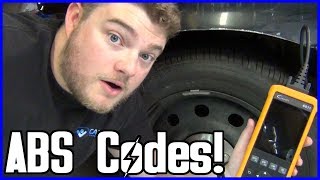

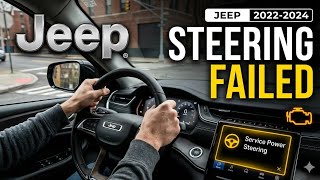
Shop the Parts Behind C1013
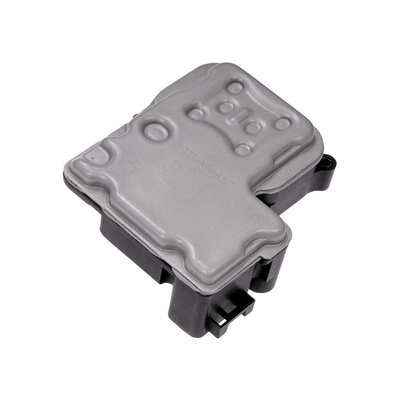
Below are the parts most often responsible for code C1013, ranked by how frequently each one is the actual culprit (per the diagnosis above). Tap any to see what we have for your vehicle.



The information in this article is provided for general reference and educational purposes only. Vehicle specifications, procedures, and part compatibility can vary by production date, trim level, and region. Always consult your vehicle's factory service manual and verify part numbers before purchasing or performing repairs. Safety-critical components such as airbags, seat belts, and braking systems should be installed by a qualified professional.
- 🧭 Diagnostic Flowchart
- 🎬 Helpful Videos
- 🛍️ Shop This Part
- What Does C1013 Mean?
- Can I Drive With C1013?
- Common Causes
- Symptoms
- Common Fixes & Costs
- DIY vs Professional
- Used vs. New Parts: Buying Guide
- What Happens If You Wait — Timeline
- Cost of Not Fixing It
- Diagnosis Steps
- When This Code Triggers (Freeze-Frame Conditions)
- Related Codes
- Climate & Environmental Factors
- How to Talk to a Mechanic About This Code
- Where to Take It: Dealer vs Independent vs Chain
- When to Walk Away From the Repair
- What Scan Tool You Need for This Code
- How to Clear the Code After You Fix It
- Will This Fail Emissions / State Inspection?
- Most Commonly Affected Vehicles
- Manufacturer-Specific Notes
- Real Owner Stories
- 2021 Ford F-150 with 25K miles
- 2017 Subaru Outback with 70K miles
- 2019 Jeep Renegade with 45K miles
- 2022 Ford F-150 Raptor with aftermarket parts
- 2021 Ford F-150 with 35K miles
- How to Prevent This Code From Triggering
- Frequently Asked Questions
- Can I just clear the C1013 code?
- My mechanic replaced the brake booster but the C1013 code came back. What now?
- Is it safe to drive with the C1013 code active?
- How much does it cost to fix code C1013?
- Can a bad battery cause a C1013 code?
- I just changed my brakes and now I have this code. What happened?
- What does the C1013 code mean on a Jeep Renegade?
- Key Takeaways
- 🎟️ Get 5% Off