

OBD-II Code C1016: A Manufacturer-Dependent Fault (Brake System, Wiring, or Sensor)
What C1016 means, why it triggers, and how to fix it on Ford, Suzuki, Jaguar, and more
- On 2015-2019 Ford and Lincoln vehicles, C1016 is often a wiring connector name—not a fault code—pointing to a damaged Engine Coolant Temperature (ECT) sensor circuit that requires a $20 wire splice.
- For Suzuki and Jaguar models, C1016 directly indicates a failed brake light switch circuit, which costs between $95 and $220 to diagnose and replace.
- On the 2015-2019 Ford Edge, C1016 specifically identifies a failed left rear wheel speed sensor, requiring a complete $240-$600 wheel hub assembly replacement.
- Always scan for companion codes before buying parts; the presence of P0117, P0118, or P1016 confirms the issue is an engine wiring fault rather than a brake system failure.
What Does C1016 Mean?
C1016 changes meaning drastically between car brands. It most commonly points to a failed brake light switch circuit. However, on many Ford and Lincoln vehicles, 'C1016' is not a trouble code but the name of an electrical connector, meaning the actual problem lies in a different system like engine cooling or turbo control.
Technical definition: The most common official SAE/ISO definition for C1016 is "Brake Light Switch Circuit Failure." However, manufacturer-specific definitions are critical and include "Left Rear Wheel Speed Sensor Circuit Fault" (Ford Edge), "Knob Supply Voltage - Circuit Voltage Below Threshold" (some Suzuki models), and references to wiring connectors on Jaguar and Land Rover vehicles.
Can I Drive With C1016?
Yes, But With Caution. You can drive, but with significant caution. A faulty brake switch or wheel speed sensor disables your Anti-lock Brakes (ABS) and traction control. This increases your stopping distance by over 25% on loose surfaces like gravel and removes a critical safety net in emergency maneuvers. If a Ford or Lincoln shows this code alongside engine cooling codes (P0117/P0118), do not drive; the unknown engine temperature risks severe overheating and thousands of dollars in engine damage.
Common Causes
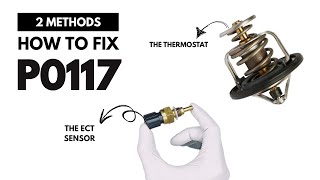
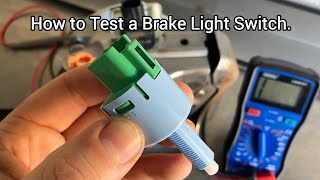
- Faulty Brake Light Switch (Very Common) — The switch that tells the car's computer you are pressing the brake pedal has failed. This is the most frequent cause on makes like Suzuki and Jaguar. 🎬 See how a faulty brake switch triggers C1016 on a Suzuki.
- Damaged Wiring Harness (Chafing, Corrosion, or Rodents) (Very Common) — On many Fords and Lincolns, the code appears when wiring near a connector labeled 'C1016' is chafed, broken, or chewed by animals. This affects unrelated sensors like the Engine Coolant Temperature (ECT) sensor.
- Failed Wheel Speed Sensor / Hub Assembly (Common) — On specific models like the 2015-2019 Ford Edge, C1016 means the left rear wheel speed sensor is bad. This sensor is built into the wheel hub assembly, requiring the entire hub to be replaced. 🎬 Watch: How to replace the ABS speed sensor on a Ford Edge.
- Blown Fuse or Faulty Brake Light Bulb (Common) — A blown fuse for the brake circuit or a bad brake light bulb triggers this code, as the ABS module detects an incorrect electrical load.
- Improperly Installed Aftermarket LED Bulbs (Suzuki) (Less Common) — The Suzuki ABS module performs a low-current check on the brake light circuit. Aftermarket LED bulbs have a different resistance than standard incandescent bulbs, fooling the module into detecting a circuit fault.
- Low or Contaminated Brake Fluid (Rare) — A faulty brake fluid level sensor or contaminated fluid sometimes causes electrical faults in the brake system, triggering a C-code.
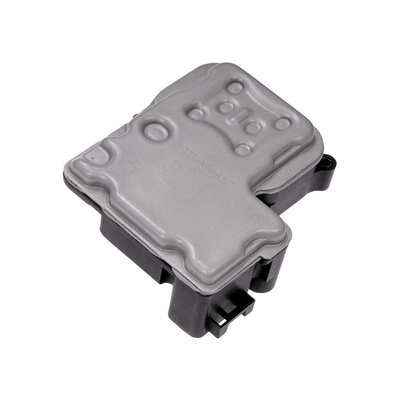
- Faulty ABS Control Module (Rare) — The Anti-lock Brake System (ABS) computer itself fails and sends false error codes like C1016. This is the last item to check after exhausting all other possibilities.
Symptoms
- ABS and/or Traction Control Warning Light is On — This is the most common symptom, as the code is part of the Chassis ('C') control system.
- Brake Lights Don't Work (or Stay On) — If the brake light switch is the cause, your brake lights fail to illuminate when you press the pedal, or they stick on permanently.
- Cannot Shift Out of Park — Many automatic cars require a signal from the brake switch to allow the gear shifter to move out of Park.
- Engine Overheating or Cooling Fans Running Constantly (Ford/Lincoln) — If the issue is a wiring problem affecting the ECT sensor, you see symptoms related to engine temperature, not the brakes.
- Severe Loss of Engine Power (Ford F-150 EcoBoost) — On some F-150s, this code is a misreading of P1016, pointing to a turbo wastegate problem that causes the truck to lose power. 🎬 Watch: A mechanic's guide to cracking the Ford P1016 code.
Diagnostic Flowchart
Tap your situation to follow the diagnostic path that matches what you're seeing on this code.
Common Fixes & Costs
- Replace Brake Light Switch — Parts: $15-$70, Labor: $80-$150, ~0.8 hr book time (DIY)
- Repair Damaged Wiring Harness — Parts: $10-$250, Labor: $250-$2000, ~2.5 hr book time (Professional)
- Replace Rear Wheel Hub Assembly (Ford Edge) — Parts: $90-$380, Labor: $150-$220, ~1.8 hr book time (Intermediate)
- Replace Ford Engine Coolant Temperature (ECT) Sensor — Parts: $25-$70, Labor: $100-$180, ~1.1 hr book time (DIY)
- Replace Blown Fuse — Parts: $1-$5, Labor: $0, ~0.1 hr book time (DIY)
- Replace ABS Control Module — Parts: $300-$1200, Labor: $150-$300, ~1.7 hr book time (Professional)
Used vs. New Parts: Buying Guide
When a used part is worth it: For expensive electronic modules like the ABS Control Module, a used part from a reputable salvage yard with a warranty offers significant savings ($50-$300 used vs. $1000+ new). However, it requires professional programming to your vehicle's VIN.
Donor-vehicle mileage cap: roughly under 100000 miles for the part to have meaningful remaining life.
Donor quality checklist:
- Verify the part number matches your original part exactly.
- For used modules, ensure the seller offers at least a 90-day warranty.
- Avoid buying wear items like Wheel Hub Assemblies used. A new aftermarket hub is cheaper and more reliable than a used OEM part.
Decision logic:
- If Part is a simple switch or sensor (Brake Light Switch, ECT Sensor) → Always buy new. The cost savings for a used part are negligible and not worth the risk of premature failure.
- If Part is a Wheel Hub Assembly → Buy new (OEM or quality aftermarket). A hub is a wear item; a used one has a limited and unknown remaining lifespan.
- If Part is an expensive ABS Control Module and budget is a primary concern → A used or professionally rebuilt module is a viable option, but factor in the cost of professional installation and programming.
Warranty tradeoff: Used parts typically have a 30-90 day functional warranty. New aftermarket parts carry a 1-year to limited lifetime warranty. New OEM parts carry a 1-2 year warranty.
Worst-case if a used part fails: $300-$600 if a used electronic module is dead on arrival or fails shortly after install, requiring repeat labor for diagnosis and replacement.
What Happens If You Wait — Timeline
- Immediate (Brake Switch/WSS Failure): ABS and Traction Control warning lights illuminate. The ABS and stability control systems are immediately disabled. If the brake switch is the cause, brake lights are inoperative or stuck on. (MPG impact: 0%% · Added cost: $0 (but high safety risk))
- 0-1 Month (Ford ECT Wiring Failure): Engine cooling fans run constantly, and the temperature gauge gives erratic readings. The ECU, lacking accurate temperature data, defaults to a rich fuel mixture, increasing fuel consumption. (MPG impact: 5-15%% · Added cost: $50-100 in wasted fuel)
- 1-6 Months (Ford ECT Wiring Failure): Driving with an unknown engine temperature leads to a high risk of overheating. A single severe overheating event warps the cylinder head or blows a head gasket, requiring major engine repair. (MPG impact: 5-15%% · Added cost: $2,500 - $5,000+ for head gasket or engine repair)
- Ongoing (Any Cause): Vehicle fails state safety inspections where an ABS light is an automatic failure. Inoperative brake lights lead to traffic tickets and increase the risk of a rear-end collision. (MPG impact: 0%% · Added cost: $100 - $10,000+ (Tickets, failed inspections, insurance deductibles))
Cost of Not Fixing It
- Immediate: Loss of Anti-lock Brakes (ABS) and Traction/Stability Control. This significantly increases the risk of skidding and loss of control in an emergency stop or on slippery surfaces. (Added cost: Varies (Cost of accident))
- 0-3 Months (Ford ECT Issue): Driving without knowing the true engine temperature leads to severe engine overheating, causing a blown head gasket or warped cylinder head. (Added cost: $2,500-$5,000+)
- Ongoing: Automatic failure of state safety inspections in many jurisdictions. Inoperative brake lights lead to traffic citations and a high risk of being rear-ended. (Added cost: $50-$500 (Tickets and failed inspection fees))
Diagnosis Steps
- Check for Other Codes
Scan the vehicle for any other codes. If you see codes like P0117, P0118, or P1016, especially on a Ford, the C1016 points to a wiring issue for that specific system, not the brakes.
Tools: OBD-II Scanner (Beginner) - Check for TSBs and Manufacturer Quirks
Search for Technical Service Bulletins (TSBs) for your specific year, make, and model. This reveals known issues, like the Ford connector problem or the Land Rover sensor mix-up, saving you from a costly misdiagnosis.
Tools: Internet access (Beginner) - Test the Brake Lights
Have an assistant stand behind the car while you press and release the brake pedal. If the brake lights fail to work correctly, the problem is the brake light switch, a bulb, or a fuse.
Tools: An assistant (Beginner) - Inspect the Brake Fuse
Locate the fuse labeled for the brake lights or 'STOP' lamp in the fuse box. If the metal strip inside is broken, replace it with a new fuse of the exact same amperage.
Tools: Owner's manual, fuse puller or needle-nose pliers (Beginner) - Inspect Vehicle-Specific Wiring (Ford/Lincoln)
If you have a Ford or Lincoln with related engine codes, find the wiring harness connector labeled 'C1016' using a wiring diagram. Inspect the wires for rubbing, chafing, or breaks per TSB SSM 47791.
Tools: Wiring diagram, flashlight (Advanced) - PRO TIP: Monitor Live Data with a Scan Tool
Use a professional scan tool to view live data PIDs. For a brake switch issue, monitor the 'Brake Pedal Switch' status to ensure it changes from 'Off' to 'On'. For a wheel speed sensor issue, monitor the speed of all four wheels; the faulty one reads 0 mph or shows an erratic signal.
Tools: Professional OBD-II Scan Tool (Advanced) - PRO TIP: Test the Brake Light Switch with a Multimeter
Disconnect the brake light switch connector. Probe the power wire; it must have 12V with the ignition on. Next, set the multimeter to continuity. Probe the two signal pins on the switch. The multimeter must beep when the brake pedal is pressed and be silent when released. No change indicates a faulty switch.
Tools: Multimeter, wiring diagram (Advanced) - Inspect the Wheel Speed Sensor and Tone Ring
Visually inspect the wheel speed sensor and wiring for damage, corrosion, or metal debris. Inspect the tone ring for cracks, missing teeth, or rust buildup underneath.
Tools: Flashlight, jack and jack stands (Intermediate) - PRO TIP: Test a Passive Wheel Speed Sensor
Disconnect the sensor and set your multimeter to AC Volts. Spin the wheel by hand at one revolution per second. You must see a small AC voltage reading (above 0.1V) that increases with speed. No voltage indicates a bad sensor.
Tools: Multimeter, jack and jack stands (Advanced) - PRO TIP: Test the Engine Coolant Temperature (ECT) Sensor
On a Ford/Lincoln with P0117/P0118, disconnect the ECT sensor and measure resistance across the two pins. Resistance is high when cold (30k-60k Ω) and drops as the engine warms up (2k-4k Ω). An 'OL' or zero reading indicates a failed sensor.
Tools: Multimeter, service manual (Advanced)
When This Code Triggers (Freeze-Frame Conditions)
- Vehicle Speed: 25-55 mph (The code for a wheel speed sensor sets during steady-state driving when the computer expects a consistent signal but receives an erratic or missing one from one wheel.)
- Brake Pedal Status: On/Off Transition (For a brake light switch fault, the code triggers the moment the pedal is pressed or released, as the ABS module detects a mismatch between the expected and actual circuit voltage.)
- Engine RPM: 1200-2500 RPM (This corresponds with typical city and highway cruising speeds where wheel speed sensor data is constantly monitored for ABS and traction control readiness.)
- Engine Coolant Temp: -40°F or 285°F (implausible values) (On Fords where C1016 refers to an ECT wiring issue, the freeze frame shows an impossible temperature reading at the moment the circuit shorts or opens.)
Related Codes
- P0117 / P0118 — On many Ford/Lincoln vehicles, these Engine Coolant Temperature sensor codes are the actual problem. C1016 is just the name of a connector to inspect while diagnosing them per TSB SSM 47791.
- P1016 — On 2.7L EcoBoost F-150s, this wastegate pressure code is the real issue, but is misread as C1016. The main symptom of P1016 is a severe loss of engine power.
- C1057 — This is another chassis code for 'Brake Pedal Switch Circuit'. Seeing C1016 and C1057 together strongly suggests the fault is in the brake light switch, fuse, or bulb circuit.
- C1234 — This code means 'Right Front Wheel Speed Sensor Input Signal Missing' on many Fords. If you have a wheel speed sensor issue, you see a code in this range specifying which wheel is at fault.
Climate & Environmental Factors
- Cold Climates / Road Salt: Regions using winter road salt see a higher incidence of C1016 related to wiring and wheel speed sensors. Salt spray penetrates connectors and wheel wells, accelerating corrosion and causing open circuits or shorts.
- High Humidity: Moisture penetrates non-sealed electrical connectors or fuse boxes over time. This causes corrosion on the pins of the brake light switch, ABS module, or related wiring, triggering C1016.
How to Talk to a Mechanic About This Code
Say this: "I have an ABS light and a C1016 code, but I know this code has multiple meanings. For a Ford/Lincoln with engine symptoms, I'd say: 'I have codes C1016 and P0117, and the cooling fans are running constantly. I suspect a wiring issue near the C1016 connector per TSB SSM 47791. Please diagnose the wiring before quoting a brake part.' For a Ford Edge, I'd say: 'I have code C1016, which I understand points to the left rear wheel speed sensor. Please confirm and quote a hub replacement.' For a Suzuki/Jaguar, I'd say: 'I have a C1016 code. Please test the brake light switch and its fuse first before diagnosing the ABS module.'"
This specific language shows you have done your research and guides the technician toward the most likely cause, preventing them from wasting time on incorrect diagnostic paths. It avoids a costly misdiagnosis, like replacing an ABS module on a Ford for a simple wiring fault.
Avoid saying:
- 'My ABS light is on, can you fix it?'
- 'Just do whatever it takes to fix the C1016 code.'
- 'I think I need a new ABS module.'
Questions to ask before authorizing the repair:
- Can you confirm you have checked for Technical Service Bulletins (TSBs) related to this code on my specific model?
- If it is a Ford wiring issue, can you show me the damaged wire before you repair it?
- If you are recommending a part replacement (like a hub or switch), what specific test did you perform to condemn the old part?
- What is the warranty on the parts and labor for this repair?
Where to Take It: Dealer vs Independent vs Chain
- Dealer:
A safe but expensive choice, especially for the Ford-specific wiring issues. Use them if you are willing to pay a premium for a likely correct diagnosis.
Best for: Vehicles under warranty., Complex, manufacturer-specific quirks like the Ford TSB issues (SSM 47791), where they have the most direct experience and access to factory information.
Downsides: Significantly higher labor rates, often 1.5-2x that of an independent shop., Defaults to replacing a whole harness instead of performing a more cost-effective wire splice repair. (Typical cost: +50% vs. baseline) - Independent Shop:
Best overall fit, especially if you arm yourself with the 'Repair Order Language' from this guide. A good ASE-certified tech handles all variants of this code efficiently.
Best for: Out-of-warranty vehicles where cost is a factor., Straightforward versions of C1016, like a brake light switch (Suzuki/Jaguar) or a wheel hub assembly (Ford Edge).
Downsides: Technician skill and access to TSBs vary. They may not be aware of the Ford 'C1016 is a connector' quirk without guidance. (Typical cost: +0% vs. baseline) - Chain Shop:
AVOID for initial diagnosis. The ambiguity of C1016 makes it a prime candidate for misdiagnosis at a shop focused on speed and volume over complex problem-solving.
Best for: Simple, pre-diagnosed part replacements like a brake light switch you have already confirmed is bad.
Downsides: High risk of misdiagnosis on a complex code like C1016., Technicians lack the diagnostic depth for electrical issues and resort to guessing or upselling common but incorrect parts. (Typical cost: -10% vs. baseline)
When to Walk Away From the Repair
If the estimated repair cost exceeds 40-50% of the car's private-party value (e.g., from Kelley Blue Book), you should seriously consider selling or trading in the vehicle instead of repairing it.
- Car worth $8000, fix is $450: Fix it. A $450 repair for a Ford Edge hub assembly on a vehicle worth $8,000 is well below the threshold.
- Car worth $7000, fix is $400: Fix it. A $400 wiring repair for the ECT sensor on a Ford Fusion worth $7,000 is a smart investment.
- Car worth $3500, fix is $1800: Walk away. If the diagnosis leads to an expensive ABS module replacement on an older, lower-value car, the repair cost is over 50% of the vehicle's value.
What Scan Tool You Need for This Code
Minimum: A scanner that reads Chassis (ABS) codes and views live data for the ABS module.
A basic $20 engine-only code reader fails to see the 'C' code C1016 entirely. You need a tool that accesses the ABS computer to see the code and the live data (like individual wheel speeds and brake switch status) required for accurate diagnosis.
Mid-range: Innova 5610 or Foxwell NT604 Elite (~$180) — These handheld units provide all the functions of the budget pick but with a dedicated screen and faster operation. They read Engine, ABS, Airbag (SRS), and Transmission codes, making them a comprehensive tool for overall vehicle maintenance.
Professional: Autel MaxiCOM MK808Z (~$450) — Offers full, professional-level diagnostics. It includes bidirectional controls, useful for advanced procedures like activating the ABS pump for brake bleeding after a module replacement. This is more than a DIYer needs but is what a professional shop uses.
Rent vs buy: Rent first, then decide. Many auto parts stores like O'Reilly Auto Parts offer free scanning services with tools that read ABS codes. This is the best first step. If you diagnose issues more than once a year, buying a budget pick like the BlueDriver is a worthwhile investment.
How to Clear the Code After You Fix It
- Fix the underlying mechanical or electrical fault.
- Use a compatible OBD-II scan tool to erase the Diagnostic Trouble Codes (DTCs) from the ABS module.
- Perform a complete drive cycle to allow the system's self-tests to run.
Drive cycle (~20 minutes): Start the engine and let it idle for 2 minutes. Drive in a mix of city conditions (stop-and-go) for 10 minutes. Drive at a steady highway speed (50-60 mph) for 5-10 minutes. Make several turns and apply the brakes normally to activate all wheel speed sensors and the brake switch circuit. The ABS light remains off if the repair was successful.
Readiness monitors affected: While Chassis 'C' codes do not directly affect emissions readiness monitors, clearing codes resets all monitors., The ABS system is a non-continuous monitor and runs its self-test during the drive cycle.
Before emissions retest: drive at least 50 miles to fully set monitors.
Watch out for:
- Disconnecting the battery fails to clear codes from the ABS control module and resets all vehicle readiness monitors, causing an emissions test failure.
- If the root cause is not fixed, the code returns immediately during the first drive cycle.
- Some vehicles require a specific steering angle sensor calibration after an ABS repair, which needs a professional scan tool.
Will This Fail Emissions / State Inspection?
Yes — this code typically fails an OBD-II emissions inspection.
- California: An illuminated ABS light is not an automatic emissions test failure, but if the OBD-II scan shows a 'C' code, it fails the comprehensive vehicle safety profile. Clearing the code resets emissions readiness monitors, requiring 50-100 miles of driving before a retest.
- New York: The NYS inspection includes a check of safety systems. An illuminated ABS warning light is a cause for failure.
- Texas: For the annual safety inspection, an illuminated ABS light is NOT a cause for rejection. However, an illuminated primary brake warning light (the red 'BRAKE' light) is an automatic failure.
Most Commonly Affected Vehicles
- Ford Fusion (2017-2019) — C1016 is not a trouble code, but a connector name related to wiring issues for the Engine Coolant Temperature (ECT) sensor per TSB SSM 47791. The actual codes are usually P0117/P0118.
- Lincoln MKX (2016-2018) — Similar to the Fusion, C1016 is a connector name referenced in TSB SSM 47791 for ECT sensor wiring faults causing codes P0117/P0118.
- Ford F-150 (2015-2019) — Often a misinterpretation of code P1016 ('Wastegate Control Pressure Higher Than Expected') on 2.7L EcoBoost engines, causing severe power loss. See TSB SSM 46438.
- Ford Edge (2015-2019) — On this specific model, C1016 directly means 'Left Rear Wheel Speed Sensor Circuit' fault, requiring a new hub assembly. The OEM part is Motorcraft HUB-358 (FWD) or HUB-421 (AWD).
- Suzuki Jimny / SX4 / Alto / Swift (2003-2018) — The code aligns with the generic definition 'Brake Light Switch Circuit Failure', caused by a bad switch, blown fuse, or incorrect LED bulb installation.
- Jaguar XK / XJ / S-Type (2000-2010) — C1016 points to the brake pedal switch, which contains two microswitches that fail or go out of sync, causing 'Check Brake Lights' and 'Cruise Not Available' messages.
- Land Rover Discovery / Range Rover (2003-2012) — Indicates a wheel speed sensor electrical fault. A common issue is technicians accidentally swapping the similar-looking wheel speed sensor and brake pad wear sensor connectors during maintenance.
- Chevrolet / GMC Silverado / Sierra (2007-2018) — While C1016 is not a primary code, the similar chassis code C1116 is common for 'Service Trailer Brake System' messages, pointing to a broken internal contact in the integrated trailer brake controller switch.
Manufacturer-Specific Notes
- Ford / Lincoln: For many models, C1016 is NOT a diagnostic trouble code. It is the name of an electrical connector in the wiring harness. TSBs like SSM 47791 and SSM 46438 instruct technicians to check wiring at this connector to solve unrelated engine codes.
- Suzuki: The ABS module sends a small amount of current through the brake light circuit to verify the bulbs are working. Non-standard LED bulbs have different resistance, fooling the module into detecting a fault and triggering C1016.
- Jaguar: The brake pedal switch is a complex assembly with two internal microswitches: one for brake lights and one for cruise control. These switches fail independently, triggering ABS, transmission, and cruise control faults simultaneously.
- Land Rover: The front wheel speed sensor connector and the brake pad wear sensor connector are physically similar. Plugging them into the wrong receptacles during maintenance immediately causes an open circuit fault for the wheel speed sensor.
Real Owner Stories
2015 Ford Edge with 100K miles
ABS and Traction Control lights came on. Scanned the code and got C1016. No other symptoms were present.
What they tried:
- Initially confused by online search results talking about Ford's 'C1016' connector and engine problems.
- Verified that on the 2015-2019 Edge, C1016 specifically means a left rear wheel speed sensor fault.
- Visually inspected the wiring to the left rear wheel and found no damage.
Outcome: Replaced the entire left rear wheel hub assembly, as the sensor is integrated. The repair cost around $250 for an aftermarket hub and 1.5 hours of labor. This cleared the code and restored ABS function.
Lesson: For the 2015-2019 Ford Edge, C1016 is a direct pointer to the left rear wheel speed sensor/hub. Do not get distracted by the TSBs for other Ford models unless you have accompanying engine-related codes.
2007 Suzuki Every with ABS light on
ABS light illuminated after a short period of driving, and the scanner showed code C1016 for the brake light switch circuit.
What they tried:
- Owner replaced the brake light switch multiple times, but the code and ABS light kept returning.
- Checked the brake lights with the car off and they seemed to work fine.
Outcome: A mechanic discovered the actual problem was a bad ground wire for the rear tail light assembly. When the parking lights were on, pressing the brake caused the lights to dim and other lights to illuminate faintly. Repairing the ground wire fixed the electrical feedback issue, satisfying the ABS module and clearing the C1016 code.
Lesson: On a Suzuki, if you have replaced the brake switch and checked the fuse, test the brake lights with the parking lights ON. Strange behavior points to a wiring or ground fault, not another bad switch.
2017 Ford Fusion, ~80K miles
Check engine light came on, temperature gauge dropped to cold and then shot to hot, and the cooling fans ran constantly. Scanner showed codes P0117 and C1016.
What they tried:
- Was initially confused by the C1016 chassis code alongside the P0117 engine code.
- Searched online forums and found Ford TSB SSM 47791, explaining that 'C1016' was the name of a wiring connector to inspect for the P0117/P0118 codes.
Outcome: Owner located connector C1016 using a wiring diagram and found a chafed wire leading to the Engine Coolant Temperature (ECT) sensor. Splicing and repairing the damaged wire, which cost less than $20 in materials, resolved all symptoms. The temperature gauge returned to normal and both codes cleared.
Lesson: On a Ford, if you see C1016 with an engine code (like P0117) and engine-related symptoms, the C-code is a location reference, not the problem itself. The root cause is the wiring for the system indicated by the 'P' code.
How to Prevent This Code From Triggering
- Apply Dielectric Grease to Connectors (Anytime a relevant connector is disconnected (e.g., during a brake job or sensor replacement)) — Fills air gaps in electrical connectors, sealing out moisture and preventing the pin corrosion that leads to intermittent signals and open circuits for wheel speed sensors and brake switches. This is critical in high-salt or humid climates.
- Clean ABS Sensors and Tone Rings Periodically (Every 30,000 miles or during every brake service) — Brake dust and metallic debris accumulate on the magnetic tip of the wheel speed sensor and in the teeth of the tone ring, weakening the signal sent to the ABS module. Cleaning with a brake cleaner and a soft brush restores signal strength and prevents false codes.
- Install Protective Wiring Loom or High-Temp Tape (Once, as a targeted upgrade) — In areas where wiring harnesses rub against the engine or frame (like the Ford ECT sensor wire), adding a layer of split-loom tubing or high-temperature cloth tape provides a sacrificial barrier, preventing the wire insulation from chafing through and causing a short.
- Flush Brake Fluid per Manufacturer's Interval (Every 2-3 years) — On older vehicles with hydraulic brake light switches, old, contaminated fluid containing fine rust particles clogs the small orifice in the switch, causing it to fail. Clean fluid ensures proper mechanical and hydraulic operation.
Frequently Asked Questions
Why does my scanner say C1016 but my car's problem is engine overheating?
This is a classic symptom on certain Ford and Lincoln vehicles. The 'C1016' is not the problem; it is the name of a wiring connector that has failed, causing your Engine Coolant Temperature sensor to stop working. The real trouble code is P0117 or P0118, as referenced in Ford's TSB SSM 47791.
What is the most common misdiagnosis for C1016?
The most common mistake is replacing the brake light switch on a Ford or Lincoln when the actual problem is a wiring issue for a completely different system. On these cars, 'C1016' is often the name of a connector, not a fault code. Always check for other codes first.
I have a Ford Edge with code C1016. Can I just replace the small sensor?
No. On the 2015-2019 Ford Edge, code C1016 specifically points to the left rear wheel speed sensor. This sensor is integrated into the wheel hub and bearing assembly, requiring a complete hub replacement.
Is it safe to drive with an ABS light on?
You can drive, but your normal brakes require more pedal effort and your stopping distance increases, particularly in wet or gravelly conditions where it increases by over 25%. You have lost a critical safety feature, so drive with extra caution and repair it promptly.
Can a bad brake light switch cause the C1016 code?
Yes, for manufacturers like Suzuki and Jaguar, a faulty brake light switch is the primary cause of code C1016. Symptoms include brake lights not working, staying on permanently, or the inability to shift out of park.
I replaced my brake light switch but the code is still there. What now?
If a new switch fails to fix it, check the 'STOP' fuse, inspect the switch wiring for damage, and ensure you are using standard incandescent brake light bulbs.
How can one code have so many different meanings?
While the Society of Automotive Engineers (SAE) standardizes many codes, manufacturers have the freedom to create specific codes or use them uniquely. C1016 is a prime example where its meaning depends entirely on the make, model, and accompanying trouble codes.
Can a bad wheel speed sensor cause transmission problems?
Yes, indirectly. The vehicle speed is a critical input for the Transmission Control Module (TCM) to determine shift points. A faulty wheel speed sensor provides erratic data, causing harsh shifting, delayed shifting, or incorrect gear selection.
Key Takeaways
- On 2015-2019 Ford and Lincoln vehicles, C1016 is often a wiring connector name—not a fault code—pointing to a damaged Engine Coolant Temperature (ECT) sensor circuit that requires a $20 wire splice.
- For Suzuki and Jaguar models, C1016 directly indicates a failed brake light switch circuit, which costs between $95 and $220 to diagnose and replace.
- On the 2015-2019 Ford Edge, C1016 specifically identifies a failed left rear wheel speed sensor, requiring a complete $240-$600 wheel hub assembly replacement.
- Always scan for companion codes before buying parts; the presence of P0117, P0118, or P1016 confirms the issue is an engine wiring fault rather than a brake system failure.
Helpful Videos
![How to Fix FORD P0117 Engine Code in 3 Minutes [2 DIY Methods / Only $7.43]](https://img.youtube.com/vi/HE0ShHfUSoI/mqdefault.jpg)
Shop the Parts Behind C1016
Below are the parts most often responsible for code C1016, ranked by how frequently each one is the actual culprit (per the diagnosis above). Tap any to see what we have for your vehicle.






The information in this article is provided for general reference and educational purposes only. Vehicle specifications, procedures, and part compatibility can vary by production date, trim level, and region. Always consult your vehicle's factory service manual and verify part numbers before purchasing or performing repairs. Safety-critical components such as airbags, seat belts, and braking systems should be installed by a qualified professional.
- 🧭 Diagnostic Flowchart
- 🎬 Helpful Videos
- 🛍️ Shop This Part
- What Does C1016 Mean?
- Can I Drive With C1016?
- Common Causes
- Symptoms
- Common Fixes & Costs
- Used vs. New Parts: Buying Guide
- What Happens If You Wait — Timeline
- Cost of Not Fixing It
- Diagnosis Steps
- When This Code Triggers (Freeze-Frame Conditions)
- Related Codes
- Climate & Environmental Factors
- How to Talk to a Mechanic About This Code
- Where to Take It: Dealer vs Independent vs Chain
- When to Walk Away From the Repair
- What Scan Tool You Need for This Code
- How to Clear the Code After You Fix It
- Will This Fail Emissions / State Inspection?
- Most Commonly Affected Vehicles
- Manufacturer-Specific Notes
- Real Owner Stories
- 2015 Ford Edge with 100K miles
- 2007 Suzuki Every with ABS light on
- 2017 Ford Fusion, ~80K miles
- How to Prevent This Code From Triggering
- Frequently Asked Questions
- Why does my scanner say C1016 but my car's problem is engine overheating?
- What is the most common misdiagnosis for C1016?
- I have a Ford Edge with code C1016. Can I just replace the small sensor?
- Is it safe to drive with an ABS light on?
- Can a bad brake light switch cause the C1016 code?
- I replaced my brake light switch but the code is still there. What now?
- How can one code have so many different meanings?
- Can a bad wheel speed sensor cause transmission problems?
- Key Takeaways
- 🎟️ Get 5% Off