

OBD-II Code C1047: Wheel Speed Sensor Circuit Fault
What C1047 means, why it triggers, and how to fix it
- Code C1047 disables your ABS and traction control due to an erratic or missing signal from a wheel speed sensor.
- Replacing a failed wheel speed sensor is the most common fix, costing between $125 and $420 at a repair shop.
- You can drive cautiously with this code, but emergency stopping distances increase significantly because the wheels will lock up.
- Always use an OBD-II scanner with live data capabilities to pinpoint exactly which of the four wheel sensors is failing before buying parts.
- Inspect the wiring harness and tone ring for rust or physical damage, as a cracked $20 tone ring mimics a failed sensor perfectly.
What Does C1047 Mean?
The ABS Control Module detects an incorrect, erratic, or missing signal from a wheel speed sensor, disabling ABS and traction control. On many vehicles, this code specifically points to a fault in the right front wheel speed sensor circuit.
Technical definition: C1047 indicates 'Right Front Wheel Pressure Phase Monitoring' or 'Front Right Wheel Speed Sensor Control Phase Time Exceeded'. The ABS module detected the time to release and hold brake pressure at a specific wheel exceeded expected limits. While sounding like a hydraulic issue, modern vehicles almost always trigger this due to an electronic fault in the wheel speed sensor circuit providing illogical data.
Can I Drive With C1047?
Yes, But With Caution. Yes, but cautiously. Standard hydraulic brakes function normally, but the Anti-lock Braking System (ABS) and traction/stability control (AdvanceTrac) are disabled. This increases stopping distances and the risk of skidding in emergencies, as wheels will lock up and prevent steering. Have the vehicle serviced immediately.
Common Causes
- Failed Wheel Speed Sensor (Very Common) — Exposed to heat, water, and debris, active-type wheel speed sensors are frequent wear-and-tear items and the most common failure point.
- Damaged Wiring or Connector (Common) — Road debris or suspension rubbing damages the wiring harness. Corrosion inside the connector pins or widened female pins at the ABS module create intermittent open circuits.
- Damaged or Dirty ABS Tone Ring (Common) — The magnetic encoder ring rusts, cracks, or collects metallic debris, disrupting the sensor signal. On vehicles like the Ford Edge, rust builds up under the external tone ring, causing it to expand and crack.
- Failing Wheel Bearing / Hub Assembly (Less Common) — A worn wheel bearing creates an incorrect air gap between the sensor and the integrated tone ring, sending an erratic signal.
- Faulty ABS Control Module (Rare) — The ABS computer itself fails. Consider this only after thoroughly testing the sensor, wiring, tone ring, and all connections.
Symptoms
- ABS Warning Light On — The ABS warning light illuminates immediately on the dashboard.
- Traction or Stability Control Light On — The traction control (TCS) or stability control (ESC, VSC, AdvanceTrac) light turns on, as these systems rely on wheel speed sensor data.
- Disabled Safety Feature Messages — Dashboard messages display 'Service AdvanceTrac', 'Hill Start Assist Not Available', or 'Park Brake Malfunction'.
- Unusual Brake Pedal Feel at Low Speeds — The brake pedal feels spongy or pulses incorrectly under 10 mph as the system tries to engage ABS inappropriately based on faulty data.
- Erratic Speedometer or Cruise Control Issues — The speedometer reads incorrectly or the cruise control disengages unexpectedly.
Diagnostic Flowchart
Tap your situation to follow the diagnostic path that matches what you're seeing on this code.
Common Fixes & Costs
- Replace Wheel Speed Sensor
— Parts: $25-$120, Labor: $100-$300, ~1.2 hr book time
(DIY)
Ford F-150 (2015-2019, Left Front): OEM FL3Z-2C204-A (Alt: Standard Motor Products ALS3790, Duralast SU9078)
Ford Fusion (2017-2019, Right Front): OEM JG9Z-2C204-A (Alt: Carquest 970-131, Standard Motor Products ALS2648) - Clean Tone Ring and Sensor Tip — Parts: $0-$10, Labor: $50-$100, ~0.8 hr book time (DIY)
- Repair Wiring or Replace Connector Pigtail
— Parts: $15-$50, Labor: $100-$200, ~1.5 hr book time
(Intermediate)
Ford F-150 (2015-2019): OEM Motorcraft WPT-984 (Alt: Dorman 645-140)
Ford Fusion / Edge (2015-2019): OEM Motorcraft WPT-1278 (Alt: Dorman 645-940) - Replace Wheel Hub Assembly
— Parts: $80-$400, Labor: $150-$300, ~2.2 hr book time
(Professional)
Ford F-150 (2015-2019, 4WD): OEM Motorcraft HUB-393 (Alt: MOOG 515194, Timken SP580205) - Replace ABS Control Module — Parts: $500-$1500, Labor: $150-$300, ~1.8 hr book time (Professional)
DIY vs Professional
- Replace Wheel Speed Sensor — Beginner: Yes
Tools: Socket set, wrenches, jack, jack stands, lug wrench. - Clean Tone Ring and Sensor Tip — Beginner: Yes
Tools: Jack, jack stands, lug wrench, brake cleaner, rag. - Repair Wiring or Replace Connector Pigtail — Beginner: No
Tools: Wire cutters/strippers, heat shrink butt connectors, heat gun, multimeter. - Replace Wheel Hub Assembly — Beginner: No
Tools: 36mm axle nut socket, high-torque impact wrench, torque wrench (>200 ft-lbs), breaker bar.
Used vs. New Parts: Buying Guide
When a used part is worth it: Buying used wheel speed sensors or hubs is NOT recommended. These are wear-and-tear items with a finite lifespan. Savings are minimal compared to the risk of premature failure.
Donor-vehicle mileage cap: roughly under 20000 miles for the part to have meaningful remaining life.
Donor quality checklist:
- Only consider used parts from a very low-mileage vehicle scrapped for a non-related reason.
- Avoid parts from rust-belt donors due to high risk of corrosion.
- Match part numbers exactly; active sensors are sensitive to electronic differences.
Decision logic:
- If The faulty part is the wheel speed sensor or wheel hub assembly. → Buy a new OEM or high-quality aftermarket part. The cost is relatively low and ensures reliability.
- If The faulty part is the expensive ABS Control Module. → A used or professionally rebuilt module is a viable option to save significant money. Ensure the part number matches exactly.
Warranty tradeoff: Used parts: 30-90 day warranty, rarely covers labor. Aftermarket new: 1-year to limited lifetime warranty. OEM new: 1-2 year warranty.
Worst-case if a used part fails: $150-$400 if a used sensor or hub fails shortly after install, requiring repeat labor.
What Happens If You Wait — Timeline
- Immediate: ABS and Traction/Stability Control warning lights illuminate. Safety systems are immediately disabled. Standard hydraulic brakes remain functional. (MPG impact: 0%% · Added cost: $0 (Safety Risk))
- 0-3 Months: Continued driving without ABS/TCS. In an emergency stop, wheels lock up, causing a loss of steering control and increasing stopping distance. (MPG impact: 0%% · Added cost: $150-$300 (Potential cost to replace one tire if it develops a flat spot from a full lock-up skid).)
- 3-12 Months: The primary risk remains a collision due to compromised emergency braking. The probability of encountering a situation requiring ABS functionality increases. (MPG impact: 0%% · Added cost: $500+ (Typical insurance deductible cost following a preventable collision).)
- 12+ Months: No direct mechanical damage is caused to other components. The entire cost is embodied in the significantly elevated risk of a serious accident. (MPG impact: 0%% · Added cost: $2,500+ (Potential cost of repairs from a moderate collision).)
Cost of Not Fixing It
- Immediate: Anti-lock brakes (ABS), traction control, and stability control are disabled. Increased risk of skidding and loss of steering control during emergency braking. (Added cost: $0 (Safety Risk))
- 1-6 months: Continued high risk of an accident. Potential for a flat-spotted tire if wheels lock during a hard stop. (Added cost: $150 - $300 (Tire replacement))
- 6+ months: No direct mechanical damage is caused to other components. The entire cost is embodied in the significantly elevated risk of a serious accident. (Added cost: $500+ (Insurance deductible from collision))
Diagnosis Steps
- Read the ABS Codes
Connect an OBD-II scanner to the diagnostic port. Confirm C1047 is present and note accompanying codes like C0034 or U3000.
Tools: OBD-II Scanner (with ABS capability) (Beginner) - Monitor Live Wheel Speed Data
Use the scanner's live data function to view the speed of all four wheels while driving slowly (5-10 mph). The sensor reading 0 mph, jumping erratically, or mismatching the others is the faulty unit.
Tools: OBD-II Scanner (with ABS capability) (Beginner) - Visually Inspect Sensor, Wiring, and Tone Ring
Raise the vehicle and remove the wheel corresponding to the faulty reading. Inspect the sensor wiring for chafing or melting. Unplug the connector to check for green corrosion. Shine a flashlight into the mounting hole to check the tone ring for rust, cracks, or metallic debris.
Tools: Jack, Jack Stands, Lug Wrench, Flashlight (Intermediate) - Check Reference Voltage and Ground
With the key on and sensor unplugged, use a multimeter to check the harness-side connector. One pin requires a reference voltage (often 10-12V DC) from the ABS module, and the other requires ground. No voltage indicates a wiring break or module fault.
Tools: Multimeter (Advanced) - Test Active Sensor Signal
Back-probe the connected sensor with an oscilloscope. Spin the wheel by hand. Look for a clean square wave signal that increases in frequency as the wheel spins. A missing or noisy wave confirms a bad sensor.
Tools: Oscilloscope, Back-probe pins (Advanced) - Test Wiring Harness Continuity
If the sensor and voltages test fine, perform a continuity test on the wiring harness between the sensor connector and the ABS module connector to locate hidden breaks or shorts. Wiggle the harness during testing.
Tools: Multimeter, Vehicle-specific wiring diagram (Advanced)
When This Code Triggers (Freeze-Frame Conditions)
- Vehicle Speed: 15-45 mph (The code sets during initial acceleration or steady-state driving as the ABS module compares wheel speeds.)
- Wheel Speed Mismatch: > 15% (The fault triggers when the signal from one wheel speed sensor is illogical or significantly different from the others.)
- Brake Pedal: Not Applied (Detected during a system self-test while driving, even without the brakes being applied.)
Related Codes
- C0034 — Indicates a direct electrical fault in the 'Right Front Wheel Speed Sensor Circuit'. C1047 is a plausibility fault set because the C0034 signal is illogical. Seeing both confirms the right front circuit is the problem.
- C0031 — The equivalent code for the 'Left Front Wheel Speed Sensor Circuit'. Diagnostically identical to C0034 but for the opposite side.
- U3000 — A generic 'Control Module' fault. It sets if bad sensor data from the C1047 fault causes other modules to receive invalid data. Always diagnose C1047 first before condemning the ABS module.
Climate & Environmental Factors
- Road Salt and High Humidity: Salt and moisture accelerate corrosion of wiring harness connector pins. It also causes rust to build up under external tone rings, causing the ring to expand, crack, and send erratic signals.
- Extreme Cold: Plastic insulation on the wiring harness becomes brittle in freezing temperatures. Suspension movement causes the stiffened wires to flex and break internally, creating an open circuit.
How to Talk to a Mechanic About This Code
Say this: "I have an ABS light on and my scanner shows code C1047, pointing to the right front wheel speed circuit. I'd like to schedule a diagnostic to confirm the cause. Please check the live wheel speed data from all four sensors and visually inspect the sensor, the wiring harness, and the tone ring for damage before recommending a repair."
This signals you are an informed customer. It directs the shop to perform a thorough diagnosis to pinpoint the exact failure (bad sensor, wiring, or tone ring) rather than just replacing the most common part.
Avoid saying:
- 'My ABS light is on, can you fix it?'
- 'Just replace the wheel speed sensor.'
- 'Do whatever you think is best.'
Questions to ask before authorizing the repair:
- Did the live data scan confirm a fault with the right front wheel speed sensor signal? What did it show?
- Did you visually inspect the tone ring for cracks or rust buildup?
- What was the condition of the wiring harness and the connector?
- Can you provide a written estimate that itemizes parts and labor?
- What is the warranty on the recommended parts and your labor?
Where to Take It: Dealer vs Independent vs Chain
- Dealer:
Recommended only if the vehicle is under warranty or if other shops have failed to diagnose the issue. For a common code like C1047, a dealer is usually not the most cost-effective choice.
Best for: Vehicles still under warranty., Complex cases where a Technical Service Bulletin (TSB) suggests an ABS module reprogram is needed., When you want the guaranteed use of Original Equipment Manufacturer (OEM) parts.
Downsides: Significantly higher labor rates and part costs., Less flexible on repair options, often defaulting to the most expensive fix. (Typical cost: +50% vs. baseline) - Independent Shop:
Best fit for most situations. A reputable independent shop has the necessary ABS-capable scanners and experience to diagnose and repair a C1047 code correctly and affordably.
Best for: Out-of-warranty vehicles where cost is a factor., Standard repairs like wheel speed sensor or hub assembly replacement., Building a relationship with a local mechanic you trust.
Downsides: Diagnostic tool quality and technician experience vary., May lack experience with very new or model-specific quirks. (Typical cost: +0% vs. baseline) - Chain Shop:
Use with caution. While some chain shops handle sensor replacements, they are not ideal for the initial diagnosis of an ABS fault.
Best for: Simple, straightforward part replacements if the diagnosis is already certain.
Downsides: Technician skill varies widely., May lack advanced diagnostic tools to differentiate between a sensor, wiring, or tone ring issue, leading to misdiagnosis., Prone to upselling unnecessary services. (Typical cost: -10% vs. baseline)
When to Walk Away From the Repair
If the estimated repair cost exceeds 40-50% of the car's private-party value, pause and carefully consider whether to fix it, trade it in, or sell it as-is.
- Car worth $8000, fix is $350: Fix it. The repair cost is a small fraction of the car's value and restores a critical safety system.
- Car worth $2500, fix is $650: Borderline. The repair is over 25% of the car's value. Consider if the car has other pending maintenance needs before proceeding.
- Car worth $1800, fix is $1200: Walk away. The repair cost is too high relative to the vehicle's value. The money is better put towards a replacement vehicle.
What Scan Tool You Need for This Code
Minimum: An OBD-II scanner that reads Chassis (ABS) fault codes and displays live data streams for all four wheel speed sensors.
A basic $20 engine code reader cannot access the ABS module. Without live wheel speed data, you are guessing which sensor or circuit is faulty, leading to replacing the wrong parts.
Budget: BlueDriver Pro or Foxwell NT630 Plus (~$100) — Connects to the ABS module to read the C1047 code and displays live data for each wheel speed sensor, essential for confirming the fault.
Mid-range: Autel AL619 or Innova 5410 (~$150) — Offers dedicated ABS/SRS functions, live data graphing to easily spot dropouts, and provides code definitions on screen. Faster to connect than Bluetooth models.
Professional: Autel MaxiCOM MK808 or XTOOL D7 (~$450-600) — Provides full-system diagnostics, including bidirectional controls to actively test the ABS pump and solenoids. Offers professional-level data graphing for intermittent issues.
Rent vs buy: AutoZone locations have scanners available under their loaner tool program that read ABS codes. You pay a deposit which is fully refunded upon return. Call your local store to confirm availability.
How to Clear the Code After You Fix It
- Use an OBD-II scan tool to erase the stored Chassis (C) codes.
- Perform the ABS self-test drive cycle.
Drive cycle (~10 minutes): After clearing the code, drive the vehicle in a straight line and accelerate above 15-25 mph. The ABS module must see all four wheels reporting plausible speeds to verify the repair and turn off the warning light. Making a few turns helps the system verify sensor inputs.
Readiness monitors affected: This is a chassis code and does not directly affect emissions readiness monitors.
Watch out for:
- Simply replacing the part will not turn off the light; the code must be manually cleared with a capable scanner.
- Forgetting to perform the drive cycle after clearing the code results in the light staying on until test conditions are met.
- The code returns immediately if the root cause (e.g., bad wiring, cracked tone ring) was not correctly identified.
Will This Fail Emissions / State Inspection?
No — by itself this code doesn't fail OBD inspection (but it can keep readiness monitors from setting, which causes a separate fail).
- General: An illuminated ABS light is a safety fault, not an emissions fault. In most states, it will NOT cause a failure of an OBD-II emissions (smog) test.
- California: An ABS light will not cause a vehicle to fail its smog check. The safety inspection component is minimal and does not check ABS functionality.
- New York: Current NYS DMV regulations state an illuminated ABS warning light is an advisory item, not a cause for safety inspection failure.
- Texas: The Texas Department of Public Safety explicitly states an illuminated ABS lamp will not be a cause for rejection during safety inspections.
Most Commonly Affected Vehicles
- Ford F-150 (2015-2019) — C1047 almost always indicates a fault with the Left Front ABS Wheel Speed Sensor circuit. TSB 20-2046 for 2018-2019 models addresses false ABS warnings requiring a module reprogram.
- Ford Fusion (2017-2019) — Points to a problem with the Right Front Wheel Speed Sensor circuit. The OEM part number has been superseded multiple times; the latest is JG9Z-2C204-A.
- Ford Edge (2015-2019) — Frequently caused by a faulty right front wheel speed sensor or a cracked external tone ring on the CV axle due to rust buildup.
- Lincoln MKX (2016-2018) — Indicates a fault with the front right wheel speed sensor or wiring. The sensor frequently seizes in the steering knuckle.
- Chevrolet Silverado 1500 (2014-2018) — Triggered by faulty wheel speed sensors or corroded ground wires under the driver's side door sill plate affecting the EBCM.
- Jeep Grand Cherokee (2011-2016) — A common failure point is the wheel speed sensor wiring harness fraying near the sensor connector due to suspension movement.
Manufacturer-Specific Notes
- Ford: A major point of confusion is a physical wiring harness connector labeled 'C1047' mentioned in engine TSBs. The diagnostic trouble code C1047 is completely unrelated to the physical connector C1047.
- Dodge / Ram / Jeep: The vehicle must be driven above 15-25 mph for the code's set conditions to be met and for the system to re-evaluate the fault after a repair. The light will not go out immediately.
- General: Newer 'active' sensors require a DC voltage supply and produce a digital square-wave signal. Trying to resistance-test an active sensor with an Ohmmeter gives misleading results and damages the sensor.
Real Owner Stories
2016 Lincoln MKX at 75,000 miles - Easy Fix
ABS and 'Service AdvanceTrac' lights came on suddenly during a commute. No other symptoms were noticed.
What they tried:
- Took to an independent shop that read code C1047.
- Technician used a scanner's live data to confirm the right front wheel speed sensor was not reporting any speed.
- The sensor was seized in the knuckle and had to be broken to be removed.
Outcome: Replaced the right front wheel speed sensor. Total cost was $280 ($110 for the part, $170 for labor). The code was cleared and did not return.
Lesson: Using live data to confirm the faulty wheel is the most critical diagnostic step to avoid replacing the wrong part.
2013 Ford Edge at 106,000 miles - Misdiagnosis Story
ABS light was on, and the brakes shuddered and ground when stopping at low speeds.
What they tried:
- Owner replaced the right front wheel speed sensor, but the problem persisted.
- Mechanic replaced the right front wheel bearing/hub assembly. The problem still did not go away.
Outcome: A thorough visual inspection of the CV axle revealed a hairline crack in the external ABS tone ring. Rust built up under the ring, causing it to expand. The entire CV axle shaft was replaced for $96 in parts, solving the problem.
Lesson: Don't just replace parts. For externally mounted tone rings, a careful visual inspection is crucial. If the ring moves by hand, it is cracked and is the source of the fault.
2017 Ford Fusion at 90,000 miles - Unusual Root Cause
ABS, Hill Start Assist, and traction control warning lights came on intermittently, especially after heavy rain.
What they tried:
- Replaced the right front wheel speed sensor, but the light returned a week later.
- Inspected the tone ring and wheel bearing, which were in good condition.
Outcome: The owner inspected the wiring harness 6 inches back from the sensor connector. Peeling back the insulation revealed green, corroded copper wire. Splicing in a new connector pigtail with heat-shrink butt connectors permanently fixed the issue.
Lesson: Intermittent issues, especially those related to weather, point to a wiring or connector problem. A new sensor failing often means the problem lies further up the circuit.
How to Prevent This Code From Triggering
- Periodically Clean Wheel Wells and Suspension Components (Every 6 months, especially after winter in rust-belt regions.) — Washing away road salt and brake dust prevents buildup on the sensor tip and tone ring. It reduces the corrosive environment that damages wiring connectors and causes tone rings to crack.
- Inspect and Secure Wiring Harness (During every tire rotation or brake service.) — The ABS sensor harness is vulnerable to damage from rubbing on suspension parts. Ensure it is properly clipped in place. Add a zip tie or protective wire loom to prevent chafing.
- Apply Dielectric Grease to Connectors (Anytime the sensor connector is unplugged for service.) — Applying dielectric grease to the connector seal blocks moisture and oxygen, preventing corrosion on the electrical pins which leads to high resistance.
- Address Noisy Wheel Bearings Promptly (As soon as a humming or grinding noise is heard from a wheel.) — A failing wheel bearing creates excessive play in the hub, changing the critical air gap between the sensor and tone ring. Replacing a noisy bearing early prevents a C1047 code.
Frequently Asked Questions
Can I drive my car with a C1047 code?
Yes, but drive cautiously. Normal brakes work, but ABS and traction control are disabled. Wheels will lock up during hard braking, increasing stopping distance and preventing emergency steering.
How much does it cost to fix a C1047 code?
Replacing a wheel speed sensor is the most common fix. Parts cost $25 to $120, and shop labor adds $100 to $300. Expect a total repair bill of $125 to $420.
What are common mistakes when diagnosing a C1047 code?
The biggest mistake is replacing the sensor when the actual problem is a cracked tone ring or corroded wiring. Another pitfall is replacing the expensive ABS module before testing the wiring harness for hidden breaks. Finally, Ford owners often confuse the C1047 trouble code with the unrelated C1047 physical wiring connector.
Will a C1047 code clear itself?
No, the code remains stored and warning lights stay on until the underlying problem is fixed. After repair, you must clear the code with a scanner. Driving above 15 mph allows the system to verify the repair and turn off the light.
Can I replace a wheel speed sensor myself?
Yes, replacing a wheel speed sensor is a straightforward DIY job requiring basic hand tools. The sensor is usually held by a single bolt and a simple plug-in connector. However, sensors in rust-belt regions often seize in the steering knuckle and must be drilled or broken out.
What is the difference between a C1047 code and a C0034 code?
C0034 specifically indicates a direct electrical fault in the right front wheel speed sensor circuit. C1047 is a plausibility code triggered when the ABS module receives illogical data from that sensor. Seeing both codes confirms the right front sensor, wiring, or tone ring is the culprit.
Why did my 'Service AdvanceTrac' light come on with the ABS light?
Ford's AdvanceTrac stability system relies on data from all four wheel speed sensors to detect skidding. When code C1047 sets, the computer receives bad data and disables both ABS and AdvanceTrac for safety. This triggers both warning lights simultaneously.
Key Takeaways
- Code C1047 disables your ABS and traction control due to an erratic or missing signal from a wheel speed sensor.
- Replacing a failed wheel speed sensor is the most common fix, costing between $125 and $420 at a repair shop.
- You can drive cautiously with this code, but emergency stopping distances increase significantly because the wheels will lock up.
- Always use an OBD-II scanner with live data capabilities to pinpoint exactly which of the four wheel sensors is failing before buying parts.
- Inspect the wiring harness and tone ring for rust or physical damage, as a cracked $20 tone ring mimics a failed sensor perfectly.
Shop the Parts Behind C1047
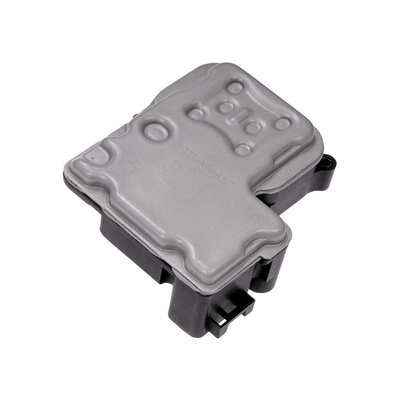
Below are the parts most often responsible for code C1047, ranked by how frequently each one is the actual culprit (per the diagnosis above). Tap any to see what we have for your vehicle.




The information in this article is provided for general reference and educational purposes only. Vehicle specifications, procedures, and part compatibility can vary by production date, trim level, and region. Always consult your vehicle's factory service manual and verify part numbers before purchasing or performing repairs. Safety-critical components such as airbags, seat belts, and braking systems should be installed by a qualified professional.
- 🧭 Diagnostic Flowchart
- 🛍️ Shop This Part
- What Does C1047 Mean?
- Can I Drive With C1047?
- Common Causes
- Symptoms
- Common Fixes & Costs
- DIY vs Professional
- Used vs. New Parts: Buying Guide
- What Happens If You Wait — Timeline
- Cost of Not Fixing It
- Diagnosis Steps
- When This Code Triggers (Freeze-Frame Conditions)
- Related Codes
- Climate & Environmental Factors
- How to Talk to a Mechanic About This Code
- Where to Take It: Dealer vs Independent vs Chain
- When to Walk Away From the Repair
- What Scan Tool You Need for This Code
- How to Clear the Code After You Fix It
- Will This Fail Emissions / State Inspection?
- Most Commonly Affected Vehicles
- Manufacturer-Specific Notes
- Real Owner Stories
- 2016 Lincoln MKX at 75,000 miles - Easy Fix
- 2013 Ford Edge at 106,000 miles - Misdiagnosis Story
- 2017 Ford Fusion at 90,000 miles - Unusual Root Cause
- How to Prevent This Code From Triggering
- Frequently Asked Questions
- Can I drive my car with a C1047 code?
- How much does it cost to fix a C1047 code?
- What are common mistakes when diagnosing a C1047 code?
- Will a C1047 code clear itself?
- Can I replace a wheel speed sensor myself?
- What is the difference between a C1047 code and a C0034 code?
- Why did my 'Service AdvanceTrac' light come on with the ABS light?
- Key Takeaways
- 🎟️ Get 5% Off