

OBD-II Code C1056: Anti-Lock Brake System Power or Motor Fault
What C1056 means, why it triggers, and how to fix it
- Code C1056 disables your ABS, traction control, and stability control due to a power supply or motor fault.
- Driving with C1056 increases collision risk because wheels lock during emergency braking, eliminating your ability to steer around obstacles.
- Check the 30-40A ABS fuses and main chassis ground connections before replacing the $1,200+ ABS module.
- On 2014-2022 GM trucks, inspect the G218 frame ground first; on 2015-2018 Subarus, replace the $30 brake light switch before further diagnosis.
- Require your mechanic to perform a voltage drop test showing less than 0.1V on the ABS ground circuit before authorizing a module replacement.
What Does C1056 Mean?
Code C1056 indicates the vehicle's computer detected a problem with the Anti-Lock Braking System (ABS) electrical power circuit. This points to a power supply issue at the ABS module or a failure in the ABS pump motor. When triggered, the ABS, traction control, and stability control systems shut down as a safety precaution.
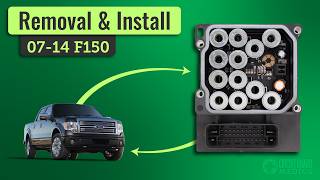
Technical definition: The SAE/ISO definition for C1056 varies by manufacturer but universally indicates a fault in the ABS power circuit, ground connection, or internal motor. Ford defines it as 'ABS Pump Motor Circuit Failure.' 🎬 Watch: Step-by-step ABS module removal and installation guide Mitsubishi defines it as 'Battery power supply' (voltage below 10V). GM ties it to power supply issues.
Can I Drive With C1056?
Yes, But With Caution. Yes, but it poses a significant safety risk. Your Anti-Lock Braking System (ABS) and traction/stability control are disabled. While standard hydraulic brakes still function, ABS prevents wheel lock-up during hard braking to maintain steering control. Without ABS, wheels lock, causing skids and making it impossible to steer around obstacles in emergencies. This loss of control dramatically increases collision risk, especially in wet or icy conditions.
Common Causes
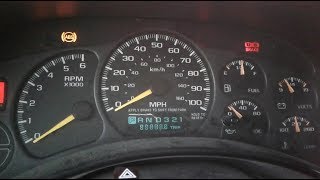
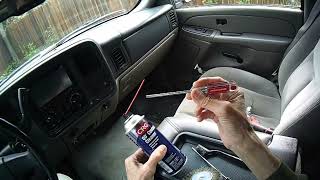
- Poor or corroded main ground connections (Very Common) — A corroded or loose ground wire for the engine, chassis, or ABS module creates high resistance and intermittent voltage drops. This notorious issue on GM trucks 🎬 Watch: How a loose ground triggers ABS lights on Silverados also causes electrical backfeed, where voltage travels backward through shared ground circuits.
- Blown ABS fuse or faulty relay (Very Common) — High-amperage fuses (30-40A) and relays protect the ABS module and pump motor. These fail from age or intermittent shorts, cutting power to the module.
- Low battery voltage or failing alternator (Common) — The ABS requires stable voltage (above 10.5V). A weak battery or failing alternator drops voltage below the threshold, triggering the fault.
- Faulty brake light switch (Common) — On Subaru models, a malfunctioning brake light switch disables the Vehicle Dynamics Control (VDC) and ABS systems because the module cannot confirm brake pedal status.
- Corroded or damaged wiring/connectors (Common) — Wiring harnesses exposed to moisture and road debris develop corrosion (green/white crust) or physical damage, creating open or shorted circuits.
- Failed ABS pump motor (Common) — The electric motor driving the ABS pump wears out, develops an internal short, or seizes. The module detects incorrect current draw and sets the code. 🎬 See how to test for a failed ABS pump motor
- Faulty ABS control module (Less Common) — The electronic control module fails internally due to cracked solder joints, failed transistors, or heat cycle damage.
Symptoms
- ABS warning light is on — The 'ABS' light on your dashboard illuminates immediately.
- Traction control or stability control light is on — These systems rely on the ABS to function, so their warning lights (e.g., 'TCS,' 'VDC,' 'ESC,' or a skidding car icon) illuminate simultaneously.
- Multiple dashboard warning lights appear at once — A failing ground connection causes a cascade of seemingly unrelated warning lights (Check Engine, ABS, Airbag) to appear simultaneously or flicker randomly.
- Brakes lock up under heavy braking — Without ABS, the wheels lock and skid during a panic stop, especially on wet or loose surfaces, resulting in a loss of steering control.
- Unusual noises from the ABS pump — You hear a buzzing, clicking, or grinding from the ABS pump area, or the pump runs continuously even after the car is off, draining the battery.
Diagnostic Flowchart
Tap your situation to follow the diagnostic path that matches what you're seeing on this code.
Common Fixes & Costs
- Clean or Replace Main Ground Cable — Parts: $20-$80, Labor: $75-$150, ~1.2 hr book time (Intermediate)
- Replace ABS Fuse/Relay — Parts: $5-$30, Labor: $0-$50, ~0.2 hr book time (DIY)
- Replace Brake Light Switch — Parts: $15-$50, Labor: $50-$100, ~0.7 hr book time (DIY)
- Remanufacture/Repair Existing ABS Module — Parts: $150-$400 (service cost), Labor: $150-$300 (removal/installation), ~2 hr book time (Professional)
- Replace ABS Pump and Module Assembly — Parts: $800-$2000+, Labor: $200-$400, ~2.5 hr book time (Professional)
DIY vs Professional
- Replace ABS Fuse/Relay — Beginner: Yes
Tools: Fuse puller (often included in fuse box), owner's manual. - Clean or Replace Main Ground Cable — Beginner: Yes, with caution.
Tools: Wrench/socket set, wire brush, battery terminal cleaner, dielectric grease. - Replace Brake Light Switch — Beginner: Yes.
Tools: Basic hand tools (pliers, screwdriver), trim removal tool may be helpful. - Remanufacture/Repair Existing ABS Module — Beginner: No (The repair itself). An advanced DIYer can remove and reinstall the module to mail it out for service.
Tools: Socket set, flare nut wrenches (for brake lines), torque wrench, scan tool (for bleeding). - Replace ABS Pump and Module Assembly — Beginner: No.
Tools: Professional scan tool (bi-directional), flare nut wrenches, socket set, torque wrench, brake bleeding equipment.
Used vs. New Parts: Buying Guide
When a used part is worth it: A used ABS module/pump assembly is a budget-friendly option for older, high-mileage vehicles where the cost of a new part is prohibitive. It makes sense if you have a tight budget and can source a part from a reputable seller with a warranty.
Donor-vehicle mileage cap: roughly under 100000 miles for the part to have meaningful remaining life.
Donor quality checklist:
- Purchase from a reputable auto recycler that tests parts on the donor vehicle before removal and offers a warranty (90 days or more is a good sign).
- Match the part number EXACTLY. Do not rely on year/make/model alone, as there are many variations for 2WD/4WD, traction control options, etc.
- Avoid parts from vehicles with flood or heavy collision damage.
- Ask for the donor vehicle's VIN to check its history if possible.
Decision logic:
- If Your original module is confirmed faulty but the pump is good, AND a mail-in repair service is available. → Choose to repair/remanufacture your original module. This is often the best value and avoids the need for VIN programming.
- If Vehicle is newer or has low mileage and you plan to keep it long-term. → Buy a new OEM part. The cost is high, but it comes with the longest warranty and peace of mind.
- If Vehicle is older (>120k miles), budget is the primary concern, and you have access to a shop capable of programming. → A tested used part from a warrantied source is a viable option.
Warranty tradeoff: Used parts typically offer a 30-90 day warranty. Remanufactured units often come with a 1-year to lifetime warranty. New OEM parts carry a 1-2 year warranty.
Worst-case if a used part fails: $500-$1000 if a used part is dead on arrival or fails shortly after the warranty period. This includes the cost of repeat labor for installation, bleeding, and programming, plus the cost of another replacement part.
What Happens If You Wait — Timeline
- Immediate: Code C1056 is set. The ABS, Traction Control, and Stability Control warning lights illuminate. These safety systems are now disabled. (MPG impact: 0%% · Added cost: $0 (but collision risk is significantly increased))
- 0-7 days (if pump runs continuously): If the cause is a stuck relay or internal module fault, the ABS pump motor runs constantly, even with the key off. This completely drains the battery within hours or a day, leaving you stranded. (MPG impact: 0%% · Added cost: $150-$300 for a new battery if it is deeply discharged and damaged.)
- 1+ week (if pump runs continuously): The continuously running ABS pump motor, which is not designed for 100% duty cycle, overheats and burns out. This turns a potential electronic repair into a mandatory mechanical replacement. (MPG impact: 0%% · Added cost: $1200-$2500 for a new ABS pump/module assembly, plus labor and programming.)
- Ongoing: Driving indefinitely without ABS/TCS. While there is no further component damage (assuming the pump isn't running), the vehicle remains unsafe in emergency situations. This causes a failed state safety inspection. (MPG impact: 0%% · Added cost: Potential for collision costs, or a failed inspection ticket. The cost of not fixing is primarily a safety risk, not a financial one, unless the pump motor is running.)
Cost of Not Fixing It
- Immediate: Loss of ABS, traction control, and stability control, resulting in a significantly increased risk of skidding and loss of control in a panic stop or on slippery surfaces. (Added cost: Potential for a collision, with costs ranging from minor to catastrophic.)
- 0-7 days: If the fault is a stuck relay or internal module short, the ABS pump runs continuously, even with the key off. This drains the battery completely, leaving you stranded. (Added cost: $150-$300 for a new battery if it is damaged by deep discharging.)
- 1+ week: A continuously running ABS pump motor eventually burns itself out from overheating. This turns a potentially simpler electrical repair into a mandatory replacement of the expensive ABS pump/module assembly. (Added cost: $1200-$2500+ for a new ABS assembly, plus labor.)
Diagnosis Steps
- Check for Other Codes
Use an OBD-II scanner capable of reading ABS codes. Document all codes present before clearing them. Codes related to battery voltage (P0562), communication (U-codes), or specific wheel speed sensors provide critical diagnostic clues.
Tools: OBD-II Scanner (with ABS capability) (Beginner) - Test Battery and Charging System
Use a multimeter to check the battery voltage with the engine off (~12.6V) and running (~13.7-14.7V). A weak battery or failing alternator causes this code. Auto parts stores test batteries and alternators for free.
Tools: Multimeter (Beginner) - Inspect ABS Fuses and Relays
Locate the ABS fuses in your vehicle's fuse boxes (check under the hood and inside the cabin). Inspect the low-amp (5-10A) module fuse and high-amp (30-40A) pump motor fuse. Test for continuity with a multimeter.
Tools: Owner's Manual, Multimeter, Fuse Puller (Beginner) - Inspect Main Ground Points
Locate and inspect the main ground straps: battery negative to chassis, and chassis to engine block. Look for fraying, looseness, and corrosion. On GM trucks, inspect ground G218 and grounds on the frame rail behind the front passenger tire.
Tools: Wrench set, Wire brush, Flashlight (Intermediate) - Pro Tip: Perform a Voltage Drop Test on the Ground Circuit
Set your multimeter to a low DC voltage scale (mV). Connect the black lead to the negative battery terminal and the red lead to the ABS module's ground pin. With the ignition on, the reading must be less than 100 millivolts (0.1V). A higher reading indicates excessive resistance.
Tools: Multimeter, Vehicle-specific Wiring Diagram (Advanced) - Check for Power at the ABS Module
Disconnect the ABS module connector. With the ignition on, use a multimeter to verify battery voltage at the power supply pins. You must have power on both the low-amp module circuit and the high-amp pump motor circuit. Lack of voltage points to a wiring or fuse box issue.
Tools: Multimeter, Vehicle-specific Wiring Diagram (Advanced) - Pro Tip: Test ABS Pump Motor Resistance
With the ABS module connector unplugged, use a multimeter set to Ohms to measure the resistance between the power and ground pins for the pump motor. A good motor has low resistance (0.1 to 5.0 Ohms). An infinite reading (OL) indicates an open circuit; zero Ohms indicates a direct short.
Tools: Multimeter, Vehicle-specific Wiring Diagram (Advanced) - Pro Tip: Test ABS Pump Motor Current Draw
Using a bi-directional scan tool and a DC amp clamp, command the ABS pump motor to activate. Clamp the meter around the main power wire to the pump. A healthy pump motor draws between 10 and 15 amps. No draw indicates an open motor; excessively high draw indicates a seized motor.
Tools: Bi-Directional Scan Tool, DC Amp Clamp (Advanced) - Monitor Live Data PIDs
Using an advanced scan tool, monitor live data from the ABS module. Watch 'ABS Module Supply Voltage' and 'Pump Motor Status'. The module voltage must be stable and match the charging system voltage (13.7-14.7V running). Erratic readings while driving point to intermittent connection issues.
Tools: OBD-II Scanner (with Live Data & ABS capability) (Advanced)
When This Code Triggers (Freeze-Frame Conditions)
- System Voltage: 11.5-14.5V (The code often sets during the initial Key-On-Engine-Off (KOEO) self-test. If voltage is below ~10.5V at this moment, the code triggers.)
- Vehicle Speed: 0 mph (The fault is typically detected during the ABS module's power-up sequence or initial self-test before the vehicle is moving.)
- ABS Pump Motor Status: Commanded ON (The code sets when the module commands the pump motor to run (either during self-test or an ABS event) and detects an incorrect current draw (too high or too low).)
- Ignition Status: RUN (The fault is logged when the ignition is on and the ABS module is powered and attempting to initialize or function.)
Related Codes
- U0121 — 'Lost Communication With Anti-Lock Brake System (ABS) Control Module.' This code means your scan tool cannot talk to the ABS module at all. This is caused by a blown main fuse, a complete power loss, or a major internal failure. C1056 means the module is powered and communicating but reporting its own internal power circuit problem.
- C1255 — 'EBCM (Electronic Brake Control Module) Internal Malfunction.' This is a generic internal failure code. C1056 points specifically to the module's power supply or the pump motor circuit. If you have C1255 with no other codes, the module itself is bad.
- C0035 to C0050 — These are codes for specific wheel speed sensor circuits (e.g., C0035 for Left Front). C1056 is a power/motor fault, not a sensor data fault. If you have both, diagnose the C1056 power issue first, as it is likely the root cause.
- P0562 — 'System Voltage Low.' This code confirms the entire vehicle is experiencing low voltage. If you see this code alongside C1056, the root cause is a failing battery or alternator, not the ABS module.
Climate & Environmental Factors
- High Humidity / Road Salt (Rust Belt): This is a primary contributor to C1056 failures. Salt-laden moisture accelerates the corrosion of chassis grounds, wiring harness connectors, and the aluminum housing of the ABS module itself. This corrosion creates high resistance in power and ground circuits, leading to voltage drops and intermittent electrical faults.
- Extreme Cold Weather: Cold temperatures reduce a battery's cranking power and overall efficiency. This causes system voltage to dip below the ABS module's minimum threshold (e.g., <10.5V) during startup, triggering a C1056 code. This is especially common on vehicles sensitive to voltage, like Mitsubishi.
How to Talk to a Mechanic About This Code
Say this: "I have an ABS light on and my scanner is showing a C1056 code. I've already checked the fuses and battery, so I'd like you to focus on testing the power and ground circuits at the ABS module with a voltage drop test before recommending a module replacement."
This signals that you've done your research and understand the common, cheaper failure points like wiring and grounds. It directs the technician to perform a specific, conclusive test rather than immediately quoting the most expensive part.
Avoid saying:
- 'My ABS light is on, can you fix it?' (This is too vague and invites a shop to start with the most expensive guess.)
- 'I think I need a new ABS module.' (Never diagnose the car for the mechanic; you anchor them to a costly repair without proper diagnosis.)
- 'Just do whatever it takes to get the light off.'
Questions to ask before authorizing the repair:
- What were the results of the voltage drop test on the power and ground wires at the module connector?
- If you are recommending an ABS module replacement, can you confirm the pump motor is also bad? Or can the module be replaced separately?
- Have you considered sending the original module out for a rebuild, which is cheaper than a new part?
- Does the quoted price for a replacement module include the cost of VIN programming and a full brake system bleed using a scan tool?
Where to Take It: Dealer vs Independent vs Chain
- Dealer:
Best for: Vehicles under warranty, Complex programming issues for newer cars, Confirmed internal module failures where a new OEM part is desired
Downsides: Highest labor rates, often 1.5-2x more than independent shops., More likely to replace the entire ABS assembly rather than diagnose a simpler wiring or ground fault. (Typical cost: +50% vs. baseline) - Independent Shop:
Best fit for most scenarios. An experienced independent mechanic is well-equipped to diagnose the common electrical faults that cause C1056 and is more open to cost-effective solutions like cleaning grounds or using remanufactured parts.
Best for: Out-of-warranty vehicles where cost is a factor., Diagnosing electrical issues like bad grounds or wiring, which are common causes of C1056., Installing customer-supplied remanufactured modules or used parts.
Downsides: Quality and diagnostic capabilities vary widely. Ensure the shop has modern scan tools and experience with ABS systems., May not have the latest manufacturer-specific software for programming new modules on very recent models. (Typical cost: +0% vs. baseline) - Chain Shop:
AVOID for C1056 diagnosis. This code requires specialized electrical diagnosis, not just parts replacement. A chain shop is likely to either misdiagnose the issue or recommend the most expensive repair without confirming the root cause.
Best for: Basic brake jobs (pads, rotors) or free battery testing.
Downsides: Technician skill varies dramatically., Often lack the advanced diagnostic tools and in-depth electrical knowledge required for a C1056., High pressure to upsell; may recommend a full module replacement without proper diagnosis. (Typical cost: -10% vs. baseline)
When to Walk Away From the Repair
If the estimated repair cost for the C1056 code (which reaches $1,500-$2,500 for a full module replacement) exceeds 50% of your car's private-party value, seriously consider alternatives to the repair.
- Car worth $4000, fix is $1800: Walk away. The repair cost is nearly half the car's value, and other age-related issues are likely. It is not worth the expense to repair the ABS on an older car.
- Car worth $15000, fix is $2000: Fix it. The repair cost is a small fraction of the vehicle's value and restores a critical safety system.
- Car worth $8000, fix is $1000: Fix it, but explore cost-saving options like a remanufactured module or confirming it's not just a bad ground first.
What Scan Tool You Need for This Code
Minimum: A scanner that can read and clear Anti-Lock Brake System (ABS) codes. A basic engine-only code reader will not see the C1056 code.
A standard $20 OBD-II reader only communicates with the Engine Control Module (ECU). It cannot access the ABS module where chassis codes like C1056 are stored. You will see 'No Codes Found' while the ABS light is clearly on.
Budget: BlueDriver Pro (~$100) — Reads and clears ABS codes, provides freeze-frame data, and streams live data from the ABS module. This is enough to confirm the C1056 code and monitor system voltage, which helps in diagnosing power-related issues.
Mid-range: Foxwell NT510 Elite / Autel MaxiCheck Pro (~$150) — Includes bi-directional controls. This is a critical feature for C1056, as it allows you to command the ABS pump motor to turn on and off to test its function directly. It also performs the automated ABS bleed procedure required after replacing the module.
Professional: Autel MaxiCOM MK808 / XTOOL D7 (~$450-600) — Offers full OE-level diagnostics, including bi-directional control, ABS bleeding, and the ability to perform VIN programming and module calibration on many vehicles after a replacement part is installed.
Rent vs buy: For a one-time C1056 diagnosis, many auto parts stores read your ABS codes for free. However, they cannot perform bi-directional tests. If you plan to do the diagnosis yourself or perform future repairs, buying a mid-range scanner with bi-directional ABS functions offers the best long-term value.
How to Clear the Code After You Fix It
- Ensure all repairs are complete and the battery is fully charged.
- Reconnect the battery if it was disconnected for the repair.
- Use an ABS-capable OBD-II scan tool to navigate to the 'Anti-Lock Brake System' module.
- Select the option to 'Clear Codes' or 'Erase DTCs'.
- Cycle the ignition off, then on, and check if the code returns during the system self-test.
Drive cycle (~20 minutes): After clearing the code, perform a drive cycle to confirm the fix. Start the vehicle and let it idle for 2 minutes. Drive in mixed city/highway conditions for at least 15 minutes, ensuring you reach speeds above 40 mph. Perform several normal (non-panic) stops. Park the vehicle and cycle the ignition off and on again. Re-scan for codes.
Readiness monitors affected: Not directly affected by ABS codes, All emissions readiness monitors will be reset to 'Not Ready' if you clear codes with a scanner or disconnect the battery.
Before emissions retest: drive at least 50 miles to fully set monitors.
Watch out for:
- Using a basic code reader that cannot access the ABS module will not clear the code.
- The code returns immediately if the underlying electrical fault (bad ground, fuse, or module) has not been properly fixed.
- If you clear the codes, you must complete a full drive cycle to reset emissions readiness monitors before attempting a smog test.
Will This Fail Emissions / State Inspection?
No — by itself this code doesn't fail OBD inspection (but it can keep readiness monitors from setting, which causes a separate fail).
- California: An illuminated ABS light will NOT cause a failure of the biennial smog check, which is only concerned with emissions. However, it causes a failure of the separate 'Brake and Lamp Inspection' required for salvaged vehicles.
- New York: The annual NYS inspection includes both emissions and safety checks. An illuminated ABS warning light is a cause for failure of the safety inspection portion.
- Texas: The annual Texas safety inspection requires the ABS warning light to function correctly (turn on with the key, then turn off). If the light remains on, the vehicle fails the safety inspection.
Most Commonly Affected Vehicles
- Chevrolet / GMC Silverado / Sierra 1500 (2014-2022) — Extremely susceptible to electrical issues from corroded grounds. Check the main ground on the frame behind the front passenger tire and the BCM ground G218. TSB 18-NA-161 addresses numerous electrical faults stemming from these poor grounds.
- Ford F-150 (2009-2014) — Prone to internal ABS module failure. The module is located on the driver's side frame rail and can be removed separately from the hydraulic pump. Part numbers vary by 4x2 vs 4x4 configuration.
- Subaru Outback, Forester, Legacy (2015-2018) — Frequently presents with ABS, VDC, and EyeSight disabled. Before suspecting the ABS module, always inspect the brake light switch. The part number for 2015+ models is typically 83311AL00A.
- Nissan Titan (2016-2021) — On these models, C1056 often points to a complete failure of the ABS actuator and electric unit. Diagnosis must confirm power and ground at the unit before condemning the expensive assembly.
- Mitsubishi Outlander (2016-2020) — This code frequently sets when the system voltage drops below the specified threshold (around 10V). Always test the battery and charging system thoroughly before replacing any ABS components.
- Ford Fusion (2010-2012) — These models are known for issues with the ABS controller or pump, making this a common repair. The symptoms and causes are similar to the F-150 of the same era.
- Volkswagen Jetta, Golf, Passat (2012-2018) — Often displays an intermittent 'Fault: Electronic Parking Brake' warning along with ABS/ESC lights. The cause ranges from a faulty parking brake button to a wiring issue related to the ABS module.
- Hyundai Elantra, Sonata (2015-2017) — Suffers from issues with the electronic parking brake switch or wiring, leading to ABS/ESC warning lights. A recall (Campaign 164) was issued for some 2015-2016 Sonata models due to a corroded parking brake switch.
Manufacturer-Specific Notes
- General Motors (Chevy/GMC): Always start with the grounds. Poor ground connections are a notorious cause of random electrical faults on Silverado and Sierra trucks. Inspect the ground points on the frame and engine block (G218). TSB 18-NA-161 states that a voltage drop over 200mV (0.2V) on the negative battery cable during cranking warrants cable replacement.
- Ford: On many F-150s and Fusions, C1056 points directly to a failure in the ABS pump motor circuit or the module itself. A voltage drop test on the power and ground wires at the module connector is the most effective diagnostic step after checking fuses.
- Subaru: If the ABS, VDC, and EyeSight lights are all on, the first and most likely culprit is a faulty brake light switch. This is a cheap part to replace and must be checked before diagnosing the expensive ABS module.
- Mitsubishi: These vehicles are highly sensitive to system voltage. A C1056 code is frequently triggered by a weak battery or alternator causing voltage to drop below 10V. Always perform a full charging system test before any other diagnosis.
- Hyundai: A recall was issued for 2015-2016 Sonata and Genesis models (Recall 164) for a parking brake switch that corrodes and fails to illuminate the warning light. This highlights the susceptibility of brake-related switches to corrosion on these vehicles.
Real Owner Stories
2015 Subaru Forester with ABS/VDC/Hill Start lights on
At around 80,000 miles, the ABS, traction control (VDC), and hill start assist warning lights all came on simultaneously. The car drove normally otherwise.
Outcome: Replacing the brake light switch with a new part (OEM part # 83311AL00A) and clearing the codes by disconnecting the battery resolved the issue. The total cost was under $30 for the part and was a simple DIY fix.
Lesson: On a modern Subaru, if multiple brake-related safety lights appear at once, the brake light switch should be the very first part you inspect and replace. It's an inexpensive part that often fails and saves you a costly diagnostic fee at a shop.
2014 Chevy Silverado 1500 with multiple random electrical faults
Owner experienced flickering dash lights, radio shutting off, and the ABS light coming on intermittently. Sometimes the truck would nearly stall when coming to a stop.
Outcome: The primary ground wire located on the chassis frame rail behind the front passenger tire was found to be corroded. The owner removed the bolt, thoroughly cleaned the contact surfaces of the terminal and frame with a wire brush until shiny, and re-secured the connection. This completely solved all the intermittent electrical problems.
Lesson: On 2014-2018 GM trucks, a host of seemingly unrelated electrical issues, including C1056, are very frequently caused by a few specific poor ground connections. Before replacing any modules, perform a voltage drop test or visually inspect and clean the main battery-to-chassis and engine-to-chassis grounds.
2009 Ford F-150 with ABS pump running continuously
After parking the truck, the owner heard a buzzing noise from the engine bay and discovered the ABS pump was running continuously, even with the ignition key removed. This drains the battery if left unchecked.
Outcome: The owner sent the module to a mail-in repair service that specializes in fixing these units. The service replaced a failed internal component (a MOSFET chip) that was causing the pump to stay on. After receiving the repaired module and reinstalling it, the system functioned correctly and the code was gone. This avoided the ~$1200+ cost and reprogramming required for a new Ford ABS assembly.
Lesson: If the ABS pump runs with the key off, it's almost always a failure inside the electronic control module, not the pump motor itself. Pulling the fuse is a critical first step to prevent battery drain and pump burnout. Repairing your original module is significantly cheaper than replacement and avoids VIN programming issues.
How to Prevent This Code From Triggering
- Perform a brake fluid flush every 2-3 years or 30,000 miles. (Every 2-3 years) — Brake fluid is hygroscopic, meaning it absorbs moisture over time. This moisture corrodes the sensitive internal metal components of the ABS pump and valve body, leading to seizure or failure.
- Clean and protect major chassis ground connections. (Every few years, or when working in the area) — Corrosion at the main battery-to-chassis and engine-to-chassis ground points creates high resistance, causing voltage drops that trigger the C1056 code. Periodically disconnecting, cleaning the contact points to bare metal, and applying dielectric grease prevents this.
- Regularly inspect and clean battery terminals. (Every oil change) — Corrosion on the battery terminals causes system-wide low voltage, tricking the ABS module into setting a power fault code. Keeping terminals clean ensures a stable voltage supply for all electronics.
- Keep the area around the ABS module clean and dry. (During routine maintenance) — In many vehicles, the ABS module is located on the frame rail, exposed to road spray. Keeping this area free of caked-on mud, salt, and debris reduces the chance of moisture seeping into connectors or corroding the module housing itself.
Frequently Asked Questions
Is it safe to drive my car with a C1056 code?
You can drive the car, but it is not recommended for anything other than getting to a repair shop. Your standard brakes will work, but you have lost the critical safety function of ABS and stability control. In an emergency stop, your wheels lock, and you lose the ability to steer, greatly increasing crash risk.
Why did my ABS, traction control, and other lights all turn on at once?
This is a classic symptom of a systemic electrical problem, most often a bad main ground wire or a failing alternator. When multiple modules lose a stable power or ground connection, they report faults simultaneously. A technician must investigate the main power and ground circuits before chasing individual codes.
Can I just clear the C1056 code?
You can clear the code with a scanner, but it returns immediately after the vehicle performs its startup self-test if the fault remains. Simply clearing the code does not fix the underlying electrical problem. Some permanent codes require a specific drive cycle to clear after the repair.
My mechanic says the ABS module is bad. What should I do?
Before authorizing a $1,200+ replacement, ask if they performed a voltage drop test on the power and ground wires directly at the module connector. This simple test confirms if the module receives the required power. If the wiring is good, ask about sending the original module out for a $200 rebuild to avoid costly reprogramming.
Can a bad wheel speed sensor cause a C1056 code?
It is highly unlikely. A bad wheel speed sensor triggers its own specific codes (like C0035). C1056 specifically flags the ABS module's power or pump motor circuit.
What does a failing ABS pump sound like?
A failing ABS pump motor makes a loud, continuous buzzing or grinding noise that continues even when the car is off. Conversely, a dead motor makes no sound at all when a bi-directional scanner tries to activate it. A healthy pump makes a quiet, brief whirring sound for a few seconds during its startup self-check.
How much does it cost to fix a C1056 code?
Repair costs range from $20 for a blown fuse to over $1,500 for a full module replacement. Cleaning a bad ground costs $100-$200 at a shop, while a new Subaru brake light switch is around $150 installed. A full ABS module replacement on a truck costs between $1,200 and $1,800 including parts, labor, and programming.
Key Takeaways
- Code C1056 disables your ABS, traction control, and stability control due to a power supply or motor fault.
- Driving with C1056 increases collision risk because wheels lock during emergency braking, eliminating your ability to steer around obstacles.
- Check the 30-40A ABS fuses and main chassis ground connections before replacing the $1,200+ ABS module.
- On 2014-2022 GM trucks, inspect the G218 frame ground first; on 2015-2018 Subarus, replace the $30 brake light switch before further diagnosis.
- Require your mechanic to perform a voltage drop test showing less than 0.1V on the ABS ground circuit before authorizing a module replacement.
Helpful Videos


Shop the Parts Behind C1056
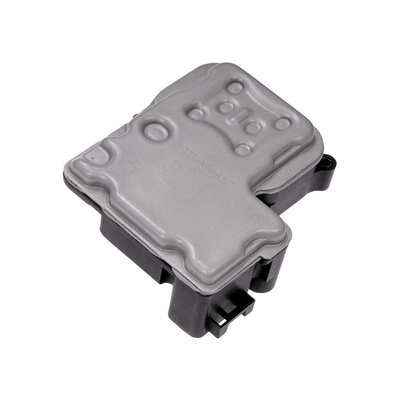
Below are the parts most often responsible for code C1056, ranked by how frequently each one is the actual culprit (per the diagnosis above). Tap any to see what we have for your vehicle.



The information in this article is provided for general reference and educational purposes only. Vehicle specifications, procedures, and part compatibility can vary by production date, trim level, and region. Always consult your vehicle's factory service manual and verify part numbers before purchasing or performing repairs. Safety-critical components such as airbags, seat belts, and braking systems should be installed by a qualified professional.
- 🧭 Diagnostic Flowchart
- 🎬 Helpful Videos
- 🛍️ Shop This Part
- What Does C1056 Mean?
- Can I Drive With C1056?
- Common Causes
- Symptoms
- Common Fixes & Costs
- DIY vs Professional
- Used vs. New Parts: Buying Guide
- What Happens If You Wait — Timeline
- Cost of Not Fixing It
- Diagnosis Steps
- When This Code Triggers (Freeze-Frame Conditions)
- Related Codes
- Climate & Environmental Factors
- How to Talk to a Mechanic About This Code
- Where to Take It: Dealer vs Independent vs Chain
- When to Walk Away From the Repair
- What Scan Tool You Need for This Code
- How to Clear the Code After You Fix It
- Will This Fail Emissions / State Inspection?
- Most Commonly Affected Vehicles
- Manufacturer-Specific Notes
- Real Owner Stories
- 2015 Subaru Forester with ABS/VDC/Hill Start lights on
- 2014 Chevy Silverado 1500 with multiple random electrical faults
- 2009 Ford F-150 with ABS pump running continuously
- How to Prevent This Code From Triggering
- Frequently Asked Questions
- Is it safe to drive my car with a C1056 code?
- Why did my ABS, traction control, and other lights all turn on at once?
- Can I just clear the C1056 code?
- My mechanic says the ABS module is bad. What should I do?
- Can a bad wheel speed sensor cause a C1056 code?
- What does a failing ABS pump sound like?
- How much does it cost to fix a C1056 code?
- Key Takeaways
- 🎟️ Get 5% Off