

C1112 on 2015-2018 GMC Yukon: Service Trailer Brake System Causes and Fixes
This code indicates a fault in the trailer brake control system, often triggering a "Service Trailer Brake" message. The most common causes are a weak battery or corrosion in the Trailer Brake Power Module connector located above the spare tire. Always perform a professional load test on the battery before replacing any parts, as low voltage is a well-documented trigger for this code on GM trucks and SUVs.
- Code C1112 on a 2015-2018 Yukon means the integrated trailer brake system has a fault and has been disabled.
- Before any other troubleshooting, have your vehicle's battery professionally load-tested. A weak battery is a very common cause.
- The second most likely cause is corrosion at the Trailer Brake Power Module connector, located above the spare tire.
- Do not tow a trailer until this issue is resolved, as your trailer brakes will not function.
- Avoid replacing the control module until you have definitively ruled out the battery and all related wiring and connectors.
What's Unique About the 2015-2018 Gmc YUKON
On this generation of GMC Yukon and its sister platforms (Tahoe, Suburban, Sierra, Silverado) built on the K2XX chassis, the trailer brake control system is notably sensitive to battery voltage. GM issued technical service bulletins, specifically PIT5529A which superseded PIT5521A, advising technicians to check the battery's state of health with a professional tester before performing any in-depth diagnostics for this code. Additionally, the location of the Trailer Brake Power Module (K133) above the spare tire makes its connector susceptible to water and dirt intrusion, leading to corrosion. TSB PIT5529A specifically notes that a missing or dislodged cavity plug in the connector can lead to "connector hydro-locking," where water pressure builds up and causes a poor connection or corrosion.
Diagnostic Flowchart
Tap your situation to follow the diagnostic path that matches what you're seeing on this vehicle.
Symptoms You May Notice
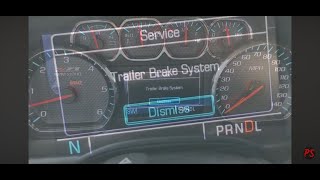
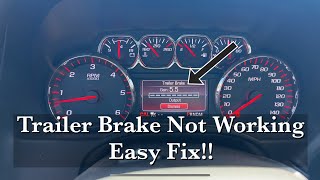
- "Service Trailer Brake System" message on the DIC.
- "Check Trailer wiring" message on the DIC.
- Trailer connection not recognized by the vehicle.
- Integrated trailer brake controller is non-functional or shows no gain output.
- Slow engine crank if the cause is a weak battery.
- ABS and Stabilitrak warning lights may appear in conjunction with the trailer brake message, often pointing to widespread low voltage issues.
- Replacing the Trailer Brake Power Module before testing the battery. The TSBs strongly emphasize checking the battery first, as low voltage is a very common trigger for this code.
- Blaming the truck when the fault lies with the trailer's wiring. It's always a good practice to test with a known-good trailer or a trailer simulator if the message only appears when a trailer is connected.
Most Likely Causes
- Weak or Failing Battery 🔴 High Probability → Shop Vehicle Battery As documented in TSBs PIT5521A and PIT5529A, the trailer brake control system on these vehicles is highly sensitive to low voltage conditions. A weak battery or bad cell can cause this code to appear even before the vehicle has trouble starting.
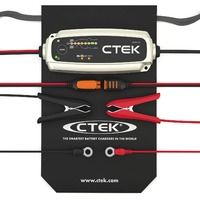
How to confirm: Perform a battery load test using a professional battery tester like a Midtronics GR8, as specifically recommended by GM. A simple voltage check with a multimeter is often not sufficient to identify a battery that is failing under load.
Typical fix: Replace the vehicle's battery. Ensure the new battery is fully charged before installation.
Est. part cost: $150-$350 - Corroded Trailer Brake Power Module Connector 🔴 High Probability → Shop Trailer Brake Control Module The module is located underneath the truck near the spare tire, exposing it to road spray and debris. TSB PIT5529A notes that water can enter the connector if a cavity plug is missing or dislodged, causing corrosion and potential short circuits. This is a very common failure point discussed in owner forums.
How to confirm: Lower the spare tire for access. 🎬 Watch: How to access and clean the module connector. Disconnect the module's electrical connector (Key off). Visually inspect the terminals on both the harness side and the module side for green or white corrosion, bent pins, or any signs of water intrusion.
Typical fix: Clean the connector terminals with electrical contact cleaner and a small brush. If corrosion is severe, the connector pigtail or the entire module may need to be replaced. Apply dielectric grease upon reassembly to prevent future moisture entry.
Est. part cost: $20-$250 - Faulty Trailer Brake Power Module 🟡 Medium Probability → Shop Trailer Brake Control Module While less common than wiring or battery issues, the module itself can fail internally due to vibration, heat, or internal component failure. GM has noted that many modules are returned with no fault found, so it's critical to rule out other causes first.
How to confirm: After confirming the battery is good and the wiring/connector to the module has proper power, ground, and is free of corrosion, the module itself becomes the primary suspect. Swapping with a known-good module is a definitive test.
Typical fix: Replace the Trailer Brake Power Module (GM Part #85073617). This part is located above the spare tire and is generally plug-and-play, 🎬 See this walkthrough for replacing the Yukon's brake module. not requiring programming for this specific fault.
Est. part cost: $100-$250 - Corrosion or Damage at 7-Pin Trailer Connector ⚪ Low Probability → Shop Trailer Wiring Harness The rear bumper 7-pin connector is exposed to the elements, and corrosion or physical damage to the pins can cause shorts or open circuits that the TBCM may interpret as a fault.
How to confirm: Visually inspect the pins inside the truck's 7-pin connector for corrosion, dirt, or damage. Check the wiring harness leading to the back of the connector for any breaks or chafing.
Typical fix: Clean the connector with a wire brush and electrical contact cleaner. If damaged, replace the 7-pin connector assembly. GM offers an updated part (p/n 23404450) 🎬 Watch: Fixing the 7-pin connector for a better connection. with a stronger door spring to ensure a better connection.
Est. part cost: $25-$75
Rare But Worth Checking
- Blown Fuse:
Diagnosis Steps
- Read all Diagnostic Trouble Codes (DTCs) from all modules.
- CRITICAL FIRST STEP: Fully charge and load test the vehicle's battery using a professional tester like a Midtronics GR8. Replace it if it fails the load test, clear codes, and re-evaluate. Do not proceed until the battery is confirmed to be healthy.
- If the battery is good, inspect the battery terminals and main chassis grounds for tightness and corrosion. Clean as necessary.
- Inspect the under-hood fuse block for any blown fuses related to the trailer brake system (e.g., Fuses #1, #2, #14, #15, #16, #17).
- Lower the spare tire to gain access to the Trailer Brake Power Module.
- With the ignition off, disconnect the electrical connector from the module. Carefully inspect the connector and module pins for any signs of corrosion (white or green powder), moisture, or pushed-out pins. Pay close attention to the weather seals and ensure all cavity plugs are present and seated.
- If corrosion is found, clean the terminals thoroughly with electrical contact cleaner and a small brush. Apply dielectric grease before reconnecting. If severe, the connector pigtail or module may need replacement.
- If no corrosion is found, use a multimeter to check for proper battery voltage and a solid ground at the module's connector pins.
- Inspect the wiring harness leading to the module for any chafing, breaks, or damage from road debris or improper repairs.
- Inspect the 7-pin trailer connector at the rear bumper for corrosion or damage.
- If all wiring, connections, and the battery check out, the Trailer Brake Power Module is the most likely failed component.
Parts You'll Likely Need
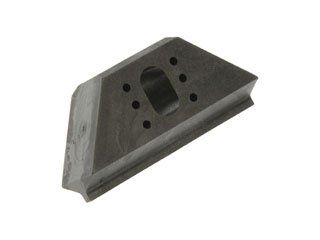
- Trailer Brake Power Module
(OEM #85073617)— This module can fail internally or suffer from connector corrosion, causing the C1112 code. This part number supersedes previous versions including 23104453, 23114650, and 23337305.
Trusted brands: ACDelco (GM Genuine)
OEM price range: $120-$250
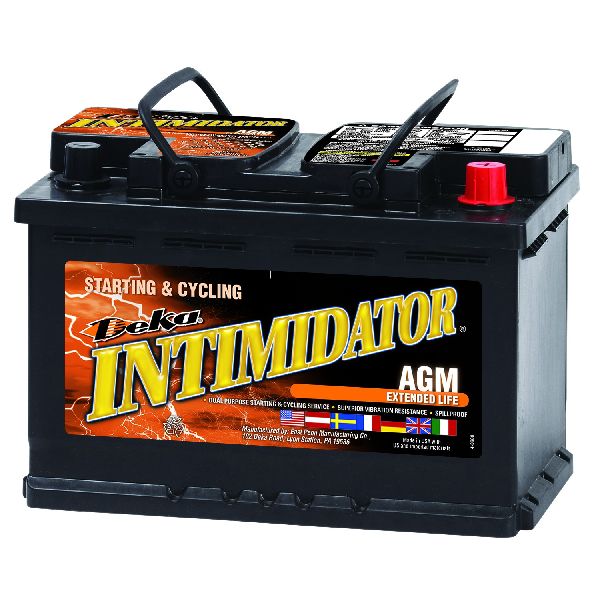
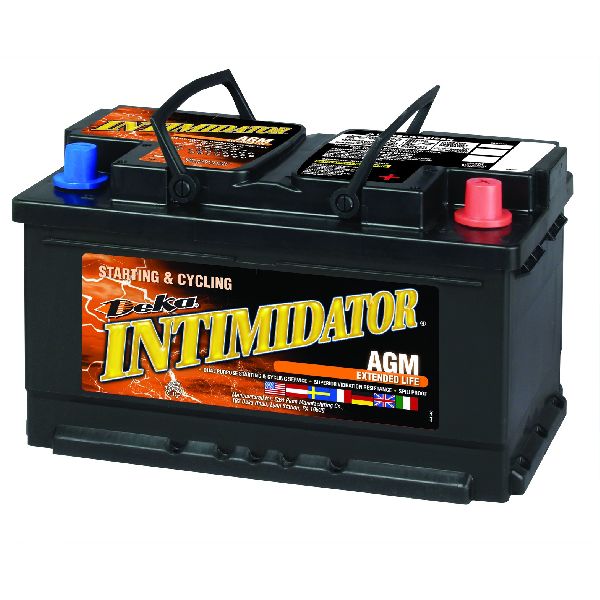
Aftermarket price range: $100-$180 - Vehicle Battery — A weak or failing battery is a primary cause of this code on these specific vehicles, as noted in multiple TSBs.
Trusted brands: ACDelco, Interstate, DieHard
OEM price range: $200-$350
Aftermarket price range: $150-$250 - 7-Way Trailer Connector Socket
(OEM #23404450)— The original connector can wear out, causing a poor connection. GM released this updated part to provide a more secure fit with a stronger door spring.
Trusted brands: ACDelco, Pollak
OEM price range: $50-$75
Aftermarket price range: $25-$50
Related Codes That Often Appear With This One
- C1113 — This code relates to the trailer brake control relay high control circuit and often appears with C1112 due to shared wiring and power sources, as noted in TSB PIT5529A.
- C1114 — This code for the trailer brake control solenoids control circuit is frequently set alongside C1112, as they are part of the same system and susceptible to the same electrical faults like low voltage or corrosion.
- C111B — This code is also related to the trailer brake system and is mentioned in the same TSBs as C1112, often pointing to battery voltage issues.
- U0137 — This is a communication code indicating that another module (like the ABS module) has lost communication with the Trailer Brake Control Module, which can happen when the TBCM loses power or fails due to the issues causing C1112.
Technical Service Bulletins (TSBs) & Recalls
- PIT5529A: Addresses "Service Trailer Brake" messages and codes C1112, C1113, C1114, etc., pointing to low battery voltage or a corroded Trailer Brake Power Module connector. This TSB combined and superseded PIT5521A.
- PIT5521A: A diagnostic tip that specifically recommends checking the battery's health first when encountering C1112 and related trailer brake codes.
Platform-Specific Known Issues
- TSB PIT5529A specifically calls out inspecting the Trailer Brake Power Module connector for corrosion due to water intrusion from missing or dislodged cavity plugs, which can cause 'connector hydro-locking'.
- TSB PIT5521A (superseded by PIT5529A) highlights that low battery voltage is a common cause for C1112 and related codes, and advises addressing battery health with a professional tester before any other diagnostics.
Helpful Videos
We Have This Part in Stock


The information in this article is provided for general reference and educational purposes only. Vehicle specifications, procedures, and part compatibility can vary by production date, trim level, and region. Always consult your vehicle's factory service manual and verify part numbers before purchasing or performing repairs. Safety-critical components such as airbags, seat belts, and braking systems should be installed by a qualified professional.
- Gmc YUKON:
- 🧭 Diagnostic Flowchart
- 🎬 Helpful Videos
- 🛍️ Shop This Part
- What's Unique About the 2015-2018 Gmc YUKON
- Symptoms You May Notice
- Most Likely Causes
- Rare But Worth Checking
- Diagnosis Steps
- Parts You'll Likely Need
- Related Codes That Often Appear With This One
- Technical Service Bulletins (TSBs) & Recalls
- Platform-Specific Known Issues
- 🎟️ Get 5% Off