

C1113 on 2014-2018 GMC Sierra 1500: Service Trailer Brake System Fixes
This code indicates a "Service Trailer Brake System" fault. Before replacing any parts, fully test the battery's health under load, as low voltage is a primary trigger. Next, inspect the Trailer Brake Power Module (TBCM) connector, located on the driver's side frame rail above the spare tire, for any signs of green or white corrosion. These two issues are the most common causes according to GM Technical Service Bulletins and owner experiences.
- C1113 means the trailer brake system is disabled due to a detected electrical fault.
- The most likely cause is not a bad module, but either a weak battery or corrosion in the wiring.
- Always start diagnosis by professionally testing the battery.
- The second step is to physically inspect the Trailer Brake Power Module connector, located on the driver's side frame rail, for corrosion or damage.
- Do not tow a trailer until the "Service Trailer Brake System" message is gone and the code is cleared.
What's Unique About the 2014-2018 Gmc SIERRA 1500
The K2XX platform, which includes the 2014-2018 Sierra and its Chevrolet Silverado counterpart, has a trailer brake control system that is highly sensitive to battery voltage and electrical connection integrity. GM has issued multiple Technical Service Bulletins (TSBs) highlighting that low battery voltage or corrosion at the TBCM connector are extremely common triggers for this code. [Bulletin #PIT5529A, Bulletin #PIT5521A] The module's location on the driver's side frame rail, directly above the spare tire, makes its main electrical connector particularly vulnerable to water, road salt, and debris kicked up by the tires, a frequent and well-documented point of failure.
Diagnostic Flowchart
Tap your situation to follow the diagnostic path that matches what you're seeing on this vehicle.
Symptoms You May Notice
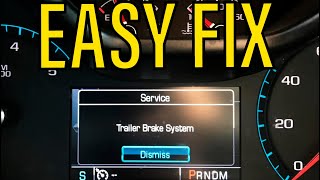
- "Service Trailer Brake System" message on the Driver Information Center (DIC). [Bulletin #PIT5529A, 3]
- "Check Trailer wiring" message on the DIC. [Bulletin #PIT5529A, 2]
- Trailer connection not being recognized by the truck. [Bulletin #PIT5529A]
- Integrated trailer brake controller is inoperative, often showing dashes on the display.
- Slow engine cranking or difficulty starting may be noticed if a weak battery is the root cause. [Bulletin #PIT5521A, 16]
- Warning message may appear and disappear intermittently, especially in wet conditions or on bumpy roads.
- Replacing the Trailer Brake Control Module (TBCM) without first testing the battery and inspecting the module's connector for corrosion. The TSBs strongly indicate that external factors are the most likely cause.
- Replacing the in-dash trailer brake controller switch. While this switch can fail, it is a less common cause for the C1113 code specifically, which points to the relay circuit managed by the TBCM on the frame rail. One owner replaced it without success before finding the TBCM was the actual fault.
Most Likely Causes
- Weak or Failing Battery 🔴 High Probability → Shop Vehicle Battery The trailer brake control module is sensitive to voltage fluctuations, especially during engine start-up. A battery with low voltage, a bad cell, or poor health can trigger this fault. GM specifically advises checking the battery first in TSB #PIT5521A. Numerous owners on forums have confirmed a new battery resolved the issue.
How to confirm: Test the battery's state of health and ability to hold a load using a professional-grade battery tester like the EL-50313 Midtronics GR8, as recommended by GM. A simple voltage check with a multimeter is often insufficient as it doesn't measure the battery's capacity under load.
Typical fix: Replace the vehicle's battery if it fails the load test. Ensure terminals are clean and tight upon installation.
Est. part cost: $150-$350 - Corroded Trailer Brake Power Module (TBCM) Connector 🔴 High Probability → Shop Trailer Brake Control Module The TBCM is located on the driver's side frame rail, often near or directly above the spare tire, exposing its connector to a constant barrage of water, salt, and road debris. TSB #PIT5529A confirms that missing or dislodged cavity plugs in the connector seal can allow moisture intrusion, leading to terminal corrosion (the "green death"). [Bulletin #PIT5529A]
How to confirm: Disconnect the negative battery terminal. Lower the spare tire for better access. Locate the TBCM on the frame rail, unplug its main electrical connector (it has a locking tab), and thoroughly inspect both the male pins on the module and the female terminals in the connector for any signs of green or white corrosion, moisture, or bent pins.
Typical fix: If corrosion is minor, clean the terminals carefully with a terminal cleaning brush and electrical contact cleaner. Apply dielectric grease to the connector seal before reassembly to prevent future moisture intrusion. If corrosion is severe, the connector pigtail and/or the module itself may need to be replaced. 🎬 See this walkthrough on how to replace the brake module. Ensure all cavity plugs are present and seated correctly. [Bulletin #PIT5529A]
Est. part cost: $30-$150 for a connector pigtail, $150-$300 for a new module. - Damaged Wiring Harness 🟡 Medium Probability The wiring harness running along the frame to the rear of the truck is susceptible to physical damage, chafing against the frame or suspension components, or rodent damage, which can cause a short to voltage or an open circuit. The area above the spare tire is a common spot for issues.
How to confirm: Visually inspect the entire length of the wiring harness leading to the TBCM and the 7-pin trailer connector at the bumper. Look for any breaks, chafing, melted sections, or signs of previous poor repairs. Use a multimeter to check for a short to voltage on the relevant circuit as per the service manual.
Typical fix: Repair the damaged section of the wire, using heat-shrink butt connectors or solder and heat-shrink tubing to ensure the repair is sealed against moisture.
Est. part cost: $10-$50 for wiring repair supplies.
Rare But Worth Checking
- Faulty Trailer Brake Control Module (TBCM): → Shop Trailer Brake Control Module This is rarely the root cause. Many modules are replaced unnecessarily when the actual problem is with the battery, wiring, or connector. Exhaust all other diagnostic steps before condemning the module. If replaced, it may require programming by a dealer. In some cases, the module can fail internally from moisture intrusion even if external connections look clean.
- Poor Ground Connection: The K2XX platform is known for having issues with frame ground points, which can cause a wide range of difficult-to-diagnose electrical problems. While not a top cause for C1113 specifically, checking and cleaning the main frame grounds (such as G401 on the left frame rail) is a good practice if other electrical issues are present.
- Blown Fuse: A blown fuse for the trailer brake system can cause the error message. In one documented case, a blown 30-amp fuse in the under-hood fuse box (specifically fuse #2 for the trailer battery system) was the culprit after a new TBCM did not fix the issue. Another owner temporarily pulled the 30-amp trailer brake fuse to silence the warning chime.
Diagnosis Steps
- Verify the battery's state of health using a professional load tester. This is the first step recommended by GM TSB #PIT5521A. A weak battery is a very common cause. Address any battery issues before proceeding.
- If a trailer is connected, disconnect it. Clear the codes and see if C1113 returns. If it does not, the fault is likely in the trailer's wiring.
- Visually inspect the 7-pin trailer connector at the rear bumper for corrosion, damage, or spread pins. Also inspect the large connector on the back of the 7-pin socket.
- Check relevant fuses in the under-hood fuse block. Specifically check fuses for the trailer brake system, such as the 30-amp fuses for STUD 1 and STUD 2, and other fuses labeled for the trailer brake system.
- Lower the spare tire to gain access to the driver's side frame rail.
- Locate the Trailer Brake Power Module (TBCM) on the driver's side frame rail. It is a black plastic box with a large electrical connector.
- Disconnect the TBCM electrical connector and inspect it thoroughly for moisture and corrosion (green or white powder). Check that all cavity plugs are present and fully seated as per TSB #PIT5529A. [Bulletin #PIT5529A]
- If no issues are found, perform a visual and physical inspection of the wiring harness between the TBCM and the front of the vehicle for any signs of physical damage, chafing against the frame, or previous repairs.
- If all wiring and connections are good, the issue may be with the TBCM itself, though this is the least likely cause.
Parts You'll Likely Need
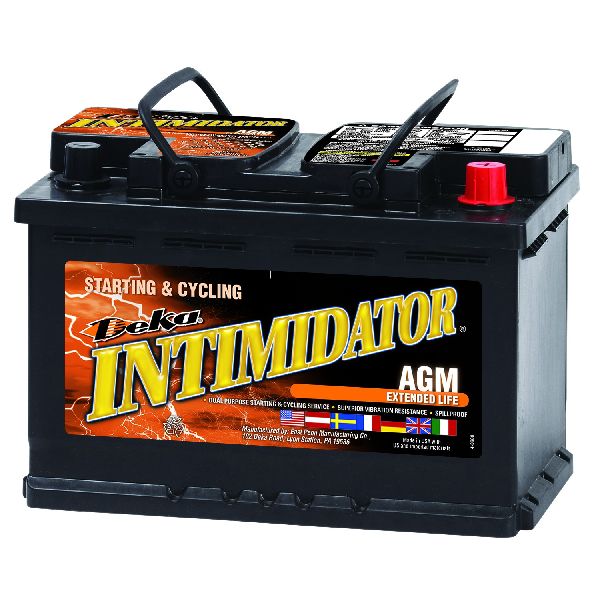
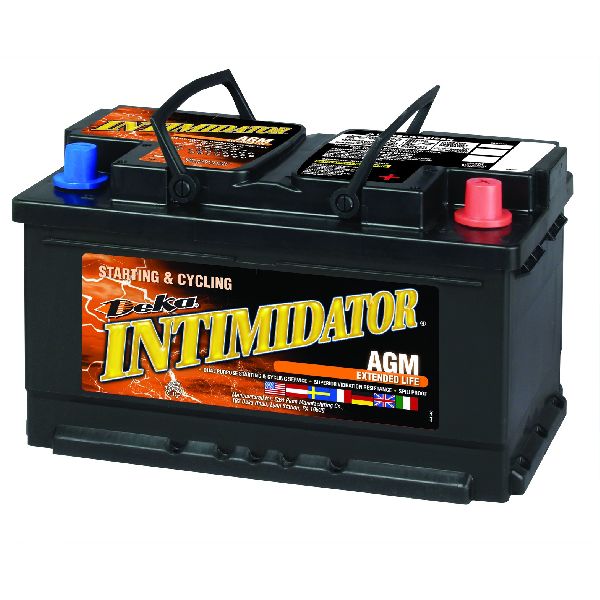
- Vehicle Battery — A weak battery is a primary cause of this code on this platform, as highlighted in multiple TSBs and confirmed by many owners.
Trusted brands: ACDelco, Interstate, DieHard
OEM price range: $200-$350
Aftermarket price range: $150-$250 - Trailer Brake Power Module Connector
(OEM #19178085)— This connector is highly prone to corrosion due to its location, which causes electrical faults. TSB #PIT5529A specifically calls for its inspection.
Related Codes That Often Appear With This One
- C1112 — Relates to the trailer brake control relay low control circuit. It shares the same module and wiring harness, and is often triggered by the same root causes like corrosion or low voltage. [1, Bulletin #PIT5529A]
- C1114 — Relates to the trailer brake control solenoids control circuit. It is part of the same system and TSBs group it with C1113 as having the same causes. [Bulletin #PIT5529A, 17]
- C111B — Another related trailer brake system code that GM includes in TSBs concerning low battery voltage and connector corrosion. [Bulletin #PIT5529A, #PIT5521A]
- U1556 / U1505 — These are communication codes that can be set when corrosion in the TBCM connector affects multiple circuits, disrupting communication with other modules on the CAN bus network. [Bulletin #PIT5529A, 6]
Technical Service Bulletins (TSBs) & Recalls
- PIT5529A: Advises inspecting the Trailer Brake Power Module connector for corrosion and missing cavity plugs. Also mentions checking battery health. This TSB combines and supersedes PIT5521A.
- PIT5521A: Specifically calls out low battery voltage as a potential cause for C1113 and related codes, advising a battery health check before other diagnostics. [Referenced in PIT5529A text, 6]
- 19-NA-255: Details the procedure for repairing the factory wax frame coating, which can fail and lead to corrosion around frame-mounted components.
Platform-Specific Known Issues
- Per TSB #PIT5529A, water intrusion into the Trailer Brake Power Module connector is a known issue, often caused by missing or dislodged cavity plugs, leading to corrosion and multiple trailer brake system DTCs.
- Per TSB #PIT5521A, low battery voltage is a known cause for setting C1113 and other related codes, sometimes accompanied by a slow crank condition. GM advises addressing battery health before performing other diagnostics.
- The waxy, factory frame coating on these trucks is known to flake off, exposing the frame to rust. While not a direct cause, this corrosion can affect ground points and accelerate the degradation of components mounted to the frame, like the TBCM.
Mechanic-Grade Diagnostic Values
- Trailer Brake Control Module operating voltage — expected: 9.5 - 17 Volts. Failure: Voltage outside this range can prevent the module from initializing and cause faults.
- Trailer Brake Control Relay ground circuit resistance — expected: Less than 5 ohms. Failure: Resistance greater than 5 ohms indicates an open or high resistance in the ground circuit.
- Voltage at Trailer Brake Control Relay control circuit (Terminal C) — expected: 3.2 - 4.1 Volts with ignition ON. Failure: A reading lower than 3.2V suggests a short to ground or open; a reading higher than 4.1V suggests a short to voltage.
- Voltage at Trailer Brake Control Relay control circuit (Terminal A) — expected: 3.2 - 4.1 Volts with ignition ON. Failure: A reading lower than 3.2V suggests a short to ground or open; a reading higher than 4.1V suggests a short to voltage.
Scan Tool Commands That Help
- GDS2: Data Display -> Trailer Brake Control Output Circuit — Use this to monitor the live status of the trailer brake output circuit (Circuit 47). The scan tool will display 'Okay', 'Short to Ground', or 'Short to Power', helping to pinpoint the nature of the electrical fault.
- GDS2: Data Display -> Trailer Brake Type — When a trailer or tester is connected, this parameter should show 'Electro-magnetic' or 'Electro-over hydraulic'. If it's incorrect or unknown, it points to a problem with the truck's ability to detect and classify the trailer, often due to wiring or connection issues.
Wiring & Ground Locations
- TBCM (K133) — Mounted to the driver's side frame rail, above the spare tire.. This is the module that sets code C1113. Its location makes its connector highly susceptible to corrosion, a primary cause of the code.
- G401 — On the left frame rail, in the rear of the vehicle.. This is a primary frame ground point for the rear of the vehicle, including the trailer harness wiring. A poor connection here can cause various trailer-related electrical faults.
- TBCM Connector Pin 1 — On the main connector for the Trailer Brake Control Module.. This pin is the main power feed to the module. Verifying power here is a key diagnostic step.
- TBCM Connector Pin 9 / 13 — On the main connector for the Trailer Brake Control Module. (Pin number may vary by module).. This is the main ground pin for the module. Verifying ground integrity is a key diagnostic step.
- Circuit 47 (Dark Blue wire) — Runs from the trailer brake relay/module to the 7-pin trailer connector at the bumper.. This is the trailer brake output control circuit. Faults on this wire (short to power, short to ground, open) are a direct cause of trailer brake system codes like C1114 and can be related to C1113.
Real Owner Repair Stories
- YouTube user 'biker mike' (2015 GMC Sierra 2500 HD) — "Service Trailer Brake System" message on the DIC.
❌ Tried (didn't work) Visual inspection of wiring harness., Replacing the in-dash trailer brake controller switch.
✅ What actually fixed it The problem was resolved by replacing the Trailer Brake Control Module (TBCM) located above the spare tire. The owner also noted that pulling the 30-amp trailer brake fuse under the hood would temporarily silence the warning chime.
"I Checked Everything" — The Actual Cause
- A technician reported a 2019 Sierra with a U1556 (loss of communication with TBCM) code. All external tests for power, ground, and the LIN bus communication wire showed good continuity. The TBCM was replaced based on these tests, which resolved the fault. Upon disassembling the old module, it was found to be full of corrosion internally, despite the external connector and pins appearing clean. This shows the module can fail internally from moisture without obvious external signs.
OEM Part Supersession History
Unknown→23404450— The updated part has a stronger door/cover spring to ensure a more secure and reliable connection with the trailer plug, reducing the chance of intermittent connection faults.
Heads up: This is for the truck-side 7-way trailer connector at the bumper, not the TBCM itself.
Model Year Variations Within This Range
- 2014-2018: The core electrical design and components related to the trailer brake system, including the TBCM and its vulnerable location, remained consistent across this generation, including the 2016 model year facelift. TSBs for the issue span the entire date range.
Helpful Videos
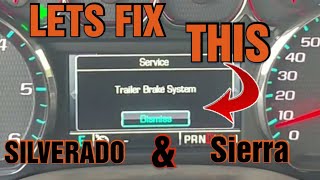
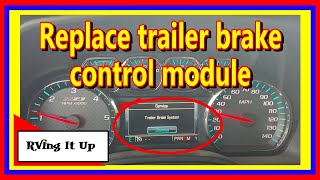
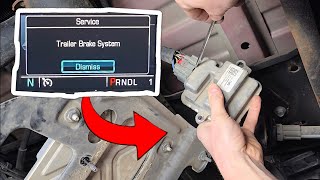
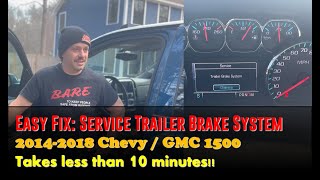
We Have This Part in Stock


The information in this article is provided for general reference and educational purposes only. Vehicle specifications, procedures, and part compatibility can vary by production date, trim level, and region. Always consult your vehicle's factory service manual and verify part numbers before purchasing or performing repairs. Safety-critical components such as airbags, seat belts, and braking systems should be installed by a qualified professional.
- Gmc SIERRA 1500:
- 🧭 Diagnostic Flowchart
- 🎬 Helpful Videos
- 🛍️ Shop This Part
- What's Unique About the 2014-2018 Gmc SIERRA 1500
- Symptoms You May Notice
- Most Likely Causes
- Rare But Worth Checking
- Diagnosis Steps
- Parts You'll Likely Need
- Related Codes That Often Appear With This One
- Technical Service Bulletins (TSBs) & Recalls
- Platform-Specific Known Issues
- Mechanic-Grade Diagnostic Values
- Scan Tool Commands That Help
- Wiring & Ground Locations
- Real Owner Repair Stories
- "I Checked Everything" — The Actual Cause
- OEM Part Supersession History
- Model Year Variations Within This Range
- 🎟️ Get 5% Off